 © Alberto AlcaláCC BY 4.0
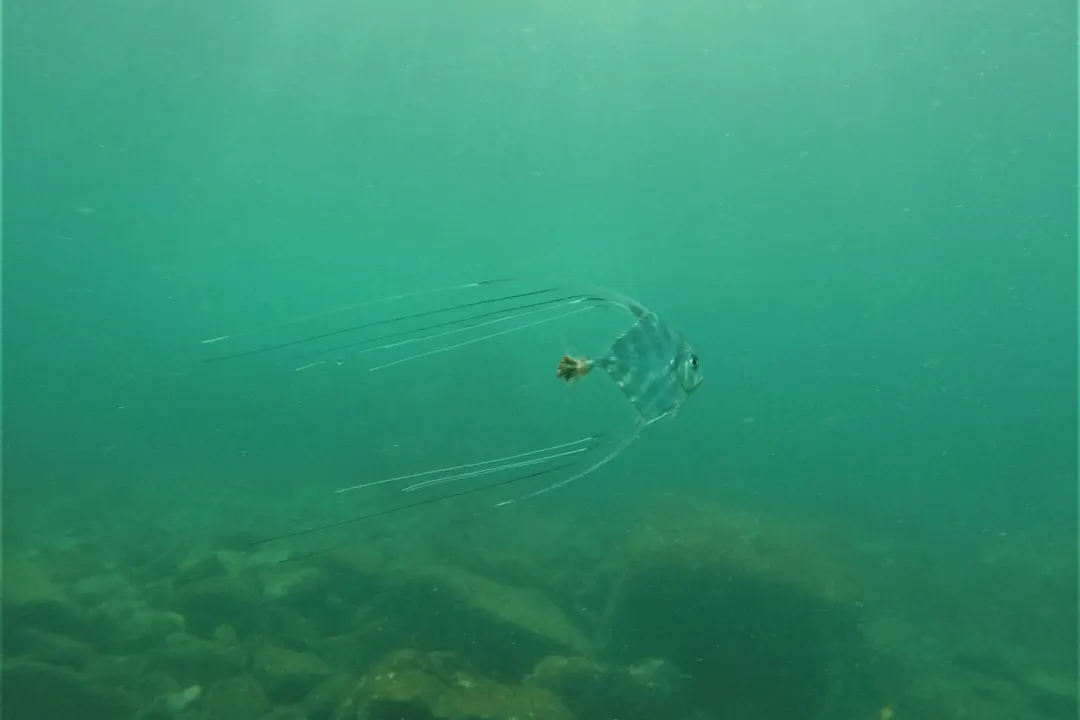
African Pompano
Alectis ciliaris
Selar crumenophthalmus
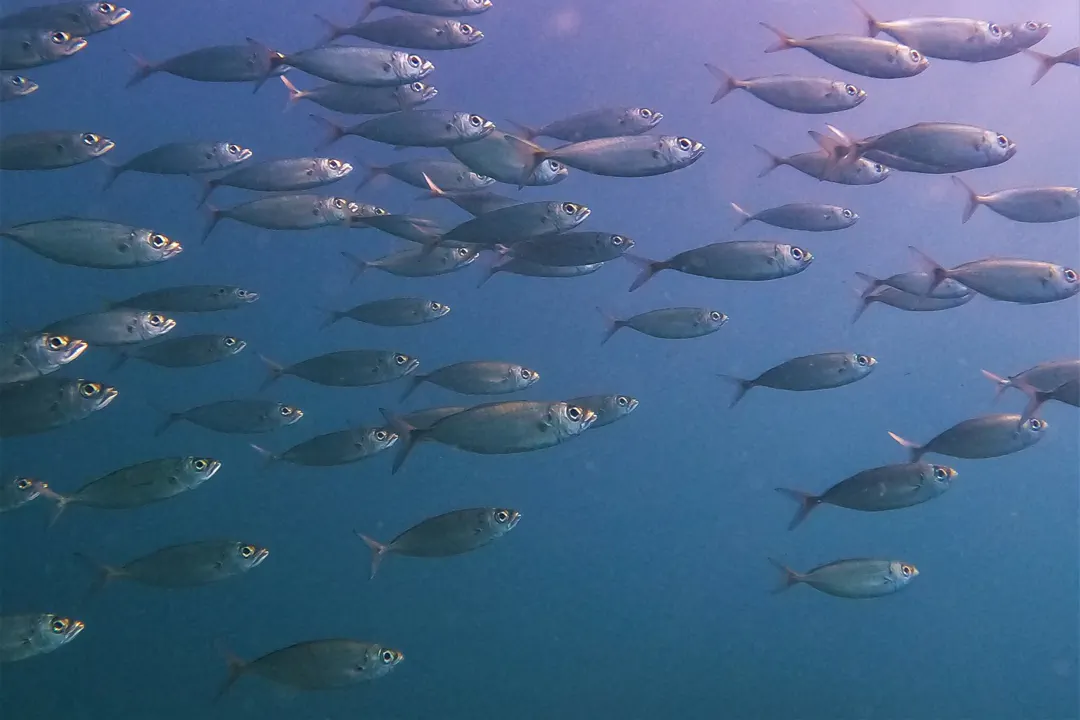
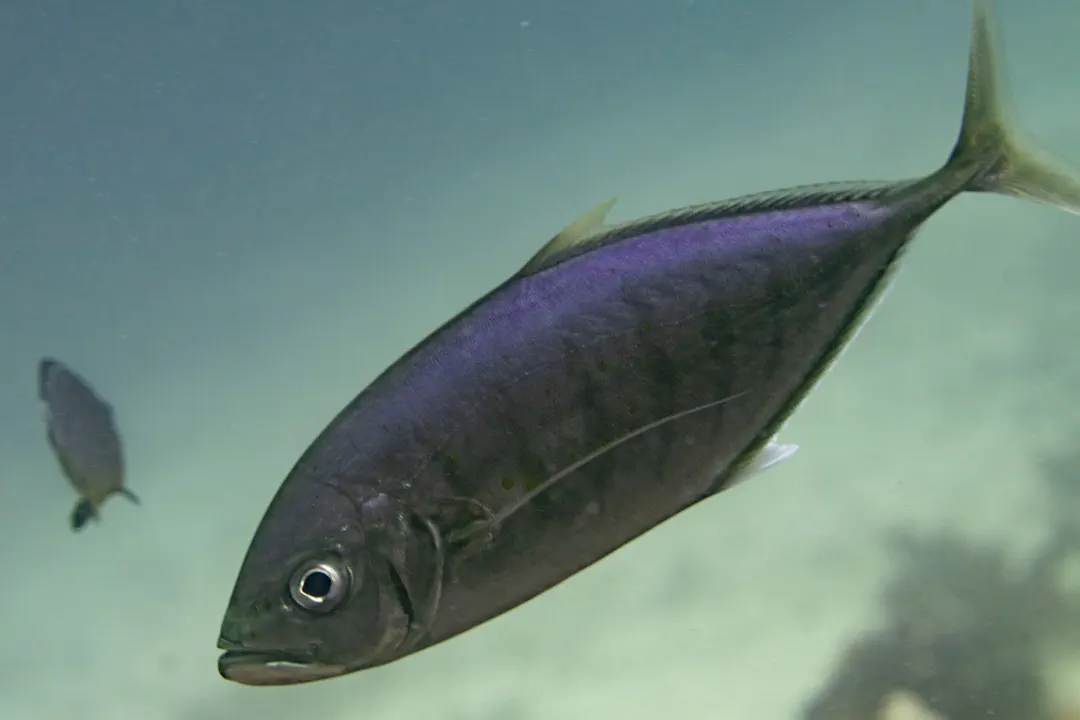
Selar crumenophthalmus is an oceanic fish found in tropical regions around the globe. The bigeye scad is fished commercially, both for human consumption and for bait.
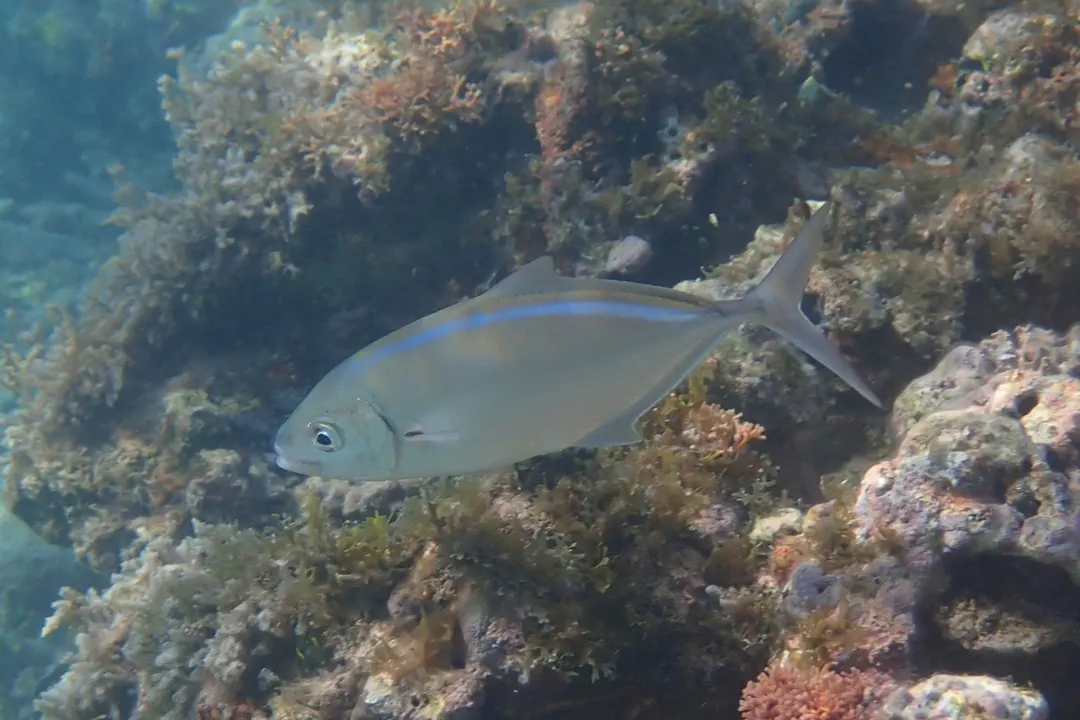
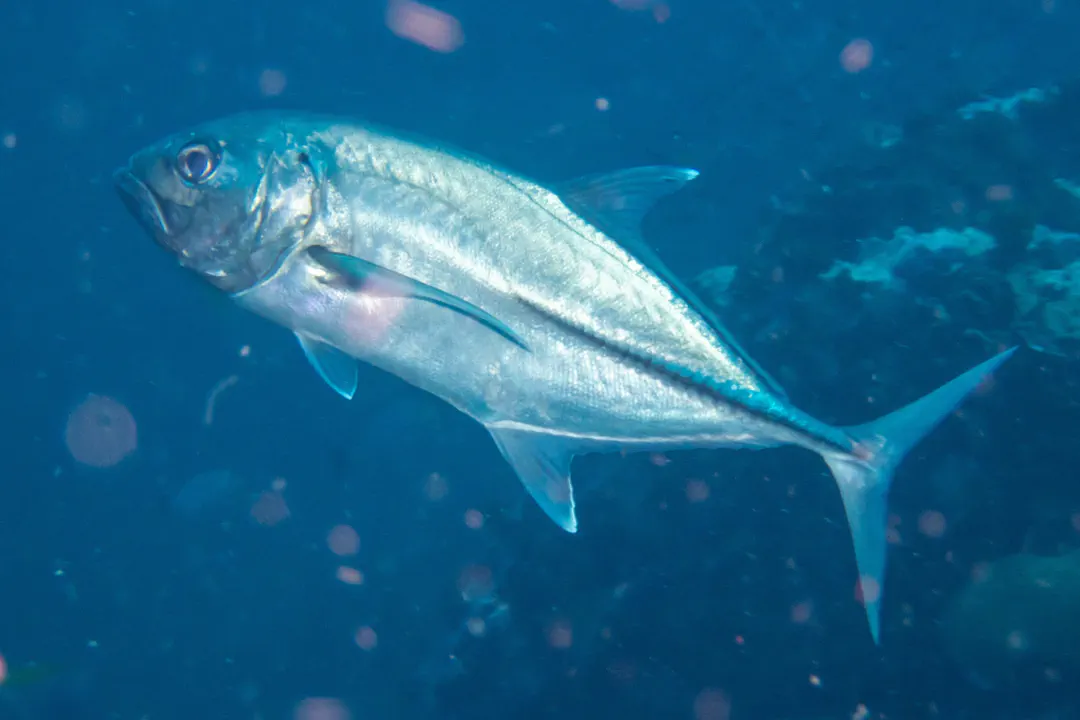
The bigeye scad is blue-green or green on its back and sides and white on the underside. It is recognized from other Scad by the scutes (dark vertical hash mark lines on their bodies near the tail)It is recognized from other Scad by the scutes (dark vertical hash mark lines on their bodies near the tail). It grows to about 70 cm long. Dorsal spines (total): 9; Dorsal soft rays (total): 24-27; Anal spines: 3; Anal soft rays: 21 - 23.
Circumtropical. Indo-Pacific: East Africa to Rapa, north to southern Japan and the Hawaiian Islands, south to New Caledonia. Eastern Pacific: Mexico to Peru, including the Galapagos Islands. Western Atlantic: Nova Scotia, Canada and Bermuda through the Gulf of Mexico and the Caribbean to to São Paulo, Brazil. Eastern Atlantic: Cape Verde to southern Angola.
Adults prefer clear oceanic waters around islands to neritic waters. Occasionally in turbid waters. Pelagic. Individuals travel in compact groups of hundreds of thousands of fish. Mainly nocturnal in habit, they disperse at night to feed on small shrimps, benthic invertebrates, and forams when inshore, and zooplankton and fish larvae when offshore.
The bigeye scad are fished commercially; the global catches are about 200 thousand tonnes per year. They are highly valued as food in Asian and Pacific cultures. In Maldivian cuisine it is known as mushimas and commonly eaten in garudhiya or fried. In Florida and the Caribbean they are popular as bait.
Parasites of the bigeye scad include the philometrid nematode Philometra selaris, which lives inside the ovary of the females.
© Alberto AlcaláCC BY 4.0 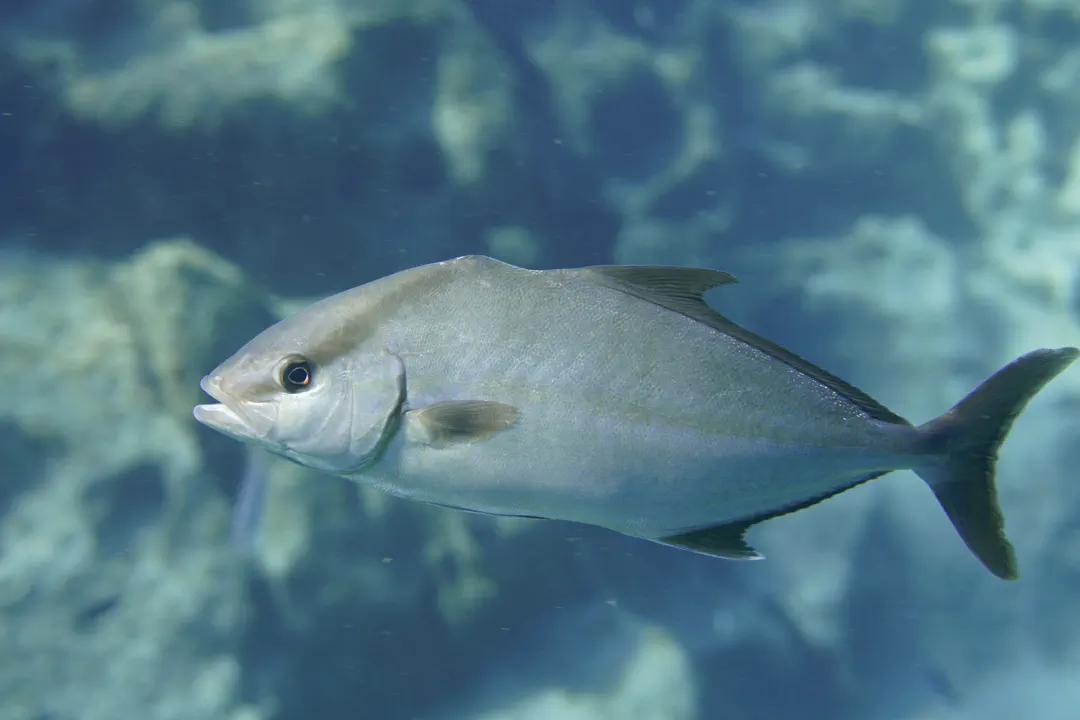 © Michael BommererCC BY 4.0
  © cello caruso-turielloCC BY 4.0 · iNaturalist
  © Fish and DiveCC BY 4.0 · iNaturalist
  © portioidCC BY 4.0 · iNaturalist
  © paubatllevAll rights reserved
 Bigeye Scad is classified as poisonous. Always exercise caution and keep a safe distance.
Bigeye Scad can be found at depths of up to 170 meters.
Download Seabook free for iOS and Android.