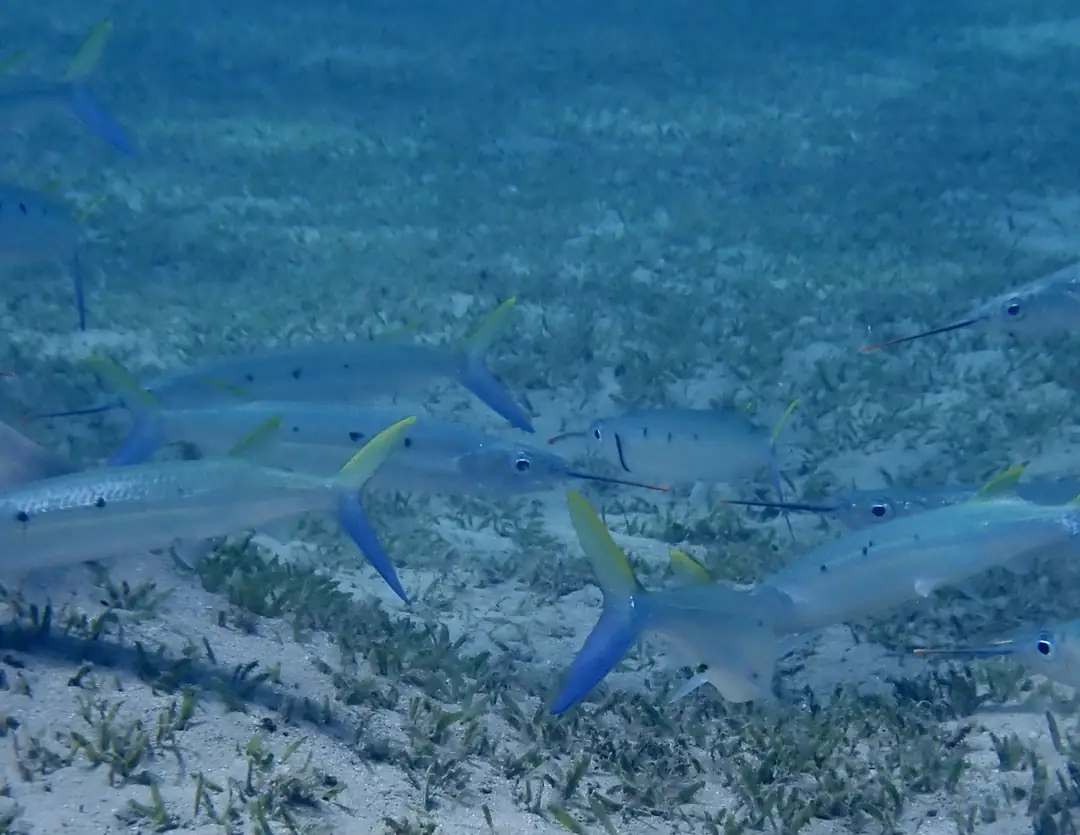
 © Jean-Paul BoerekampsAll rights reserved
Black-barred Garfish
Hemiramphus far
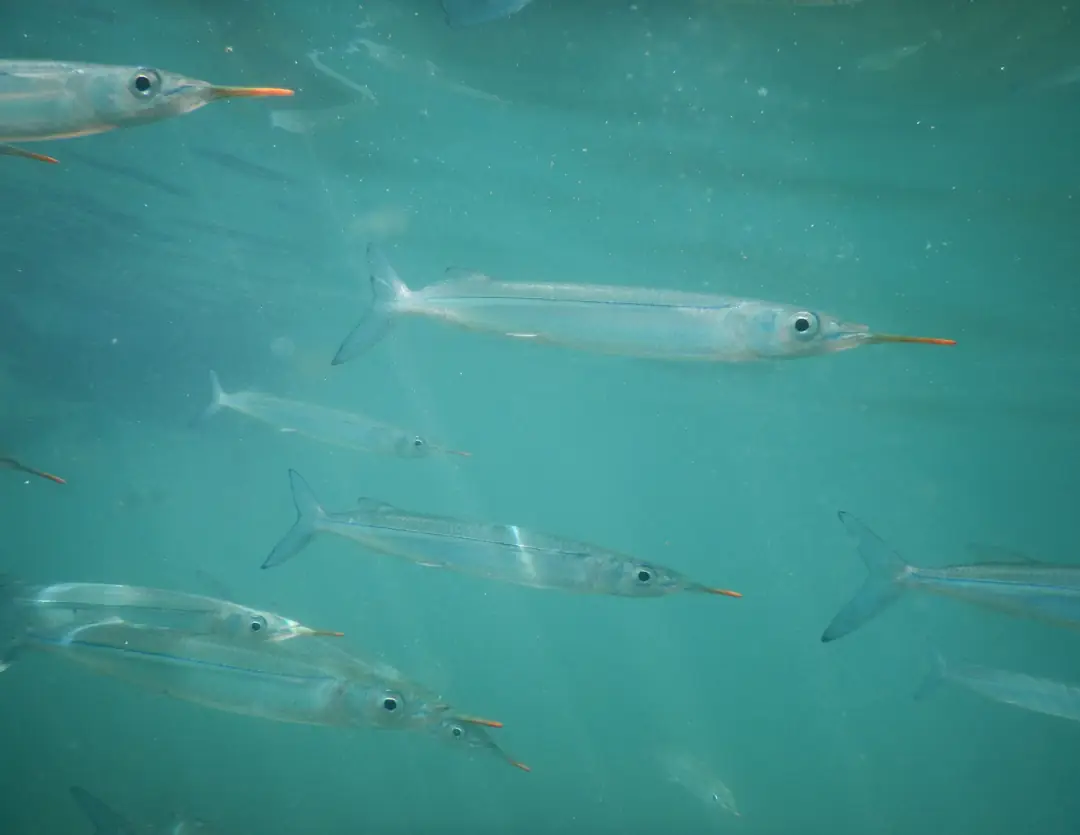 © Attila OláhCC BY 4.0
Hyporhamphus quoyi
Dorsal spines (total): 0; Dorsal soft rays (total): 14 - 17; Anal spines: 0; Anal soft rays: 13 - 17; Vertebrae: 51 - 56. Prolonged, beak-like lower jaw, shorter than head length, its length contained in 4.7-8.6 times in SL and 1.2-2.0 times in head length; upper jaw short, scaly, blunt and rounded, its width contained in 0.5-0.6 times in its length; preorbital bone 1.75-2.15 times in diameter of orbit and 0.9-1.15 times in length of upper jaw; preorbital ridge present; posterior branch to preorbital lateral line canal present. Total number of gill rakers on first arch 26-39; dorsal fin rays 14-17, usually 16; anal fin rays 13-17, usually 15 or 16. Caudal fin forked, with lower lobe longer than upper.
Shark Bay, Western Australia, around the tropical north to Yamba Bay, Clarence River, New South Wales. Elsewhere the species occurs in the Indo-West Pacific: India and Sri Lanka east to the Philippines and Papua New Guinea, north to southern Japan, south to northern Australia. Inhabits bays, estuaries, the lower reaches of rivers and coastal waters of continents and large islands, often in turbid waters.
© Jean-Paul BoerekampsAll rights reserved 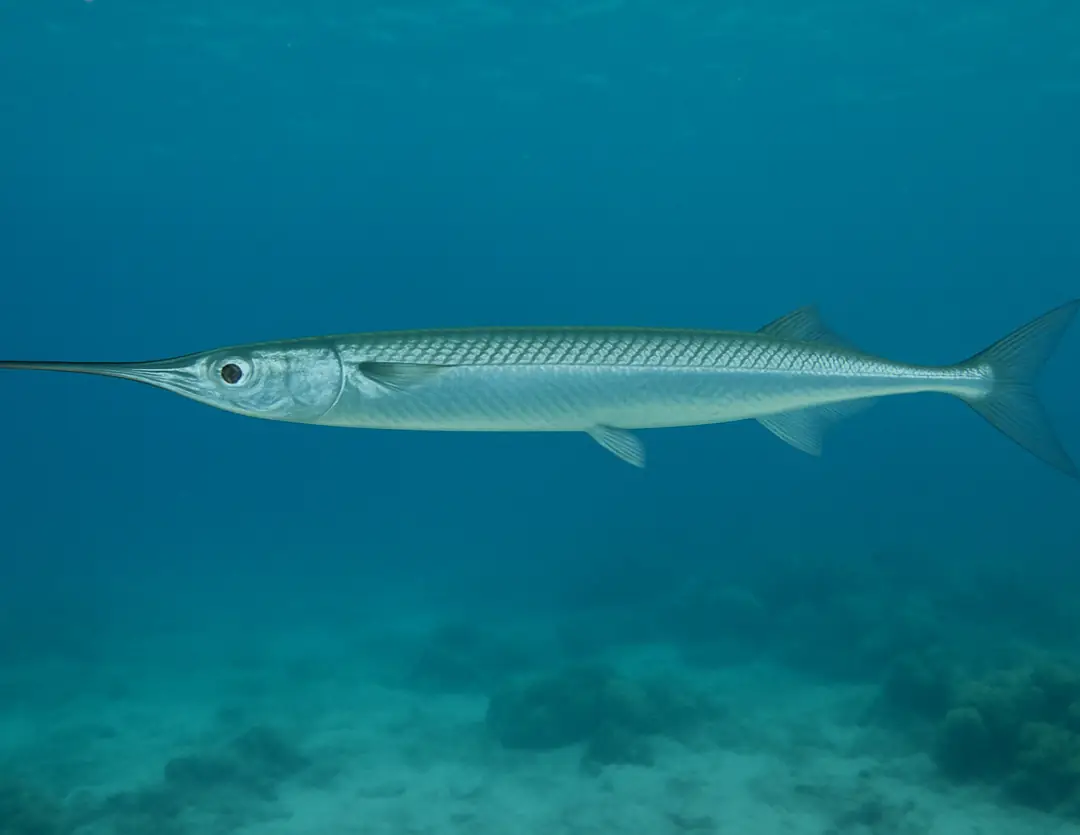
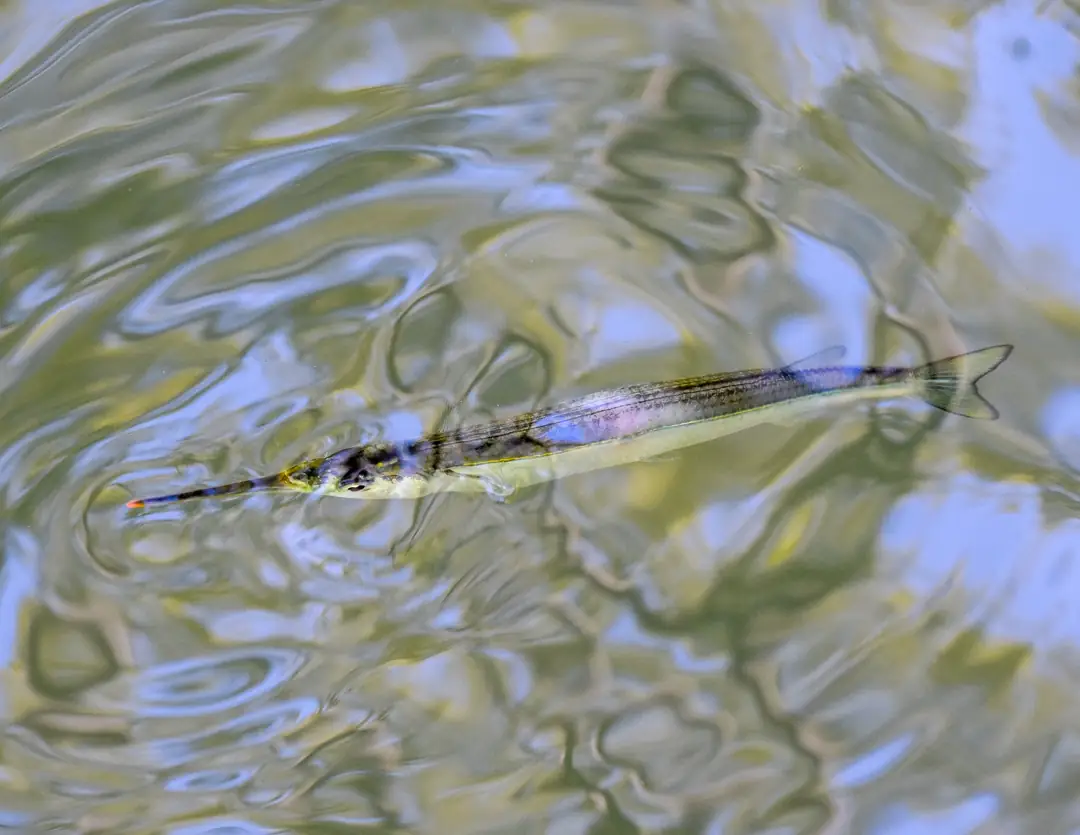 © nick_rogersAll rights reserved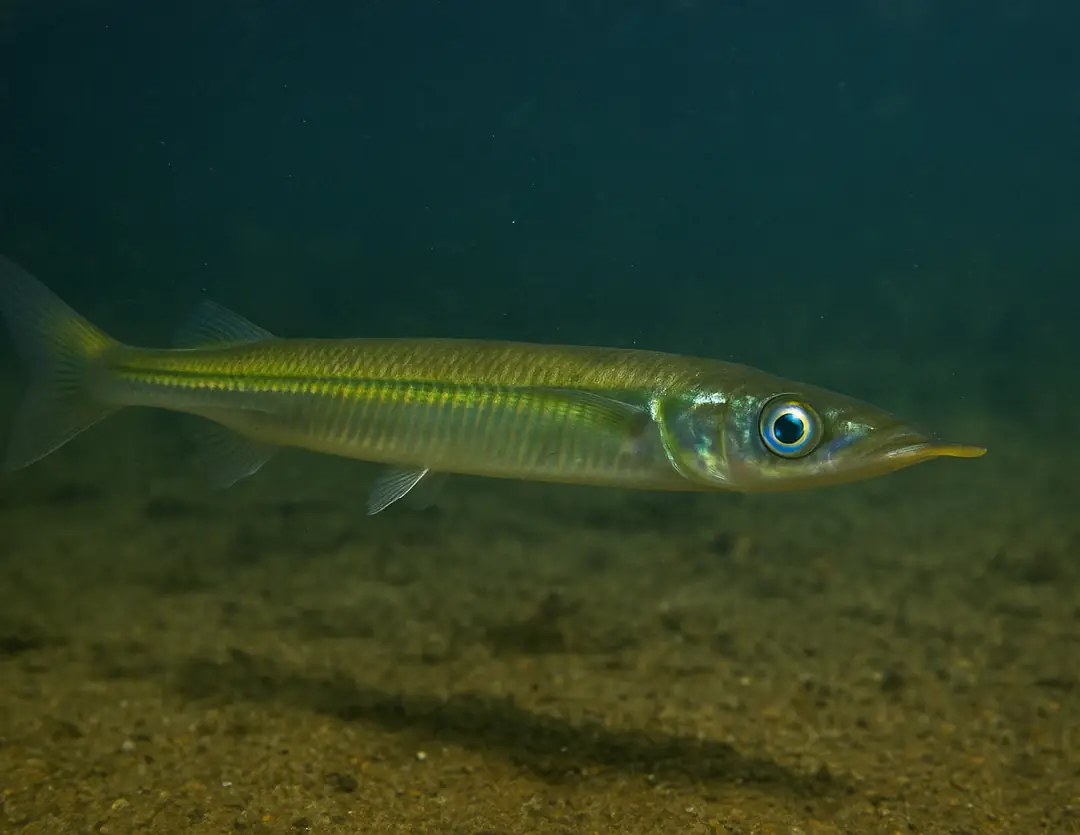
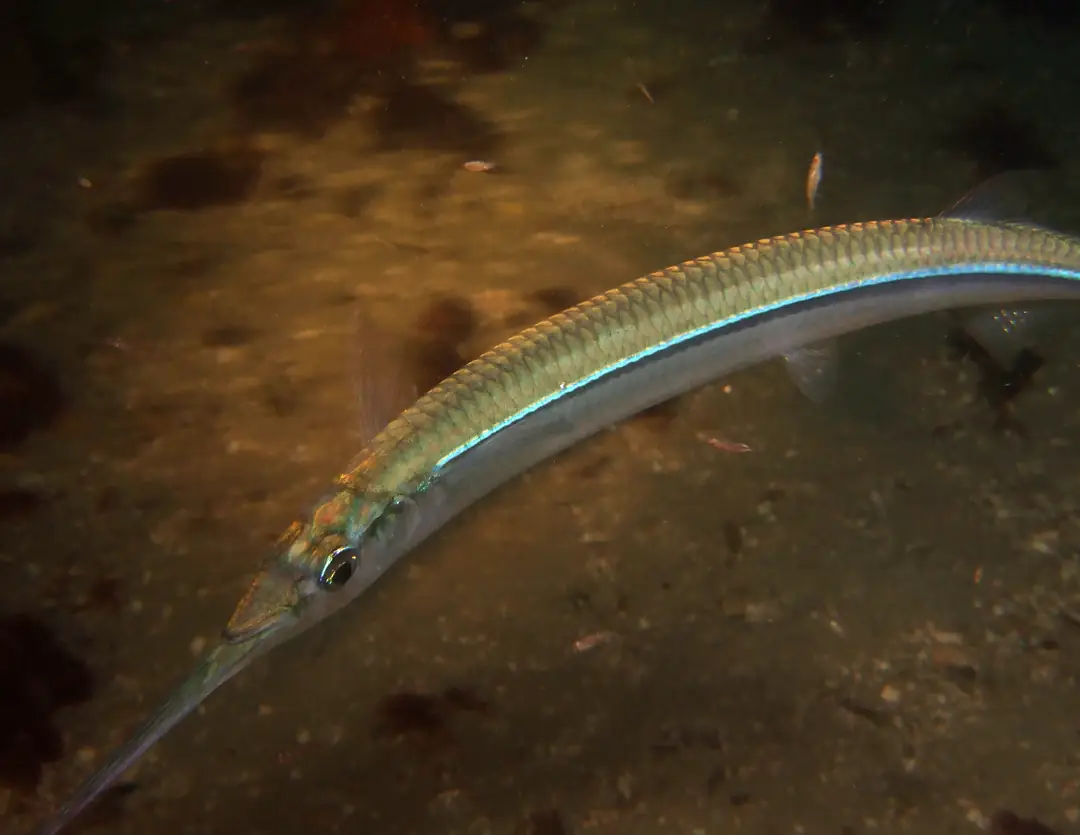 © James PeakeAll rights reserved
 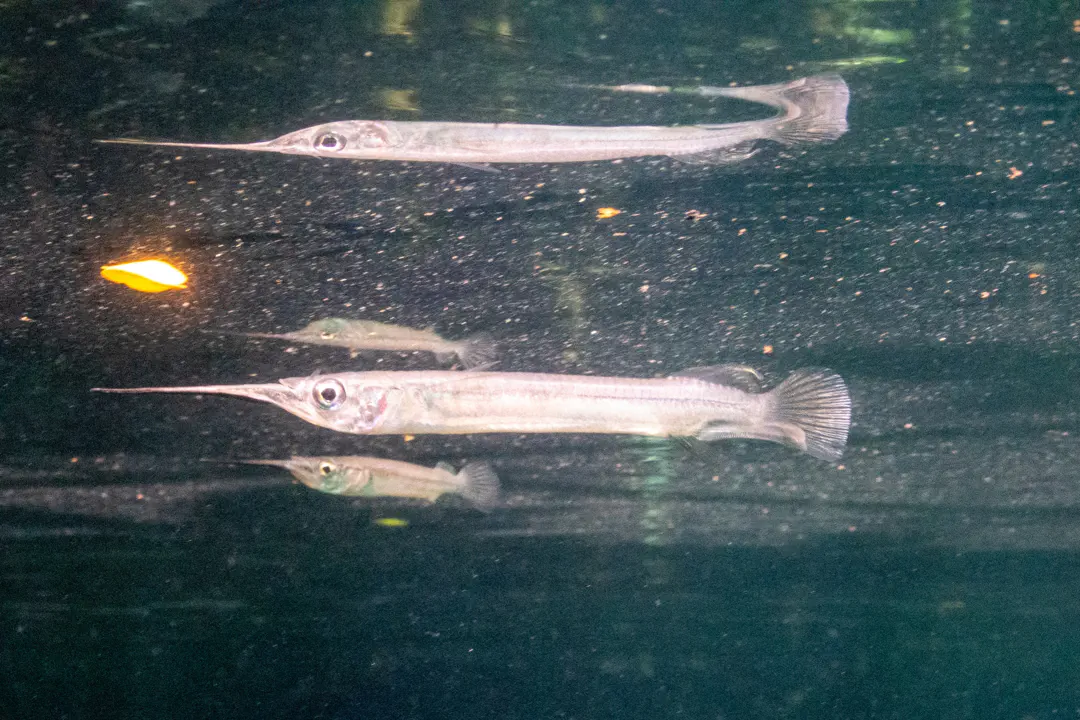 Justin PhilboisCC0 · iNaturalist
 Short-nosed Garfish has no known danger to humans. However, always observe marine life responsibly.
Download Seabook free for iOS and Android.