Alder's Acanthozoon
Acanthozoon alderi
Thysanozoon nigrum, commonly referred to as a black marine flatworm, is a member of the family Pseudocerotidae and is found in tropical and subtropical marine regions, including the western Atlantic and the Indo-Pacific.
Thysanozoon nigrum was first described by Charles Girard in 1851. The original name of the species is Thysanozoon nigrum Girard, 1851. The type locality information for Thysanozoon nigrum is not recoverable from authoritative sources, but later literature reports the species from the western Atlantic and the Indo-Pacific. The genus name Thysanozoon was established by Grube in 1840, while the specific epithet nigrum is Latin for 'black', referring to the species' coloration. There are no documented confirmed junior synonyms or genus transfers for Thysanozoon nigrum according to the retrieved sources.
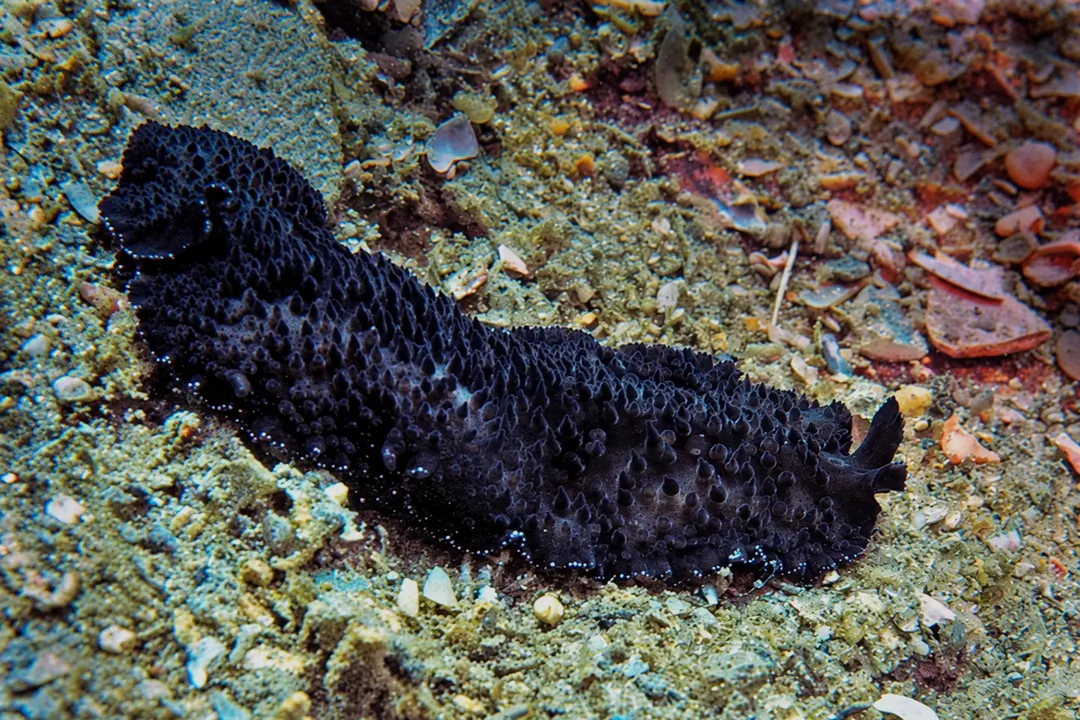
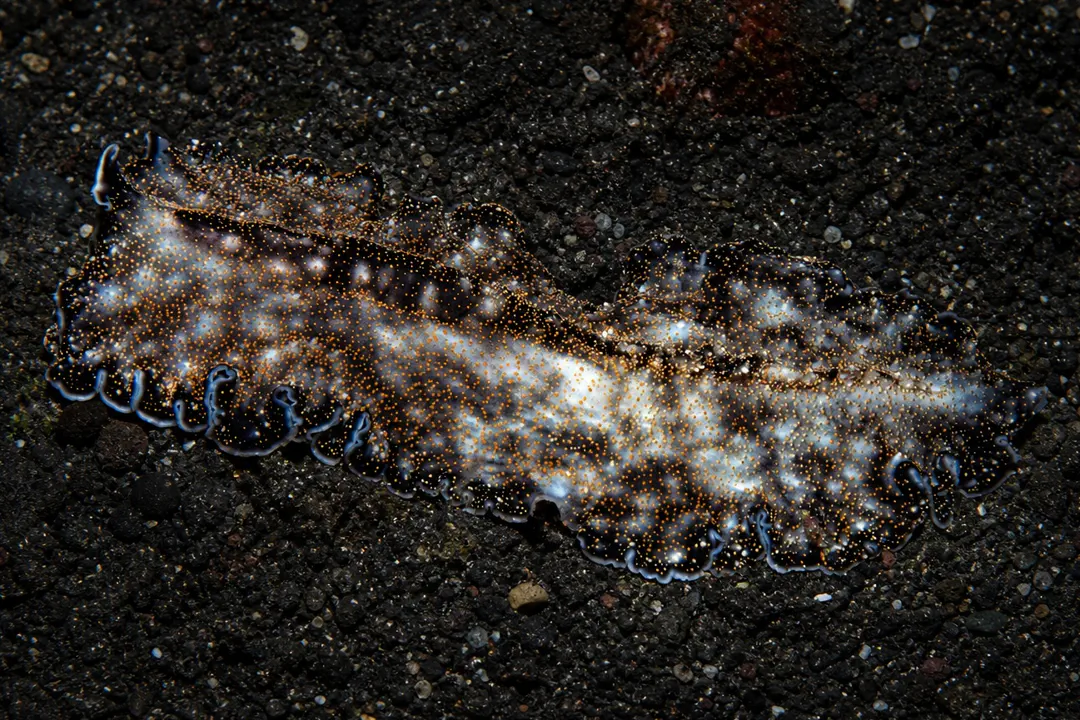
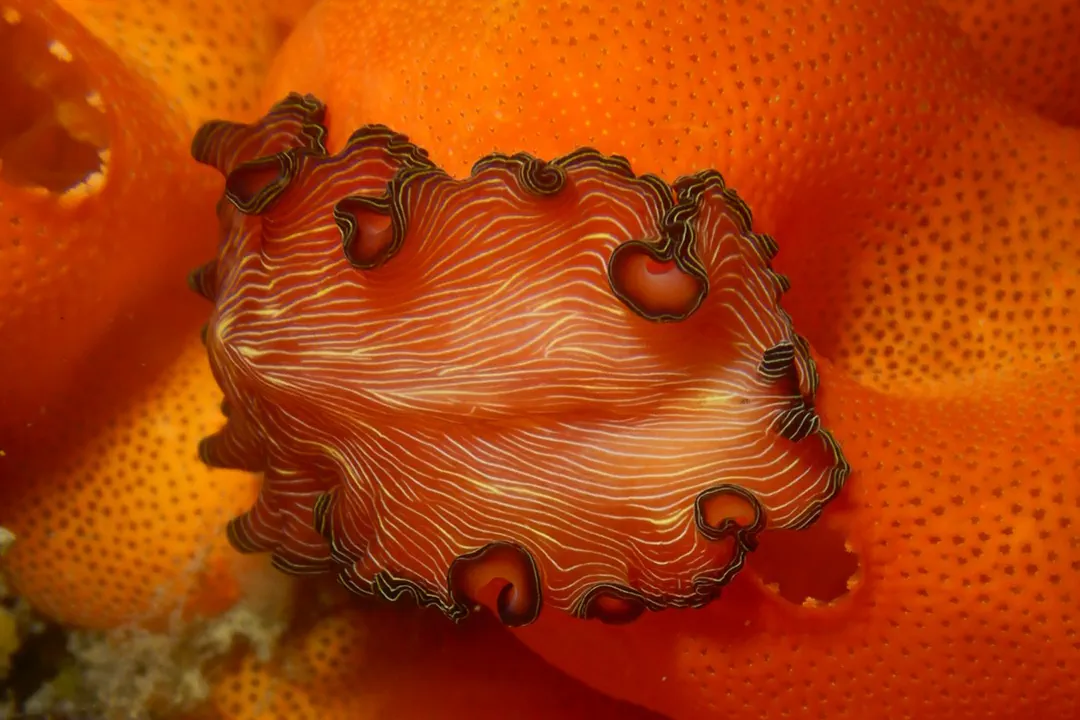
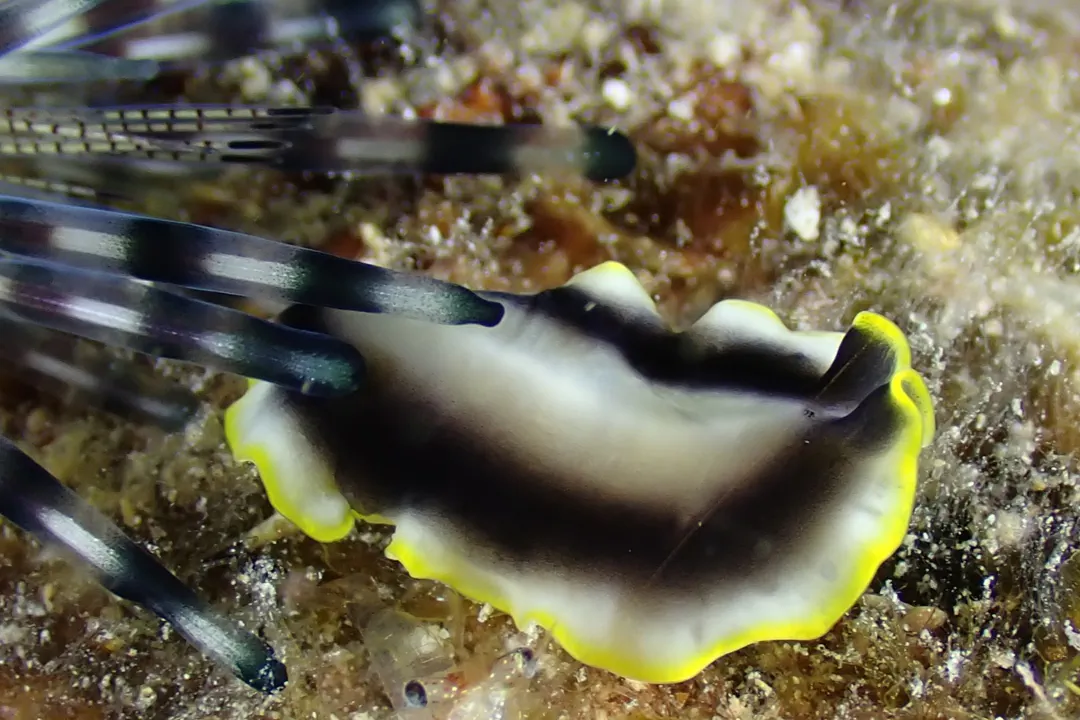
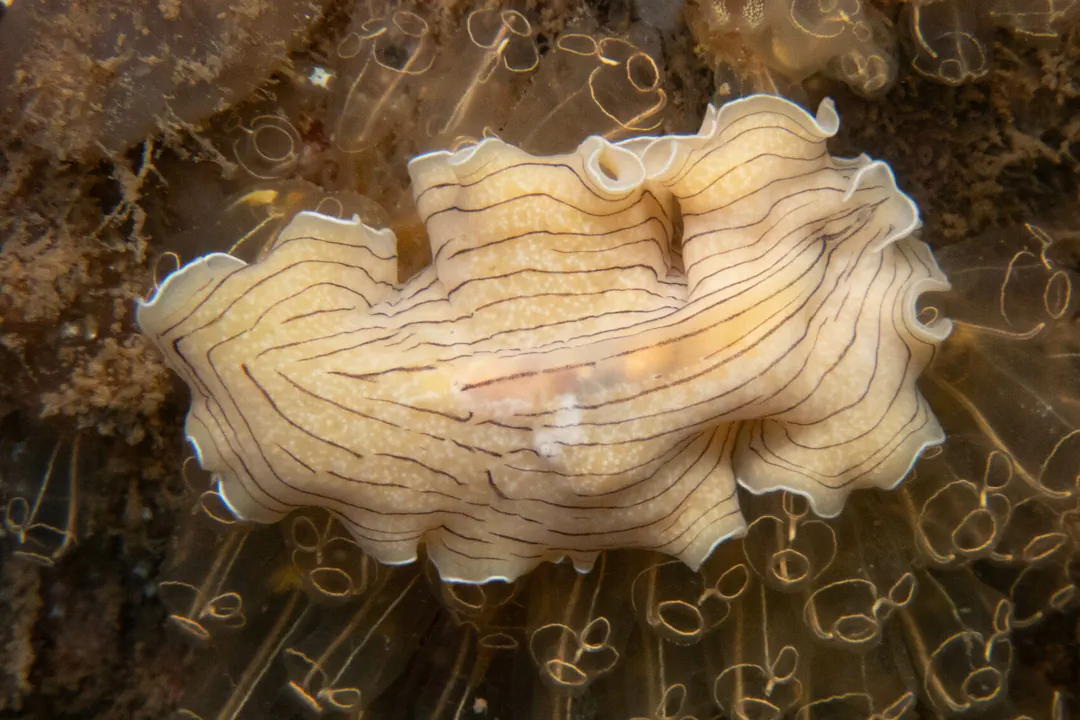
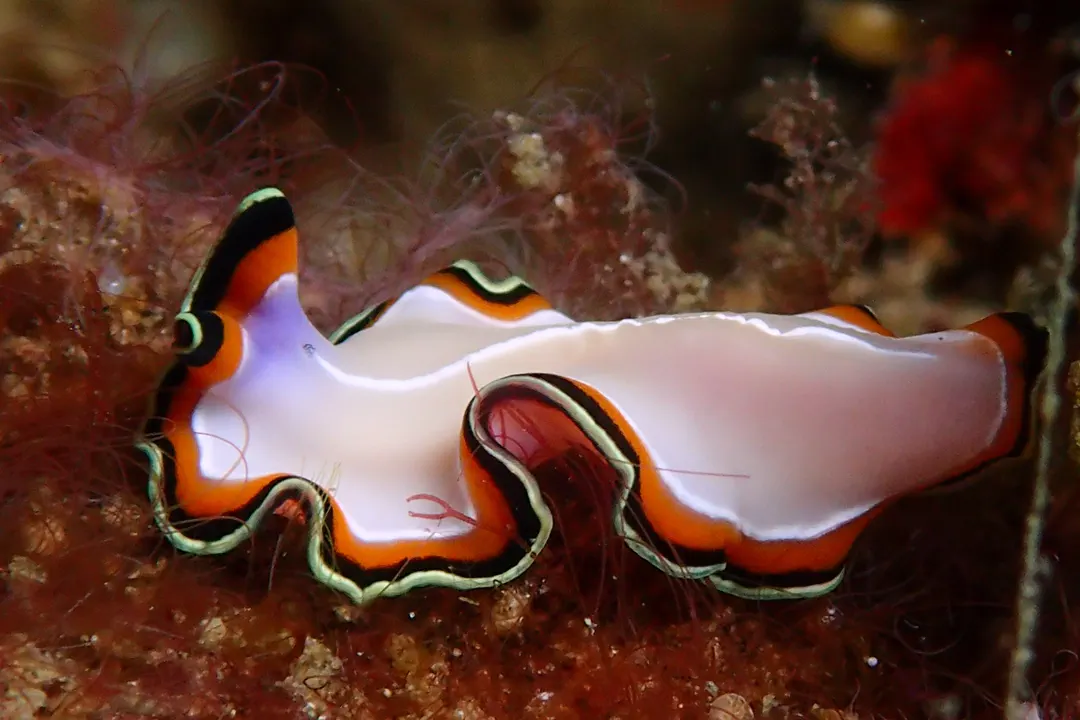
The dorsal surface of the black marine flatworm is generally black to velvety-black, with some individuals displaying scattered white speckles. The dorsum is covered with conspicuous, rounded black papillae, giving the animal a granular or velvety appearance, which is characteristic of the genus Thysanozoon. It has a flattened, broad, elongate body shape that glides close to the substrate, with margins that may ruffle during movement. The anterior margin features paired, ruffled or square-shaped pseudotentacles, which have tips that are white from clustered dots, and the cerebral eyespots form a horseshoe-shaped arrangement in an oval area behind them. The ventral surface of the species is lighter than the dorsum and lacks the white spotting found on the dorsal side. The combination of an entirely black body and black dorsal papillae is diagnostic within the genus, although species-level identification may require examination of internal anatomy. Unlike Acanthozoon species, which have one male pore, Thysanozoon nigrum has two male pores, but this feature typically requires close examination or microscopy. A black Pseudoceros may lack the obvious dorsal papillae, making the presence of numerous dorsal papillae a distinguishing feature of Thysanozoon nigrum. The soft, flattened body of the black marine flatworm glides without a visible muscular foot or shell, and its tentacles are folded marginal tissue rather than distinct rhinophores typical of nudibranchs.
The species is documented from shallow reef-associated habitats, including the upper and middle intertidal zone and tide pools. One record of Thysanozoon nigrum came from a seagrass bed on Western Paga Reef. It is found under rubble and along rocky slopes in tide pools with sandy bottoms. The species has also been associated with reef, algal-reef, sandy, and rocky habitats. The available records place it in intertidal and very shallow coastal waters, with no reliable continuous subtidal depth range established. Previously reported from the western Atlantic, it has been found in Florida, Texas, Bermuda, and the Bahamas, as well as in the Indo-Pacific around Singapore. It was subsequently reported from coastal Gujarat, India, including Okha and Paga Reef.
The species is most often observed crawling on shallow reefs during daylight, approximately 1–20 m deep, and is rarely reported at night. It normally crawls over the substrate, but in strong currents or when disturbed, it can swim rapidly by rhythmic body-margin undulations and contractions. Interactions among individuals appear primarily related to mating, as they can contact and grip one another during copulation. Thysanozoon nigrum is a simultaneous hermaphrodite, with mating involving one individual gripping the partner’s body margin with its paired penis and depositing sperm into the partner’s skin. The documented response to divers is escape swimming when physically disturbed, but there is insufficient evidence to determine whether ordinary diver presence elicits consistent responses.
Thysanozoon nigrum is a carnivorous polyclad flatworm that feeds on small marine invertebrates, including molluscs, polychaete worms, crustaceans, bryozoans, and especially ascidians (tunicates). It may also scavenge dead or injured animals. The species feeds by extending its muscular pharynx through its ventral mouth to grip or engulf prey. Digestive enzymes can break down tissues externally or within the gut, after which the liquefied food is drawn into the branched intestine. Indigestible material is expelled through the mouth, as polyclad flatworms generally lack a separate anus.
No evidence was found that Thysanozoon nigrum is targeted, harvested, or otherwise involved in commercial or subsistence fisheries. No authoritative evidence was found of an established aquarium trade for Thysanozoon nigrum; it may appear incidentally in live-rock or invertebrate shipments. No authoritative evidence was found that Thysanozoon nigrum is eaten by people or recognized as a food species, and it should not be consumed. No verified human hazard specific to Thysanozoon nigrum was identified, and it is not documented as venomous or medically dangerous. The formal conservation status of Thysanozoon nigrum is unknown/not assessed, as no species-level IUCN Red List assessment or other authoritative conservation category was located.
 © Ewout KnoesterCC BY-SA 4.0 · iNaturalist
  © Robin WhiteCC BY 4.0 · iNaturalist
  © Libby KeatleyCC BY 4.0 · iNaturalist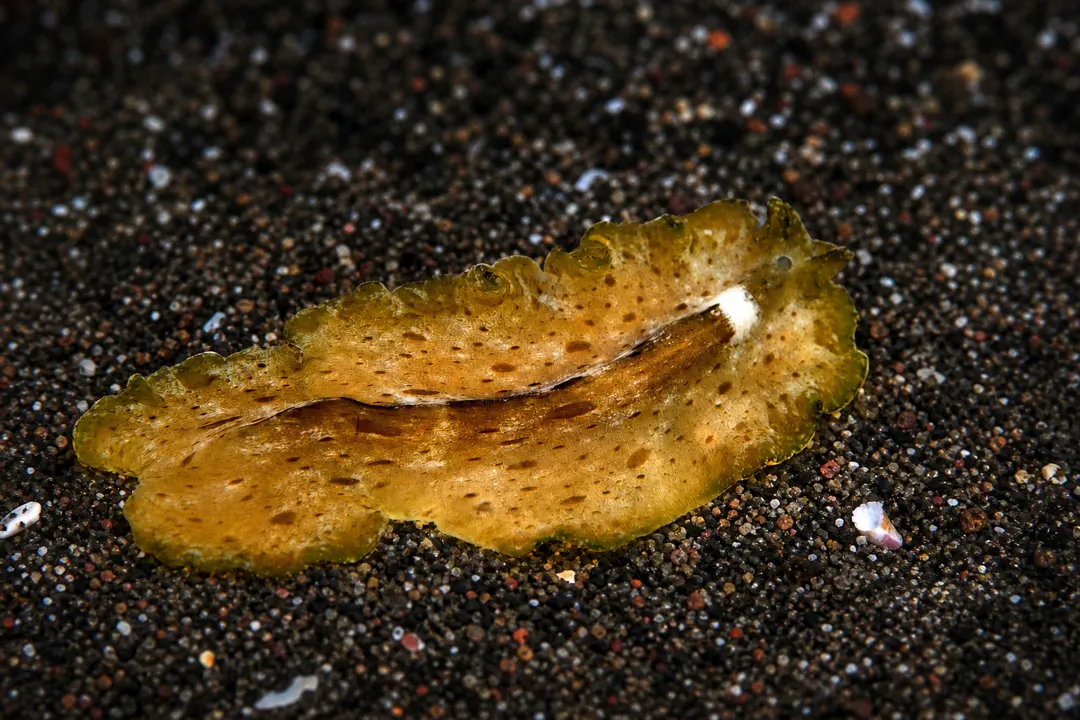
 © Dan SchofieldCC BY 4.0 · iNaturalist
 Thysanozoon nigrum has no known danger to humans. However, always observe marine life responsibly.
Download Seabook free for iOS and Android.