 Adam JacksonCC0 · iNaturalist
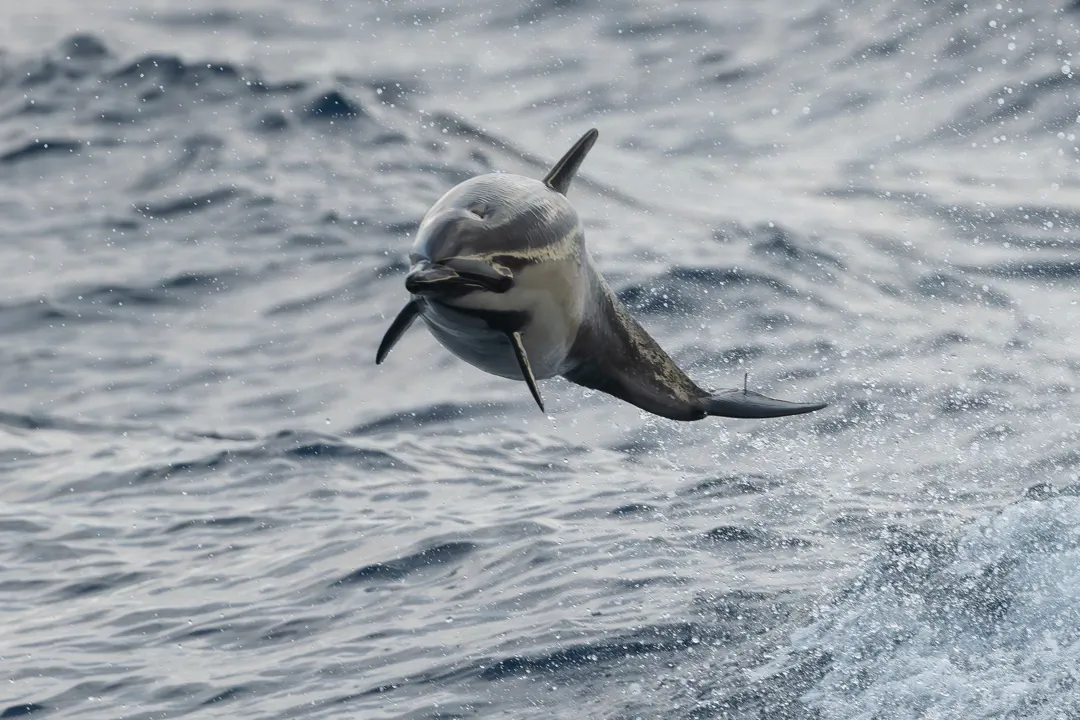
Common Dolphin
Delphinus delphis
Tursiops truncatus
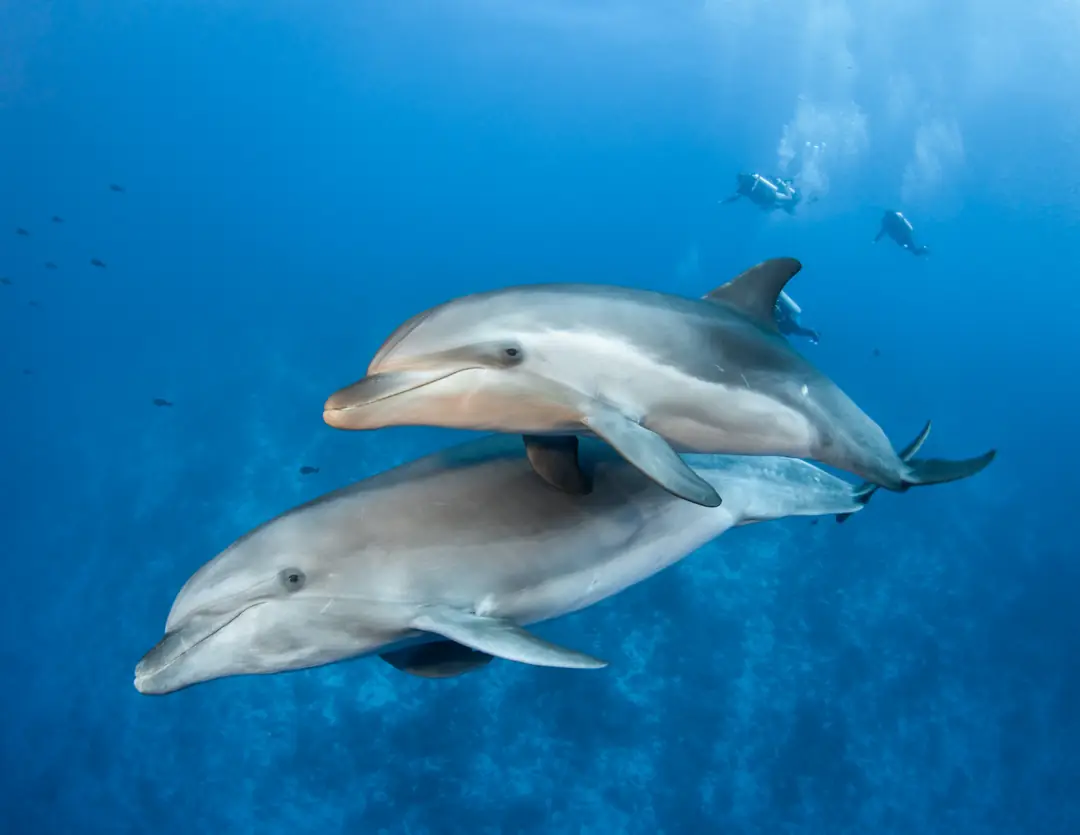
Tursiops truncatus is the most well-known species from the family Delphinidae.
Common bottlenose dolphins are the most familiar dolphins due to the wide exposure they receive in captivity in marine parks and dolphinaria, and in movies and television programs.T. truncatus is the largest species of the beaked dolphins. They inhabit temperate and tropical oceans throughout the world, and are absent only from polar waters. All bottlenose dolphins were previously known as T. truncatus, but recently the genus has been split into three species, T. truncatus, T. aduncus (Indo-Pacific bottlenose dolphin) and T. australis (Burrunan dolphin). Although T. truncatus has been traditionally called the bottlenose dolphin, many authors have used the name common bottlenose dolphin for this species since two other species of bottlenose dolphins were described. The dolphins inhabit warm and temperate seas worldwide. Considerable genetic variation has been described among members of this species, even between neighboring populations, and so many experts believe multiple species may be included within T. truncatus.
The common bottlenose dolphin is grey in color and may be between 2 and 4 m (6.6 and 13.1 ft) long, and weighs between 150 and 650 kg (330 and 1,430 lb). Males are generally larger and heavier than females. In most parts of the world, the adult's length is between 2.5 and 3.5 m (8.2 and 11.5 ft) with weight ranging between 200 and 500 kg (440 and 1,100 lb). Newborn calves are between 0.8 and 1.4 m (2 ft 7 in and 4 ft 7 in) long and weigh between 15 and 30 kg (33 and 66 lb). They can live as long as 40–50 years. Sexual maturity varies by population, and ranges from 5–14 years of age. Dolphins have a short and well-defined snout that looks like an old-fashioned gin bottle, which is the source for their common name. Like all whales and dolphins, though, the snout is not a functional nose; the nose has instead evolved into the blowhole on the top of their heads. Their necks are more flexible than other dolphins' due to five of their seven vertebrae not being fused together as is seen in other dolphin species.
Common bottlenose dolphins live in groups called pods that typically number about 15 individuals, but group size varies from pairs of dolphins to over 100 or even occasionally over 1000 animals for short periods of time. Their diets consist mainly of eels, squid, shrimp and wide variety of fishes. They do not chew their food, instead swallowing it whole. Dolphin groups often work as a team to harvest schools of fish, though they also hunt individually. Dolphins search for prey primarily using echolocation, which is a form of sonar. They emit clicking sounds and listen for the return echoes to determine the location and shape of nearby items, including potential prey. Dolphins also use sound for communication, including squeaks emitted from the blowhole, whistles emitted from nasal sacs below the blowhole, and sounds emitted through body language, such as leaping from the water and slapping their tails on the water. Their heads contain an oily substance that both acts as an acoustic lens and protects the brain case.
T. truncatus can be found in the temperate, subtropical and tropical oceans worldwide. Some bottlenose populations live closer to the shore (inshore populations) and others live further out to sea (offshore populations). Generally, offshore populations are larger, darker, and have proportionally shorter fins and beaks. Offshore populations can migrate up to 4,200 km (2,600 mi) in a season, but inshore populations tend to move less. However, some inshore populations make long migrations in response to El Niño events.
T. truncatus has a bigger brain than humans. Numerous investigations of bottlenose dolphin intelligence include tests of mimicry, use of artificial language, object categorization, and self-recognition. This intelligence has driven considerable interaction with humans. Common bottlenose dolphins are popular in aquarium shows and television programs such as Flipper. They have also been trained for military uses such as locating sea mines or detecting and marking enemy divers, as for example in the U.S. Navy Marine Mammal Program. In some areas, they cooperate with local fishermen by driving fish toward the fishermen and eating the fish that escape the fishermen's nets.
Some interactions with humans are harmful to the dolphins. Dolphin hunting industry exists in multiple countries including Japan, where common bottlenose dolphins are hunted for food annually in the town of Taiji,and the Faroe Islands. Also, dolphins are sometimes killed inadvertently as a bycatch of tuna fishing.
Tião was a well-known solitary female Bottlenose Dolphin that was first spotted in the town of São Sebastião in Brazil around 1994 and frequently allowed humans to interact with her. The dolphin became infamous for killing a swimmer and injuring many others, which later earned her the nickname killer dolphin.
The North Sea, Baltic, Mediterranean and Black Sea populations of the common bottlenose dolphin are listed on Appendix II of the Convention on the Conservation of Migratory Species of Wild Animals (CMS) of the Bonn Convention), since they have an unfavorable conservation status or would benefit significantly from international cooperation organized by tailored agreements.
The species is covered by the Agreement on Small Cetaceans of the Baltic, North East Atlantic, Irish and North Seas (ASCOBANS), the Agreement on the Conservation of Cetaceans in the Black Sea, Mediterranean Sea and Contiguous Atlantic Area (ACCOBAMS), the Memorandum of Understanding for the Conservation of Cetaceans and Their Habitats in the Pacific Islands Region, and the Memorandum of Understanding Concerning the Conservation of the Manatee and Small Cetaceans of Western Africa and Macaronesia.
Adam JacksonCC0 · iNaturalist 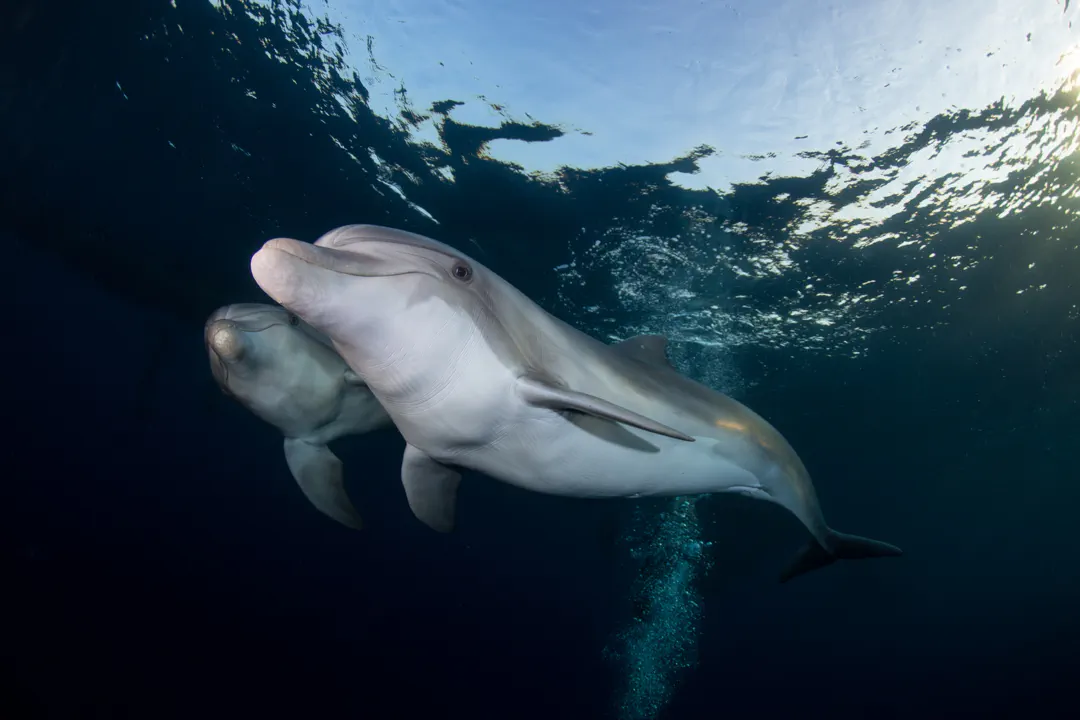 © טל שמעCC BY-SA 4.0 · iNaturalist
  © seabook.appAll rights reserved
 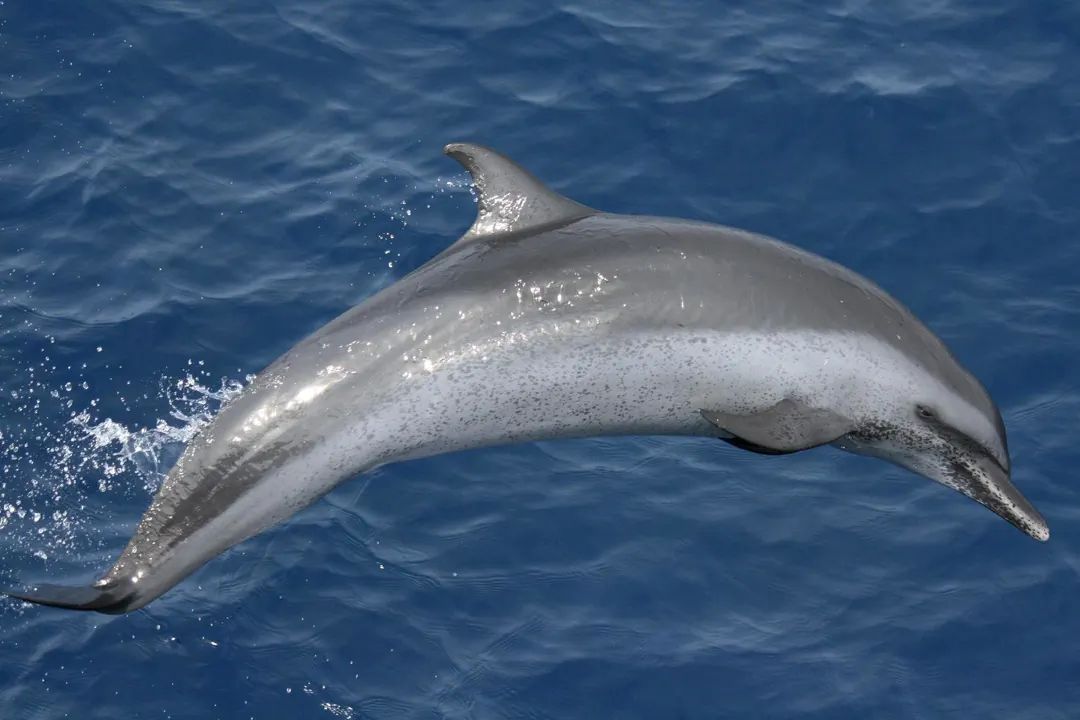 © Joseph Ferris IIICC BY 4.0 · iNaturalist
 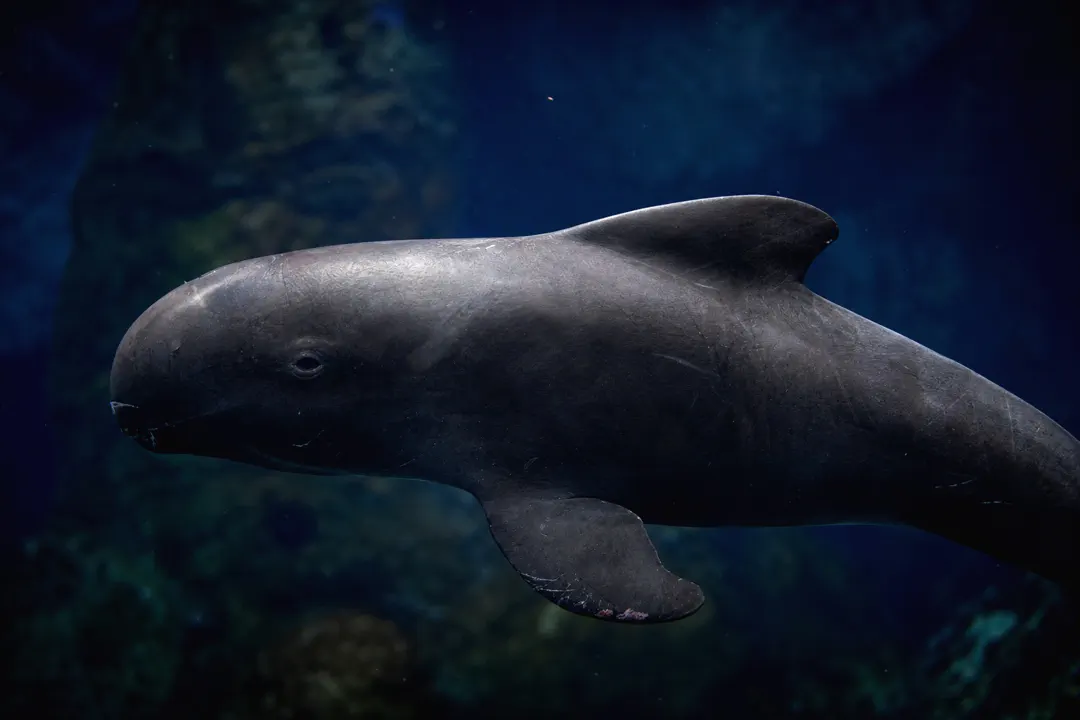 © seabook.appAll rights reserved
 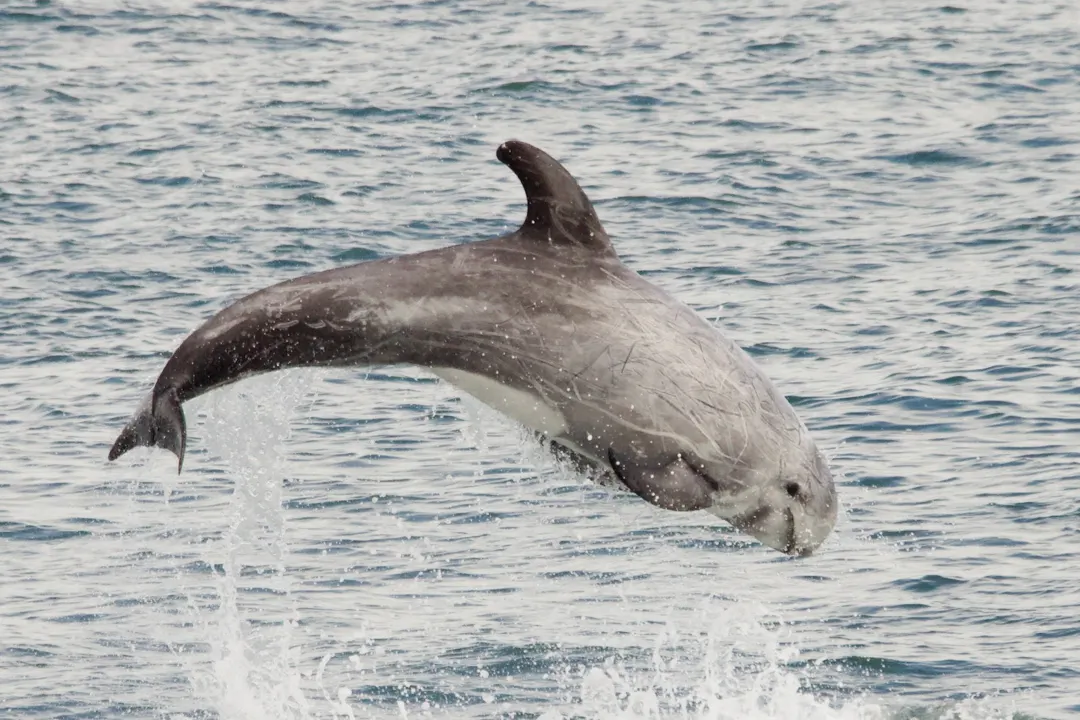 © Morgan CaygillCC BY 4.0 · iNaturalist
 Common Bottlenose Dolphin has no known danger to humans. However, always observe marine life responsibly.
Download Seabook free for iOS and Android.