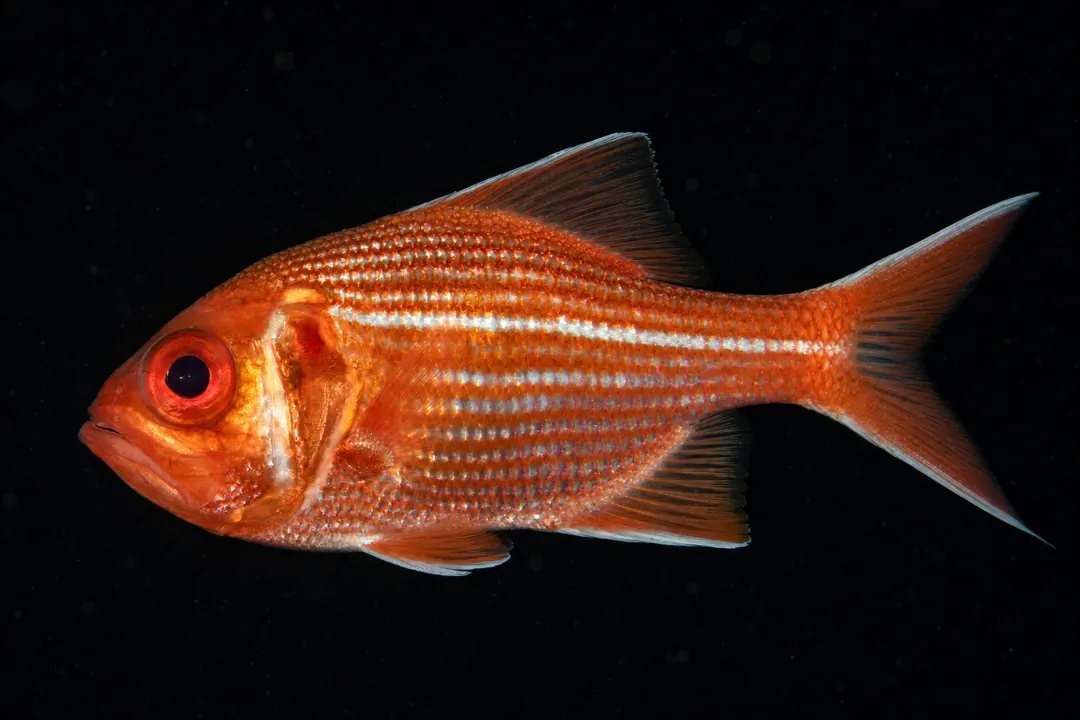
Bight Redfish
Centroberyx gerrardi
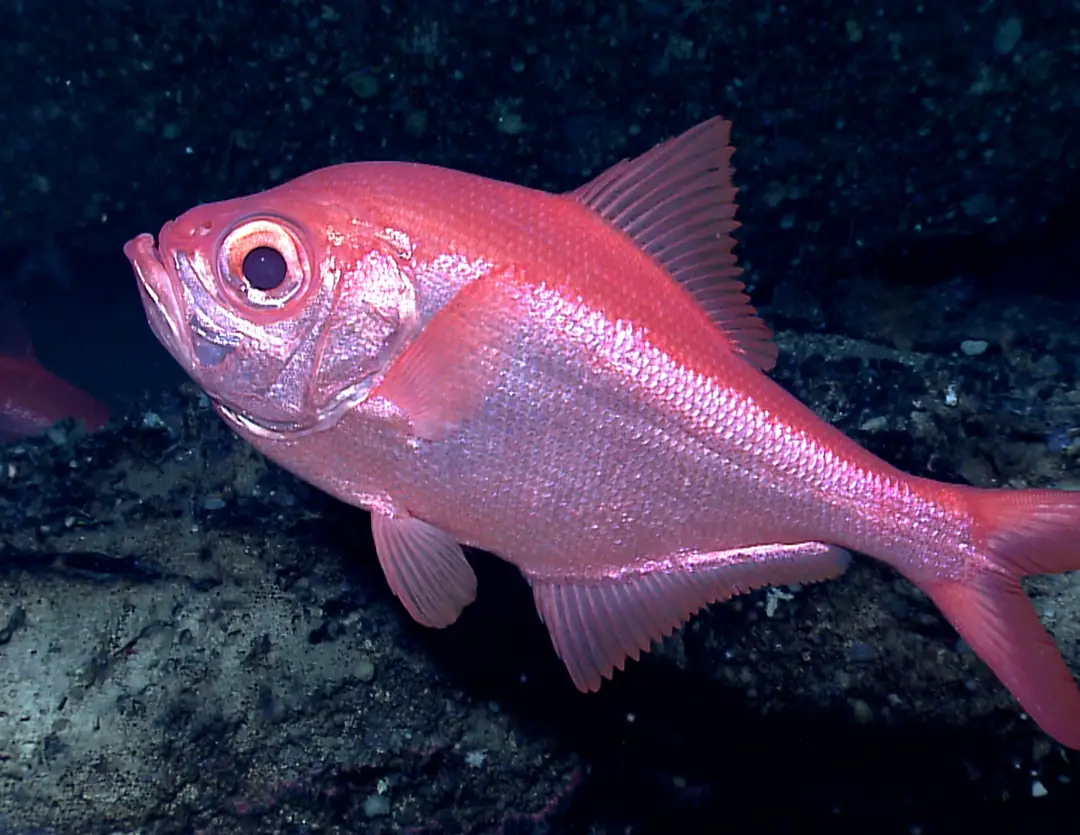
Beryx splendens
The splendid alfonsino (Beryx splendens) is an alfonsino of the genus Beryx, found around the world at depths between 25 and 1,250 metres (82 and 4,101 ft), usually between 400 and 600 metres (1,300 and 2,000 ft). Although its most common size is 40 centimetres (16 in), it can reach lengths of up to 70 centimetres (28 in). It is known as kinmedai (金目鯛) or "golden eye snapper" in sushi and Japanese cuisine.
A moderately slender bright red alfonsino, with a silvery-pink belly, a red iris, and bright red fins. The anal fin originates below or behind the rear of the dorsal fin.
Dorsal fin III-IV, 12-15; Anal fin IV, 25-30; Caudal fin 19; Pectoral fin 15-19; Pelvic fin I, 9-13; Lateral line scales (to end of caudal fin) 69-82; Scales above lateral line 9. Body oval, moderately deep, compressed, depth 33-40% SL (standard length), equal to or slightly more than head length. Head large, eye very large, diameter 40-42% HL; mouth reaching to below middle of eye. Anal-fin origin below rear part of dorsal fin base. First dorsal-fin rays sometimes elongate in small specimens.
Coral Sea, Queensland, around southern Australia, to off Rowley Shoals, Western Australia; also on the Lord Howe Rise and Norfolk Ridge in the Tasman Sea. Elsewhere, the species is worldwide between 62ºN and 42ºS; absent from the NE Pacific. Alfonsinos aggregate over the outer continental shelf and slope, often around seamounts, ridges and rises in association with deep-sea coral habitats. They are benthopelagic during the day, and make forays above the bottom to feed at night on mesopelagic fishes and crustaceans. Larvae and juveniles are pelagic at depths of 50-200m.
Served at traditional Edomae sushi restaurants, this fish is usually aged for 2 to 3 days after being dispatched using the ikejime technique. The ageing allows the fish's natural enzymes to break down the proteins in the flesh, increasing the flavour and texture of the fish. It is usually served with its skin lightly blowtorched, grilled under a charcoal grill or lightly blanched using a technique called kawashimo-zukuri (皮霜造り/かわしもづくり).
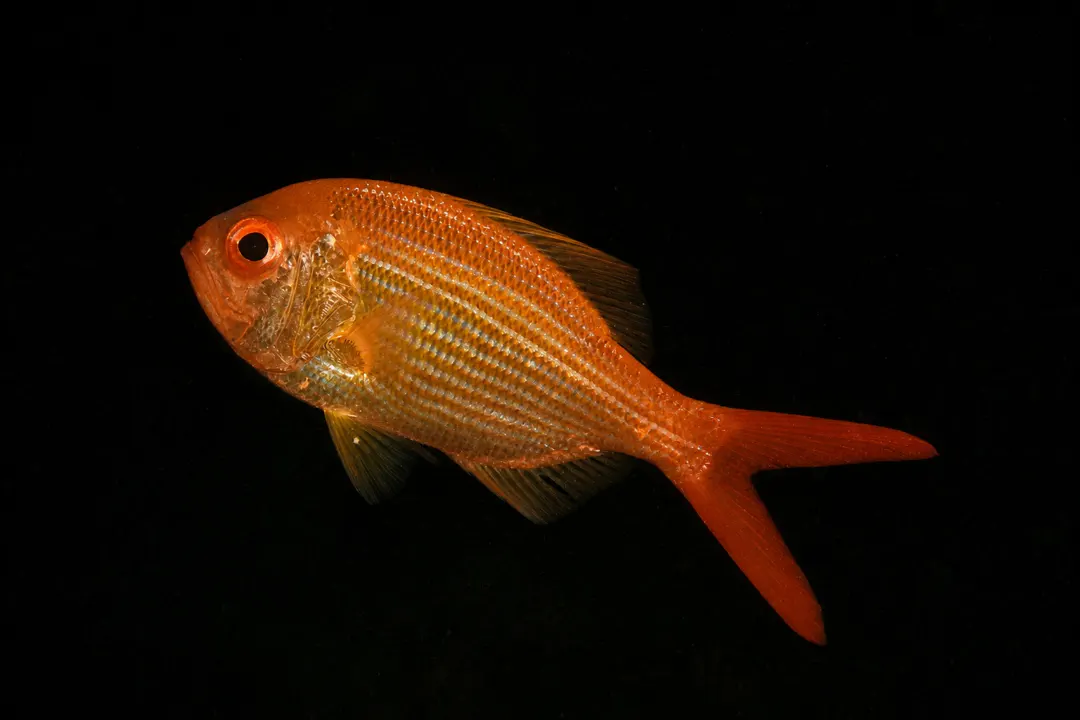
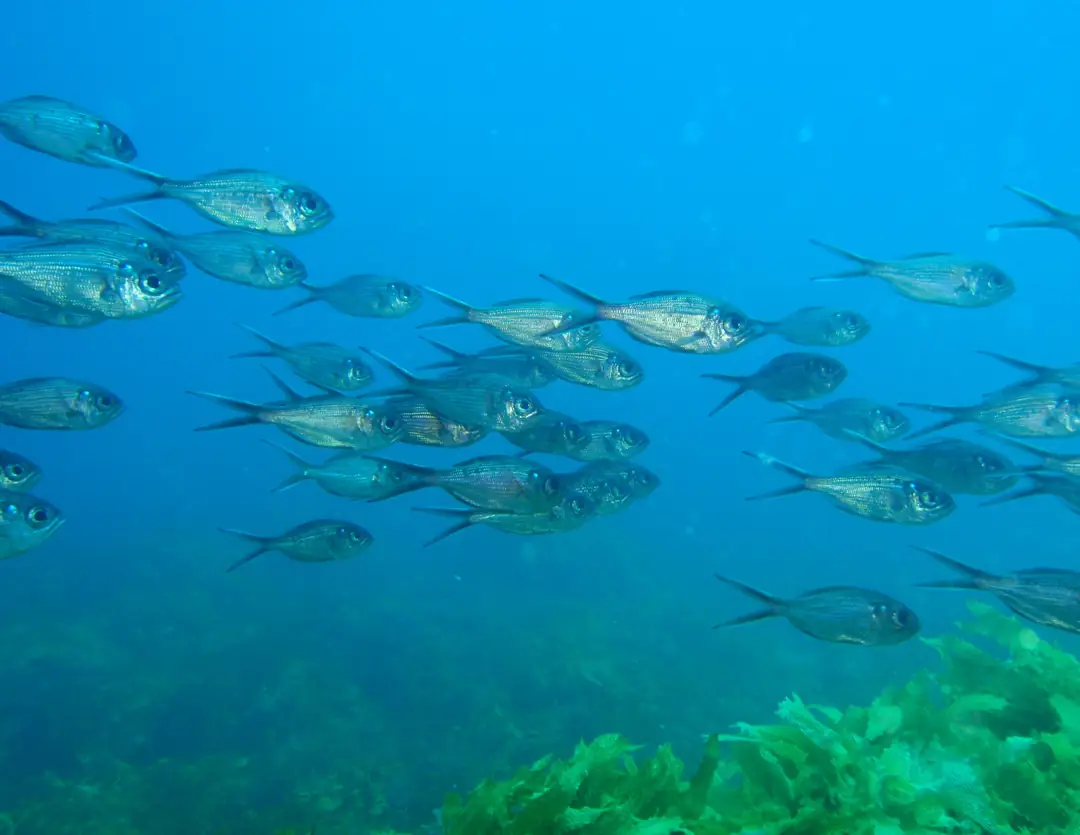 © Peter SouthwoodCC BY-SA 4.0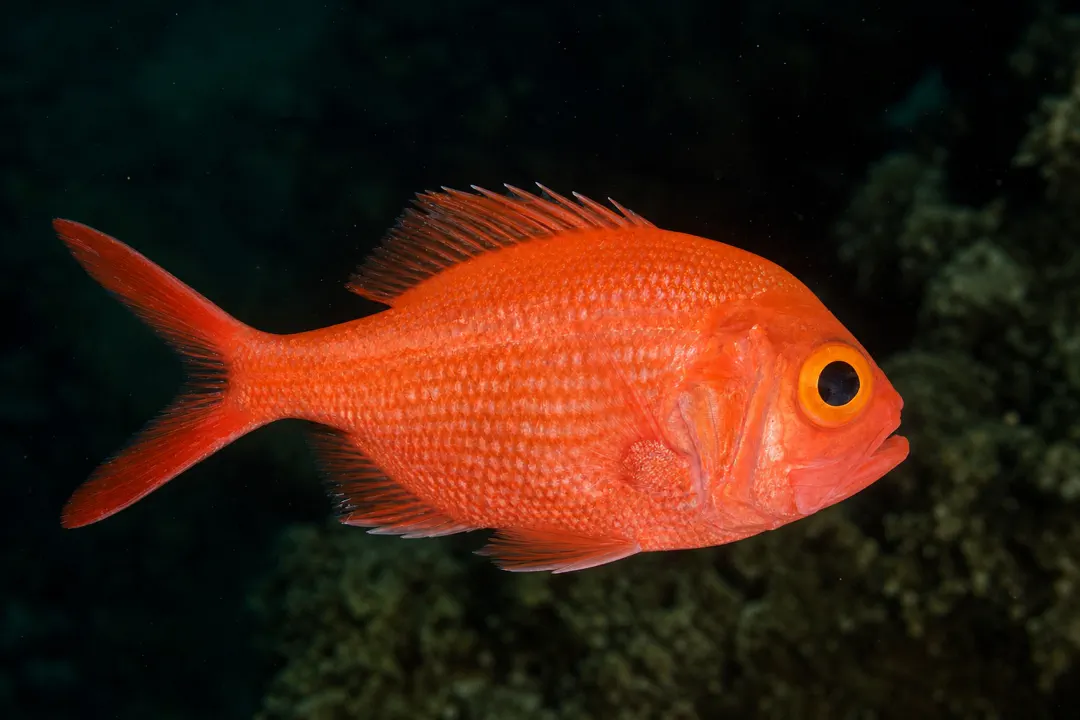
Alfonsino has no known danger to humans. However, always observe marine life responsibly.
Alfonsino can be found at depths of up to 1300 meters.
Download Seabook free for iOS and Android.