Ligia is a genus of isopods, commonly known as rock lice or sea slaters. Most Ligia species live in tidal zone cliffs and rocky beaches, but there are several fully terrestrial species in high humidity environments.
Ecology
Coastal Ligia exhibit a mixture of terrestrial and marine characteristics, drying out easily, needing moist air and proximity to water to retain water. While they have gills and can exchange gas under water, they only do so when escaping terrestrial predators or being dislodged by wave action. They do not move swiftly in the water and are open to marine predation. They are well adapted to rocky surfaces and avoid sand which opens them to terrestrial predation and desiccation.
Species
Species separation is at times difficult because of sexual dimorphism. For example, males usually have longer and wider antennae than females, although this is often not the case. The male also tends to be larger but narrower, sometimes attributed to the female’s brood pouch.
The following is a list of all Ligia species contained in the bibliography of terrestrial isopods.
- Ligia australiensis – "Australian slater", Australia, including Tasmania and Lord Howe Island
- Ligia baudiniana – east and west coasts of the Americas
- Ligia boninensis – Bonin Islands, Japan
- Ligia cajennensis - French Guiana
- Ligia cinerascens – Hokkaido and Northern Honshu, Japan, and the Kuril Islands
- Ligia cursor – Chile
- Ligia curvata – Angola
- Ligia dentipes – Andaman and Nicobar Islands, Indonesia
- Ligia dilatata – Southern Africa (Namibia and South Africa)
- Ligia exotica – "wharf roach", introduced around the world in sub-tropical and warm temperate coastlines
- Ligia ferrarai – Madagascar
- Ligia filicornis – Venezuela
- Ligia glabrata – Southern Africa (Namibia and South Africa)
- Ligia gracilipes – west coast of Africa, Senegal to northern Angola
- Ligia hachijoensis – Izu Islands, Japan
- Ligia hawaiensis – Hawaii Islands and Fiji Island
- Ligia italica – coasts of the Black Sea, Mediterranean Sea, Atlantic in northern Africa down to Cape Verde and Macaronesian Islands
- Ligia latissima – New Caledonia
- Ligia litigiosa – Chile and Peru and the Juan Fernández Islands
- Ligia malleata – Tanzania
- Ligia miyakensis – Izu Islands, Japan
- Ligia natalensis – southeastern coast of South Africa from Knysna to Natal
- Ligia novaezealandiae – New Zealand and Kermadec Island
- Ligia occidentalis – California and Baja California
- Ligia oceanica – Atlantic coasts of Europe, coasts of western Baltic Sea and possibly introduced to the Atlantic coast of North America
- Ligia pallasii – Pacific coast of North America, the Aleutian Islands to Santa Cruz, California
- Ligia pallida – Christmas Island in Polynesia
- Ligia perkinsi – Hawaiian Islands
- Ligia philoscoides – southeastern Polynesia
- Ligia pigmentata – Red Sea, Persian Gulf and coast of Somalia
- Ligia platycephala – Venezuela, Guyana and Trinidad
- Ligia rugosa – southeastern Polynesia
- Ligia ryukyuensi – Japan
- Ligia saipanensi – Saipan Island, Micronesia
- Ligia simoni – Northern Venezuela and northern Colombia
- Ligia taiwanensi – Taiwan
- Ligia vitiensis – Sulawesi, Singapore, New Guinea, Melanesia, Polynesia and possibly introduced to Somalia
- Ligia yamanishii – Tokyo
- Ligia persica- Persian Gulf
- ligia yemenica- Gulf of Adan
Questions
Is Ligia ryukyuensis dangerous?
Ligia ryukyuensis has no known danger to humans. However, always observe marine life responsibly.
Where can you find Ligia ryukyuensis?
JapanZamami IslandJapan South
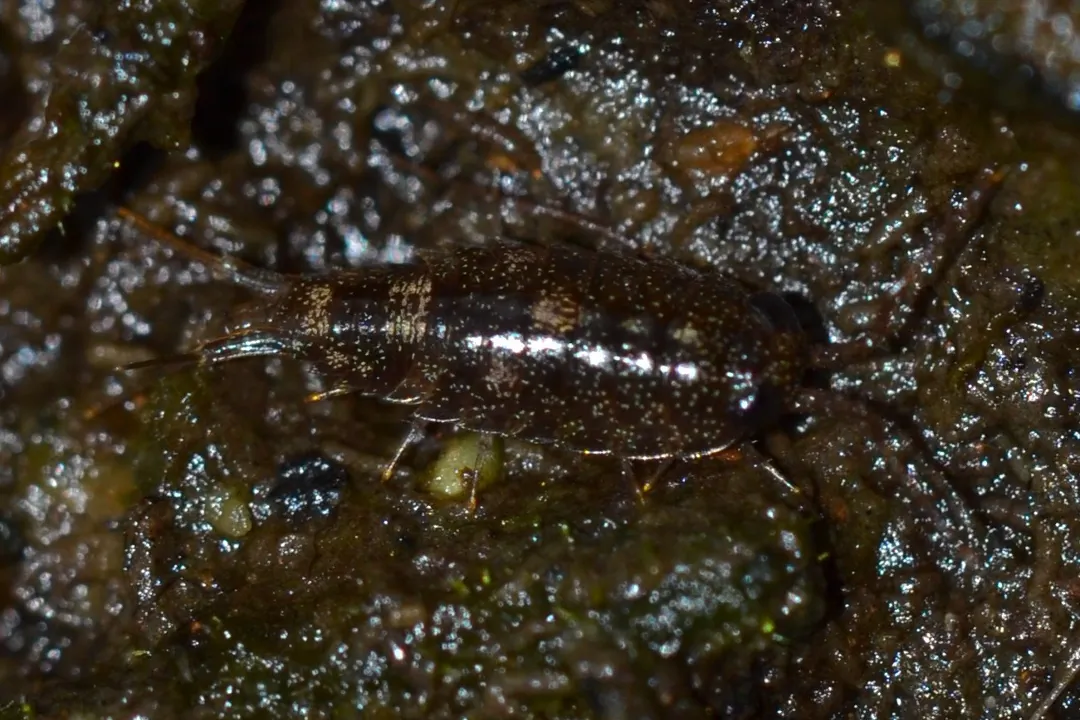 kbkashCC0 · iNaturalist
 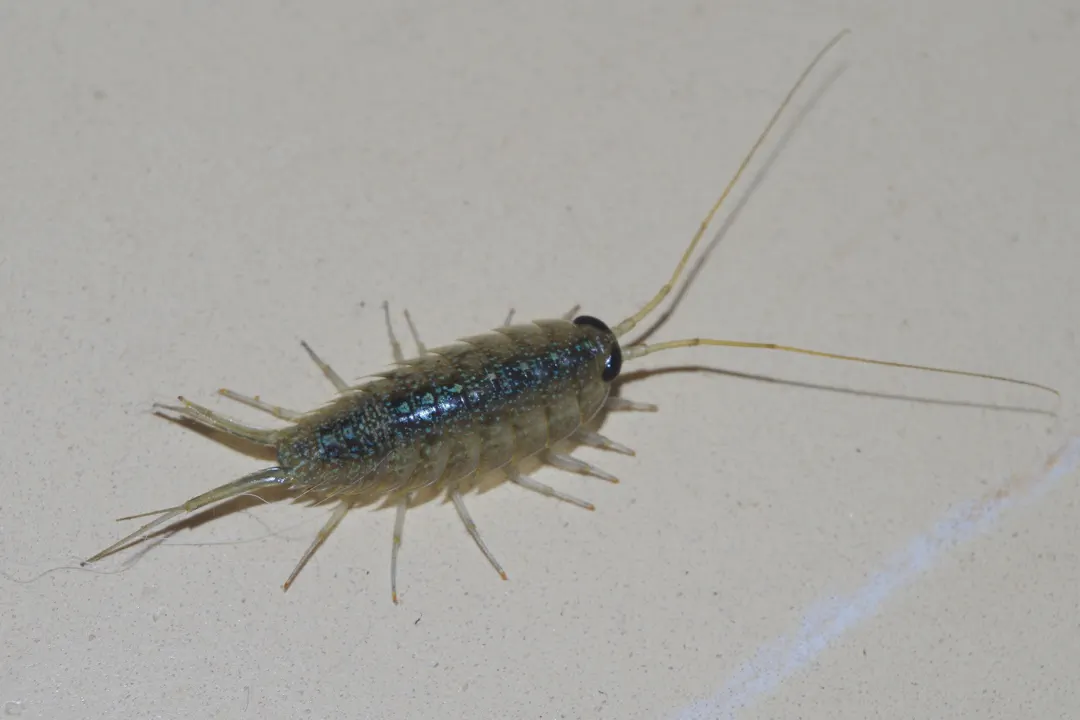 © Takaaki HattoriCC BY 4.0 · iNaturalist