 © GolfopolikayakCC BY 4.0 · iNaturalist
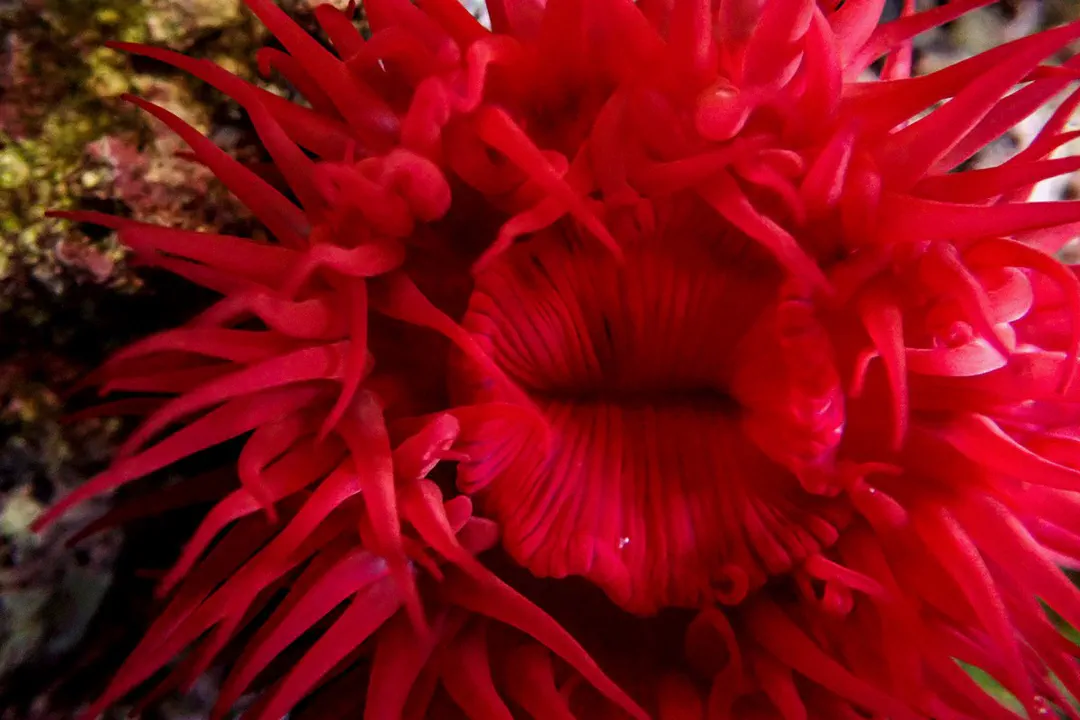
Beadlet Anemone
Actinia mediterranea
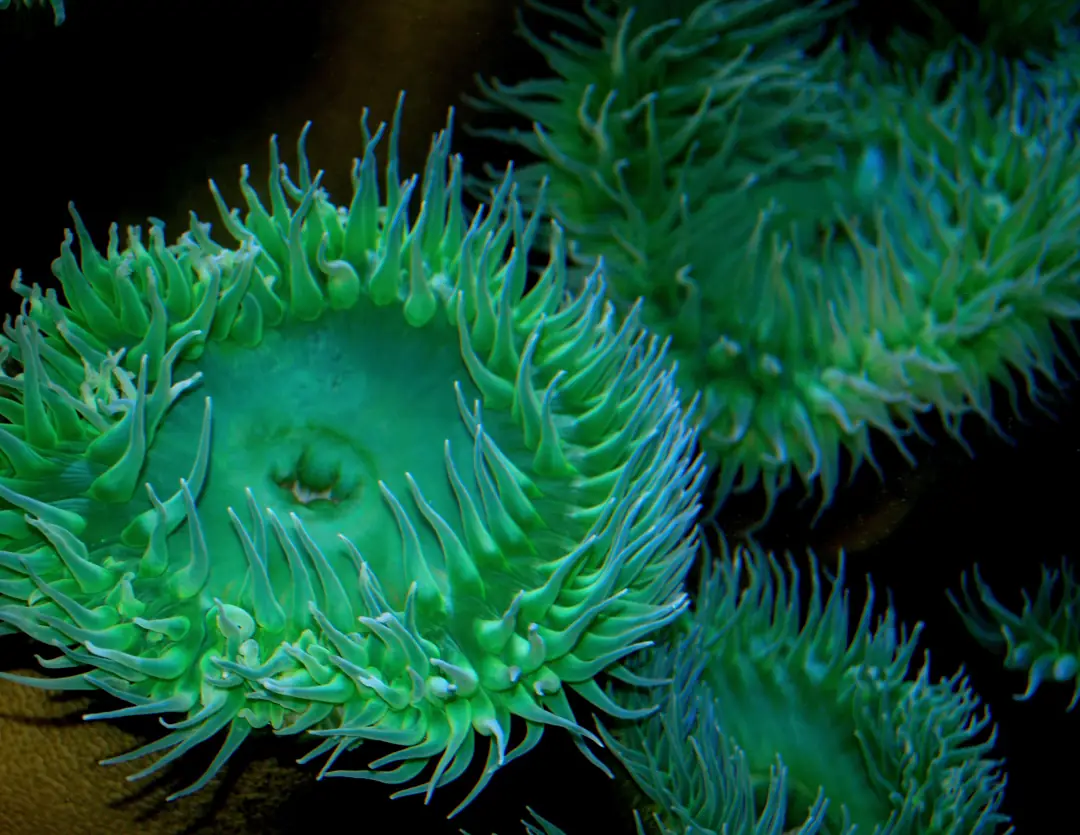
Anthopleura xanthogrammica
Quick interesting facts:
Anthopleura xanthogrammica is a species of intertidal sea anemone of the family Actiniidae.
A large intertidal sea anemone with a broad, flat oral disk and a dense crown of short, conical tentacles. It can appear vivid green when healthy and well-lit, but may also look brownish/olive (especially when closed during low tide).
Size (reported maxima): column up to ~17.5 cm wide and ~30 cm tall; tentacle crown up to ~25 cm across.
Northeastern Pacific: commonly reported from Alaska to southern California, with some references noting occurrences farther south where cold-water conditions occur.
Mostly low–mid intertidal on rocky or sandy shores, especially in tide pools and surge-exposed areas. It can also occur on concrete pilings in bays/harbors. Reports mention tide pools down to about ~15 m in some areas.
Opportunistic predator/scavenger. Uses stinging cells (nematocysts) to capture prey. Commonly listed prey includes detached mussels (often cited as a main food), plus sea urchins, small fish and crabs.
Often listed predators include:
© GolfopolikayakCC BY 4.0 · iNaturalist  © Susan PriorCC BY 4.0 · iNaturalist
  © Ben CostamagnaCC BY 4.0 · iNaturalist
 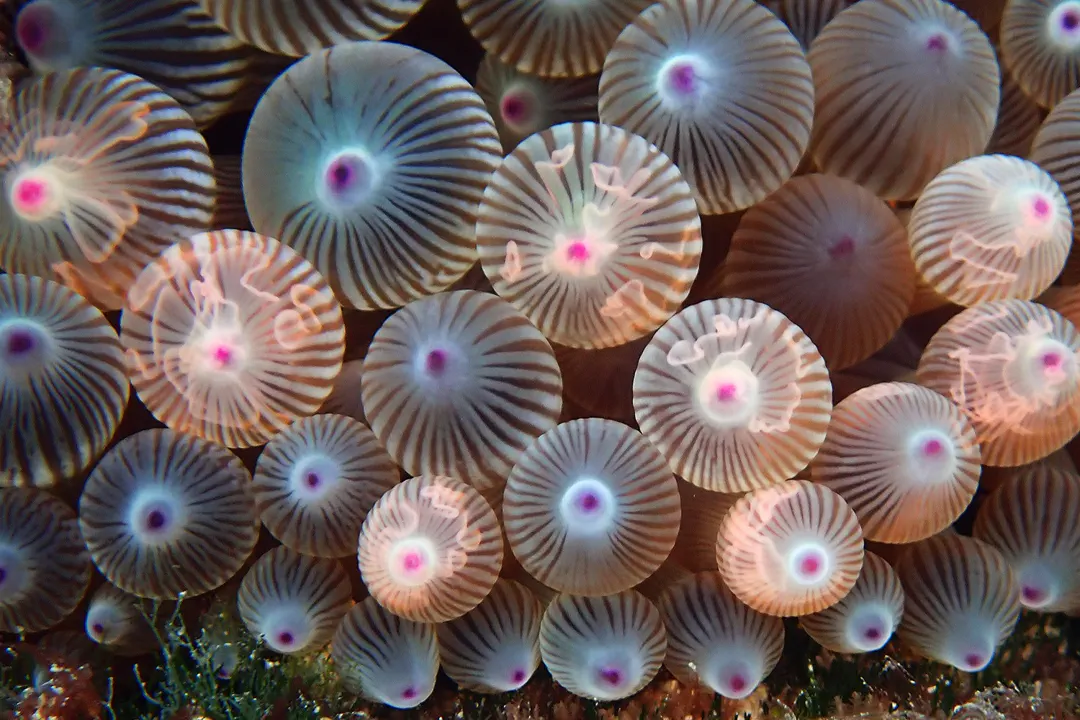 © Susan PriorCC BY 4.0 · iNaturalist
 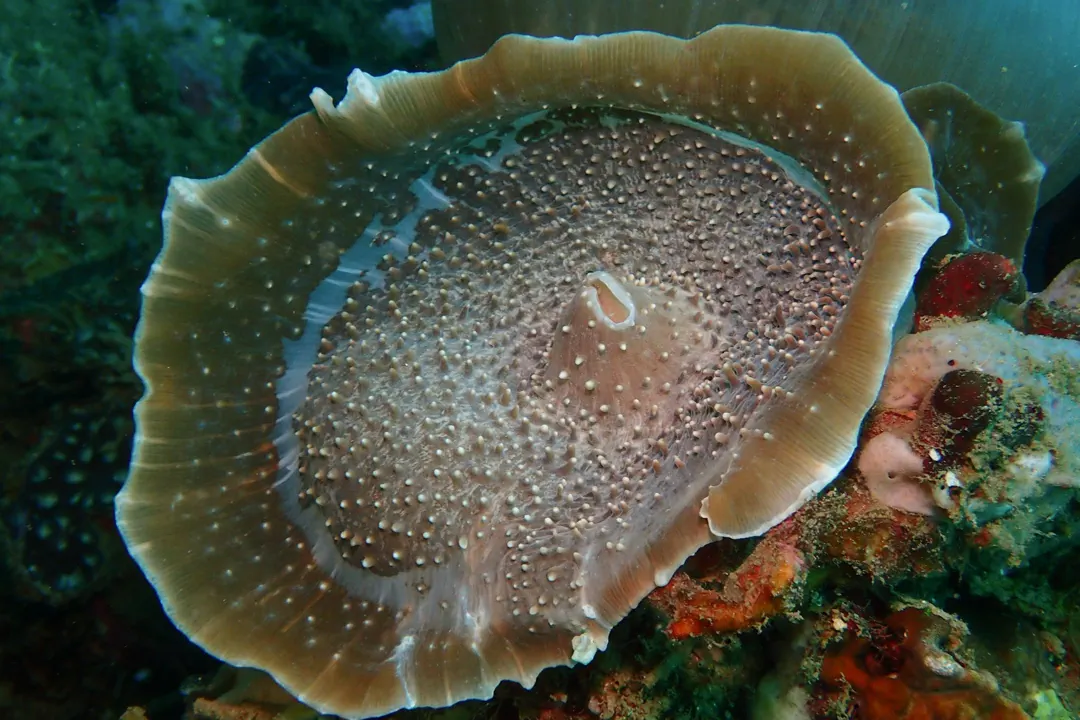 © Dan SchofieldCC BY 4.0 · iNaturalist
 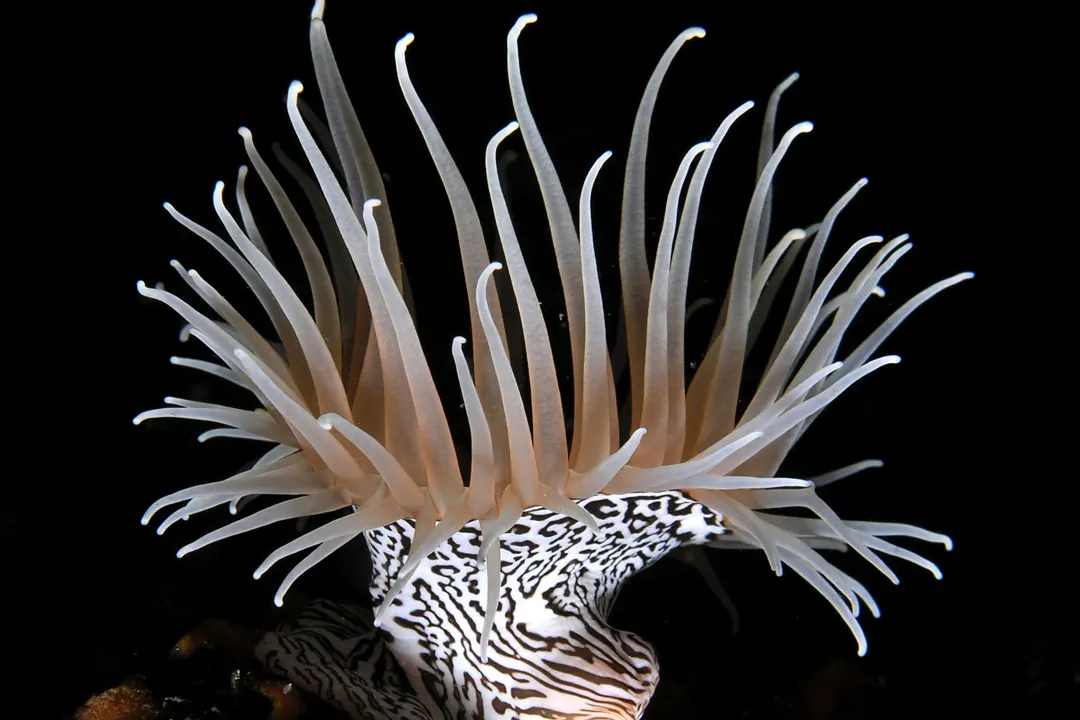 © NhobgoodCC BY 4.0
 Giant Green Anemone has no known danger to humans. However, always observe marine life responsibly.
Giant Green Anemone can be found at depths of up to 15 meters.
Download Seabook free for iOS and Android.