 © Dan SchofieldCC BY 4.0 · iNaturalist
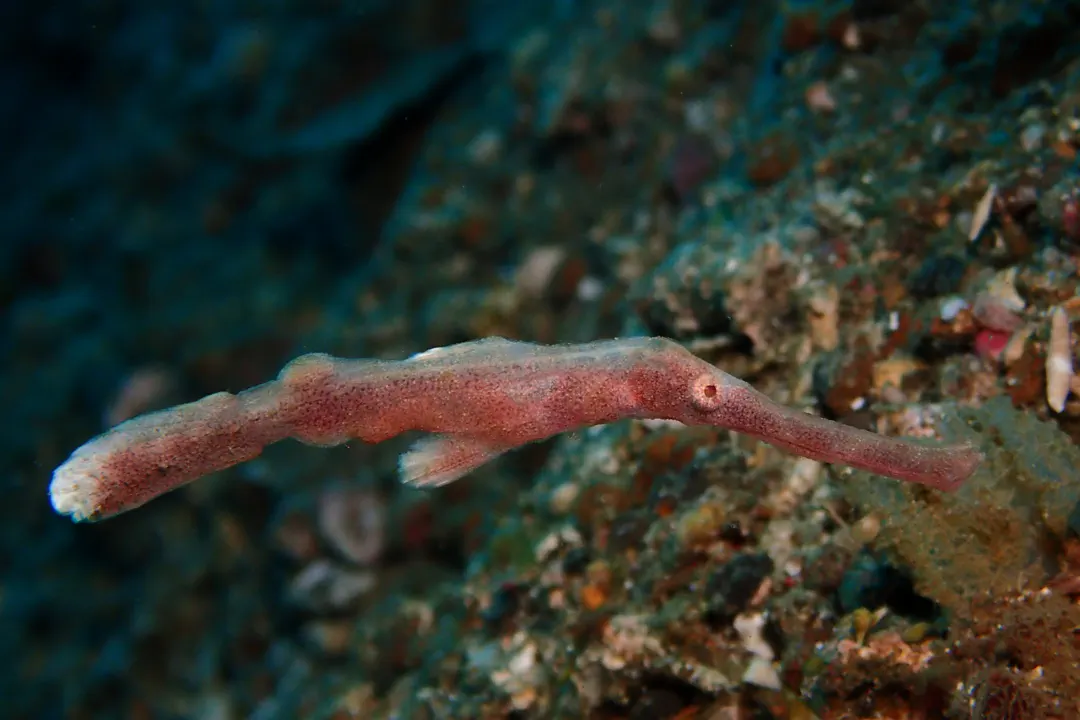
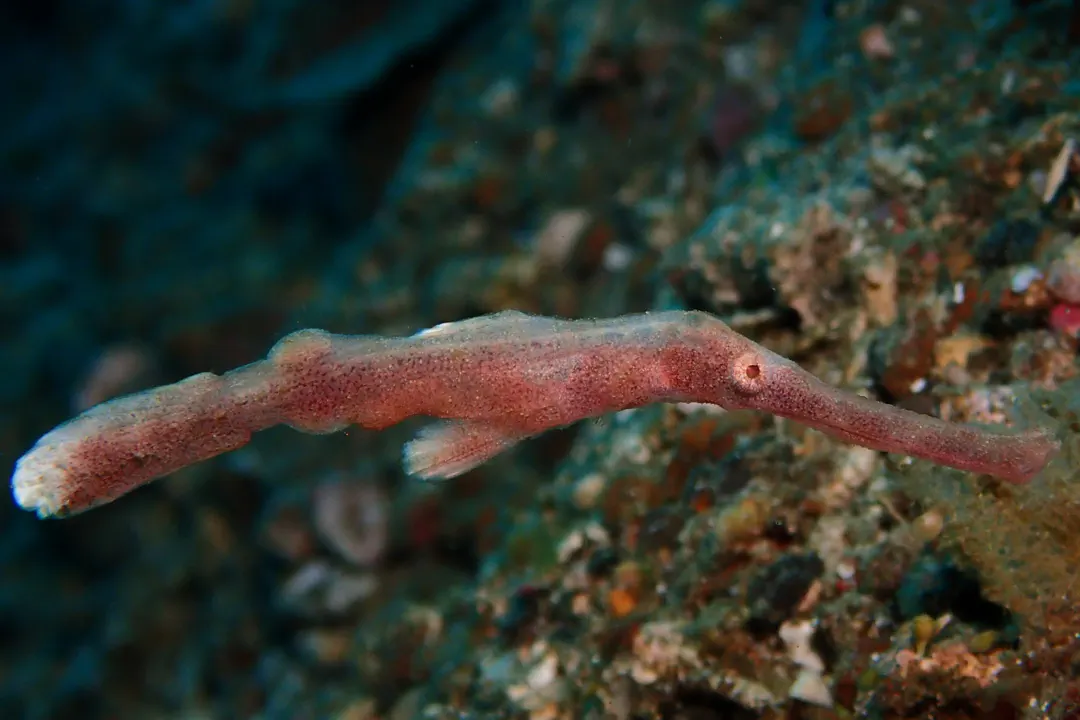
Halimeda Ghost Pipefish (brown)
Solenostomus halimeda
Solenostomus halimeda
Solenostomus halimeda is a species of false pipefishes belonging to the family Solenostomidae.
Solenostomus halimeda can reach a length of 6.5 cm (2.6 in), and is the smallest of the ghost pipefishes. Its body is most often green, but can be red or any other color of the algae or coral in which it is hiding. This cryptic species looks very similar to the macroalga Halimeda. This uncommon species is related to pipefishes and seahorses. It can be distinguished by its large head that is about the same length as the rest of its body. The caudal fin is small and similar in form and size to the dorsal and pectoral fins.
This species lives in the Indian Ocean and in the Western Indo-Pacific, from the Maledives to the Marshall Islands.
The Halimeda ghost pipefish is reef-associated and lives at depths up to 23 m (75 ft).
These fish float nearly motionless, with their mouths facing downwards, around a background that makes them nearly impossible to see. They feed on tiny crustaceans, sucked inside through their long snouts. Unlike true pipefish, female Halimeda ghost pipefish carry their fertilised eggs between their pelvic fins, which are modified to form a brood pouch, until the eggs are ready to hatch.
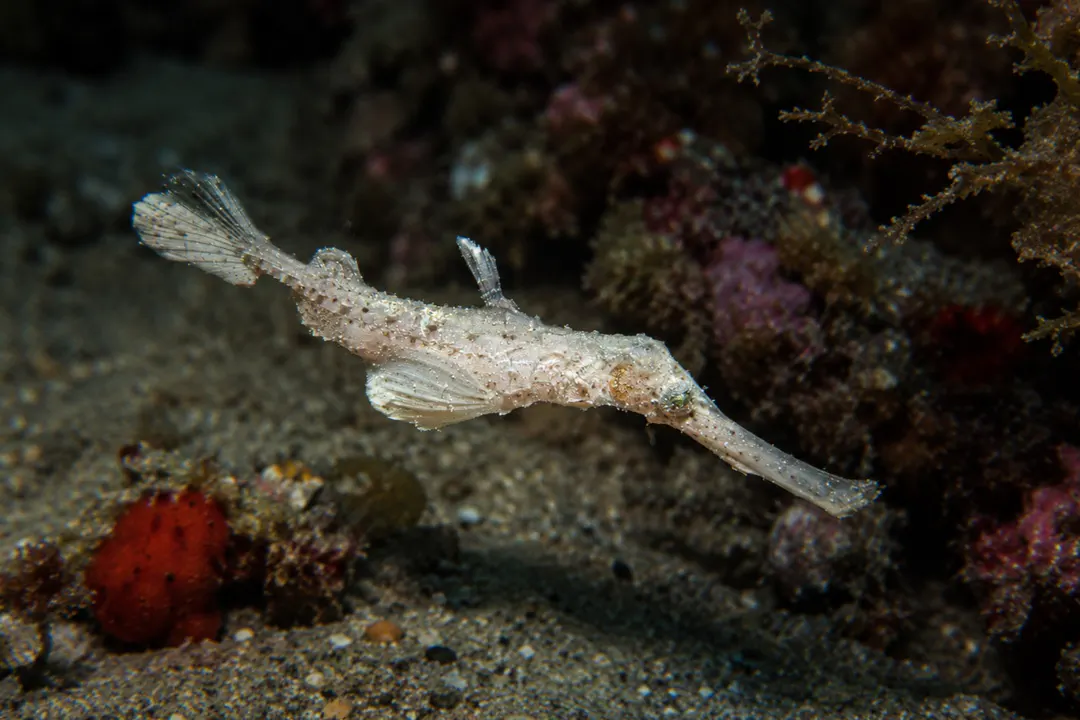
Solenostomus, also known as ghost pipefishes, false pipefishes or tubemouth fishes, is a genus of fishes in the order Syngnathiformes. Solenostomus is the only genus in the family Solenostomidae, and includes six currently recognized species. Ghostpipefishes are related to pipefishes and seahorses. They are found in tropical waters of the Indian Ocean, from Asia to Africa.
The animals, none of which are longer than 15 centimetres (5.9 in), float near motionlessly, with the mouth facing downwards, around a background that makes them nearly impossible to see. They feed on tiny crustaceans, sucked inside through their long snout. They live in open waters except during breeding, when they find a coral reef or muddy bottom, changing color and shape to minimize visibility.
In many respects, they are similar to the pipefishes, but can be distinguished by the presence of pelvic fins, a prominent, spiny, dorsal fin, and star-shaped plates on the skin. Unlike true pipefish, female ghostpipefishes use their enlarged pelvic fins to brood their eggs until they hatch.
© Dan SchofieldCC BY 4.0 · iNaturalist 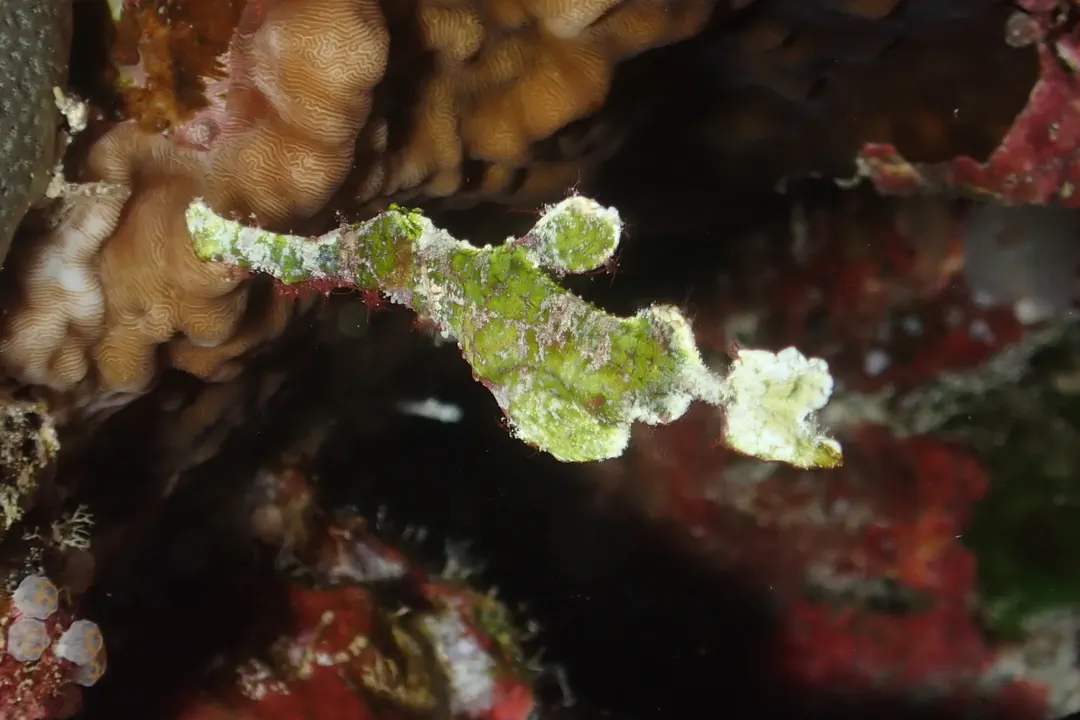 © jeyreCC BY 4.0 · iNaturalist
  © seabook.appAll rights reserved
 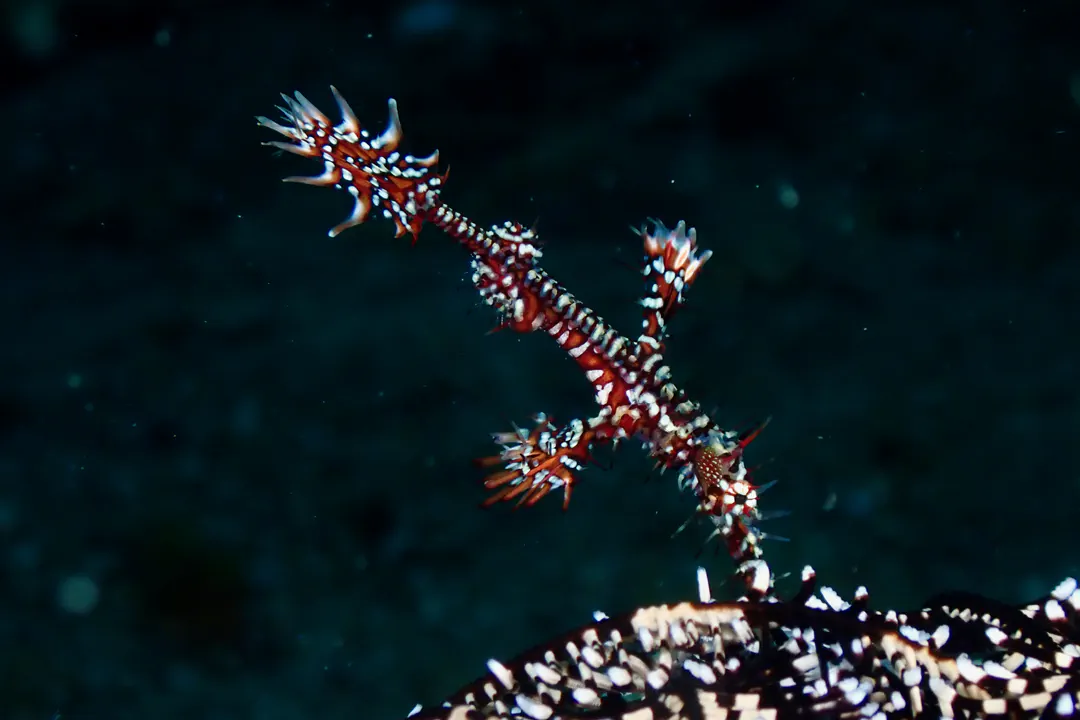 Chris SpainCC0
 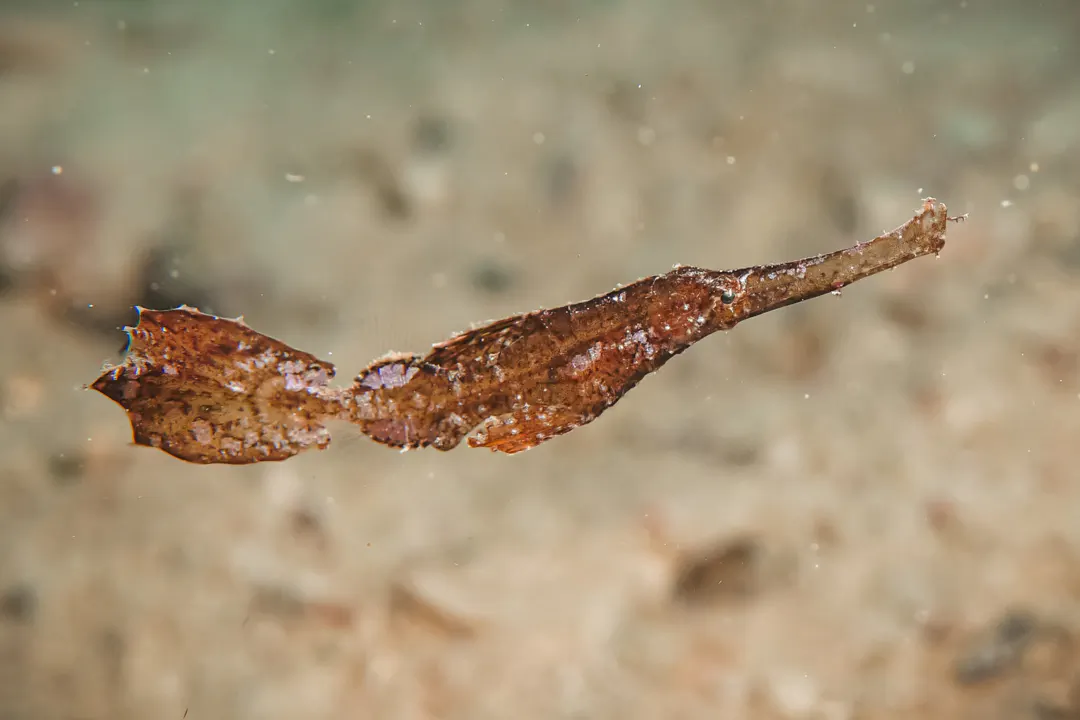 © Stas KuryanAll rights reserved
 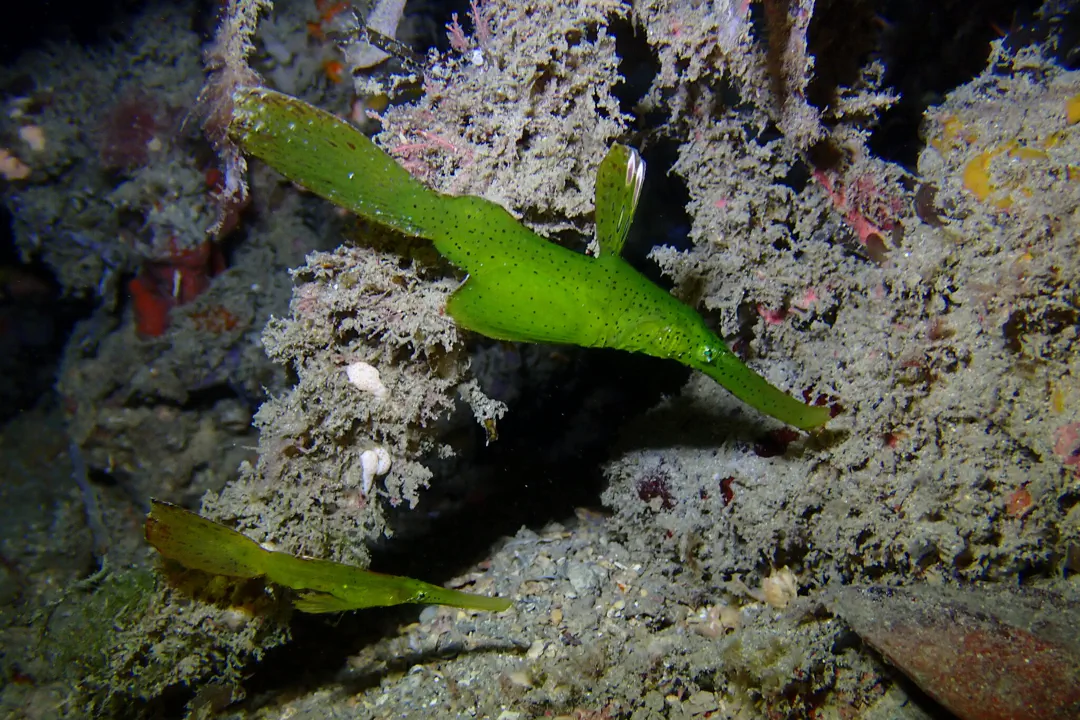 © Ewout KnoesterCC BY-SA 4.0 · iNaturalist
 Halimeda Ghost Pipefish (reddish brown) has no known danger to humans. However, always observe marine life responsibly.
Halimeda Ghost Pipefish (reddish brown) can be found at depths of up to 23 meters.
Download Seabook free for iOS and Android.