 © Lesley ClementsAll rights reserved
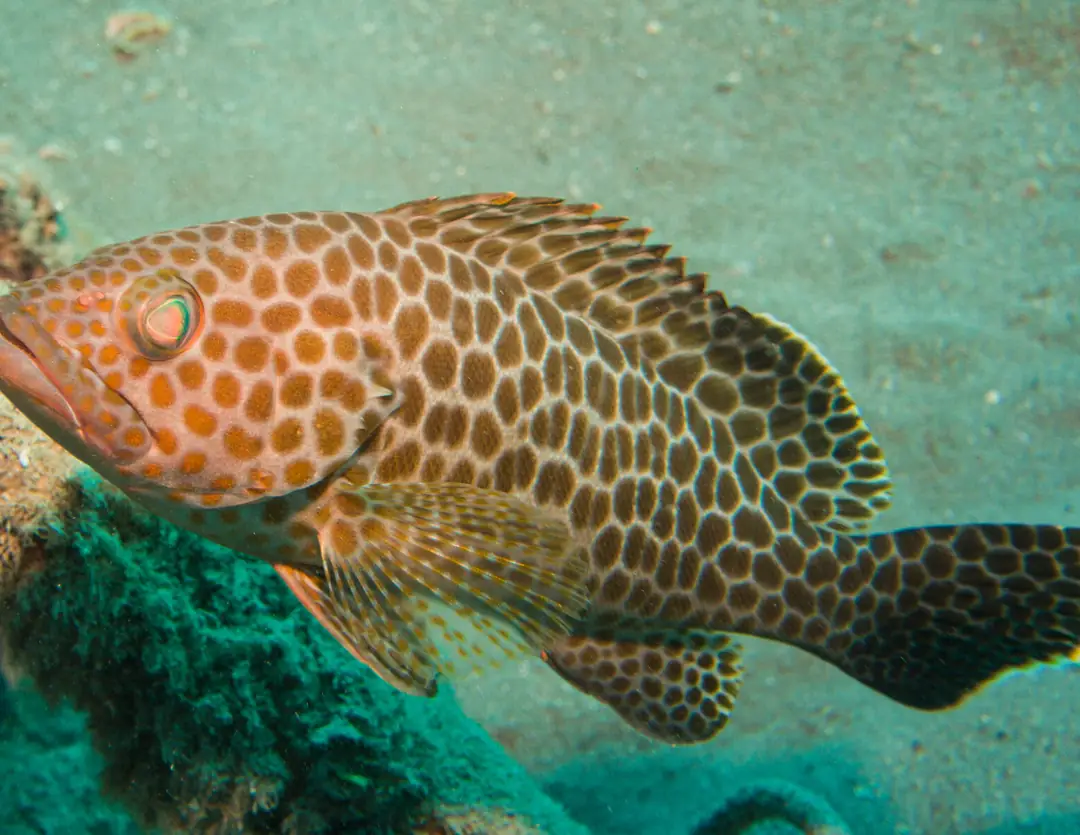
Areolate Rock Cod
Epinephelus areolatus
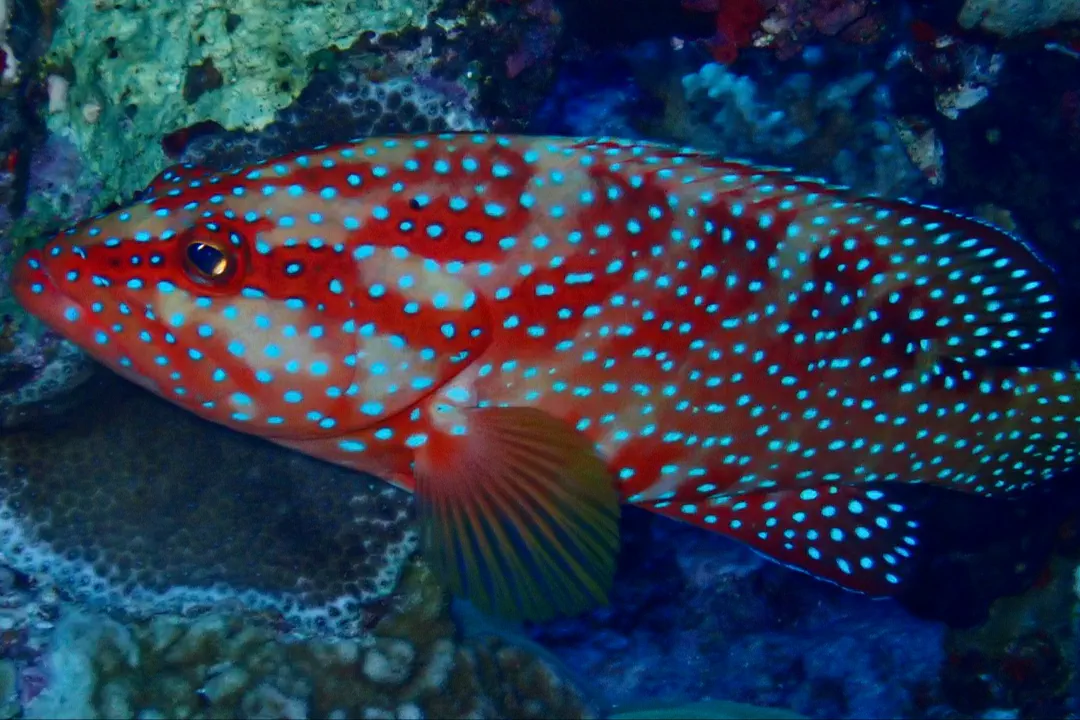
Cephalopholis miniata
Cephalopholis miniata is a species of marine fish in the family Serranidae.
The coral hind is a medium size fish and can reach a maximum size of 50 centimetres (20 in) length. Color is orange-red to reddish brown, usually dark posteriorly with numerous bright blue spots which are smaller than the pupil and often faintly dark-edged on head, body and median fins; distal margin of caudal fin and soft portions of dorsal and anal fins usually with a narrow blue margin and blackish submarginal line; orange-yellow pectoral fins, on some only distally; orange-red pelvic fins; it is capable of a disruptive color pattern of irregular oblique olivaceous bars; juveniles may be yellow with scattered faint blue spots. D IX, 14-16; A III, 8-9 (rarely 8); pectoral 17-18 (often 18); scales on lateral line 47-55; scales on longitudinal series 94-114; snout anterior to nostrils no scales; partially scaled maxilla; abdomen with cycloid scales; gill rakers 7-9 + 13-15; depth of body 2.65-3.05 in SL; length of head 2.4-2.65 in SL; the maxilla extends to or posterior to rear of the orbit; smooth ventral margin of preopercle; 5th - 8th dorsal spines longest , 3.0-3.6 in head; pectoral fins 1.45-1.75 in head; pelvic fins do not reach the anus, 1.9-2.3 in head.
Dorsal spines (total): 9; Dorsal soft rays (total): 14-15; Anal spines: 3; Anal soft rays: 8 - 9.
The coral hind is widespread throughout the tropical waters of the Indo-West Pacific area, including Durban, South Africa, the Red Sea, and Line Islands.
Adults inhabit coastal waters, mostly around coral reefs. Usually seen well above the bottom, frequently in aggregations. They feed on a combination of plankton and benthic animals including fishes, crustaceans, worms, gastropods and cephalopods, mainly at night. Young individuals are usually found over weed beds. They feed primarily on plankton. Spawning occurs throughout the year, with peaks at different times in different areas.
© Lesley ClementsAll rights reserved 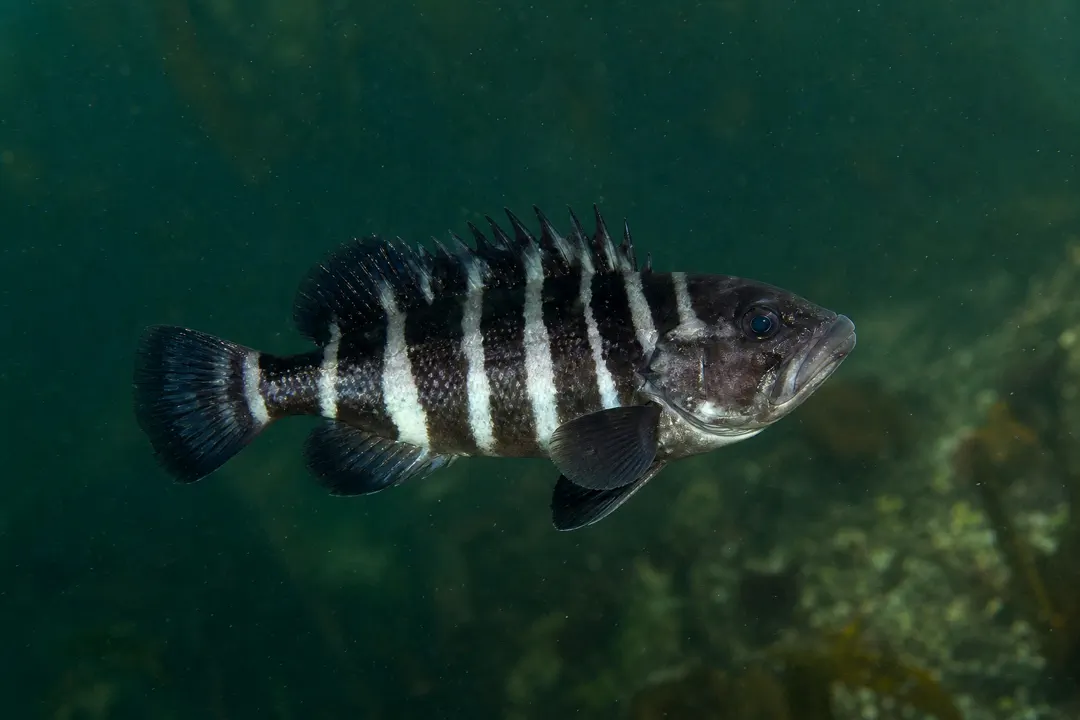
 © Lesley ClementsAll rights reserved
 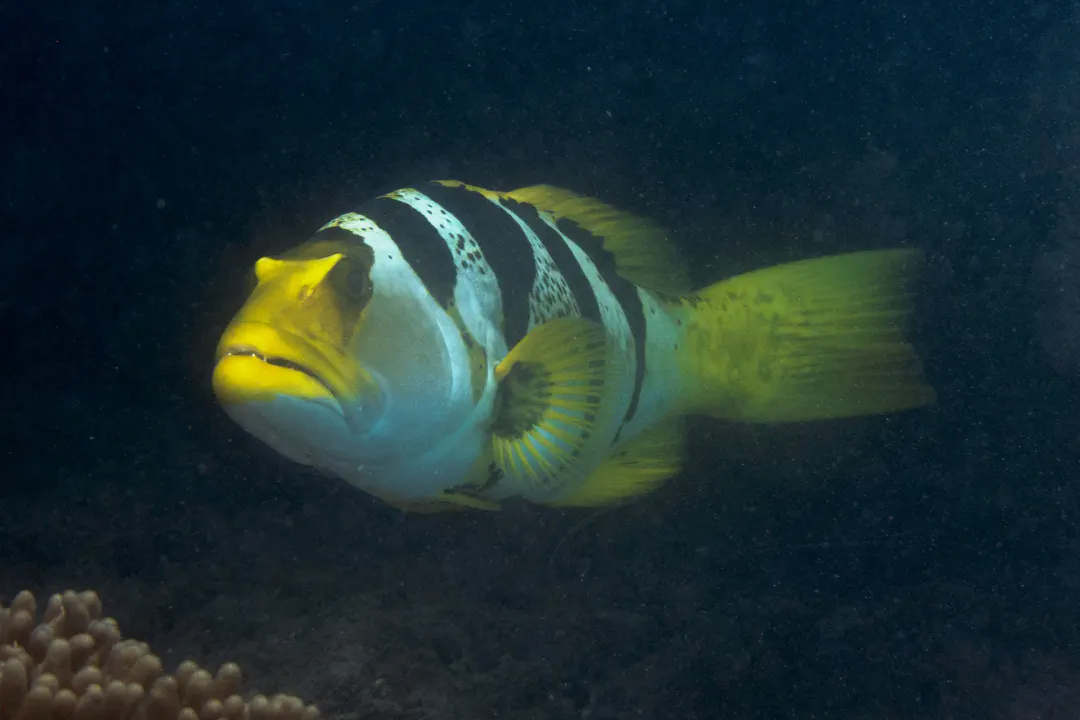 © Ewout KnoesterCC BY-SA 4.0 · iNaturalist
 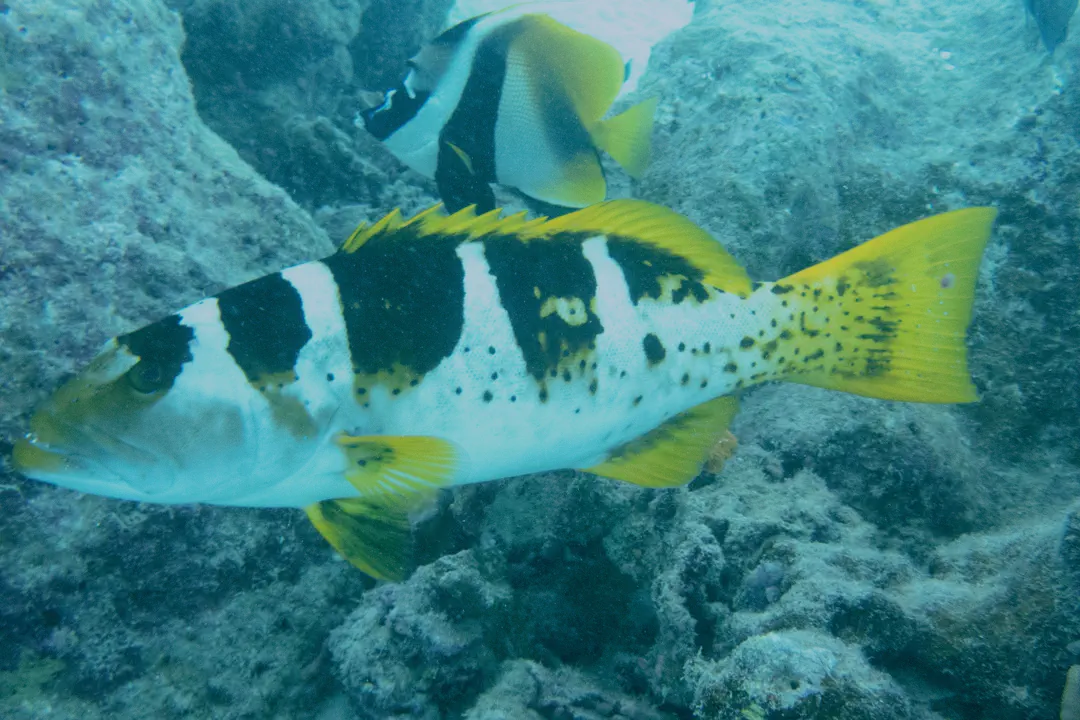 © Logan JonesCC BY 4.0 · iNaturalist
 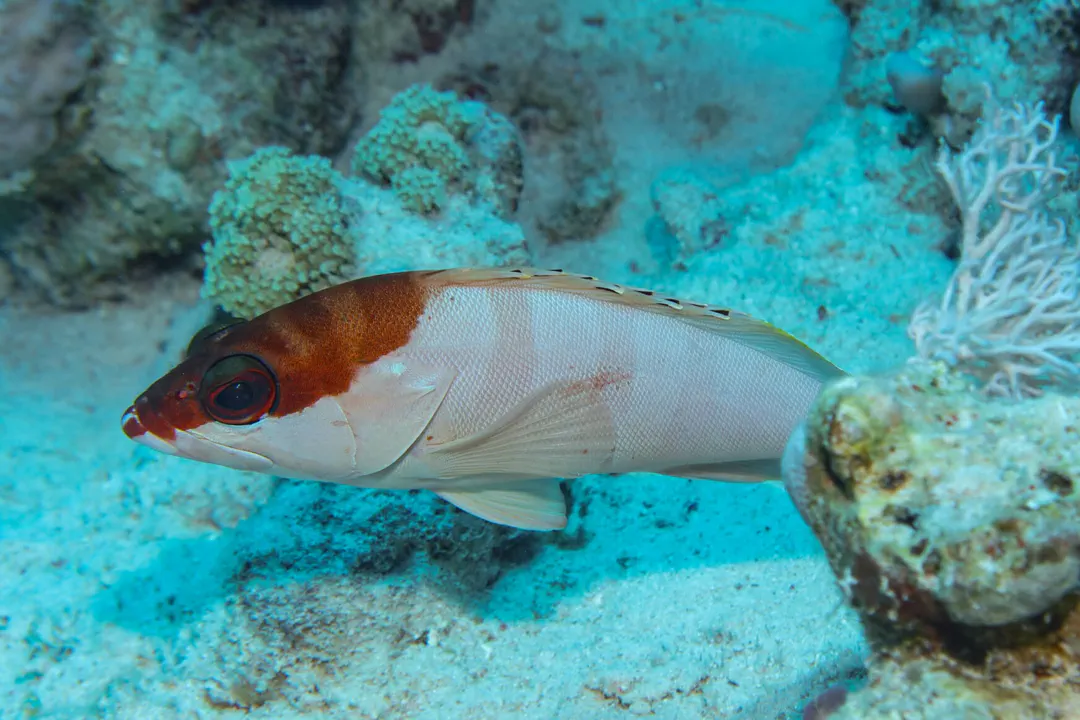 © Julien RenoultCC BY 4.0 · iNaturalist
 Coral Grouper (striped) has no known danger to humans. However, always observe marine life responsibly.
Coral Grouper (striped) can be found at depths of up to 150 meters.
Download Seabook free for iOS and Android.