
Introduction: Debunking the Jaws Myth
Shark attacks capture public imagination, yet reality paints a far less alarming picture. The International Shark Attack File records 354 unprovoked attacks by great white sharks (Carcharodon carcharias), resulting in 57 fatalities, alongside 142 attacks by tiger sharks (Galeocerdo cuvier) with 39 deaths, and 119 by bull sharks (Carcharhinus leucas) with 26 fatalities. These numbers, spanning over a century, underscore that confirmed incidents remain exceedingly rare against billions of human ocean entries annually.
Media amplifies fear, but statistical context reveals sharks kill fewer than 10 people yearly worldwide, dwarfed by coconuts (150 deaths) or dogs (25,000). Most species—over 500 total—never interact harmfully with humans, dwelling in deep seas or growing too small to pose threats. Education shifts focus from panic to appreciation of sharks as vital apex predators regulating marine ecosystems.
Human expansion into coastal zones heightens overlap, yet attacks often stem from curiosity rather than predation. Divers encounter sharks routinely without incident, emphasizing behavior understanding over avoidance. This article dissects the true risks, prioritizing facts over fiction.
What Makes a Shark 'Dangerous'?
Dangerous sharks earn their status through a mix of physical prowess and human proximity. Size matters: great whites reach 6 meters and 2,000 kilograms, delivering bite forces up to 18,000 Newtons. Bull sharks, averaging 2.5-3.5 meters, patrol shallow rivers like the Zambezi up to 400 kilometers inland, overlapping with swimmers.
Aggression varies by context; tiger sharks consume diverse prey from sea turtles to tires, their serrated teeth slicing through shells. Habitat overlap amplifies risk—coastal waters host 90% of incidents. Documented attacks total under 6,000 since 1580, with only 10% fatal, per the International Shark Attack File.
Intent rarely targets humans; most bites investigate novel shapes, like surfboards mimicking seals. True peril lies in capability, not malice—sharks evolved as ocean balancers, not man-eaters.
The Apex Predators: Top Dangerous Sharks
While the vast majority of shark species pose no threat to humans, a select few stand out due to their size, power, and habitat preferences. These apex predators play crucial roles in maintaining the health of marine ecosystems, but their formidable capabilities and occasional overlap with human activities mean they are often involved in incidents. Understanding these specific species is key to appreciating their ecological importance while also acknowledging the potential risks they present.
This section introduces the sharks most frequently cited in encounters, highlighting their defining characteristics and ecological significance.
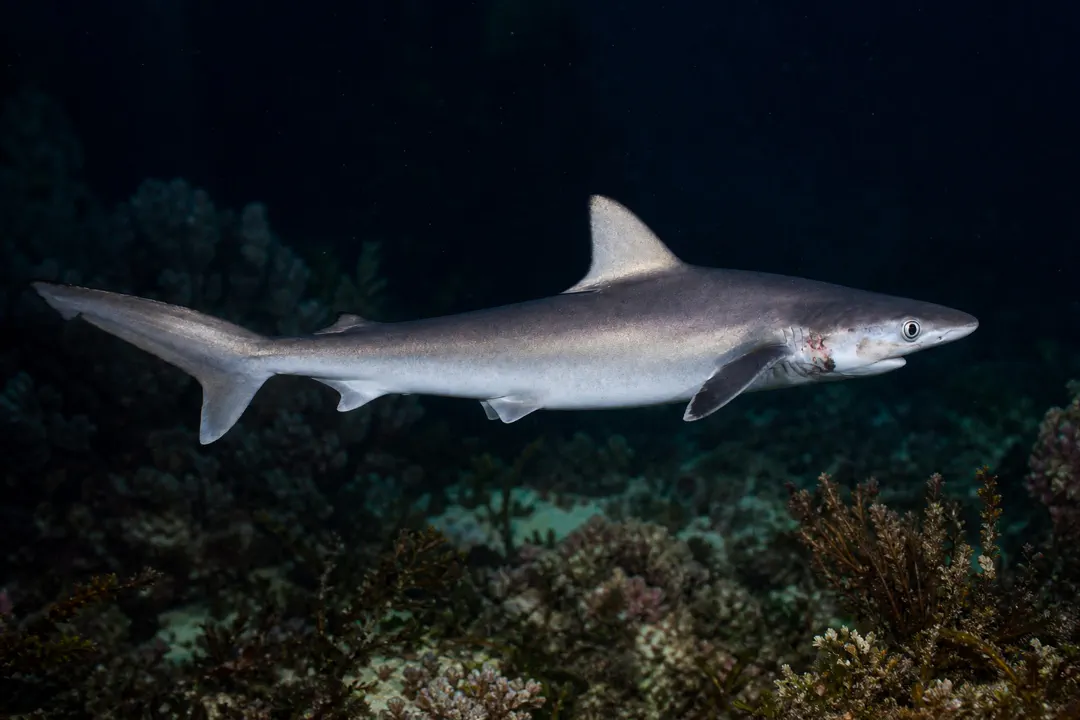 © seabook.appAll rights reserved
 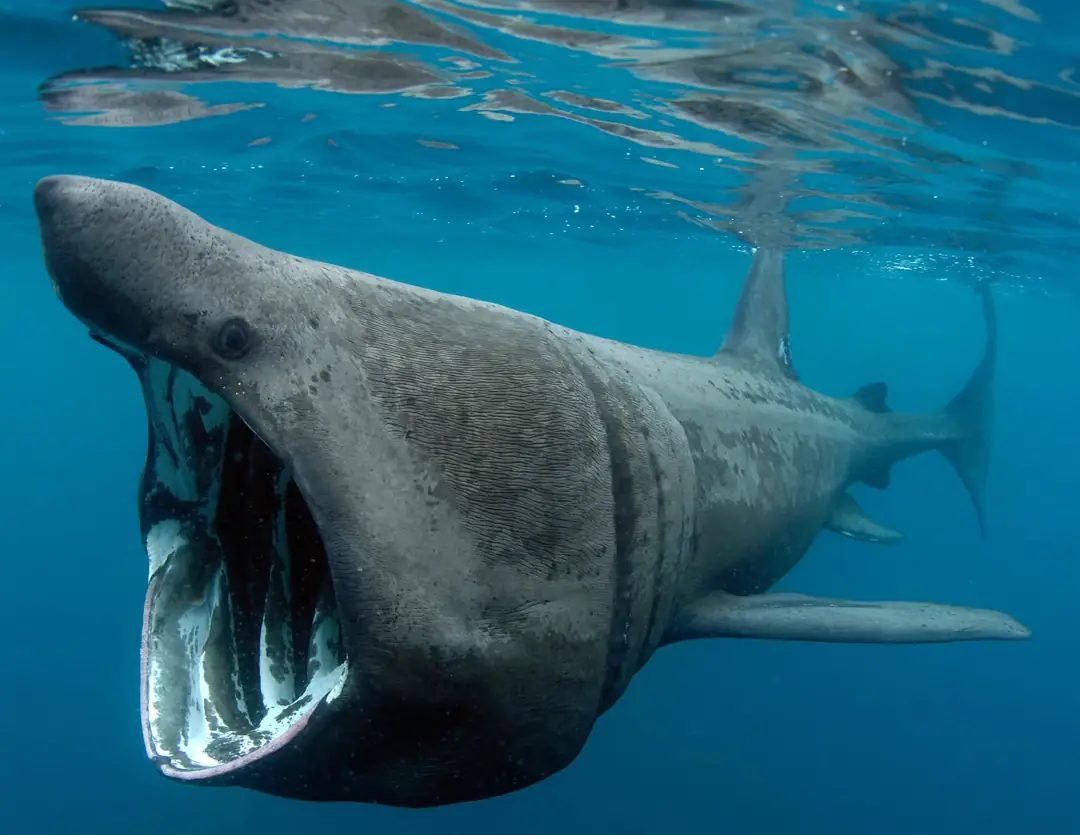 © Charles HoodAll rights reserved
 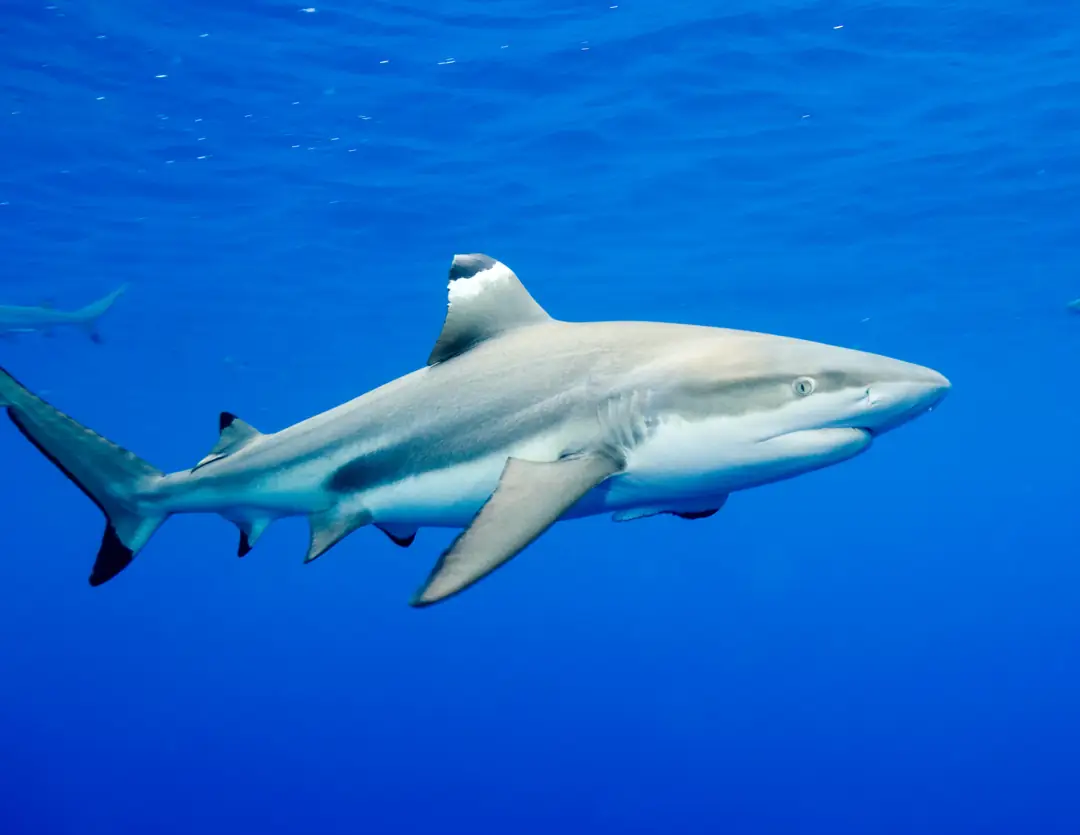 © seabook.appAll rights reserved
 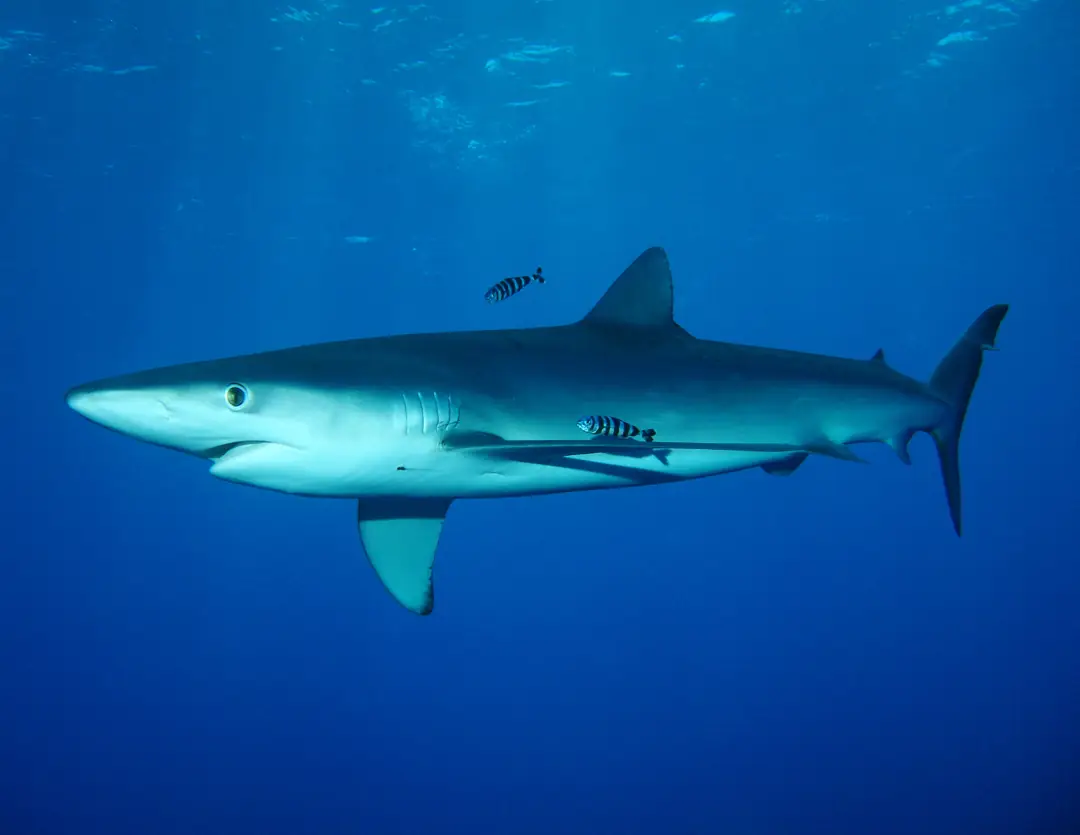 © Patrick DollCC BY-SA 4.0
 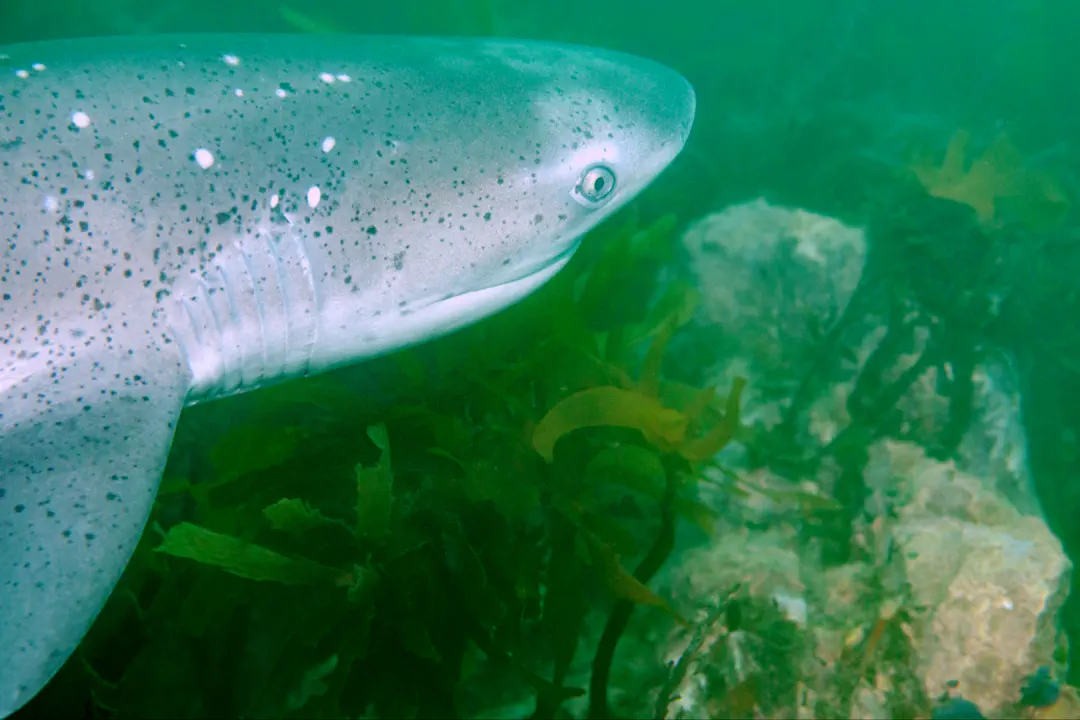 © Luca Davenport-ThomasCC BY 4.0 · iNaturalist
 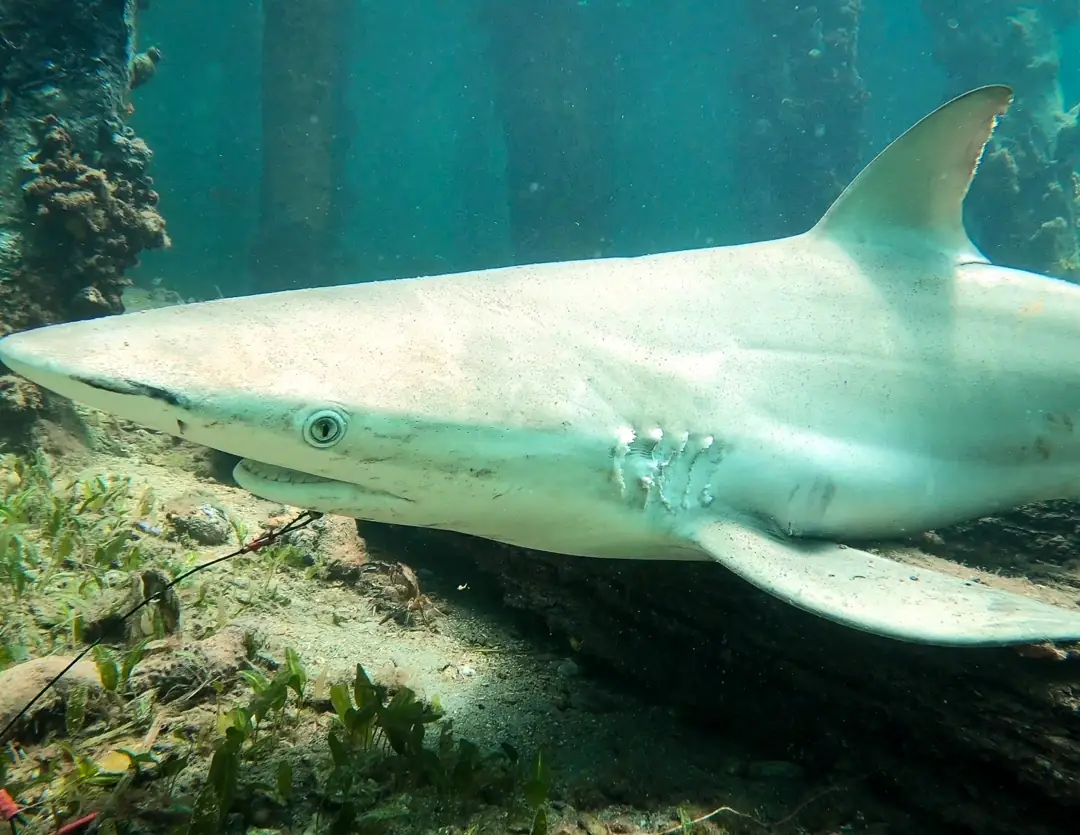 © Brad CrookAll rights reserved
 Great White Sharks: The Iconic Predator
Great white sharks (Carcharodon carcharias) dominate attack statistics with 354 unprovoked incidents and 57 fatalities. Adults span 4.5-6 meters, weigh up to 2,268 kilograms, and inhabit temperate coasts from California to South Africa at depths of 0-200 meters. Their conical teeth, numbering 300 replaceable over a lifetime, shear flesh efficiently.
Hunting employs ambush from below, breaching at 40 kilometers per hour to stun prey like seals. Human encounters often involve 'test bites'—single investigative nips on surfers, mistaking wet suits for pinnipeds. Juveniles prefer fish, maturing around 4 meters after 10-15 years.
Ecologically, they control seal populations, preventing overgrazing of kelp forests. Divers in places like Guadalupe Island observe them safely behind cages, noting curiosity over aggression. Peak activity occurs in cooler waters below 20°C.
Tiger Sharks: The Ocean's Scavengers
Tiger sharks (Galeocerdo cuvier) rank second with 142 attacks and 39 fatalities, thriving in tropical shallows to 350 meters deep. Reaching 5.5 meters and 600 kilograms, their near-black stripes fade with age. Opportunistic feeders, they ingest license plates, sea turtles, and birds, aided by uniquely curved teeth that saw through bone.
Active nocturnally in reefs off Hawaii and Australia, they scavenge wrecks, boosting encounter odds. Females migrate thousands of kilometers to pup in protected lagoons, birthing 10-80 young at 60-70 centimeters. Stomach dissections reveal human debris, highlighting pollution impacts.
Divers report bold inspections but rare escalation. Their role culls weak prey, maintaining reef health amid warming waters that extend their range poleward.
Bull Sharks: Masters of Fresh and Saltwater
Bull sharks (Carcharhinus leucas) claim 119 attacks and 26 fatalities, uniquely osmoregulating to enter freshwater rivers like the Mississippi up to 4,000 kilometers inland. Stocky at 3.5 meters and 230 kilograms, they favor murky estuaries below 30°C. High testosterone—10 times reef sharks' levels—fuels territorial displays year-round.
Short snouts and stocky builds aid river navigation; they hunt fish, dolphins, and even hippos in Africa. Proximity to beaches and rivers spikes risks—over 50% of attacks occur in 2 meters of water. Females bear 1-13 pups live after 12-month gestations.
Ecologically, they bridge fresh-salt interfaces, controlling invasive species. Divers in South Africa note their slow approaches, advising steady eye contact during rare sightings.
Other Notable Dangerous Species
Oceanic whitetip sharks (Carcharhinus longimanus) log 15 attacks with 3 fatalities but likely far more unrecorded on survivors adrift. Jacques Cousteau deemed them the ocean's most dangerous for feeding-frenzy boldness at 100-150 meters depths. Stocky at 4 meters and 170 kilograms, mottled fins signal from afar.
Shortfin makos (Isurus oxyrinchus), fast at 74 kilometers per hour, account for 10 attacks including one death, striking from open blue water. Blacktip sharks (Carcharhinus limbatus) tally 35 non-fatal bites in surf zones. These species underscore open-ocean perils over coastal ones.
Understanding Shark Behavior and Attacks
Shark encounters split into unprovoked (80%)—hits on swimmers resembling prey—and provoked, like spearfisher harpoon tugs. Mistaken identity drives most: seals average 2.5 meters, surfers on 3-meter boards match profiles at dawn's low light. Curiosity prompts 20% of investigatory bumps.
Juveniles probe novel objects; adults rarely follow up. Attacks peak in summer, 40% on surfers, 20% waders under 1.5 meters deep. Females attack more during pre-ovulation stress.
Understanding reduces fear—sharks retreat from sustained stares, prioritizing energy conservation over conflict.
Safety Tips for Divers and Swimmers
Avoid dawn and dusk swims when sharks hunt actively between 1700-1900 hours. Shun murky waters below 1-meter visibility, where silhouettes mimic prey. Skip shiny jewelry or watches glinting like fish scales.
Stay groupside—solo swimmers risk 4x higher odds. Exit slowly if baitfish schools erupt or dolphins flee. Divers carry bang sticks for 5-meter range deterrence, never spears attracting followers.
In rivers, avoid low tides exposing bull shark nurseries. Post-attack, pressure wounds immediately; survival exceeds 90% with prompt care.
Dispelling Common Shark Myths
Sharks do not systematically hunt humans—confirmed man-eating absent across 500+ species. Great whites sample and depart 95% of cases. Bloodlust myths ignore their 0.00001% attack rate per swim.
Invincibility crumbles: remoras parasite them, orcas kill 60cm pups routinely. Pee attraction is negligible—urine dilutes instantly versus blood's amino cues. Sharks detect 1 part blood per million, effective 400 meters downcurrent, not miles.
Respect stems from their keystone role: overfishing crashed scallops 90% in shark-depleted bays. Balanced views foster conservation amid 100 million annual fins harvested.
Questions
Are all sharks dangerous to humans?
No, only 14 of 500+ species account for attacks, led by great white (354), tiger (142), and bull (119) per International Shark Attack File. Most like nurse (Ginglymostoma cirratum) or whale sharks (Rhincodon typus) are docile filter-feeders or bottom-dwellers below 1,000 meters. Human-shark overlap occurs in under 1% of dives.
What should you do if you encounter a shark while diving?
Stay calm, face the shark, and maintain eye contact to deter approach—sharks avoid gazed prey. Make yourself appear larger by spreading arms or slowly ascending; avoid erratic thrashing that mimics injured fish. Back to safety at 1 meter per second, never turning away, as 70% of close passes end peacefully.
Are shark attacks increasing globally?
Unprovoked bites hover at 70-80 yearly worldwide, stable since 1990s despite 6x population growth and 2x ocean recreation. Media amplification and ISAF's 20-country coverage skew perceptions; Florida alone sees 20-30 annually amid 800 million visitors. Climate shifts may redistribute species, but totals hold steady.
Can sharks really smell a single drop of blood from miles away?
Sharks detect blood at 1:10 million dilution—one drop in 25 million liters—effective 300-400 meters downcurrent in still water, not miles. Turbulence halves range; great whites prioritize vision and electroreception beyond 100 meters. Exaggerations stem from 1970s lab tests ignoring ocean currents.