
The ocean, a realm of immense pressure and resistance, is home to some of the planet's most astonishing athletes. Marine creatures achieve speeds exceeding 70 km/h in short bursts, a feat that would outpace many land animals when considering the density of their aquatic medium. These incredible velocities are not just for show; they are fundamental to survival, enabling swift predator evasion, efficient prey capture, and epic migrations across vast ocean basins.
From the lightning-fast sailfish, capable of bursts up to 110 km/h, to the powerful shortfin mako shark hitting 74 km/h, and agile dolphins reaching 60 km/h, speed is a finely tuned adaptation forged by millions of years of evolution in a viscous environment where every movement demands precision. The strategic use of speed varies significantly among marine species. Open ocean predators, for instance, often prioritize explosive burst speed to ambush unsuspecting prey, rather than sustained endurance.
Yet, some species, like various tunas, defy this by maintaining impressive speeds of 40 km/h for hours on end, traversing thousands of kilometers during their transoceanic journeys. This delicate balance between quick acceleration and prolonged velocity highlights the diverse demands of life in the blue. Early attempts to quantify these speeds, such as 1950s tag-and-release studies, sometimes reported extraordinary figures, like black marlin bursts near 130 km/h.
While modern telemetry has since refined these estimates to more realistic sustained speeds of 50-60 km/h, the sheer predatory prowess remains undeniable. Ecologically, the impact of such speedsters is profound; a single mako chase, covering 500 meters in under 30 seconds, can exert immense pressure on slower prey populations, shaping entire food webs. For divers, encountering these marine speed demons is often a highlight, typically occurring in pelagic zones at depths between 10 and 50 meters, where currents can further amplify their perceived velocity.
Successfully spotting a sailfish, for example, might involve chumming with small fish at dawn in surface waters ranging from 24-28°C. These electrifying encounters are often more frequent during seasonal upwellings in summer, when increased prey density brings these magnificent hunters closer to the surface.
The Need for Speed: Why Go So Fast?
The relentless pursuit of speed in the marine environment is a testament to natural selection, honed over 400 million years since the earliest Devonian fish ancestors. Evolutionary pressures have sculpted creatures into hydrodynamic marvels, each adaptation providing a critical edge. Predators like the formidable shortfin mako shark have developed specialized denticles—tiny, tooth-like scales covering their skin—which effectively reduce drag by an impressive 10% at velocities of 20 meters per second.
This innovation allows them to cut through water with astonishing efficiency. Conversely, prey species have evolved their own sophisticated defenses, from cryptic countershading that helps them blend into their surroundings, to explosive burst capabilities that enable sudden escapes. This ongoing evolutionary arms race is vividly documented in the fossil record, with fusiform (torpedo-shaped) skeletons from 100 million years ago already showcasing optimal designs for aquatic velocity.
It's a continuous cycle of innovation, where every gain in speed by a predator drives a new adaptation in its prey, and vice versa. Hunting, in particular, demands not just raw speed but also incredible precision. Sailfish, for example, execute lunges at a staggering 36 meters per second to impale schools of sardines (Sardinops sagax), covering ten body lengths in a single second.
Beyond hunting, speed is crucial for vast migrations. Yellowfin tuna (Thunnus albacares) exemplify this, swimming 75 kilometers daily at 15 meters per second across epic 5,000-kilometer Pacific circuits between March and July. In an ecosystem where 90% of available energy is expended purely on locomotion against water, which is 800 times denser than air, such feats of endurance and power are truly extraordinary.
For divers, appreciating these speeds is not merely academic; it's a matter of safety. Orcas, for instance, are known to breach at speeds of 50 km/h near boats during their July salmon runs in the chilly 12°C Alaskan waters. It's crucial to maintain distances of at least 50 meters to prevent propwash-induced collisions.
Fast-moving species are often concentrated around thermoclines, typically found at depths of 20-30 meters, year-round, with their activity peaking in the stratified layers of summer.
Fin-tastic Sprinters: The Fastest Fish
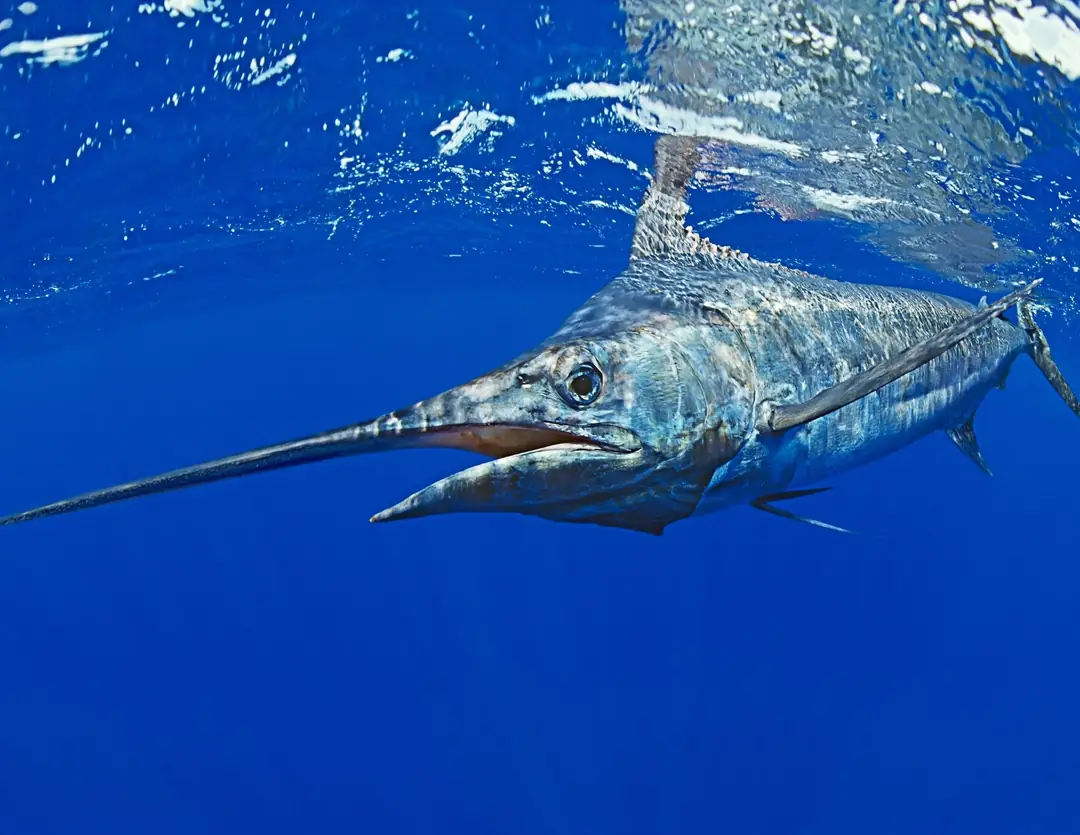
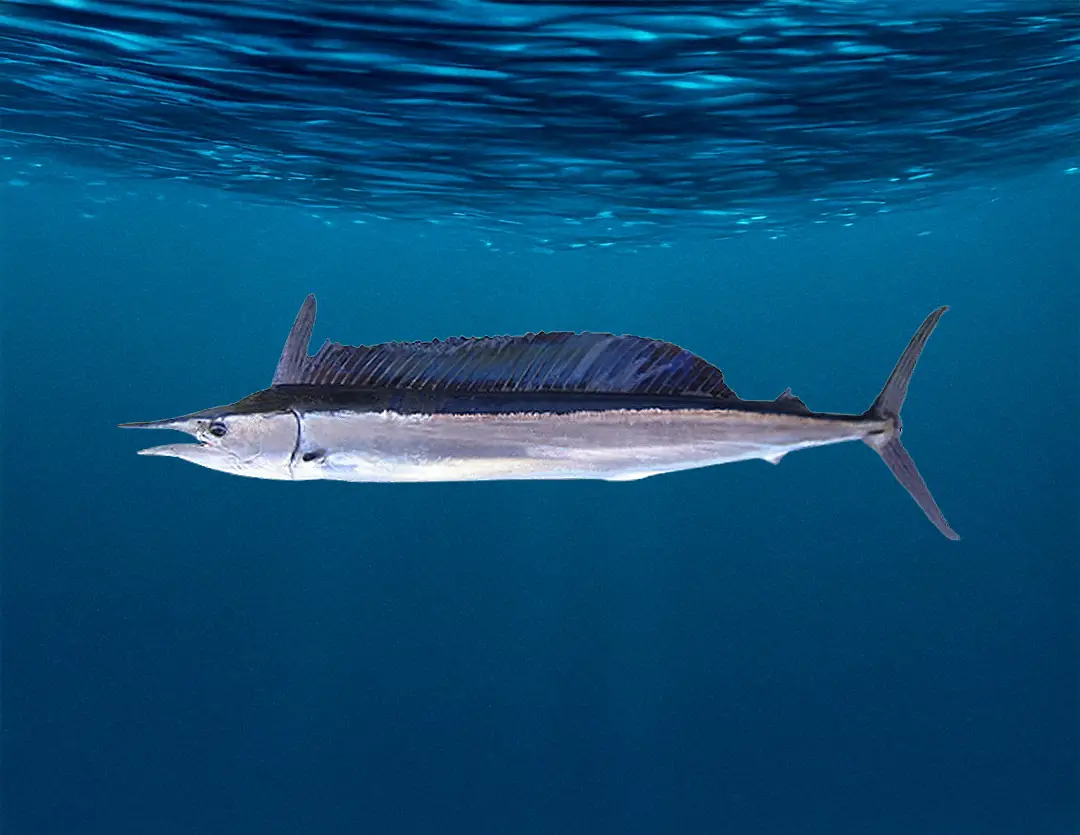
When it comes to sheer velocity in the ocean, few creatures can rival the billfish and tunas, true titans of the open water. The sailfish (Istiophorus platypterus) stands as the undisputed champion, capable of achieving incredible bursts up to 110 km/h. Its distinctive, elongated bill is not just for hunting; it acts as a hydrodynamic tool, slicing through the water and reducing drag by an impressive 20% during its rapid, 10-second hunting maneuvers at depths of around 30 meters.
This unique adaptation, combined with a powerful, lunate tail, propels it with unmatched force. Close behind are the various marlin species. The majestic black marlin (Istiompax indica) can reach peak speeds of 80 km/h, utilizing its rigid pectoral fins for critical stability during explosive 100-meter sprints.
Equally impressive, the Atlantic bluefin tuna (Thunnus thynnus), while slightly slower at 70 km/h in bursts, is renowned for its endurance, sustaining speeds of 40 km/h for up to 8 hours. These incredible athletes undertake epic annual migrations of 8,000 km from their spawning grounds in the Gulf of Mexico during April and May. Other marlin species also exhibit remarkable speed and agility.
The graceful striped marlin (Kajikia audax) can hit 60 km/h, its crescent-shaped tail oscillating at a high frequency of 20 Hz, making it a common sight in the 22-26°C equatorial Pacific waters. The white marlin (Kajikia albida) reaches speeds of 55 km/h, often found in the 100-200 meter deep Atlantic billfish grounds. Even the swordfish (Xiphias gladius), known for its deep dives, can burst to 60 km/h during its nocturnal hunts at 500 meters, returning to shallower 50-meter depths by dawn.
These pelagic powerhouses often cluster during the productive June-September upwellings off Baja California, where food is abundant. For divers seeking these magnificent creatures, targeting cleaning stations near reefs in 25°C shallows can be fruitful. Blue-water drift dives to 40 meters are another effective strategy.
However, caution is paramount; billfish strikes can exceed 50 km/h, posing a significant risk. Peak sightings often coincide with lunar full moons, which enhance baitfish visibility and activity, drawing these fast hunters into more accessible waters.
 © seabook.appAll rights reserved
  © seabook.appAll rights reserved
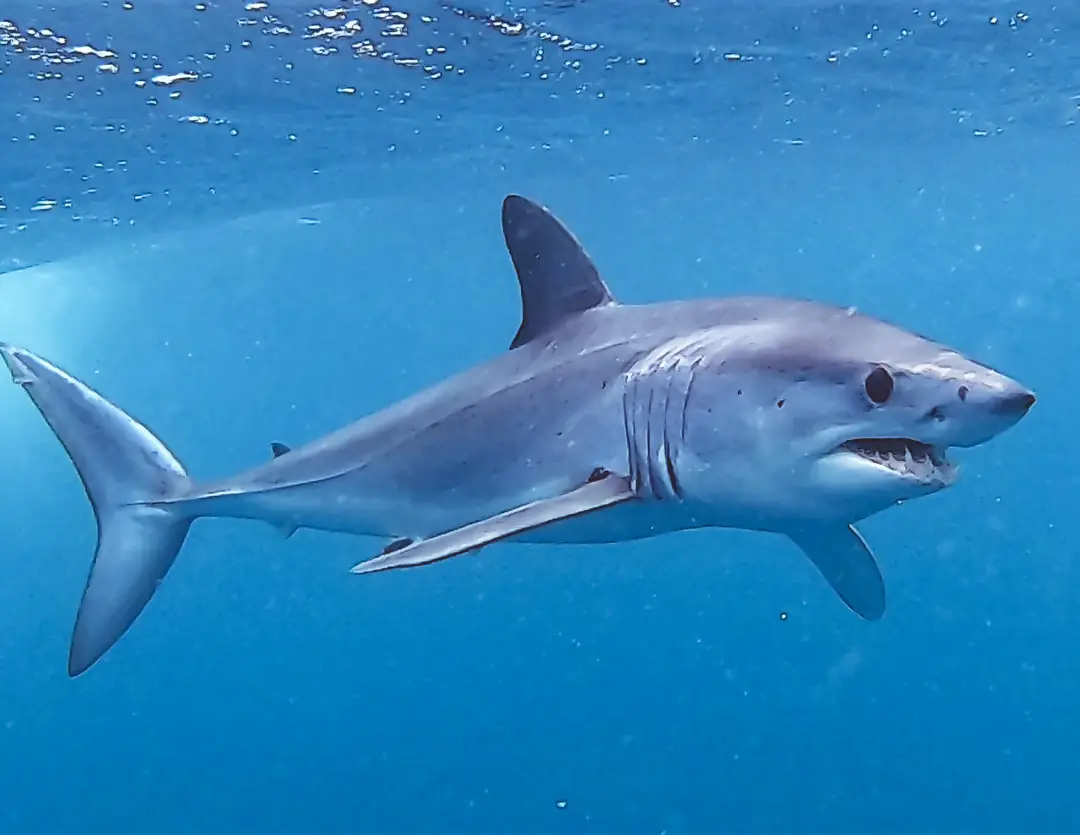
 Beyond the billfish, the realm of sharks also boasts some truly exceptional speedsters, perfectly adapted for life as apex predators. The shortfin mako shark (Isurus oxyrinchus) stands out as one of the fastest, capable of explosive bursts up to 74 km/h. These powerful sharks can launch themselves from depths of 0-300 meters, often culminating in spectacular leaps of up to 6 meters out of the water after a high-speed chase, typically in temperate waters ranging from 18-24°C.
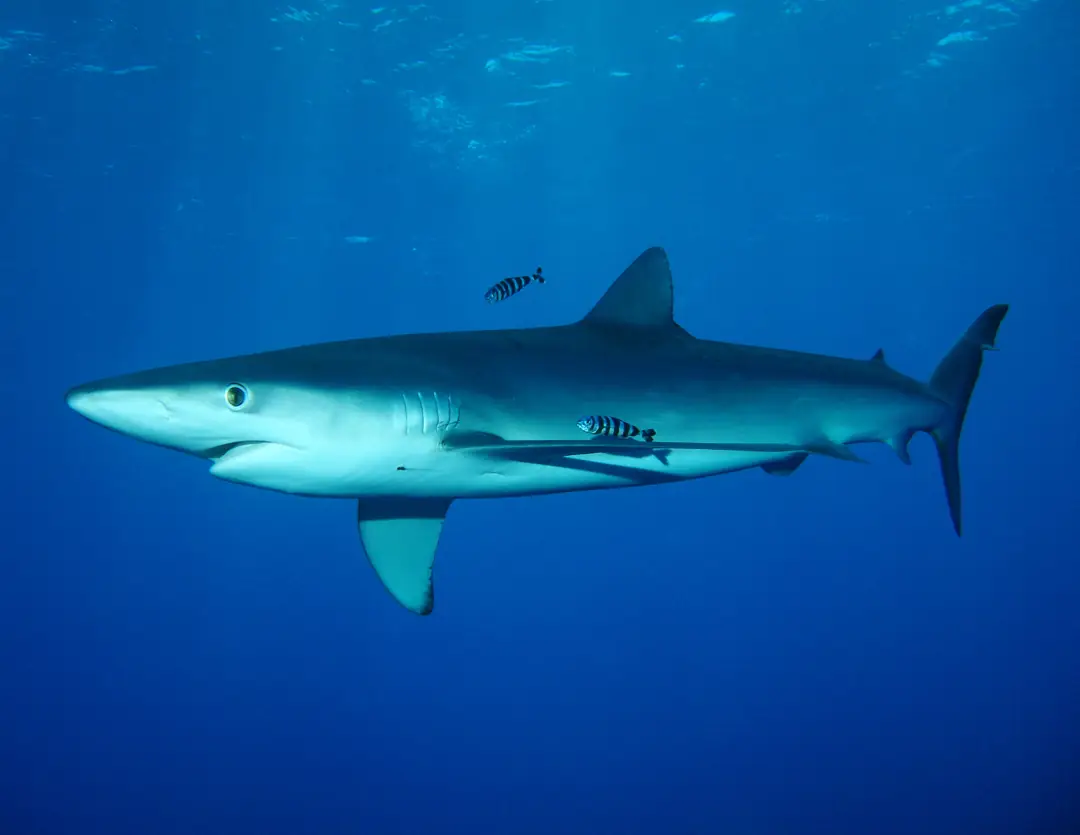
Their streamlined bodies and formidable power make them formidable hunters of fast-moving prey. Other pelagic sharks also exhibit remarkable speed and endurance. The elegant blue shark (Prionace glauca) is a sustained swimmer, capable of maintaining 40 km/h over migrations spanning more than 1,000 kilometers, efficiently filtering an astonishing 20,000 liters of water hourly through its gill slits.
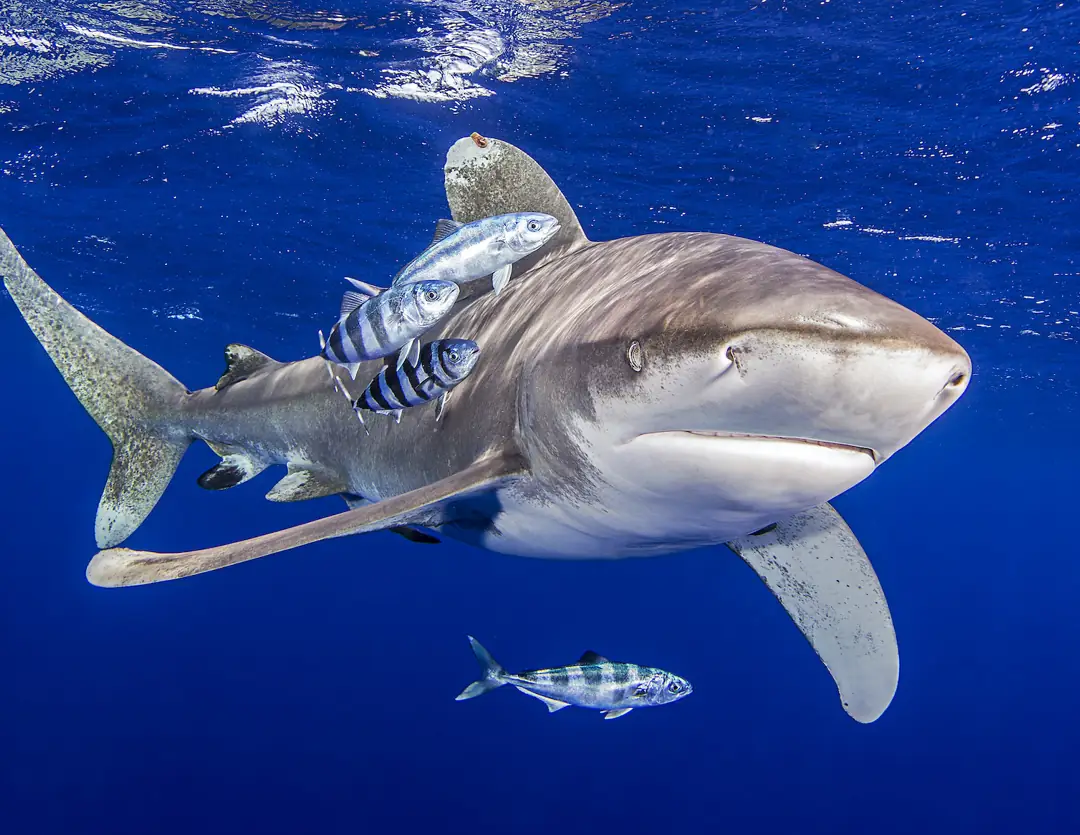
In colder climes, the porbeagle (Lamna nasus) demonstrates its prowess by accelerating to 50 km/h in the frigid North Atlantic shallows, thriving in waters below 15°C. These adaptations allow them to pursue prey in diverse oceanic environments. The oceanic whitetip shark (Carcharhinus longimanus), though often seen cruising at a more sedate 25 km/h, can surge to 45 km/h when encountering surface schools of fish during its equatorial drifts.
In the icy waters of Alaska, the salmon shark (Lamna ditropis) reaches an impressive 60 km/h during the summer months when water temperatures are around 10°C, preying on herring at depths of 200 meters. A key to the speed of many of these sharks is their unique physiological adaptation: they are partially warm-blooded, capable of elevating their muscle temperatures by 10°C above ambient water, which allows for 50% faster muscle contractions and sustained high performance. For bluewater divers, spotting makos often occurs around seamounts at depths of 20-50 meters.
Chumming with tuna chunks in 20°C currents can attract them, but extreme caution is advised. It is crucial to maintain buffers of at least 30 meters, especially given their tendency for powerful leaps that can exceed 20 km/h. Their activity typically surges in the fall, particularly around the thermoclines at 100 meters, where prey concentrations are often highest.
 © Fábio OlmosAll rights reserved
  © Patrick DollCC BY-SA 4.0
  © seabook.appAll rights reserved
 Oceanic Acrobats: Speedy Marine Mammals
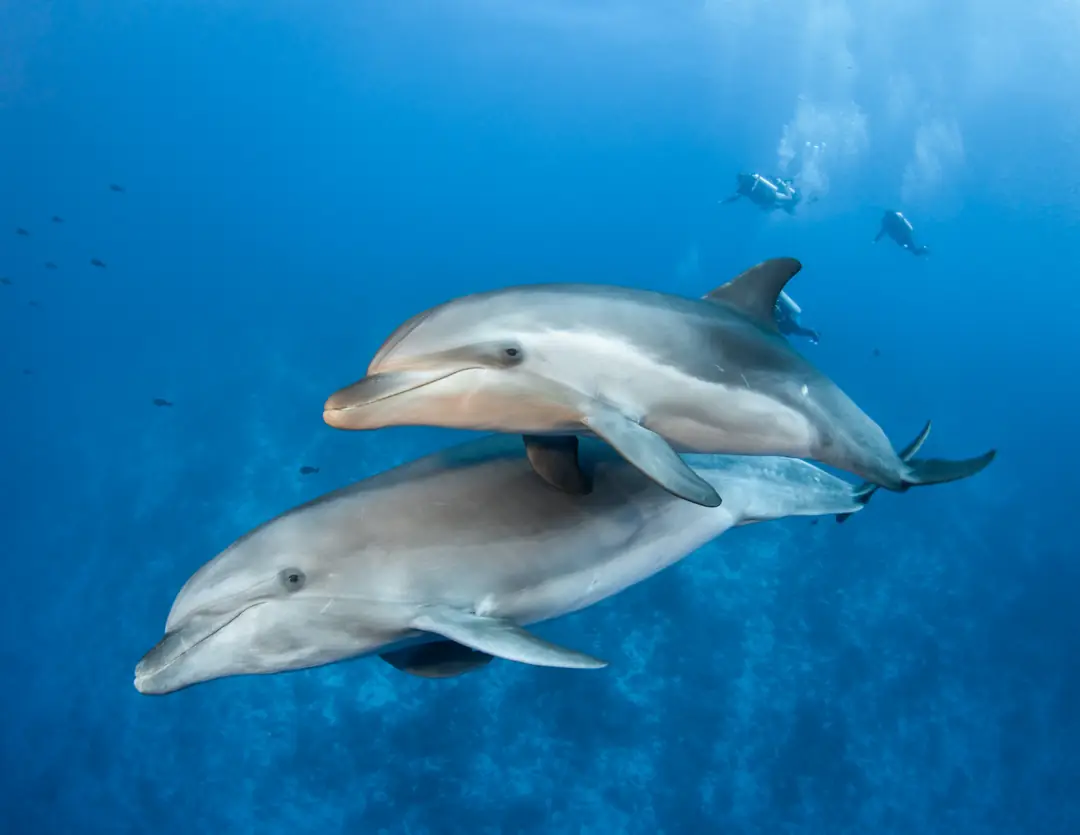
The ocean's most intelligent residents, marine mammals, are also among its most agile and swift, showcasing remarkable hydrodynamic efficiency. Bottlenose dolphins (Tursiops truncatus) lead the mammalian pack, capable of reaching speeds up to 60 km/h. They achieve this while porpoising every 10 seconds for air during their impressive 100-kilometer daily swims, often observed in coastal bays with water temperatures between 20-28°C.
Their sleek, fusiform bodies are perfectly designed to minimize drag, allowing for seamless movement through water. Other dolphin species also demonstrate incredible speed and coordination. Common dolphins (Delphinus delphis) can match speeds of 55 km/h, often seen bow-riding alongside vessels, using their speed and agility to herd schools of 1-meter capelin at depths of 30 meters.
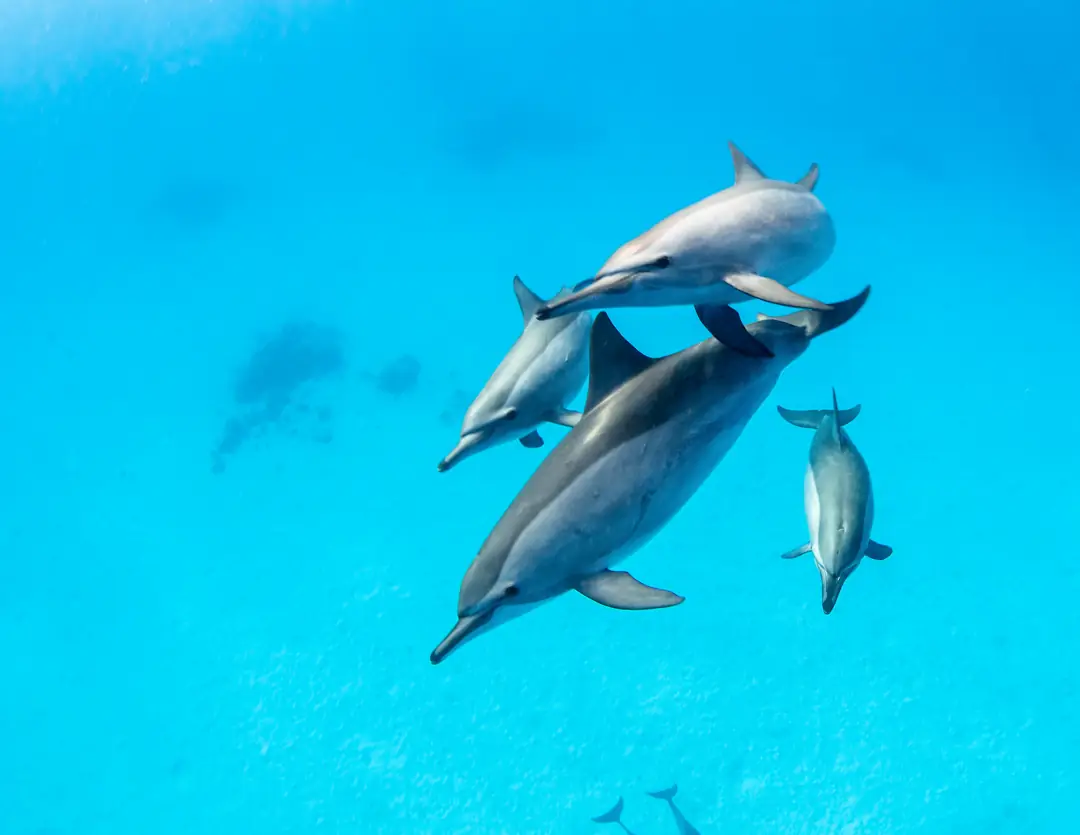
The acrobatic spinner dolphins (Stenella longirostris) live up to their name, performing up to seven spins per leap at 40 km/h in the warm, tropical shallows of 26°C, a behavior thought to be a form of communication or play. In cooler waters, the Pacific white-sided dolphin (Lagenorhynchus obliquidens) bursts to 50 km/h as it chases 15-centimeter krill in 12°C subarctic fronts during the months of May to August. The robust Risso's dolphin (Grampus griseus) can sustain speeds of 35 km/h over distances of 500 kilometers, diving to depths of 300 meters in pursuit of squid.
These marine mammals owe much of their speed to their highly evolved fusiform bodies, which reduce drag by up to 30%, and their powerful tail flukes, which generate an astonishing 2,000 Newtons of thrust with each beat at a frequency of 5 Hz. For divers, encounters with dolphins are often unforgettable, particularly at 10-20 meter reef drop-offs. Mimicking their whistles, which range from 5-20 kHz, can sometimes encourage closer approaches during 24°C summers.
It's important to respect their social structures and avoid breaking up groups, as this can trigger high-speed pursuits exceeding 40 km/h. Night dives can offer a unique spectacle, as their rapid movements create mesmerizing bioluminescent trails at depths of 50 meters.
 © seabook.appAll rights reserved
  © seabook.appAll rights reserved
 Surprising Speeds: Invertebrates and Other Quick Critters
While fish and mammals often steal the spotlight for speed, the invertebrate world holds its own surprising collection of lightning-fast critters. One of the most remarkable is the Humboldt squid (Dosidicus gigas), a master of jet propulsion. This cephalopod can propel itself up to 24 km/h by rapidly contracting its mantle, expelling an astonishing 10 body volumes of water per second.
They are formidable hunters in the 200-meter deep oxygen minimum zones, particularly active during the 15-20°C Humboldt Current upwellings from December to April. Even seemingly small invertebrates pack a powerful punch. The pistol shrimp (Alpheidae), for instance, employs a unique and devastating mechanism: it snaps its specialized claw at an incredible 90 km/h.
This rapid movement creates a cavitation bubble that, upon collapsing, generates a shockwave reaching 218 decibels – enough to stun or kill small fish up to 5 cm in length within a 1-meter range, all from the safety of its coral crevice. It's an astonishing display of localized, explosive power. Box jellyfish (Chironex fleckeri), though appearing graceful, are surprisingly swift.
They pulse their bells at 6 meters per second, and with their large, 3-meter diameter bells, they can effectively cover ground in the 28°C Indo-Pacific shallows. Trailing up to 40 tentacles, their relative speed can reach 40 km/h, making them efficient and dangerous predators. Similarly, the mantis shrimp (Stomatopoda) delivers one of the fastest strikes in the animal kingdom, lashing out at 23 meters per second from its 10-centimeter burrow.
These strikes are so powerful they can shatter snail shells in 30°C reef flats, relying on bursts lasting a mere 0.1 seconds to exploit water viscosity for lethal precision. Divers encountering these fascinating, albeit sometimes dangerous, invertebrates should be mindful. Squid swarms can be found at 50-100 meter oxygen steps, where using red lights can help pierce the often-limited 10-meter visibility in 18°C winters.
When exploring reef rubble, gentle probing is essential, as pistol shrimp are notoriously territorial, and their 80 km/h snaps are best avoided.
The Science of Speed: Adaptations for Aquatic Velocity
The incredible speeds achieved by marine animals are not accidental; they are the result of millions of years of evolutionary engineering, optimizing every aspect of their biology for aquatic velocity. At the heart of this lies the fusiform, or torpedo-shaped, body plan. This streamlined design allows water to flow smoothly over the creature, tapering to achieve remarkably low drag coefficients, often as low as 0.2.
This efficient channeling of flow is crucial for maintaining high Reynolds numbers, exceeding 10 million, during powerful 50 km/h sprints, minimizing resistance and maximizing forward momentum. Propulsion is primarily driven by specialized fins and muscle structures. The lunate, or crescent-shaped, caudal fin, characteristic of many fast-swimming fish like tunas and marlins, is a masterpiece of biomechanics.
It oscillates rapidly at 15-25 Hz, generating powerful Karman vortex streets that provide up to 40% thrust efficiency. Powering these movements are red myotomal muscles, which can constitute up to 60% of a fish's body mass. These muscles are rich in myoglobin, allowing for sustained, oxygen-intensive contractions that can propel the animal at speeds of two body lengths per second.
Beyond overall shape, micro-adaptations play a significant role. Shark denticles, the tiny, tooth-like scales covering their skin, are not just for protection; they align the boundary layers of water, effectively cutting hydrodynamic resistance by 8% at speeds of 20 meters per second. Dolphins employ their own clever tricks, using nasal plugs and specialized fluke slots to achieve up to 25% drag reduction.
Efficient respiration is also critical; gill ventilation systems, featuring up to 20 gill arches, are capable of pumping an astonishing 500 ml/kg/s of oxygen to fuel muscles even at cruising speeds of 30 km/h. Early insights into these incredible adaptations came from historical biomechanics research, such as 1970s flume tests that quantified the stabilizing role of sailfish pectoral keels in enabling 10 G turns at 40 meters per second. Even human divers, equipped with modern gear, attempt to emulate this efficiency.
Wearing 5 mm neoprene suits in 22°C pelagic waters, divers use fins stroking at approximately 2 Hz to achieve speeds of around 2 meters per second. To accurately track these speeds in the wild, researchers often employ 10-meter gates within 1-knot currents. Peak activity and speed from many marine species often align with the warmer 28°C surface layers, where prey is abundant and metabolic rates can be higher.
FAQ: Frequently Asked Questions About Marine Speed
Questions
What is the fastest marine animal in the world?
Shortfin mako sharks (Isurus oxyrinchus) and sailfish (Istiophorus platypterus) tie near 74-110 km/h bursts, though sustained speeds settle at 40-50 km/h per telemetry. Black marlin claims exceed 80 km/h but lack verification beyond 1950s estimates. Diver records confirm mako leaps at 20 m/s from 300-meter pursuits.
Are sharks considered fast swimmers?
Shortfin makos top sharks at 74 km/h bursts using denticle-covered skin that cuts drag 10% at 20 m/s. Blue sharks sustain 40 km/h over 1,000 km, while salmon sharks hit 60 km/h in 10°C waters. These velocities enable tuna chases spanning 500 meters in 40 seconds.
How do marine mammals achieve high speeds underwater?
Dolphins (Tursiops truncatus) reach 60 km/h with fusiform bodies reducing drag 30% and flukes producing 2,000 N thrust at 5 Hz. Orcas sustain 56 km/h via myoglobin-rich muscles elevating core temperatures 10°C. Nasal plugs and counter-rotation minimize turbulence during 100 km daily swims.
Can invertebrates be fast?
Humboldt squid (Dosidicus gigas) jet to 24 km/h expelling 10 body volumes per second from 200-meter depths. Pistol shrimp snaps reach 90 km/h cavitation bubbles at 218 dB, stunning prey 1 meter away. Mantis shrimp strikes hit 23 m/s, exploiting 0.1-second bursts in reef ambushes.
What is the role of body shape in marine speed?
Fusiform profiles yield 0.2 drag coefficients at 10^7 Reynolds numbers, streamlining flow over 70 km/h sprints. Lunate tails and pectoral keels stabilize 10 g maneuvers, as in sailfish bills slicing 20% resistance. Gill rakers and denticles further optimize 500 ml/kg/s oxygen uptake.