 Chris SpainCC0 · iNaturalist
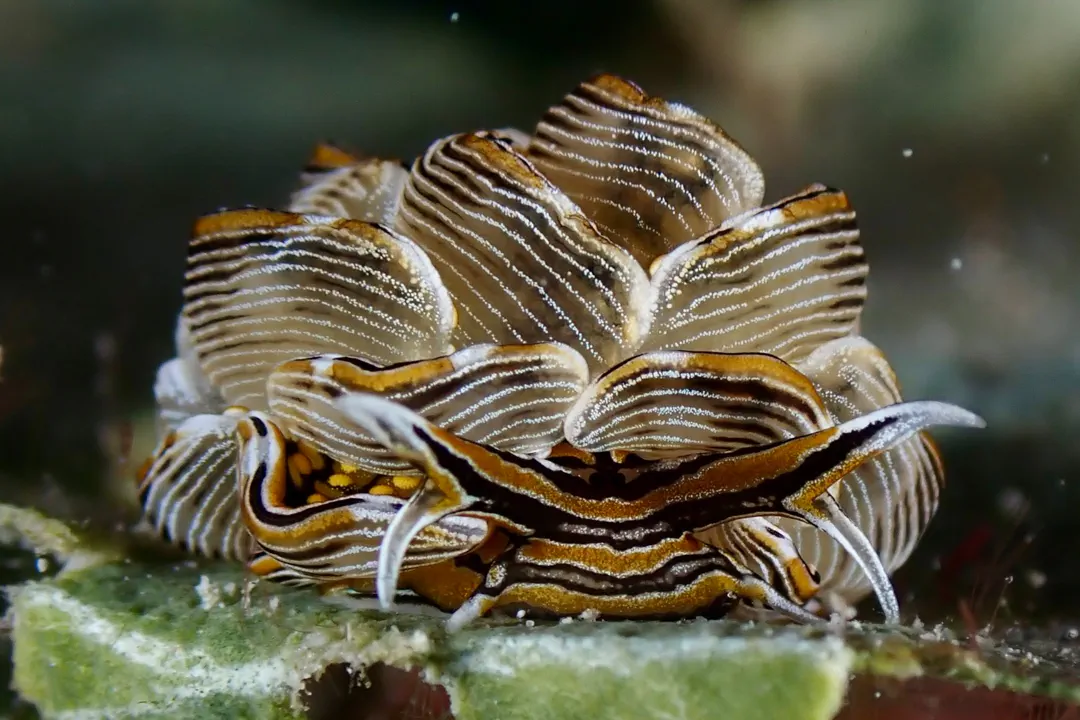
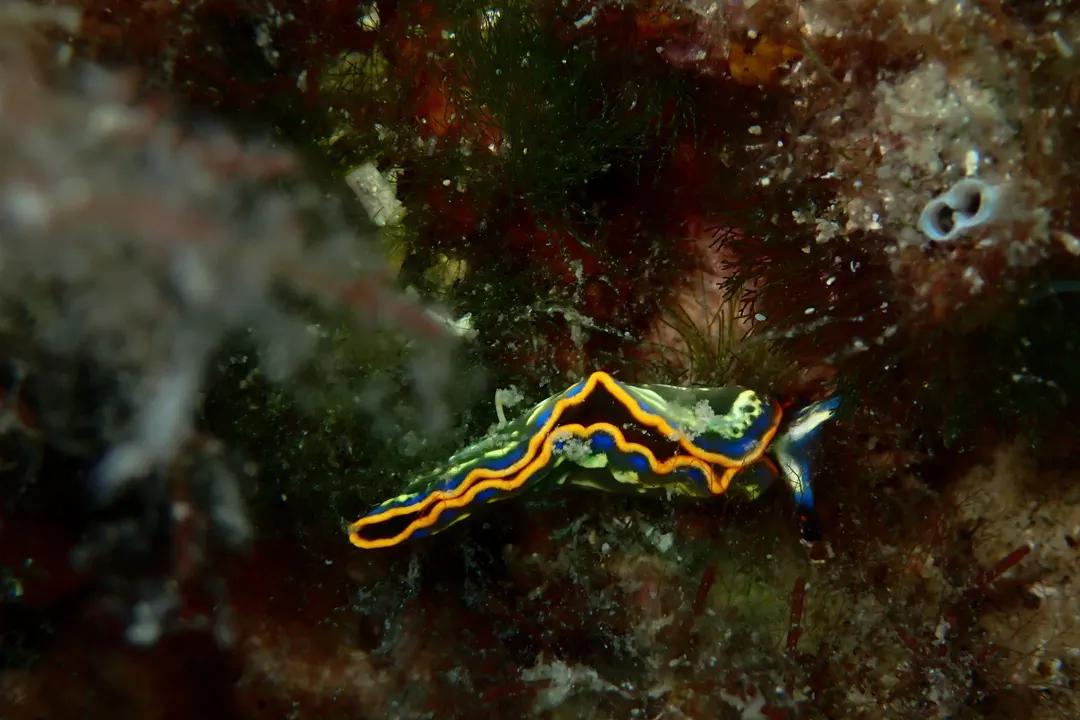
Black-and-gold Sapsucking Slug
Cyerce nigra
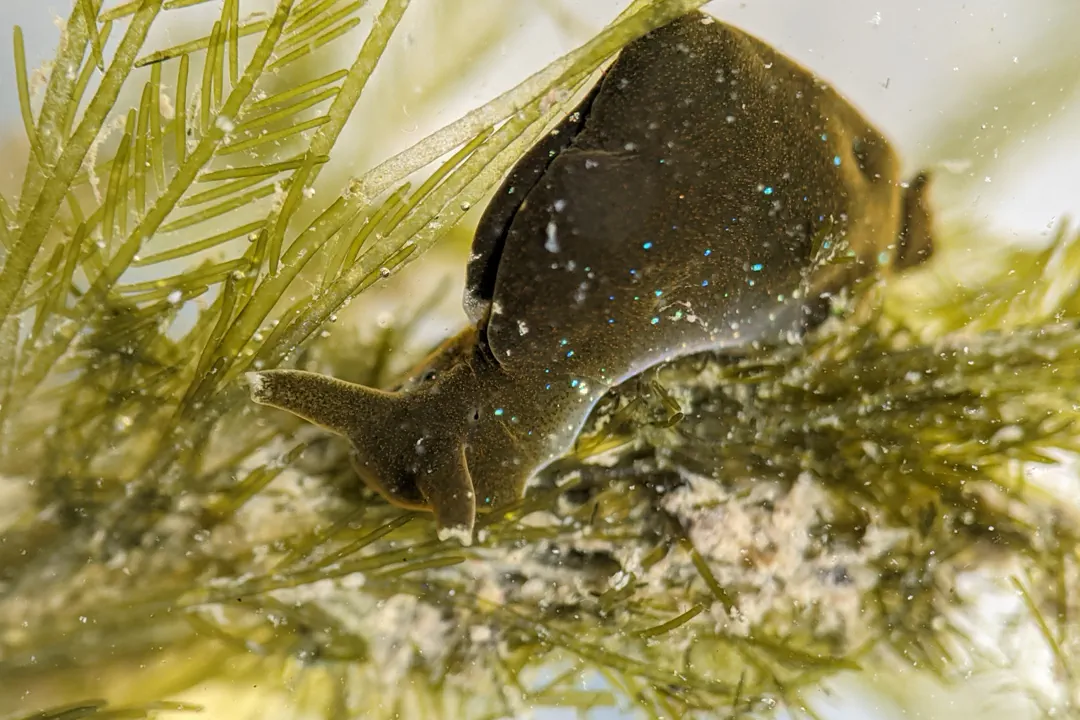
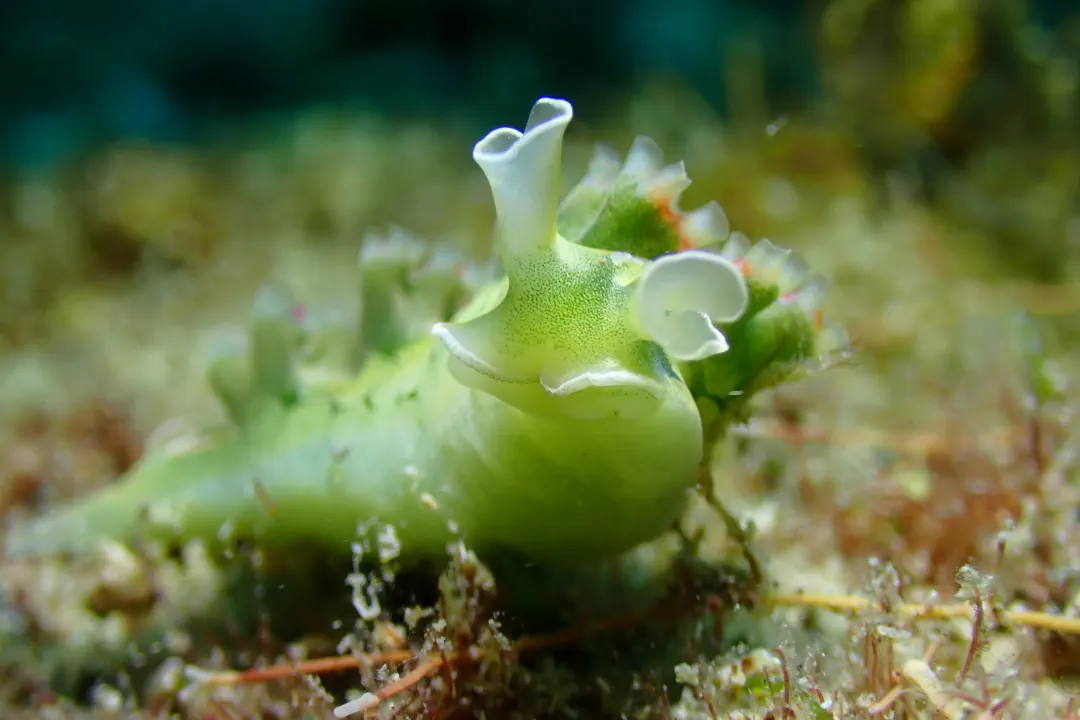
Elysia hedgpethi
Elysia hedgpethi, commonly known as Hedgpeth’s sapsucker or Hedgpeth’s sea hare, belongs to the family Plakobranchidae and is found in the northeastern Pacific, from southern British Columbia and Washington south along the Pacific coast to northern Mexico, including the Gulf of California.
The species was first described by Eveline DuBois-Reymond Marcus in 1961 in the publication Opisthobranch Mollusks from California, appearing on page 33 of The Veliger 3 (Supplement 1): 1–85. The original name of the species is Elysia hedgpethi Marcus, 1961, and it has not been formally moved to another genus, with the current accepted combination remaining Elysia hedgpethi. The type locality of Elysia hedgpethi is Tomales Bay, California, as reported in the original description. The genus Elysia is derived from Elysium, the blessed afterlife in Greek and Roman mythology, while the species epithet hedgpethi honors marine biologist Joel W. Hedgpeth. Elysia bedeckta MacFarland, 1966 is listed as a junior synonym of Elysia hedgpethi. The classification of Elysia hedgpethi is as follows: Animalia; Mollusca; Gastropoda; Heterobranchia; Sacoglossa; Plakobranchoidea; Plakobranchidae; Elysia.
Hedgpeth's sapsucker is best recognized underwater by its elongate, leaf-like body and large lateral parapodia, which can be folded over the back or spread widely. The species usually exhibits an olive-green to dark green coloration, occasionally appearing yellow-green. Small white or silvery spots are common on the body, often with blue or iridescent tones, and the density and color of these spots can vary with age, lighting, diet, and preservation. The body of Hedgpeth's sapsucker is relatively long and narrow, with broad, thin, undulating parapodia that resemble a small leaf when spread. When the parapodia are folded, they cover much of the dorsum of the animal. The rhinophores of the species are rolled or tube-like and generally similar in color to the body, and they are not retractile into sheaths. Hedgpeth's sapsucker commonly measures about 2–3 cm in length, although individuals may exceed 5 cm. The species can be distinguished from other Elysia species by its long, narrow body, large thin parapodia, rolled rhinophores, and regional species range, as color alone is unreliable for identification. In comparison to Elysia vreelandae, which is a small, dark olive-green species from the Gulf of California, Hedgpeth's sapsucker is characterized by its large, thin, undulating parapodia and a more strongly flattened appearance when those flaps are extended. Unlike other sacoglossans that possess finger-like cerata, Hedgpeth's sapsucker lacks these structures, having conspicuous lateral flaps that are parapodia instead. The species does not have a posterior gill plume or the typical cerata or dorsal gills found in many nudibranchs, and its rolled rhinophores and lateral parapodia indicate it is a sacoglossan rather than a conventional nudibranch.
Hedgpeth's sapsucker is associated with rocky intertidal and shallow subtidal habitats, rather than a distinct coral-reef zone. The species is found in intertidal rocky shores and shallow subtidal areas, including exposed intertidal lava pools and rocky intertidal regions. Hedgpeth's sapsucker primarily inhabits substrates of green algae, especially Codium and Bryopsis, growing on rocky bottoms, tidepools, and structures such as dock pilings. The depth range of this species extends from the intertidal zone to approximately 5 m below low-water level, with many specimens collected at about 1 m. Geographically, Hedgpeth's sapsucker has been reported along the northeastern Pacific coast from Puget Sound and the San Juan Islands in Washington, south through coastal California to Baja California and the Gulf of California, including Sonora.
No species-specific study establishing a day–night activity rhythm was found, and it is observed feeding on Codium and other green algae in intertidal and shallow-subtidal habitats, but that does not establish whether it is diurnal, nocturnal, or continuously active. No evidence demonstrates stable groups, cooperative behaviour, or territoriality, although multiple individuals have been recorded together on the same algal habitat, consistent with shared food and habitat rather than documented sociality. It is a simultaneous hermaphrodite, characteristic of the family Elysiidae, but species-specific mating observations are poorly documented in the accessible sources. Reported egg masses are white, cylindrical strings arranged in a counterclockwise spiral and often deposited on Codium. Larvae are initially brown or beige and become green after beginning to feed on green algae. No controlled or species-specific study documents its response to divers, bubbles, lights, or handling, and claims that it approaches, flees from, or habituates to divers would be unsupported. Observations should avoid contact and disturbance, as it is a small, relatively sedentary slug living on algae.
Hedgpeth's sapsucker is a herbivorous sacoglossan that feeds primarily on green algae, especially Codium fragile and Bryopsis corticulans. It feeds by using a specialized radula tooth to pierce algal cells and suck out their contents, rather than rasping off whole pieces of tissue. The slug retains some of the algae’s chloroplasts in digestive cells, a process called kleptoplasty; these chloroplasts can continue photosynthesis and provide supplementary nutrition.
Hedgpeth's sapsucker is not a commercially important fishery species and there is no evidence that it is targeted, landed, or involved in commercial or recreational fisheries. The species is a shallow-water herbivore that feeds on green algae, including Bryopsis and Codium. No authoritative evidence has been found of an established commercial aquarium trade for Hedgpeth's sapsucker, although occasional collection or display may occur. Its use as human food has not been documented, and it should not be eaten. No species-specific human toxicity, venom, biting hazard, or medically significant defense has been identified for Hedgpeth's sapsucker. Despite the lack of documented danger, wild marine invertebrates should not be handled or consumed unnecessarily. No formal global conservation assessment or status has been located for Hedgpeth's sapsucker, and public taxonomic records do not provide a conservation category.
Chris SpainCC0 · iNaturalist 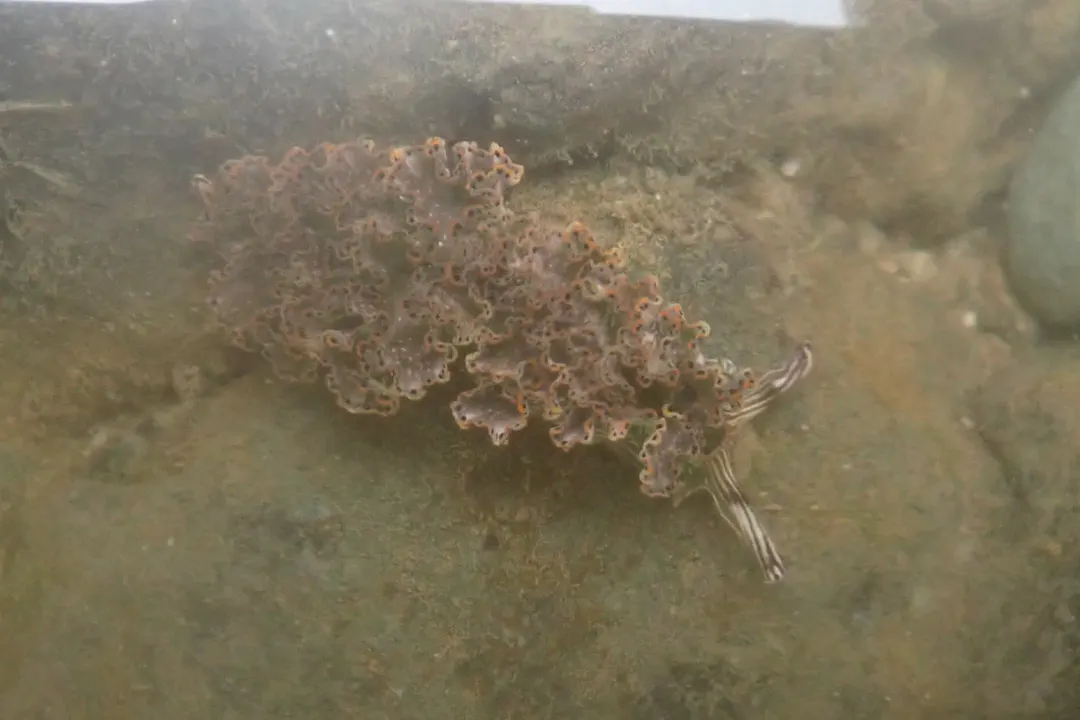 © Josiah LonderéeCC BY 4.0 · iNaturalist
 © Robin WhiteCC BY 4.0 · iNaturalist
 © Vsevolod RudyiCC BY 4.0 · iNaturalist
 © Stas KuryanAll rights reserved
 © Robin WhiteCC BY 4.0 · iNaturalist
Hedgpeth's Sapsucker has no known danger to humans. However, always observe marine life responsibly.
Download Seabook free for iOS and Android.