 © Robin WhiteCC BY 4.0 · iNaturalist
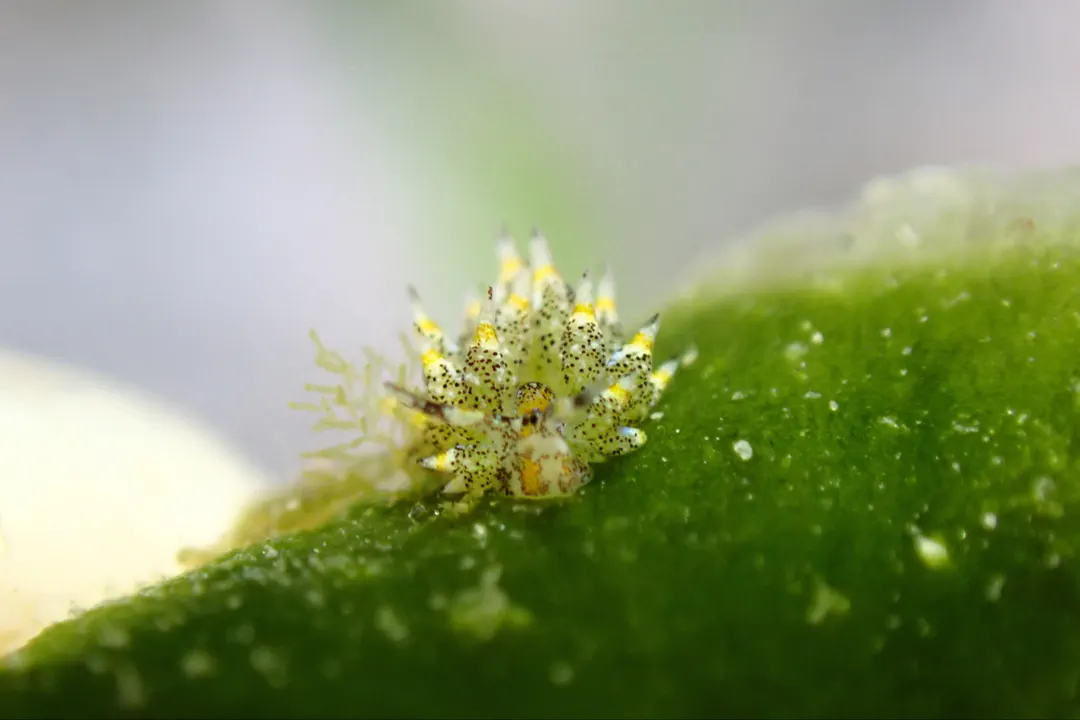
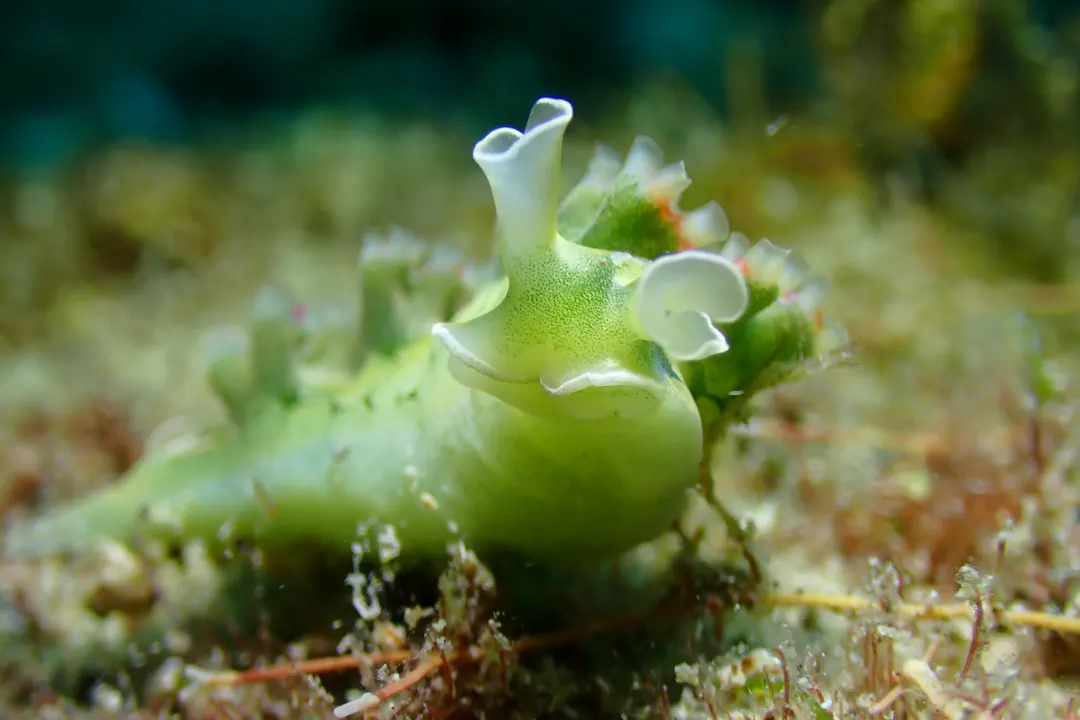
Eyespot Costasiella
Costasiella ocellifera
 Chris SpainCC0 · iNaturalist
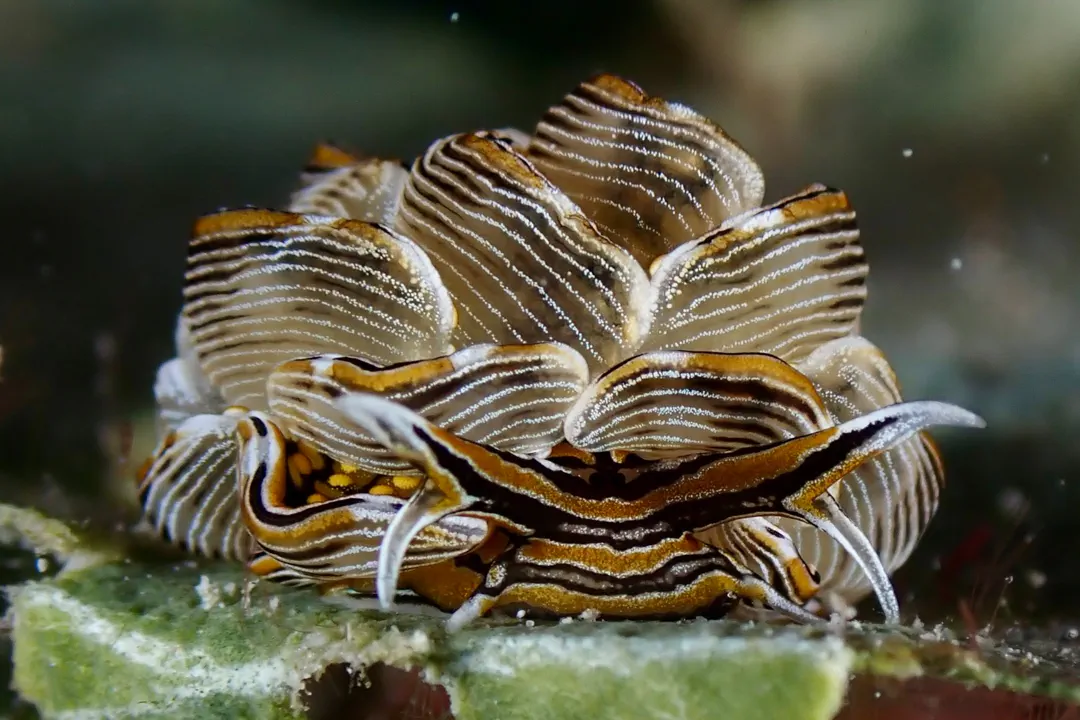
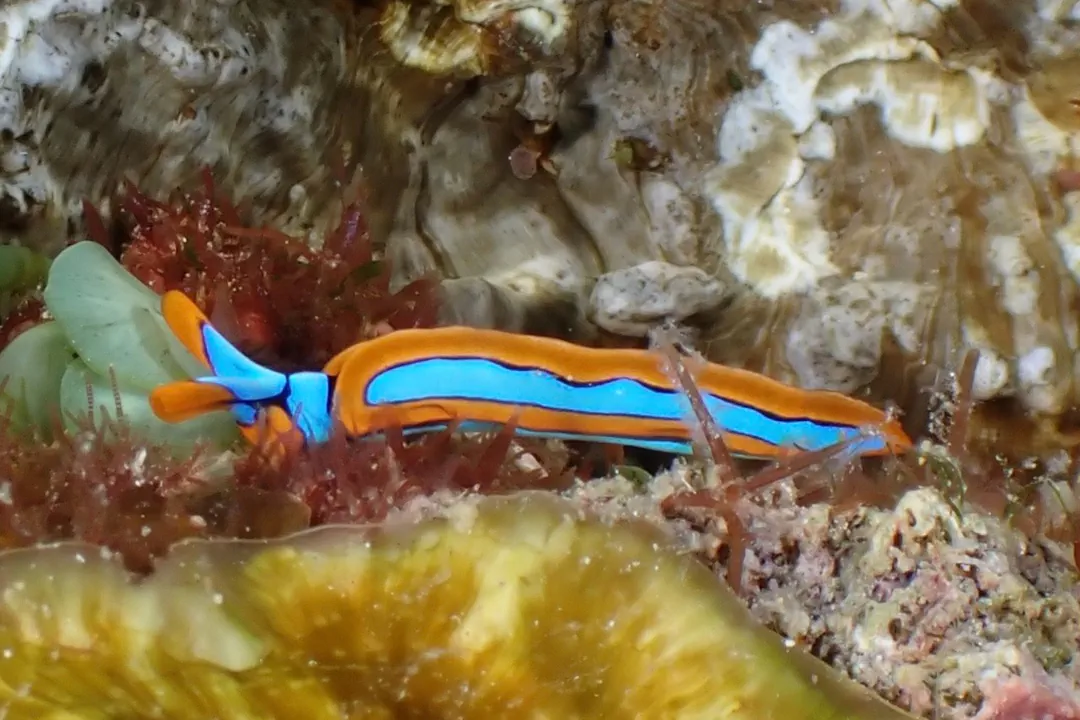
Cyerce nigra
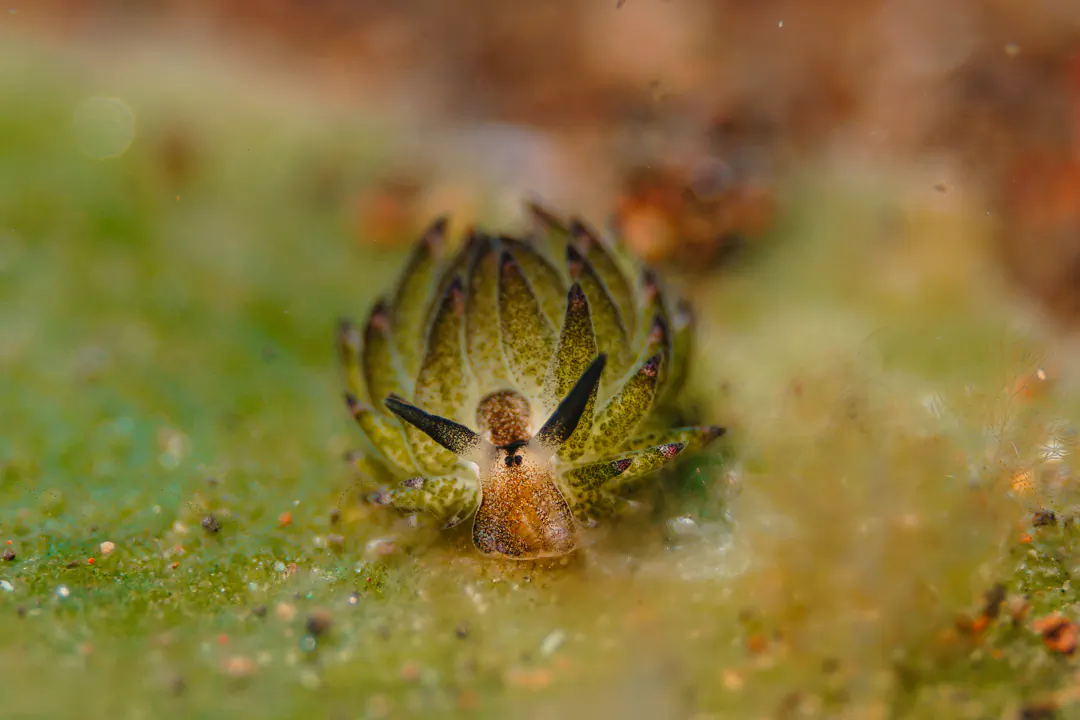
Cyerce nigra is a sacoglossan (sap-sucking) sea slug of the Caliphyllidae (Polybranchiidae) family.
It has long bifurcated (forked) rhinophores and the distinctive shape of their cerata, being usually flattened and either leaf-like. Its black cerata marked with white lines and gold submargin on outer surface and gold spots on inner surface. The sole of the foot bears a groove across its center. It can change the orientation of its cerata according to its behavior: - at rest, the cerata are flattened and overlapped in longitudinal series like scales; - when this Sacoglossa crawls, the cerata are elevated and curled; - when strongly stimulated, itswims by powerfully flapping its cerata in coordinated waves.
Indo-West Pacific to Papua New Guinea, East Australia and Palau.
It lays a flat, broad, white egg masses consisting of three and a quarter turns. It feeds on the green algae Chlorodesmis fastigiata, commonly known as turtle weed.
© Robin WhiteCC BY 4.0 · iNaturalist  © Vsevolod RudyiCC BY 4.0 · iNaturalist
  © Stas KuryanAll rights reserved
  © Robin WhiteCC BY 4.0 · iNaturalist
  © Stas KuryanAll rights reserved
  Chris SpainCC0 · iNaturalist
 Black-and-gold Sapsucking Slug has no known danger to humans. However, always observe marine life responsibly.
Download Seabook free for iOS and Android.