 © Julien BidetCC BY-SA 4.0
Blue Sea Cucumber
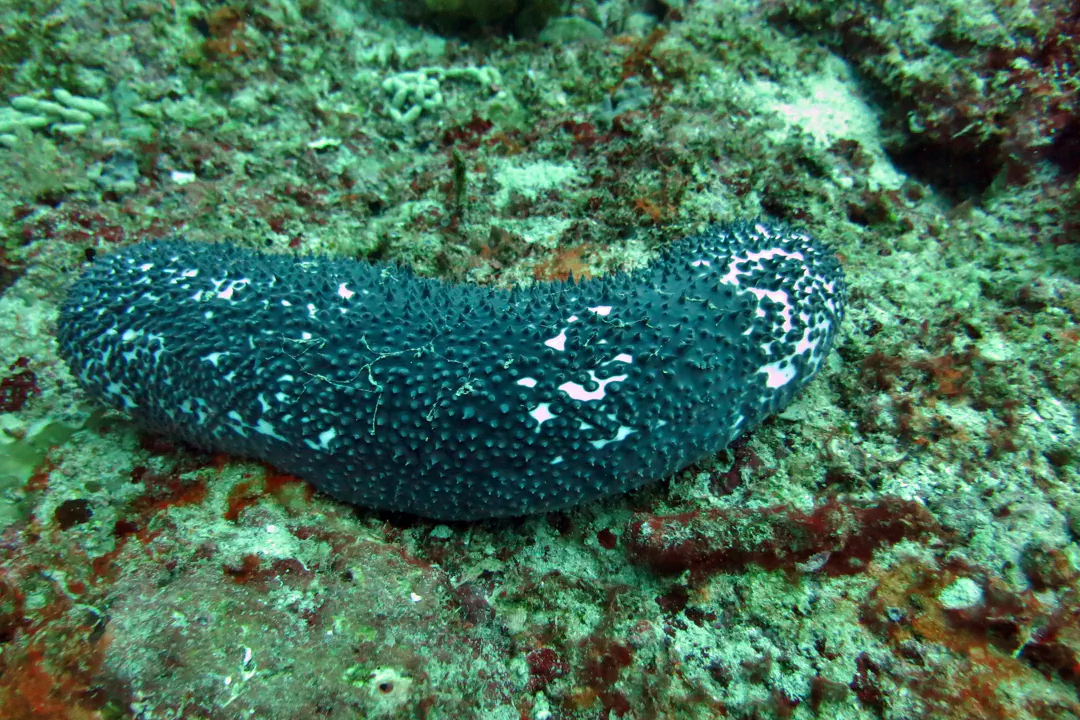
Actinopyga caerulea
Pearsonothuria graeffei
Pearsonothuria is a genus of sea cucumbers in the family Holothuriidae. Pearsonothuria graeffei is the only species in the genus. It is found in the tropical Indo-Pacific Ocean and the type locality is Viti Island, Fiji.
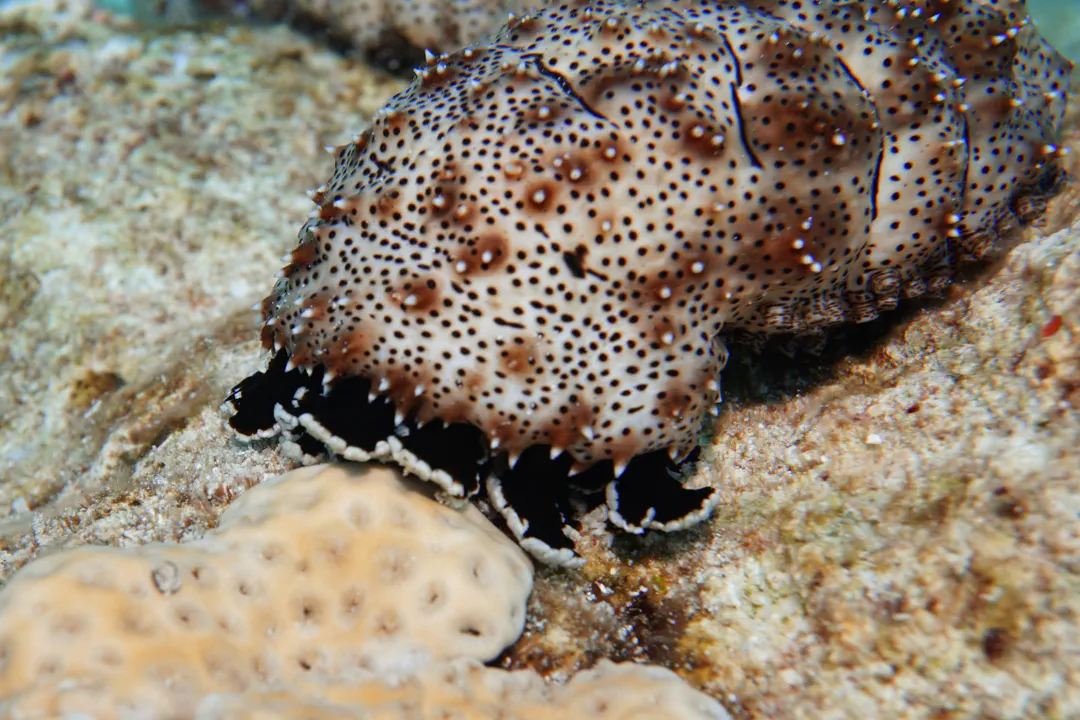
Pearsonothuria graeffei is a roughly cylindrical, thin-walled sea cucumber that grows to about 30 centimetres (12 in) in length. Its mouth, at one end, is surrounded by a ring of up to 24 leaf-like, paddle-shaped tentacles with black stalks which are black on the upper side and white beneath. The anus is at the other end of the body and there are several rows of tube feet along the underside. The colour of the adults is pale brown and white, with black speckles and small thorn-like protuberances.
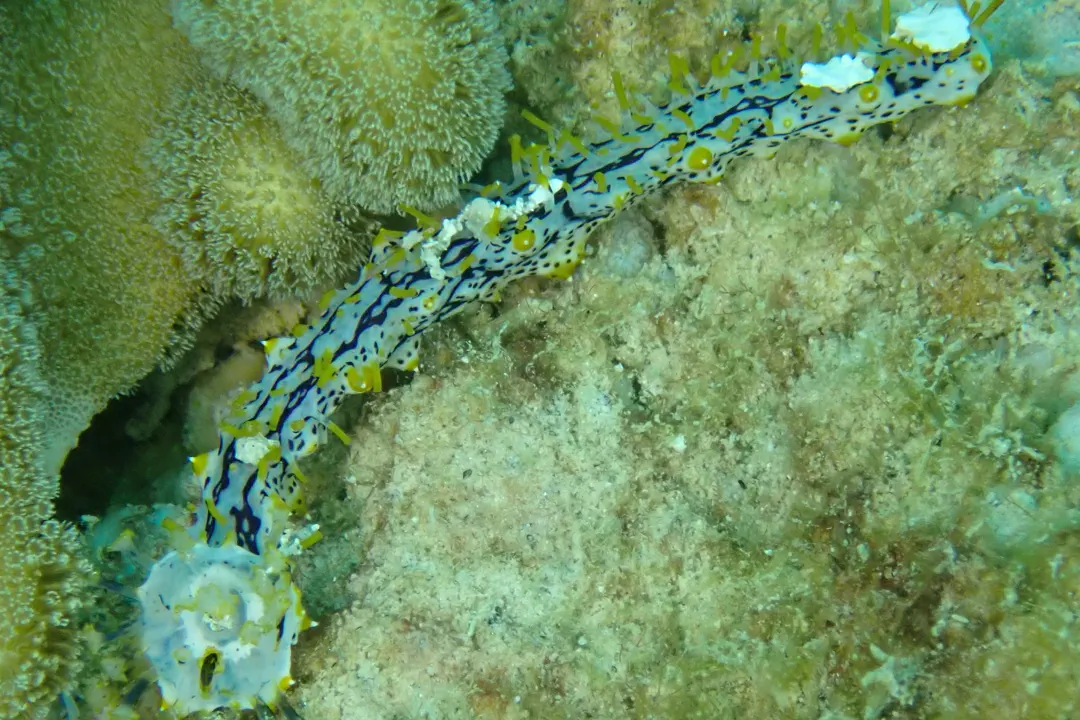
By contrast, the juveniles are brightly coloured, being white and blue or black, with a few large, yellow, thorn-like projections. This colouration makes them closely resemble the sea slug, Phyllidia varicosa, the bright colours of which warn predators of its toxicity. The appearance of the juvenile sea cucumbers begins to change when they grow larger than the slug and the mimicry is no longer effective.
Pearsonothuria graeffei is found in tropical parts of the Indo-Pacific Ocean. The range extends from the east coast of Africa to the Philippines, Indonesia and the South Pacific. It is found on the seabed and on coral reefs at depths down to about 25 metres (82 ft).
Pearsonothuria graeffei is a scavenger and roams around on the seabed sifting through the sediment with its feeding tentacles. Any organic matter it finds is passed to its mouth by the tentacles. Its daily activities start within a few minutes of dawn and continue until half an hour after sunset after which time it adopts an inactive stance with its rear end raised and its tentacles retracted into its mouth. It then remains immobile during the night.
When threatened or disturbed, many sea cucumbers eject cuvierian tubules, thin white sticky strands of viscera, from their cloacas. Pearsonothuria graeffei seems reluctant to do this except under conditions of extreme stress. The threads of this species contain glycosides that are toxic to the aggressor. The effect of these neuro-toxins is to prevent nerve impulses being transmitted, an effect similar to that produced by cocaine. The chemicals, echinoside A and ds-echinoside A, are being investigated for their possible use by humans as painkillers or anti-tumour drugs. Experiments in vitro show that they have marked anti-cancer activity in Hep G2 cells and that, when given to mice with H22 hepatocellular carcinoma tumours (liver cancer), the weight of the tumours was reduced by about 50%.
© Julien BidetCC BY-SA 4.0 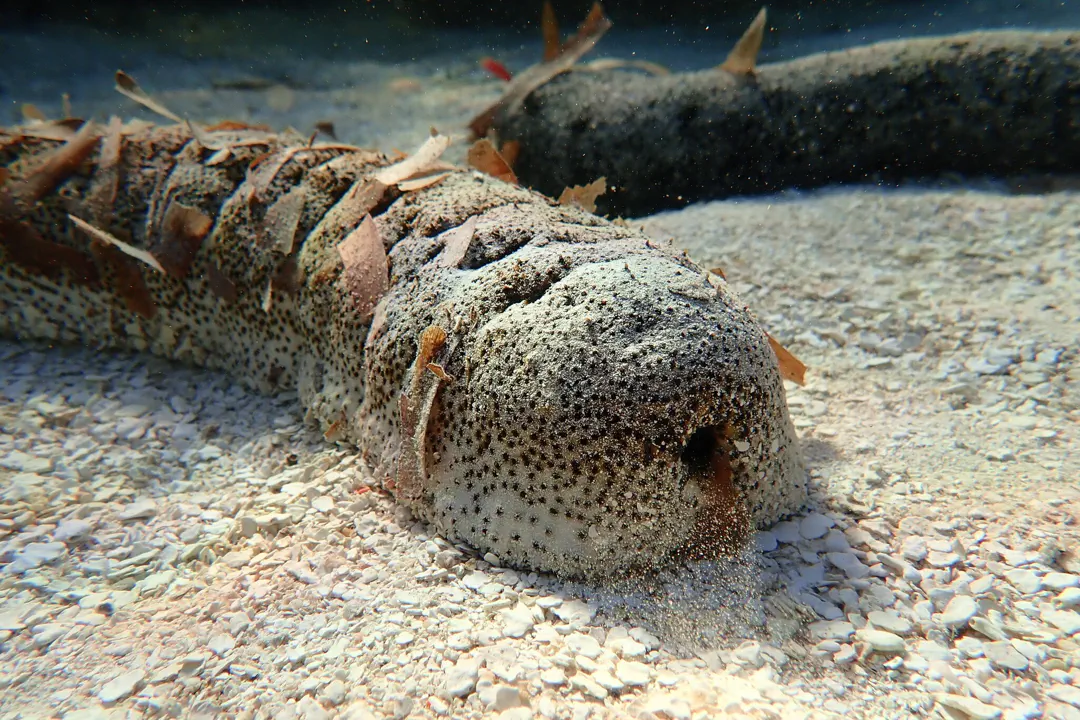 © Lisa_JamesCC BY 4.0 · iNaturalist
  © Stas KuryanAll rights reserved
 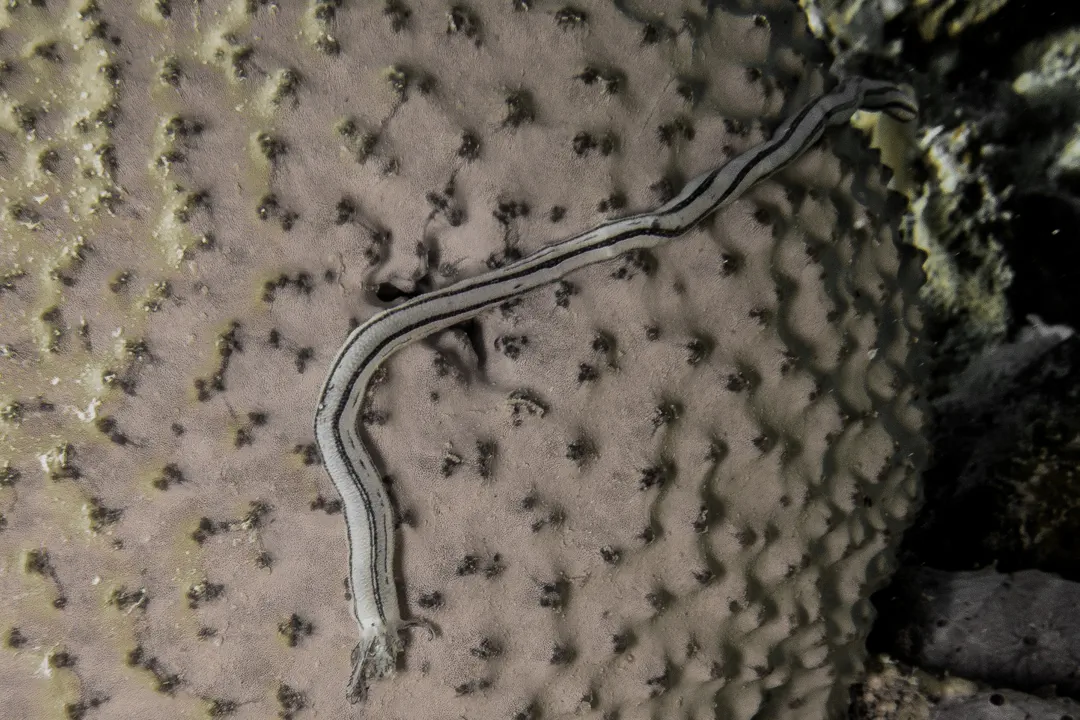 © João D'AndrettaCC BY 4.0 · iNaturalist
 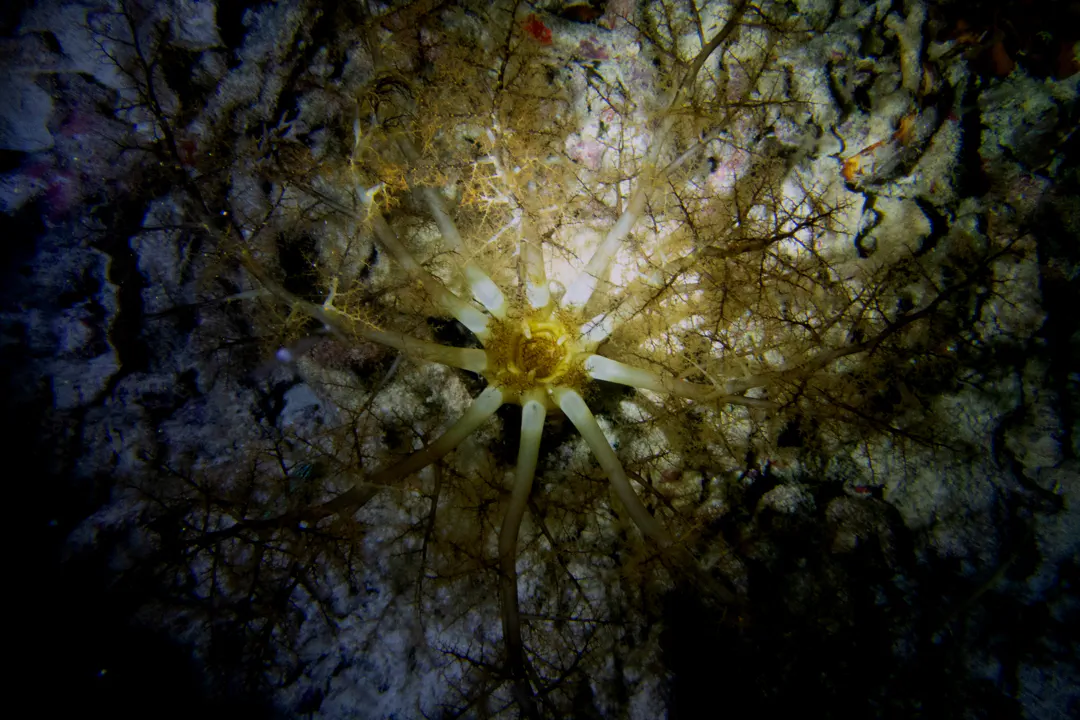 Justin PhilboisCC0 · iNaturalist
 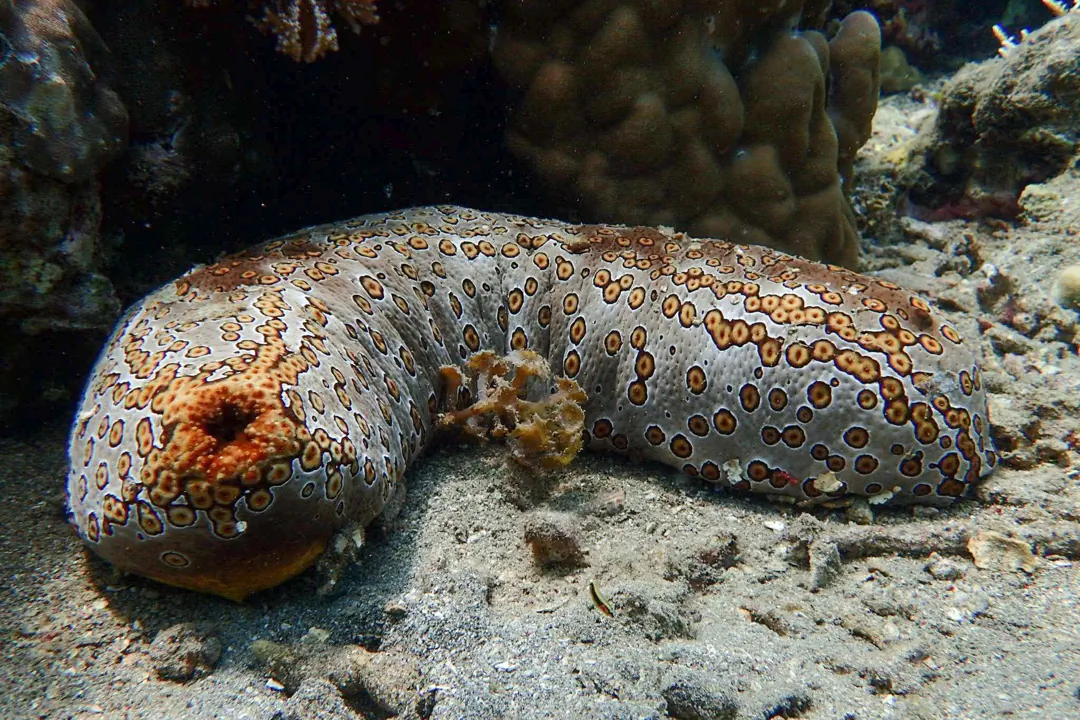 © Dan SchofieldCC BY 4.0 · iNaturalist
 Graeffe's sea cucumber (juvenile) has no known danger to humans. However, always observe marine life responsibly.
Graeffe's sea cucumber (juvenile) can be found at depths of up to 25 meters.
Download Seabook free for iOS and Android.