 © Jim GreenfieldAll rights reserved
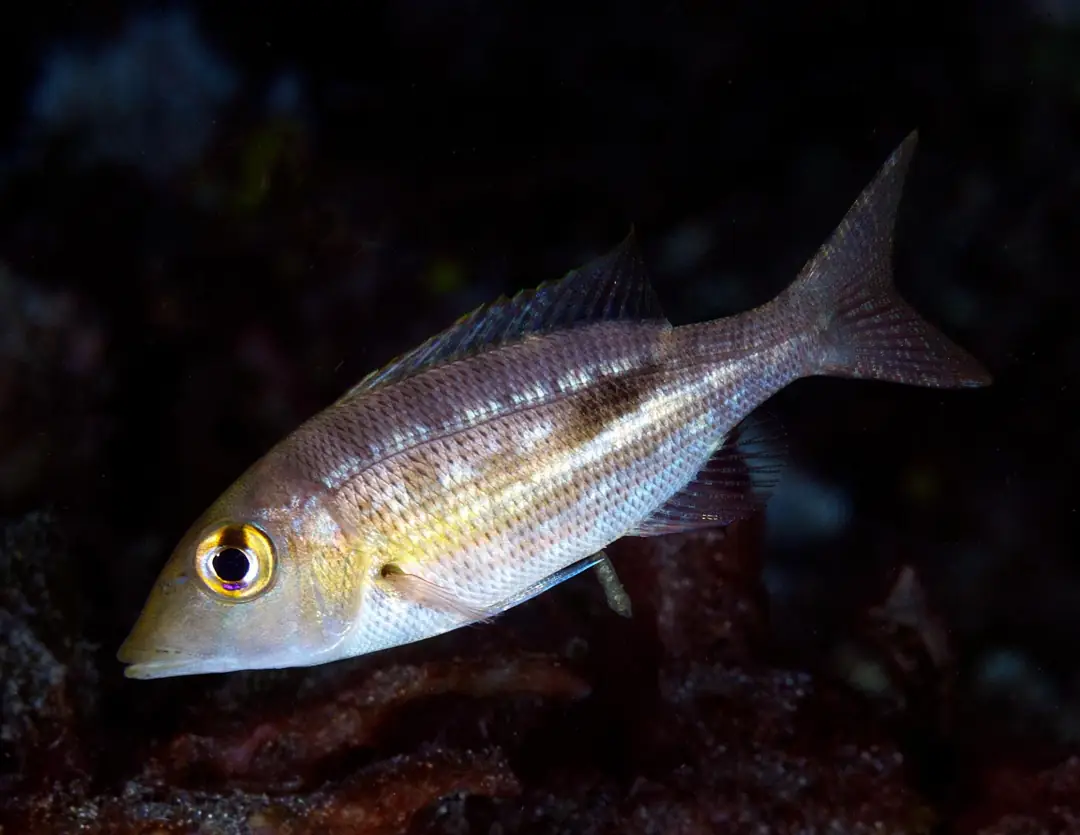
Blackblotch Emperor
Lethrinus semicinctus
Lethrinus erythracanthus
Lethrinus erythracanthus is a species of emperor fish.
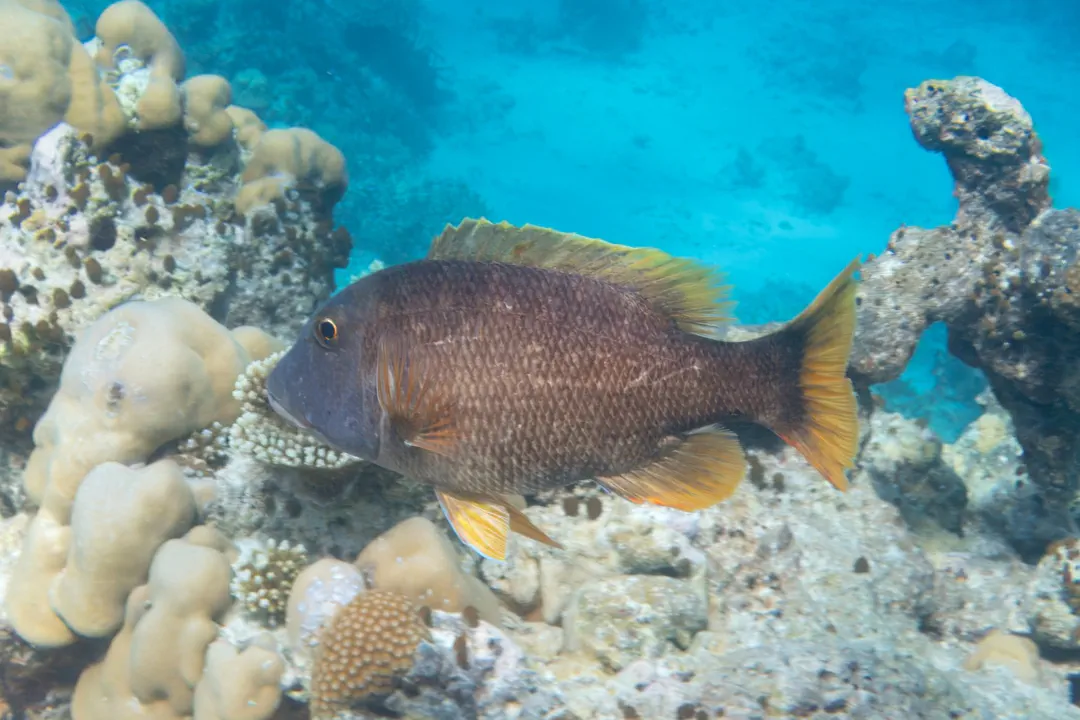
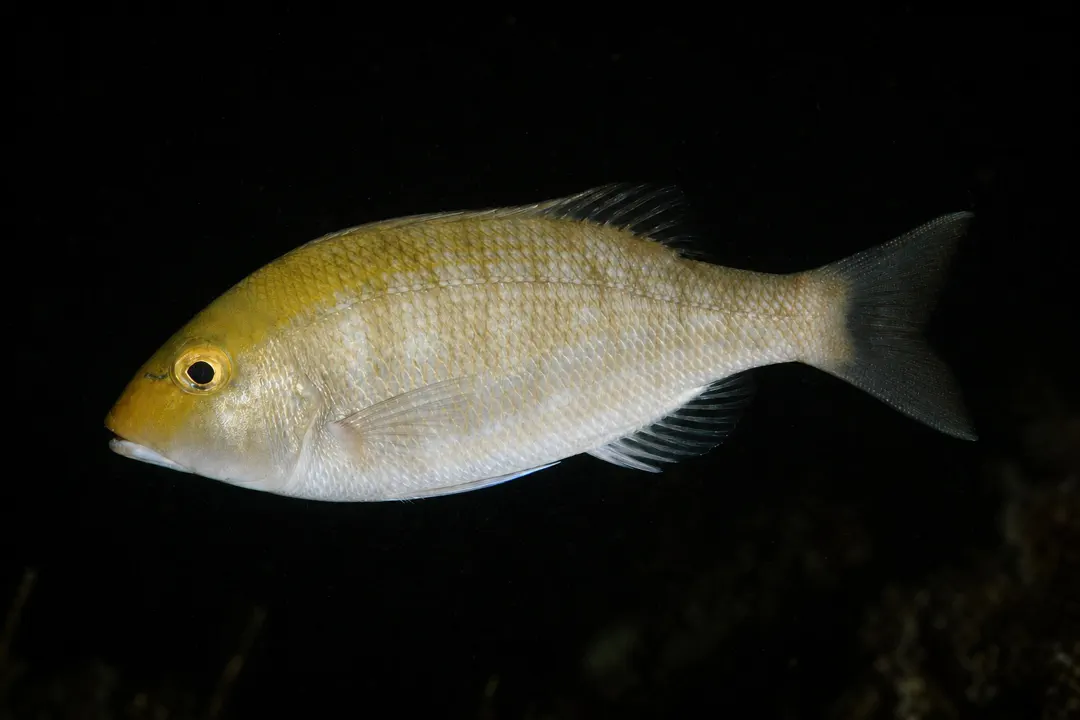
Lethrinus erythracanthus is the largest of the 27 species in the Lethrinus genus. The body is dark brown-grey in colour with scatterd golden-orange spots. It has a short snout. Present on the body are small, light and dark stripes that appear indistinct. These are occasionally present on the lower sides. The head of this species is a brown or grey colour with large eyes that help it feed in the dark. Smaller adults commonly have small, yellow-orange spots on each cheek.
This species has a distinctive bright orange caudal fin. Younger species have a slightly forked caudal fin that is often bright orange. This fin becomes rounded when the fish matures. In adults, the dorsal and anal fins are rounded and usually bluish and orange mottling or blue spots. The pelvic and pectoral fins are orangish to white in colour.In specimens from the Indian Ocean, the fins are a straw yellow colour instead of orange. The fins have strong spines.
This species is found in the waters of East Africa, east to the Tuamotus archipeligo and the Society Islands. It is recorded from the Ryukyu Islands in the north, down to the northeastern waters of Australia as well as New Caledonia.
Lethrinus erythracanthus is found at depths of between 15 to 120 metres. It is a reef-associated fish and is non-migratory. It lives in channels, the slopes of outer reefs and the soft bottoms that are adjacent. It is also found in deep lagoons. In the day, it may be solitary in or around caves or by ledges.
This fish is carnivorous and is a bottom-feeder. It is known to eat such animals as starfishes, mollusks, crinoids, echinoids, echinoderms, and crustaceans.
This fish is considered to be high-value as food and is caught by sport fishers. When caught in some locations, it may be ciguatoxic and should not be consumed.
© Jim GreenfieldAll rights reserved 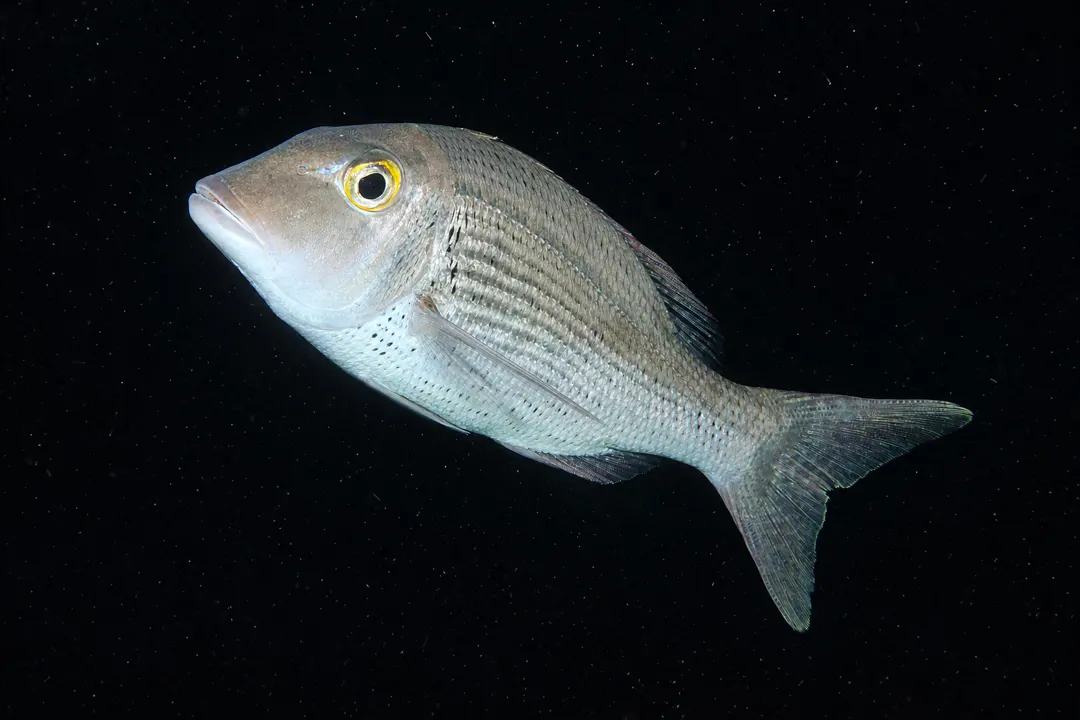 © seabook.appAll rights reserved
  © seabook.appAll rights reserved
 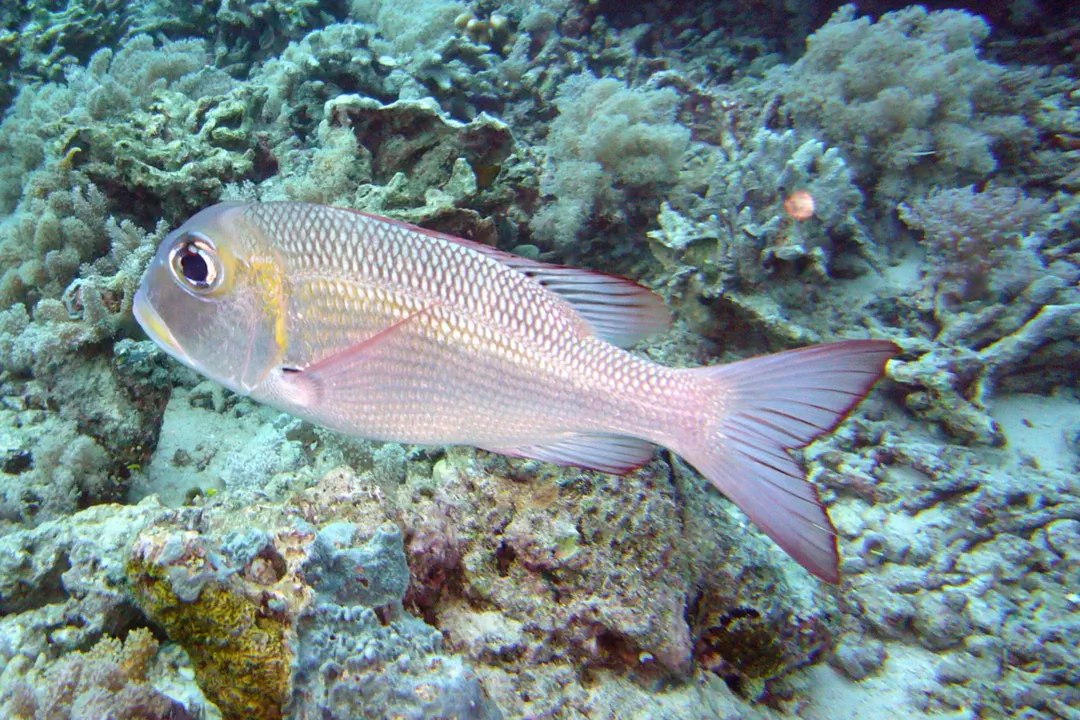 © Kai SquiresCC BY 4.0 · iNaturalist
 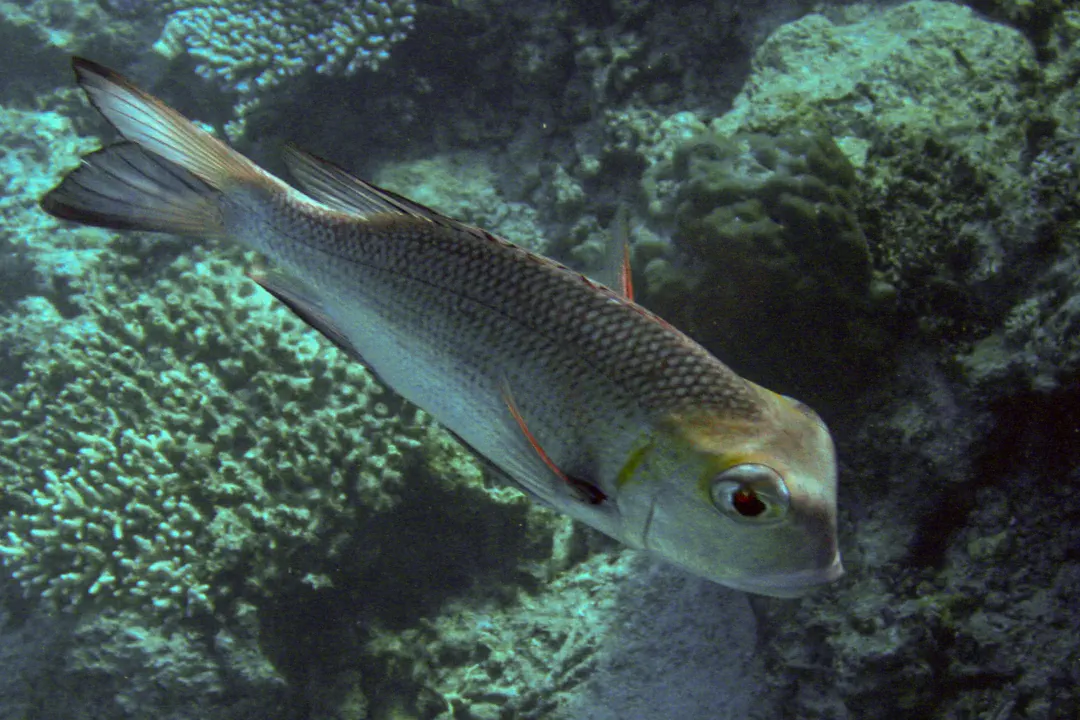 © Mario BassiniCC BY 4.0 · iNaturalist
 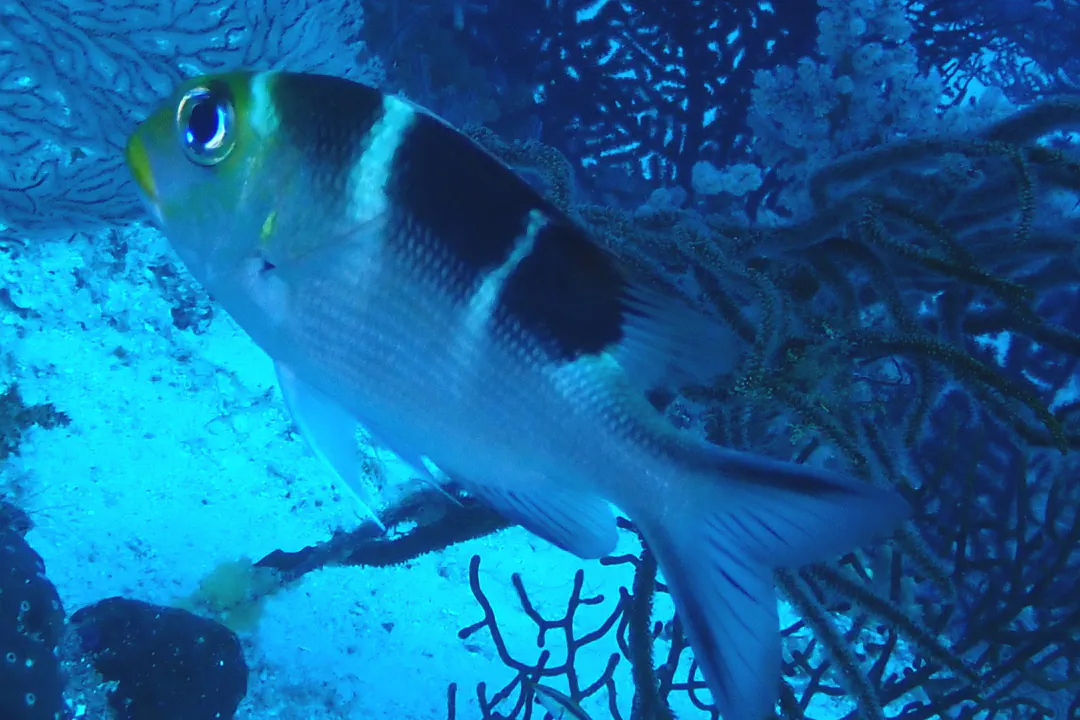 © desertnaturalistCC BY 4.0 · iNaturalist
 Orange-spotted Emperor is classified as poisonous. Always exercise caution and keep a safe distance.
Orange-spotted Emperor can be found at depths of up to 120 meters.
Download Seabook free for iOS and Android.