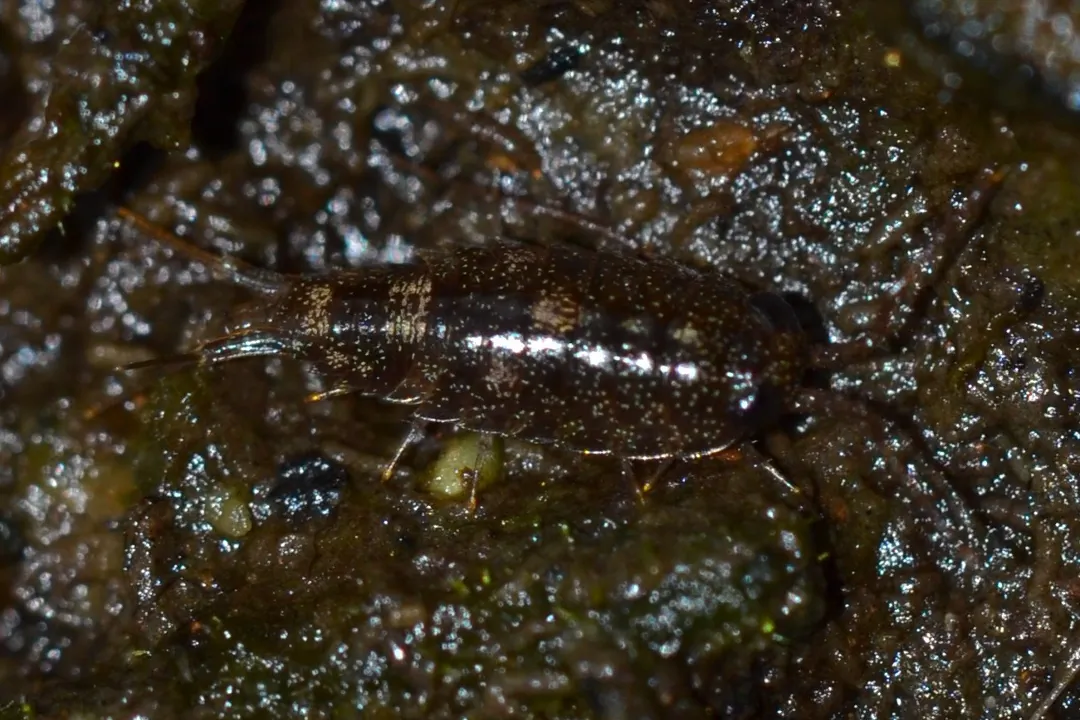
 © Takaaki HattoriCC BY 4.0 · iNaturalist
 Kamehameha Seaslater
Ligia kamehameha
- Found in
- 1 region
How to recognise it
- Colours
- blackbrowngrey
- Family
- Ligiidae
Taxonomy
The Kamehameha Seaslater was first described as a new species by Dante Santamaria in 2019. Its original name is Ligia kamehameha Santamaria, 2019, with no earlier combination or basionym reported. The type locality of the species is Punaluʻu Black Sand Beach Park, Hawaiʻi Island, Hawaiʻi, USA. The genus Ligia is derived from the Latin word for 'sea slater.' The specific epithet kamehameha honors Kamehameha I, the founder and first ruler of the Kingdom of Hawaiʻi. Current taxonomic databases accept Ligia kamehameha as the valid name and list no synonyms or subsequent reclassification. The species remains in the genus Ligia Fabricius, 1798, within the family Ligiidae. The Kamehameha Seaslater was distinguished from other cryptic Hawaiian Ligia species using molecular and morphological evidence in Santamaria’s 2019 revision. It is not a replacement name for the older L. hawaiensis or L. kauaiensis.
Description
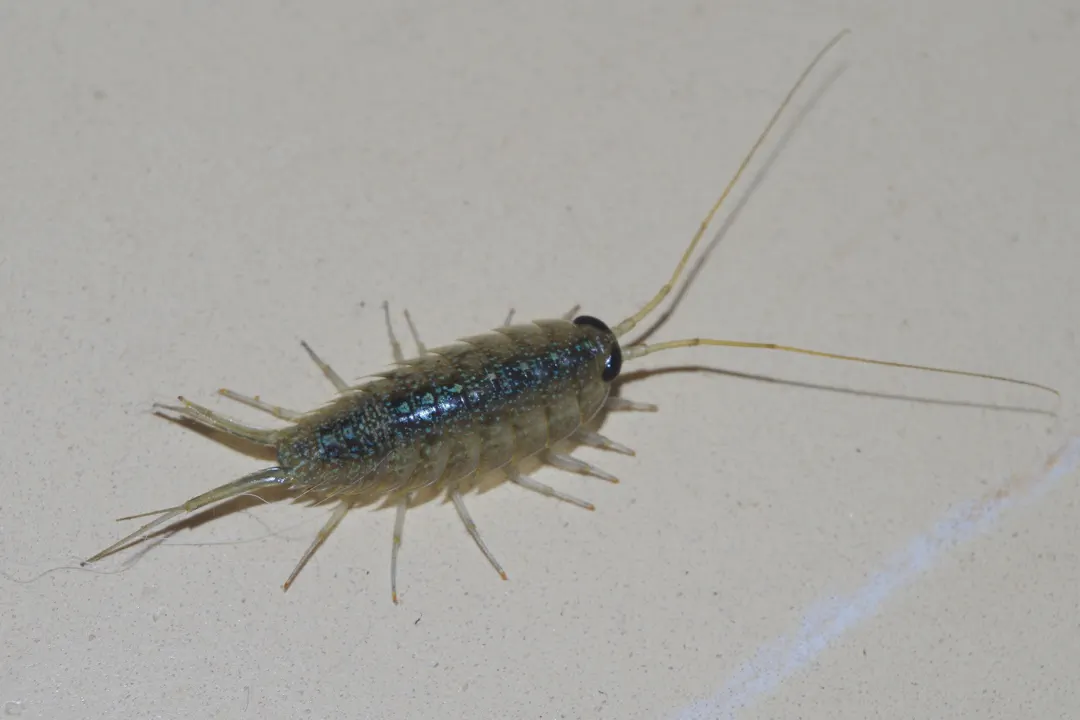
The Kamehameha Seaslater has a flattened, elongate, segmented body with large compound eyes and long multi-segmented antennae. It possesses seven pairs of walking legs and paired terminal uropods, which are typical features of the genus Ligia. There is no authoritative diagnostic colour pattern for the Kamehameha Seaslater, and its colour should be treated as variable or non-diagnostic. No unique external stripe, spot, or band pattern is established in the available taxonomic description for this species. Hawaiian Ligia species, including the Kamehameha Seaslater, can be difficult to separate visually due to morphological crypticity. Useful characters for distinguishing similar species include body proportions, eye spacing, antenna length and segmentation, pleotelson shape, and male reproductive structures such as the second pleopod. Reliable identification of the Kamehameha Seaslater should be based on a published identification key and examination of preserved material, particularly the antennae, pleotelson, pereopods, and male pleopods. Photograph-based underwater identification of the Kamehameha Seaslater should be reported only as Ligia sp. or Ligia cf. kamehameha unless confirmed by a qualified taxonomist.
Distribution and habitat
The Kamehameha Seaslater is a rocky intertidal species, specifically associated with the splash zone above and around the high-tide line. It lives on rocky coastlines and rocky intertidal surfaces. A formal bathymetric depth range for the species is not reported, indicating it is generally exposed rather than continuously submerged. The species is endemic to Hawaiʻi Island, particularly the Kohala, Hāmākua, and Hilo coastlines. It is primarily associated with the Mauna Kea and Kohala rift zones.
Behaviour
Kamehameha Seaslaters are generally nocturnal or crepuscular, typically sheltering in rock crevices during daylight and emerging to forage at night. There is no reliable field study defining the exact day–night activity pattern of the Kamehameha Seaslater. Studies of related species report attraction to conspecifics and loose aggregations, suggesting potential aggregative behaviour in the genus, though this is not definitive for the Kamehameha Seaslater. Females of the genus Ligia brood developing young in a ventral marsupium, with reproduction occurring throughout the year in closely related species, though specific breeding timing and behaviour for the Kamehameha Seaslater are not established. No authoritative observation or experiment documenting how the Kamehameha Seaslater responds specifically to divers was found, but it is plausible that the species may retreat into crevices or move rapidly away from disturbances.
Diet
The Kamehameha Seaslater likely feeds mainly as an omnivorous detritivore, consuming algae, plant debris, and other organic material on the shore; scavenging animal remains may also occur. Related Ligia species browse on seaweeds and their surface growths, and may scavenge or cannibalize when available. Feeding occurs by clinging to the substrate or food and scraping or cutting off small particles with the mandibles, which are passed into the esophagus. Ligia are generally nocturnal, so feeding likely occurs mainly at night or during suitable low-tide conditions.
Human use
No documented commercial, recreational, or subsistence fishery specifically targeting the Kamehameha Seaslater was found, as it is a shoreline isopod not recognized as a fishery species. There is no authoritative evidence of the Kamehameha Seaslater being commercially traded for aquariums, although occasional collection for education, research, or bait may occur. No species-specific evidence establishes the Kamehameha Seaslater as a food animal or confirms its safety for human consumption, despite reports that some Ligia species are edible. No documented venom, medically significant bite, or other specific hazard from the Kamehameha Seaslater was found, although handling or eating specimens could pose ordinary risks from contamination, allergens, or misidentification. The Kamehameha Seaslater is recognized as a valid species in the World Register of Marine Species, but no IUCN Red List assessment or other authoritative species-level conservation category has been identified. The apparently restricted Hawaiian distribution of the Kamehameha Seaslater warrants caution, but its population trend and extinction risk are unknown.
Similar species
© Takaaki HattoriCC BY 4.0 · iNaturalist Questions
Is Kamehameha Seaslater dangerous?
Kamehameha Seaslater has no known danger to humans. However, always observe marine life responsibly.
Where can you find Kamehameha Seaslater?
USA