 © Alberto AlcaláCC BY 4.0
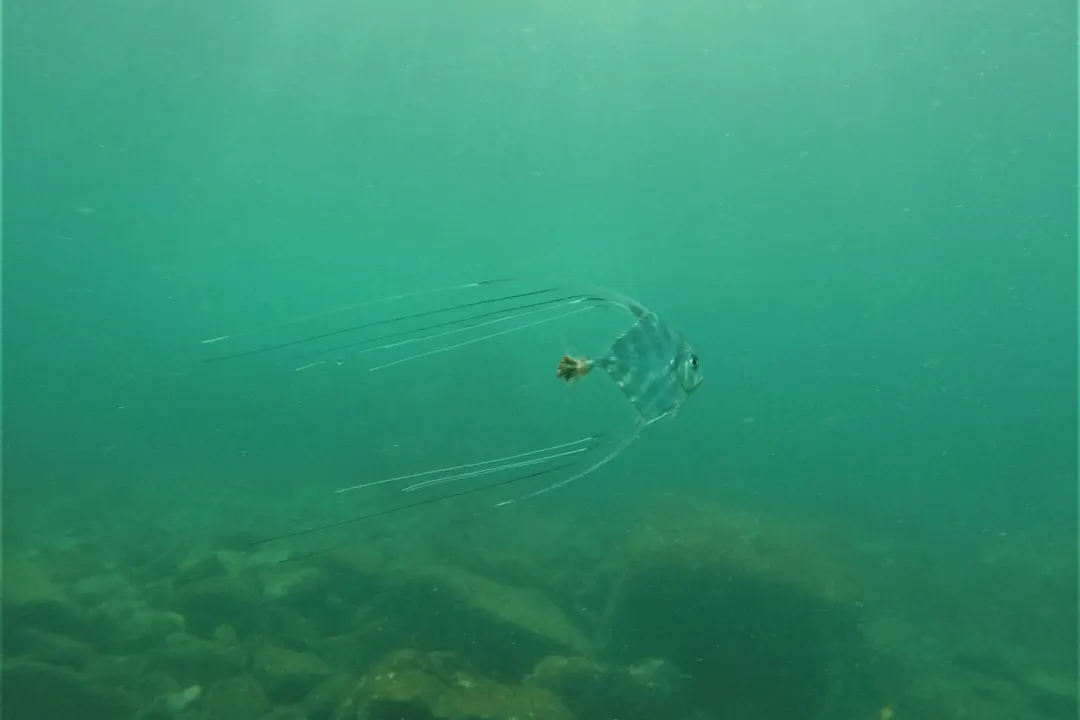
African Pompano
Alectis ciliaris
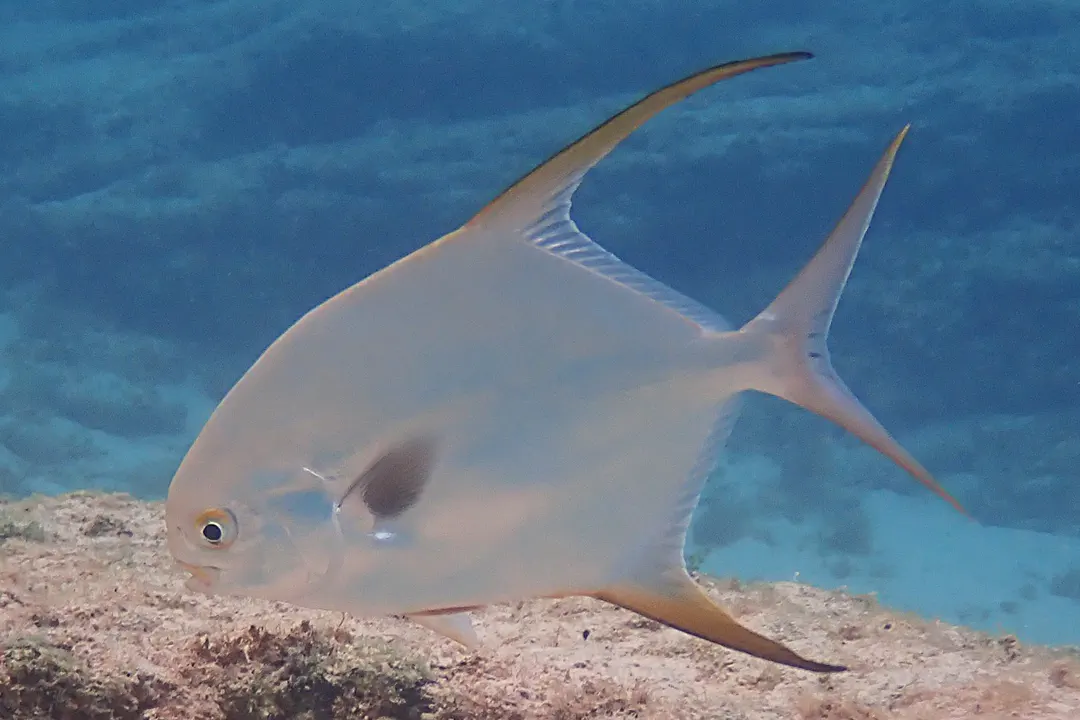
Trachinotus blochii
Trachinotus blochii is a species of jack in the family Carangidae.
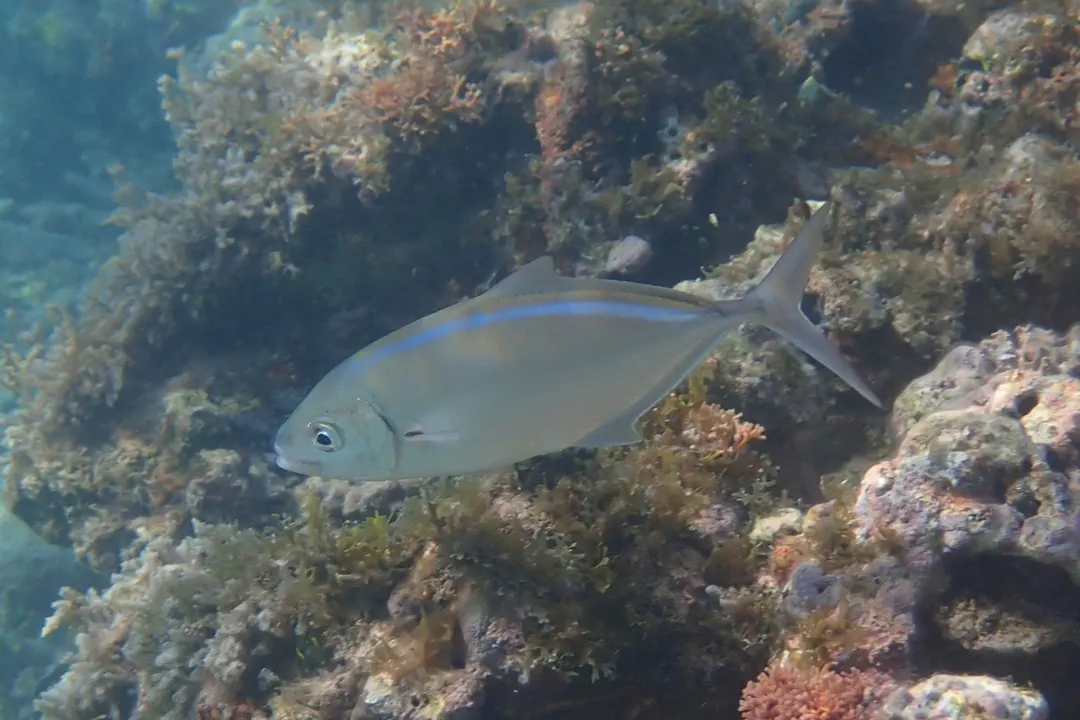
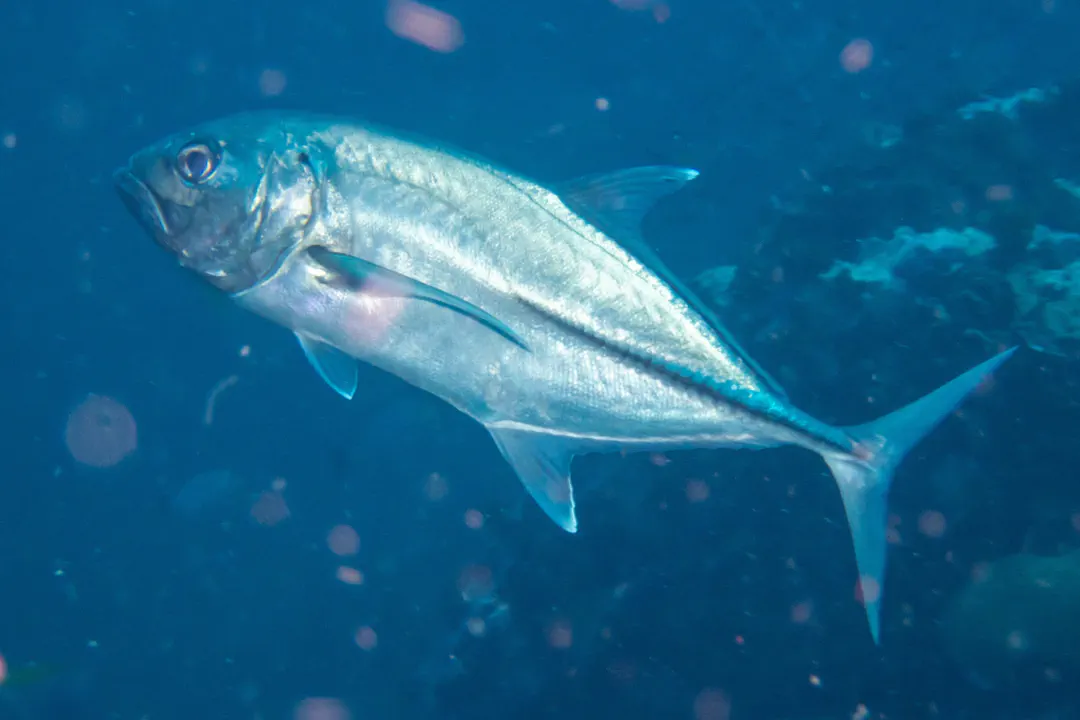
Body silvery bluish-grey above, paler below, sometimes with a golden-orange tinge, especially on snout and lower half of body. Juveniles are silvery with pale fins, except for brownish to brownish-orange lobes of median fins and anterior half of pelvic fins. Max length is 110 cm, common length - 40.0 cm. Max. published weight: 3.4 kg.
Indo-Pacific: Red Sea and East Africa to the Marshall Islands and Samoa, north to southern Japan, south to Australia.
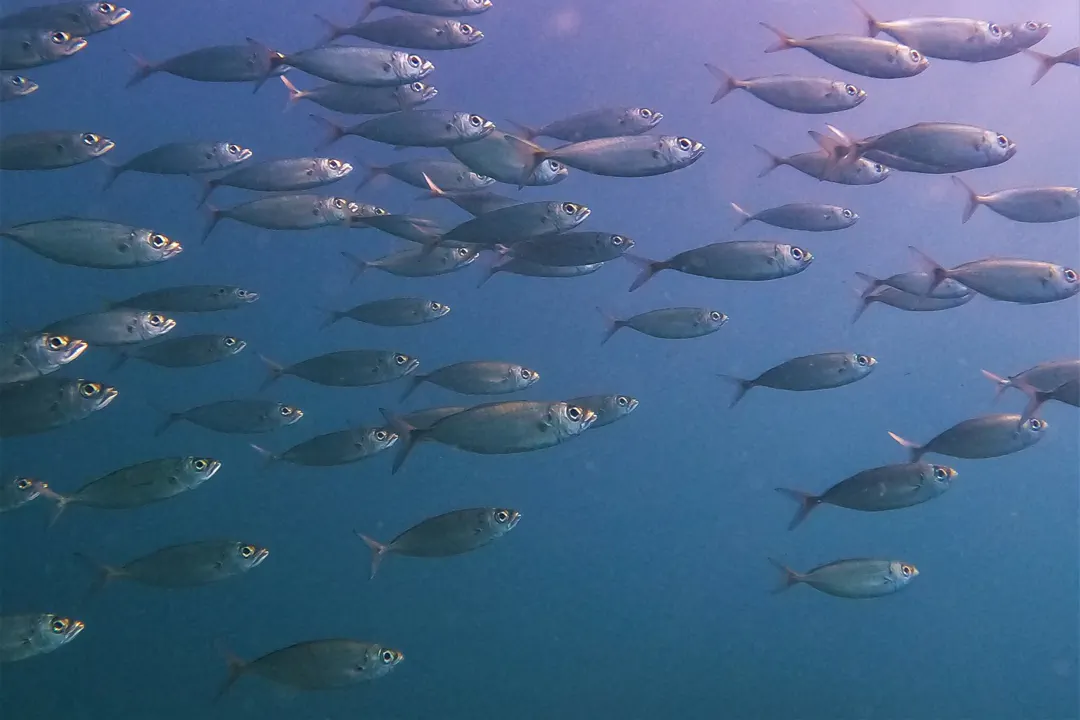
Juveniles inhabit sandy shorelines and shallow sandy or muddy bays near river mouths while adults move out in schools to clear seaward coral and rock reefs. Juveniles are in small schools, while adults are usually solitary. Adults feed primarily on sand mollusks and other hard-shelled invertebrates. Вepth range 7 - 55 m.
Carnivore - feeds on hard-shelled invertebrates, especially molluscs such as oysters.
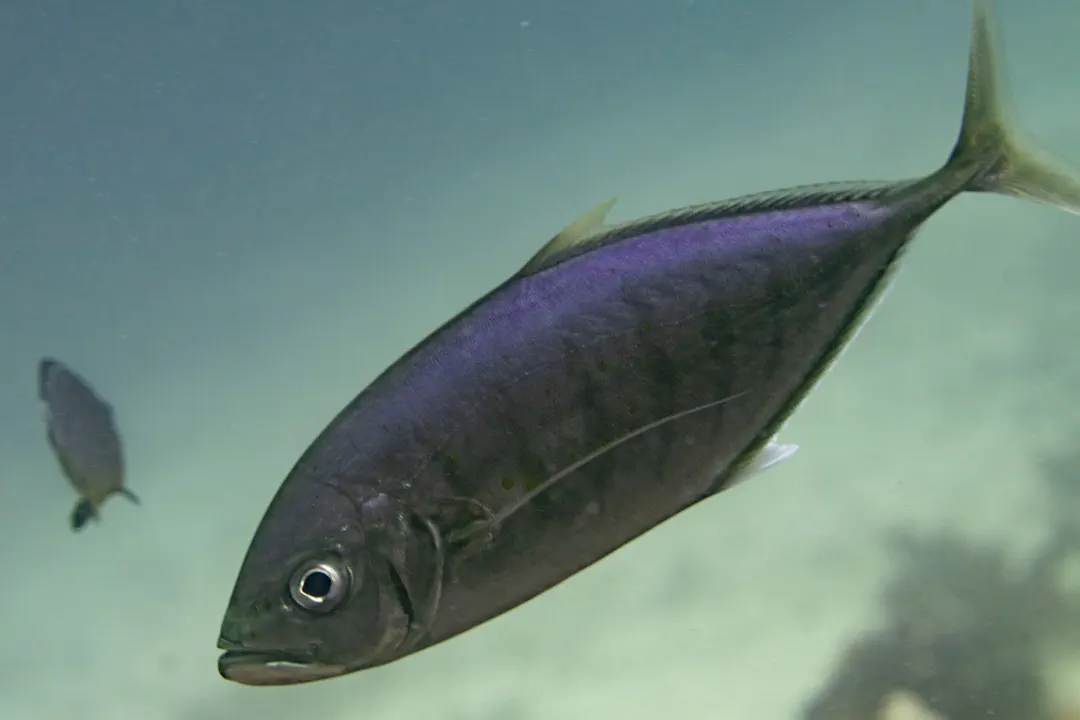
Carangidae is a family of fish which includes the jacks, pompanos, jack mackerels, runners, and scads.
They are marine fishes found in the Atlantic, Indian and Pacific Oceans. Most species are fast-swimming predatory fishes that hunt in the waters above reefs and in the open sea; some dig in the sea floor for invertebrates.
The largest fish in the family, the greater amberjack, Seriola dumerili, grows up to 2 m in length; most fish in the family reach a maximum length of 25–100 cm.
The family contains many important commercial and game fish, notably the Pacific jack mackerel, Trachurus symmetricus, and the other jack mackerels in the genus Trachurus.
Many genera have fairly extensive fossil records, particularly Caranx and Seriola, which extend into the early Paleogene (late Thanetian), and are known from whole and incomplete specimens, skeletal fragments, and otoliths. The several extinct genera include Archaeus, Pseudovomer, and Eastmanalepes.
© Alberto AlcaláCC BY 4.0 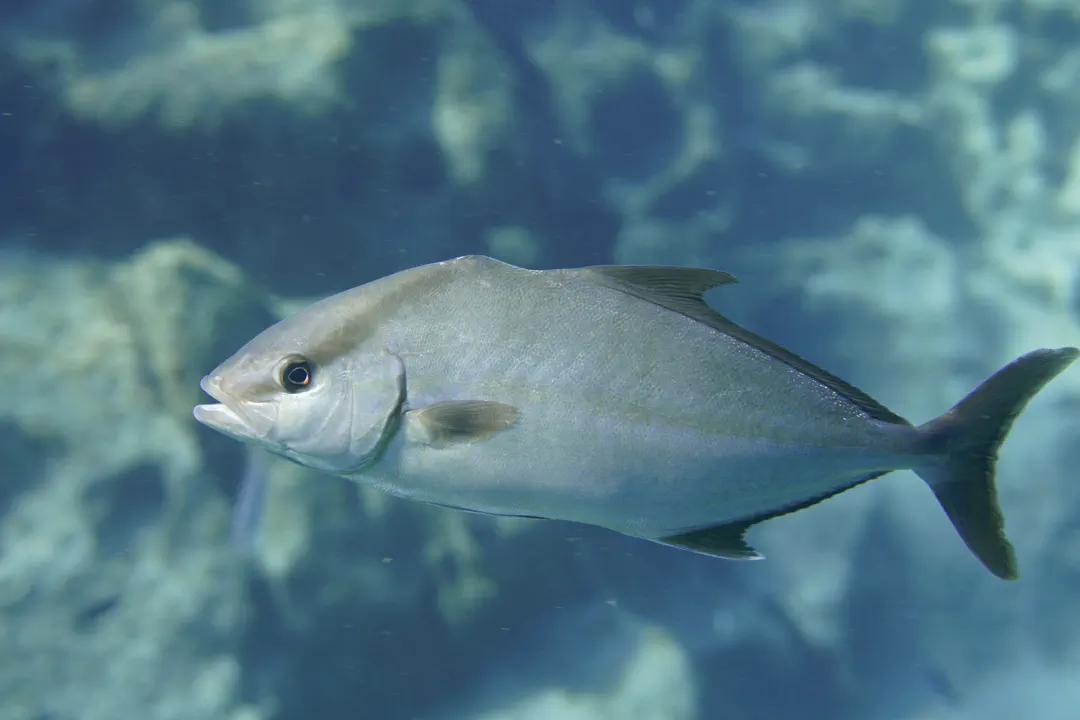 © Michael BommererCC BY 4.0
  © cello caruso-turielloCC BY 4.0 · iNaturalist
  © Fish and DiveCC BY 4.0 · iNaturalist
  © Alberto AlcaláCC BY 4.0 · iNaturalist
  © portioidCC BY 4.0 · iNaturalist
 Snubnose Pompano is classified as poisonous. Always exercise caution and keep a safe distance.
Snubnose Pompano can be found at depths of up to 55 meters.
Download Seabook free for iOS and Android.