 © portioidCC BY 4.0
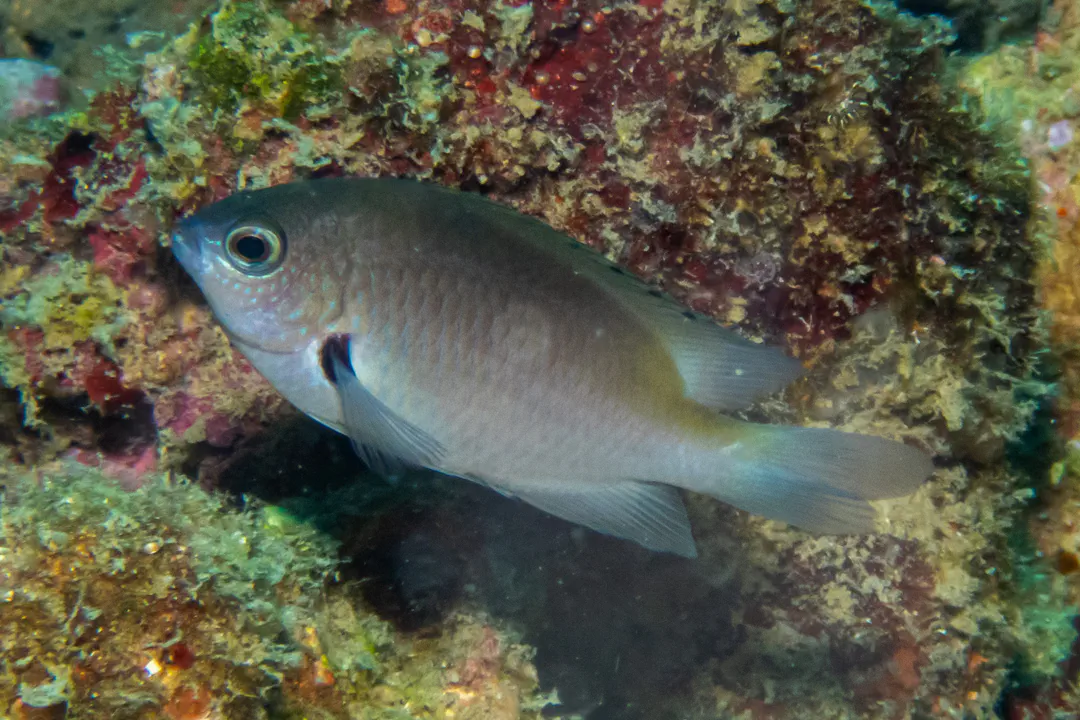
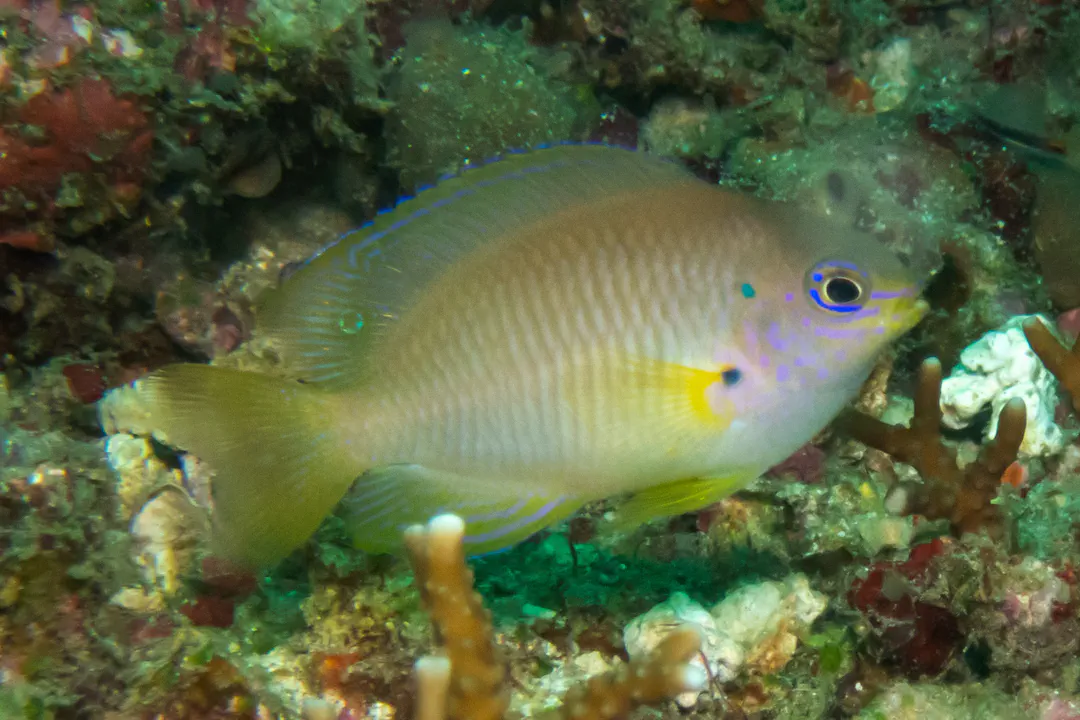
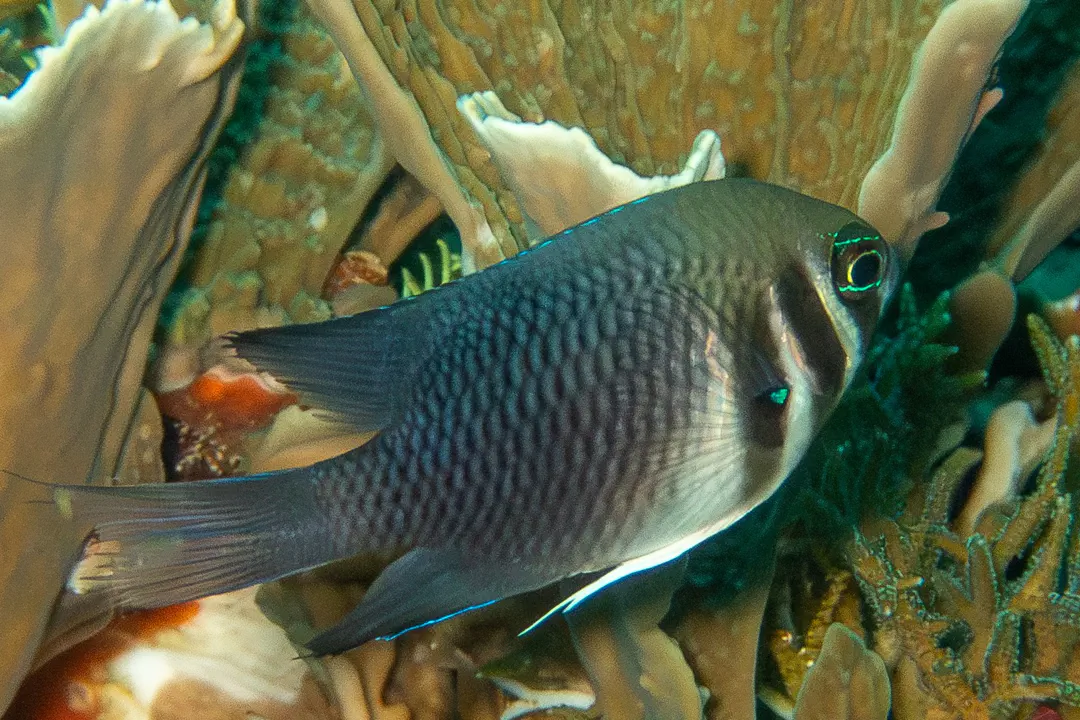
Alexander's Damsel
Pomacentrus alexanderae
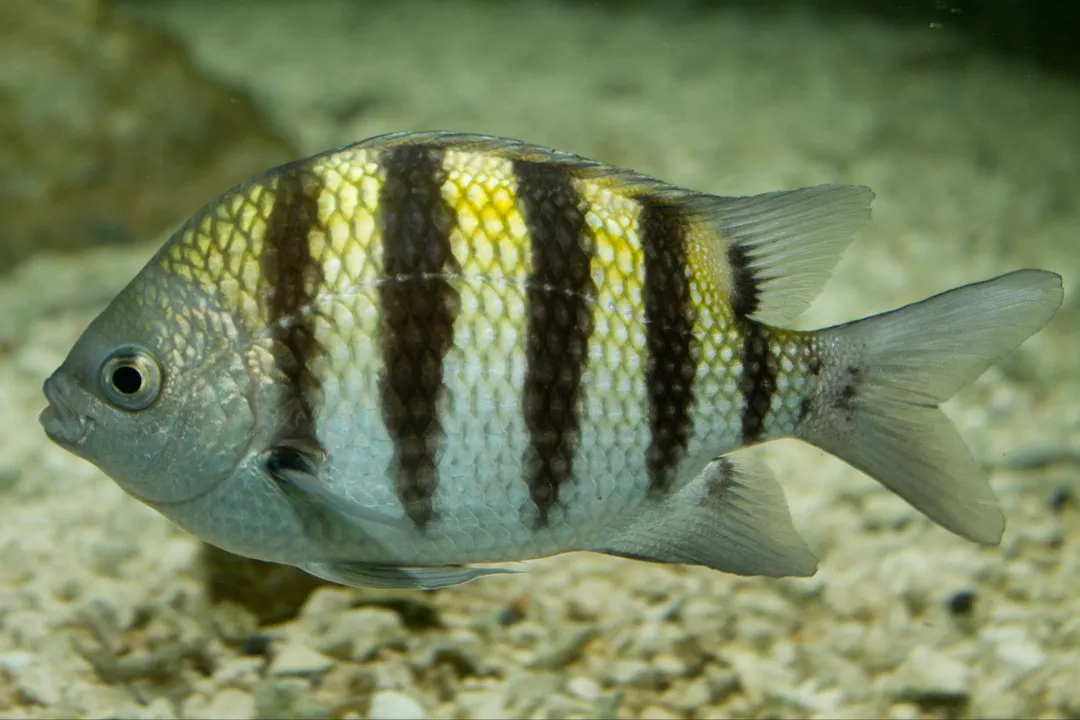
Abudefduf saxatilis
Abudefduf saxatilis is a species of damselfish.
Adults can grow up to 22.9 centimetres (9.0 in) at maximum length. Normally, they would grow up to 15 centimetres (5.9 in). The largest recorded specimen weighed had a weight of up to 200 grams (7.1 oz).Abudefduf saxatilis has 13 dorsal spines, 12 to 13 dorsal soft rays, 2 anal spines, and 10 to 12 anal soft rays. This fish is white with a yellow top. It has 5 vertical stripes which are black. A faint sixth stripe might be present on the caudal peduncle. Adult males have a more bluish coloration and its stripes are less visible. There is a dark spot around its pectoral fin.
Abudefduf saxatilis is found in the Atlantic Ocean. Populations in the western part of the Atlantic Ocean are found from the north eastern coast of the United States south to the Gulf of Mexico, the Bahamas, islands around the Caribbean Sea, the eastern coast of Central and South America all the way to Uruguay. In the eastern Atlantic Ocean, they are found from Portugal, Azores, the Canary Islands, Cape Verde, and western Africa. Juveniles are common in tide pools while adults are found over coral reefs. Sergeant majors are found at depths of 0 to 20 metres (0 to 66 ft). They inhabit tropical and subtropical locations. This fish was also spotted in Malta on the 21 October 2015 by Hanako Tomita from Malta Blue Diving while she was diving in Sliema.
This fish feed upon the larvae of invertebrates, zooplankton, smaller fish, crustaceans, and various species of algae. It is also known to feed on the waste and vomit of spinner dolphins.
Individuals of this species form aggregations of about several hundreds of individuals. Sometimes, they get cleaned of parasites by fish species such as gobies in the genus Gobiosoma, Bodianus rufus, Elacatinus figaro, and Thalassoma noronhanum. Sergeant majors also clean green sea turtles with Acanthurus chirurgus and Acanthurus coeruleus.
Predators of this fish include Plectropomus leopardus, Thalassoma bifasciatum, Cephalopholis cruentata, Epinephelus striatus, Mycteroperca venenosa, and Rachycentron canadum.
They are popular aquarium fish.
They lay their eggs in patches on a firm substrate and guard them vigorously until they hatch. The males will turn a sky blue during this period.
Sergeant majors earn their name from its brightly striped sides, known as bars, which are reminiscent of the insignia of a military sergeant major.
© portioidCC BY 4.0 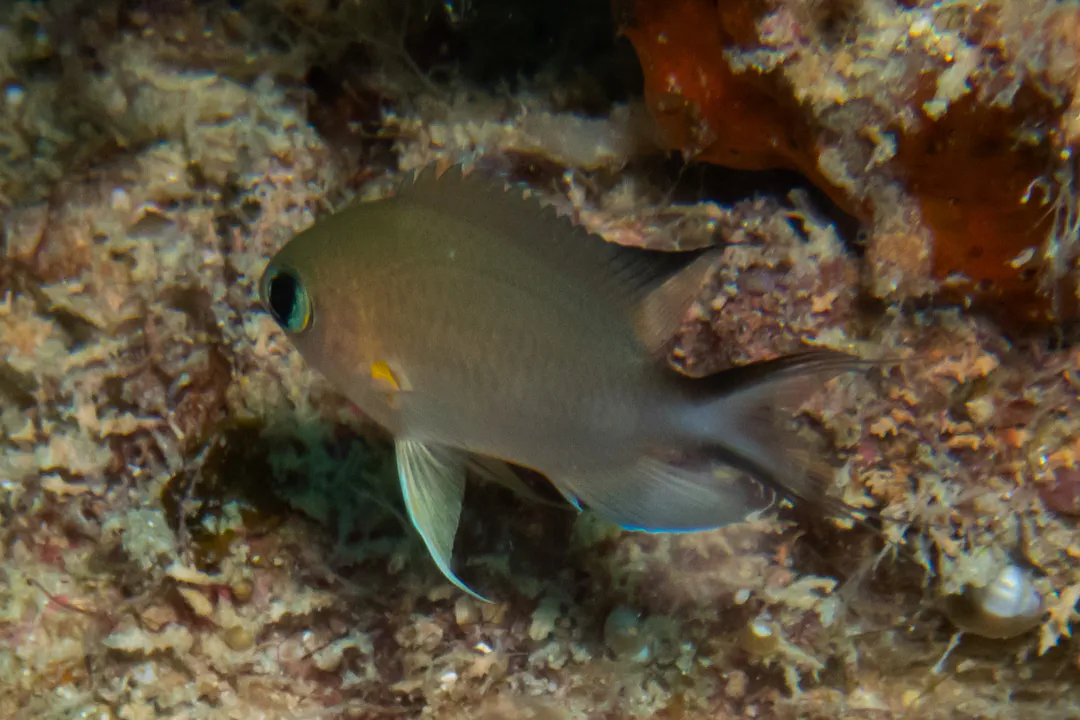 © portioidCC BY 4.0
  © portioidCC BY 4.0 · iNaturalist
  © Piotr LukasikCC BY 4.0 · iNaturalist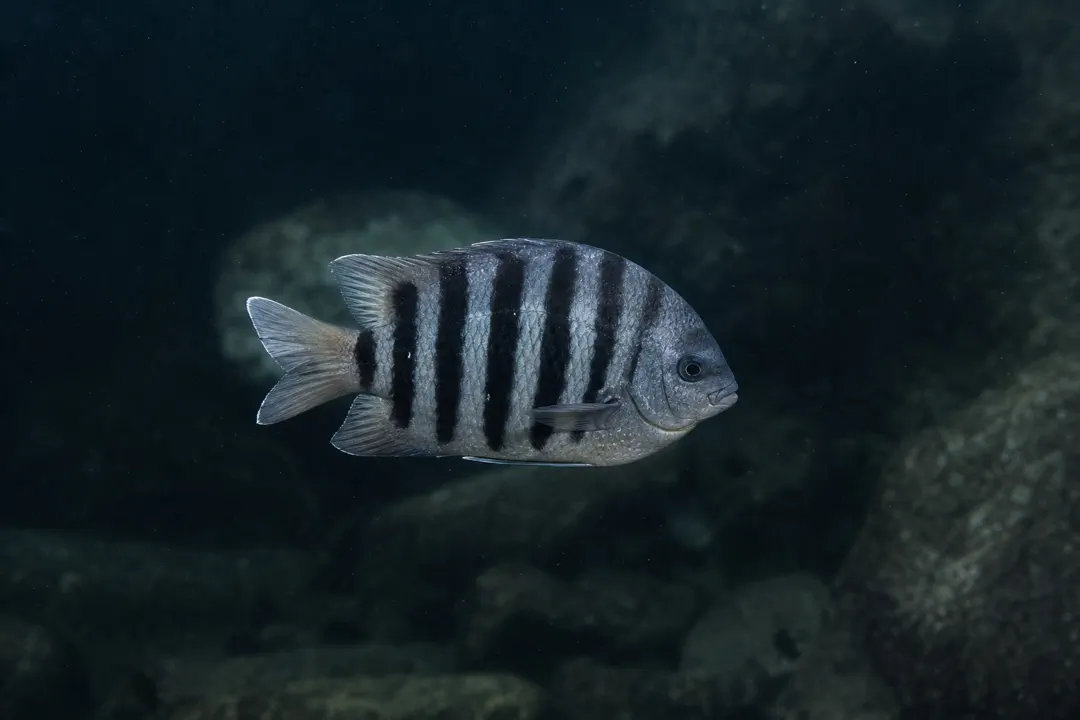
 © Rickard ZerpeCC BY 4.0 · iNaturalist
 Atlantic Sergeant Major has no known danger to humans. However, always observe marine life responsibly.
Atlantic Sergeant Major can be found at depths of up to 20 meters.
Download Seabook free for iOS and Android.