 © Roger RittmasterCC BY 4.0 · iNaturalist
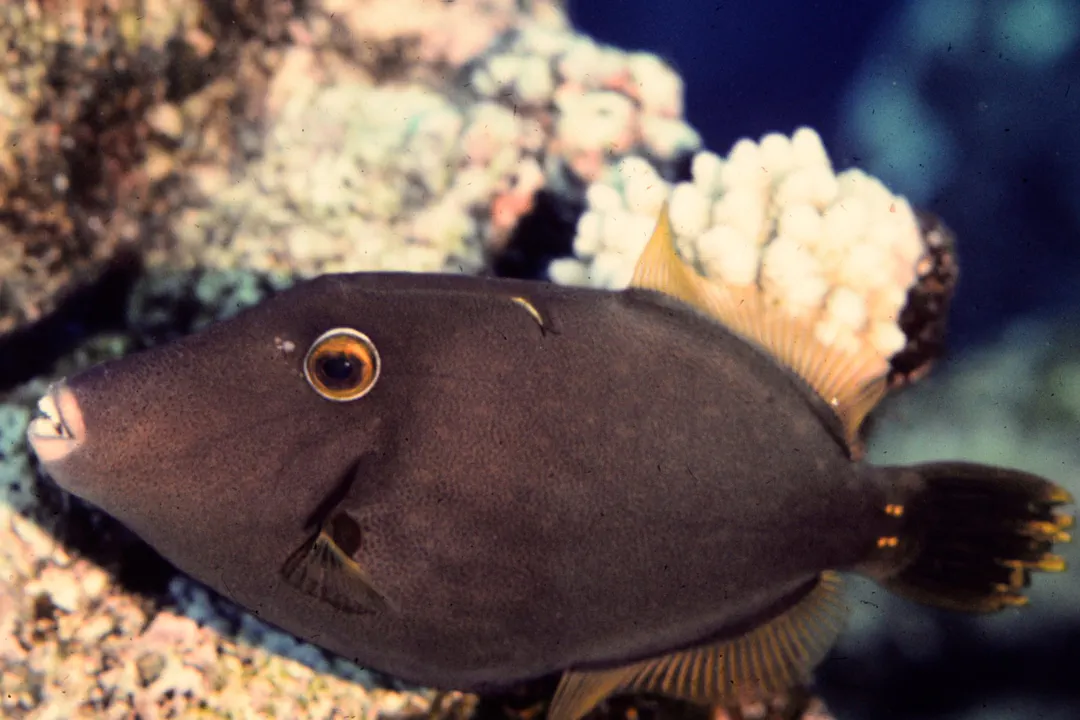
Barred Filefish
Cantherhines dumerilii
Acreichthys tomentosus
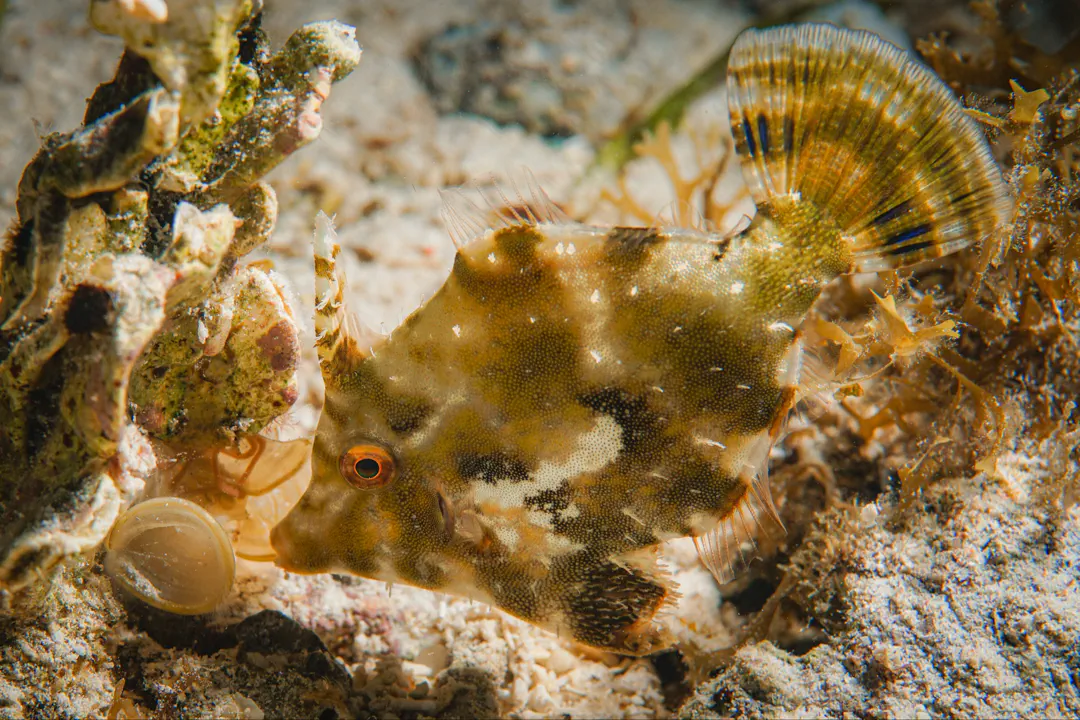
Acreichthys tomentosus, commonly known as the Bristle-tail filefish or Matted Filefish, is a species of demersal marine fish which belongs to the family Monacanthidae widespread throughout the tropical waters of the Indo-west Pacific.
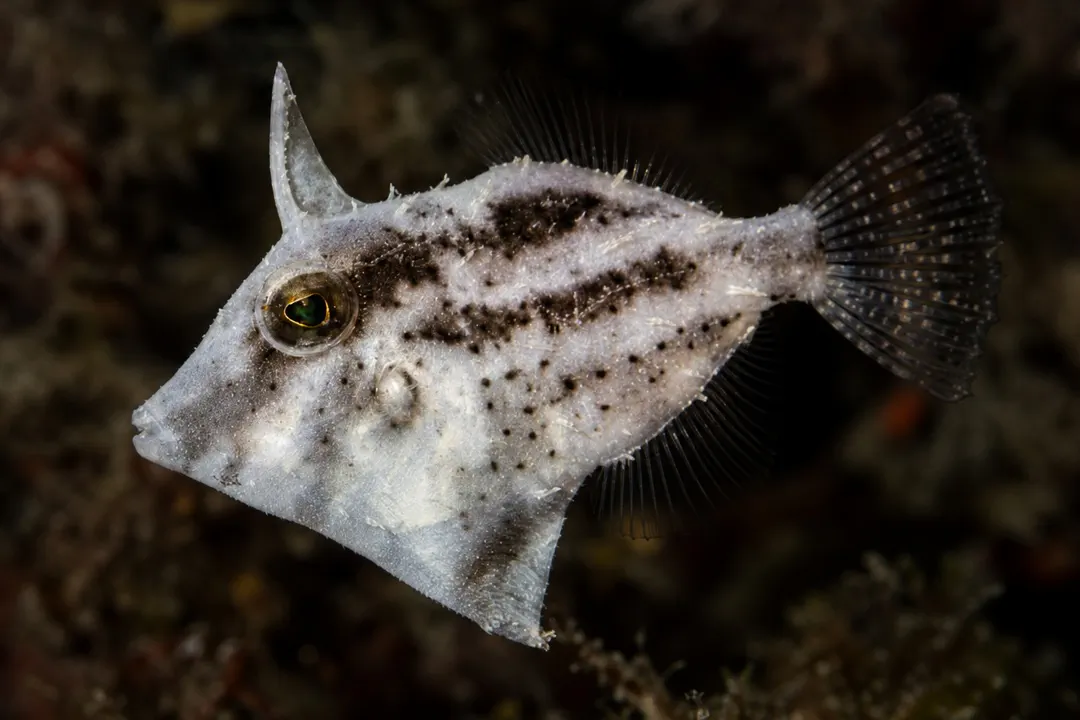
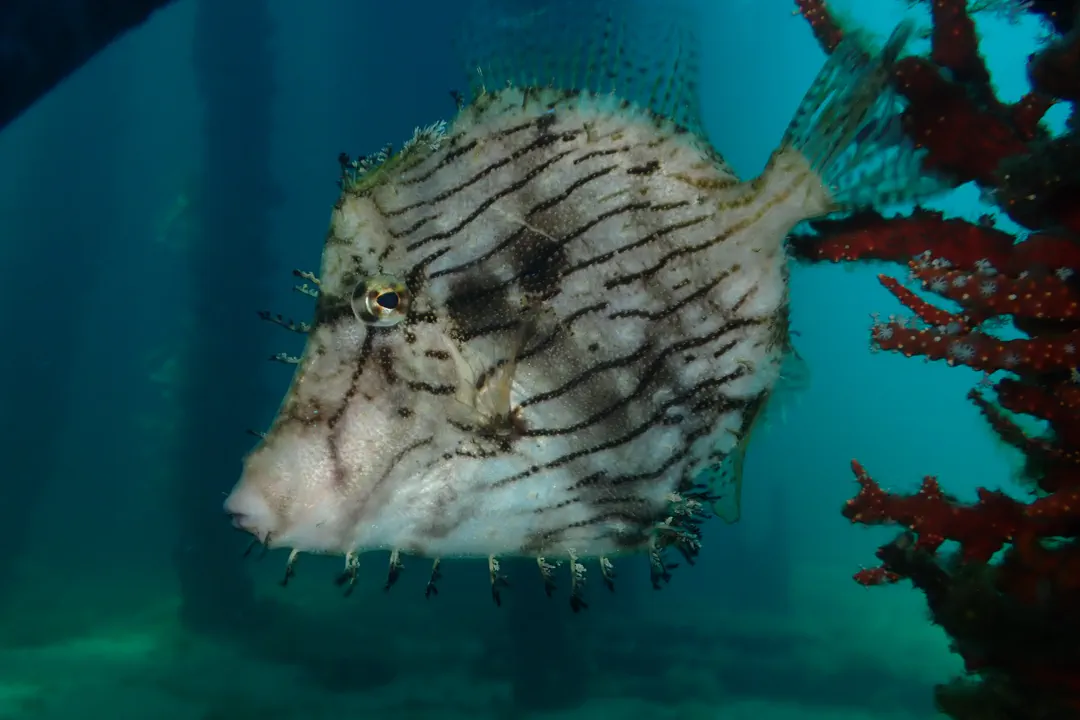
It's a small size fish that can reach a maximum size of 12 cm length. On average, it ranges from 3.8-8.9 centimeters in length. It has the ability to rapidly change color and skin texture and patterns as to avoid detection and consequently predation. The body is flat, covered by the tiny spinosities of the file-fishes, to which are added some small hairs. But, above all, one cannot fail to notice, over the eyes, the great erectile spine the animal spreads with the zone under the chin in horrific posture for defence and for looking bigger.
The second dorsal fin, transparent with soft rays, has 27-30 of them, whilst the anal, almost identical, has 26-29 of them. The pectoral fins have 10-13 unarmed rays and the caudal is more or less truncated.
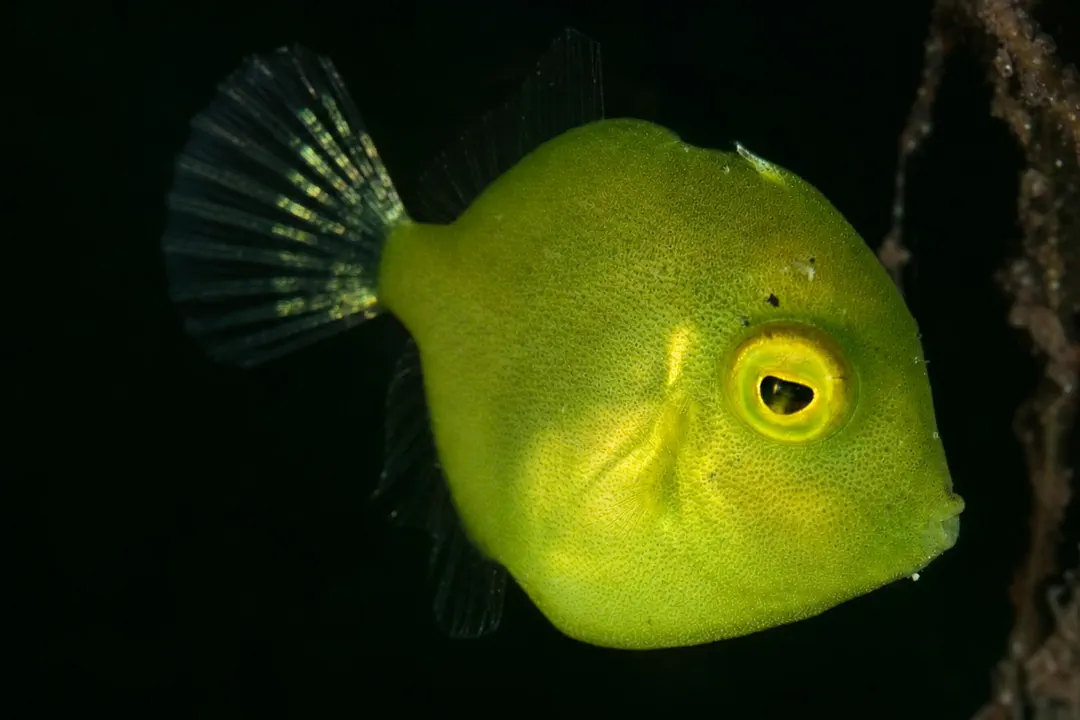
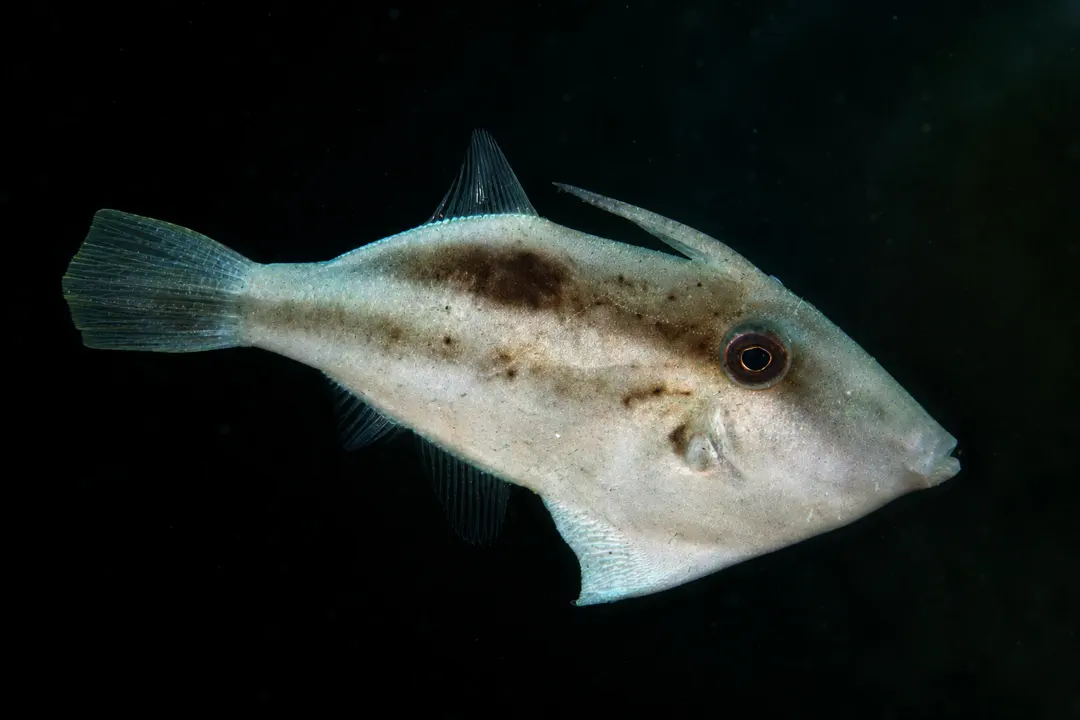
The livery is extremely changeable depending on the mood and the habitat. In most cases, the fish is green for confounding with the plants where it lives, but it can be yellow, like the specimen here shown, grey, white, brown or dark red. More, as these photos do show, it can generate in a few seconds a maculated mimetic pattern. A small sexual dimorphism does exist. The female distinguishes for small details such as the hairiness present on the caudal peduncle, prickly in the males and less rigid but thicker in the females.
The skin of the bristle-tail filefish is as rough as sandpaper. It is said that dried skin from the filefish was once used to sand down wooden ships. Hence its name.
It is present in the tropical waters of the eastern Indian Ocean and of the western Pacific. Indicatively, we find it in East Africa, in India, Sri Lanka, Thailand, Australia, Indonesia, New Guinea, Micronesia, Philippines, Taiwan and in China up to the Ryūkyū Islands in the southern part of Japan. Eastwards, it reaches the Fiji Islands, southwards, Tonga.
It inhabits shallow coral reefs, preferring sections of the reef which contain seagrass. It prefers temperatures of 27.6-29 degrees Celsius, a dissolved oxygen concentration of 4.51-4.59 mL/L, and a depth of 2-15 meters. Adults inhabit reef, weed, and rubble areas on shallow coral reefs, commonly found in seagrasses. Solitary. Major food items include amphipods, polychaetes and molluscs. It is oviparous. The larvae often develop in the mangroves formations.
It feeds on copepods, amphipods, isopods, small gastropods and bivalves, annelids, sponges, tubeworms, eggs of fishes and molluscs, foraminifers and algae.
© Roger RittmasterCC BY 4.0 · iNaturalist 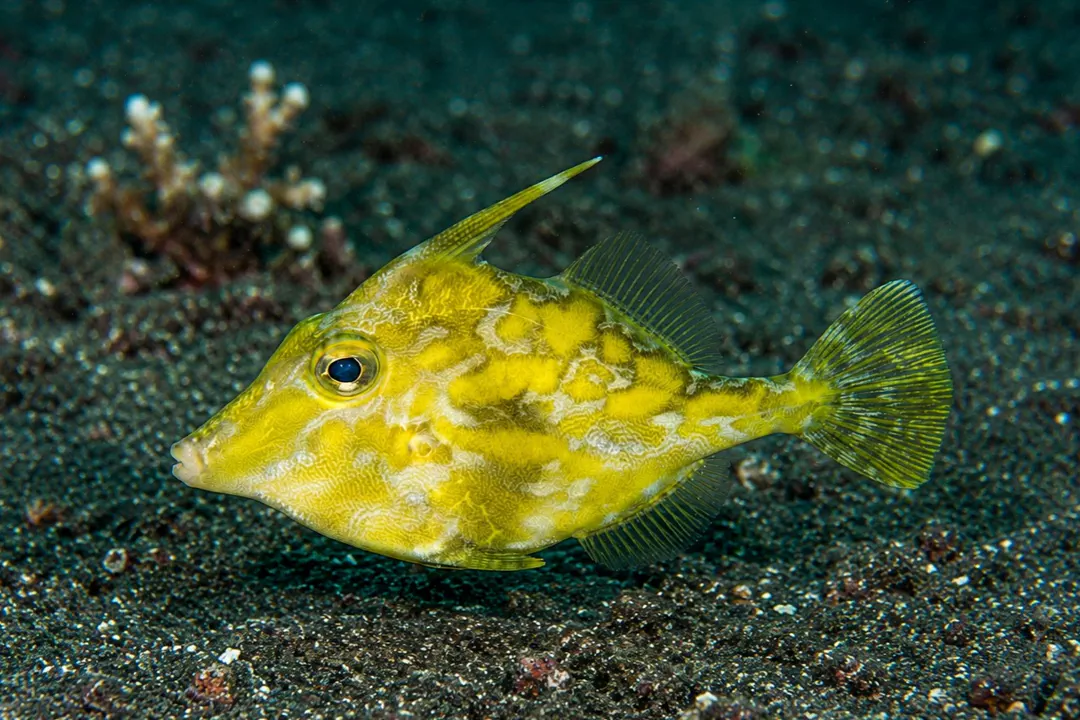 © seabook.appAll rights reserved
  © seabook.appAll rights reserved
  © seabook.appAll rights reserved
  © seabook.appAll rights reserved
  © Lawrence HyltonCC BY 4.0 · iNaturalist
 Bristle-tail Leatherjacket has no known danger to humans. However, always observe marine life responsibly.
Bristle-tail Leatherjacket can be found at depths of up to 15 meters.
Download Seabook free for iOS and Android.