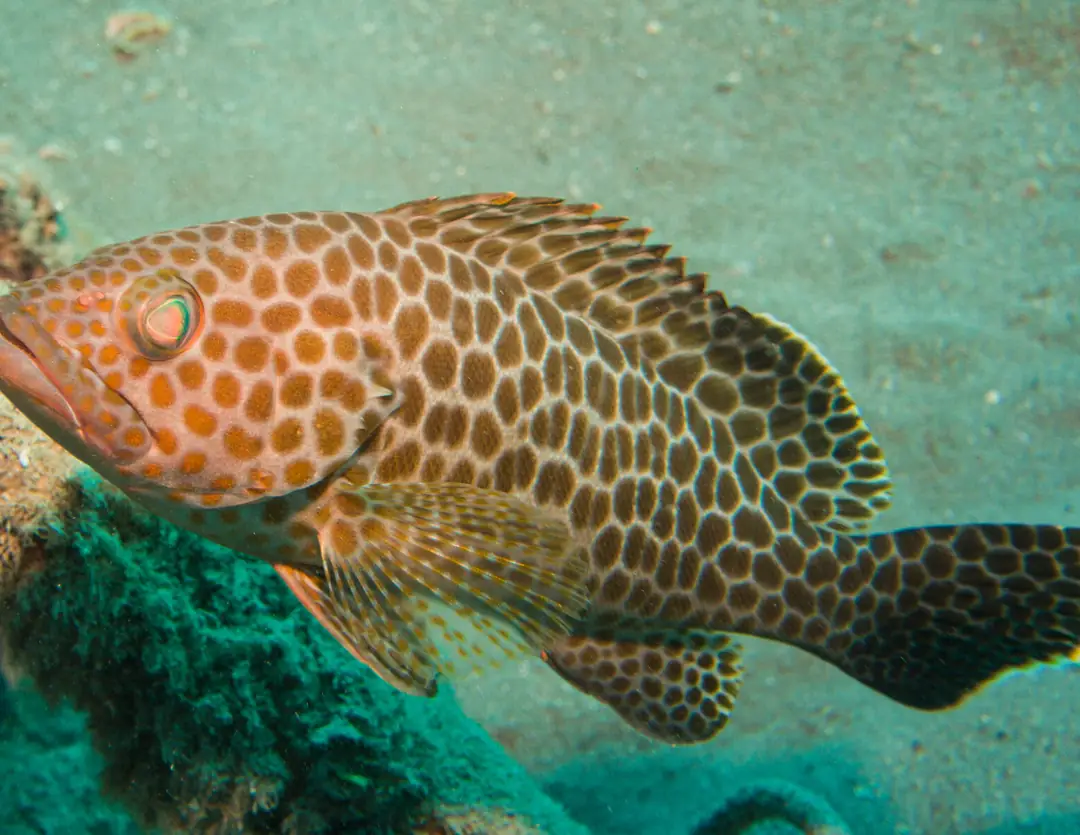
 © Lesley ClementsAll rights reserved
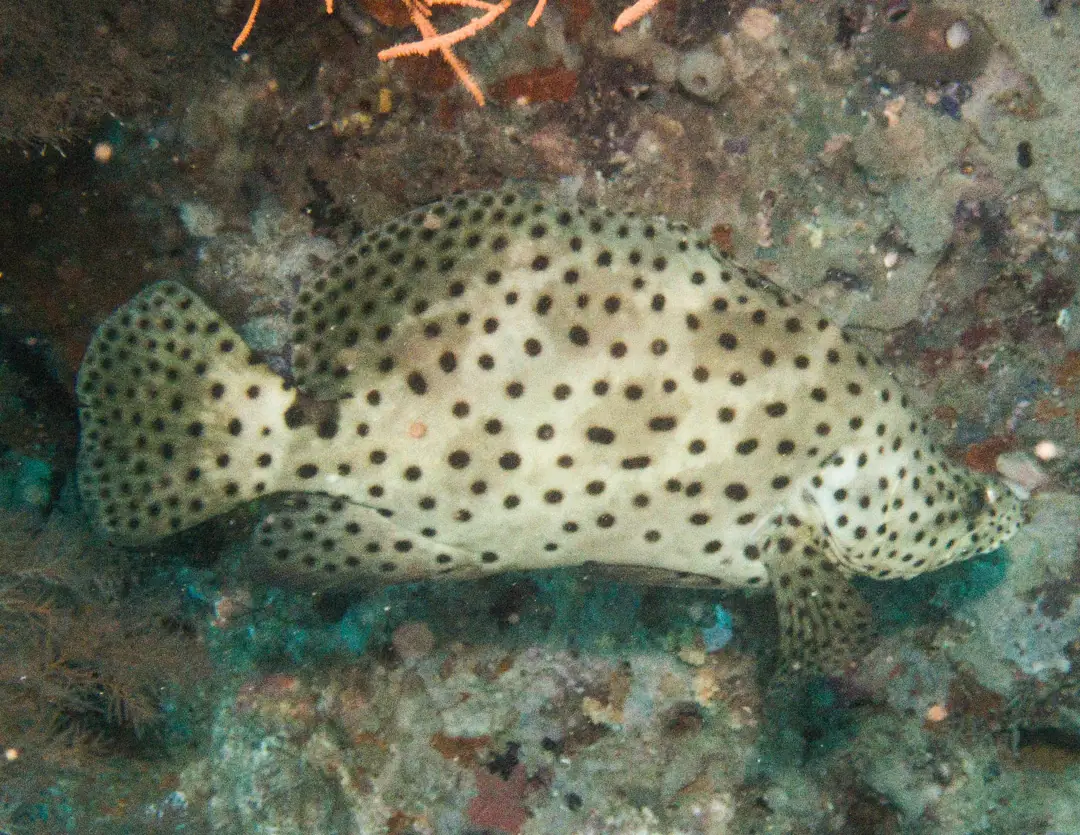
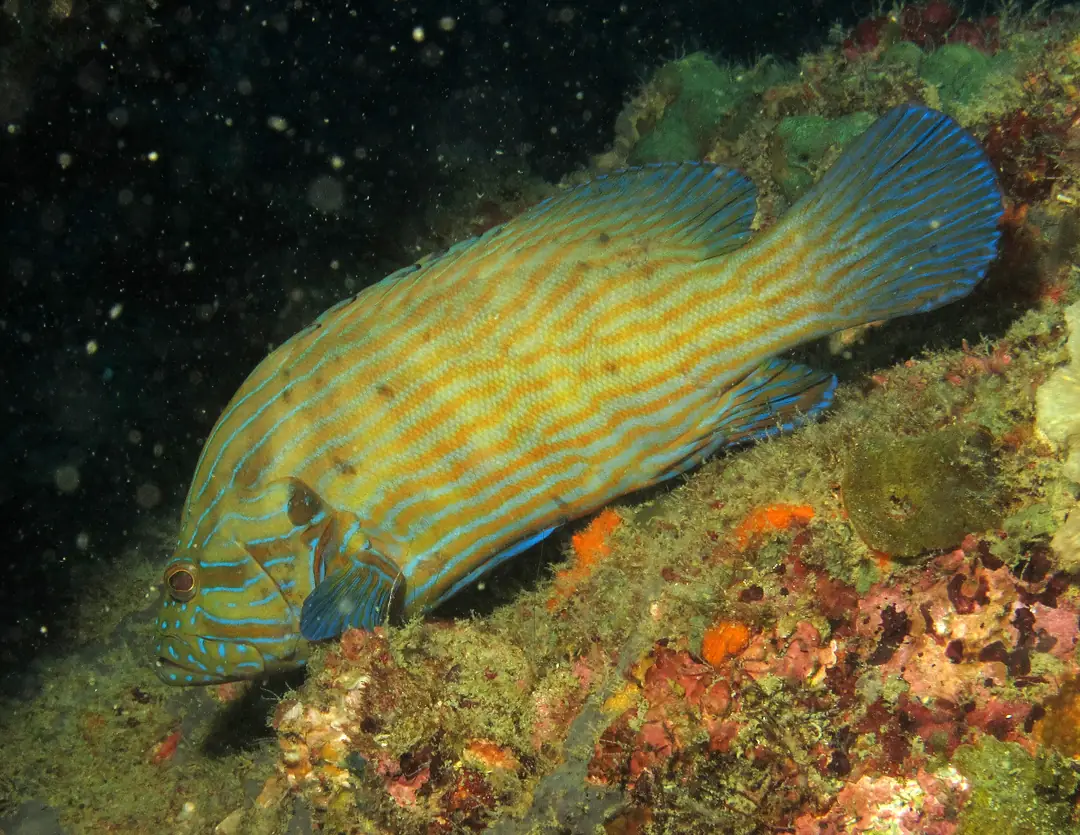
Areolate Rock Cod
Epinephelus areolatus
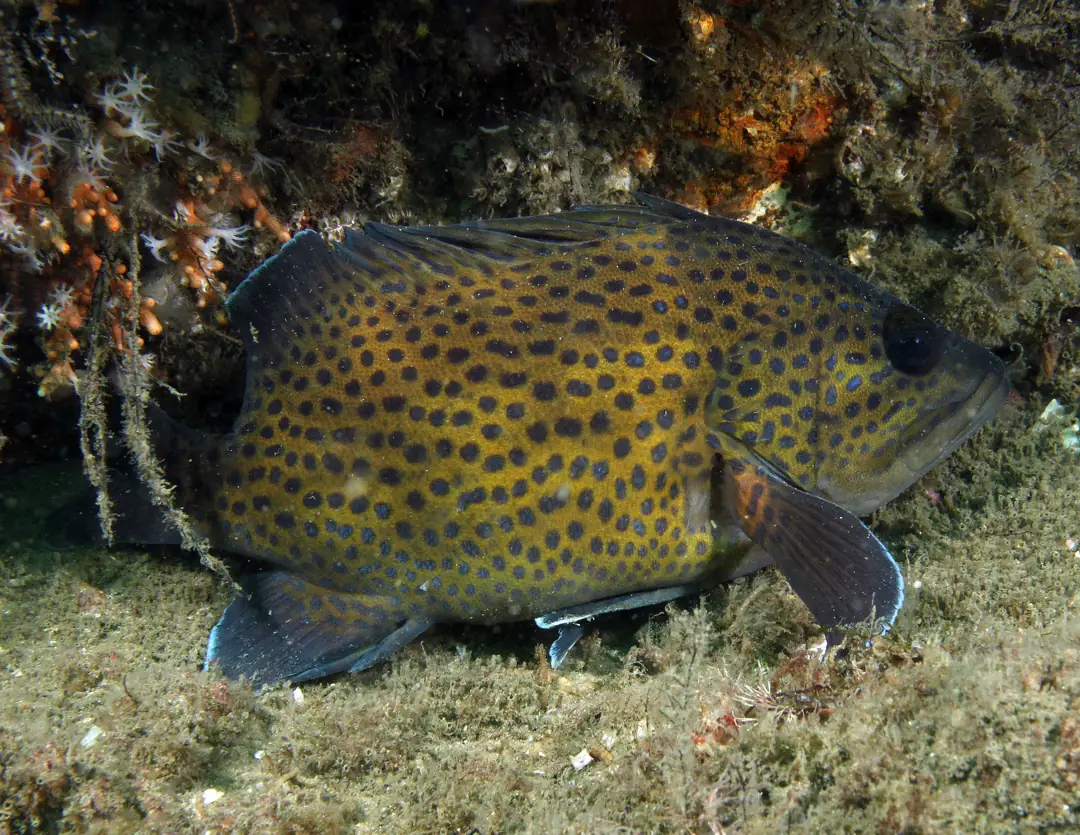 © Deb AstonAll rights reserved
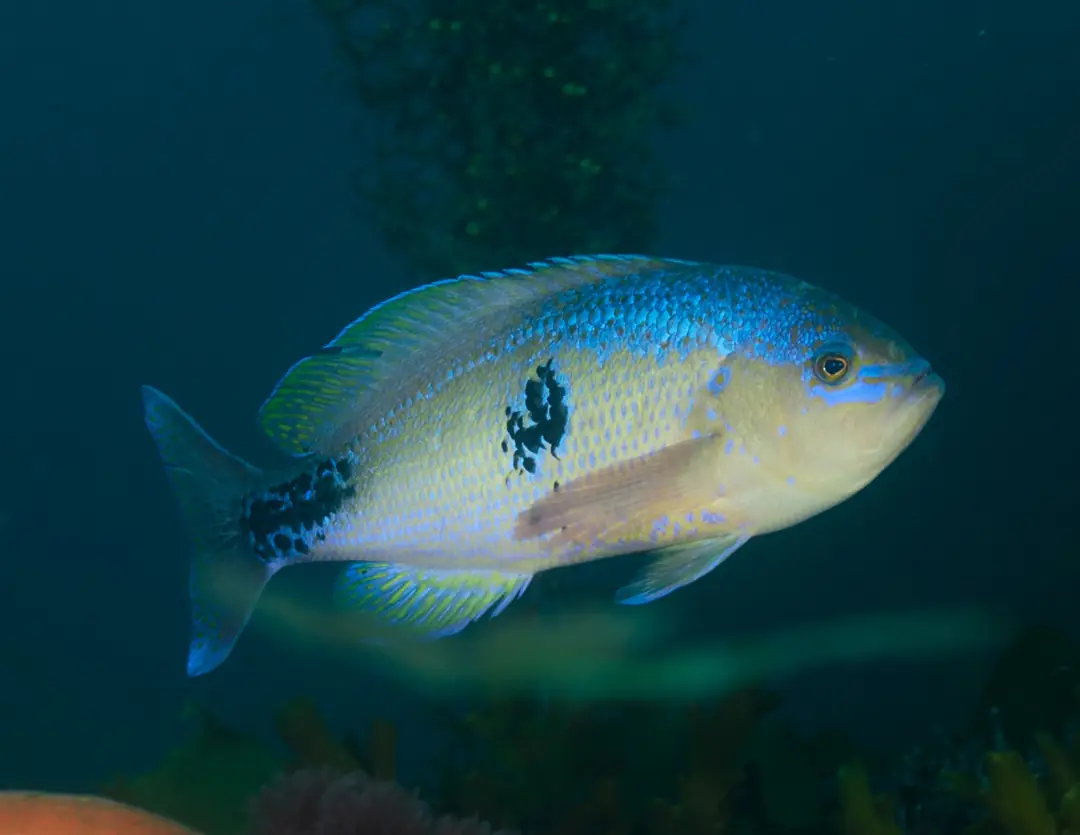
Acanthistius ocellatus
Dusky yellow with many dark, usually blue-centred spots covering head and body, slightly smaller on head; sometimes with faint dark band from tip of snout to eye; fins dusky to blue, with pale blue margins.
Dorsal fin XIII, 15–16; Anal fin III, 8–9; Caudal fin 17; Pectoral fin 19–21; Pelvic fin I, 5; Lateral line scales 58–67.
Body depth 33–40% SL; head length 39–42% SL; eye diameter 7–8% HL.
Southern Queensland to Western Port, Victoria and northern Tasmania; also the Lord Howe Province in the Tasman Sea. The Eastern Wirrah is common in New South Wales waters, but is rarely seen on the south coast.
Inhabits shallow estuaries, tidepools, and deeper offshore reefs to a depth of 100 m. Individuals shelter in caves, crevices and holes when approached.
Although frequently caught on hook and line, the flesh is of poor eating quality.
© Lesley ClementsAll rights reserved 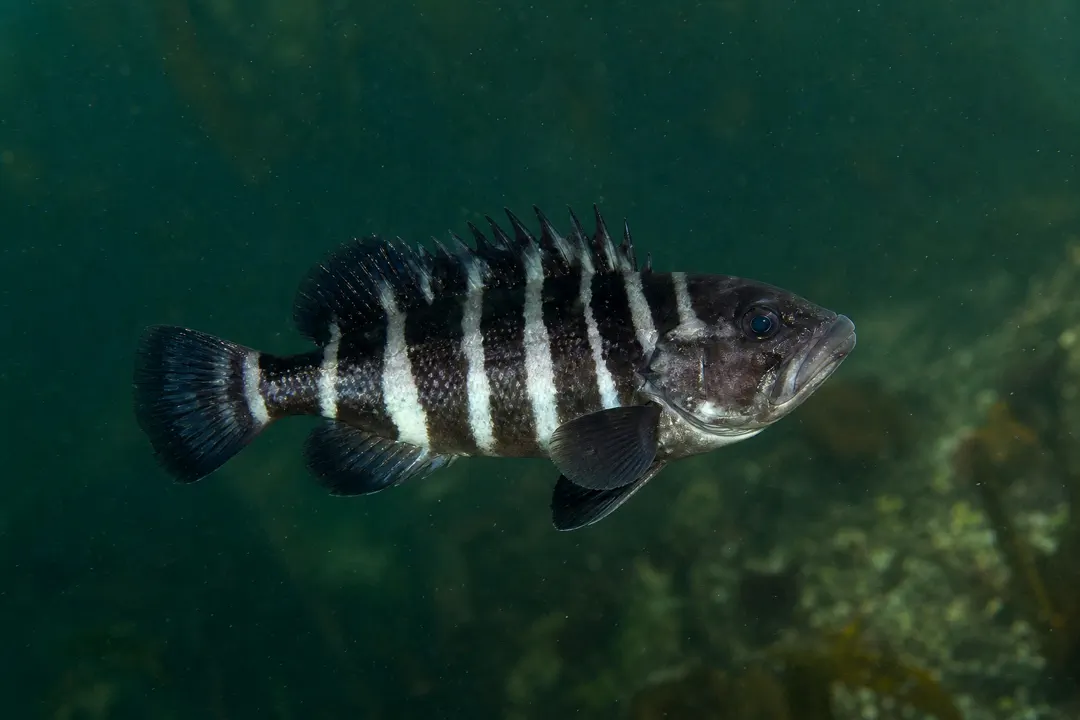 © seabook.appAll rights reserved
 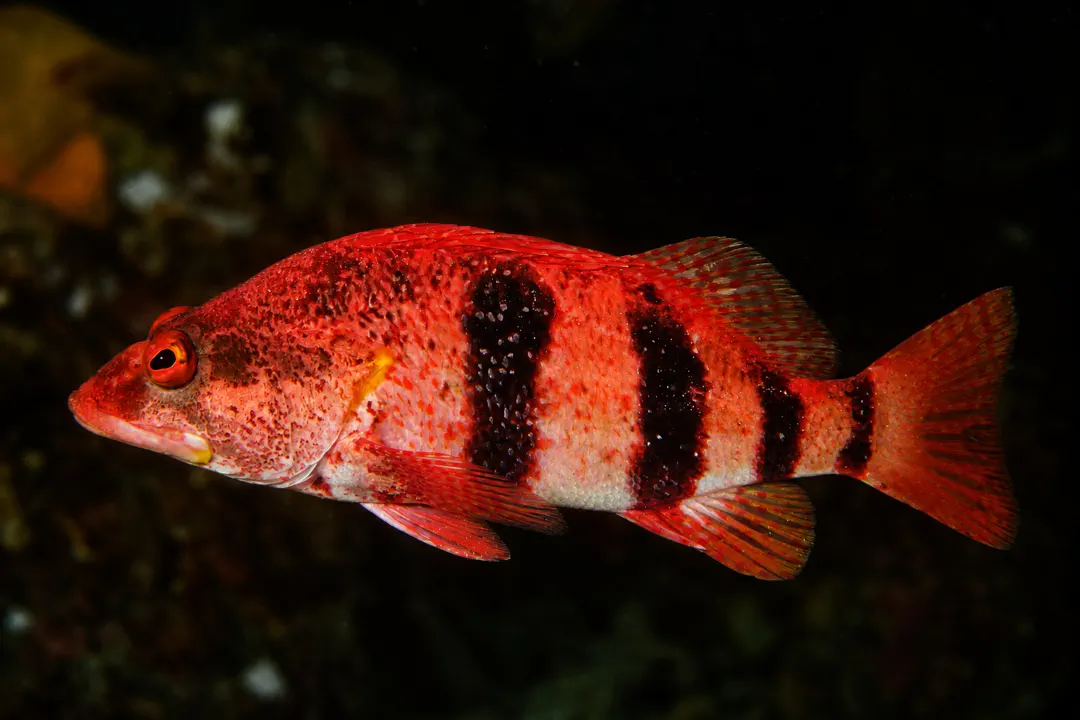 © seabook.appAll rights reserved
  © Ian ShawAll rights reserved
  © Lesley ClementsAll rights reserved
  © Jeffrey LowAll rights reserved
 Eastern Wirrah has no known danger to humans. However, always observe marine life responsibly.
Eastern Wirrah can be found at depths of up to 100 meters.
Download Seabook free for iOS and Android.