 © Debra BakerCC BY 4.0 · iNaturalist
Giant Sea Fan
Annella mollis
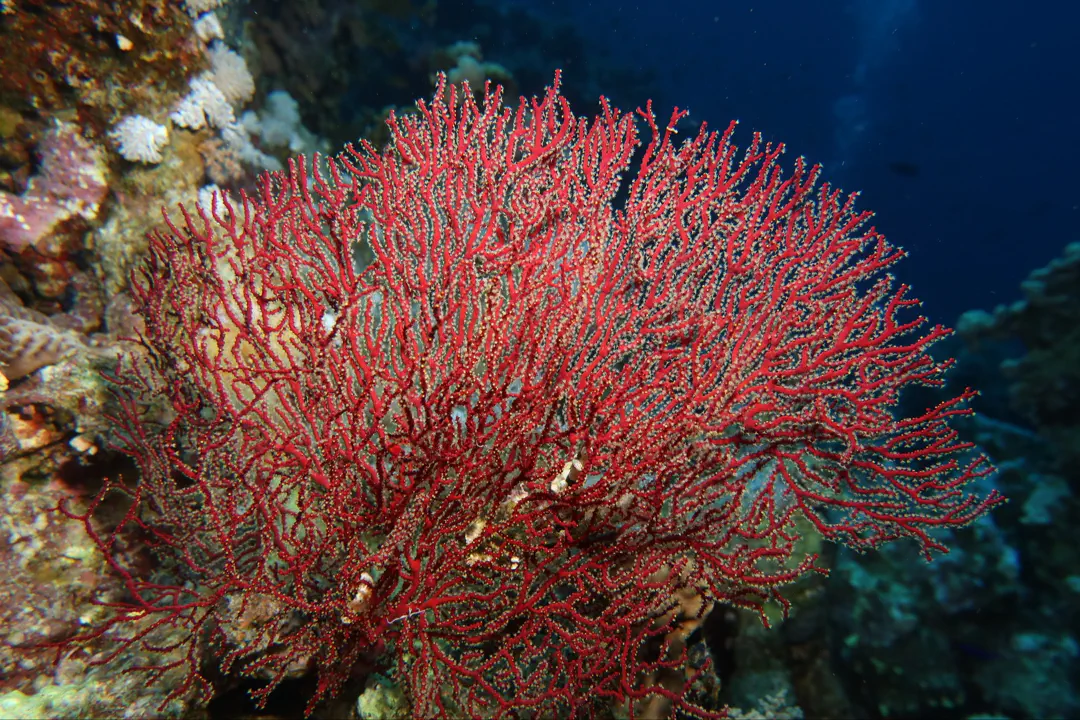
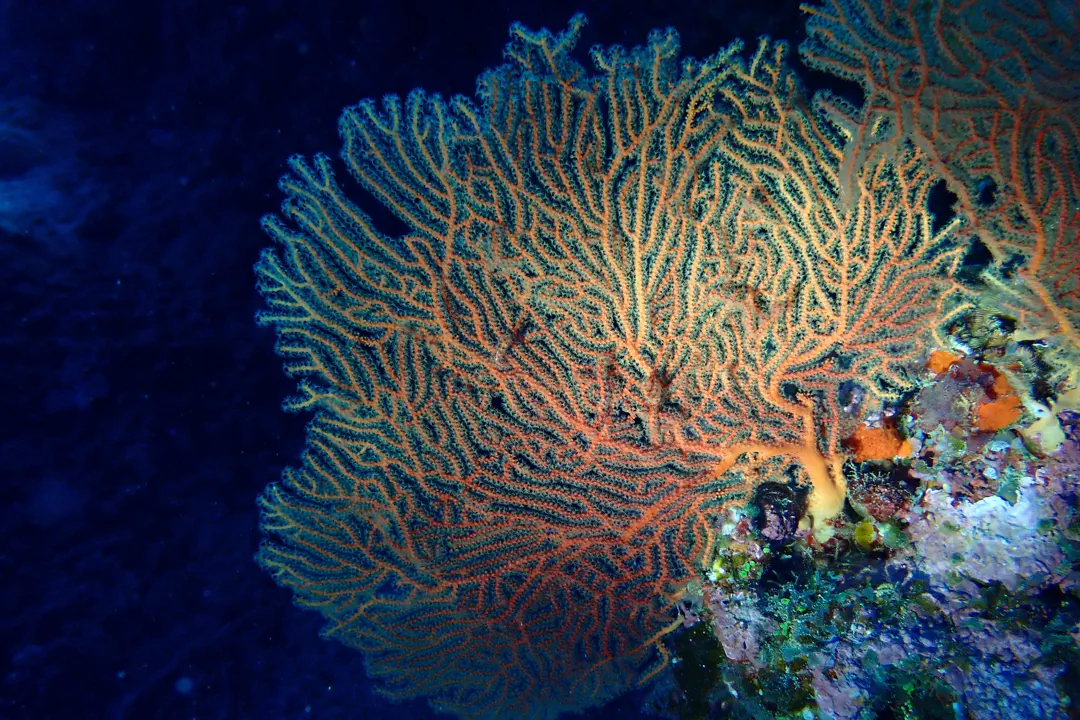
Melithaea is a genus of octocorals in the family Melithaeidae. Members of the genus are commonly known as fan corals and are found in the tropical Indo-Pacific region. The type species is Melithaea ochracea.
Members of the genus Melithaea are arborescent colonial corals forming fan, bush or tree shapes. The axis or main skeletal "trunk" is jointed, there being nodes, flexible horny joints, separated by internodes composed of hard, calcareous material. The branches divide off at the nodes which are often swollen. The minute calcareous spicules in the flexible membrane called the mesoglea that covers the skeleton are called sclerites. The identity of these spicules is important for identification purposes and in this genus they are predominantly double discs and small disc-spindles, but also include plain spindles, capstans and small clubs. Members of this genus do not have the unicellular symbiotic algae Zooxanthellae in their tissues that many other corals do. Colonies vary in colour but tend to be shades of yellow, orange, red and brown.
These corals are one of several genera of sea fan that can be hosts to a species of pygmy seahorse, the Denise's pygmy seahorse (Hippocampus denise).
© Debra BakerCC BY 4.0 · iNaturalist 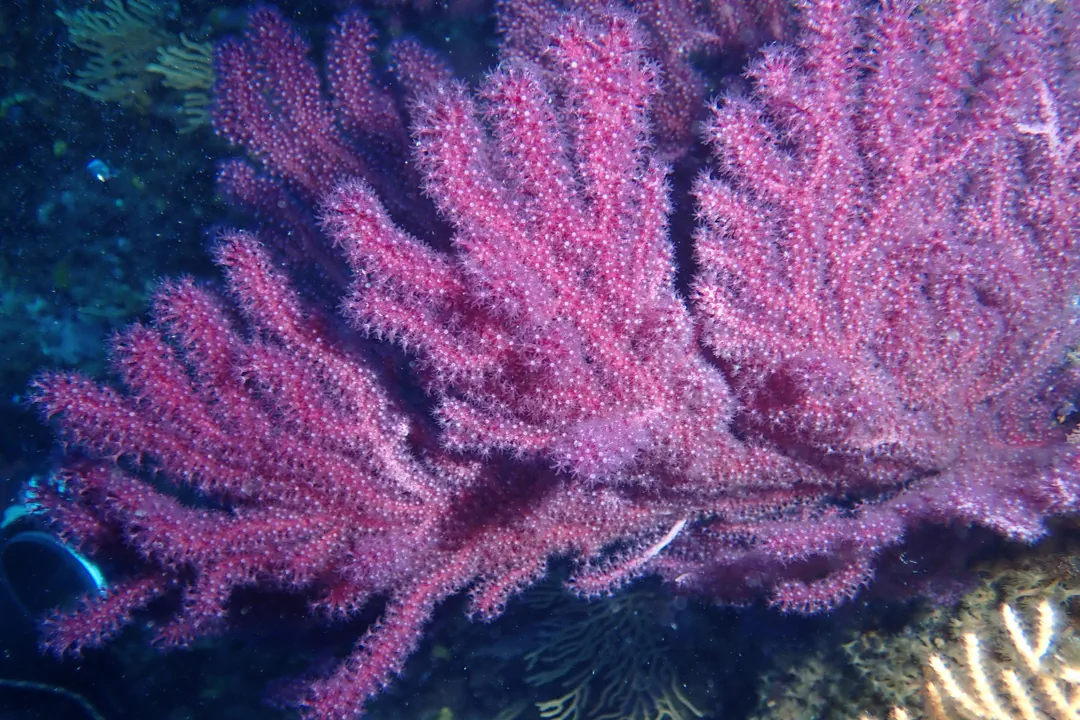 © Julien RenoultCC BY 4.0 · iNaturalist
 Melithaea sp has no known danger to humans. However, always observe marine life responsibly.
Download Seabook free for iOS and Android.