 © seabook.appAll rights reserved
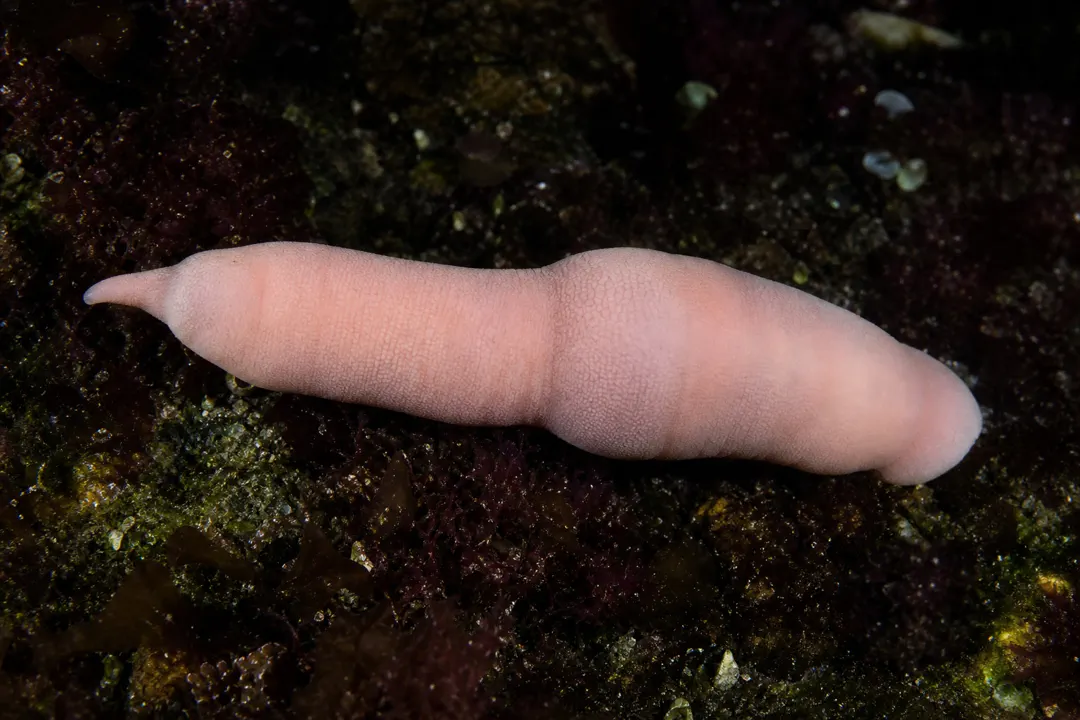
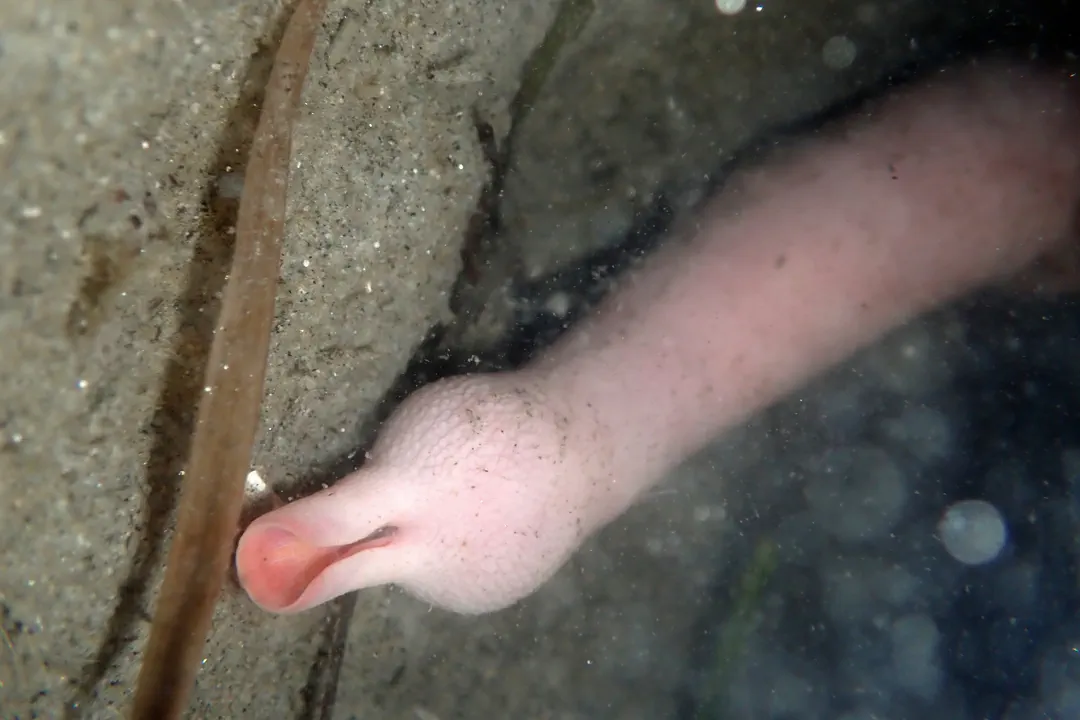
Burrow Worm
Urechis chilensis
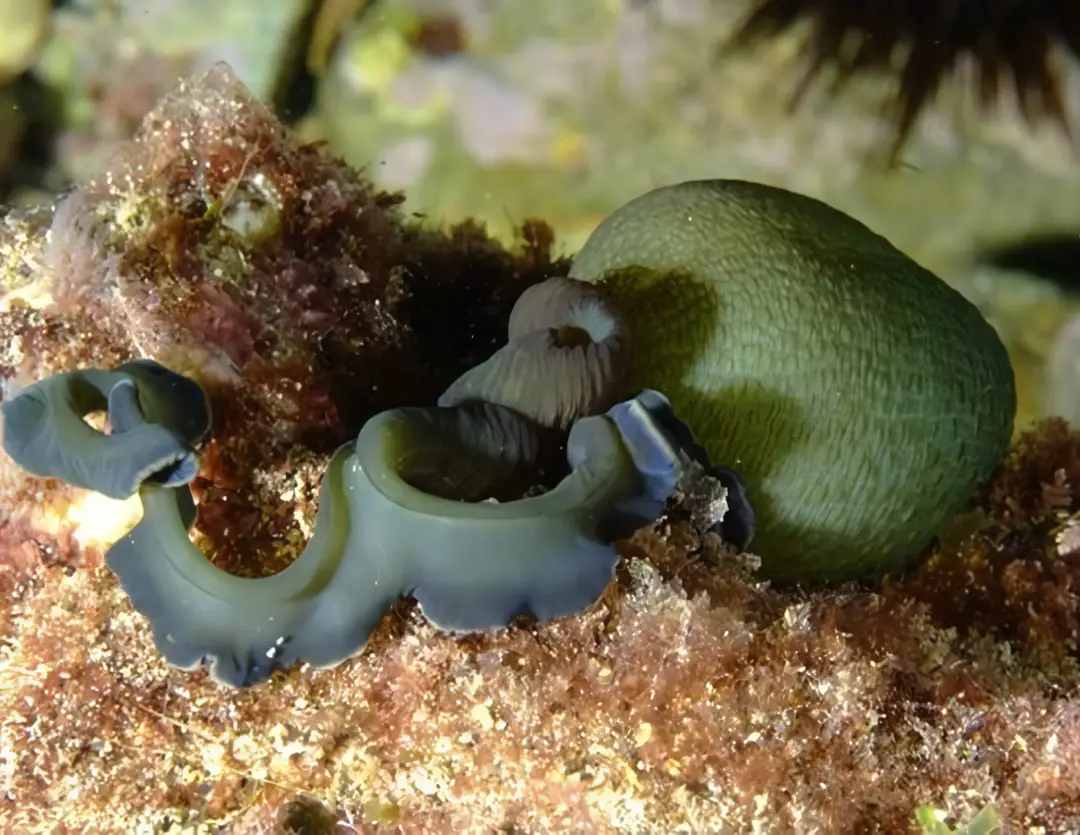
Bonellia viridis
Bonellia viridis is a marine worm (class Polychaeta, phylum Annelida) noted for displaying exceptional sexual dimorphism and for the biocidal properties of a pigment in its skin.
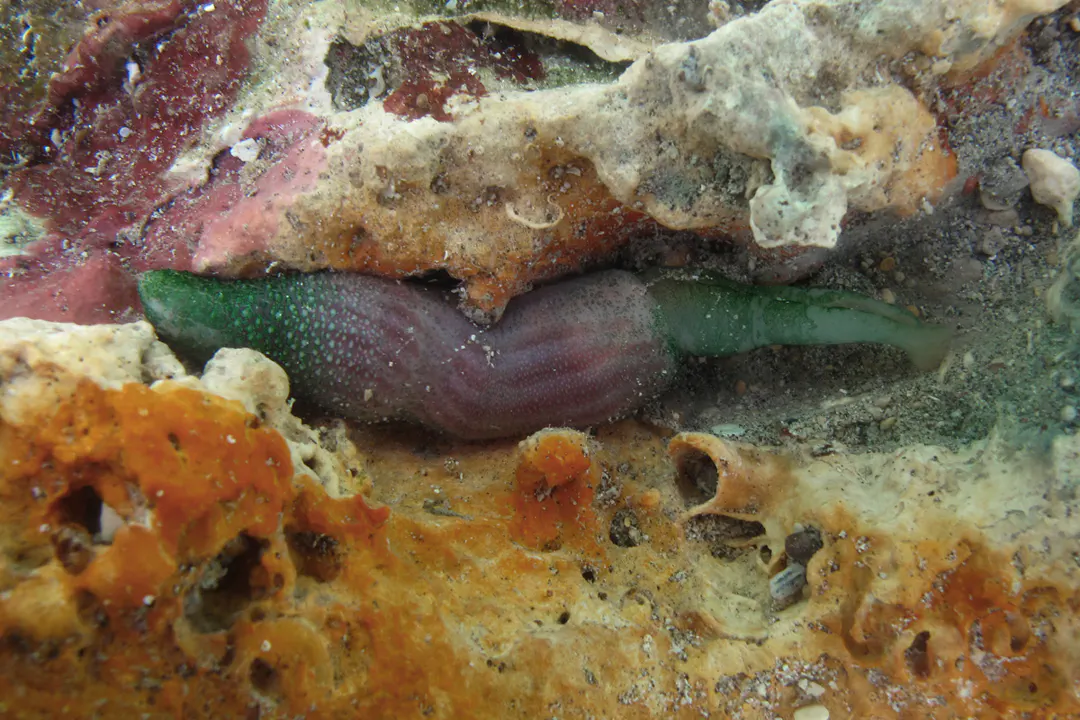
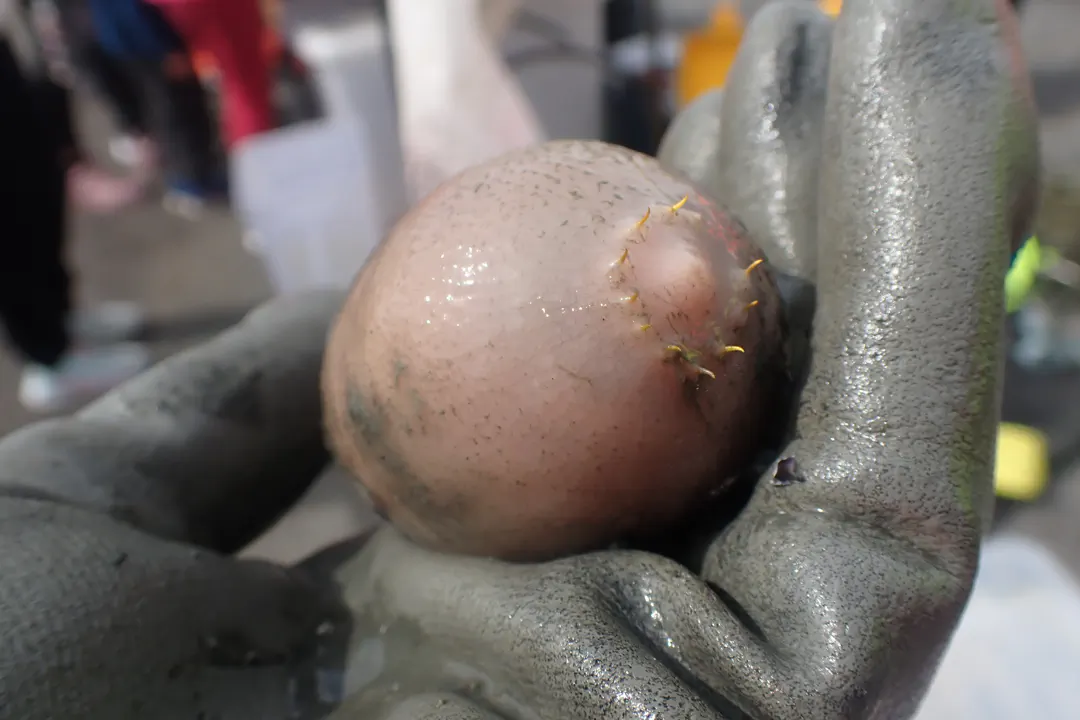
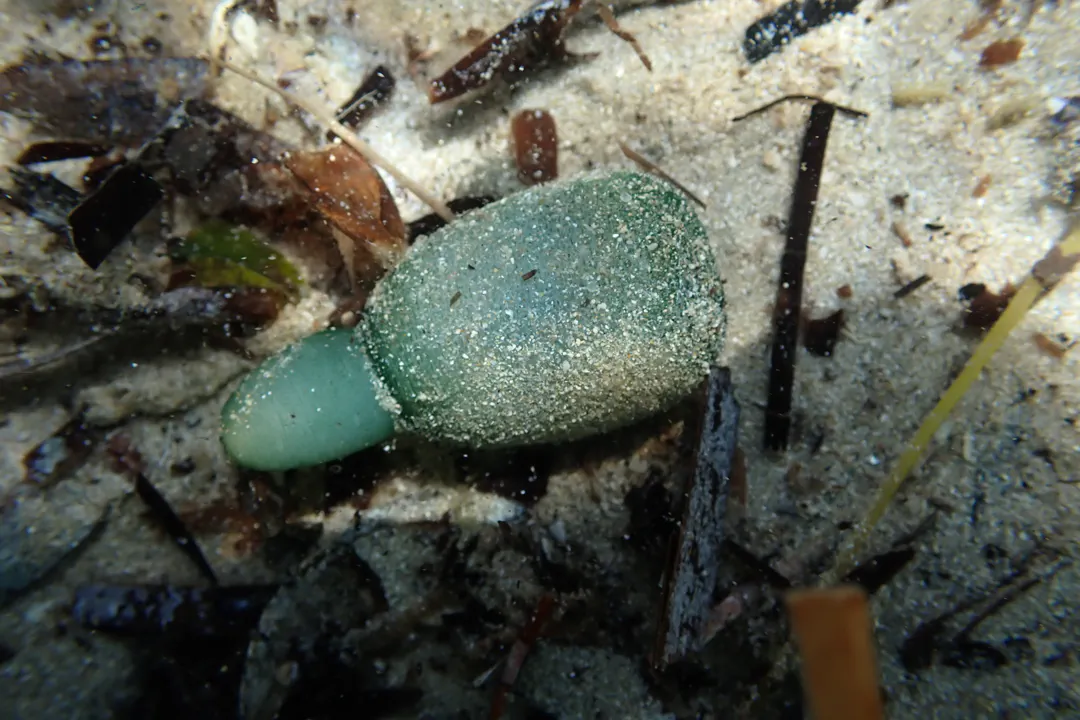
The pale- to dark-green female, with a 15 cm-long, round or sausage-shaped body. It has two anchoring hooks underneath its body and an extensible feeding proboscis up to 10 times its body-length. It is mainly a detritivore, feeding also on small animals. The male is rarely observed: it has a flat, unpigmented body which grows to only 1–3 mm, taken up mostly by reproductive organs and devoid of other structures. It lives on or inside the body of a female.
The species is wide-ranging, found in the north-eastern Atlantic Ocean and the Mediterranean Sea.
It lives on the sea-floor at a depth of 10 to 100 metres, concealed by burrowing in gravel or hiding in rock crevasses or burrows abandoned by other animals.
The adult Bonellia female produces a vivid green pigment in its skin, known as bonellin. This chemical, concentrated mostly in the proboscis, is highly toxic to other organisms, capable of paralyzing small animals. In the presence of light, bonellin is a very effective biocide, killing bacteria, larva of other organisms, and red blood cells in laboratory tests. It is currently being investigated as a possible model for novel antibiotics.
Most larvae, however, come in contact with the bonellin in the skin of an adult female—its body or its roving, bonellin-rich proboscis—and are masculinised by this exposure. The chemical causes these larvae to develop into the tiny males, which cling to the female's body or are sucked inside it by the feeding tube, to spend the remainder of their lives inside her genital sac, producing sperm to fertilize her eggs, reliant on her for all other needs.
The sex of a green spoonworm is thus determined by external, environmental factors (the presence or absence of bonellin), not by internal, genetic factors (chromosomes), as is the case with most other sexually-differentiated organisms. This environmental sex determination helps green spoonworm populations respond to the availability of burrows.
© seabook.appAll rights reserved 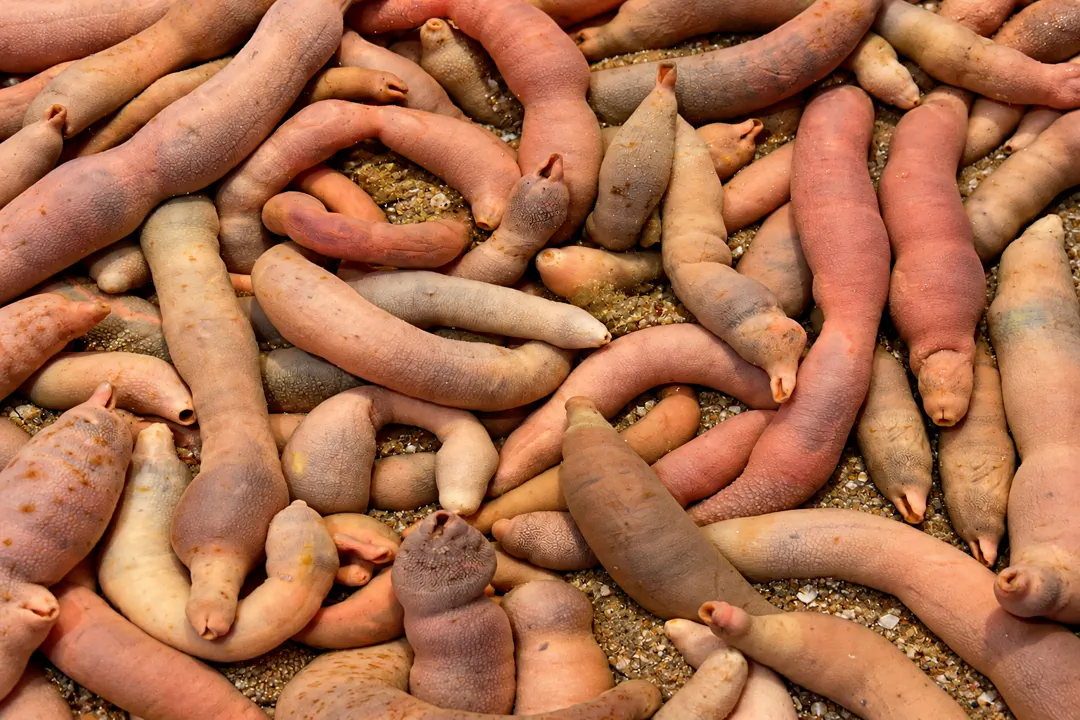 © seabook.appAll rights reserved
  © Lisa BiasilloCC BY 4.0 · iNaturalist
  © Philippe BourjonCC BY-SA 4.0 · iNaturalist
  © ShaunCC BY 4.0 · iNaturalist
  © TimCC BY-SA 4.0 · iNaturalist
 Green Spoonworm has no known danger to humans. However, always observe marine life responsibly.
Green Spoonworm can be found at depths of up to 100 meters.
Download Seabook free for iOS and Android.