 © seabook.appAll rights reserved
Chinese Innkeeper Worm
Urechis unicinctus
Urechis chilensis
The species was first described by Karl Moritz Diesing in 1859, making the accepted authorship Urechis chilensis (Diesing, 1859). The original name of the species was Echiurus chilensis Diesing, 1859. The type locality of Urechis chilensis is not clearly stated in the authoritative catalogue records and is therefore reported as not verified. The genus name Urechis was established by Paul Seitz in 1907, although its Greek/Latin etymology is not explained in the cited records. The term chilensis is a Latin geographical adjective meaning 'from Chile.' Seitz transferred the species from Echiurus to the new genus Urechis in 1907, resulting in the current combination Urechis chilensis. The original combination of the species was Echiurus chilensis Diesing, 1859. An unaccepted subsequent combination recorded by WoRMS is Spiroctetor chilensis (M. Müller, 1852). Echiurus farcimen Baird, 1871 is treated by WoRMS as a junior subjective synonym of Urechis chilensis.
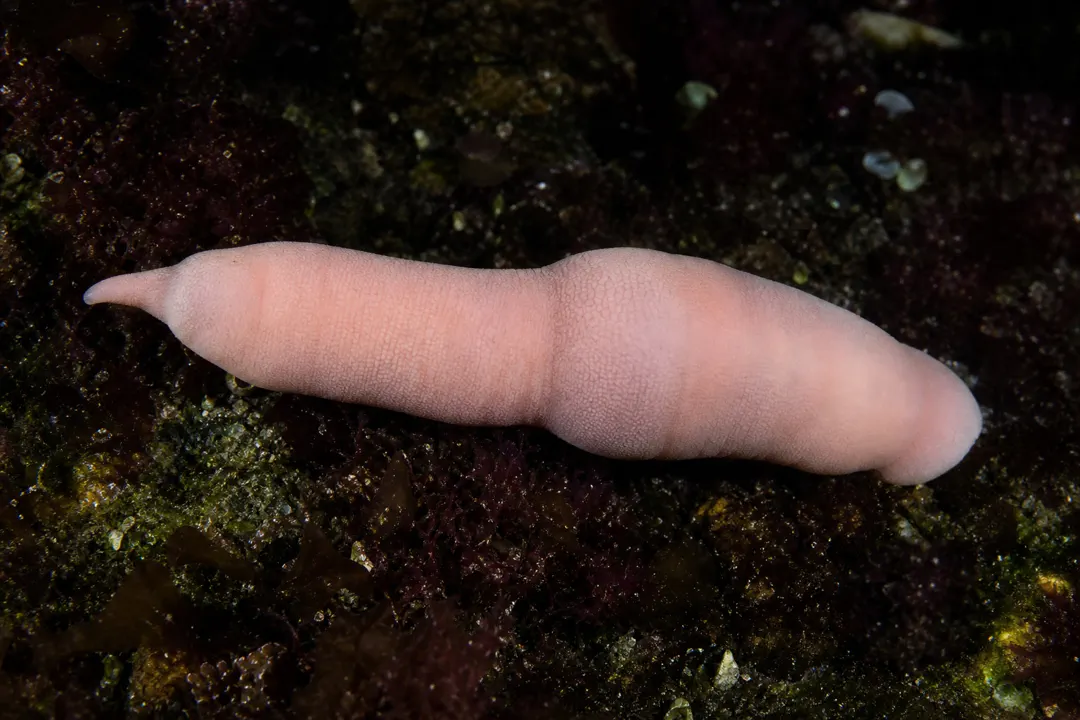
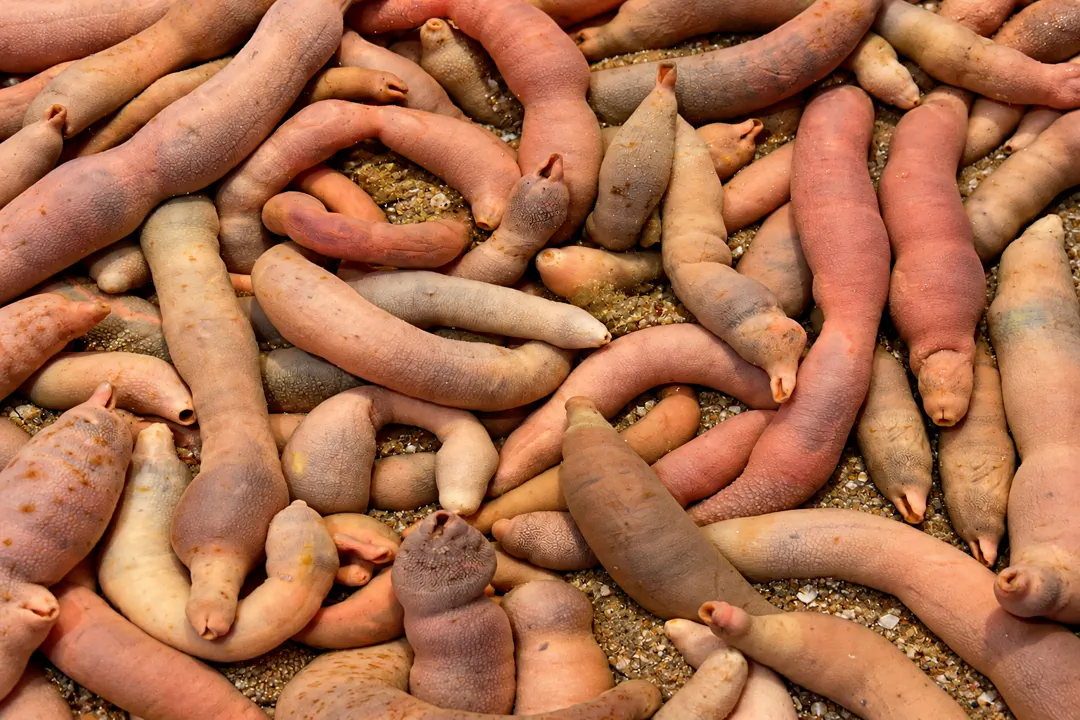
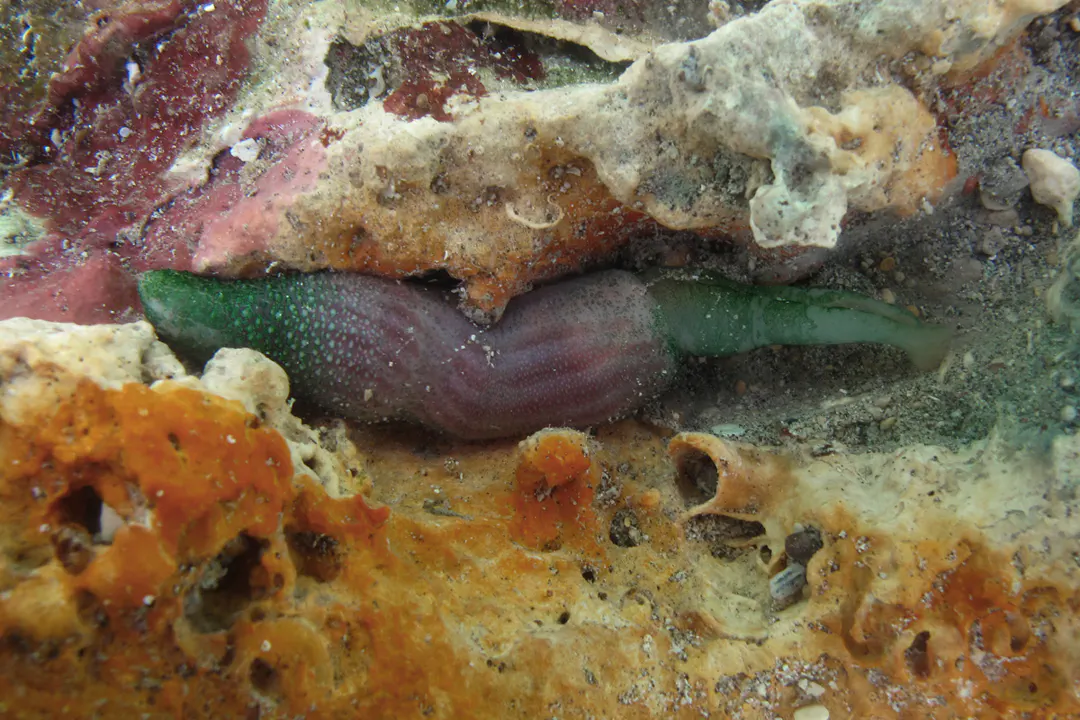
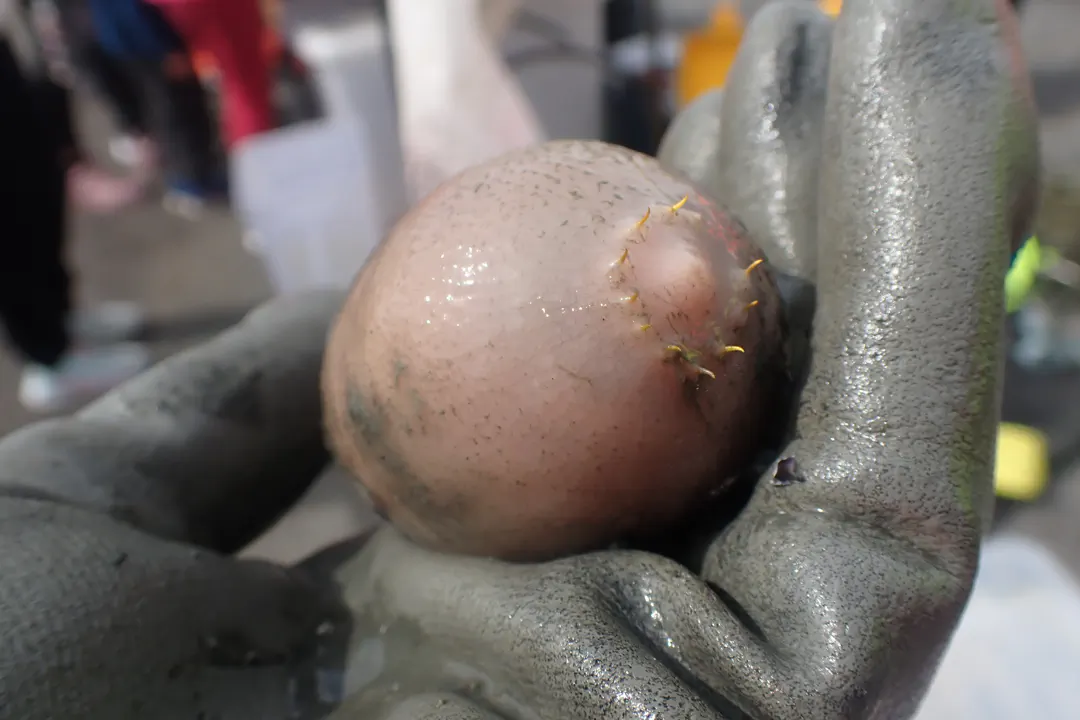
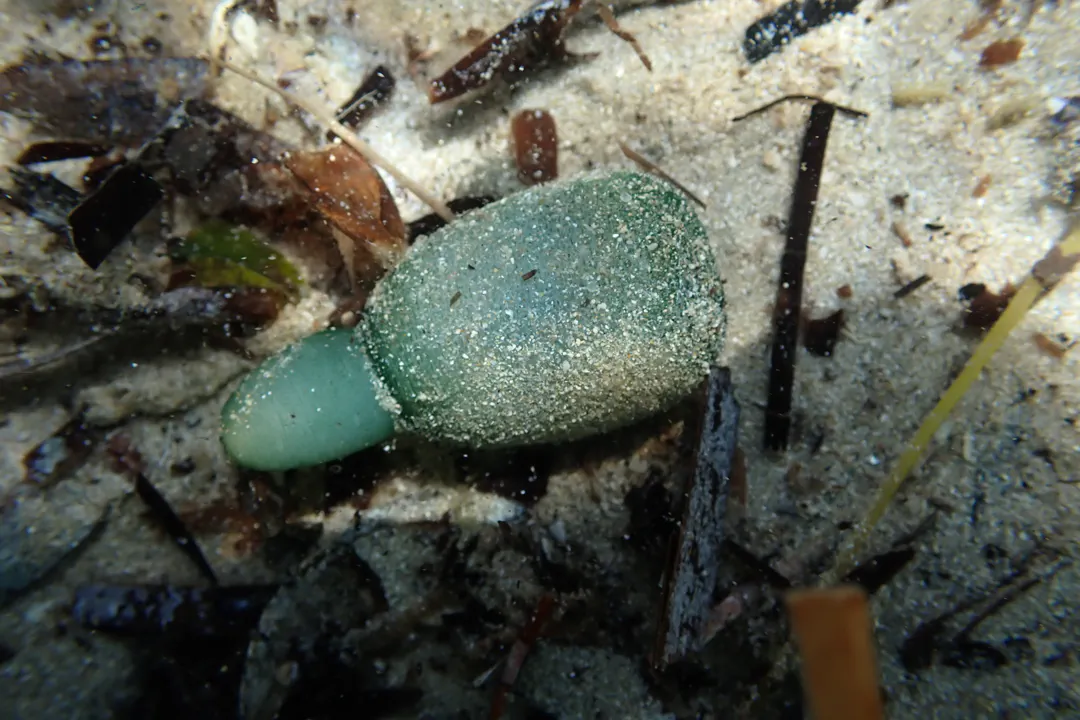
The Burrow Worm is an elongate, unsegmented, sack-shaped marine worm with a muscular trunk and a broad, extensible anterior proboscis. The proboscis projects from the anterior end and cannot be retracted into the trunk. The mouth is located at the anterior base of the proboscis in a groove, while the anus is situated at the posterior end of the trunk. Identification relies on body structure and chaetae, as there is no dependable species-specific colour description. The species may appear pale or variable, especially when covered with sediment, and should not be identified by colour alone. The Burrow Worm has two ventral chaetae near the mouth and one visible posterior anal ring of chaetae, with about ten chaetae in that anal ring. The combination of a large extensible proboscis, no segmentation, two anterior ventral chaetae, and a posterior chaetal ring distinguishes it from segmented polychaete worms and sipunculans. Echiurus species can be distinguished from the Burrow Worm by the presence of two posterior rings of chaetae, whereas the Burrow Worm has only one visible anal ring. Confirming the identity of Urechis chilensis generally requires locality plus examination of chaetal characters, as external appearance and colour may overlap with other Urechis species.
The Burrow Worm is a benthic burrower of intertidal to shallow subtidal soft-bottom habitats. It lives beneath the sand of unvegetated, stone-free beaches, excavating U-shaped burrows in soft sediment, and may also inhabit muddy bottoms. The species is reported to occur at depths ranging from intertidal zones to 100 m. Geographically, it is found in southern Chile, particularly south of Chiloé Island, including areas such as the Reloncaví Estuary, Chacao, Butachauques, Quellón, Chaitén, and Carelmapu.
The Burrow Worm is a deposit- and filter-feeding detritivore, primarily consuming fine organic detritus and microorganisms, including bacteria. It feeds using a short proboscis and secretes a mucus funnel or net inside its burrow to capture food. Ciliary and muscular activity draws water through the mucus net, allowing fine suspended particles and detritus to adhere to it. The worm periodically pulls the loaded mucus net toward its mouth to ingest the captured material, while large particles are generally excluded from ingestion.
The Burrow Worm is locally harvested in southern Chile, but the scale and sustainability of this fishery are not established by authoritative sources. It is reported to be used as bait for recreational fishing. The species is traditionally eaten in Chile and is considered a culinary delicacy. The Burrow Worm is not documented as venomous or aggressive, and no specific physical hazard to humans has been identified. A study in Chile detected paralytic-shellfish-poisoning toxins in the Burrow Worm, indicating a food-safety concern. It should not be collected for food from areas subject to harmful algal blooms or without applicable sanitary controls. No formal global IUCN Red List assessment exists for the Burrow Worm, and its population trend and extinction risk are considered unknown.
© seabook.appAll rights reserved 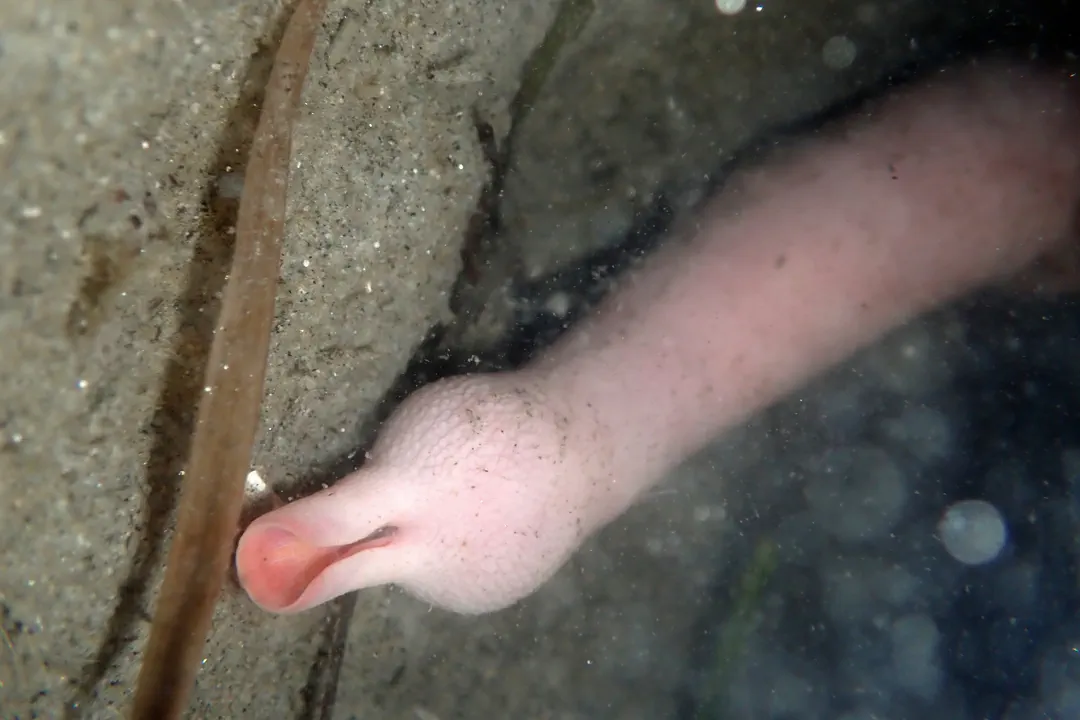 © Lisa BiasilloCC BY 4.0 · iNaturalist
  © seabook.appAll rights reserved
  © Philippe BourjonCC BY-SA 4.0 · iNaturalist
  © ShaunCC BY 4.0 · iNaturalist
  © TimCC BY-SA 4.0 · iNaturalist
 Burrow Worm has no known danger to humans. However, always observe marine life responsibly.
Download Seabook free for iOS and Android.