 © J. Patrick FischerCC BY-SA 4.0
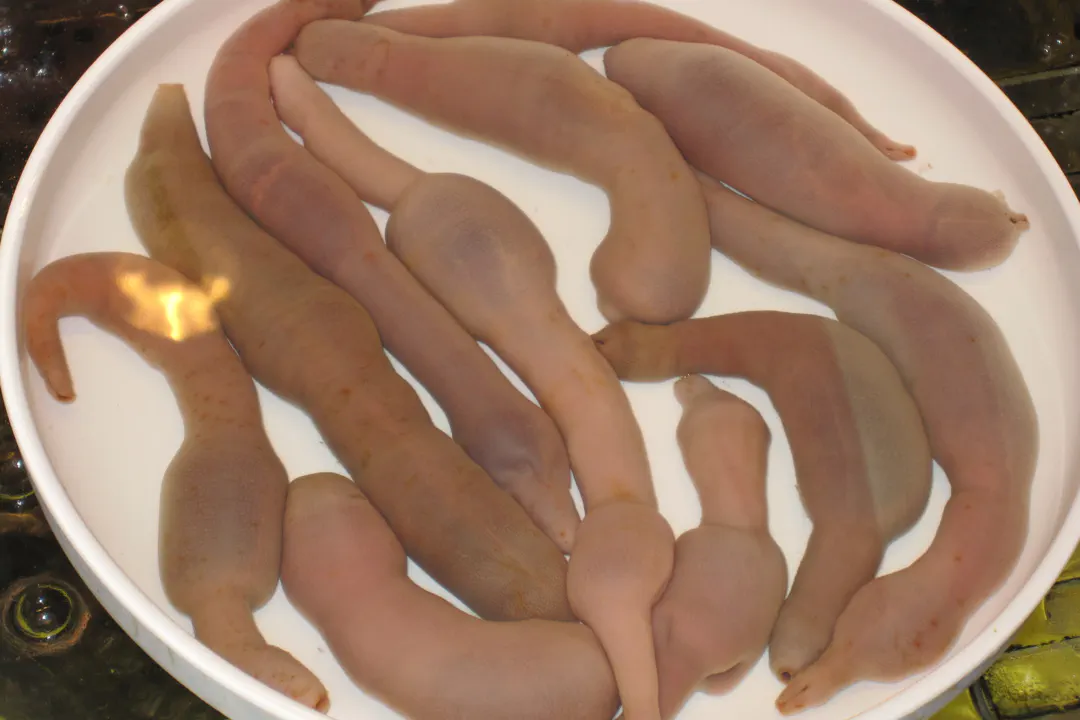
Chinese Innkeeper Worm
Urechis unicinctus
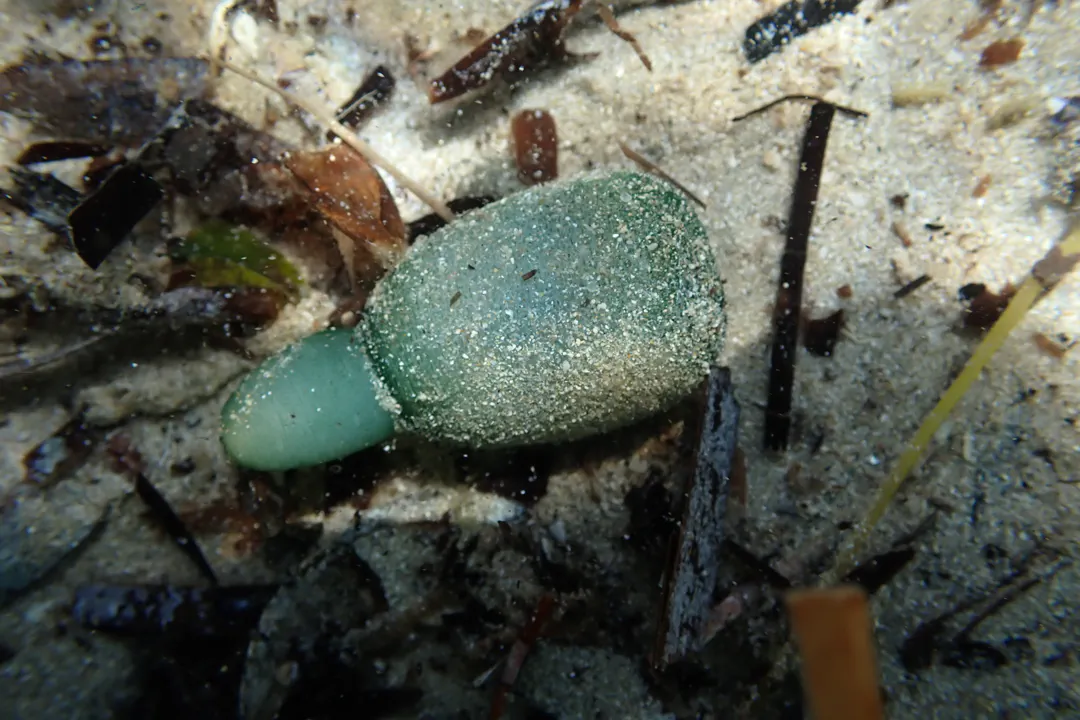
Anelassorhynchus porcellus, known as the spoonworm, belongs to the family Thalassematidae and is found in the tropical Indo-Pacific region.
Anelassorhynchus porcellus was first described by Walter Kenrick Fisher in 1948. Its original name was Anelassorhynchus porcellus Fisher, 1948, indicating no subsequent generic transfer. The type locality for this species is tidal pools south of Honolulu Harbour, Hawaii. The specific epithet porcellus is Latin for 'little pig' or 'piglet.' The genus name Anelassorhynchus was established by Annandale in 1922. Anelassorhynchus gangae Biseswar, 1984 was proposed as a junior synonym of A. porcellus after comparison of additional specimens. Anelassorhynchus adelaidensis Edmonds, 1960 is treated as a related species, not reclassified as A. porcellus. The species is currently placed in the genus Anelassorhynchus, family Thalassematidae, phylum Annelida, and class Polychaeta in the NCBI lineage.
The species inhabits intertidal rocky shore and tidal-pool habitats. It is associated with rocky substrate, including intertidal rocks and tidal pools. The verified records indicate that the species is found in intertidal zones, with no formal bathymetric range reported. Geographically, it has been recorded from Hawaii, Heron Island in Queensland, Australia, and the KwaZulu-Natal coast of South Africa.
No authoritative record was found showing that Anelassorhynchus porcellus is targeted, landed, or commercially used in fisheries. No authoritative record was found showing commercial collection or sale of Anelassorhynchus porcellus for aquaria. No reliable evidence was found that Anelassorhynchus porcellus is eaten by people or marketed as food, making its edibility undocumented. No documented venom, toxicity, medically significant injury, or human hazard was found for Anelassorhynchus porcellus, although the lack of records should not be interpreted as proof that handling or consumption is risk-free. No species-specific IUCN Red List assessment or other authoritative conservation category was located for Anelassorhynchus porcellus, resulting in its formal conservation status being unknown or not assessed.
© J. Patrick FischerCC BY-SA 4.0 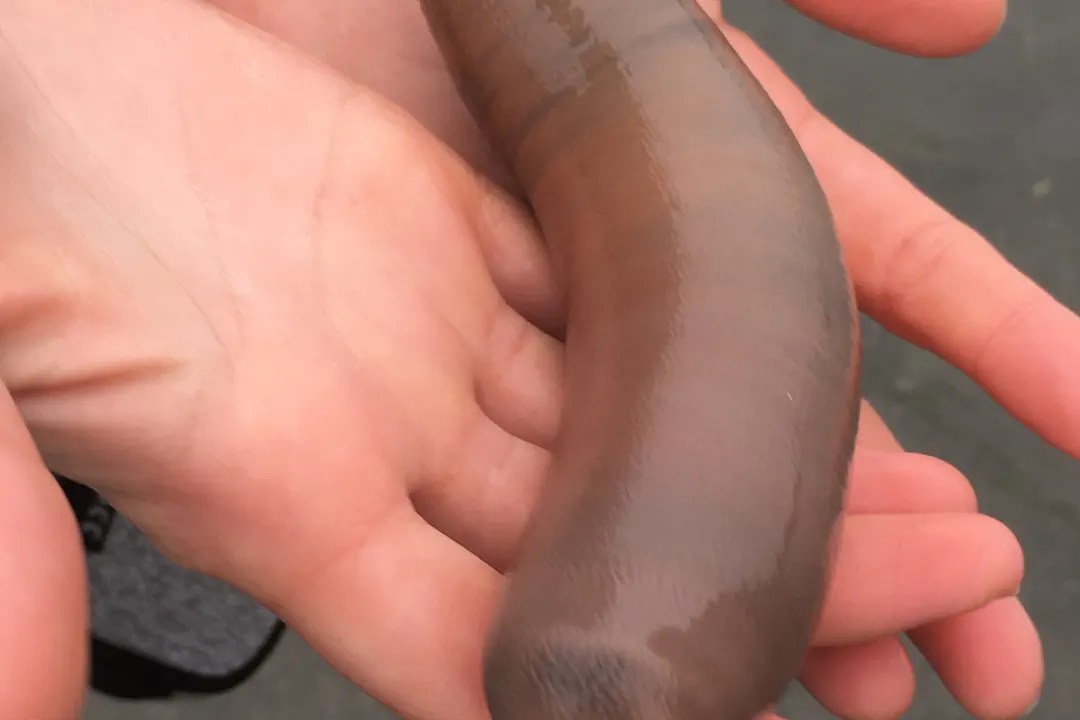 © Rebecca JohnsonCC BY 4.0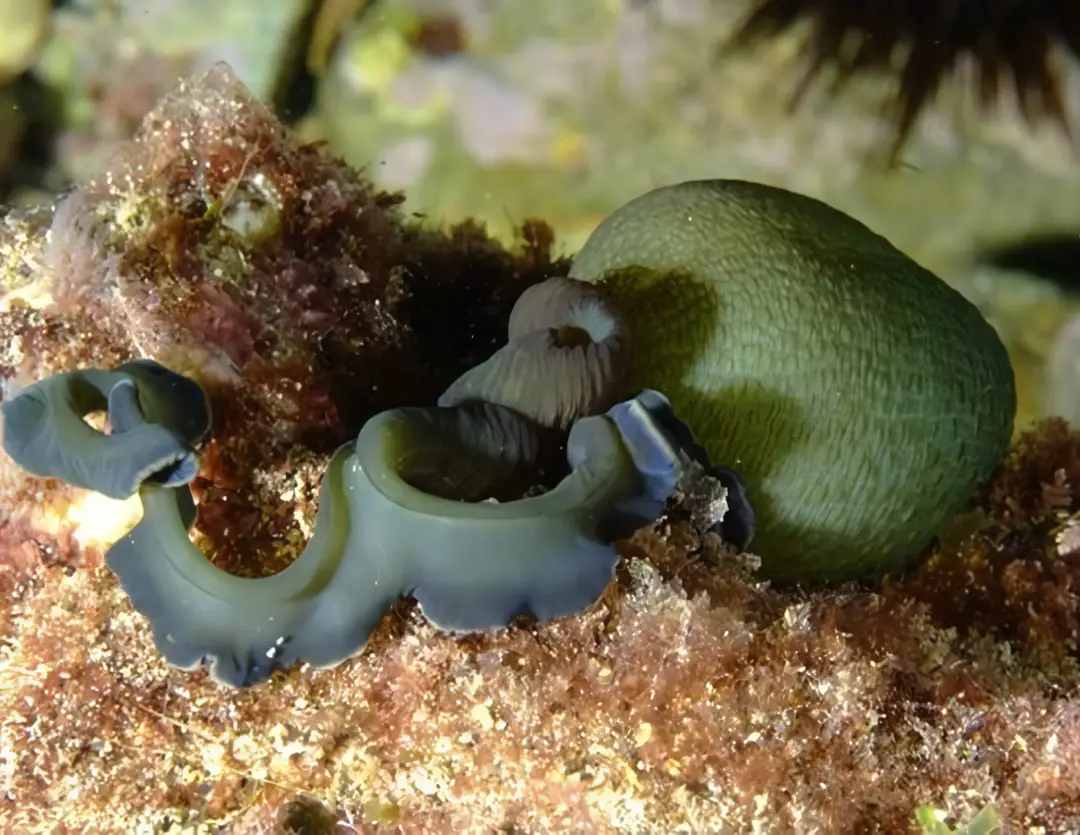
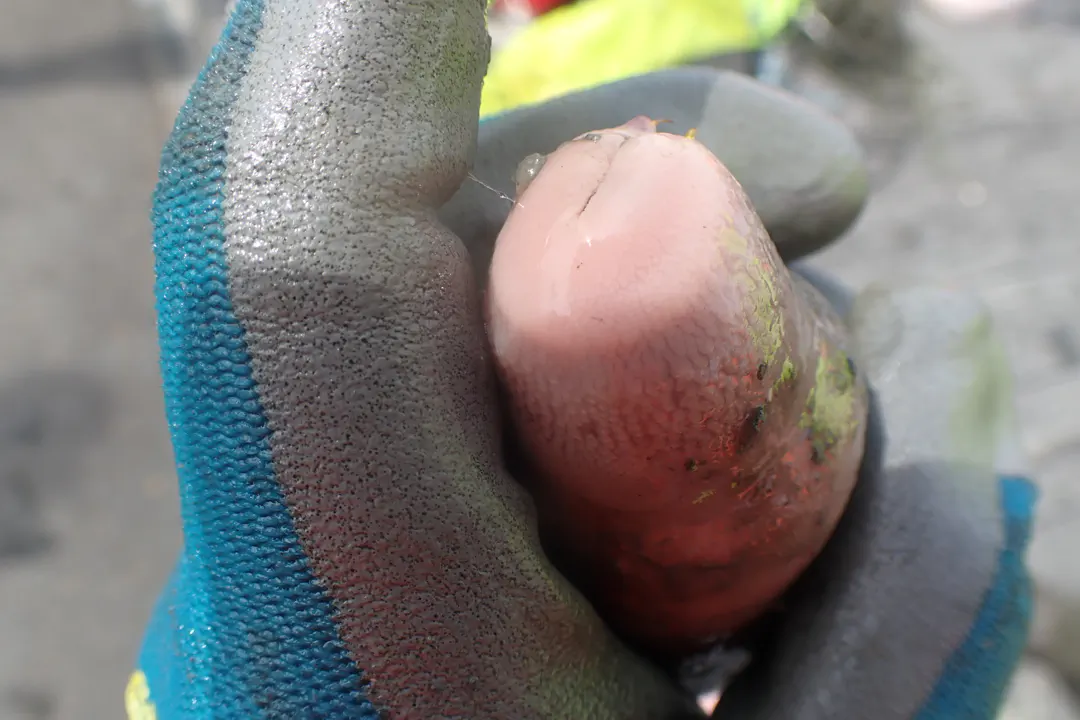 © ShaunCC BY 4.0 · iNaturalist
 Anelassorhynchus porcellus has no known danger to humans. However, always observe marine life responsibly.
Download Seabook free for iOS and Android.