 © 呂一起(Lyu yi-chi)CC BY 4.0 · iNaturalist
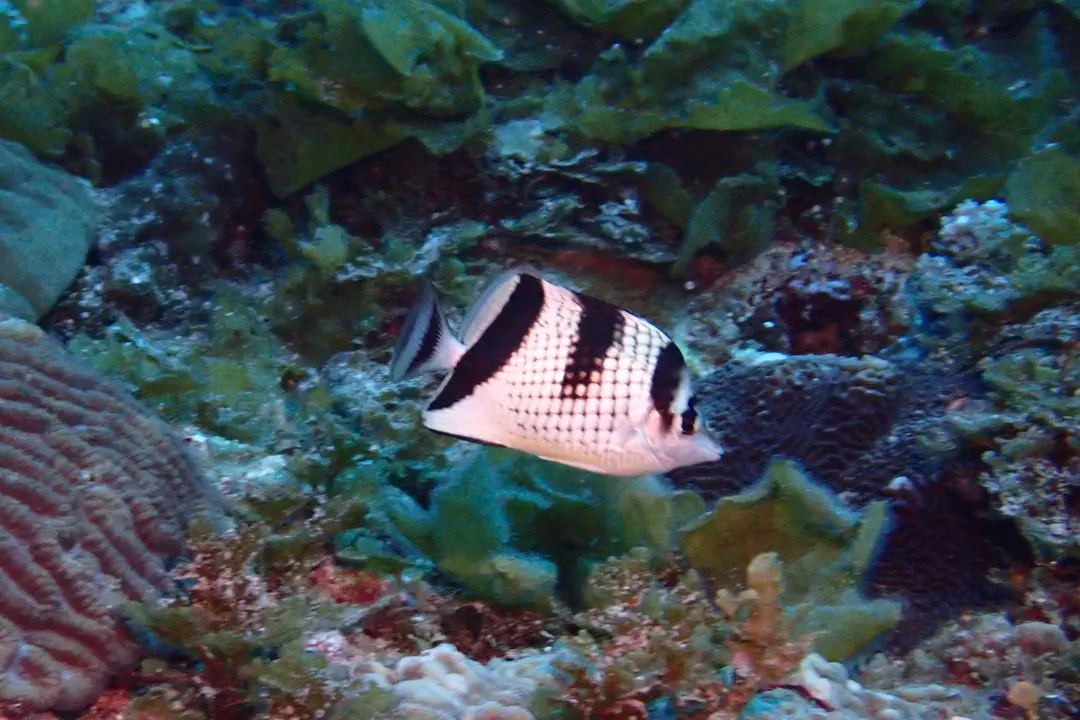
Asian Butterflyfish
Chaetodon argentatus
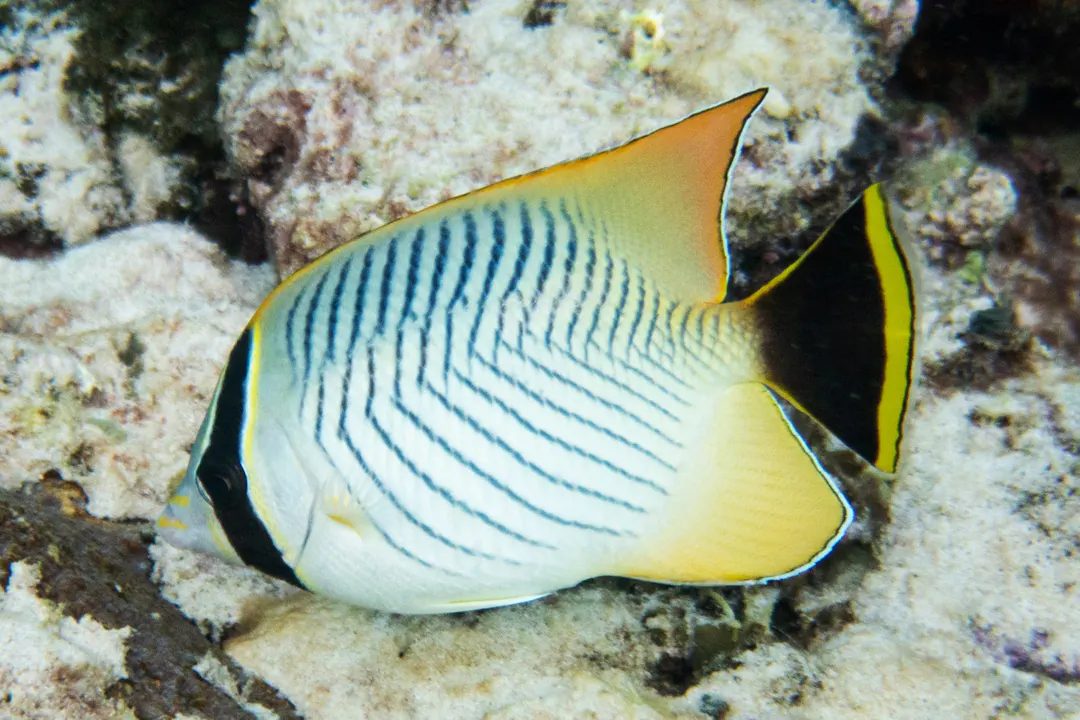
Chaetodon trifascialis
Chaetodon trifascialis is a species of butterflyfish (family Chaetodontidae) found in the Indo-Pacific from the Red Sea and East Africa to the Hawaiian and Society Islands.
Otter names: Triangulate Butterflyfish or V-lined Butterflyfish
Adults have an elongate white body with narrow chevron markings and may be up to 18 cm in length. A black bar passes through the eye. Juveniles have a mostly yellow tail and a broad black band extending from the rear of the dorsal fin to the rear of the anal fin. The tail pattern and the coloring of the posterior part of body changes dramatically with growth, with the tail entirely black with a thin yellow outline and the hind part of the body not differing in color from the areas further forward in adults.
It is found in the Indo-Pacific from the Red Sea and East Africa to Indonesia, the Philippines, Micronesia the Hawaiian Islands and French Polynesia, also South-West Japan and North-West and East Australia.
Chaetodon trifascialis is a territorial species which occurs in semi-protected seaward and shallow lagoon reefs, closely associated with tabular and staghorn (Acropora) corals, the polyps and mucus of which they eat. They occur at depths ranging from 2–30 m. Adults are either seen to swim alone or (particularly in the breeding season) in pairs, while juveniles are secretive among coral branches. They are oviparous.
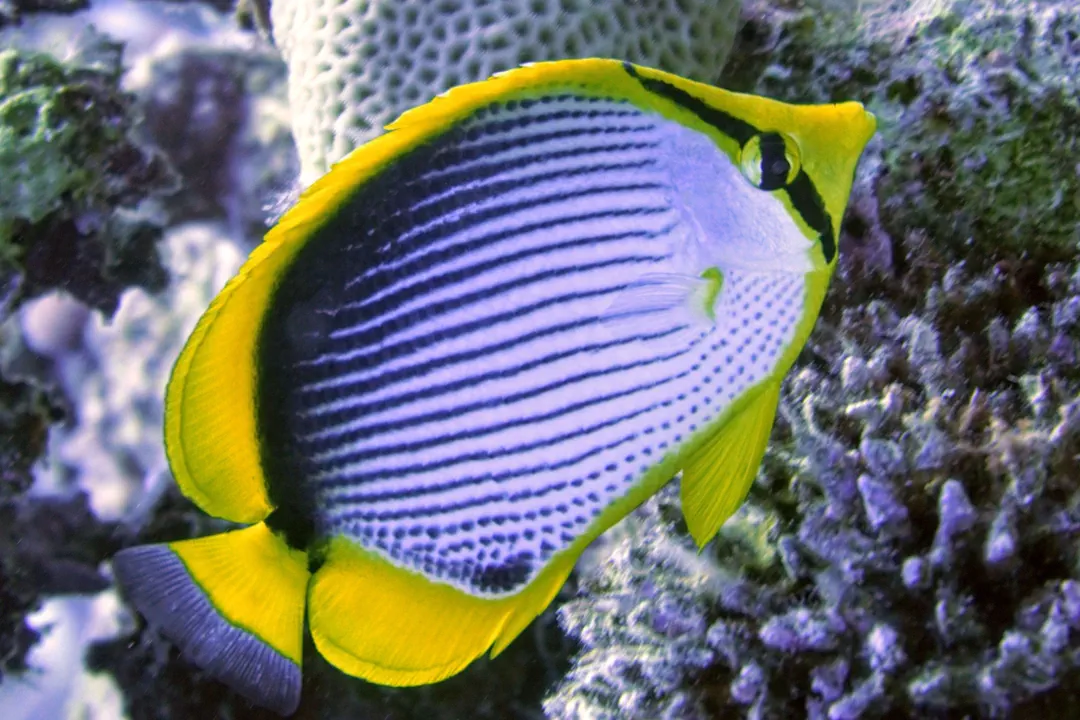
With its peculiar age-dependent color and elongated outline, this species has been placed in a monotypic subgenus Megaprotodon. Its closest living relatives seem to be the species of the subgenera Discochaetodon (e.g. Eight-banded Butterflyfish, C. octofasciatus) and Tetrachaetodon (e.g. Mirror Butterflyfish, C. speculum). These, and perhaps other subgenera, would use Megaprotodon as genus name if Chaetodon is split up.
© 呂一起(Lyu yi-chi)CC BY 4.0 · iNaturalist 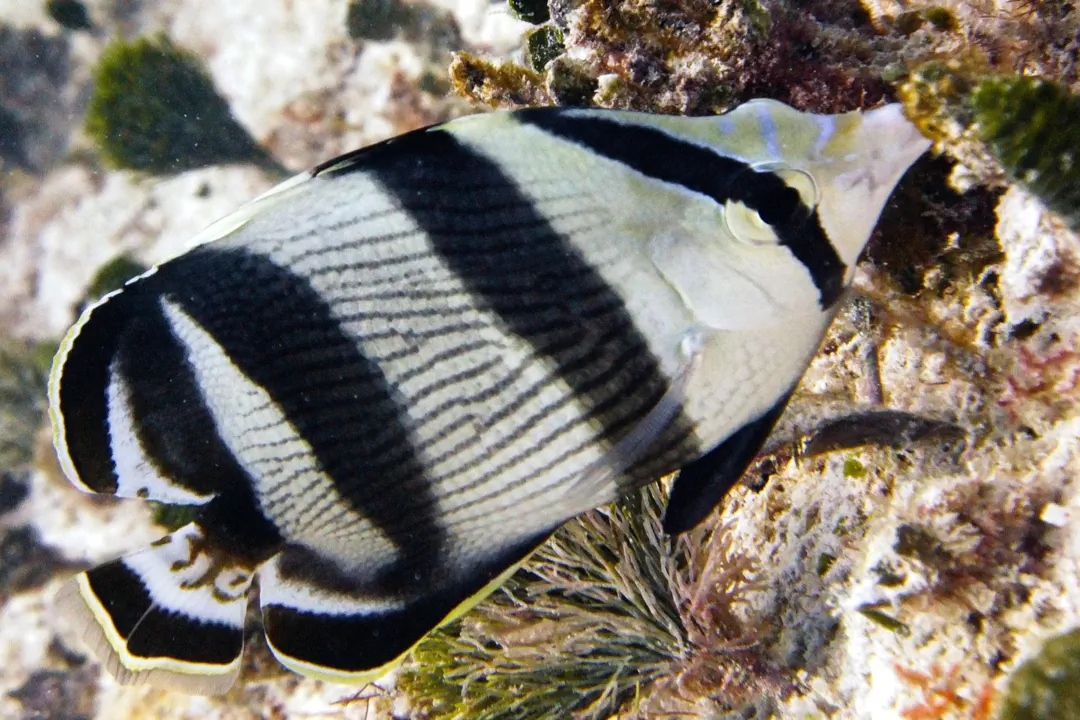 © Matteo CassellaAll rights reserved
  © Ben CostamagnaCC BY 4.0 · iNaturalist
 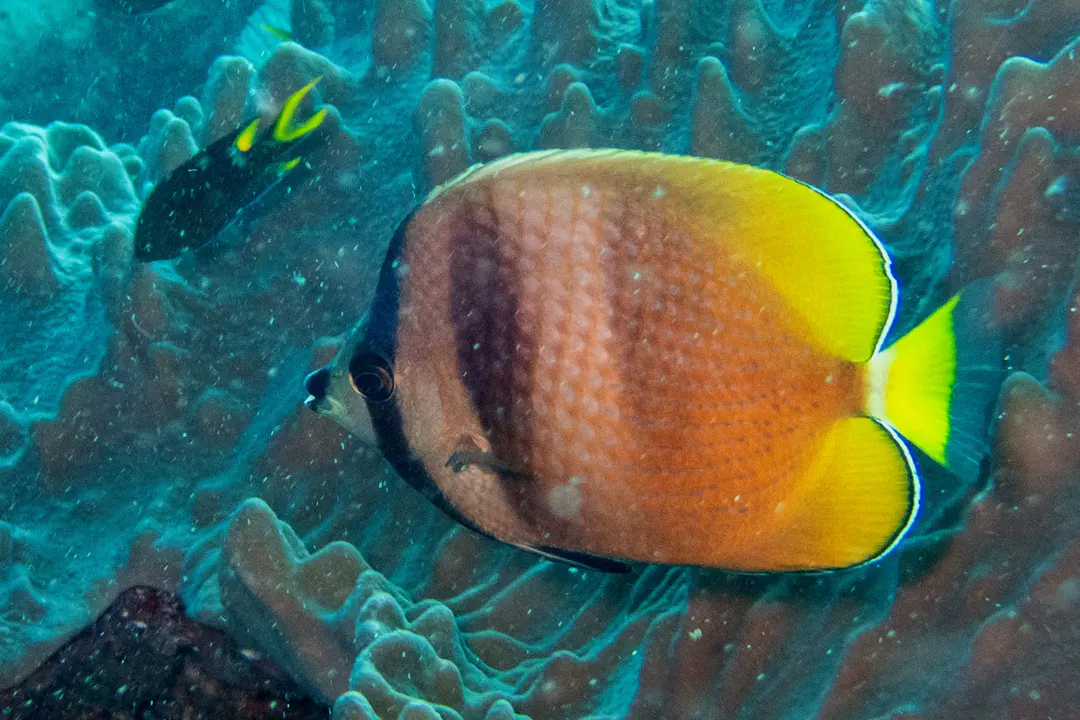 © Piotr LukasikCC BY 4.0 · iNaturalist
 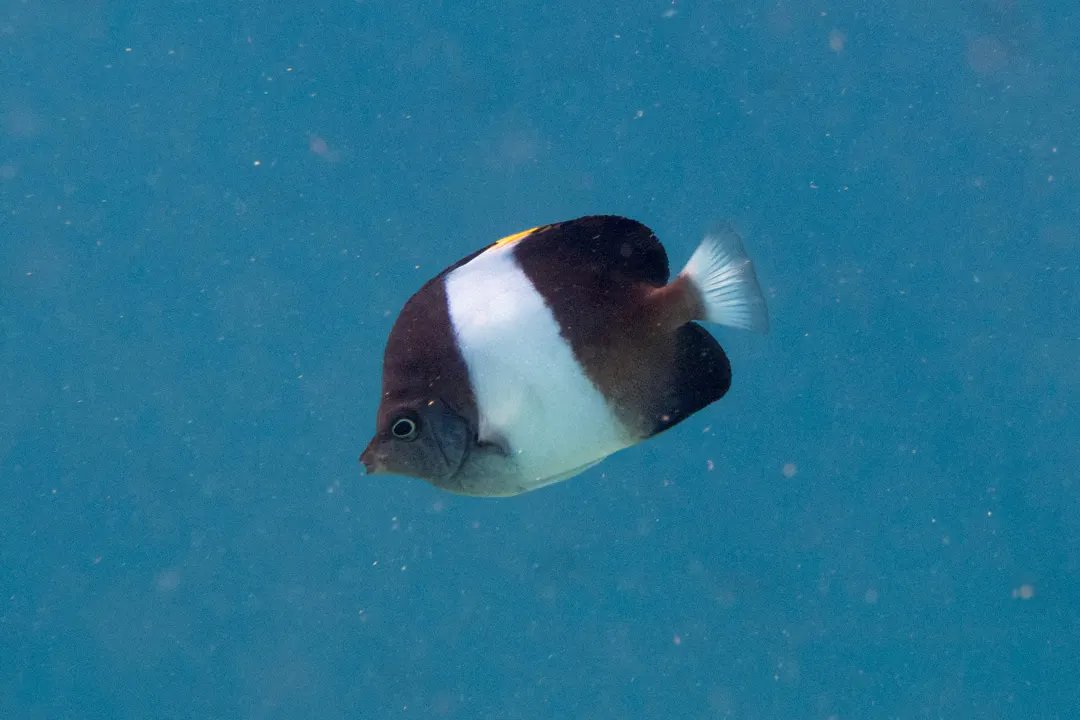 © Emanuele SantarelliCC BY-SA 4.0 · iNaturalist
 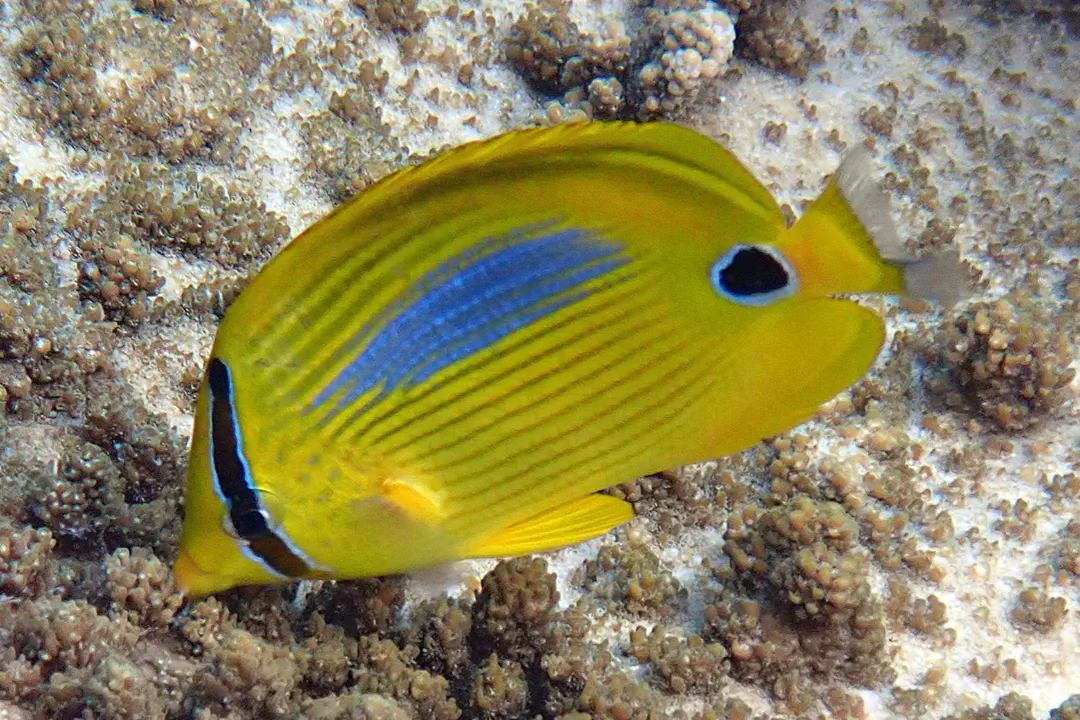 © Susan PriorCC BY 4.0 · iNaturalist
 Chevron Butterflyfish has no known danger to humans. However, always observe marine life responsibly.
Chevron Butterflyfish can be found at depths of up to 30 meters.
Download Seabook free for iOS and Android.