 © 呂一起(Lyu yi-chi)CC BY 4.0 · iNaturalist
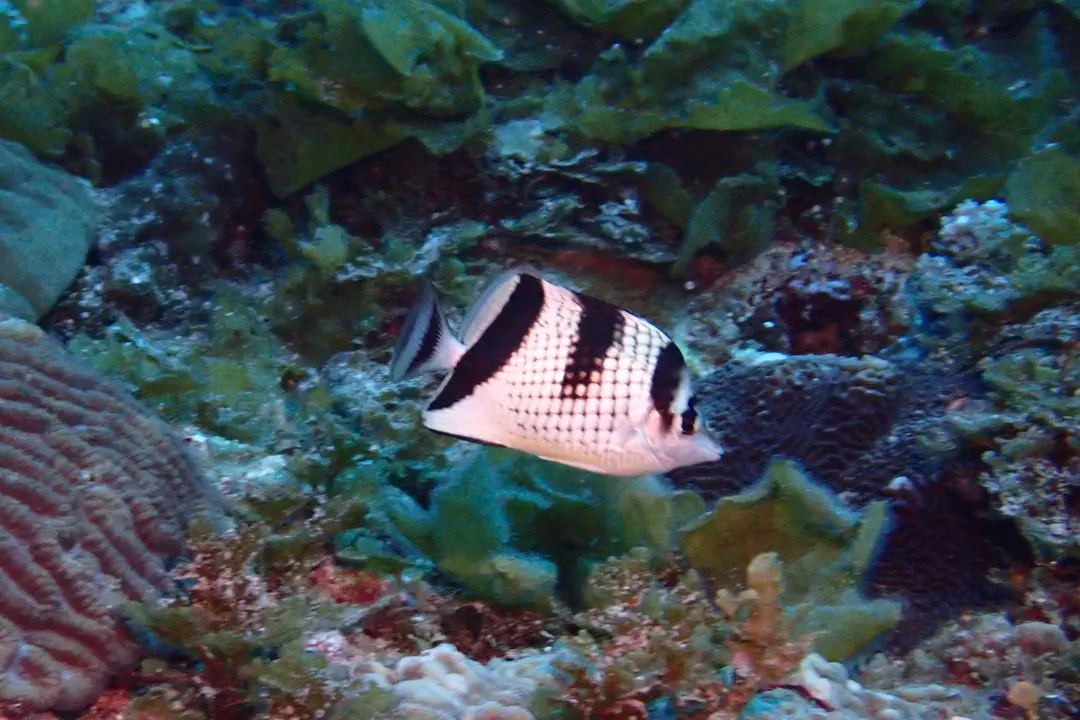
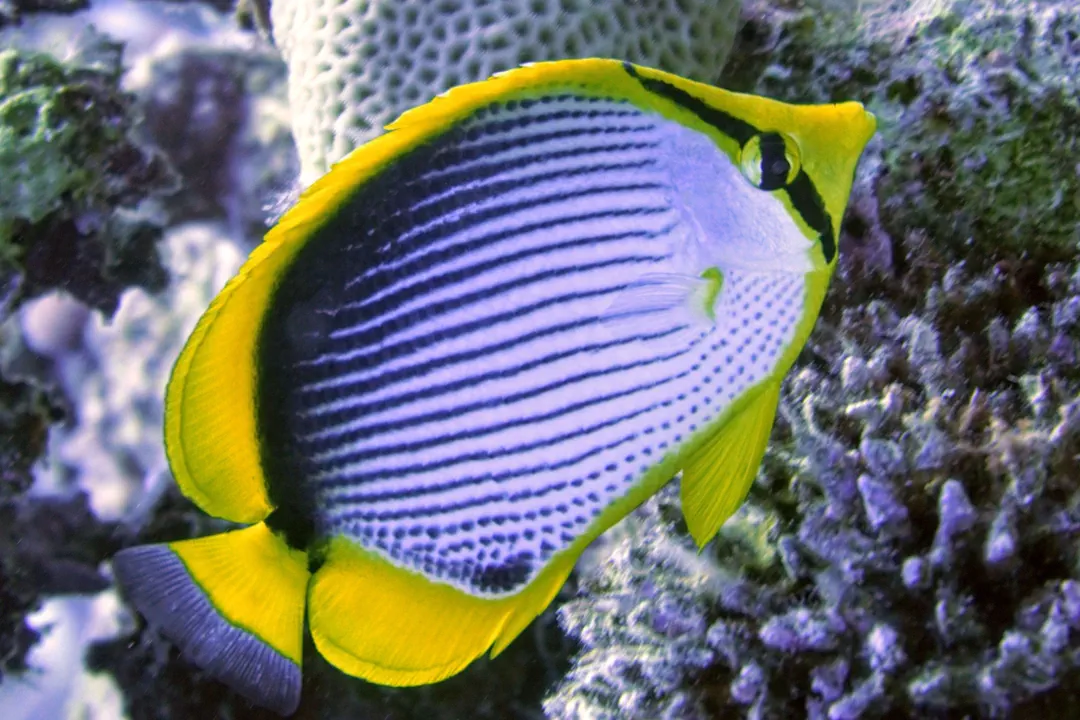
Asian Butterflyfish
Chaetodon argentatus
Forcipiger longirostris
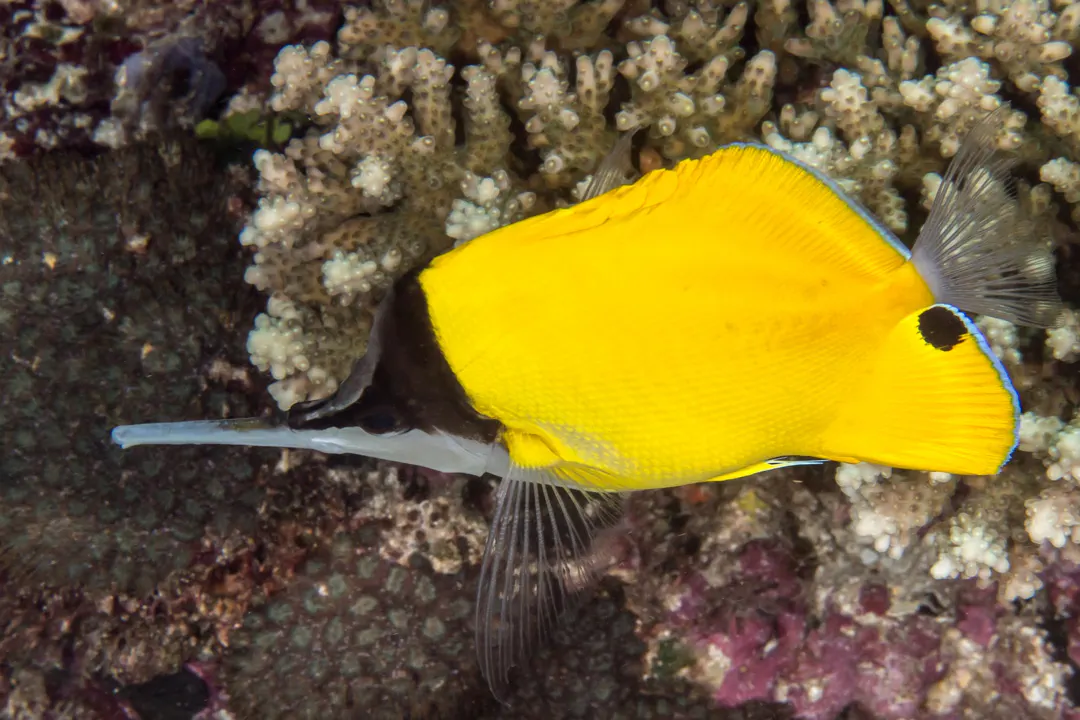
Forcipiger longirostris is a species of butterflyfish found on coral reefs throughout the tropical waters of the Indo-Pacific. Even with its distinctive, point-like long nose, the longnose butterflyfish still can easily be confused with its more common cousin F. flavissimus. Both species may be kept in aquariums.
F. longirostris has a compressed yellow body with a black triangular region on its head, and as the name implies, a long, silvery snout. Usually 10 or 11 dorsal spines, a black spot on the anal fin, and rows of small black spots on the breast are found. Sometimes dark brown instead of yellow. The fish grows to about 22 cm (8.7 in) in length. In comparison, F. flavissimus has more dorsal spines, lacks the black spots, and its operculum is more curved.
Rarely, F. longirostris can be found in an all-black form, as well, or the yellow portion may be brown.
Indo-Pacific: East Africa to the Hawaiian, Marquesan, and Pitcairn islands, north to the Bonin Islands, south to New Caledonia and the Austral Islands; throughout Micronesia.
F. longirostris is a diurnal omnivore, feeding mostly on small crustaceans, tube feet of echinoderms and sea urchins, and polychaete tentacles. Like other butterflyfish species, longnose butterflyfish mate for life.
F. longirostris, together with F. flavissimus, is known for having the longest fish name in the Hawaiian language: lauwiliwilinukunukuʻoiʻoi, or "long-snouted (sharp-beaked) fish shaped like a wiliwili leaf". It was the first Hawaiian fish to receive a scientific name, when Captain James Cook collected a specimen (this remains part of the British Museum collection).
© 呂一起(Lyu yi-chi)CC BY 4.0 · iNaturalist 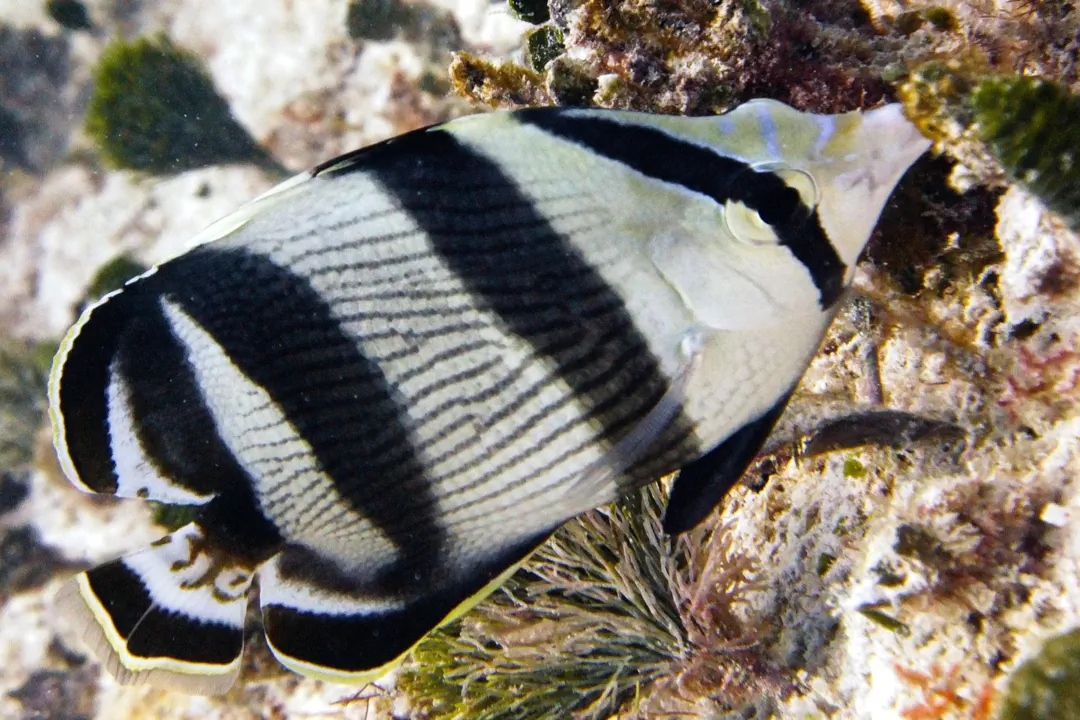 © Matteo CassellaAll rights reserved
  © Ben CostamagnaCC BY 4.0 · iNaturalist
 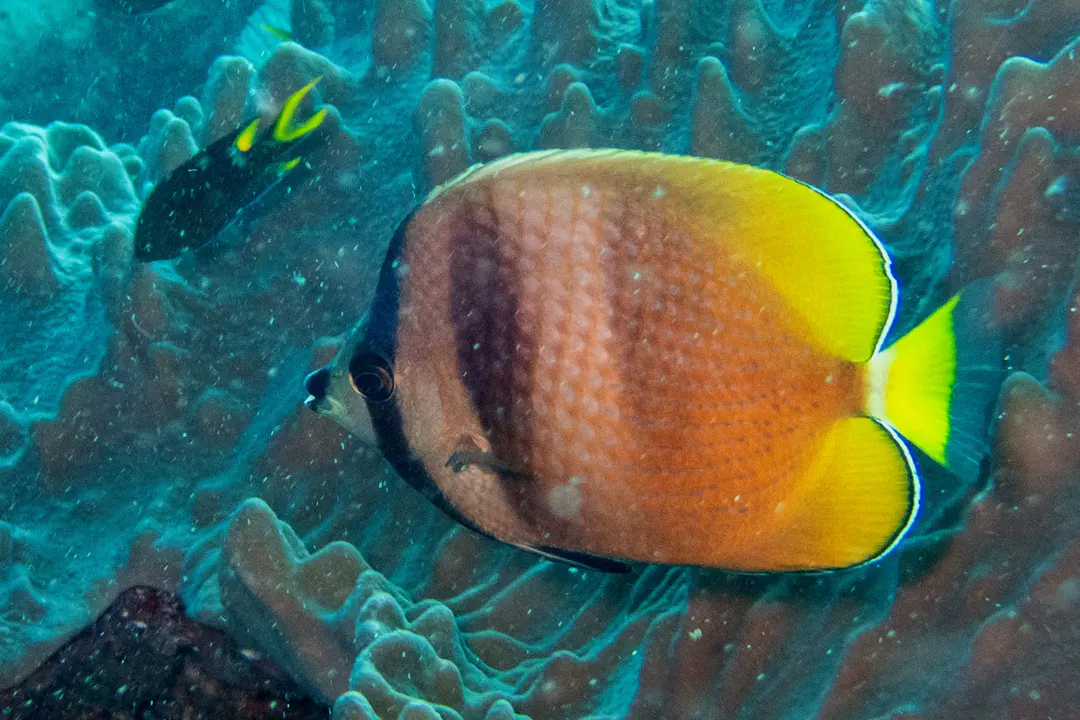 © Piotr LukasikCC BY 4.0 · iNaturalist
 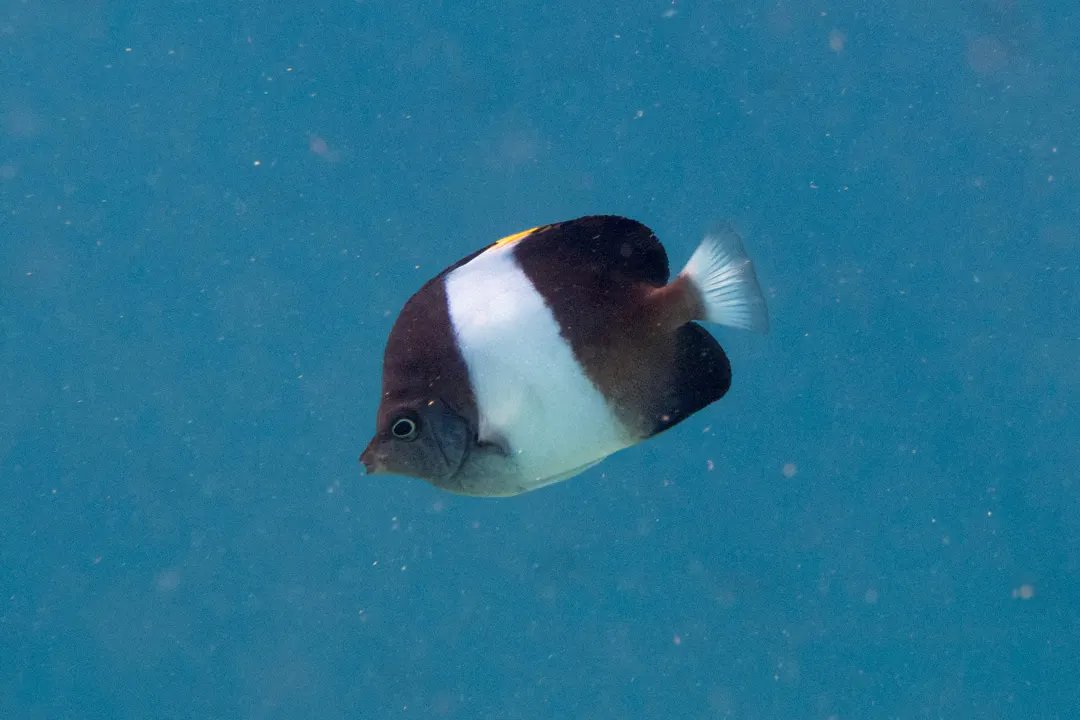 © Emanuele SantarelliCC BY-SA 4.0 · iNaturalist
 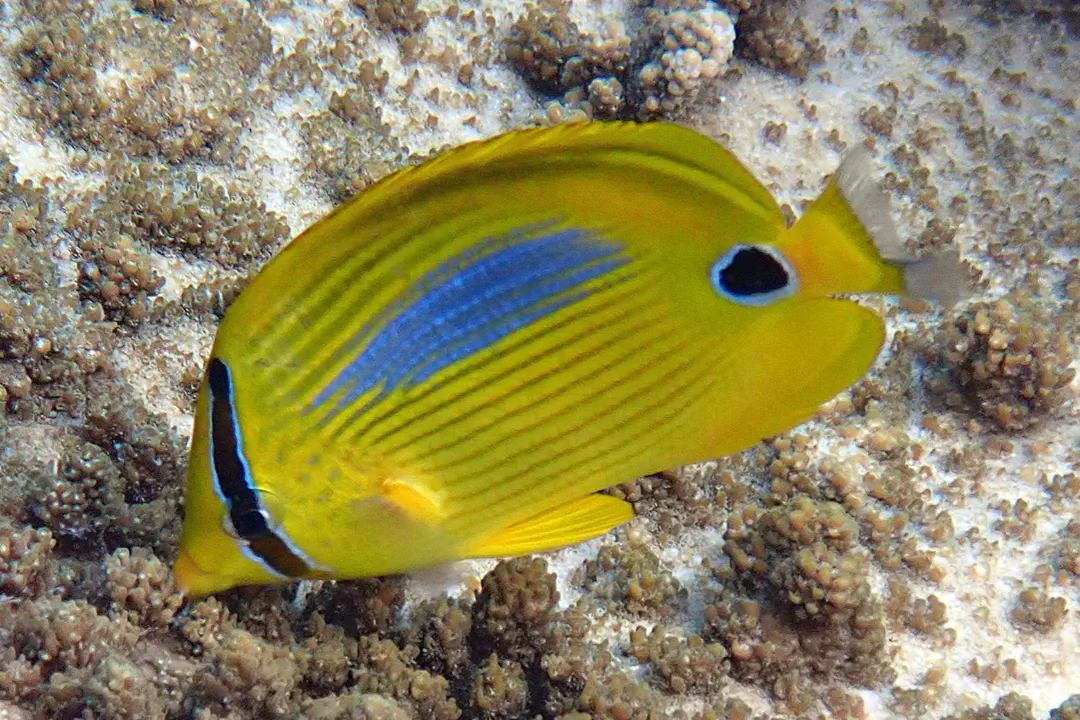 © Susan PriorCC BY 4.0 · iNaturalist
 Longnose Butterflyfish has no known danger to humans. However, always observe marine life responsibly.
Longnose Butterflyfish can be found at depths of up to 200 meters.
Download Seabook free for iOS and Android.