 © Darren ObbardCC BY 4.0 · iNaturalist
Blackeye Rabbitfish
Siganus puelloides
Siganus spinus
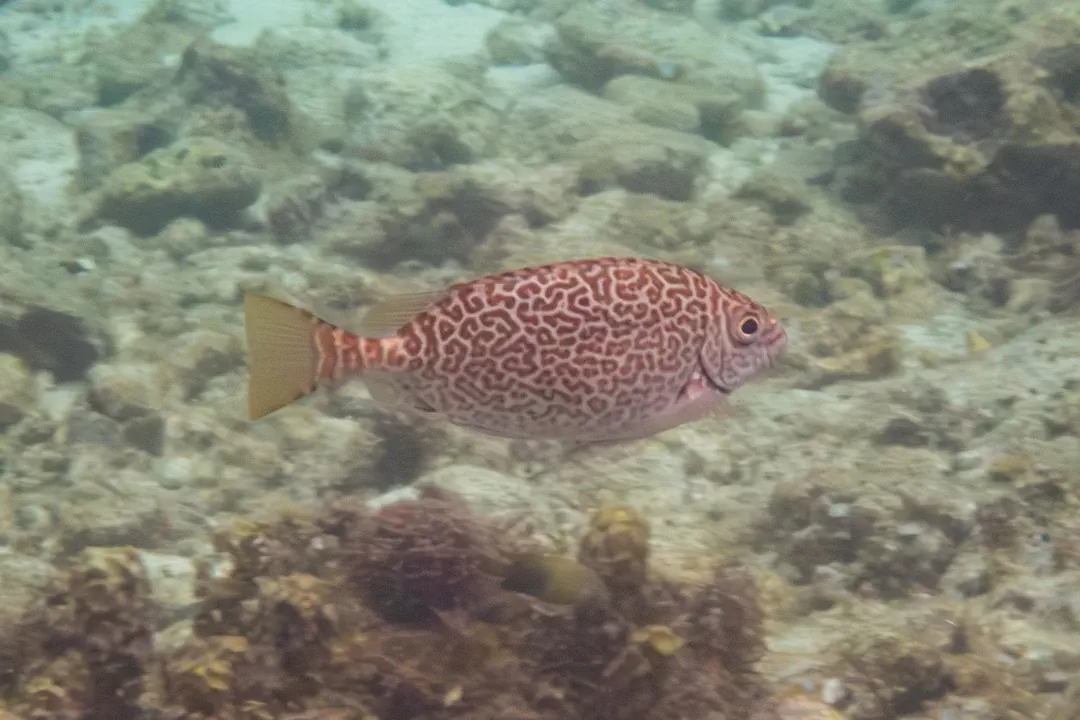
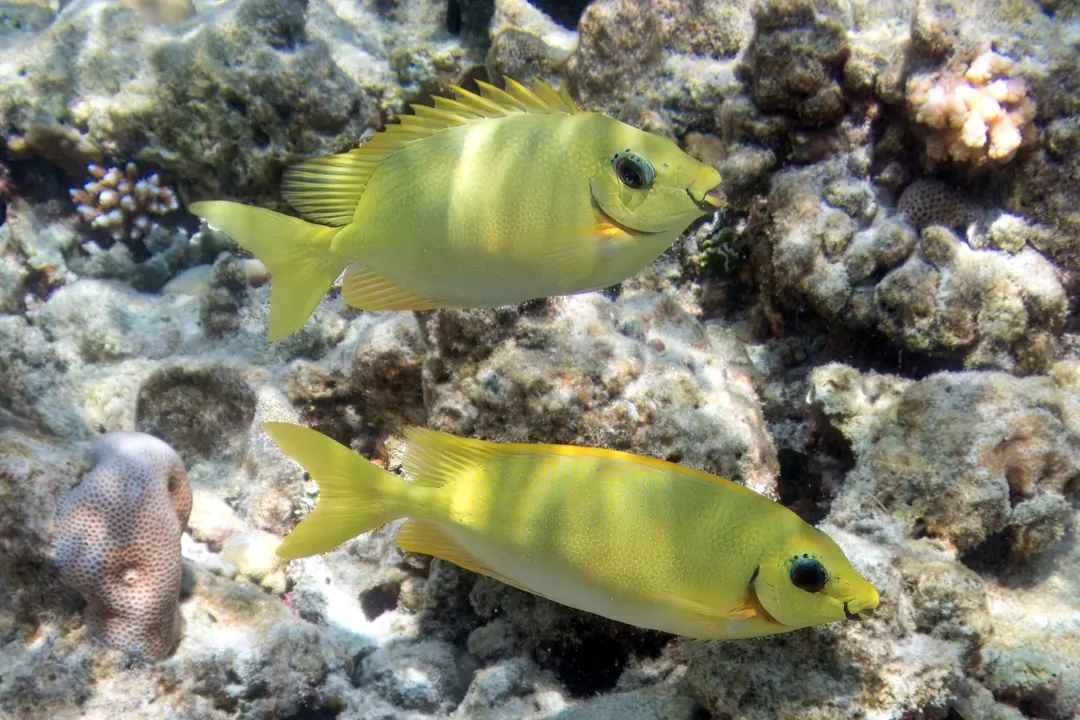
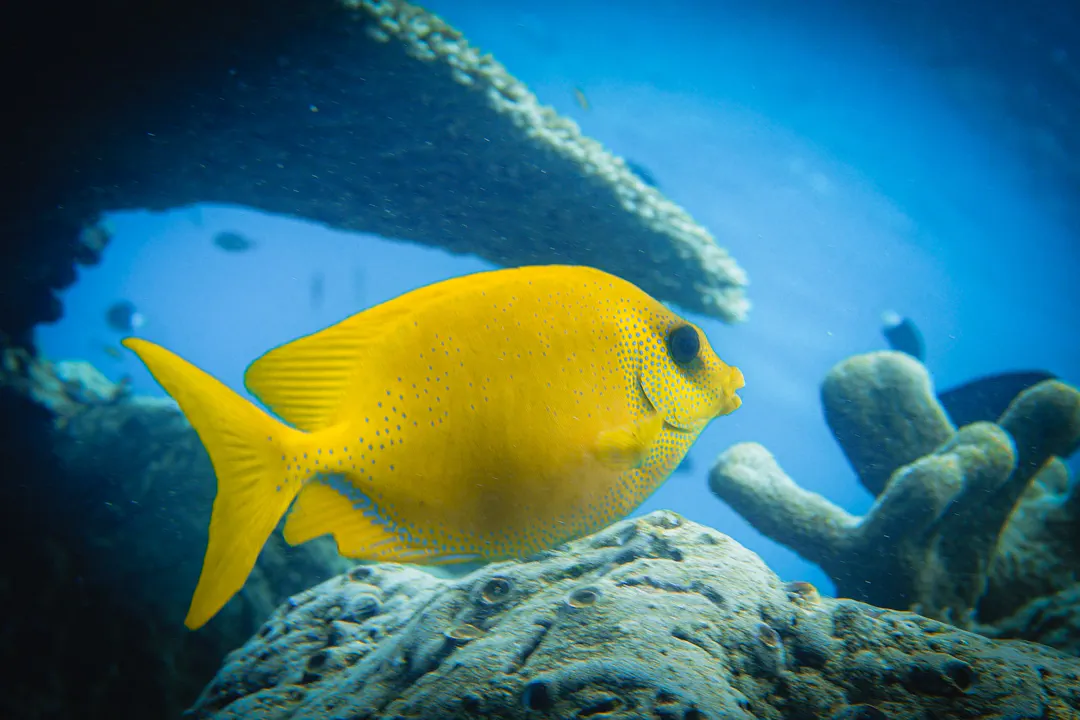
Siganus spinus is is a species of ray-finned fish in the family Siganidae.
The species can adopt a number of camouflage patterns involving off-white, pale gray to blackish, and various shades of brown. The basic pattern consists of a labyrinth of narrow bands with upper half vermiculate, the lower ones tend to meander horizontally. This pattern extends to the fins. Iris golden dissected by a chocolate cross. 4-5 irregular off-white bars on caudal peduncle. Scales fine on cheeks, densely packed over lower 2/3 of preopercular region. Midline of thorax without scales between pelvic ridges. Fin spines stout, pungent, venomous. Preopercular angle 87-100 degrees. Dorsal spines (total): 13; Dorsal soft rays (total): 10; Analspines: 7; Analsoft rays: 9; Vertebrae: 13. Max length is 28 cm, common length is 18 cm.
Indo-West Pacific: Known from India to French Polynesia; north to Japan; south to New Caledonia. Also Hawaii.
Adults inhabit shallow coral reef flats. Found in rivers. Occurs in small schools (usually less than 10 individuals). Juveniles gather in larger numbers in corals with algae-grown at their bases. Initially, they browse on fine textured, e.g. filamentous algae, switching to coarser algae with increasing size. Both adults and juveniles are diurnal feeders. Can inflict painful stings.
Ichthyoallyeinotoxism, or hallucinogenic fish inebriation, comes from eating certain species of fish found in several parts of the tropics, the effects of which are reputed to be similar in some aspects to LSD. Experiences may include vivid auditory and visual hallucinations. This has given rise to the collective common name "dream fish" for ichthyoallyeinotoxic fish.
The species most commonly claimed to be capable of producing this kind of toxicity include several species from the Kyphosus genus, including Kyphosus fuscus, K. cinerascens and K. vaigiensis. It is unclear whether the toxins are produced by the fish themselves or by marine algae in their diet, but a dietary origin may be more likely.
Sarpa salpa, a species of bream, can induce LSD-like hallucinations if it is eaten. These widely distributed coastal fish are called "the fish that make dreams" in Arabic. In 2006, two men who ate fish, apparently the Sarpa salpa caught in the Mediterranean were affected by ichthyoallyeinotoxism and experienced hallucinations lasting for several days.
Other hallucinogenic fish are Siganus spinus, called "the fish that inebriates" in Reunion Island, and Mulloides flavolineatus (formerly Mulloidichthys samoensis), called "the chief of ghosts" in Hawaii.
© Darren ObbardCC BY 4.0 · iNaturalist 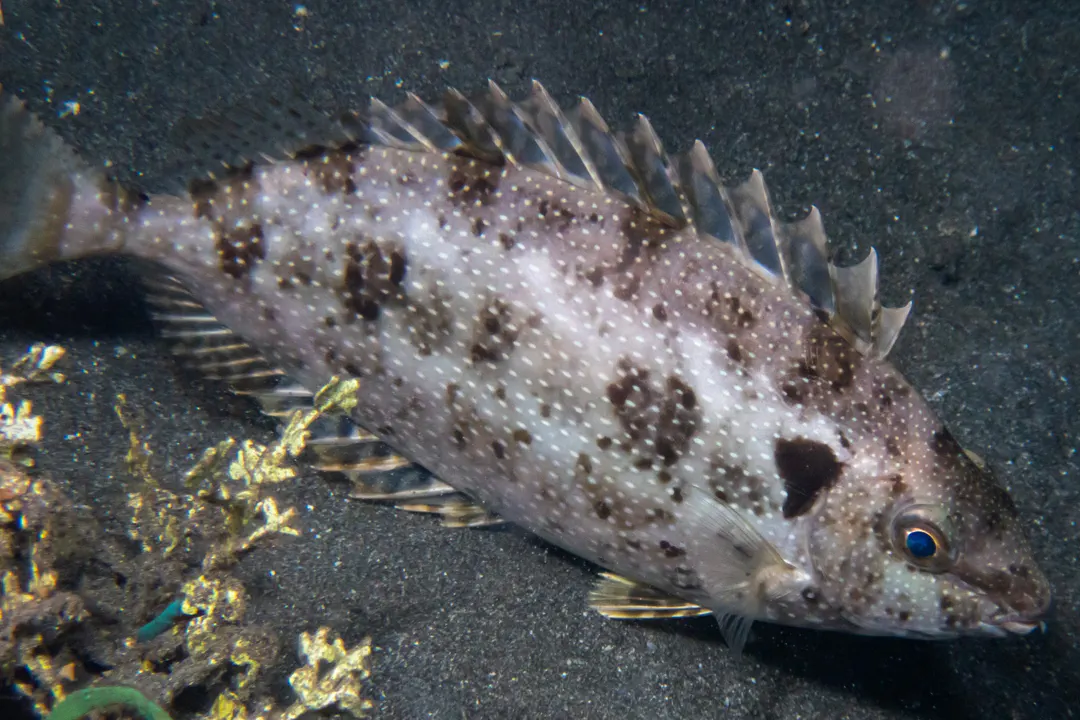 © portioidCC BY 4.0 · iNaturalist
  © Olka KuryanAll rights reserved
 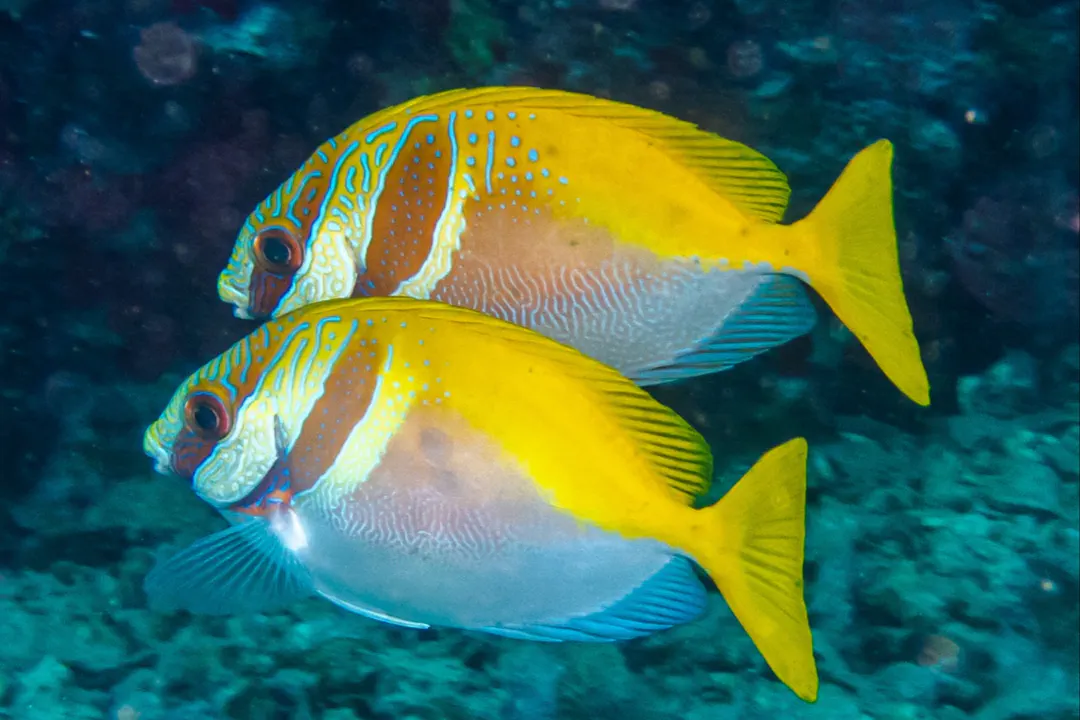 © portioidCC BY 4.0 · iNaturalist
 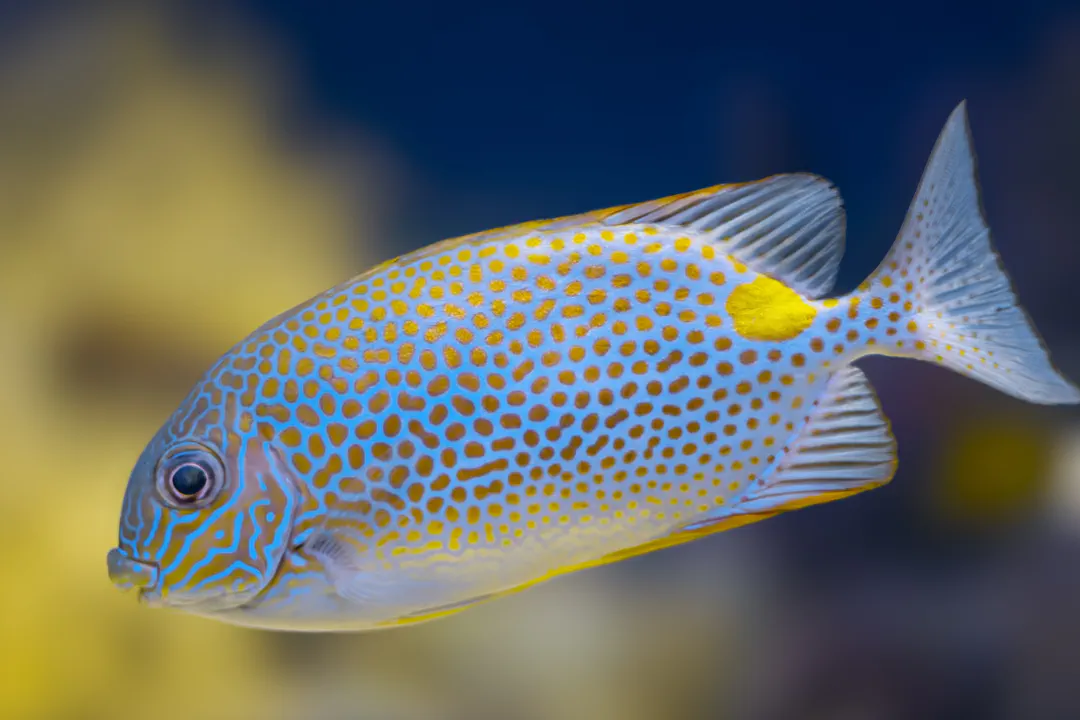 © seabook.appAll rights reserved
 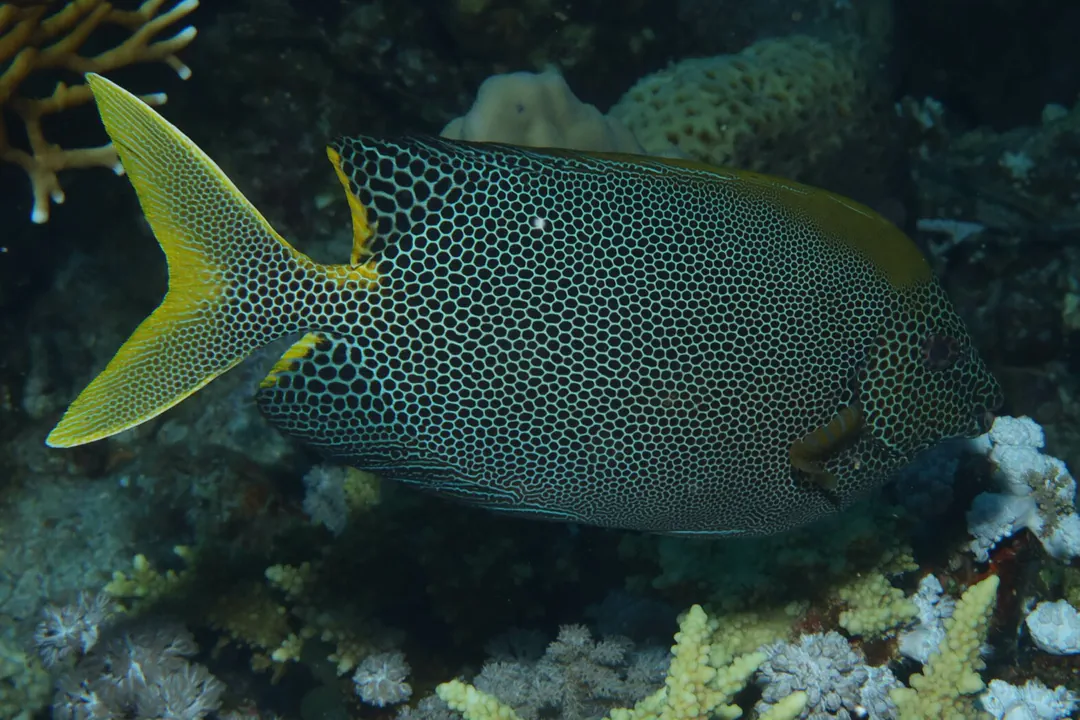 © Julien RenoultCC BY 4.0 · iNaturalist
 Scribbled Rabbitfish is classified as venomous, dangerous to humans. Always exercise caution and keep a safe distance.
Scribbled Rabbitfish can be found at depths of up to 50 meters.
Download Seabook free for iOS and Android.