 © portioidCC BY 4.0
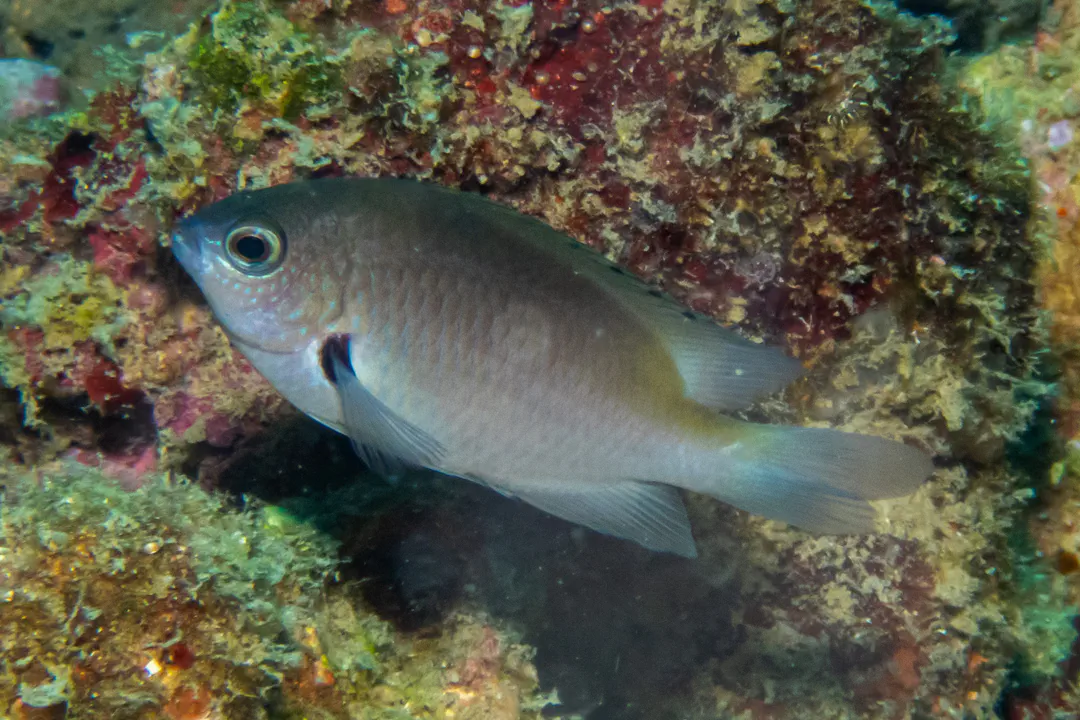
Alexander's Damsel
Pomacentrus alexanderae
Parma victoriae
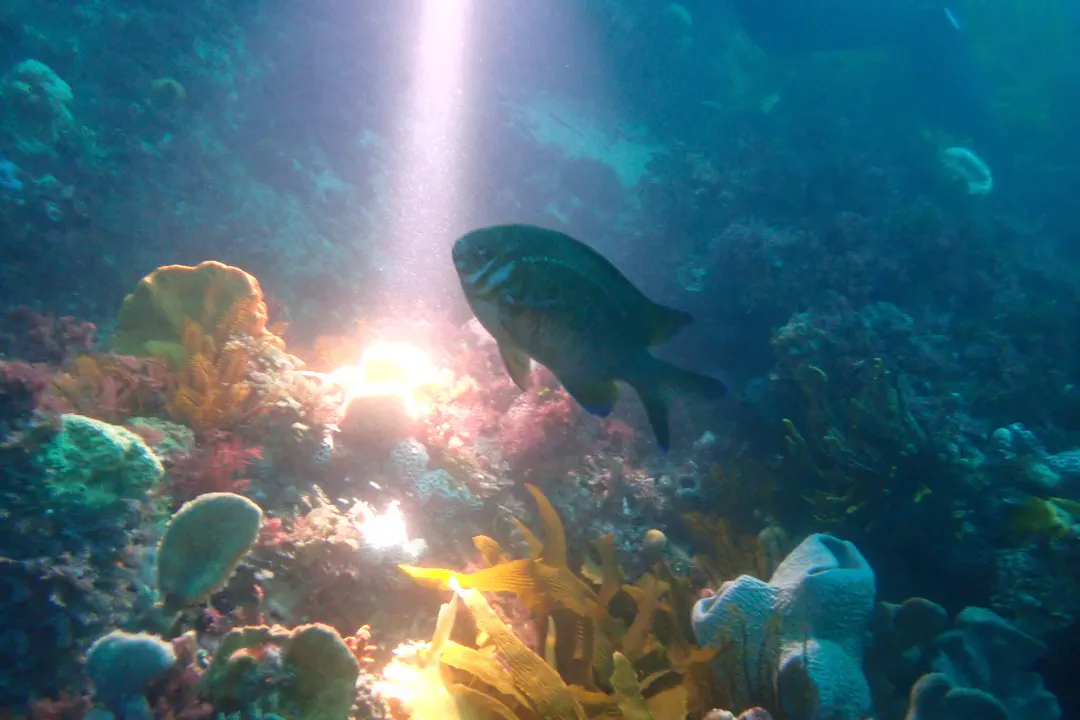
Parma victoriae, known commonly as the Victorian scalyfin, is a member of the family Pomacentridae, found in the eastern Indian Ocean, specifically in southern Australia from Dongara, Western Australia to Victoria, including Tasmania.
Albert Günther described the species in 1863. It was originally named Glyphidodon victoriae by Günther in the Annals and Magazine of Natural History. The type locality is Victoria, Australia, as specified in the original taxonomic citation. The species is currently placed in the genus Parma as Parma victoriae (Günther, 1863), with the parentheses indicating its original genus. The name victoriae is a Latin genitive meaning 'of Victoria,' referring to the type locality in Victoria, South Australia. The genus name Parma is derived from the Latin word meaning 'a small shield,' likely referring to the fish's smooth opercles compared to those of related genera. The principal documented synonym is Glyphidodon victoriae Günther, 1863, and Actinochromis victoriae was also used as a subsequent generic combination.
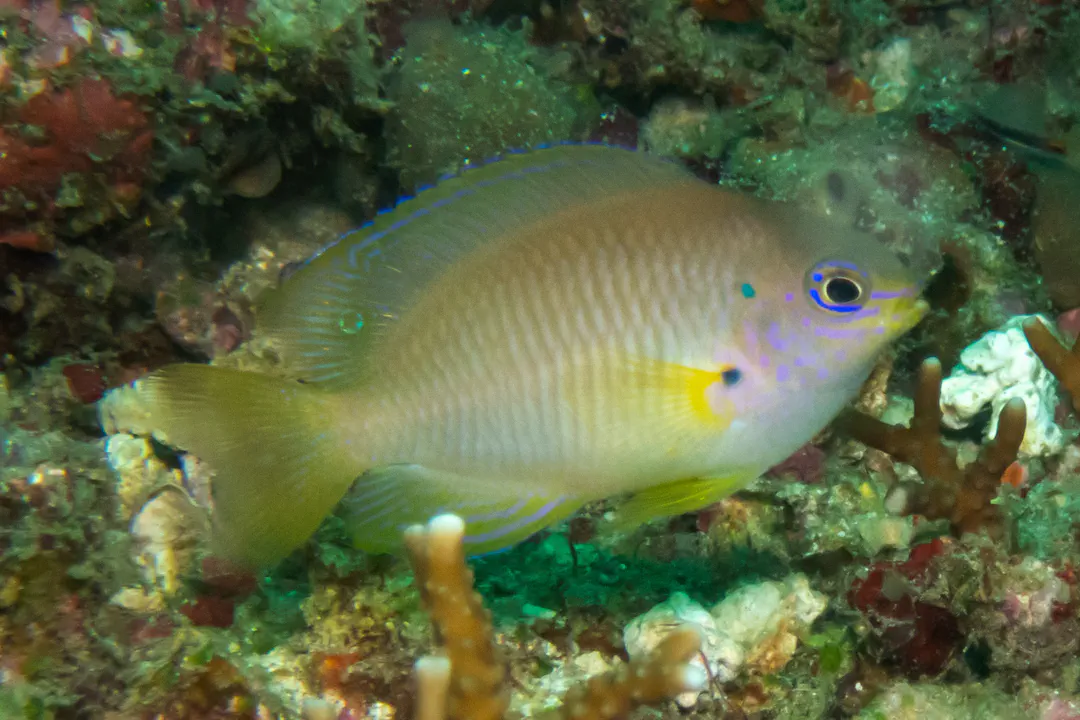
The Victorian scalyfin has a deep-bodied, robust, and oval shape, featuring large scales and a small mouth. It possesses one long-based dorsal fin, with scaly sheaths at the bases of the dorsal and anal fins. Adult coloration is variable, typically appearing dark grey, blackish, brownish, or rusty-yellow, often with blue fin tips or margins and a dusky head. Pale spots are commonly found along the sides of adults, along with pale grey crescent-like markings beneath the eye and on the gill cover. Juveniles are bright orange, adorned with electric or neon-blue lines and spots, and feature a conspicuous black, blue-ringed ocellus toward the rear of the dorsal fin. Adults can be distinguished from similar species by their relatively plain, dark-to-rusty body, blue fin tips, and pale crescent markings under the eye and on the operculum. The Victorian scalyfin is generally smaller than other common southern Australian scalyfins, particularly P. mccullochi and P. occidentalis, although size alone is not diagnostic. Identification of juveniles can be challenging due to shared characteristics with juveniles of several Parma species, necessitating confirmation through locality and taxonomic characters rather than relying solely on color.
The Victorian scalyfin is primarily found in shallow coastal and inshore reef habitats, including sheltered and exposed rocky reefs in bays, harbours, estuaries, and tide pools. Adults are associated with rocky reef surfaces, including vertical rock faces and boulders. The species prefers hard rocky substrates, often with benthic algae, and may also occur near reef edges adjacent to soft seabed and seagrass beds. Juveniles can utilize sheltered seagrass habitats. The depth range of the Victorian scalyfin is reported to be approximately 3 to 35 meters, with some surveys indicating it can occur in depths of 0 to 25 meters or 1 to 30 meters depending on locality. Its geographic distribution is centered on southern Australian coastal waters, extending from approximately Dongara and the Perth region of Western Australia eastward along the southern coast to Victoria, including Tasmania.
The Victorian scalyfin is a territorial, predominantly daytime reef fish that forages and defends an algal territory during daylight hours. Reliable species-specific evidence for regular nocturnal activity is limited; it likely shelters in or near its home cave at night. Adults of the species are generally territorial and commonly occur as breeding pairs, with males and females defending algal plots. Spawning of the Victorian scalyfin is reported mainly from November to January, with eggs attached to algae on vertical rock surfaces or in crevices. The male guards the nest, aerates the eggs, and becomes especially territorial during the incubation period, which lasts less than 10 days. The species may approach, charge, or strike divers that enter its territory, particularly near an occupied nest, as a defensive territorial behaviour. The Victorian scalyfin cultivates and grazes algae within a defended territory, with territory size varying according to habitat and neighbouring fish.
The Victorian scalyfin is primarily an algal grazer, feeding mainly on benthic red and green algae, with documented preferences for red algae such as Champia and Rhodoglossum. It may also consume some benthic invertebrates, leading to its classification as either herbivorous or omnivorous. The species feeds by repeatedly grazing algae from the seabed within a defended territory, where pairs maintain and protect small 'gardens' or patches of preferred algae. Feeding is selective and depends partly on the availability of algae in the territory.
The Victorian scalyfin is not commercially fished, and its commercial importance is listed as 'No.' There is no substantial aquarium trade documented for Parma victoriae, and it should not be confused with other Parma species. The edibility of the Victorian scalyfin is not well documented, and it is not identified as a food fish or commercially marketed species. No recognized venom, toxin, or aggressive threat to humans is reported for the Victorian scalyfin, making it a small, non-dangerous reef fish. The Victorian scalyfin is assessed as Least Concern on the IUCN Red List and is not listed under CITES, Australia’s EPBC Act, or Victoria’s FFG threatened list.
© portioidCC BY 4.0 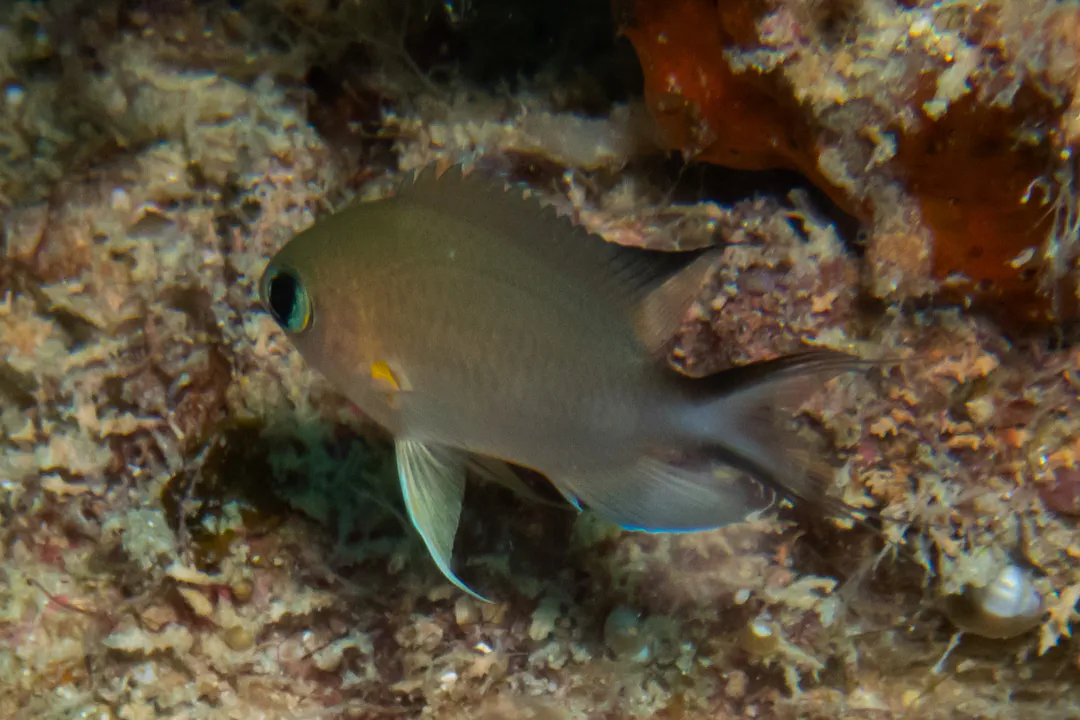 © portioidCC BY 4.0
  © portioidCC BY 4.0 · iNaturalist
 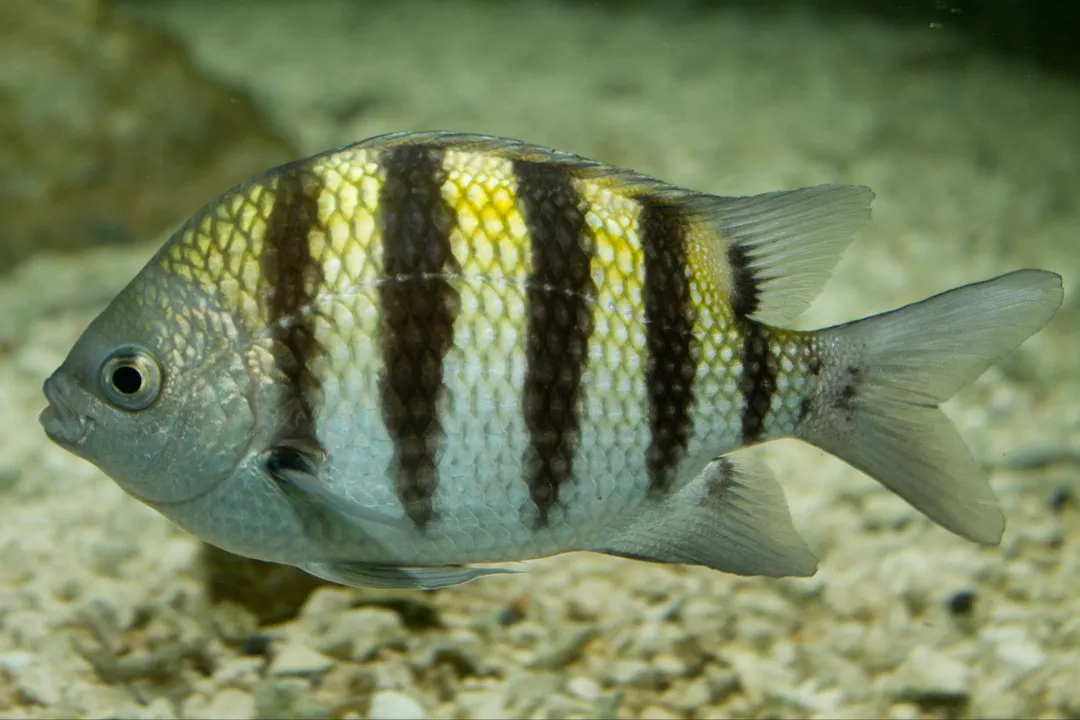 © Brian GratwickeCC BY 4.0 · iNaturalist
 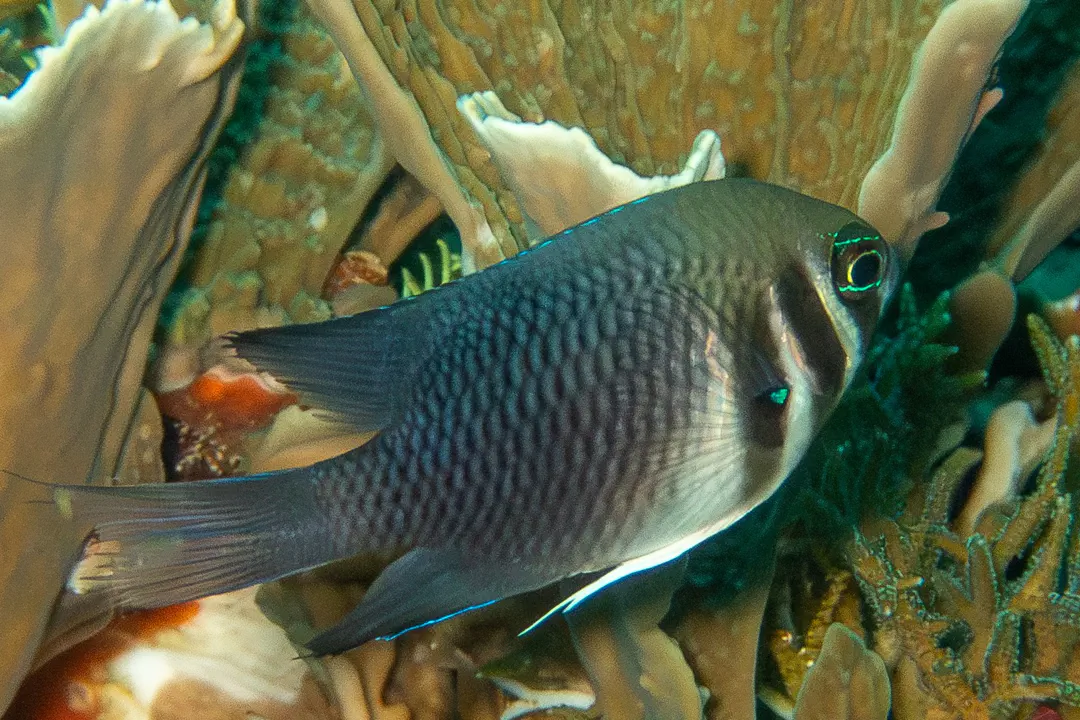 © Piotr LukasikCC BY 4.0 · iNaturalist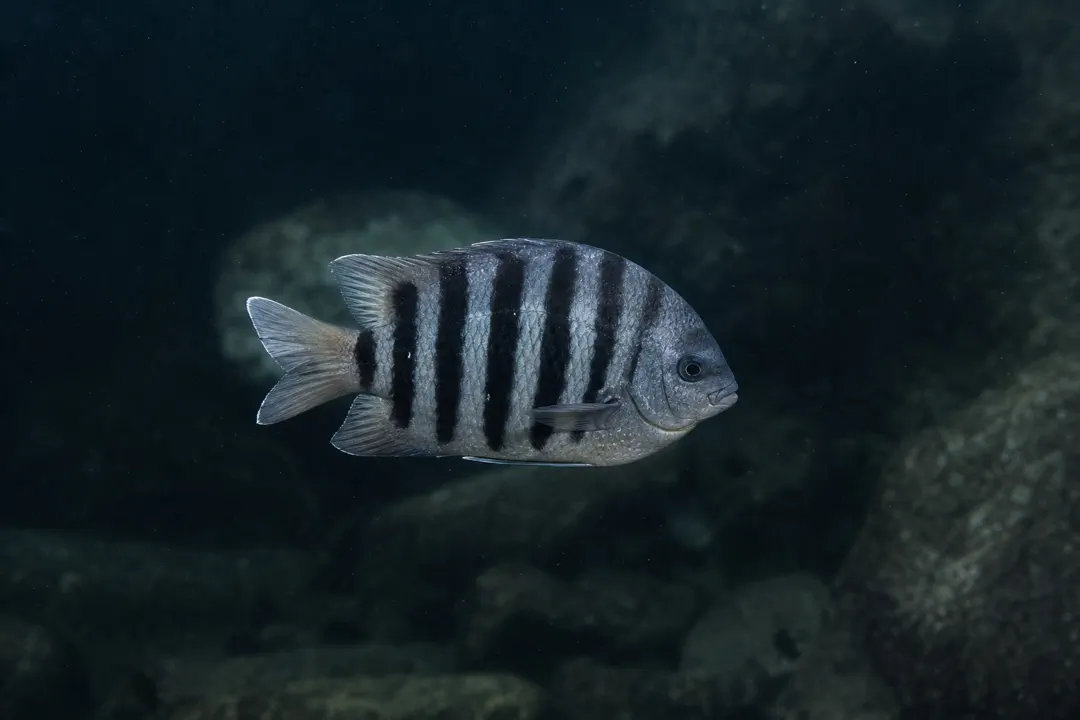
Scalyfin has no known danger to humans. However, always observe marine life responsibly.
Scalyfin can be found at depths of up to 35 meters.
Download Seabook free for iOS and Android.