 © Roger RittmasterCC BY 4.0
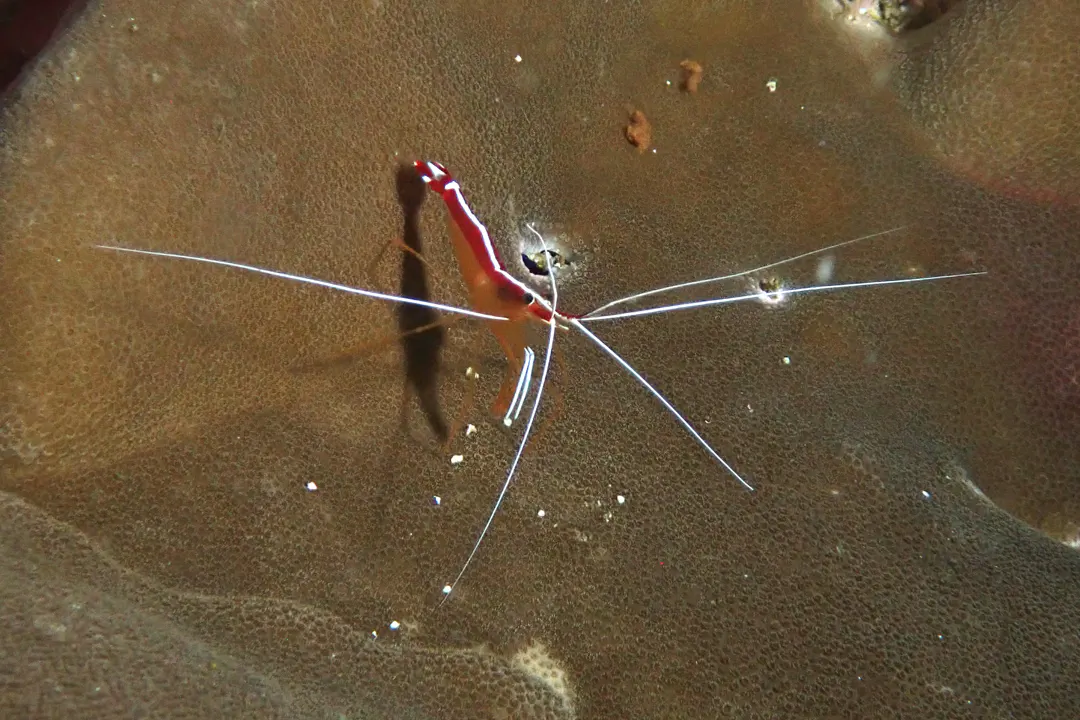
Ambon Cleaner Shrimp
Lysmata amboinensis
Neostylodactylus litoralis
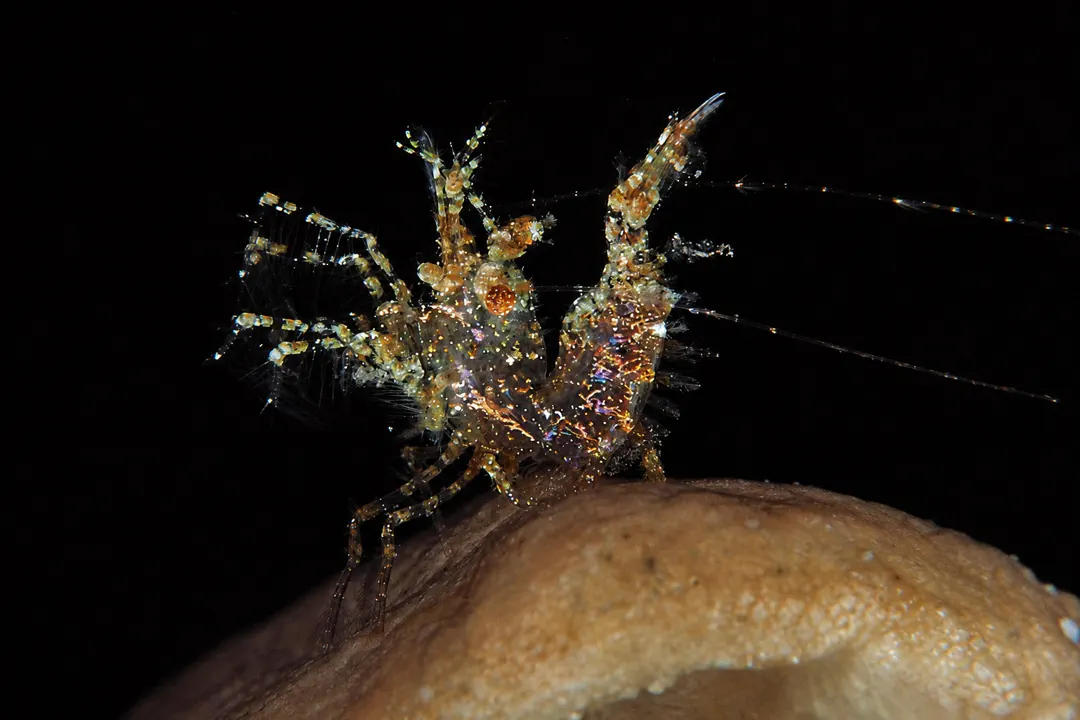
Neostylodactylus litoralis is a shrimp species from the Stylodactylidae family.
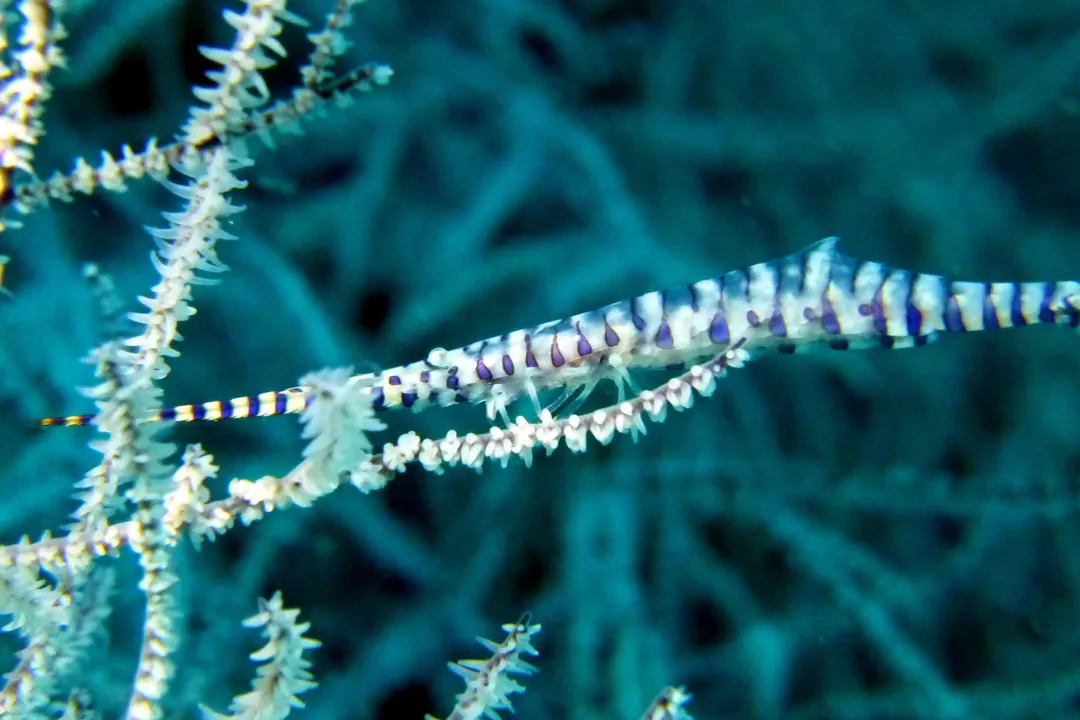
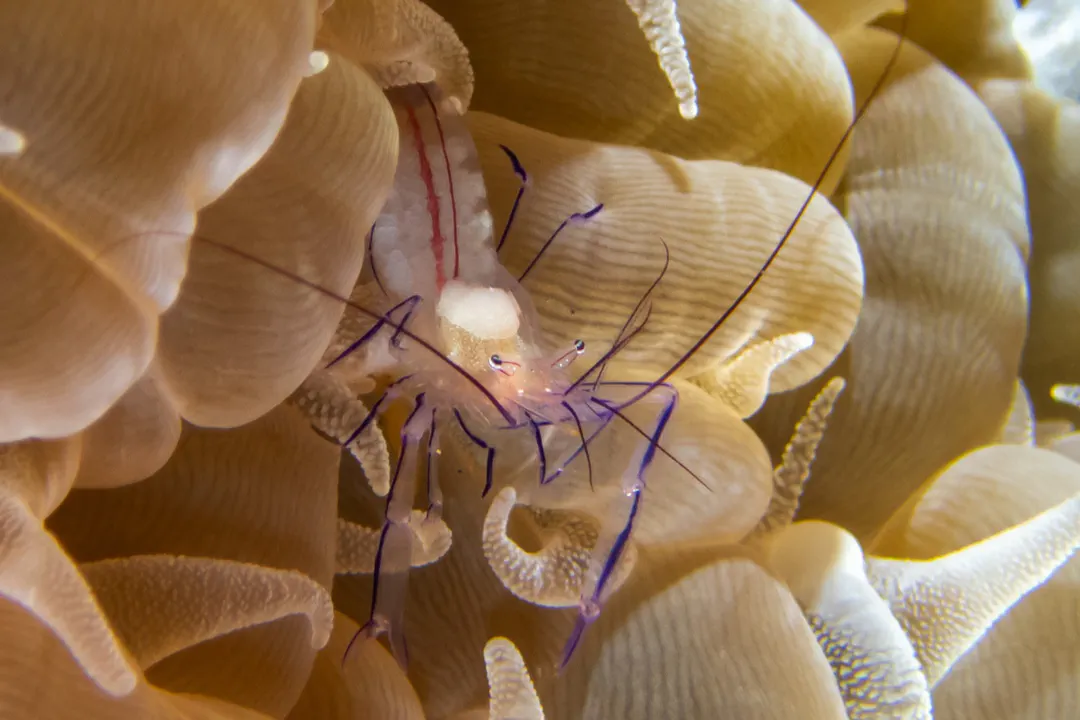
Coloration is variable. Carapace and abdominal somites reddish-violet, posterolateral part of carapace and dorsolateral parts of the first to fourth somites darker than other parts, covered with numerous fine red spots. Antennular peduncle transparent-reddish, flagella transparent-whitish. Scaphocerite transparent, antennal basicerite reddish-violet. Telson, third maxilliped, anterior two pereipopods and uropods transparent. Ambulatory pereiopods with coxae and basis reddish-violet with numerous red spots; meri, carpi, propodi and dactyli transparent. Pleopods transparent.
Carapace smooth, glabrous; supraorbital spine acute, continuous with feeble postorbital ridge; postorbital region slightly concave; infraorbital margin anteriorly produced in triangular process, distinctly overreaching tip of antennal spine; hepatic depression indistinct; antennal spine submarginal, directed anteriorly; pterygostomian angle armed with spine. Rostrum straight, slightly descending, 0.71-0.79 times as long as carapace; dorsal margin armed with 6-12 articulated teeth, 3-9 teeth anterior to level of postorbital margin, more or less equidistant, interspace with simple long plumose setae, 1 tooth just above level of postorbital margin; dorsal carina with 2 teeth posterior to level of postorbital margin, and with 2 or 3 robust plumose setae; ventral margin armed with 1-3 articulated teeth. Eye with lightly pigmented cornea, and plumose setae, without ocellus; corneal diameter 0.21-0.29 times as long as carapace; stalk slender.
The non-produced posterior margin of the telson and the unarmed meri of the ambulatory pereiopods readily distinguish N. litoralis from all other congenerics. In other congeneric species, the posterior margin of the telson is acutely produced mesially, and the meri of ambulatory pereiopods are each armed with one or more lateral spines. The long mesialmost pair of spines on the posterior margin of the telson is also a characteristic of this species.
It feeds on zooplankton.
Southern Japan.
© Roger RittmasterCC BY 4.0  © Stas KuryanAll rights reserved
  Chris SpainCC0 · iNaturalist
  © Kai SquiresAll rights reserved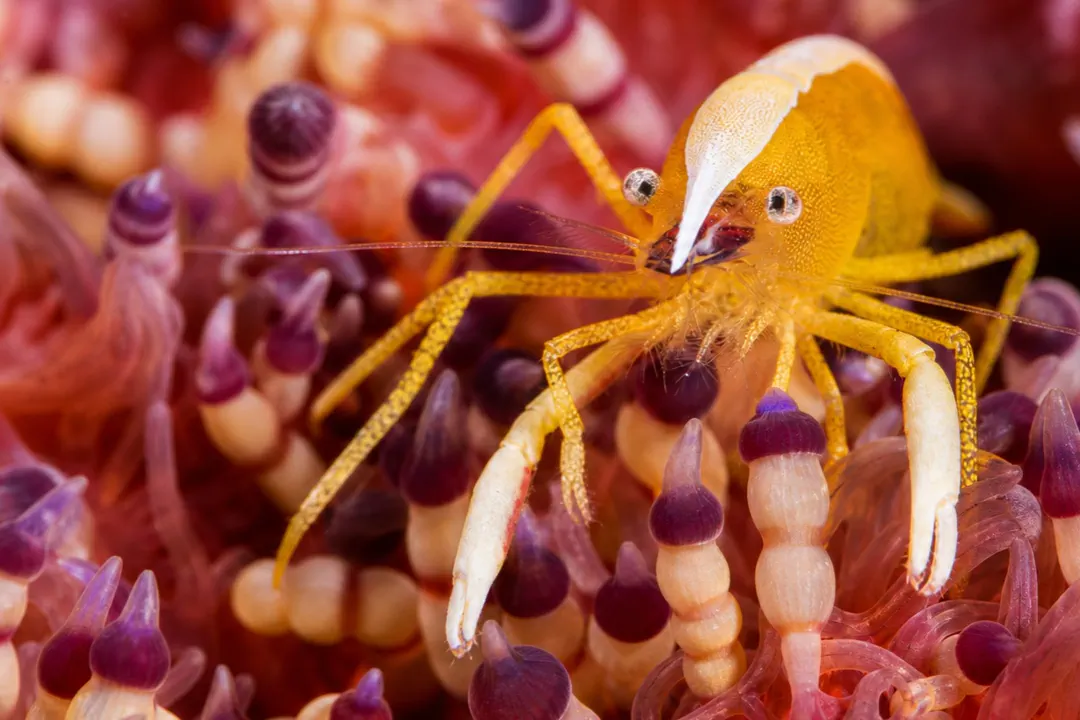
 © portioidCC BY 4.0 · iNaturalist
 Inshore Hairy Shrimp has no known danger to humans. However, always observe marine life responsibly.
Inshore Hairy Shrimp can be found at depths of up to 100 meters.
Download Seabook free for iOS and Android.