 © Stas KuryanAll rights reserved
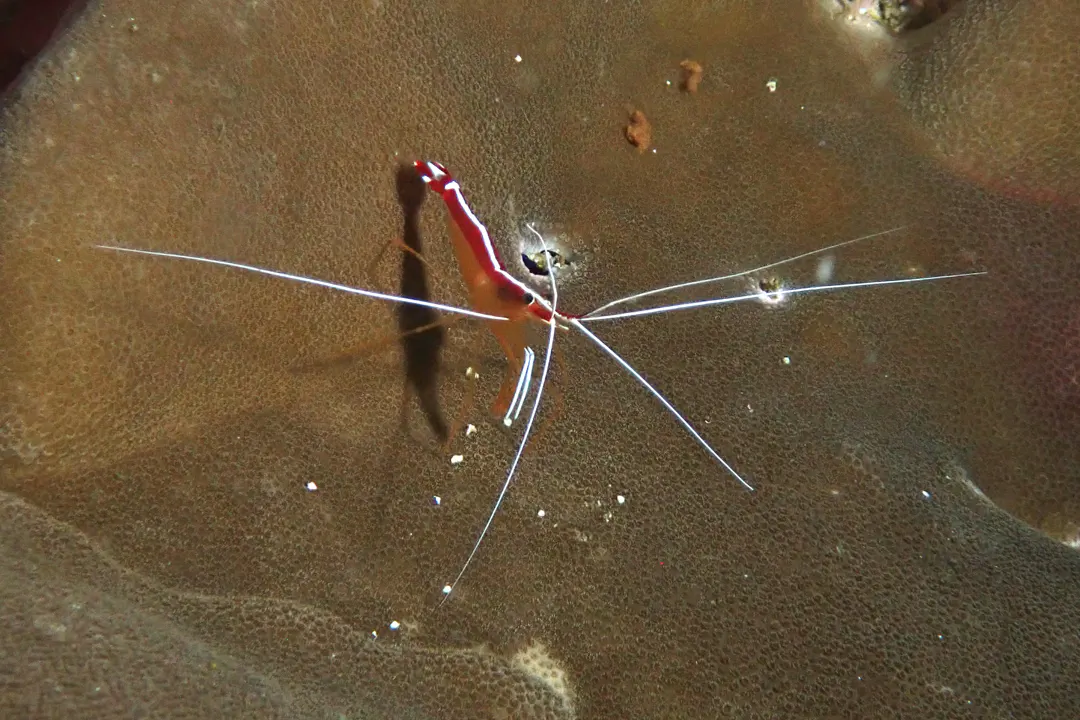
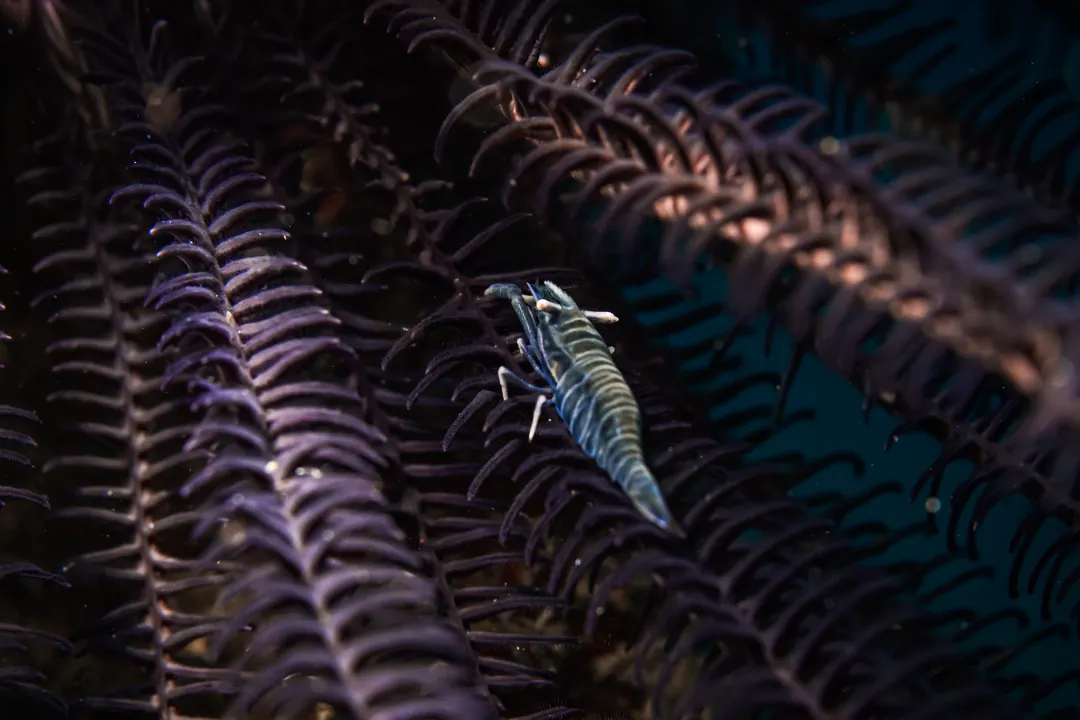
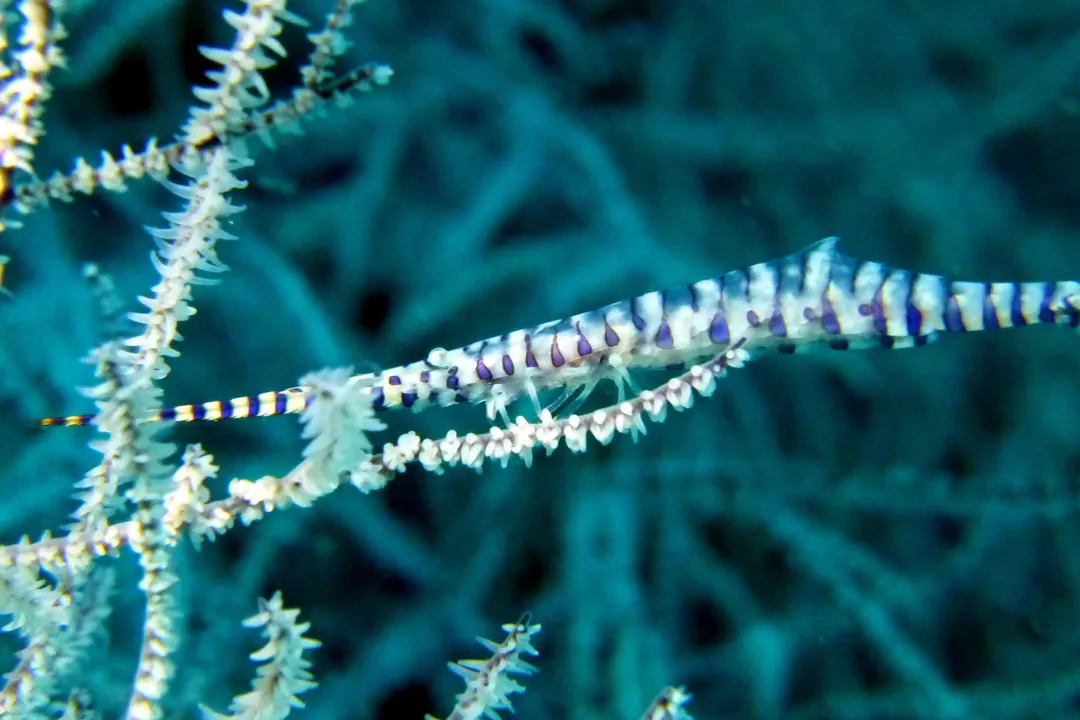
Ambon Crinoid Shrimp
Laomenes amboinensis
Lysmata amboinensis
Lysmata amboinensis is an omnivorous shrimp species, which will generally scavenge and eat parasites and dead tissue. L. amboinensis is naturally part of the reef ecosystem, and is widespread in the Red Sea and tropical Indo-Pacific.
Lysmata amboinesis hatches from eggs and goes through an incomplete metamorphosis at 5–6 months of age. After their metamorphosis they will moult every 3–8 weeks. Each shrimp starts out as a male, but after a few moults will become a hermaphrodite and will function as both male and female. They will lay from 200–500 eggs in one spawning. Eggs appear on the hermaphroditic shrimps' pleopods and are greenish in colour; they swell and lighten in colour before hatching and a few will turn silver on the day of hatching. The eggs tend to hatch around dusk.
It has been observed that fish with parasites may come to "cleaning stations" in the reef. Certain species of fish and several types of cleaner shrimp may assist the fish in large numbers and even go inside the mouth (and then to the gill cavity) without being eaten.
Many species of Lysmata, including L. amboinesis, are safe and beneficial in salt water tanks since they will (as indicated by their common name) clean both the tank and occasionally other fish within the tank.
© Stas KuryanAll rights reserved 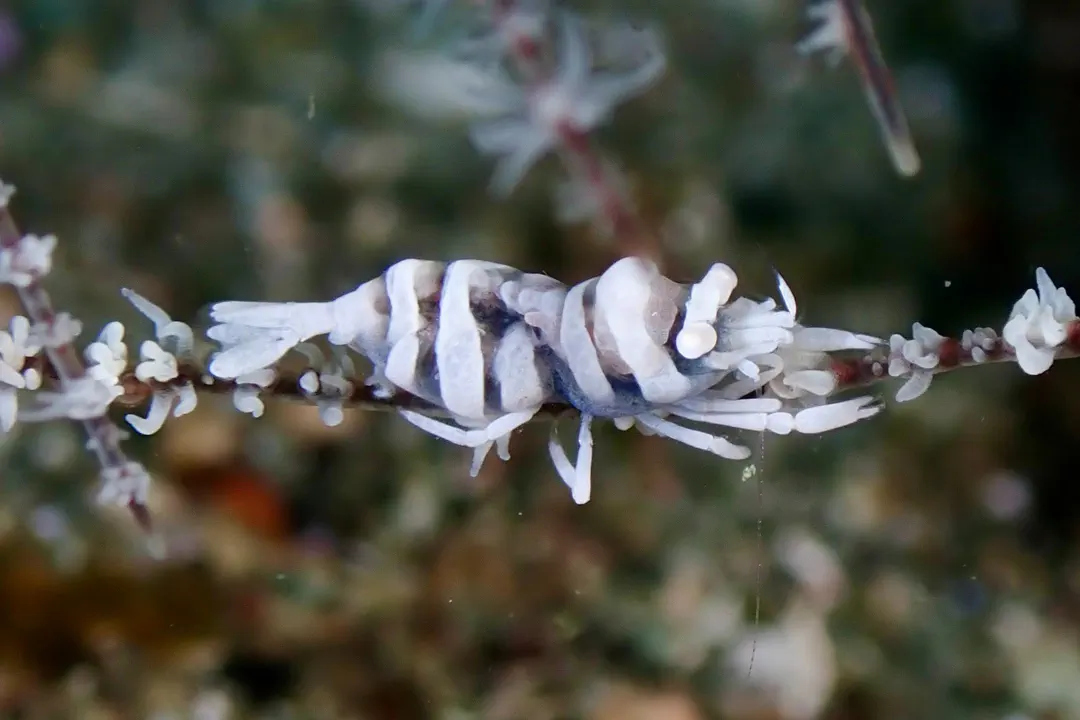 Chris SpainCC0 · iNaturalist
  © Kai SquiresAll rights reserved
 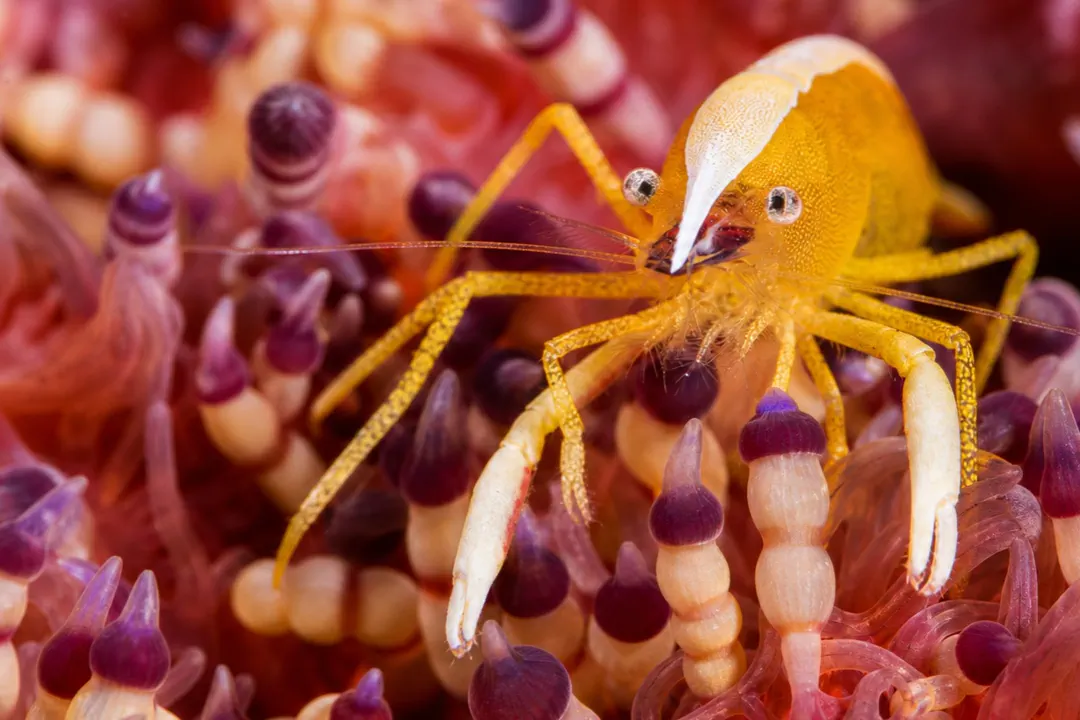 © seabook.appAll rights reserved
 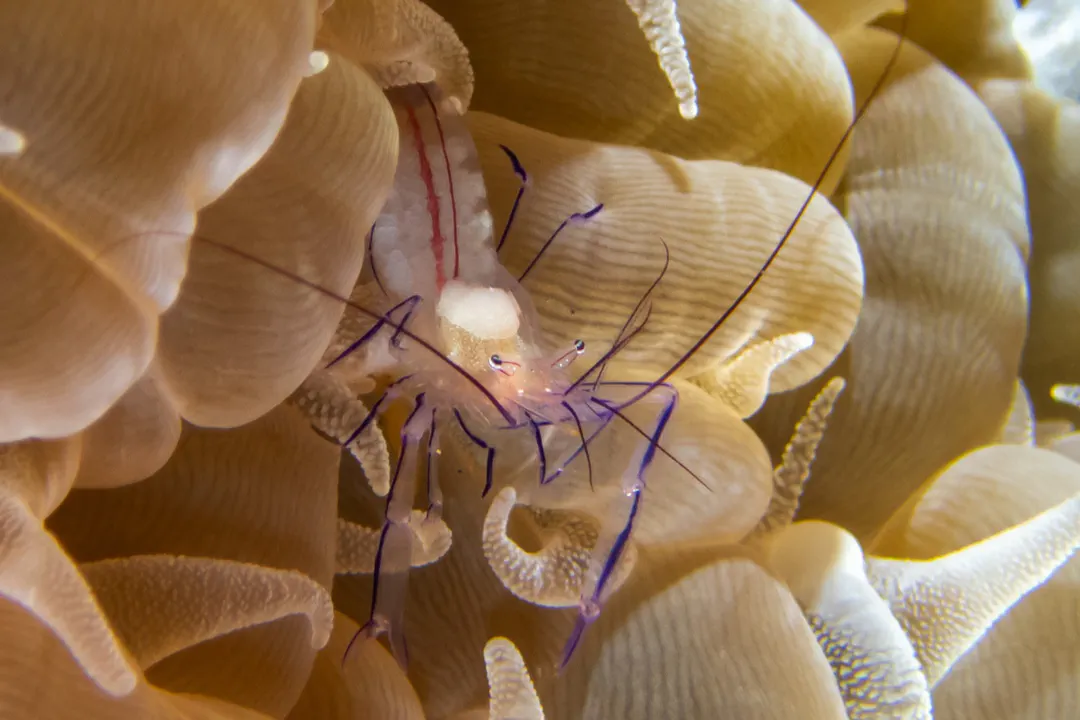 © portioidCC BY 4.0 · iNaturalist
 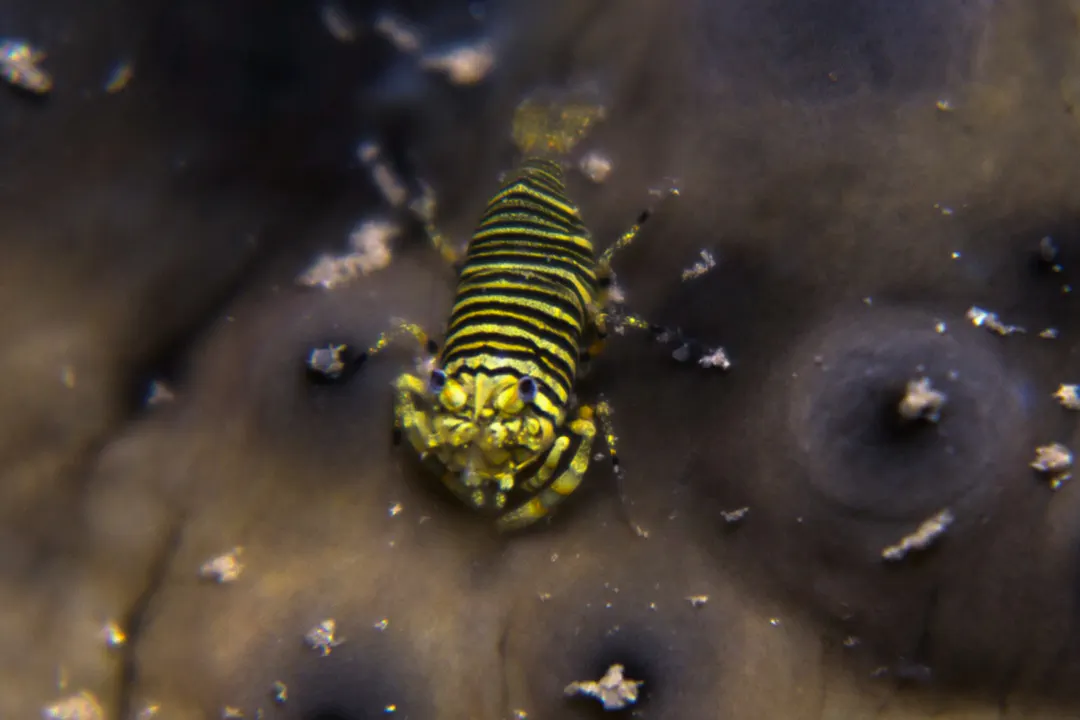 © Ewout KnoesterCC BY-SA 4.0 · iNaturalist
 Ambon Cleaner Shrimp has no known danger to humans. However, always observe marine life responsibly.
Download Seabook free for iOS and Android.