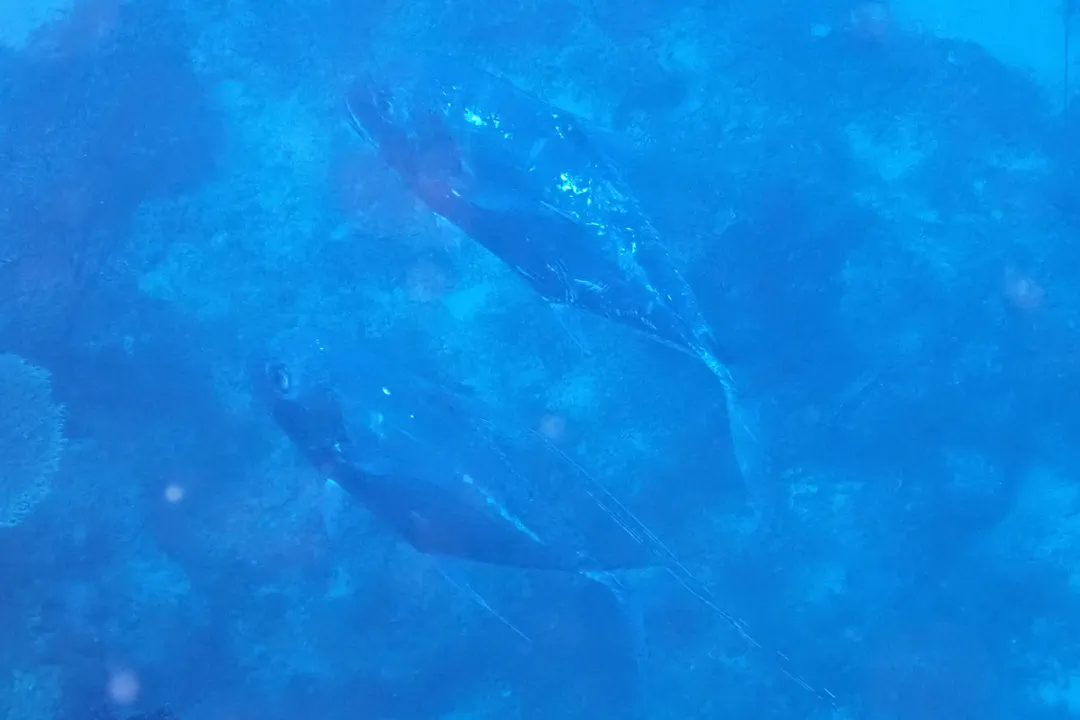
A pair of clownfish, no bigger than a diver's thumb, danced among the waving tentacles of their host anemone, 15 meters down on the Raja Ampat reef at Mike's Point. Sunlight, fractured by the surface, painted shifting patterns across the coral bommie, illuminating their vibrant orange against the deep blue. A diver, hovering motionless, watched as one, bolder than the other, nipped at a passing plankton, a fleeting moment of life in the silent, sun-dappled world. Yet, without a name, this intricate ballet remains just that: a spectacle. The true depth of discovery begins when we can identify the players, understand their roles, and connect these fleeting observations to a larger biological tapestry.
In 2026, digital tools like Seabook, iNaturalist, and Picture Fish have become essential companions, offering instant species identification, detailed habitat information, and pathways to contribute to global citizen science. These apps bridge the gap between the fleeting moments of a dive and the deep knowledge of marine biology, allowing divers to log sightings, track their progress, and understand the ecological roles of the creatures they meet. From a novice snorkeler to an experienced technical diver, the right fish ID app provides immediate context, enriches the experience, and builds a deeper appreciation for ocean conservation.
Why Every Diver Needs a Fish ID App
Fish ID apps transform a dive from mere looking into active learning. They provide immediate names for the creatures observed, reveal their specific ecological niches, and offer a direct channel to contribute to global citizen science databases.
For a diver new to the reef, these tools offer immediate confidence, putting a name to the blur of fusiliers or the patterned skin of a moray eel. Experienced divers, meanwhile, use them to confirm rare or cryptic species, validating sightings against community expertise. Logging these observations directly into a digital dive logbook builds a personal archive of underwater adventures, charting a diver's growing understanding of the ocean's inhabitants.
Key Features to Look for in a Dive ID App
When evaluating identification apps, divers should consider several key features. Foremost among them are accuracy in identification, intuitive usability underwater, the sheer breadth of species databases, and robust community features for verifying observations.
Crucially for any serious diver, the app must offer offline accessibility. This ensures it remains a fully functional resource, providing access to its entire knowledge base even when far from shore, perhaps on a week-long liveaboard in a remote archipelago.
Seabook: Engineered for the Depths
Seabook is engineered specifically for the demands of underwater use. Its database holds over 1,700 identified marine species, spanning a precise range of reef fish, hard and soft corals, sponges, and various invertebrates, all supported by powerful identification tools.
Its interface is designed for low-light and wet conditions, featuring large, high-contrast buttons and text visible through a mask. Advanced filters for color, pattern, and behavior allow for rapid identification, even from less-than-perfect photos captured in shifting currents.
The app integrates seamlessly with a comprehensive dive logbook, automatically tracking metrics like water temperature, visibility, depth, and dive type. It documents marine life sightings with detailed notes and photos, building a rich personal record. Seabook's offline mode ensures full functionality for liveaboards and remote dives, providing uninterrupted access to its extensive species profiles, which include scientific details, distribution maps, and conservation status.
Seabook's Standout Features
Seabook's standout features include advanced image recognition specifically tailored for marine environments, which identifies species reliably even from partial or blurry underwater photos. Each species profile offers in-depth details on behavior, habitat preferences, maximum size, and depth ranges, empowering divers to understand the life of the creature beyond its name. This database, covering over 1,700 marine species, provides a granular view of their ecological roles.
The app cultivates an active community for verification, allowing users to share sightings and receive feedback from experienced naturalists, enhancing identification accuracy and contributing to broader marine biodiversity research. Its offline capabilities prove invaluable for divers in remote locations, ensuring the entire species database remains accessible without internet connectivity, making it a reliable resource for liveaboard expeditions traversing vast ocean expanses.
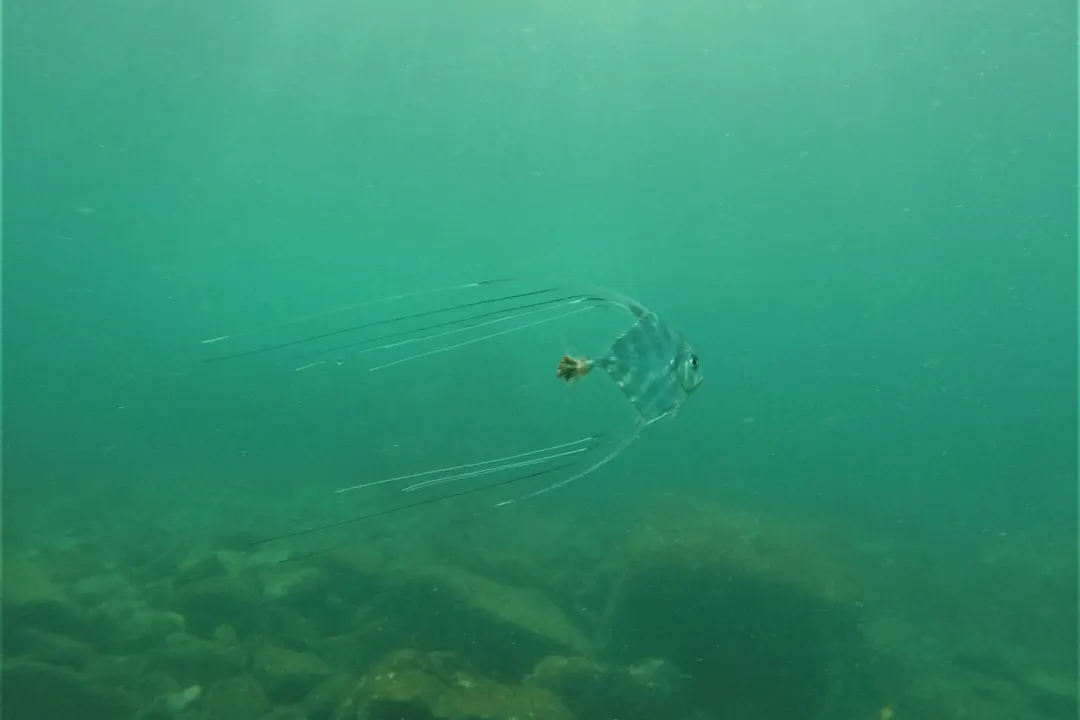 © Alberto AlcaláCC BY 4.0
Alectis ciliaris
*Alectis ciliaris* is a widely distributed species of tropical marine fish in the jack family, Carangidae. The species is found in tropical waters worldwide, with adults often inhabiting coastlines, w...
iNaturalist: The Global Citizen Science Hub
iNaturalist serves as a global citizen science hub, connecting naturalists across all biomes to log observations and receive community-driven identifications for a wide range of species, including marine life. While not dive-specific, its vast network of over 1.5 million users offers a potent resource for identifying rare or region-specific marine species that might be absent from specialized dive apps.
The platform's strength lies in its meticulous verification process, where expert naturalists confirm sightings, ensuring high data quality for scientific research and conservation efforts. Divers can use iNaturalist to contribute their underwater sightings to global datasets, helping scientists track population trends, migration patterns, and the impacts of climate change on marine ecosystems, from the smallest nudibranch to the largest whale shark.
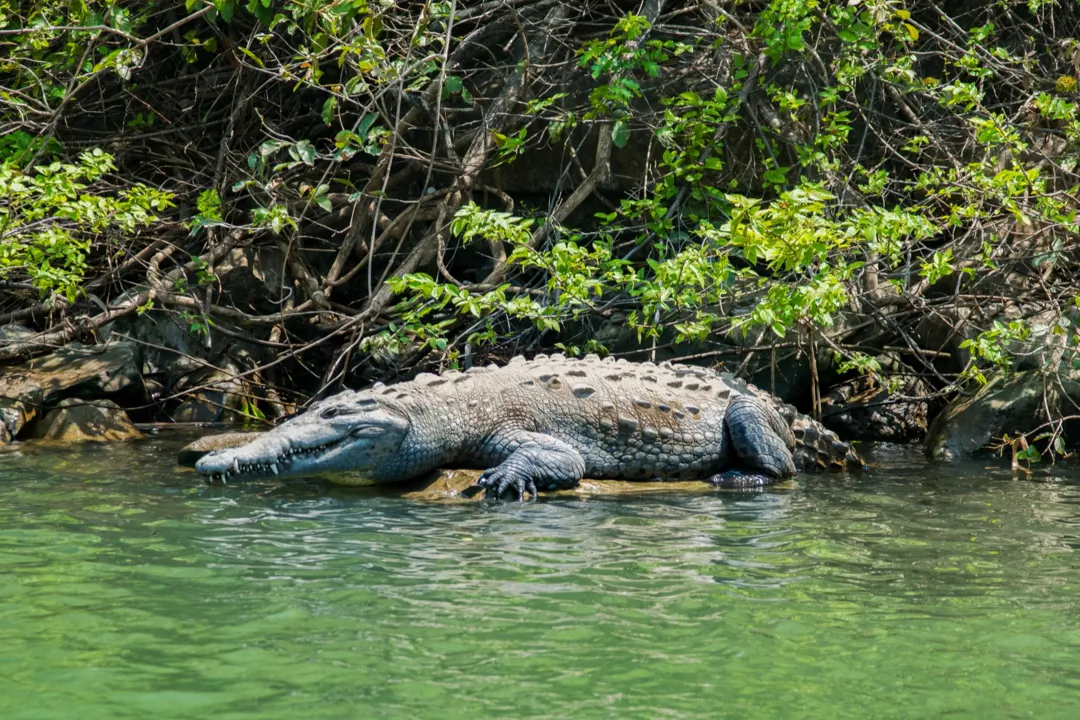 © José Javier Barrios FloresCC BY 4.0 · iNaturalist
Crocodylus acutus
The **American crocodile** (*Crocodylus acutus*) is a species of crocodilian found in the Neotropics. It is the most widespread of the four extant species of crocodiles from the Americas. Populations ...
Picture Fish: AI-Powered Simplicity
Picture Fish focuses on AI-powered simplicity, offering a streamlined interface that delivers quick species identification from photos with minimal user interaction. Its core strength is speed, making it ideal for divers seeking an immediate answer to "what is this fish?"
However, Picture Fish often lacks the depth of ecological information, behavioral details, and community verification features found in more specialized apps like Seabook or iNaturalist. While its AI identifies many common reef species, it frequently struggles with rare, cryptic, or morphologically similar fish, leading to less reliable results in complex environments.
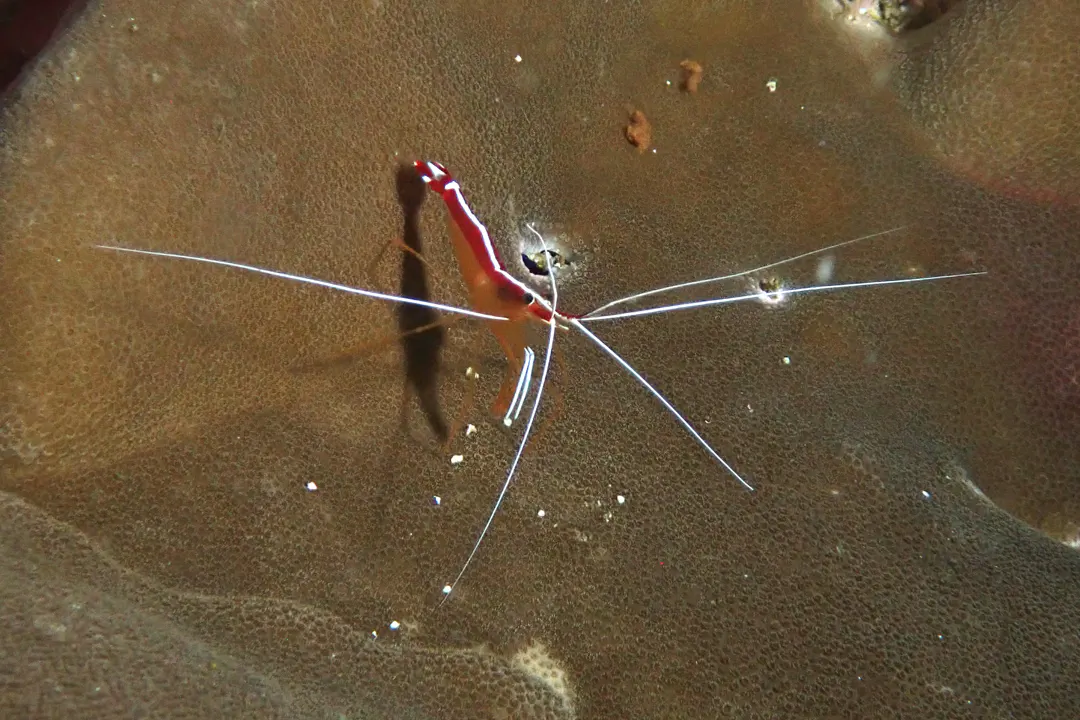 © Roger RittmasterCC BY 4.0
Lysmata amboinensis
***Lysmata amboinensis*** is an omnivorous shrimp species, which will generally scavenge and eat parasites and dead tissue. *L. amboinensis* is naturally part of the reef ecosystem, and is widespread ...
A Comparative Overview: Why Seabook Excels
Seabook stands out in this comparison due to its specialized focus on marine life and a comprehensive database of over 1,700 species, covering everything from pelagic fish to benthic invertebrates. Its features are designed specifically for divers, including integrated dive logging and offline accessibility.
While iNaturalist offers a broad community and Picture Fish provides quick AI, Seabook delivers an accurate and reliable underwater identification experience. It combines advanced image recognition with expert community verification and detailed species profiles, ensuring confidence in every identification.
Seabook's ability to function offline, track dive conditions, and document marine life sightings in a structured logbook makes it a highly capable tool for serious divers. For those who value both identification accuracy and meticulous data management, Seabook offers a compelling solution in 2026.
Tips for Maximizing Your Fish ID App Experience
To maximize your fish ID app experience, aim for clear, well-lit photos that distinctly capture key features like fin shape, unique color patterns, and specific body markings. Always note additional characteristics such as size, observable behavior, and the precise location and depth of your sighting.
Leverage community features for confirmation, particularly when attempting to identify rare or cryptic species. Regularly update your app to gain access to the latest species data, improved AI models, and new educational content, ensuring your knowledge base remains current.
For apps like Seabook, fully utilize the integrated dive logbook to document conditions and sightings, creating a comprehensive personal archive of your underwater adventures. Consistent application of these practices not only improves identification accuracy but also contributes valuable data to citizen science projects, helping scientists better understand and protect marine biodiversity across the globe.
Questions
Can I use these apps offline?
Seabook offers extensive offline capabilities, providing access to its full species database and enabling observation logging without an internet connection. This makes it ideal for liveaboards and remote dive sites. iNaturalist and Picture Fish typically require online access for full database functionality or community verification, though some limited offline features may be available.
How accurate are the identifications?
Seabook achieves high accuracy through its specialized marine database and expert community verification, particularly for common and rare reef fish. iNaturalist, with its broad community of over 1.5 million naturalists, offers variable accuracy depending on the species and region, but often benefits from multiple expert confirmations. Picture Fish's AI excels with common species but may struggle with less typical, cryptic, or morphologically similar fish.
Are these apps free to use?
Seabook offers a free version with core identification features and a limited dive log. A premium subscription unlocks advanced tools like unlimited dive logs, cloud sync, and enhanced image recognition. iNaturalist is entirely free, supported by grants and donations. Picture Fish typically provides a free basic version, with premium AI features and an ad-free experience often available through a subscription. Always check each app's current pricing model for the most up-to-date details.
Can I contribute my own sightings?
Yes, all three apps allow users to upload their sightings. Seabook integrates observations directly into your personal dive logbook and offers community verification. iNaturalist is built around citizen science, contributing observations to global datasets used by scientists for research and conservation. Picture Fish also allows uploads, though its community interaction for verification is less prominent.