The Red Sea stands as one of the world's premier diving destinations, stretching across Egypt, Sudan, and Saudi Arabia. Renowned for its crystal-clear waters with visibility often exceeding 30 meters, spectacular coral reefs, and an incredible diversity of marine life, the Red Sea attracts divers from around the globe. This guide takes you through its unique underwater landscapes, from historic wrecks like the SS Thistlegorm to vibrant ecosystems teeming with pelagic predators, offering essential insights for every diver.
Unique Geography and Climate
The Red Sea is a unique ocean basin formed by the separation of the African and Arabian tectonic plates approximately 30 million years ago. Its semi-enclosed nature, combined with high evaporation rates and limited freshwater inflow, results in exceptionally clear, warm, and saline waters—ideal conditions for coral growth and marine biodiversity. The Red Sea's geography creates distinct diving regions: the northern areas near Sharm El Sheikh and Hurghada offer accessible reef diving suitable for all levels, while the southern reaches near Marsa Alam and Sudan feature more remote, pristine sites with stronger currents and deeper walls that challenge experienced divers.
Marine Biodiversity of the Red Sea
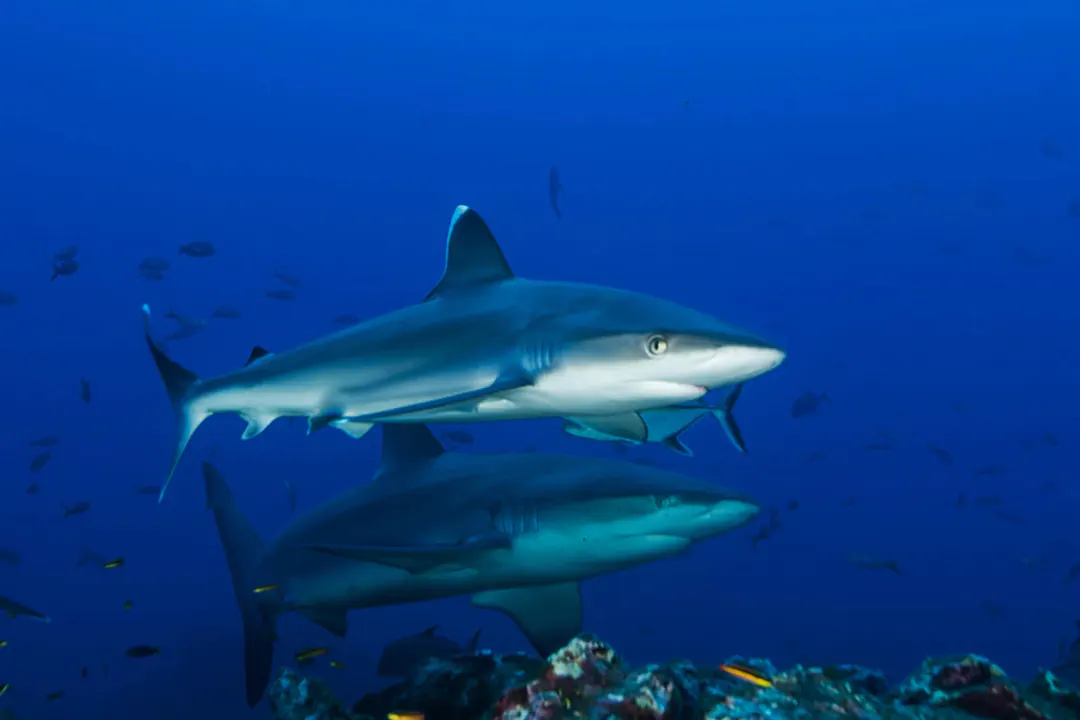
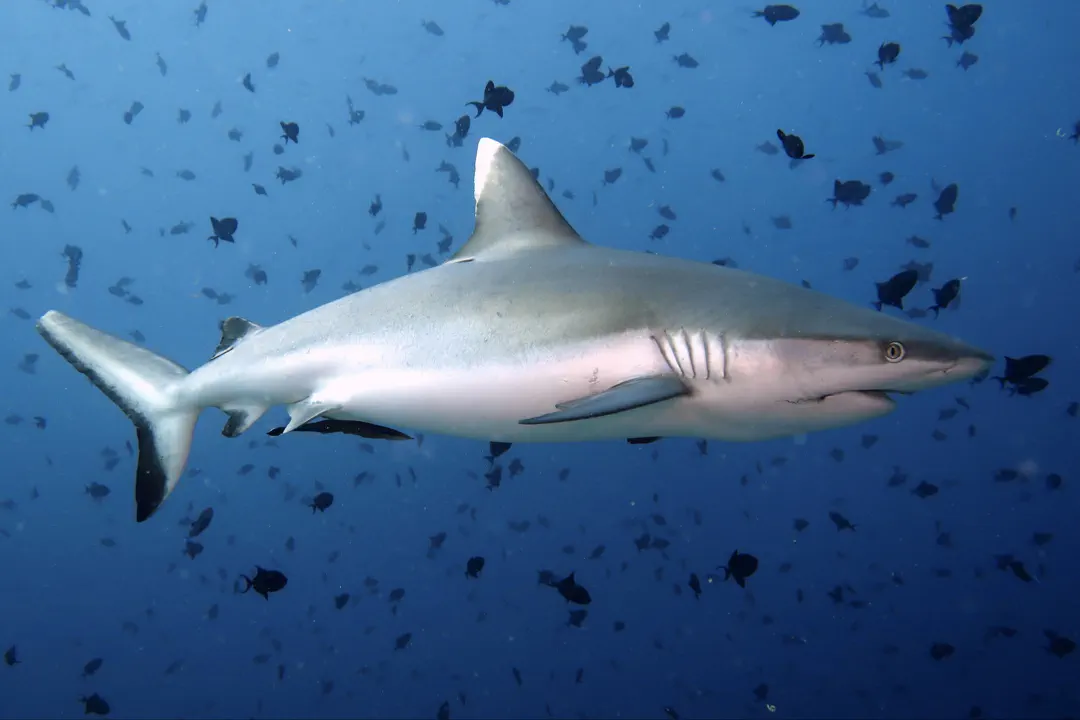
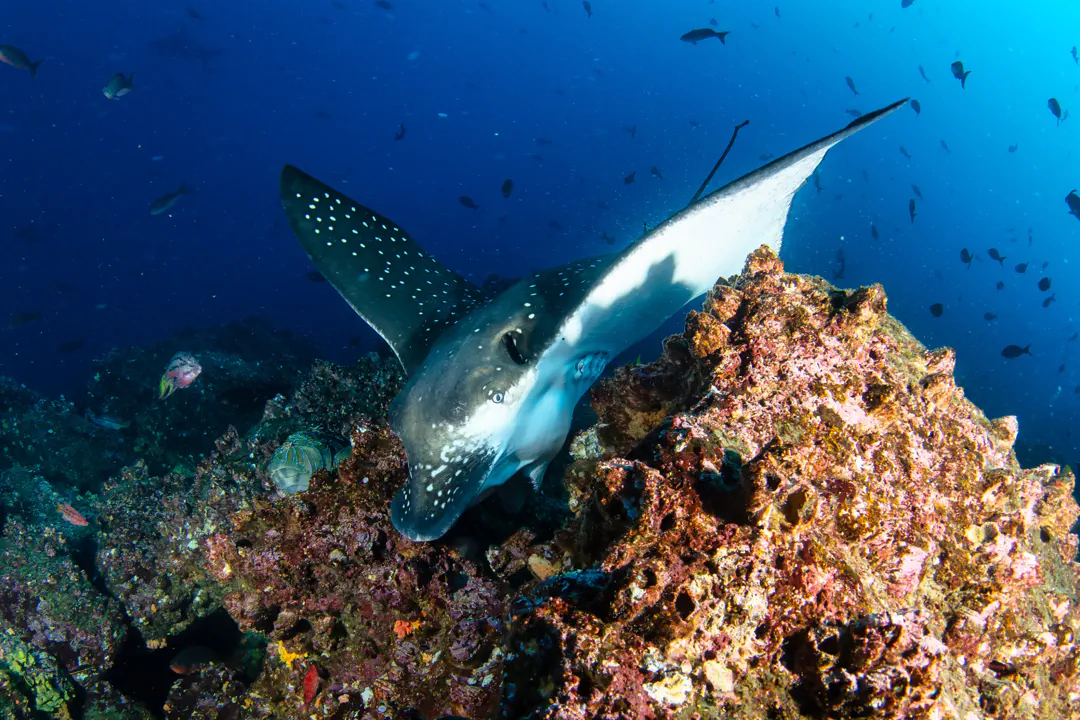
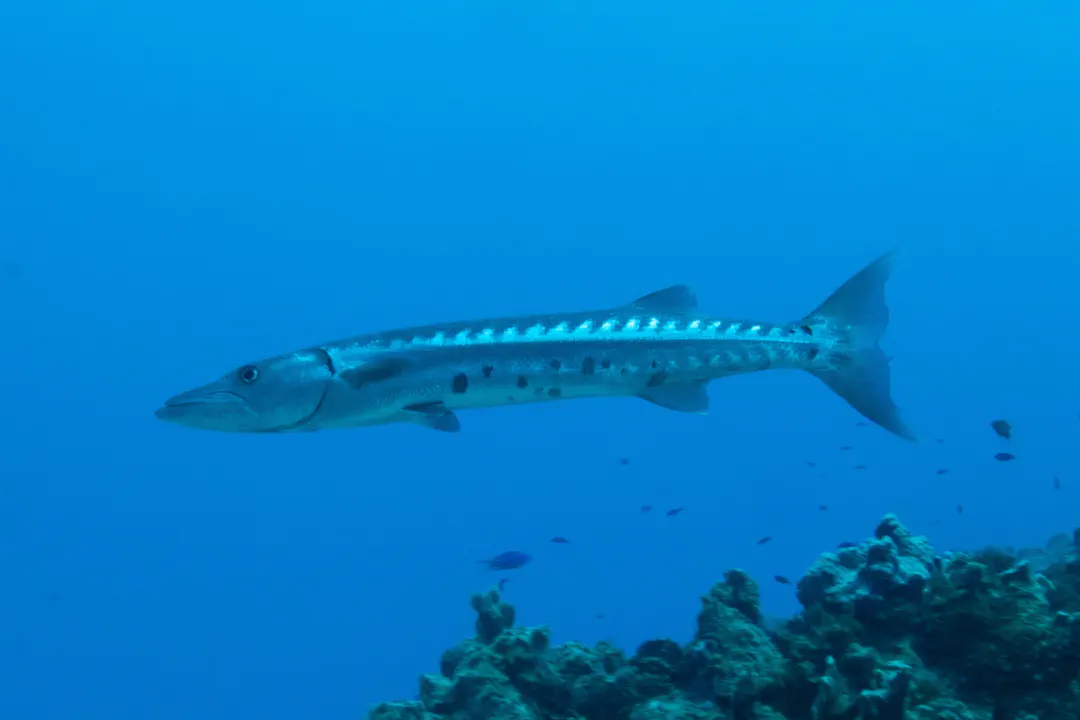
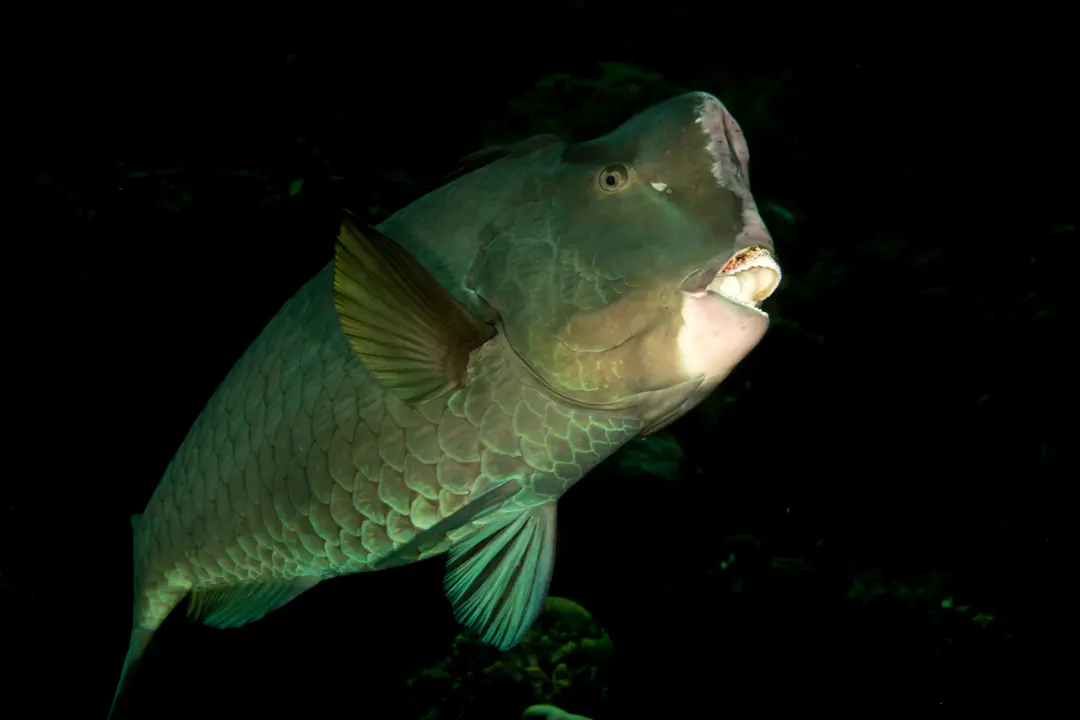
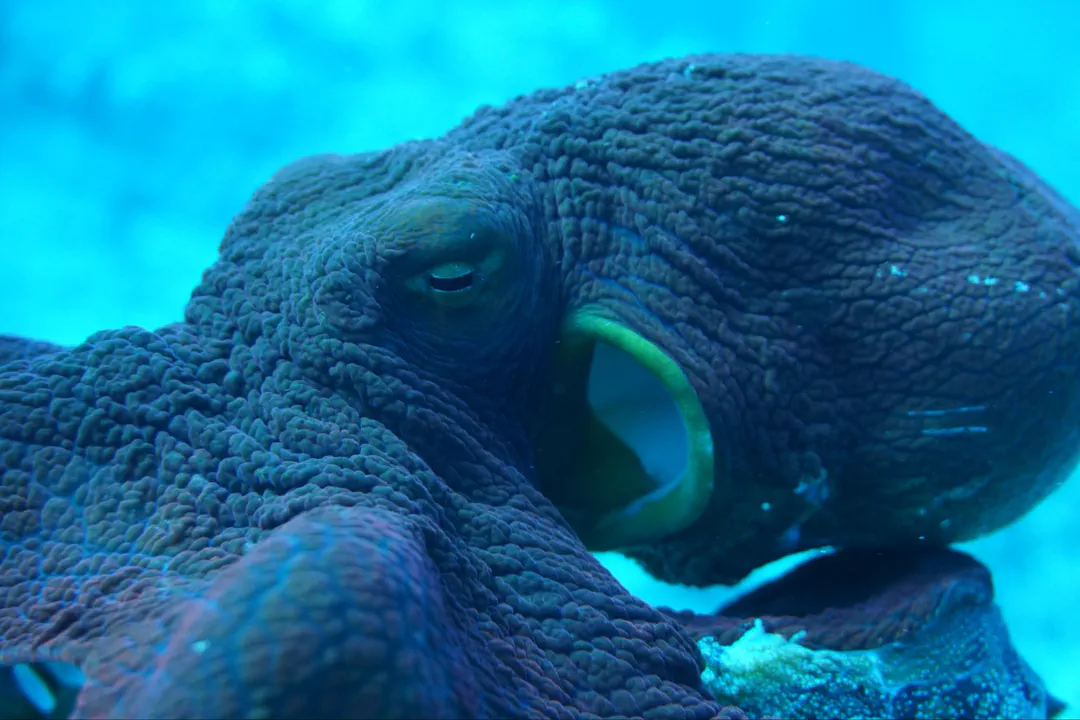
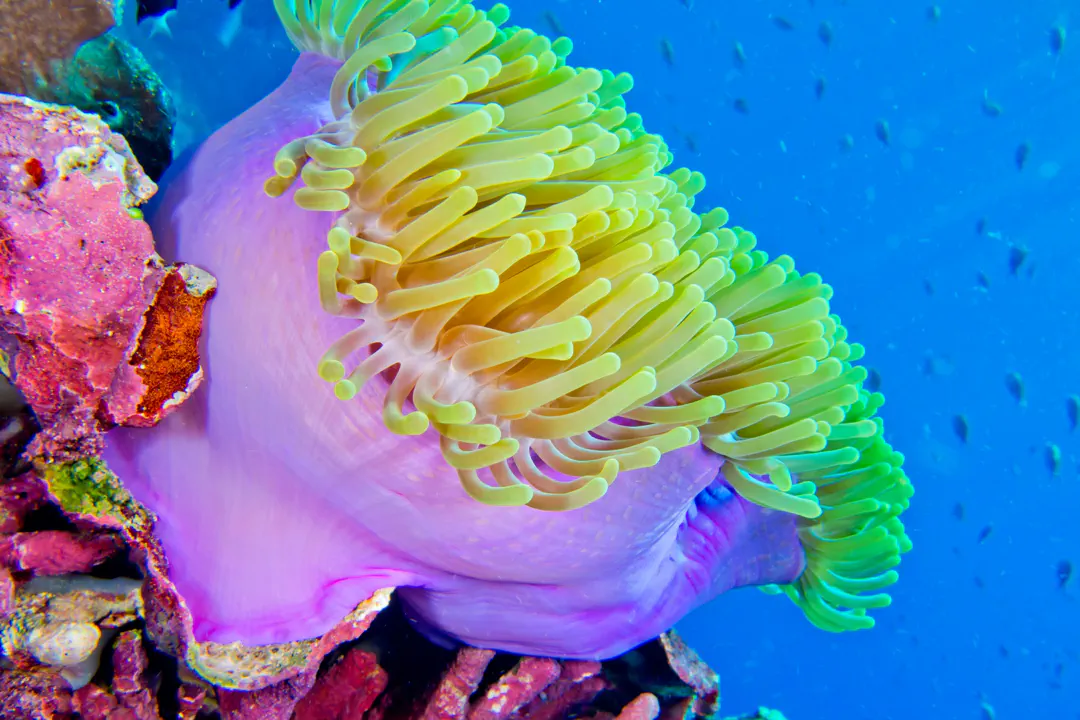
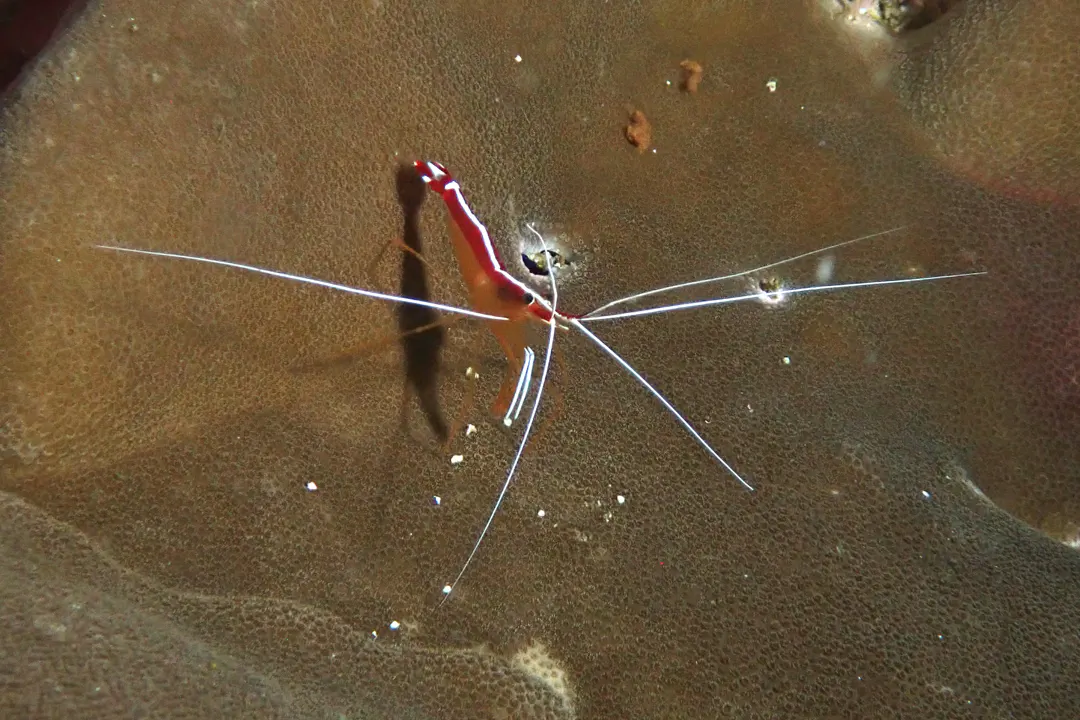
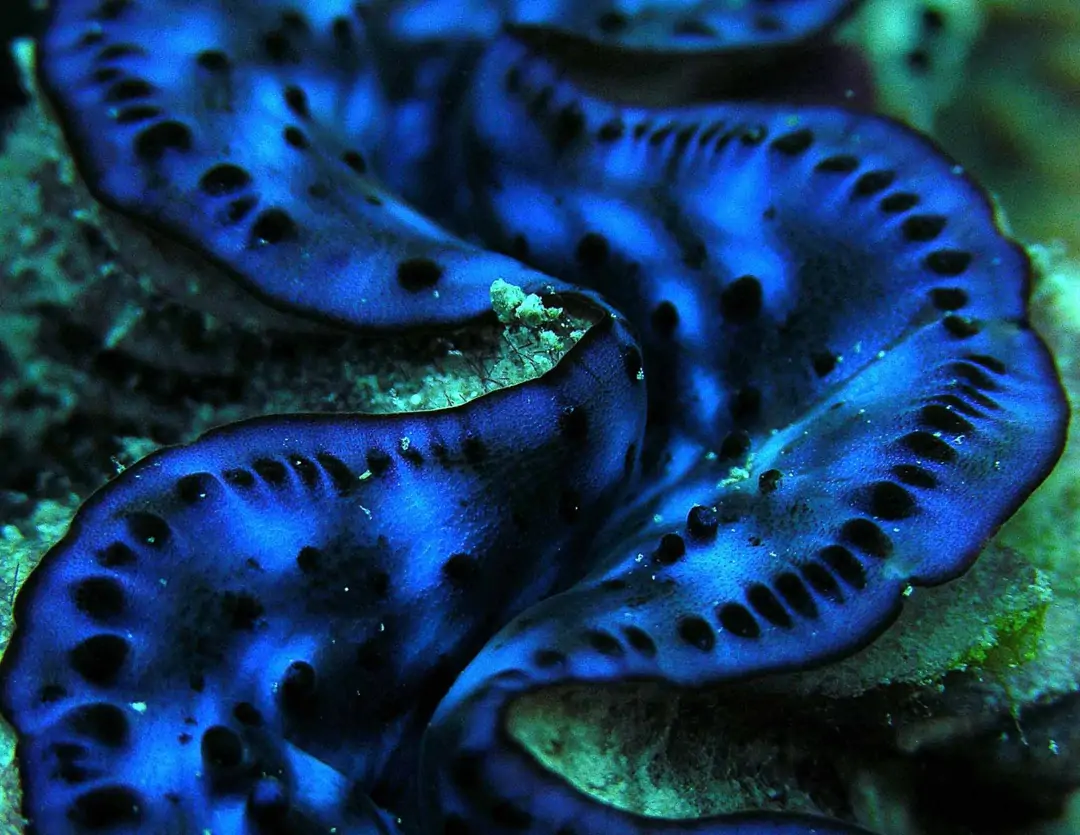
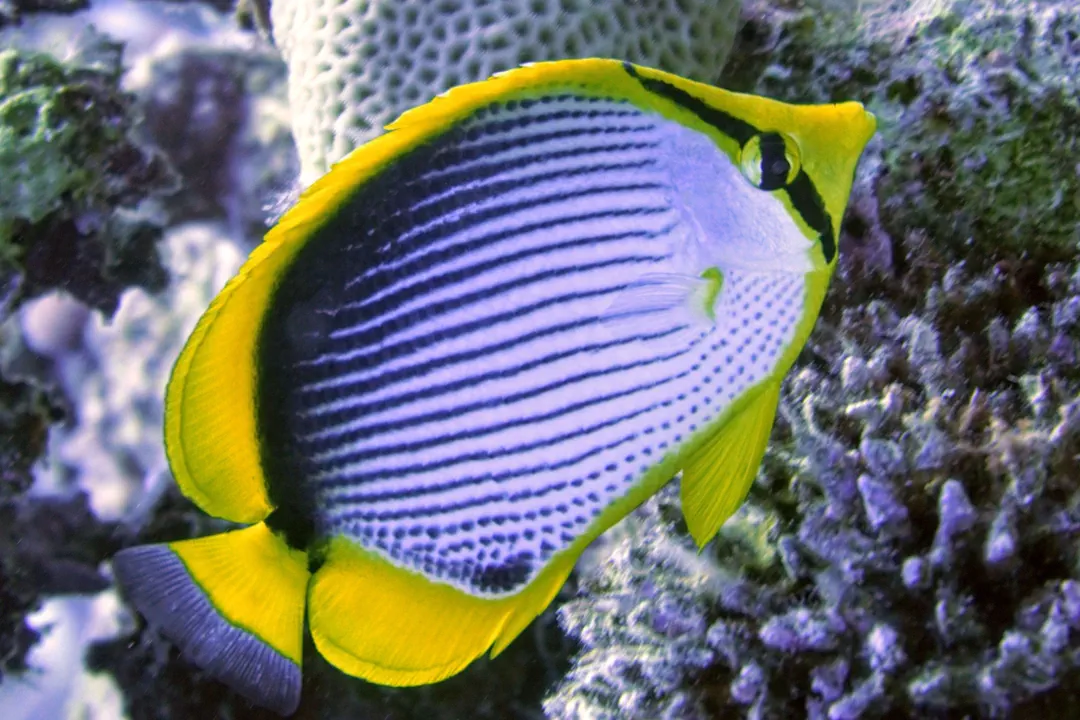
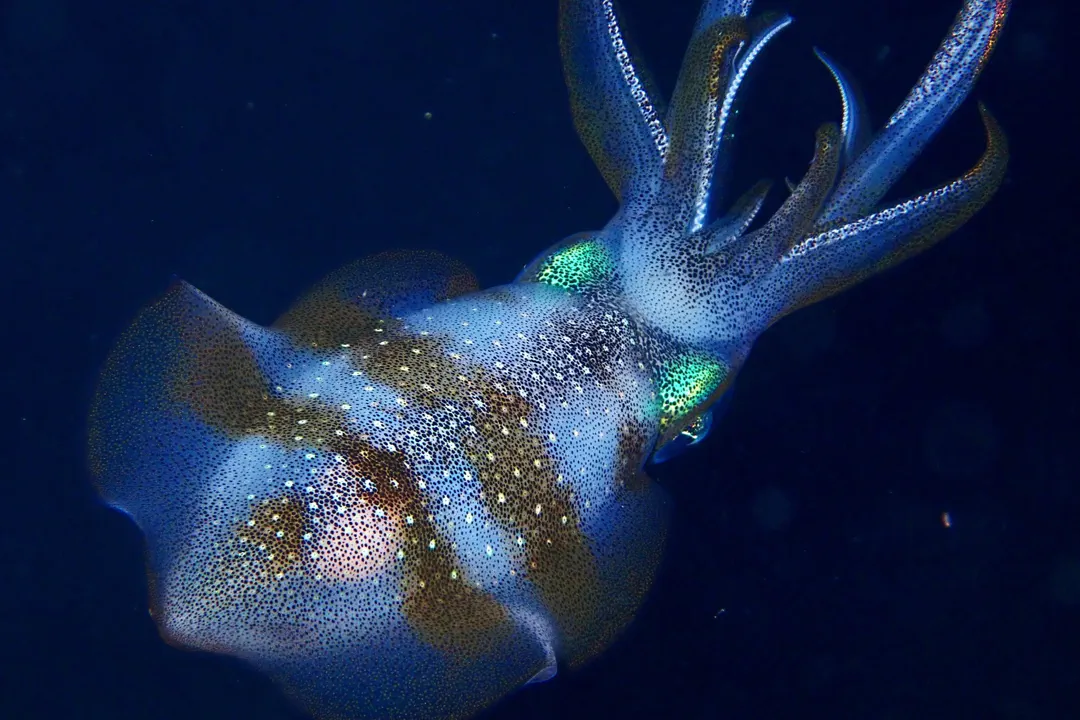
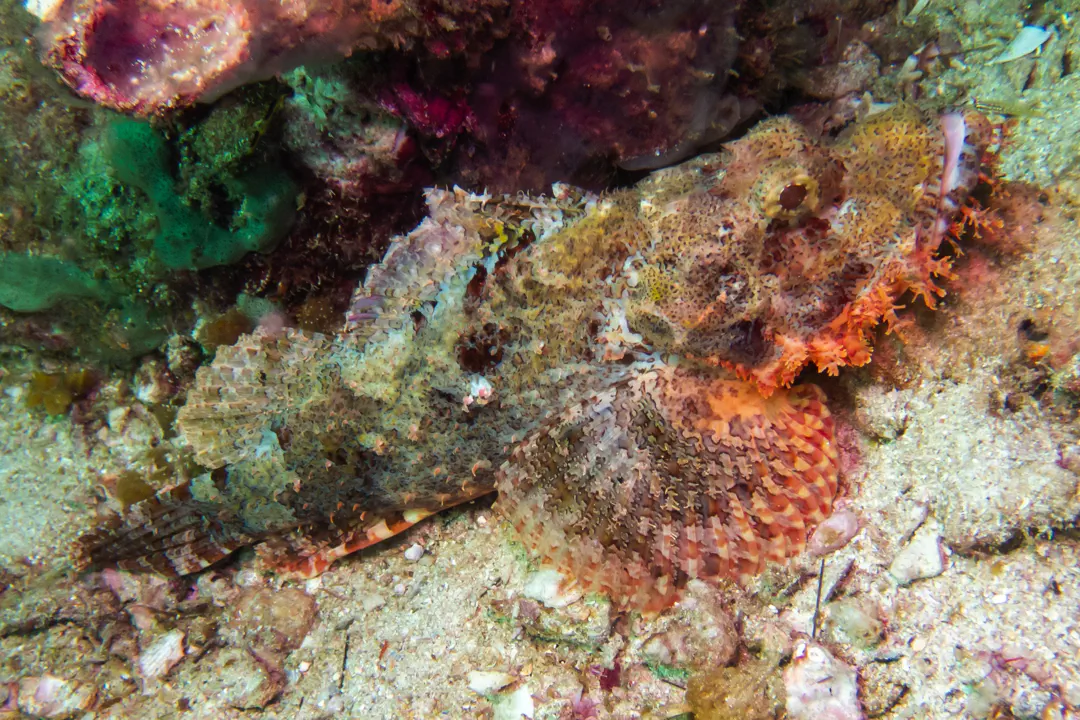
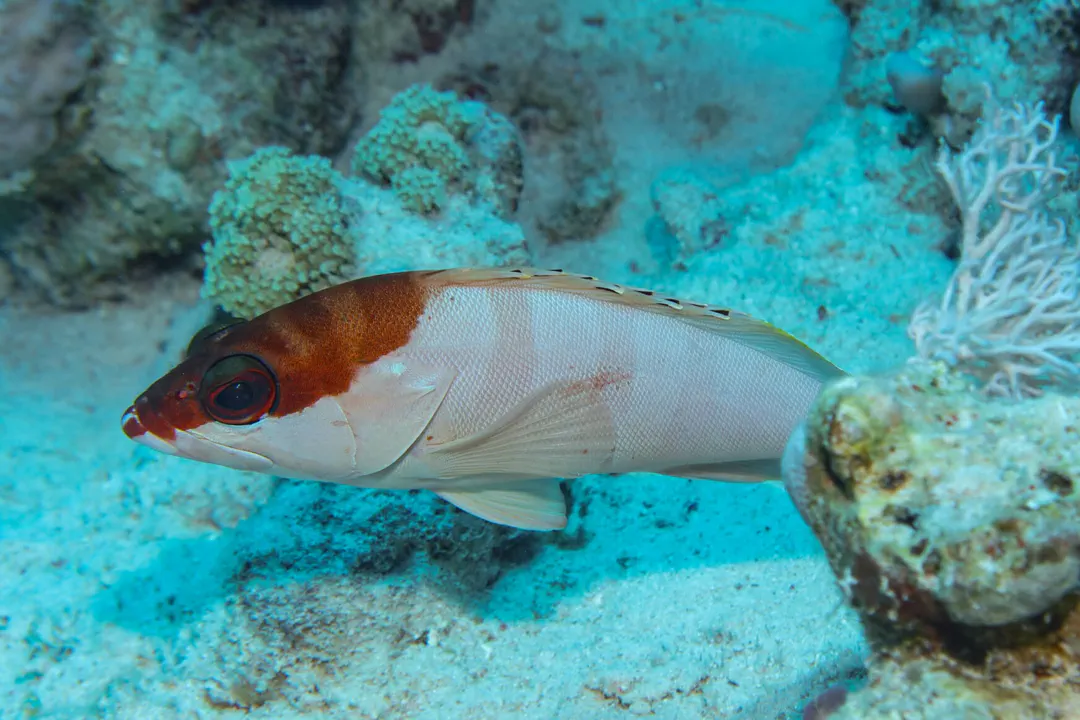
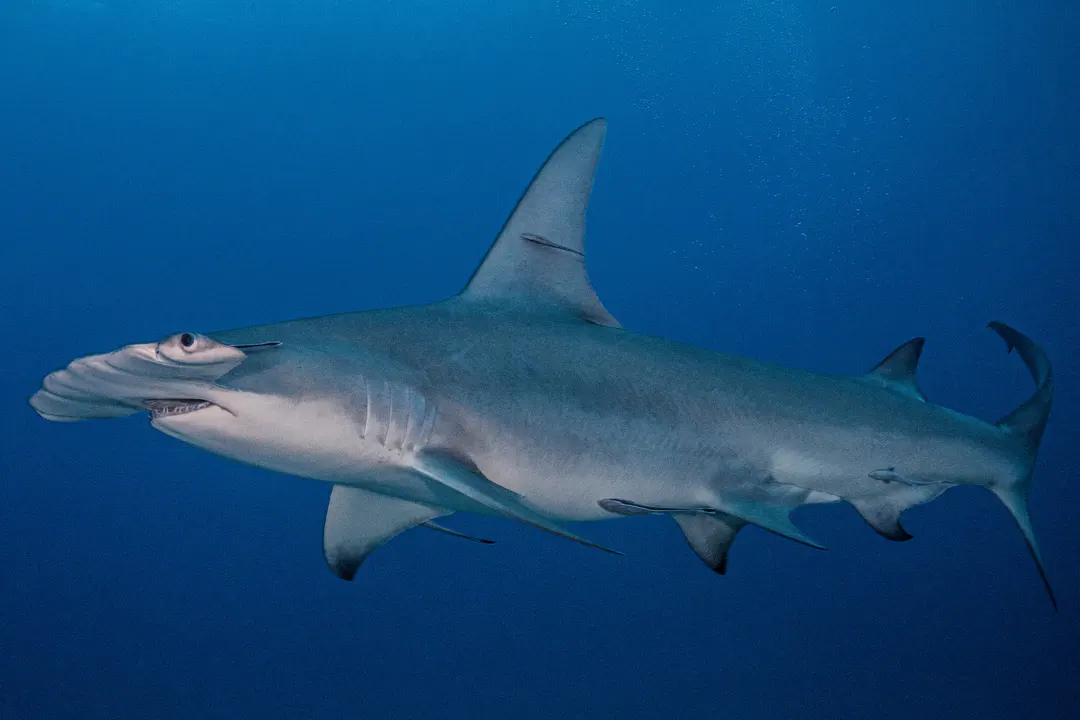
Home to over 1,200 species of fish, with approximately 10% being endemic to the Red Sea, the region boasts some of the most pristine and biodiverse coral reefs globally. The Red Sea's coral ecosystems are remarkably resilient, with species capable of withstanding temperatures exceeding 28°C, making them invaluable for climate change research. Divers can expect encounters with large pelagics including hammerhead sharks, oceanic whitetips, and manta rays, alongside vibrant reef fish such as parrotfish and butterflyfish, fascinating invertebrates including octopuses and nudibranchs, and occasionally dolphins and sea turtles.
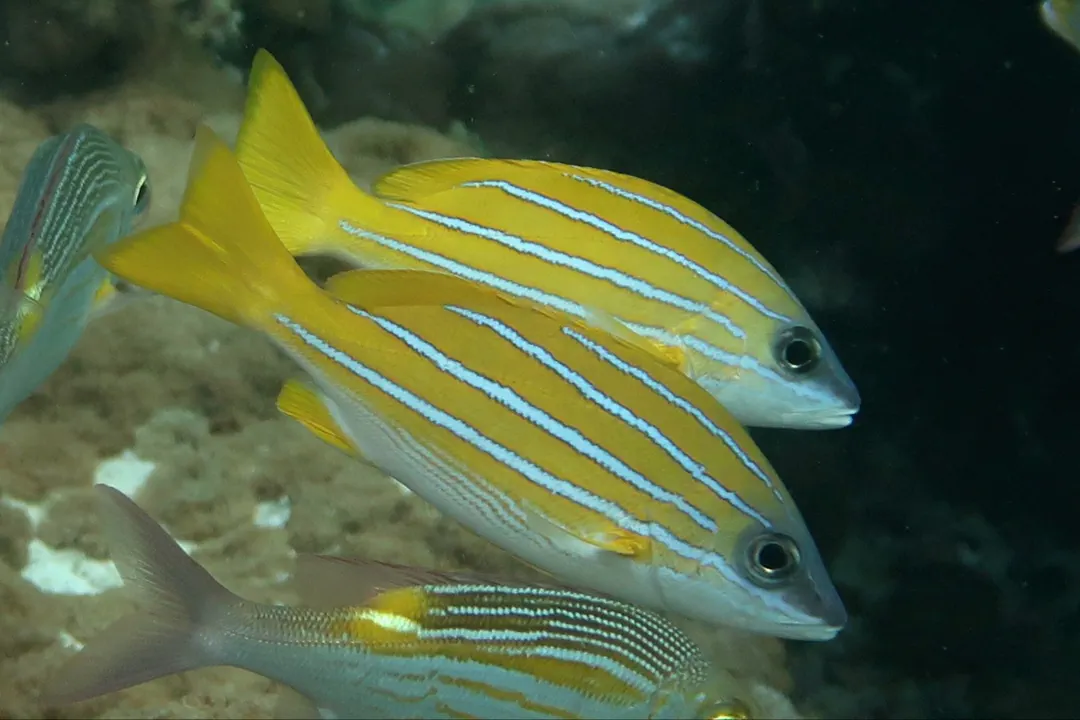
The nutrient-rich waters support dense populations of schooling fish that create spectacular visual displays around reef walls and pinnacles.
 © Daniel BenákCC BY 4.0 · iNaturalist
  © seabook.appAll rights reserved
  © Dan SchofieldCC BY 4.0 · iNaturalist
  © Rickard ZerpeCC BY 4.0 · iNaturalist
  © Borja FierroCC BY 4.0 · iNaturalist
  © cello caruso-turielloCC BY 4.0 · iNaturalist
 Best Time to Visit for Diving
Diving in the Red Sea is excellent year-round, with water temperatures ranging from approximately 21°C in winter months to 28°C or higher in summer. The best time to visit depends on your preferences and target species. May through September offers the most favorable wind conditions for boat operations and increased chances of encountering large pelagic species during drift dives.
March through May and September through November provide comfortable water temperatures around 24-26°C and excellent visibility, making these shoulder seasons ideal for most divers. Winter months (December-February) see cooler water temperatures but remain diveable, with fewer tourists and potentially better conditions for wreck diving.
Top Dive Sites in the Red Sea
Ras Mohammed National Park
Located at the southernmost tip of the Sinai Peninsula where the Gulf of Aqaba meets the Gulf of Suez, Ras Mohammed National Park was Egypt's first national park and remains one of the most iconic diving destinations in the Red Sea. The mixing of waters from these two gulfs creates nutrient-rich conditions that support exceptionally healthy coral gardens and dense fish populations. The park's famous wall dives, particularly Shark Reef and Yolanda Reef, feature dramatic drop-offs descending beyond 100 meters, with strong currents that attract schooling fish and larger predators.
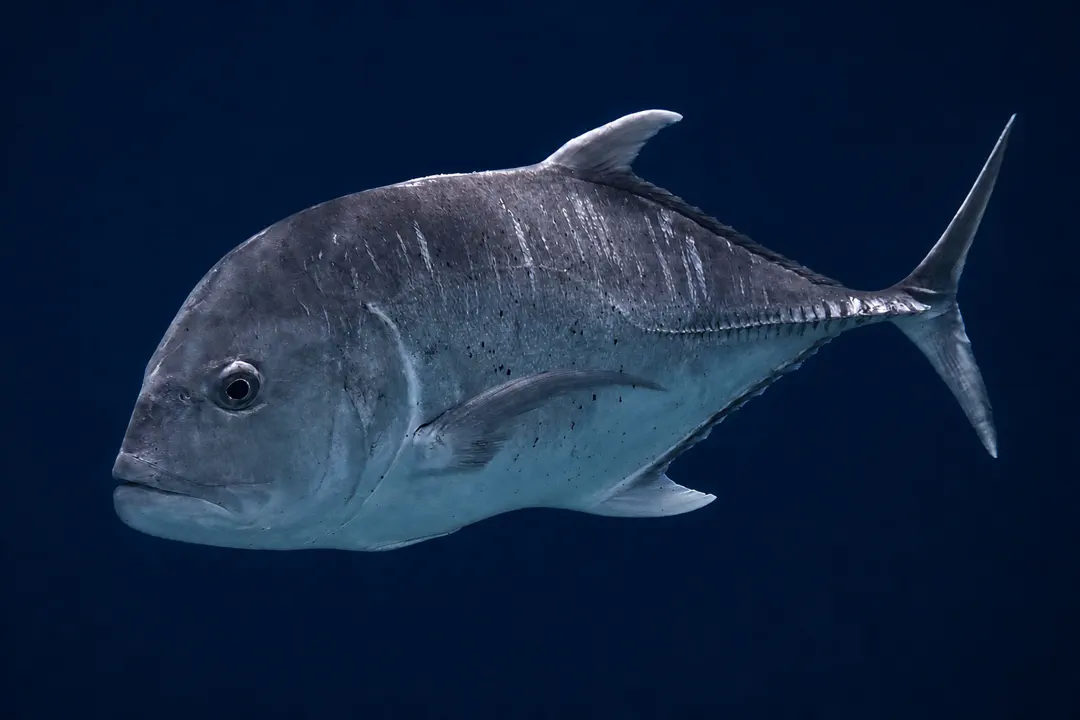
Divers regularly encounter reef sharks, hammerhead sharks, manta rays, and large schools of barracuda and trevally navigating the nutrient-rich waters.
 © seabook.appAll rights reserved
  © Roger RittmasterCC BY 4.0
  © Stas KuryanAll rights reserved
  © Ben CostamagnaCC BY 4.0 · iNaturalist
  © seabook.appAll rights reserved
 Thistlegorm Wreck
The SS Thistlegorm stands as arguably the most famous wreck in the Red Sea and one of the most popular wrecks in the world. This British armed merchant ship was sunk by German bombers on March 6, 1941, while carrying military supplies and vehicles destined for North Africa. The wreck rests at approximately 30 meters depth, making it accessible to recreational divers, and remains remarkably well-preserved with its cargo largely intact—motorcycles, trucks, railway carriages, and ammunition still visible within the holds.
The wreck was famously explored by Jacques Cousteau in the 1950s, but its exact location was lost until the 1990s, allowing it to remain relatively untouched for decades. Today, the Thistlegorm hosts a thriving marine ecosystem, with resident fish species, soft corals colonizing the superstructure, and schools of barracuda and jacks patrolling the wreck.
 Jean-Paul BoerekampsCC0 · iNaturalist
  © Elias LevyCC BY 4.0 · iNaturalist
  © portioidCC BY 4.0 · iNaturalist
  © Julien RenoultCC BY 4.0 · iNaturalist
 Daedalus Reef
Daedalus Reef is an isolated, offshore reef marked by a distinctive lighthouse and located approximately 80 kilometers southeast of Hurghada. Known for its strong currents and spectacular pelagic encounters, Daedalus is a prime spot for shark sightings, including hammerheads, silvertips, and oceanic whitetips, particularly during autumn months. The reef features healthy, pristine coral walls with dramatic topography that creates ideal conditions for drift diving.
The site's exposure to open ocean currents brings large schools of jacks, trevally, and barracuda, while the coral formations support dense populations of reef fish and invertebrates. Due to its remote location and challenging conditions, Daedalus is typically accessed via liveaboard expeditions and is best suited for experienced divers comfortable with strong currents and deeper depths.
 © Daniel BenákCC BY 4.0 · iNaturalist
  © seabook.appAll rights reserved
  © Roger RittmasterCC BY 4.0 · iNaturalist
  © Ian ShawAll rights reserved
 Elphinstone Reef
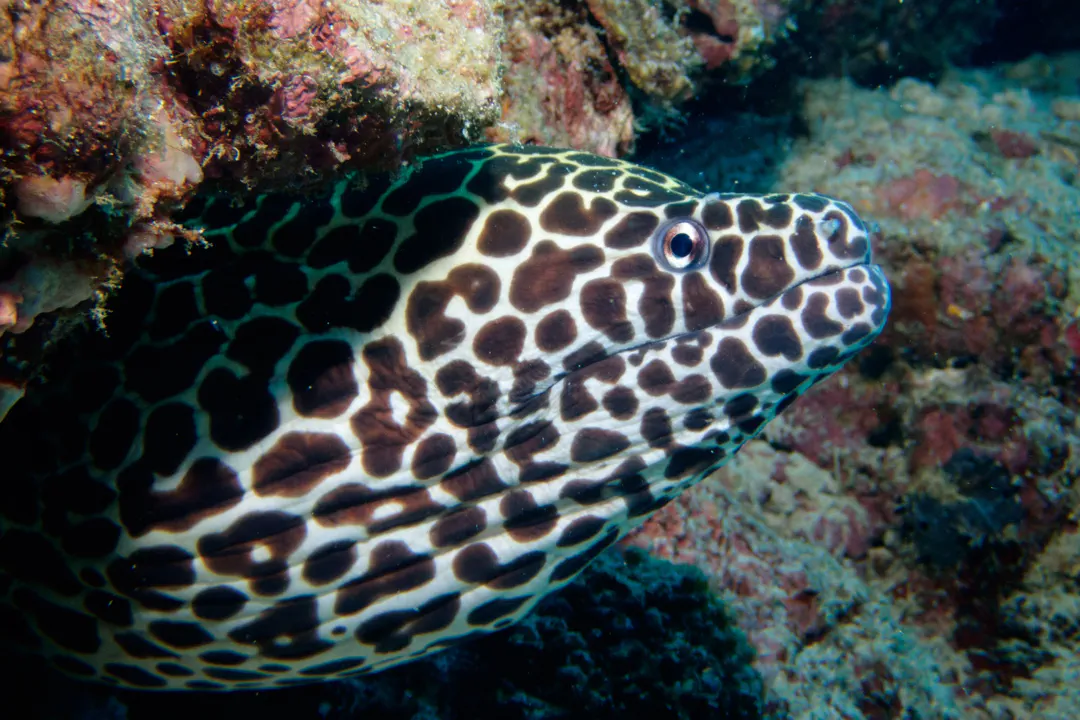
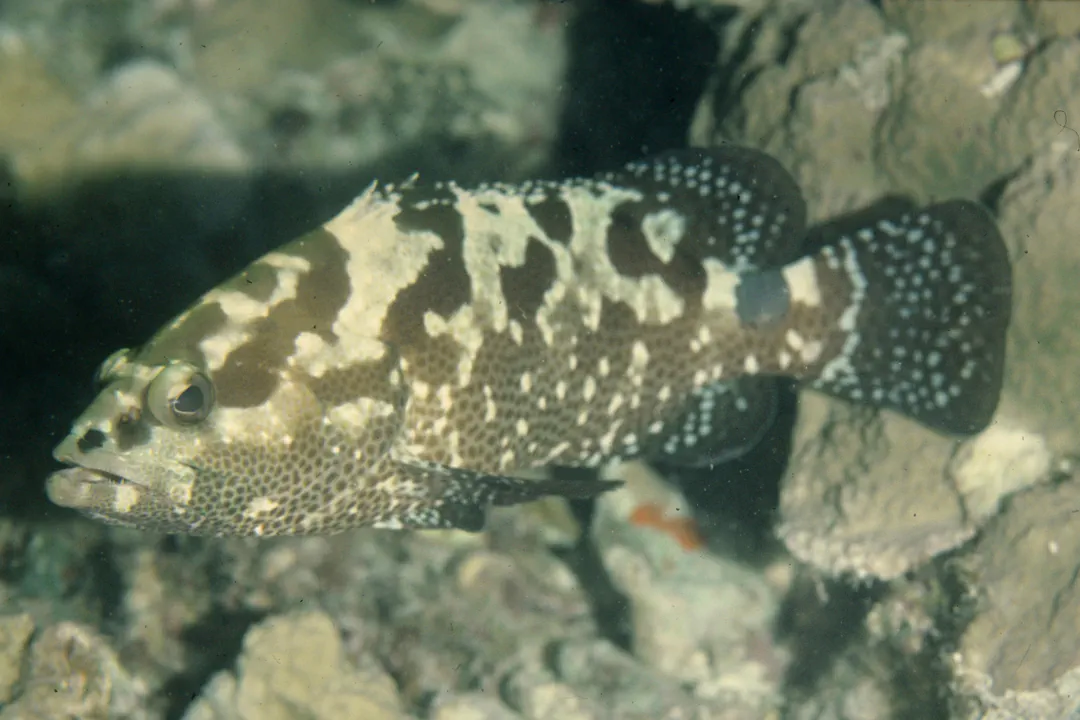
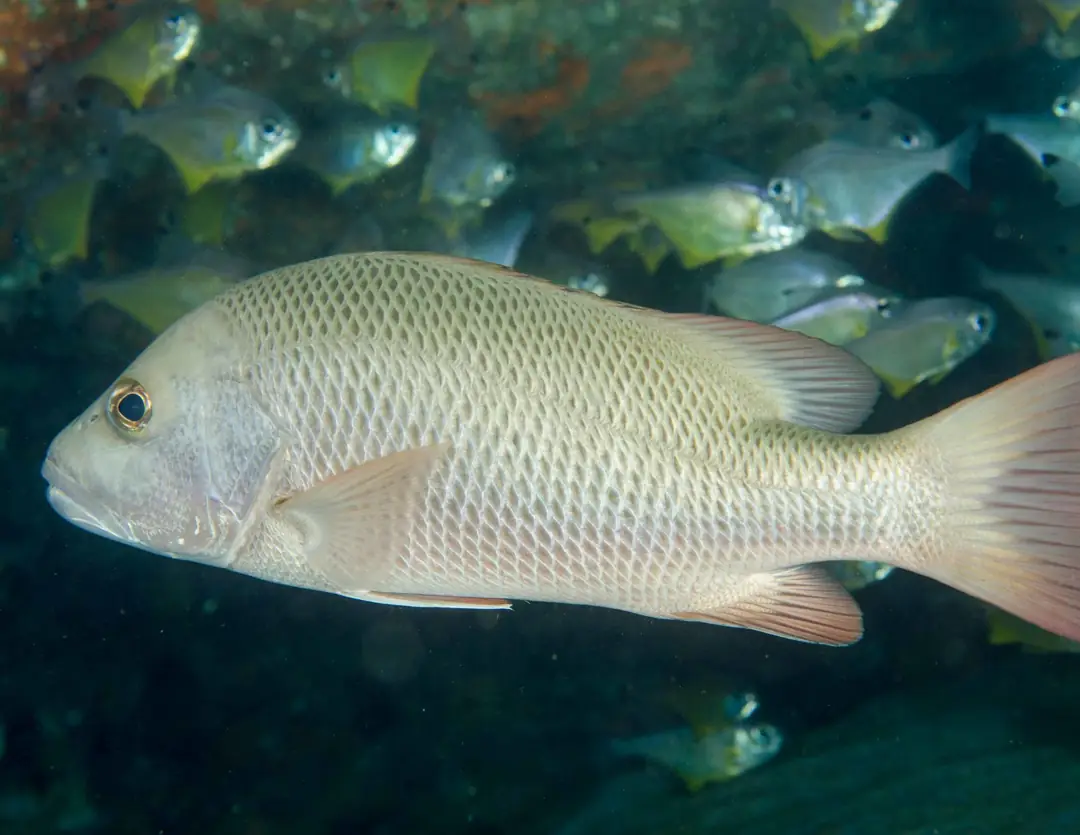
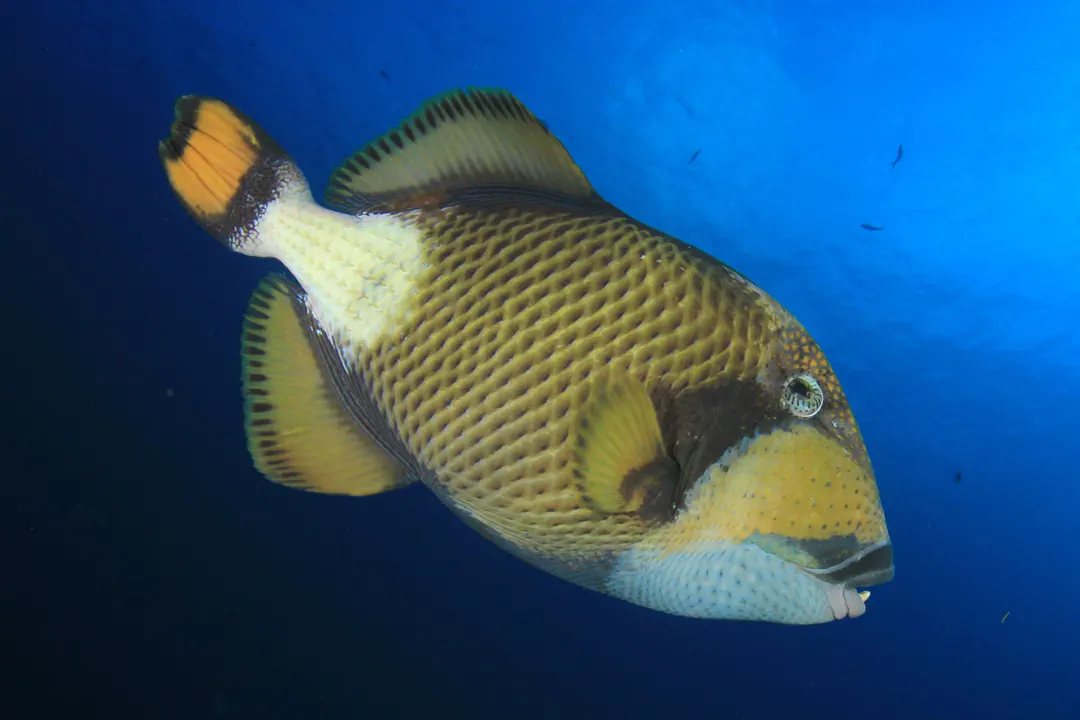
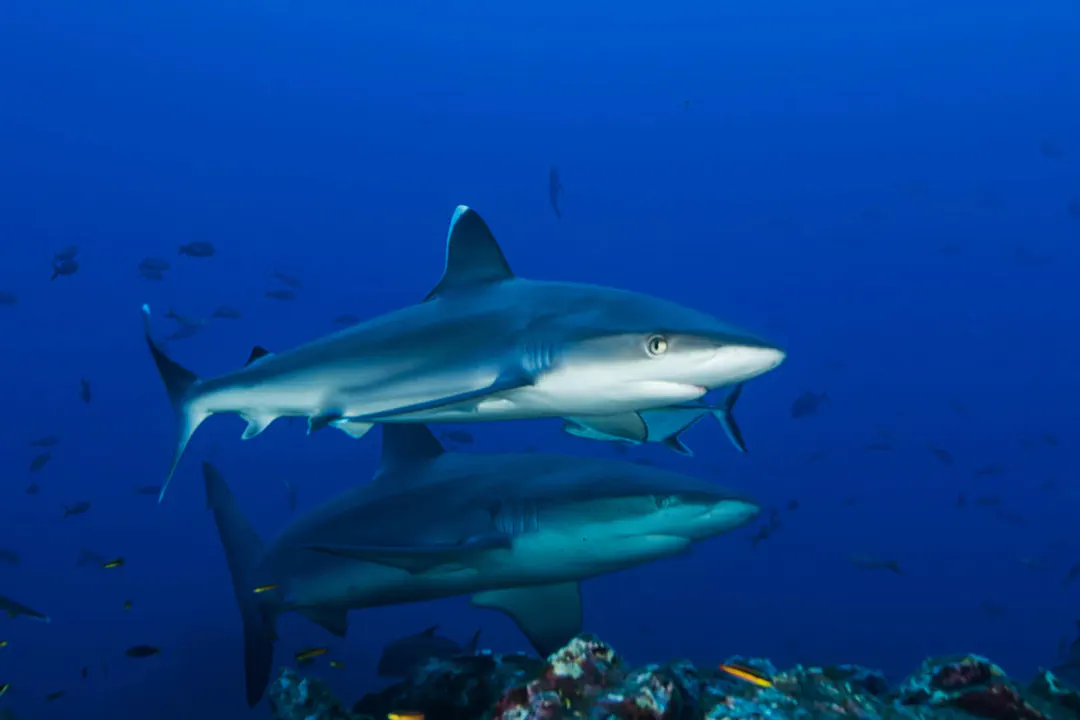
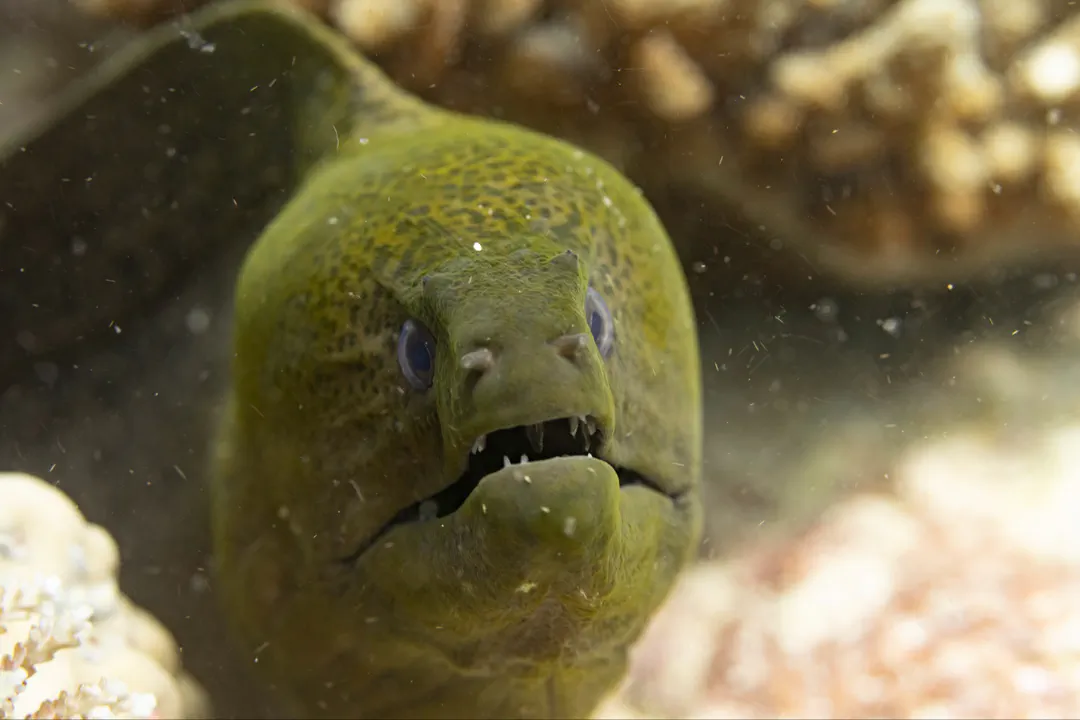
Elphinstone Reef is another legendary offshore dive site located south of Marsa Alam, famous for its dramatic wall dives and exceptionally high probability of encountering oceanic whitetip sharks, especially during autumn months. The reef features north and south plateaus teeming with soft corals, hard coral formations, and dense populations of reef fish. Drift dives along Elphinstone's walls offer thrilling encounters with large pelagics navigating the nutrient-rich waters, while the reef's topography includes tunnels and overhangs that provide shelter for groupers, snappers, and moray eels.
The site's accessibility via day trips from Marsa Alam or liveaboard expeditions makes it a must-visit destination for advanced divers seeking pelagic action and pristine coral ecosystems.
 © seabook.appAll rights reserved
  © seabook.appAll rights reserved
  © cello caruso-turielloCC BY 4.0 · iNaturalist
 Brothers Islands
The Brothers Islands, comprising Big Brother and Little Brother, are remote islands located approximately 70 kilometers offshore from Hurghada and represent some of the Red Sea's most exhilarating diving experiences. These islands offer pristine coral gardens, dramatic wall dives, and two impressive wrecks: the Aida and the Numidia, both providing fascinating historical exploration alongside thriving marine ecosystems. The islands are famous for frequent sightings of various shark species, including thresher sharks, grey reef sharks, hammerheads, and silvertips, making them a liveaboard favorite for shark enthusiasts.
The strong currents and deep walls surrounding the Brothers create ideal conditions for drift diving, while the shallow plateaus support healthy hard and soft coral formations. Due to their remote location and challenging conditions, the Brothers Islands are best accessed via liveaboard expeditions and are recommended for experienced divers.
Diving Safety and Conservation
Safety is paramount when diving in the Red Sea, especially at offshore sites with strong currents and significant depths. Always dive within your training limits and with reputable, certified operators who maintain current safety equipment and follow established dive protocols. The Red Sea's strong currents, particularly at sites like Daedalus, Elphinstone, and the Brothers Islands, require proper drift diving techniques and excellent buoyancy control.
Conservation efforts are crucial to protect these fragile ecosystems; practice responsible diving by avoiding contact with corals and marine life, maintaining proper buoyancy to prevent accidental damage, and avoiding single-use plastics that threaten marine environments. Many dive operators in Egypt and Sudan are implementing marine protected area guidelines and sustainable tourism practices to preserve the Red Sea's biodiversity for future generations.
Practical Tips for Divers
Consider a liveaboard trip for accessing remote sites like Daedalus, Elphinstone, and the Brothers Islands, which offer multi-day itineraries with multiple daily dives and expert guides familiar with local conditions. Ensure your dive insurance is current and specifically covers emergency evacuations, as remote offshore sites may require helicopter rescue in rare emergencies. Invest in reef-safe sunscreen containing zinc oxide or titanium dioxide rather than oxybenzone or octinoxate, which damage coral ecosystems.
Bring a quality underwater camera to capture the breathtaking beauty, but prioritize the experience over photography—many divers find their best memories come from simply observing the underwater world without a camera. Pack a dive log book to record your dives, depths, and marine life encounters, creating a personal record of your Red Sea adventures. Finally, consider taking advanced certifications like drift diving or deep diving before your trip to maximize your experience at challenging sites.
Questions
What level of diving experience is required for the Red Sea?
The Red Sea accommodates all diving levels. Northern areas like Sharm El Sheikh and Hurghada offer beginner-friendly shore dives and shallow reef sites with minimal currents, while the southern Red Sea near Marsa Alam provides intermediate options. Advanced divers should target offshore sites like Daedalus, Elphinstone, and the Brothers Islands, which feature strong currents, significant depths beyond 40 meters, and require excellent buoyancy control and drift diving experience. Most liveaboard operators require Advanced Open Water certification or equivalent experience for their southern Red Sea expeditions.
Are there any specific marine life to look out for in the Red Sea?
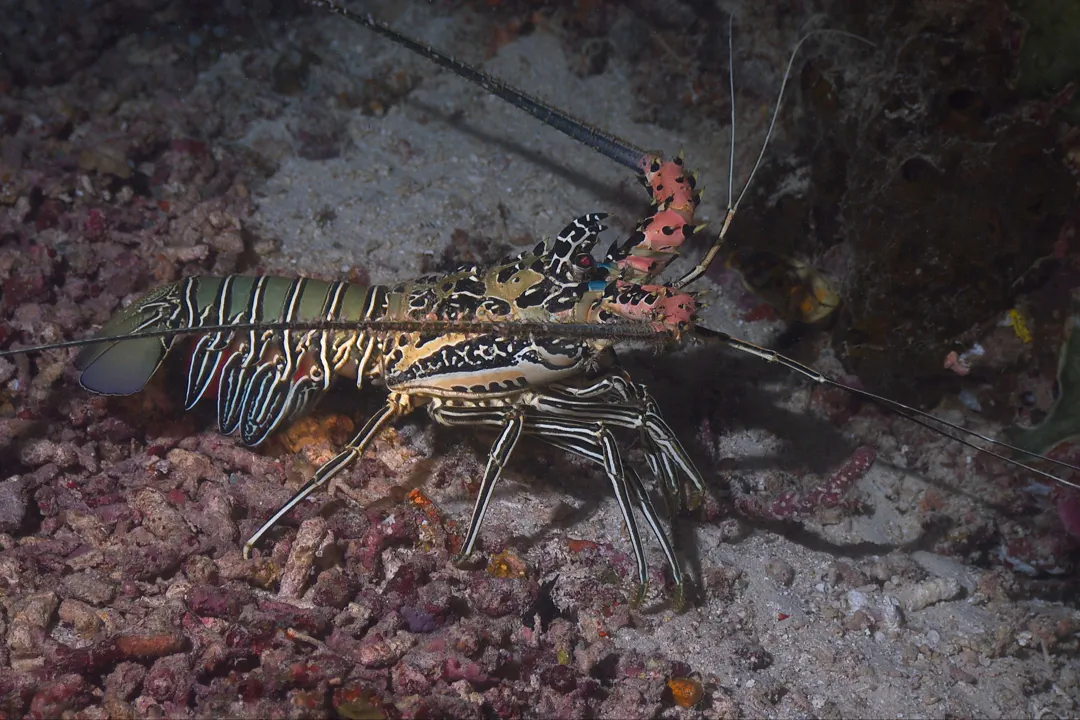
The Red Sea offers exceptional opportunities to encounter large pelagic species including hammerhead sharks, oceanic whitetips, grey reef sharks, silvertips, and occasionally thresher sharks. Manta rays are frequently spotted at sites like Daedalus and Elphinstone, while bottlenose dolphins and sea turtles appear regularly throughout the region. Reef inhabitants include parrotfish, butterflyfish, groupers, snappers, moray eels, octopuses, nudibranchs, and spiny lobsters. The Red Sea's 1,200+ fish species ensure diverse encounters at every dive site, from schooling jacks and barracuda to cryptic invertebrates hiding within coral formations.
What are the visa requirements for visiting Egypt (Red Sea)?
Most nationalities can obtain a visa on arrival at Egyptian airports for approximately 25 USD, or apply for an e-Visa online through Egypt's official portal before travel, which typically costs 25 USD and takes 1-3 business days. Citizens of certain countries enjoy visa-free entry for up to 90 days. Always verify the latest requirements for your specific nationality through your country's Egyptian embassy or consulate before planning your trip, as regulations can change. Ensure your passport is valid for at least six months beyond your intended departure date.
Is it safe to dive in the Red Sea?
Yes, diving in the Red Sea is generally very safe when conducted with certified and reputable operators who maintain current safety equipment and follow established dive protocols. Standard dive safety practices—buddy diving, staying within your training limits, monitoring air consumption, and maintaining proper buoyancy—should always be followed. The Red Sea's main hazards are strong currents at offshore sites and occasional encounters with sharks, which are generally non-aggressive toward divers. Ensure your dive operator is PADI-certified or equivalent, conducts proper pre-dive briefings, and maintains emergency communication equipment for remote sites.