Introduction to the Similan Islands
The Similan Islands archipelago represents one of Southeast Asia's most pristine and biodiverse marine environments. Located approximately 70 kilometers off the coast of Phang Nga Province in southern Thailand, this protected national marine park encompasses 11 islands and covers roughly 140 square kilometers. The islands are renowned for their crystal-clear turquoise waters, dramatic granite boulder formations, and exceptional underwater visibility that frequently exceeds 30 meters during peak season.
The park's designation as a national marine reserve has enabled the preservation of vibrant coral ecosystems and thriving populations of pelagic species, making it consistently ranked among the world's premier diving destinations. The combination of nutrient-rich Andaman Sea currents, varied underwater topography, and strict environmental protections has created an underwater realm where encounters with whale sharks, manta rays, and diverse reef communities are commonplace.
Geography and Climate
The Similan Islands sit within the Andaman Sea, positioned off the coast of Phang Nga Province in Thailand's southern region. The archipelago's most distinctive feature is its collection of massive granite boulders, some rising dramatically from the seafloor to create pinnacles, swim-throughs, and caves that define the diving experience. These geological formations were shaped over millions of years and create a unique underwater landscape unlike typical coral-dominated dive sites.
The islands themselves support lush tropical vegetation adapted to the monsoon climate, with dense mangrove forests and coconut palms characterizing the terrestrial environment. The region experiences a tropical monsoon climate with two distinct seasons: the dry season from November to April brings calm seas and optimal diving conditions, while the southwest monsoon from May to October generates rough seas and reduced visibility, prompting the national park's seasonal closure during these months.
Marine Ecosystems and Biodiversity
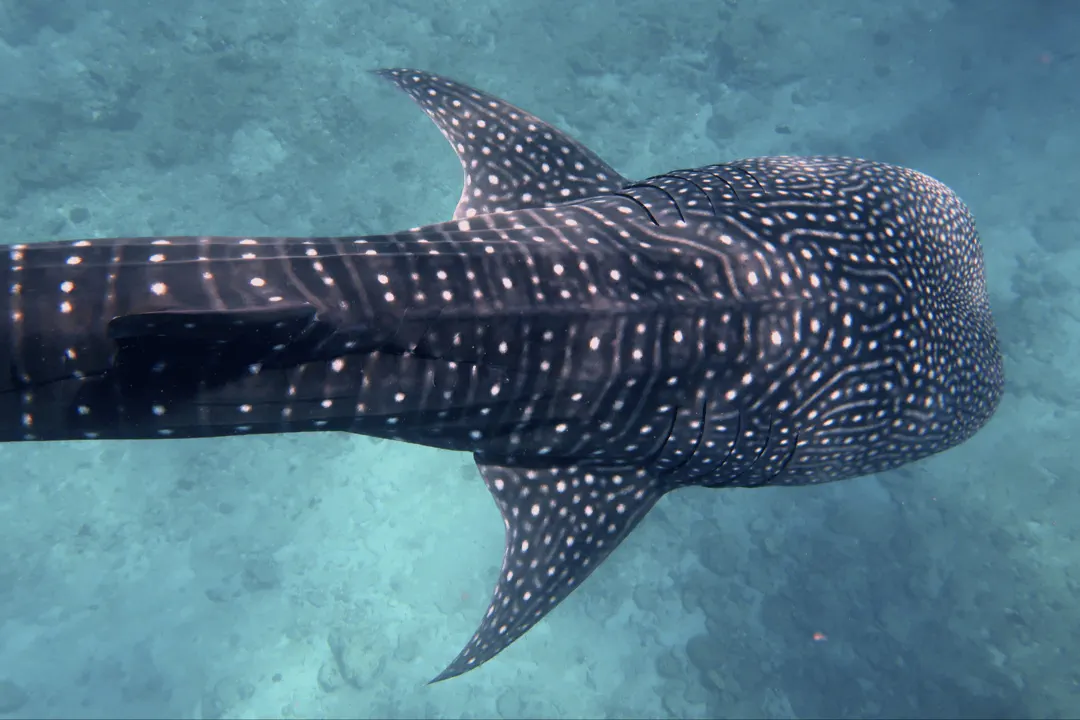
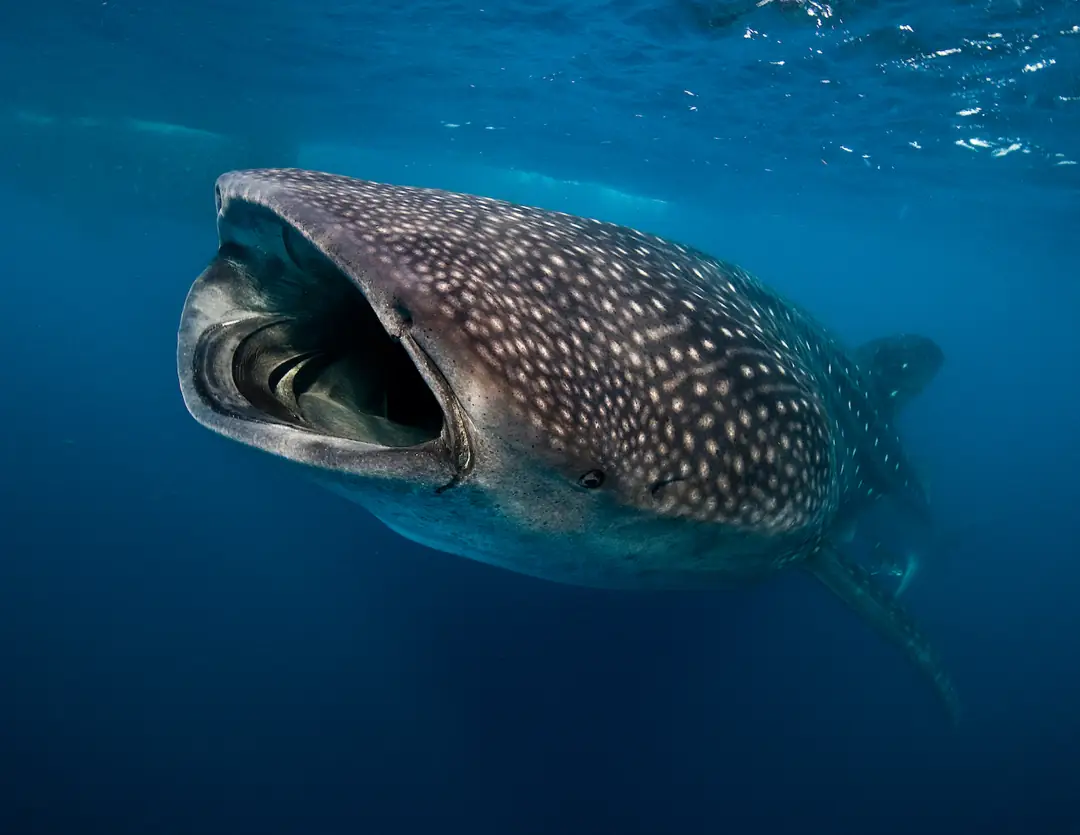
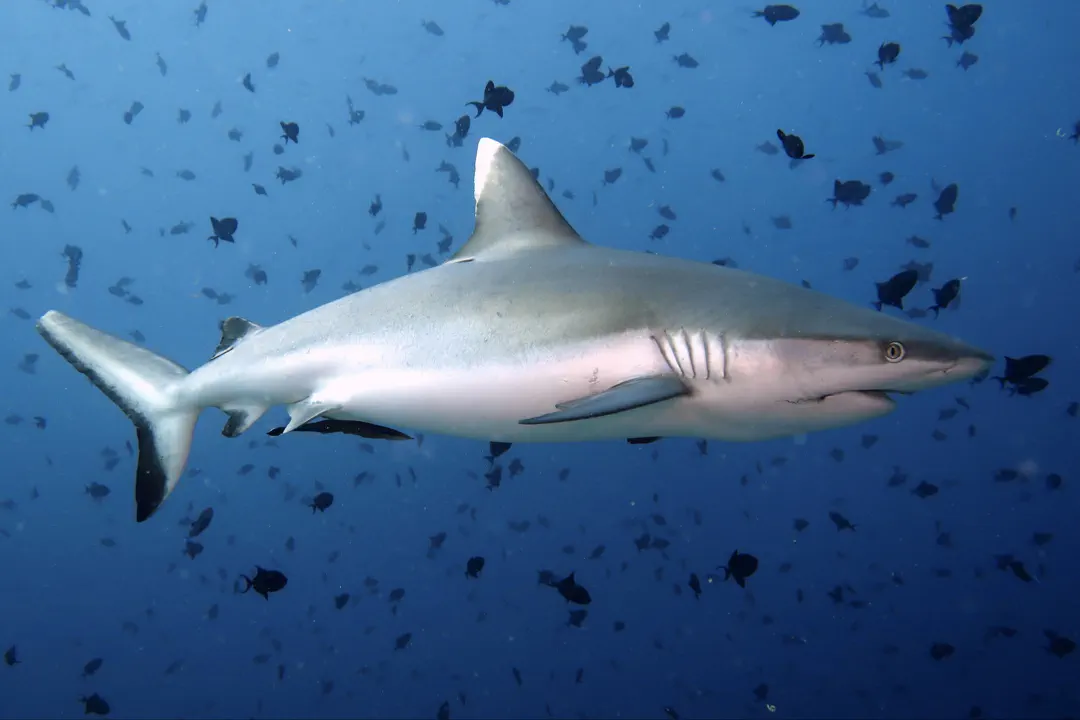
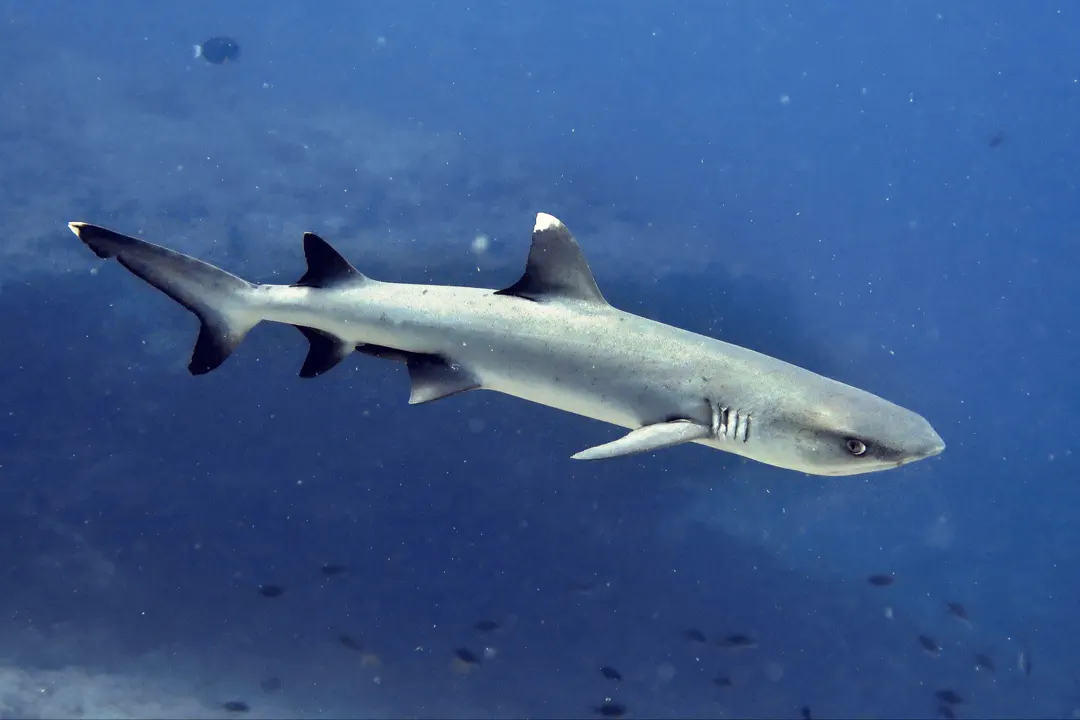
The Similan Islands support one of Thailand's most diverse and healthy marine ecosystems, characterized by thriving coral gardens, dramatic drop-offs, and nutrient-rich currents that sustain abundant pelagic and reef species. The park's protection status has allowed coral communities to recover and flourish, with both hard corals forming the structural foundation of reefs and soft corals creating colorful gardens across the granite formations. The nutrient-rich waters flowing through the Andaman Sea attract large pelagic species including whale sharks (Rhincodon typus), manta rays (Manta birostris), and various shark species that patrol the deeper channels and pinnacles.
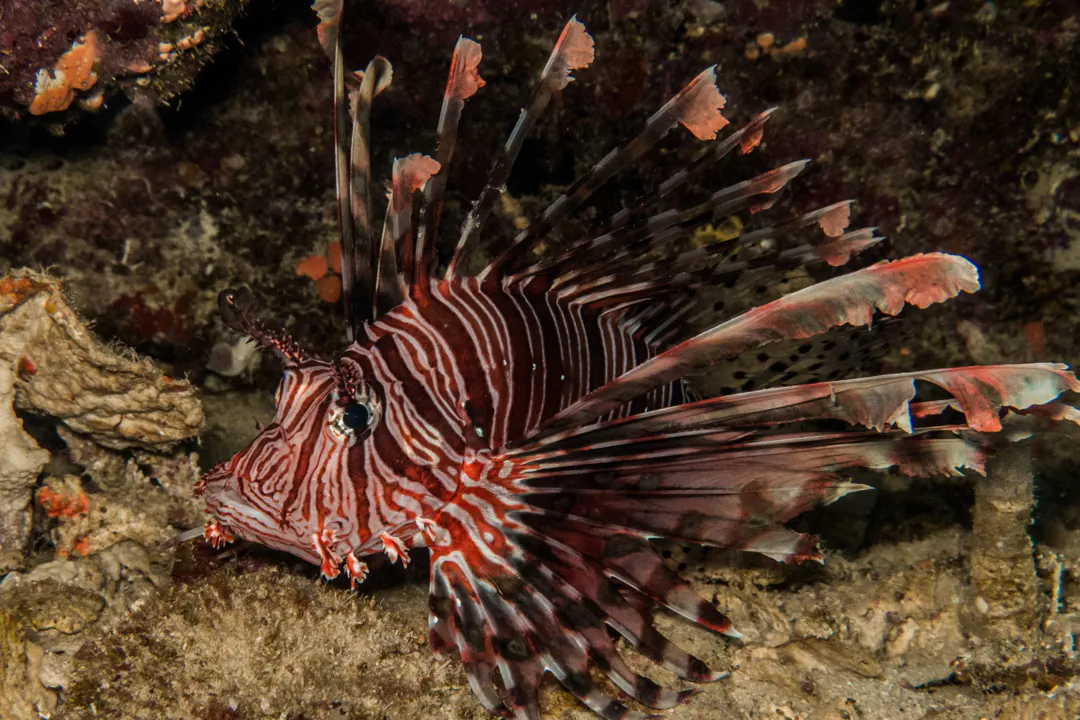
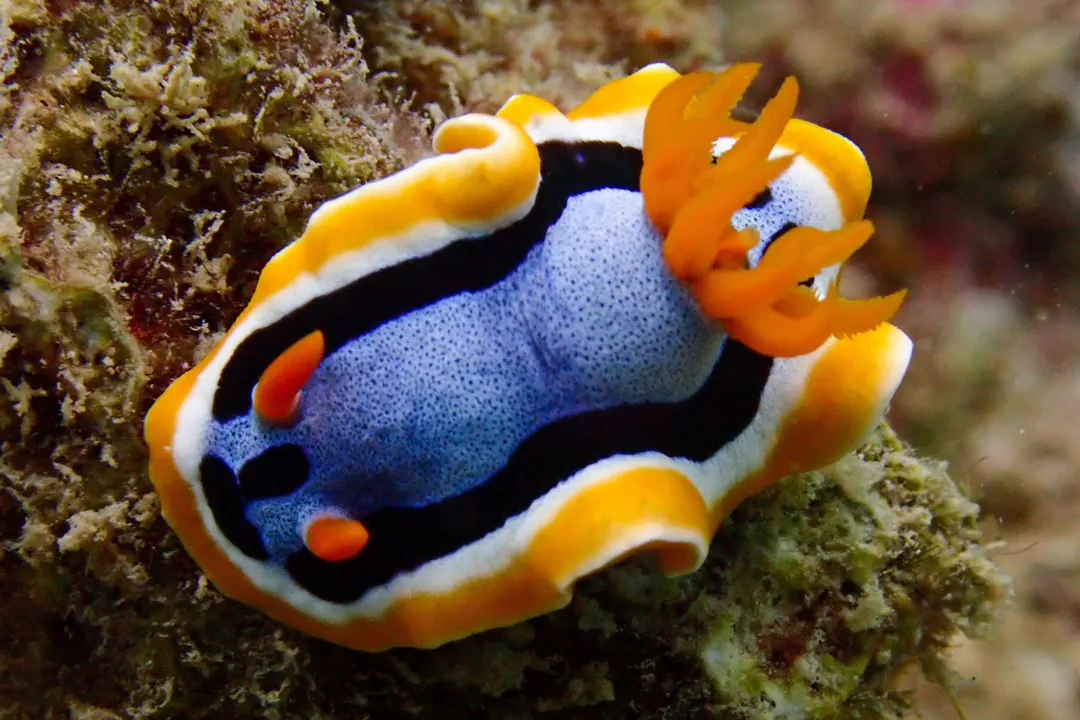
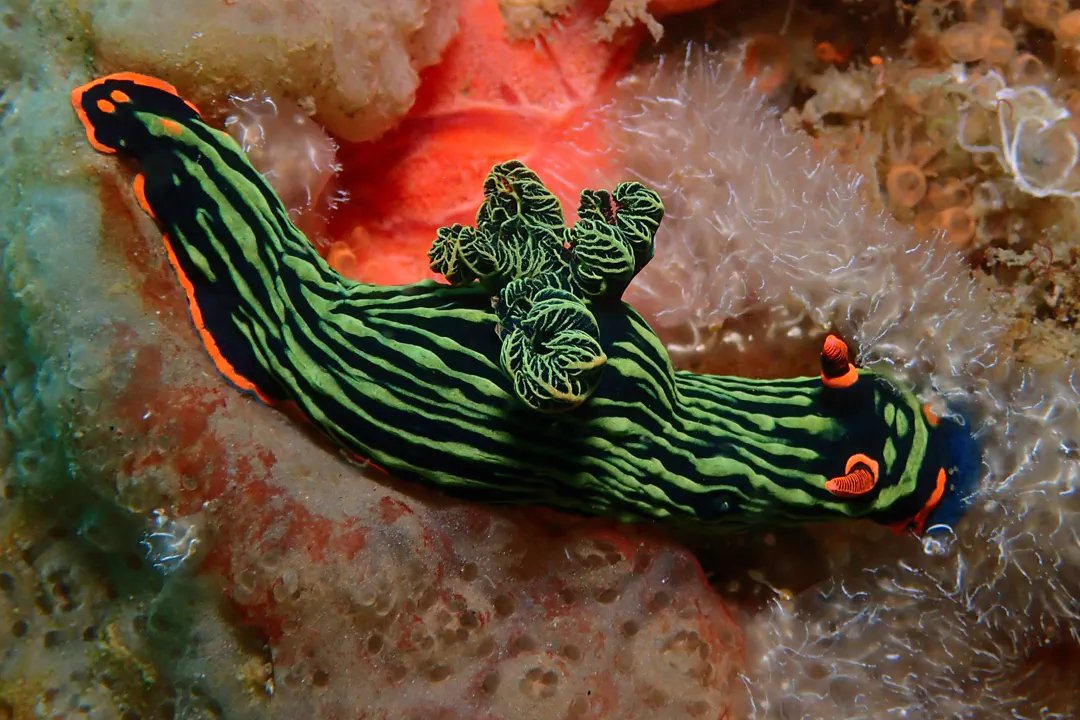
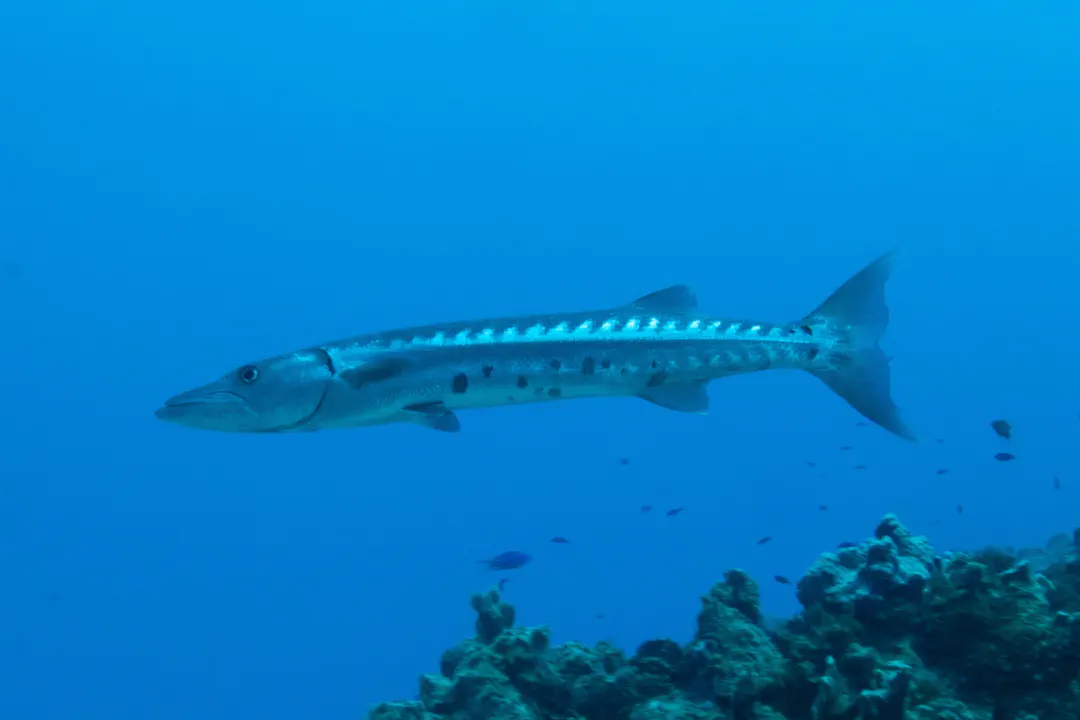
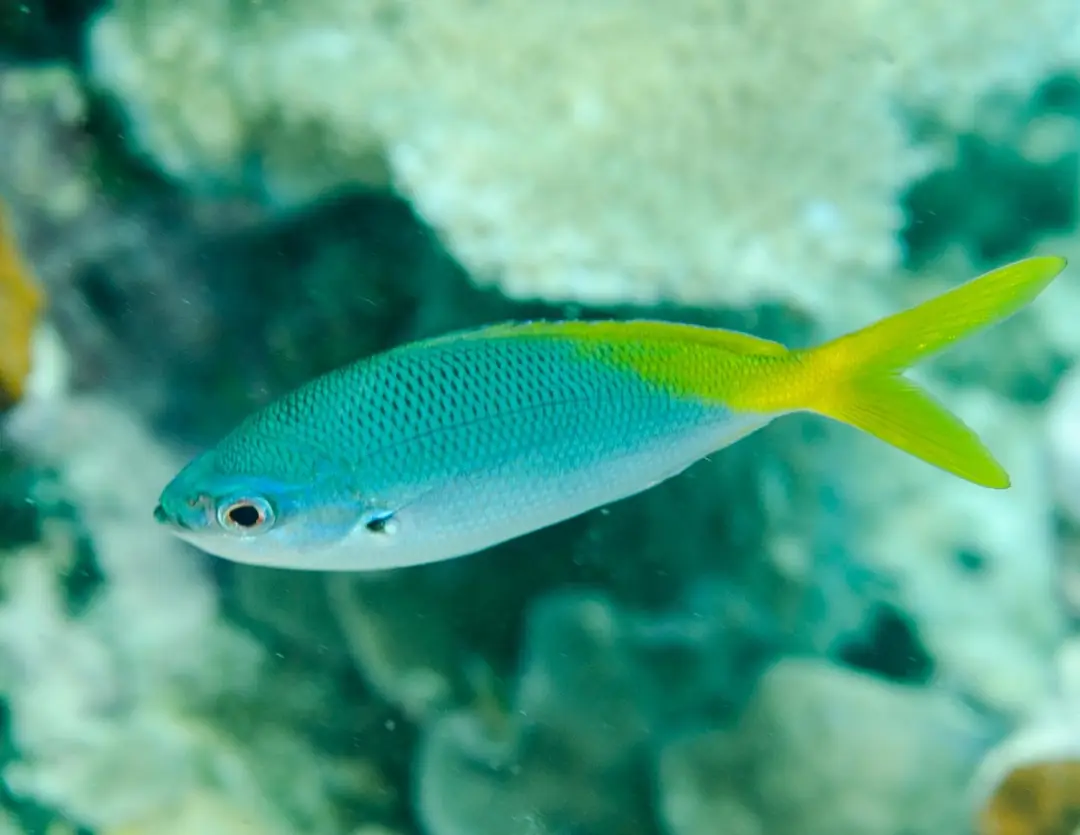
Reef ecosystems host schools of barracuda, trevally, and fusiliers, while smaller niches support seahorses, ghost pipefish, nudibranchs, and crustaceans. The biodiversity extends from macro subjects measuring just centimeters to whale sharks reaching lengths of 18 meters, creating diving opportunities suited to photographers, naturalists, and adventure seekers alike. The health of these ecosystems depends on maintaining strict environmental regulations and responsible diving practices that minimize human impact on this delicate balance.
 © seabook.appAll rights reserved
  © seabook.appAll rights reserved
  © seabook.appAll rights reserved
  © Matteo BellucciCC BY 4.0 · iNaturalist
  © seabook.appAll rights reserved
  © Pauline FeyAll rights reserved
 Best Time to Visit for Diving
The optimal diving season for the Similan Islands runs from November through May, when the northeast monsoon brings calm seas, stable weather patterns, and exceptional underwater visibility. During the peak season from December to April, visibility regularly exceeds 30 meters, allowing divers to appreciate the full panoramic scale of the underwater landscape. Water temperatures during this period range from 26 to 30°C, with most dives occurring at approximately 27°C, making a 3-5mm wetsuit appropriate for extended bottom times.
The shoulder months of October and May offer quieter experiences with fewer crowds, though visibility may be slightly reduced and water temperatures can be cooler. The national park closes from mid-May through mid-October during the southwest monsoon season, when rough seas, strong currents, and reduced visibility make diving unsafe. This closure period also allows the marine ecosystem to recover from diving pressure and provides critical time for coral reproduction and fish spawning cycles.
Divers should avoid booking trips during major holidays including Christmas, New Year's, and Songkran (Thai New Year in mid-April) when the islands experience peak tourist congestion.
Top Dive Sites of the Similan Islands
Elephant Head Rock (Hin Pusa)
Elephant Head Rock (Hin Pusa) derives its name from the distinctive underwater formation that resembles an elephant's head when viewed from certain angles. This advanced dive site features massive granite boulders creating numerous swim-throughs, caves, and crevices that require careful navigation and good buoyancy control. Strong currents are characteristic of this site, making it suitable primarily for Advanced Open Water certified divers or those with substantial experience in current diving.
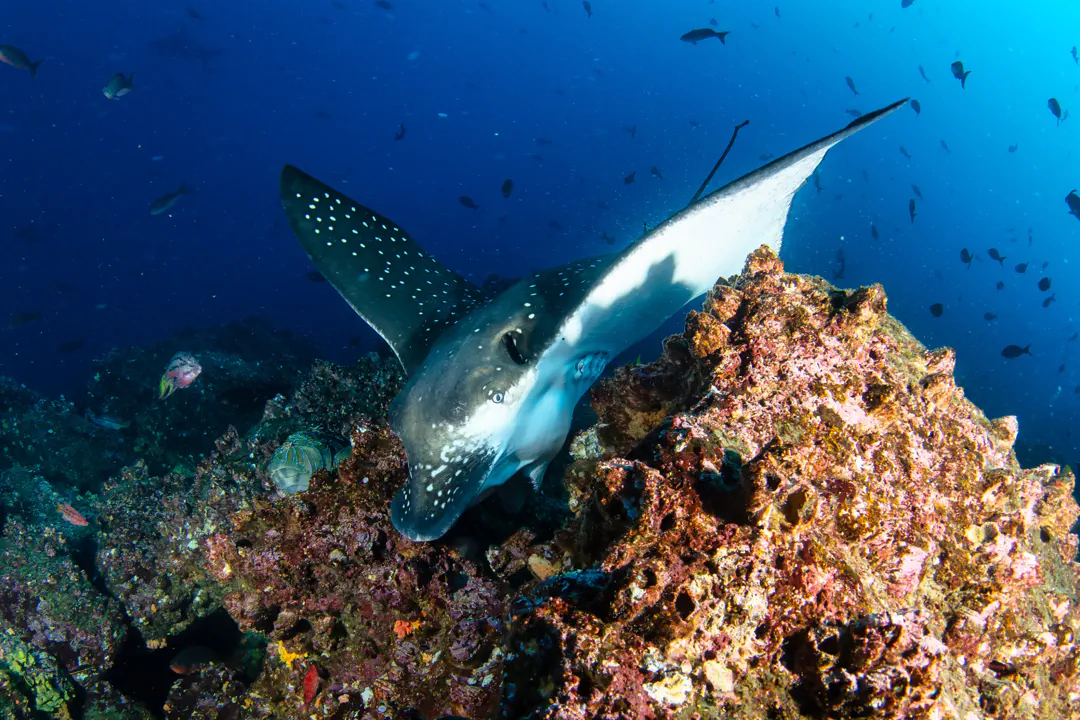
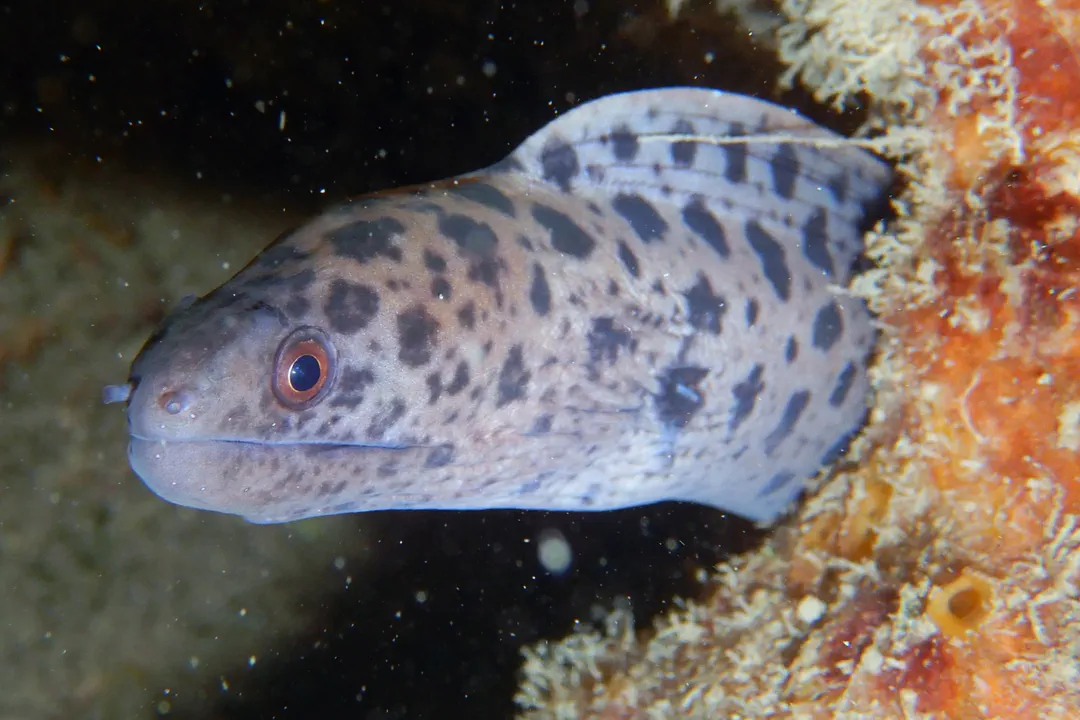
The nutrient-rich waters attract large pelagic species including reef sharks, eagle rays, and schools of barracuda and trevally that patrol the deeper sections. Soft corals in shades of purple, red, and orange blanket many of the rock surfaces, creating a vibrant backdrop for encounters with groupers, snappers, and occasional leopard sharks. The site's challenging conditions and dramatic topography make it a favorite among experienced divers seeking adrenaline-inducing drift dives and encounters with larger marine life.
 © Daniel BenákCC BY 4.0 · iNaturalist
  © Daniel BenákCC BY 4.0 · iNaturalist
  © seabook.appAll rights reserved
  © Ewout KnoesterCC BY-SA 4.0 · iNaturalist
 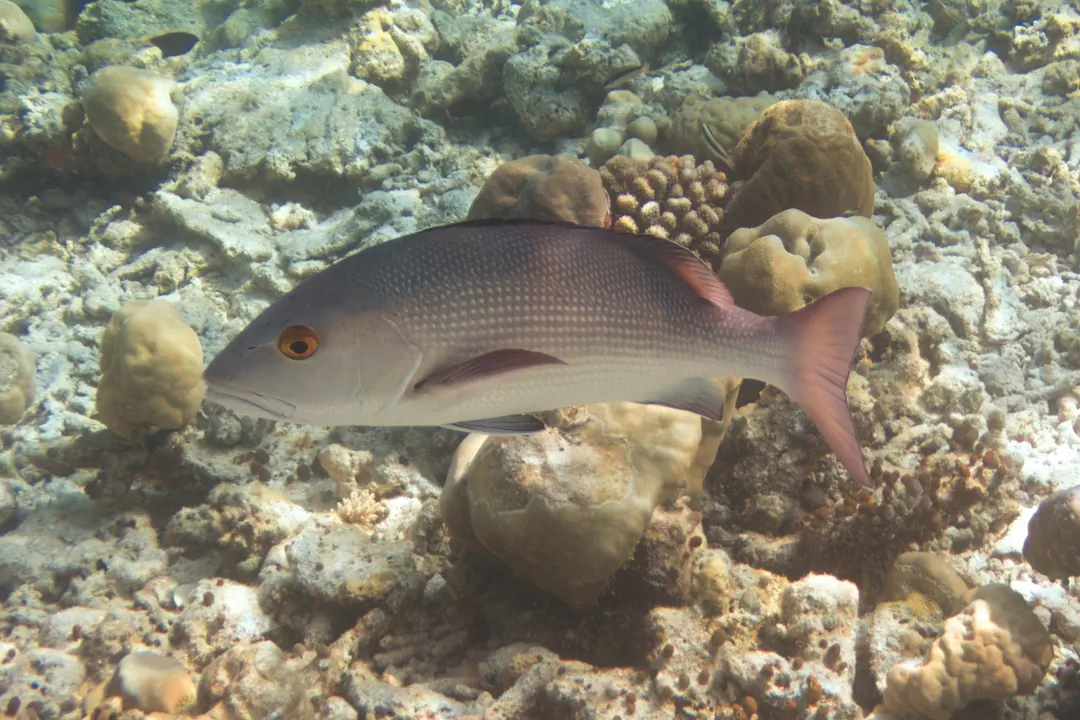 © Darren ObbardCC BY 4.0 · iNaturalist
 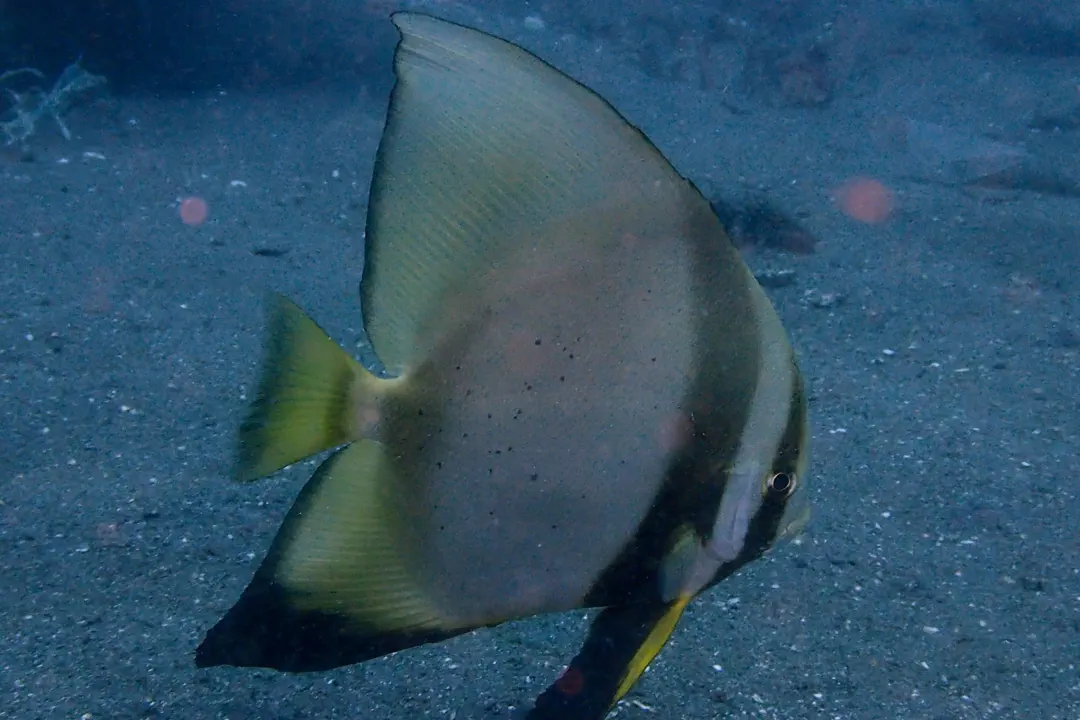 © Dan SchofieldCC BY 4.0 · iNaturalist
 Richelieu Rock (Surin Islands - Often part of Similan trips)
Richelieu Rock stands as Thailand's most celebrated dive site and represents a pinnacle experience for visiting divers, despite technically belonging to the Surin Islands rather than the Similan group proper. This horseshoe-shaped underwater pinnacle rises from depths exceeding 40 meters and is characterized by nutrient-rich currents that create exceptional conditions for both large pelagic encounters and intricate macro life. The site earned its name from French oceanographer Jacques-Yves Cousteau, who reportedly observed the abundance of purple and red soft corals covering the pinnacle and was reminded of Cardinal Richelieu's distinctive red robes.
Whale sharks and manta rays frequent these waters with remarkable regularity during the peak season, drawn by the plankton-rich currents that concentrate food sources. The pinnacle's structure creates multiple dive profiles, allowing divers to explore shallow coral gardens at 12-16 meters or descend to deeper sections where larger pelagics patrol. Visibility at Richelieu Rock frequently reaches 25-30 meters, providing excellent conditions for photographing both the dramatic topography and the diverse marine life that congregates here.
Most Similan liveaboard itineraries dedicate multiple dives to this site, recognizing its unparalleled reputation and consistent ability to deliver memorable encounters.
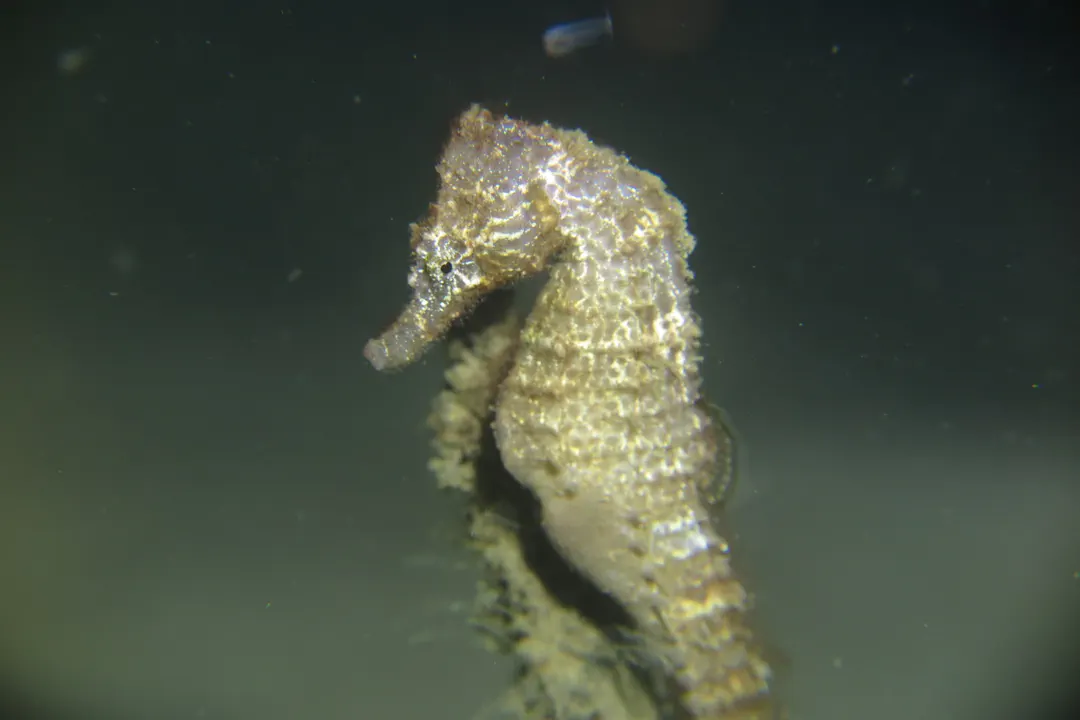 © Ewout KnoesterCC BY-SA 4.0 · iNaturalist
 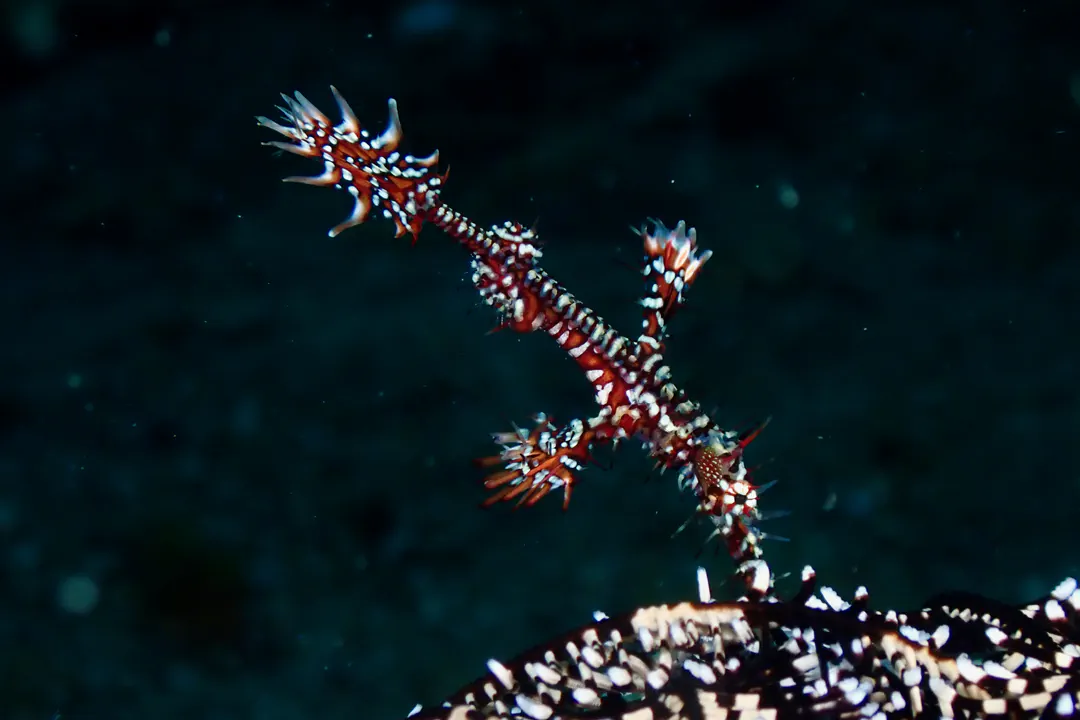 Chris SpainCC0
 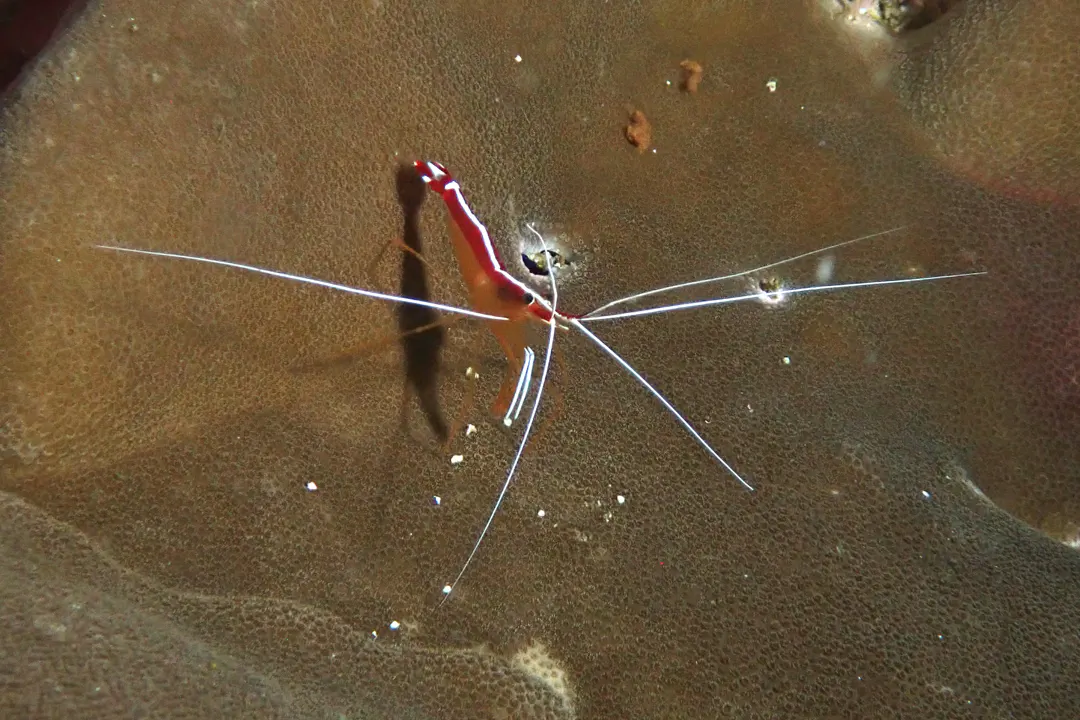 © Roger RittmasterCC BY 4.0
 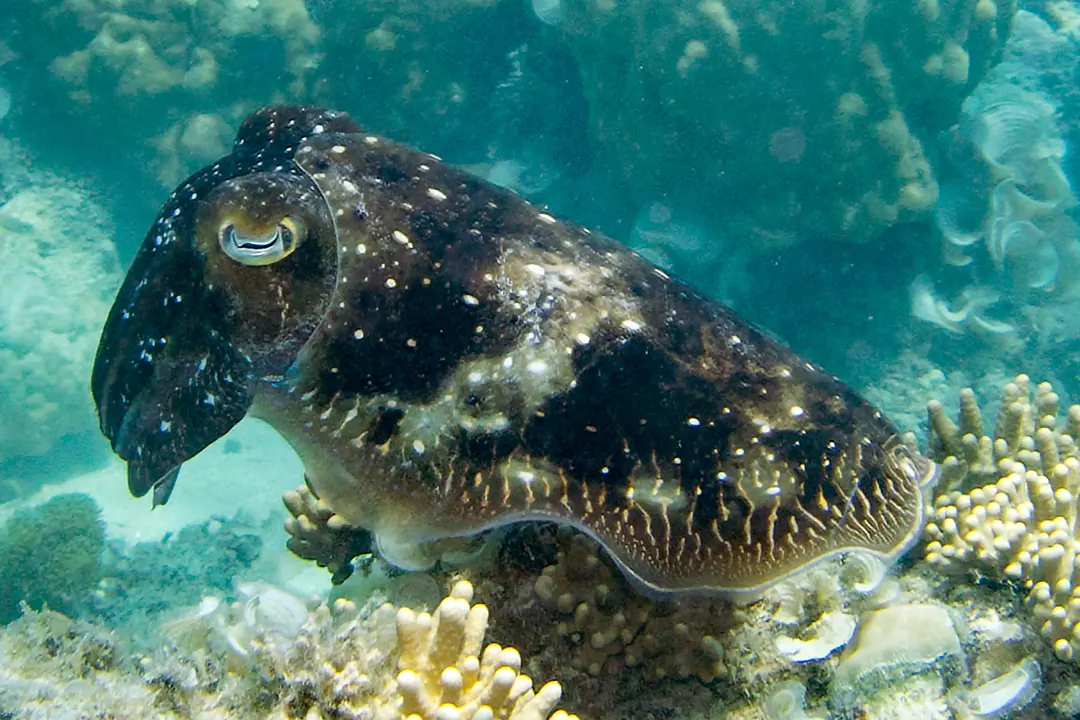 © Paul Asman and Jill LenobleCC BY 4.0 · iNaturalist
 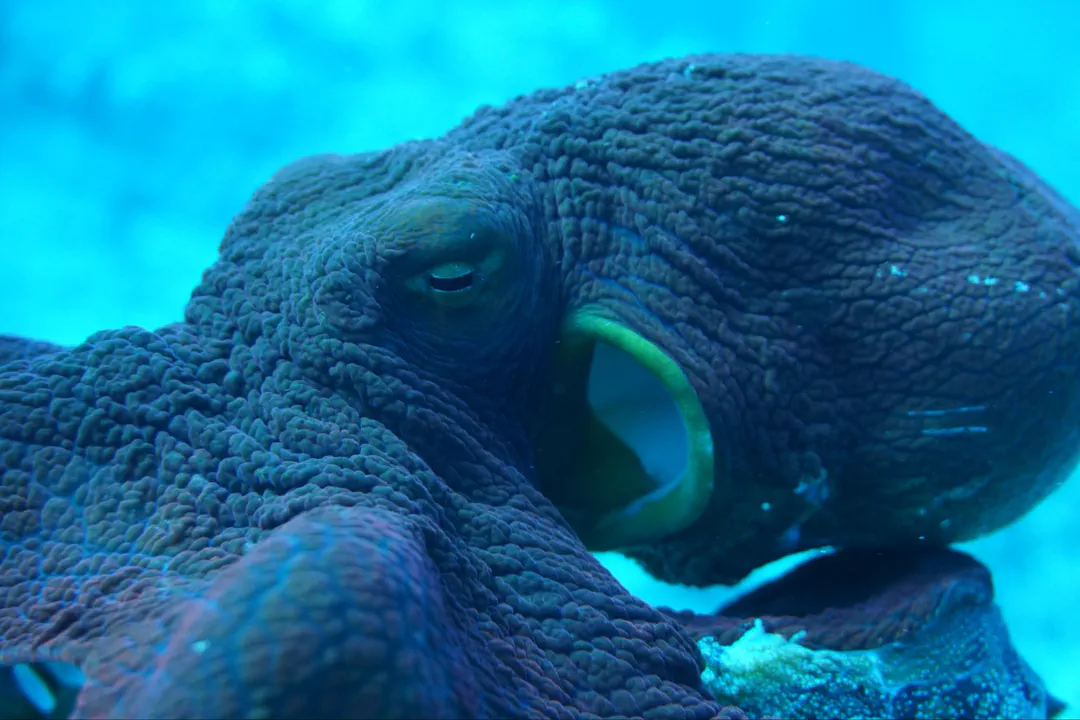 © cello caruso-turielloCC BY 4.0 · iNaturalist
 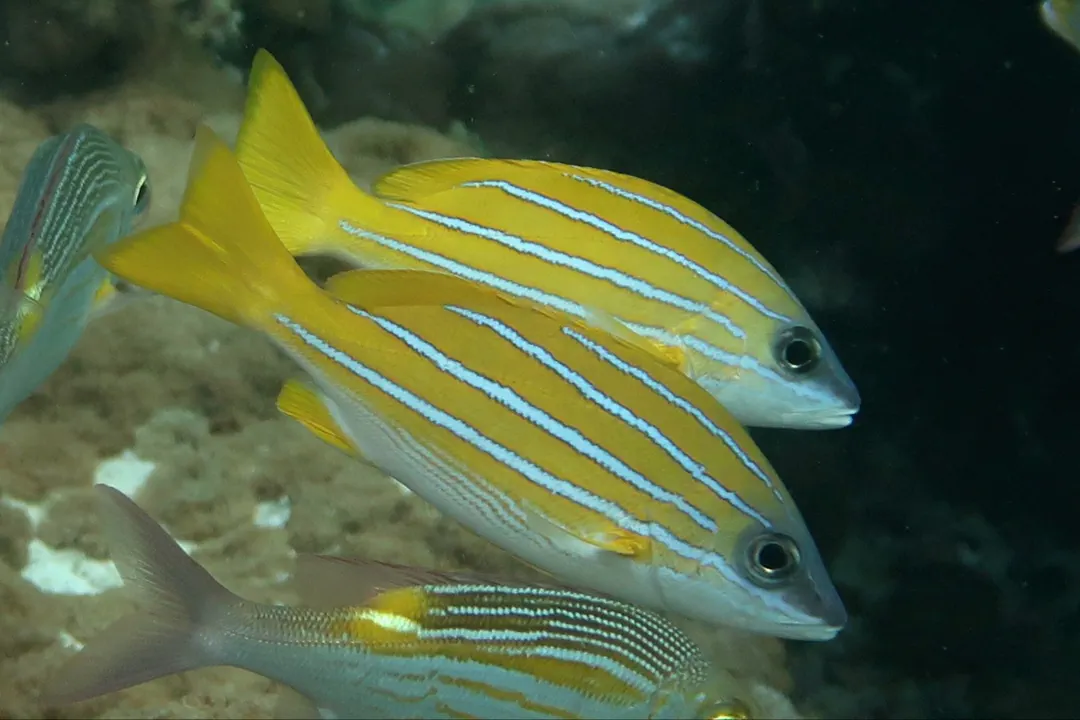 © Daniel BenákCC BY 4.0 · iNaturalist
 Christmas Point
Christmas Point, located on Island 9 within the Similan Islands National Park, showcases dramatic underwater topography featuring a series of swim-throughs, boulder formations, and sloping reef structures. The site's name reflects its discovery and naming during the Christmas season, and it has since become a signature dive site known for exhilarating drift diving opportunities. Strong currents flowing through the site create dynamic conditions that attract schools of fusiliers, snappers, and jacks that swirl around the rock formations in mesmerizing patterns.
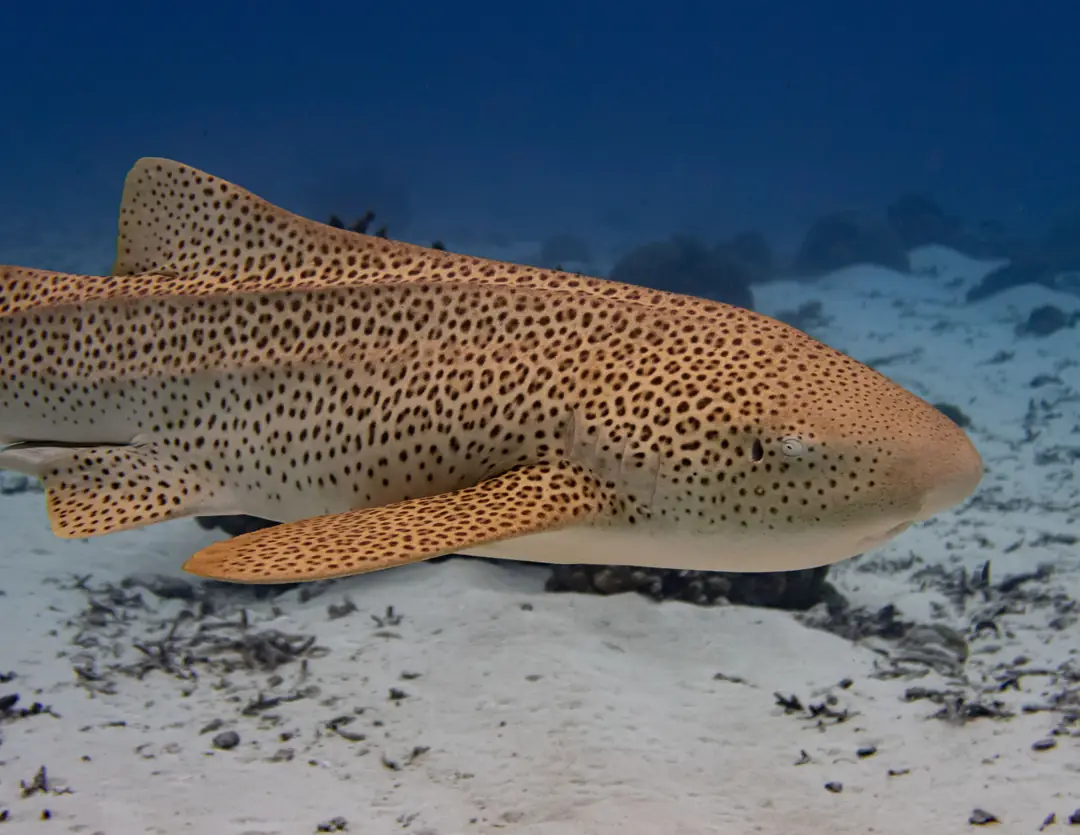
Leopard sharks (Stegostoma tigrinum) are frequently encountered here, often resting on sandy patches between boulder formations or cruising through the water column. The varied topography provides excellent opportunities for both wide-angle photography capturing the dramatic rock formations and macro work focusing on smaller reef inhabitants sheltering in crevices. Visibility typically ranges from 15-30 meters, and water temperatures average 26-27°C.
The site's combination of challenging currents, dramatic geology, and reliable marine life encounters makes it a favorite among experienced divers seeking an adrenaline-filled dive experience.
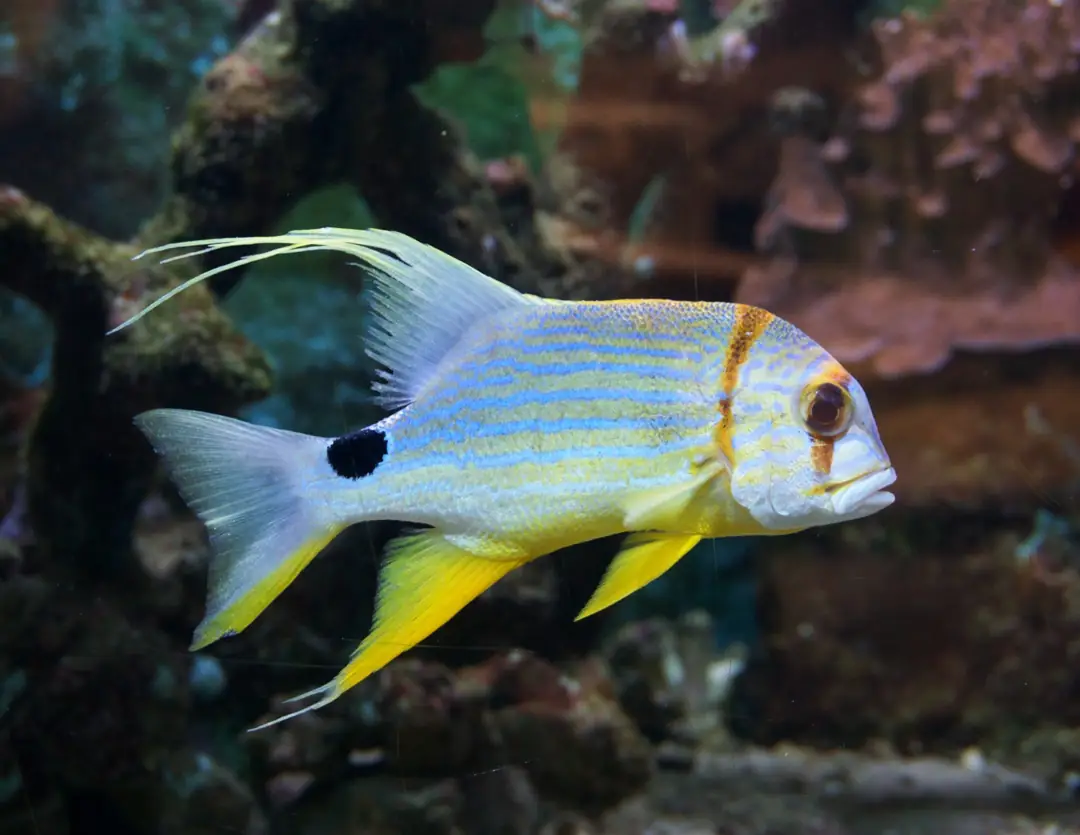 © arwen_czCC BY 4.0
 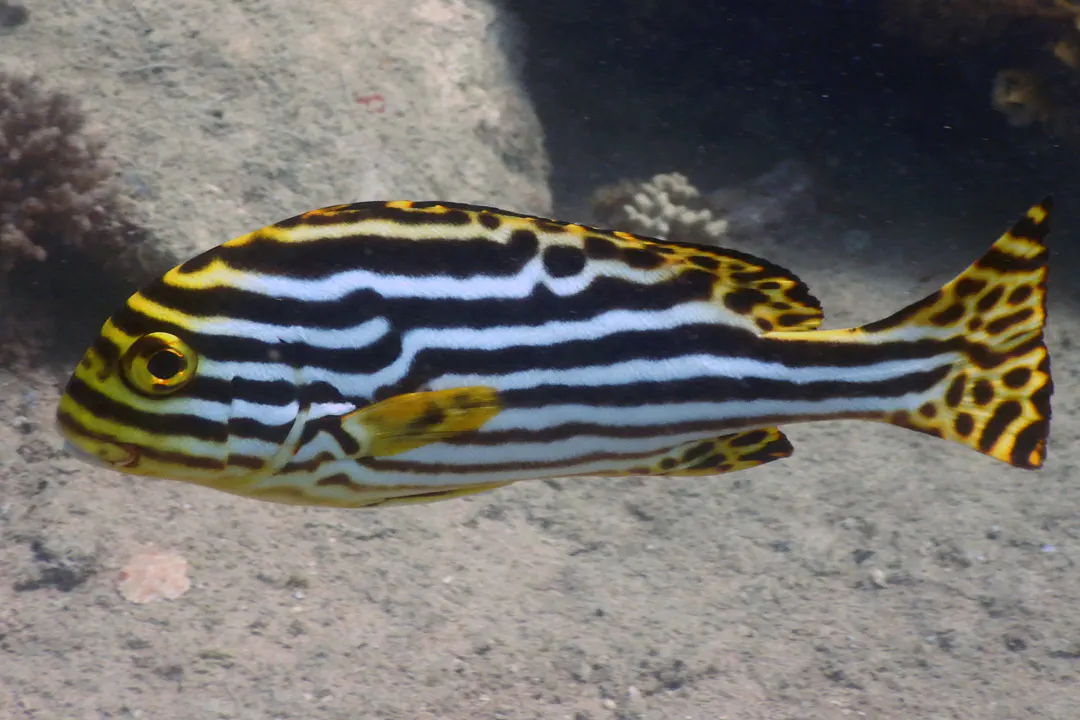 © Ewout KnoesterCC BY-SA 4.0
 Anita's Reef (Hin Muang)
Anita's Reef (Hin Muang) offers a distinctly different diving experience compared to the boulder-dominated sites, featuring a beautiful white sand bottom interspersed with coral bommies and vibrant hard and soft coral gardens. This site is particularly renowned for macro photography opportunities, with numerous small crustaceans, nudibranchs, and other invertebrates inhabiting the coral structures and sandy areas. The large central bommie provides a focal point for the dive, with coral-encrusted surfaces hosting gobies, blennies, and small groupers.
Leopard sharks and stingrays occasionally cruise the sandy bottom, while seahorses can be found anchored to seagrass and coral branches. The site's relatively sheltered conditions and moderate depths of 12-20 meters make it suitable for divers of varying experience levels, though the abundance of small subjects particularly appeals to macro enthusiasts. Water temperatures at Anita's Reef average 26-27°C, and visibility typically ranges from 15-25 meters.
The site's combination of accessible diving conditions and exceptional macro life diversity makes it an ideal location for photographers seeking detailed images of reef inhabitants.
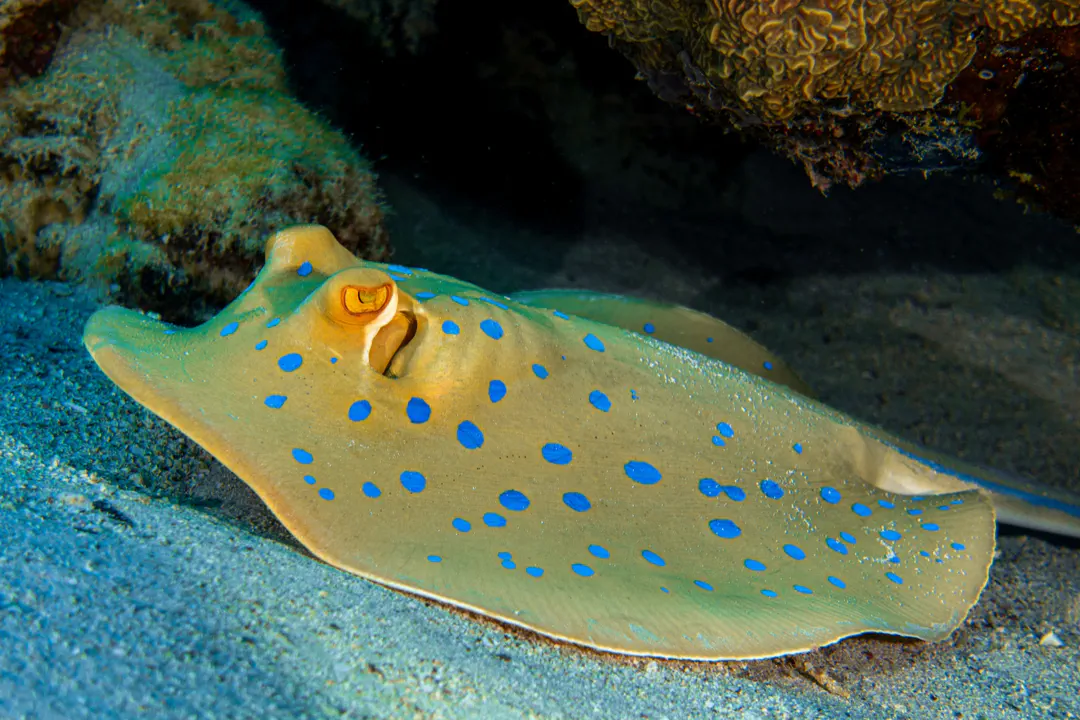 © Dirk FroebelCC BY 4.0 · iNaturalist
 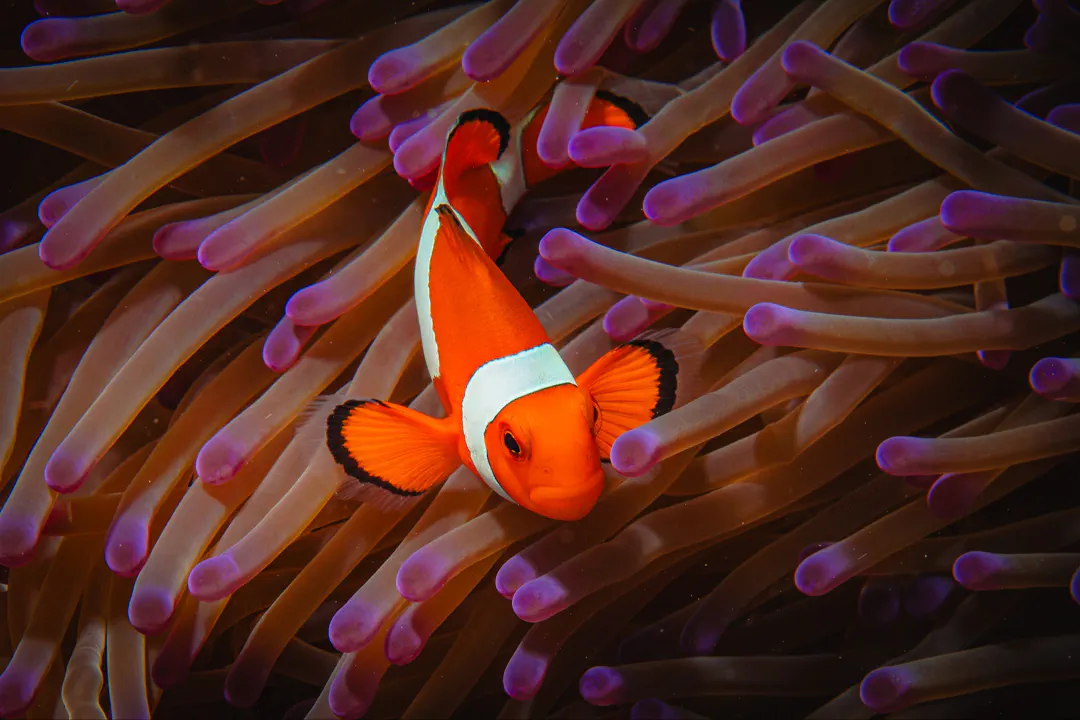 © Olka KuryanAll rights reserved
  © João D'AndrettaCC BY 4.0 · iNaturalist
  Jean-Paul BoerekampsCC0
  © Dan SchofieldCC BY 4.0 · iNaturalist
  © Dan SchofieldCC BY 4.0
 Koh Bon
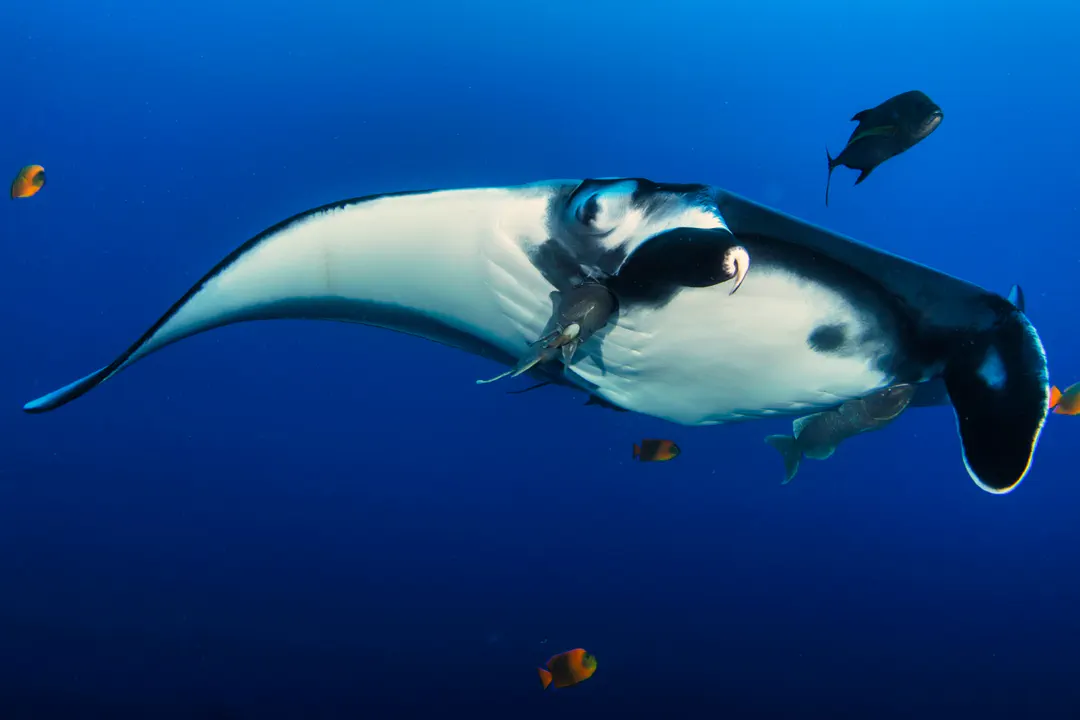
Koh Bon has achieved international recognition as one of the world's premier manta ray diving destinations, hosting a well-documented cleaning station where these magnificent creatures gather with remarkable consistency during the peak diving season. The main dive site features a ridge formation that drops steeply to depths exceeding 40 meters, creating a natural funnel for nutrient-rich currents that concentrate plankton and attract filter-feeding manta rays. Manta rays (Manta birostris) are filter feeders capable of consuming over 20 kilograms of plankton daily, using their distinctive cephalic fins to funnel food into their mouths as they glide through the water.
Encounters with these graceful creatures are frequent during December through April, with multiple manta rays often visible during a single dive. Beyond the manta rays, Koh Bon attracts whale sharks, eagle rays, reef sharks, and schools of large pelagic fish including trevally and barracuda. The site's deeper sections and strong currents make it most suitable for Advanced Open Water certified divers or those with substantial experience in deep diving and current management.
Water temperatures average 26-27°C, and visibility frequently exceeds 25 meters, providing excellent conditions for observing these magnificent animals in their natural habitat.
 © Dan SchofieldCC BY 4.0 · iNaturalist
  © Ian ShawAll rights reserved
 Conservation and Responsible Diving
The Similan Islands National Park operates under strict environmental regulations designed to protect its marine ecosystems and ensure the long-term sustainability of diving tourism. The park's seasonal closure from mid-May through mid-October provides critical recovery time for coral reproduction, fish spawning, and overall ecosystem regeneration. Ongoing conservation initiatives include mooring buoy systems that prevent anchor damage to coral reefs, designated dive site rotation to distribute diving pressure, and regular monitoring of coral health and fish populations.
Responsible diving practices are essential for preserving this fragile environment, including maintaining proper buoyancy to avoid contact with corals, adhering to depth limits and bottom time recommendations, and respecting marine life by observing from appropriate distances. Divers are prohibited from touching corals, collecting shells or other specimens, and feeding fish, practices that can disrupt natural behaviors and damage reef structures. The park's management recognizes that sustainable tourism depends on maintaining the ecological integrity that makes the Similans exceptional, and cooperation from visiting divers is fundamental to achieving this balance.
Liveaboard operators and dive centers actively promote conservation awareness, and many contribute portions of their revenue to marine research and habitat restoration projects within the park.
Practical Diving Tips for the Similans
Successful diving in the Similan Islands requires advance planning and preparation to maximize safety and enjoyment. Liveaboard trips should be booked several months in advance, particularly for peak season departures from December through February, as availability becomes limited during these popular months. Most dive sites are accessible to Open Water certified divers, though Advanced Open Water certification is strongly recommended for sites featuring strong currents or depths exceeding 30 meters, such as Elephant Head Rock and Richelieu Rock.
Equipment rental is available through dive operators in Phuket and Khao Lak, though bringing personal gear ensures proper fit and familiarity. A 3-5mm full wetsuit is recommended year-round, with 5mm preferred during the shoulder months of October and May when water temperatures may be cooler. Divers should be prepared for strong currents at several sites by practicing excellent buoyancy control and understanding drift diving techniques.
Awareness of marine life behavior is important; while sharks and rays are generally non-aggressive, maintaining respectful distance and avoiding sudden movements prevents defensive responses. Seasickness medication should be considered for the overnight boat journey to the islands, and divers should ensure adequate hydration and sun protection during surface intervals. Pre-dive briefings provided by liveaboard guides should be attended carefully, as they provide critical information about site-specific conditions, current direction, and marine life behavior.
Questions
What is the best time of year to dive the Similan Islands?
The diving season for the Similan Islands runs from November through May, with peak conditions occurring from December to April when visibility frequently exceeds 30 meters and water temperatures range from 26-30°C. The national park closes from mid-May through mid-October during the southwest monsoon season to protect the marine ecosystem and ensure diver safety. Divers should avoid major holidays including Christmas, New Year's, and Songkran (Thai New Year in mid-April) when the islands experience peak tourist congestion.
Do I need a special diving certification for the Similans?
Most dive sites in the Similan Islands are accessible to Open Water certified divers, but Advanced Open Water certification is strongly recommended for sites featuring strong currents or depths exceeding 30 meters, such as Elephant Head Rock, Richelieu Rock, and Koh Bon. These advanced sites require excellent buoyancy control, current awareness, and experience with drift diving techniques. Liveaboard operators typically recommend Advanced certification and may require it for certain dives.
What kind of marine life can I expect to see?
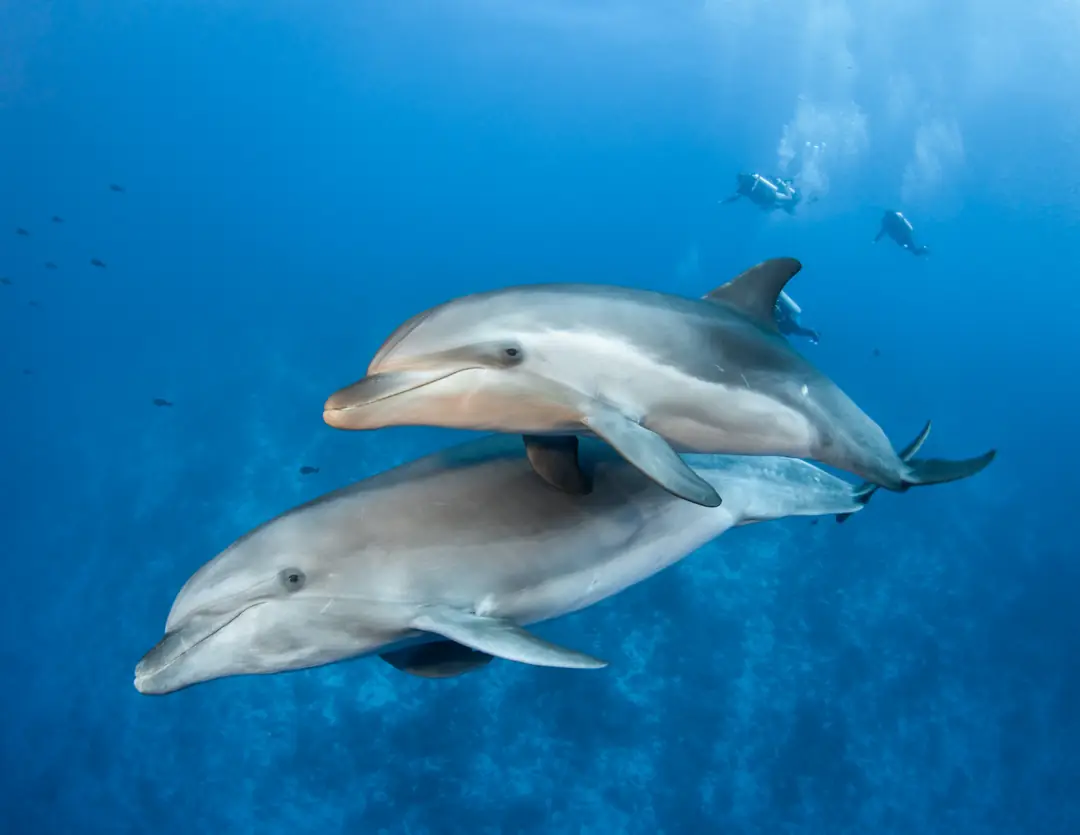
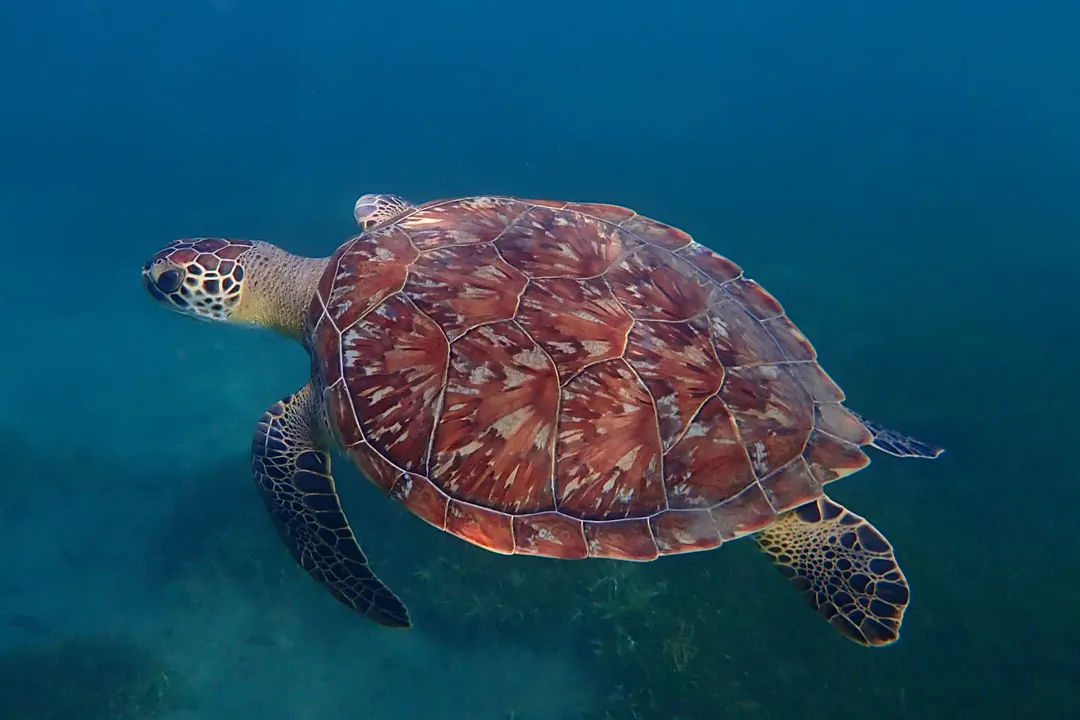
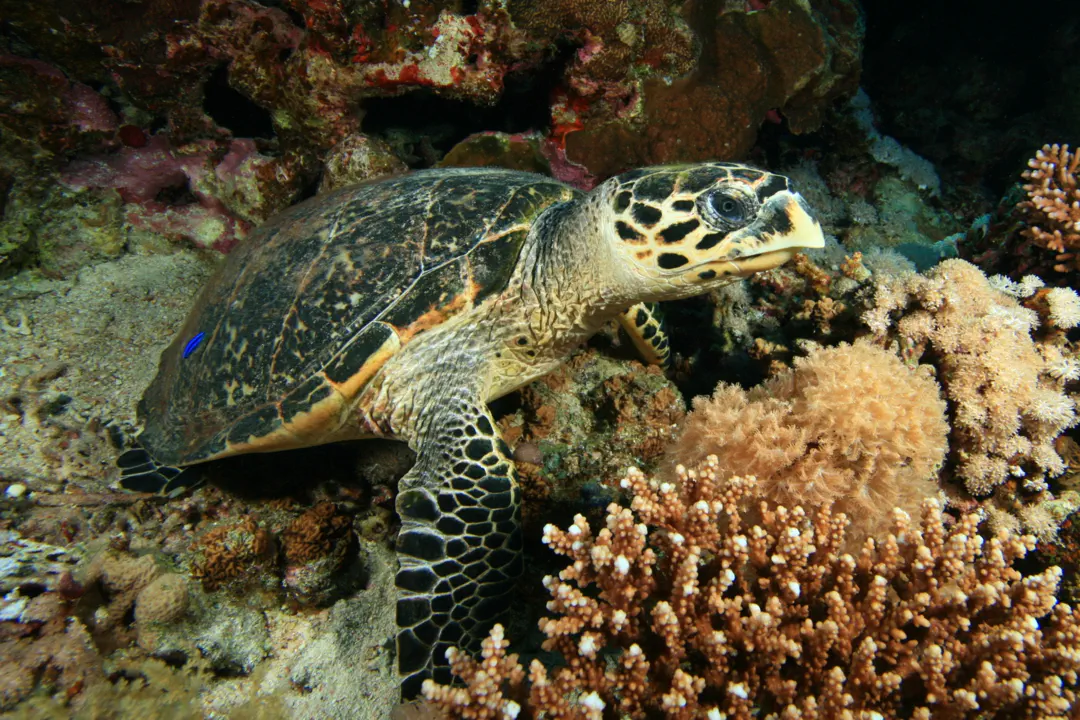
The Similan Islands are renowned for exceptional biodiversity including large pelagics such as whale sharks (Rhincodon typus), manta rays (Manta birostris), and various shark species including reef sharks and eagle rays. The reefs host green and hawksbill sea turtles, schools of barracuda, trevally, and fusiliers, along with diverse reef fish species. Macro life includes seahorses, ghost pipefish, nudibranchs, crustaceans, and cephalopods. Visibility frequently exceeds 25-30 meters during peak season, allowing excellent observation of both large pelagics and intricate reef inhabitants.
Are liveaboards the only way to dive the Similans?
While liveaboards are the most popular and recommended way to experience the Similan Islands, offering access to remote sites and multiple dives per day, day trips are available from Khao Lak and Phuket. Day trips typically involve 2-3 dives with longer travel times (approximately 2 hours from Phuket, 20 minutes from Khao Lak) and less time at dive sites compared to liveaboard experiences. Liveaboards provide superior access to premium sites like Richelieu Rock and allow divers to complete 10-14 dives over a 4-5 day period.