Introduction to Argentina's Underwater Realm
In the sheltered turquoise embrace of Golfo Nuevo, off Argentina's Valdés Peninsula, a Southern Right Whale calf, perhaps two months old and mottled grey, rolls gently beside its mother. Just 8 meters below the surface, sunlight filters through the calm, 14°C water, illuminating the barnacle-crusted skin of the adult as the calf nudges her flank, practicing its fledgling breaches. This intimate scene plays out in one of the ocean's most significant nurseries.
This is a glimpse into Argentina's extraordinary underwater world. Its Patagonian coastline and southern reaches offer unparalleled cold-water diving into nutrient-rich ecosystems, particularly for those seeking close observations of large marine mammals and towering kelp forests.
Argentina’s underwater landscape is shaped by one of the longest coastlines in South America, extending roughly 4,700 km along the Atlantic and reaching from temperate Patagonian shelves to sub-Antarctic waters around Tierra del Fuego. This vast stretch supports dense food webs, particularly in the colder southern regions, where upwelling currents bring a continuous supply of nutrients. Península Valdés, for example, gained UNESCO World Heritage status in 1999, elevating the profile of wildlife-focused diving and snorkeling in Patagonia.
Geography and Climate for Divers
Argentina’s marine environment spans a broad latitudinal gradient, but the diving-relevant zones are dominated by the cold temperate and subpolar waters of Patagonia and Tierra del Fuego. Coastal waters around Valdés are influenced by productive shelf systems, while the far south around Ushuaia and the Beagle Channel sits in a sub-Antarctic setting, where glacial history and fjord-like channels shape marine life.
The continental shelf off Argentina is one of the widest in the South Atlantic, sustaining rich fisheries and marine megafauna. For divers, this means water conditions vary sharply by location: sheltered gulfs can be comparatively calm, while exposed coastlines may have swell and strong currents. Visibility in colder, offshore-influenced areas can extend to 15-20 meters. However, plankton blooms and wind-driven sediment can reduce it considerably in shallower bays, sometimes to just a few meters.
Climatically, the north of the diving region is milder, but the most distinctive underwater ecosystems occur farther south, where sea temperatures in Tierra del Fuego are consistently in the single digits Celsius (4-9°C), and in Patagonia, summer temperatures range from 10-16°C. In Tierra del Fuego, divers should expect cold, dense water and frequent weather shifts. In Patagonian gulfs, the calm geometry of inlets such as Golfo Nuevo and Golfo San José creates protected breeding habitat for marine mammals, supporting a high concentration of large animals.
Best Time to Visit for Diving
The best overall diving window in Argentina is October to April, when air temperatures are warmer, boats run more frequently, and daylight is longer. In Patagonia, this period also overlaps with the most active wildlife season: southern right whales are present around Valdés from April to December, with peak calving and nursing in the sheltered gulfs, while sea lions and elephant seals are highly visible along the coast.
Water temperature is highly regional. Around Puerto Madryn and northern Patagonia, surface temperatures in summer reach 10-16°C. Ushuaia and the Beagle Channel are significantly colder, ranging from 4–9 °C. A drysuit is the standard choice in the far south, though a thick 7 mm wetsuit with integrated hood, gloves, and boots can be used by experienced divers for shallower sites.
Visibility can extend to 20 meters in sheltered gulfs on calm days. However, wind, surf, and plankton blooms can reduce it considerably, sometimes to less than 5 meters. Because many key animals are large and slow-moving—especially whales, seals, and sea lions—dive and snorkel planning should prioritize weather windows, surface support, and local operator advice over a fixed calendar date.
Water temperature
Argentina, monthly average
Buenos Aires area on the Atlantic coast, typical nearshore surface waters for central Argentina diving sites
Iconic Marine Life of Argentina
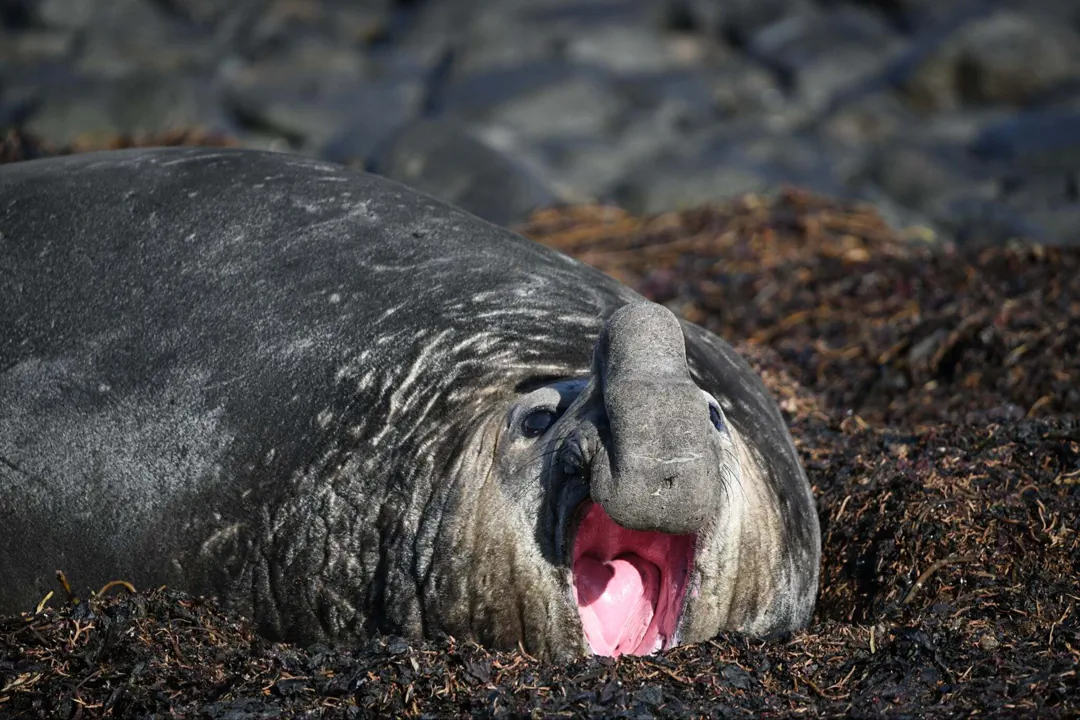
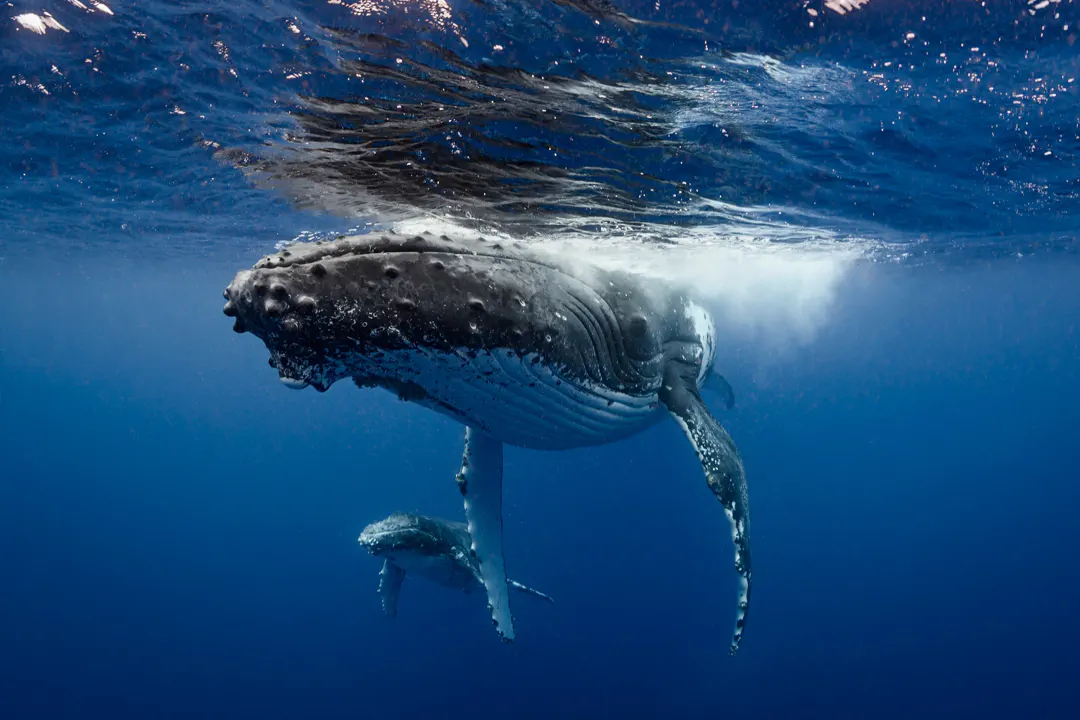
Argentina's cold, nutrient-rich waters teem with megafauna, offering glimpses of some of the ocean's largest inhabitants. Divers frequently encounter South American sea lions performing acrobatic passes, their whiskers twitching with curiosity, or observe Southern Elephant Seals hauled out on rocky beaches, their sheer size dominating the landscape. During seasonal migrations, Southern Right Whales cruise the protected gulfs, their massive tails lifting silently from the surface.
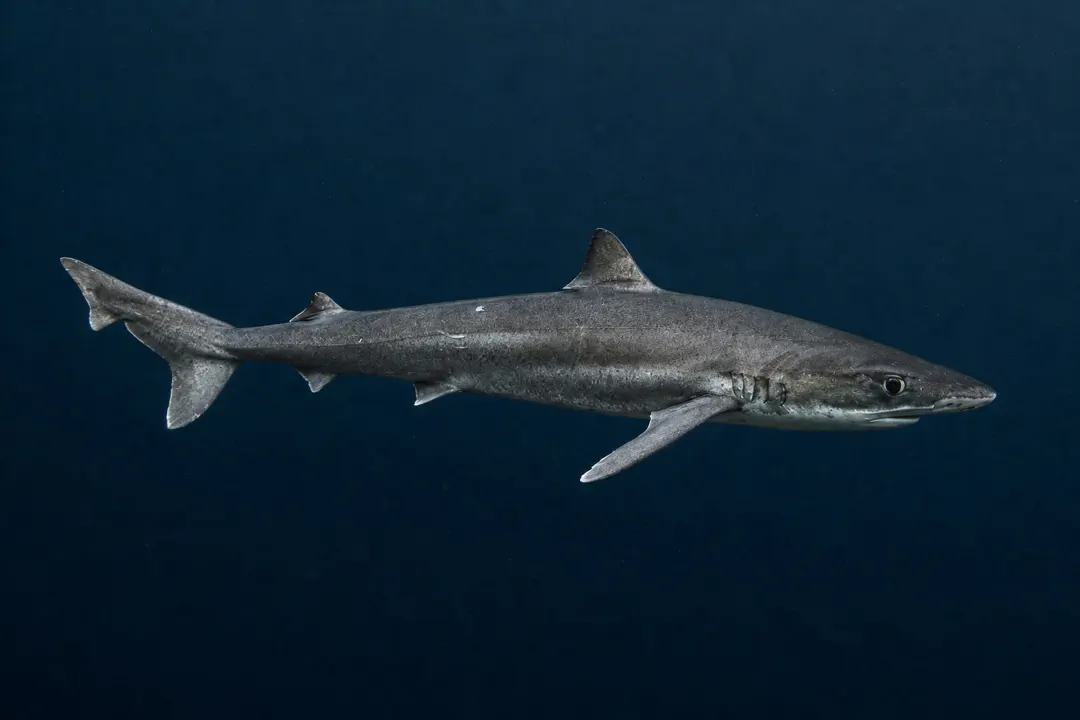
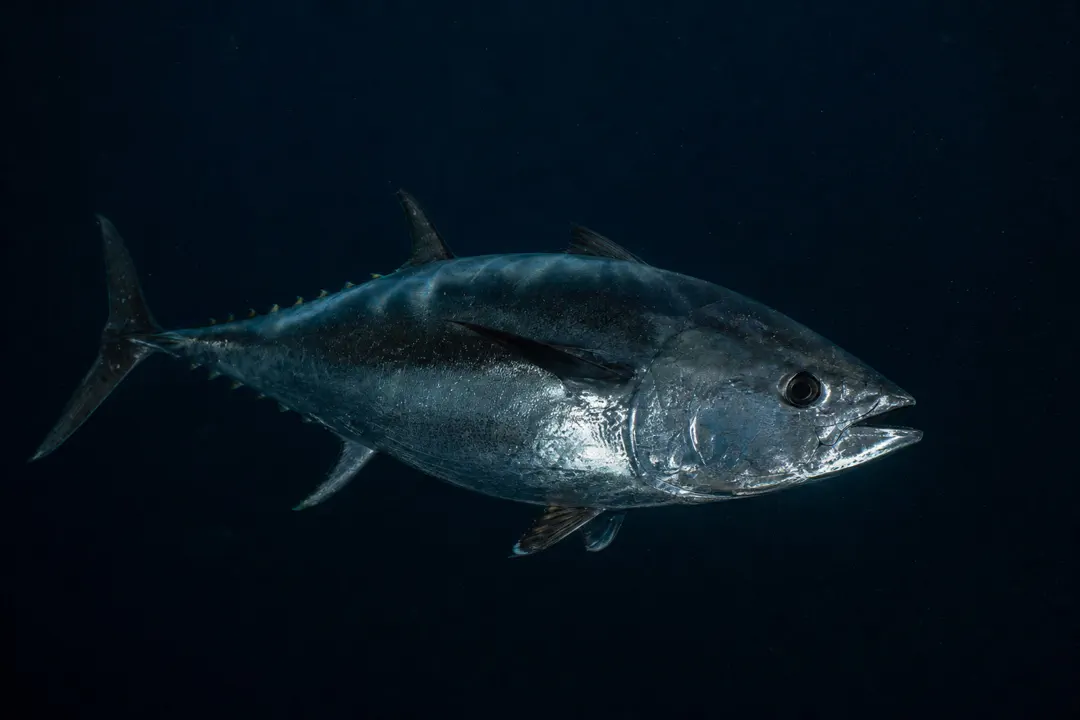
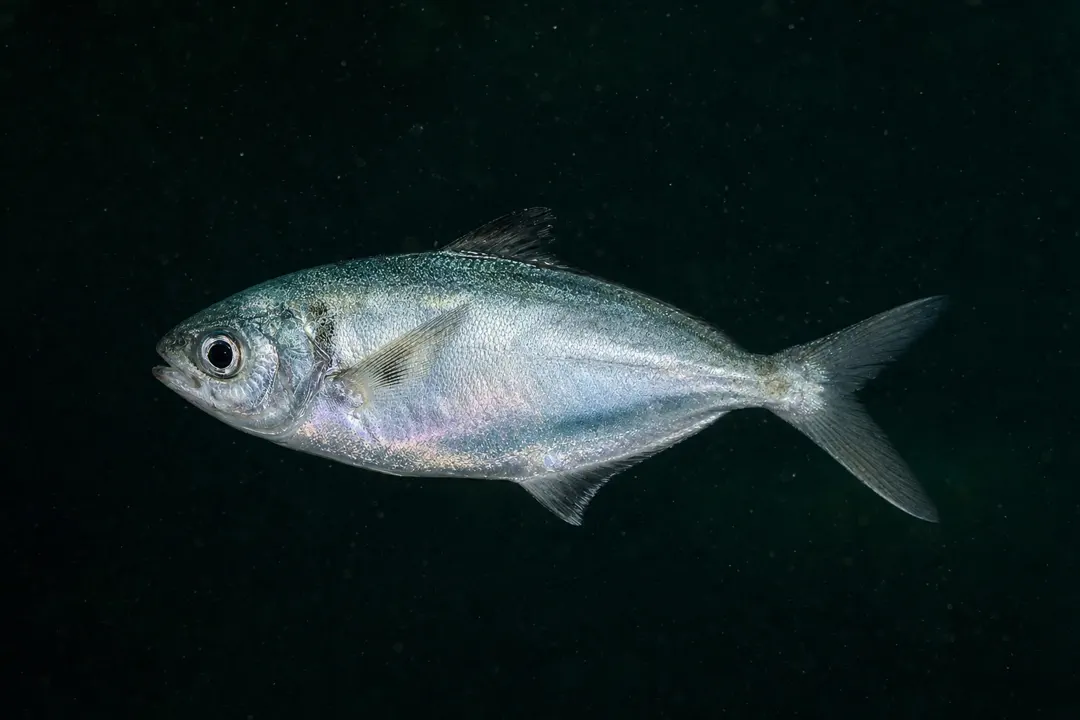
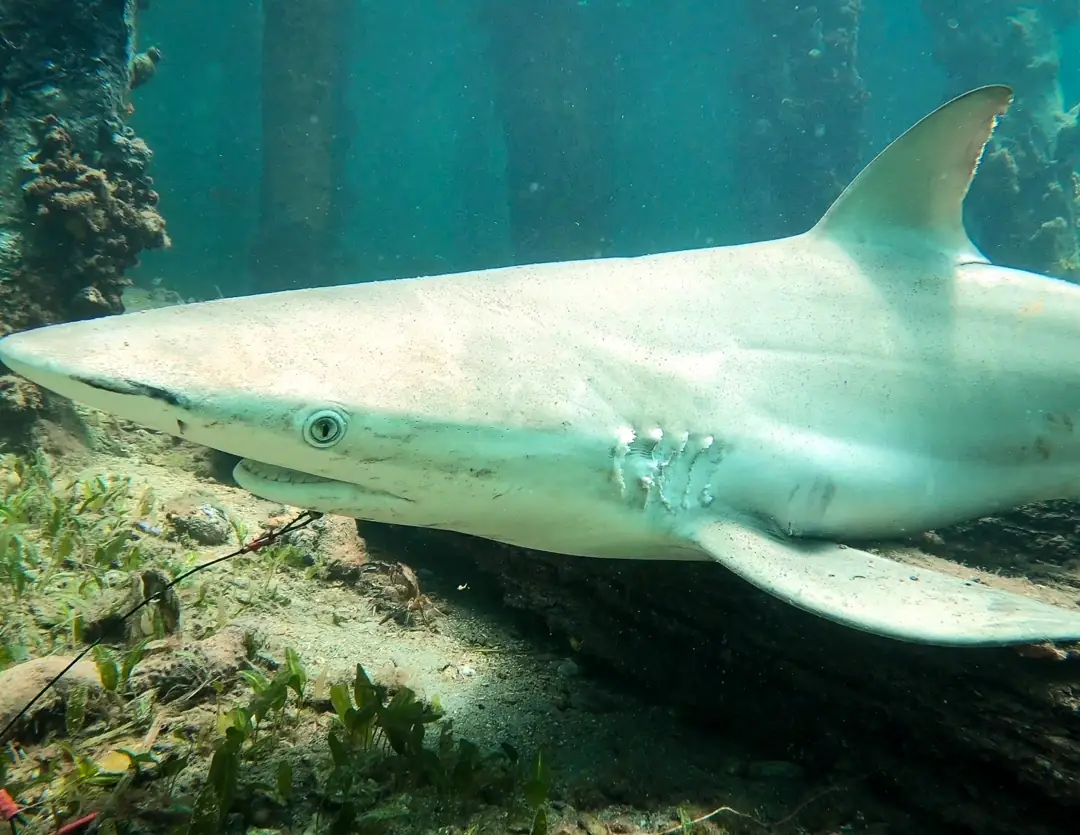
Beyond the mammals, the deep blue is filled with schooling fish, like Southern Bluefin Tuna slicing through the current, or Bronze Whaler Sharks patrolling the kelp edges. These 'underwater forests' of giant kelp, with fronds reaching towards the surface from depths of 20 meters or more, provide critical shelter and hunting grounds for myriad smaller fish and invertebrates, creating a complex, three-dimensional habitat.
 © Flavien SaboureauCC BY 4.0 · iNaturalist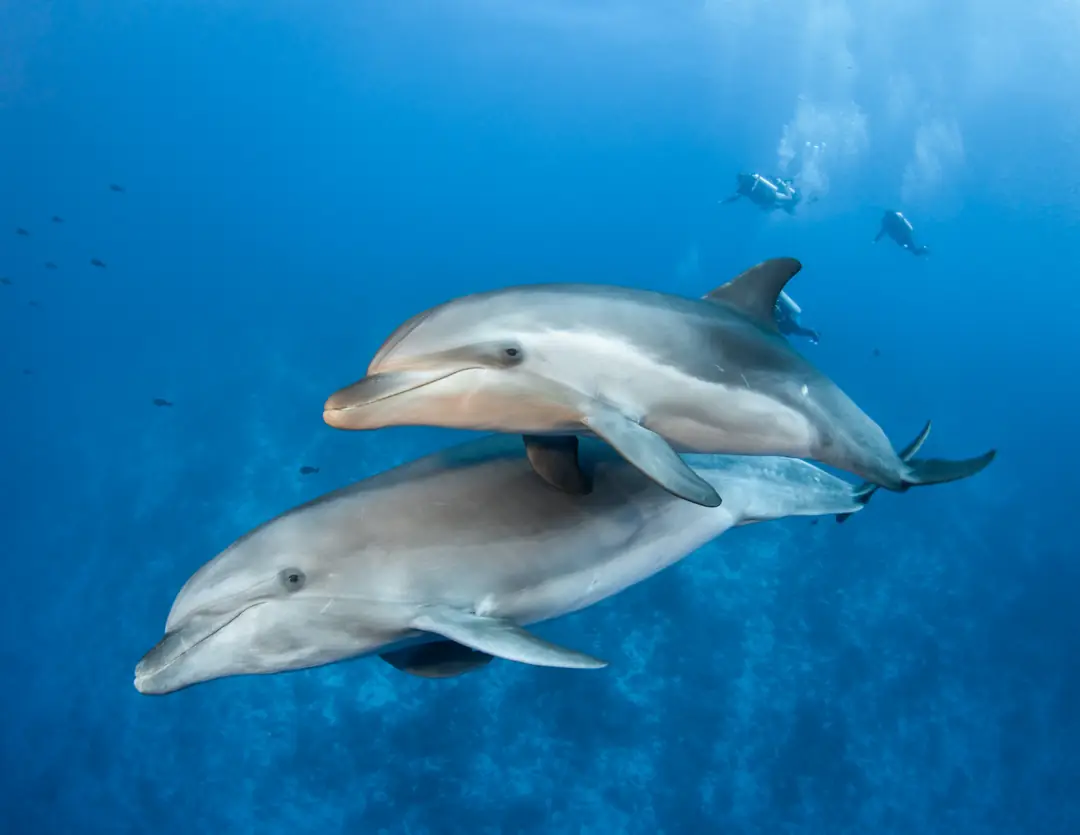
 © mfeaverCC BY 4.0 · iNaturalist
 Dive Sites: Unveiling Patagonia's Secrets
1. Valdes Peninsula & Puerto Madryn
Around Puerto Madryn, the gateway to the UNESCO-listed Valdés Peninsula, divers plunge into waters ranging from 10-16°C. Shore dives are common, exploring rocky reefs and kelp forests that begin just a few meters from shore and descend to 20-30 meters. Boat access opens up more distant reefs and opportunities to observe Southern Right Whales, which gather here in significant numbers. Whales are visible from April to December, using the sheltered Golfo Nuevo and Golfo San José for calving and mating. The range of sites, from shallow shore dives to deeper reefs, accommodates divers from Open Water certification upwards, though cold-water experience and appropriate drysuit or thick wetsuit gear are essential for comfort and safety.
Snorkeling with South American sea lions at Punta Loma, a protected reserve just 17 km south of Puerto Madryn, offers a truly interactive experience. Here, young, playful sea lions approach snorkelers in depths of 5-10 meters, twirling and darting with remarkable agility. These are boat trips, requiring permits and guided by local operators who ensure respectful distances are maintained.
2. Ushuaia, Tierra del Fuego
At the 'End of the World,' Ushuaia in Tierra del Fuego offers cold-water diving in the Beagle Channel, where water temperatures range from 4-9°C. Here, divers descend into dramatic underwater landscapes shaped by glacial fjords, exploring kelp forests that sway like underwater trees and historic shipwrecks resting in depths from 10 to 30 meters. Access is primarily by boat, and the visibility can stretch to 15-20 meters on calm days, revealing a world of vibrant invertebrates. Diving here is best suited for those with cold-water experience.
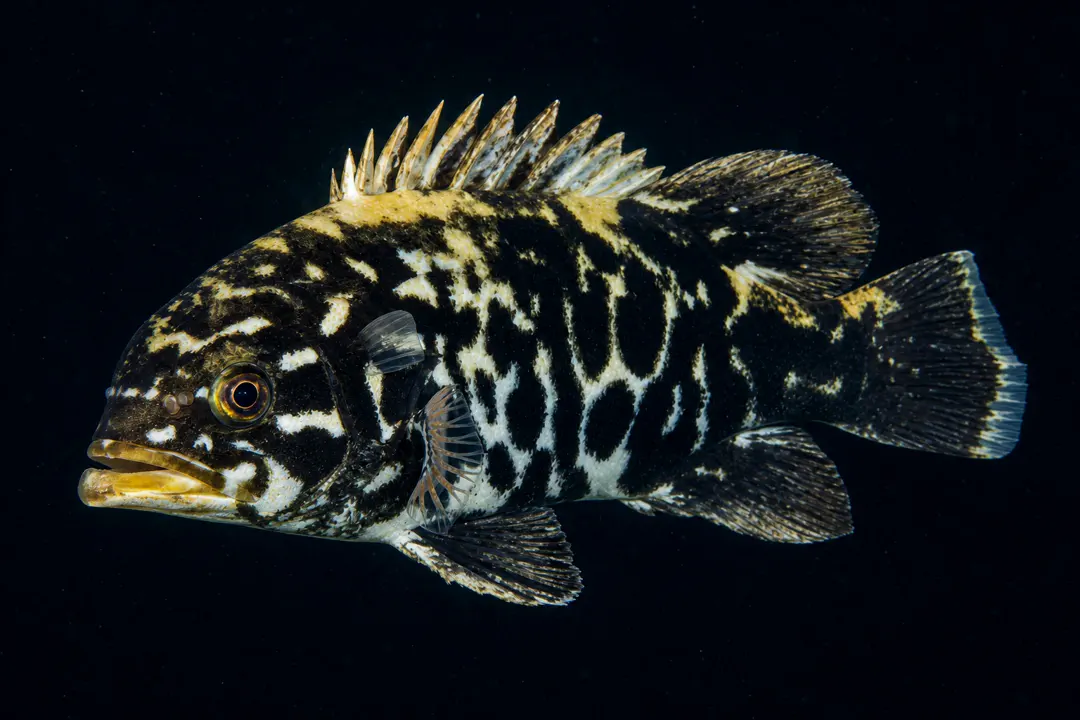
The Beagle Channel's sub-Antarctic environment supports giant kelp species that form dense, towering structures, providing habitat for species like the Patagonian toothfish (Dissostichus eleginoides) and various crabs. Divers explore sites like the Les Eclaireurs Lighthouse wreck, where the remains of a steamship lie in 15 meters of water, encrusted with colorful anemones and sponges, amidst schooling fish.
3. Comodoro Rivadavia and the Gulf of San Jorge
Further north along the Patagonian coast, Comodoro Rivadavia provides boat access to the Gulf of San Jorge, an area characterized by its oil industry but also by rich marine life. Divers here explore artificial reefs created by shipwrecks, rocky formations, and dense kelp beds, in depths ranging from 15 to 35 meters. Water temperatures in summer can reach 12-16°C. This region is known for its diverse wreck diving and pelagic encounters.
The Gulf's waters host a variety of fish, including schools of Southern Bluefin Tuna, Bronze Whaler Sharks, and the occasional Patagonian toothfish. South American sea lions are also common, seen hunting among the kelp. Wreck dives, such as the 'Don Pablo' cargo ship, offer penetration opportunities for experienced divers, with the wrecks providing hard substrate for colorful invertebrate growth and shelter for many species.
 © Brad CrookAll rights reserved
 Practical Diving Tips for Argentina
Diving in Argentina demands robust thermal protection. A drysuit is essential for comfort and safety, particularly in the colder southern waters of Tierra del Fuego, where temperatures can drop to 4°C. For Patagonian sites, a thick 7mm wetsuit with hood, gloves, and boots can be adequate for shallower dives in summer, but a drysuit is recommended for any longer or deeper excursions.
Local dive operators are highly specialized in these cold-water conditions, providing appropriate gear and guidance. Respect for marine life, especially during marine mammal encounters, is paramount; divers must adhere strictly to established guidelines to ensure minimal disturbance to breeding and feeding animals, maintaining specific distances and avoiding sudden movements.
Questions
Is Argentina suitable for beginner divers?
Yes, for confident beginners in selected locations with proper guidance. Sheltered sites around Puerto Madryn, for instance, are suitable, but the cold water, occasional surge, and variable visibility mean that first-time cold-water divers should always use a local guide and appropriate exposure protection like a drysuit or thick wetsuit. In Tierra del Fuego, conditions are more demanding and are best suited to divers with prior cold-water experience.
What marine mammals can I expect to see?
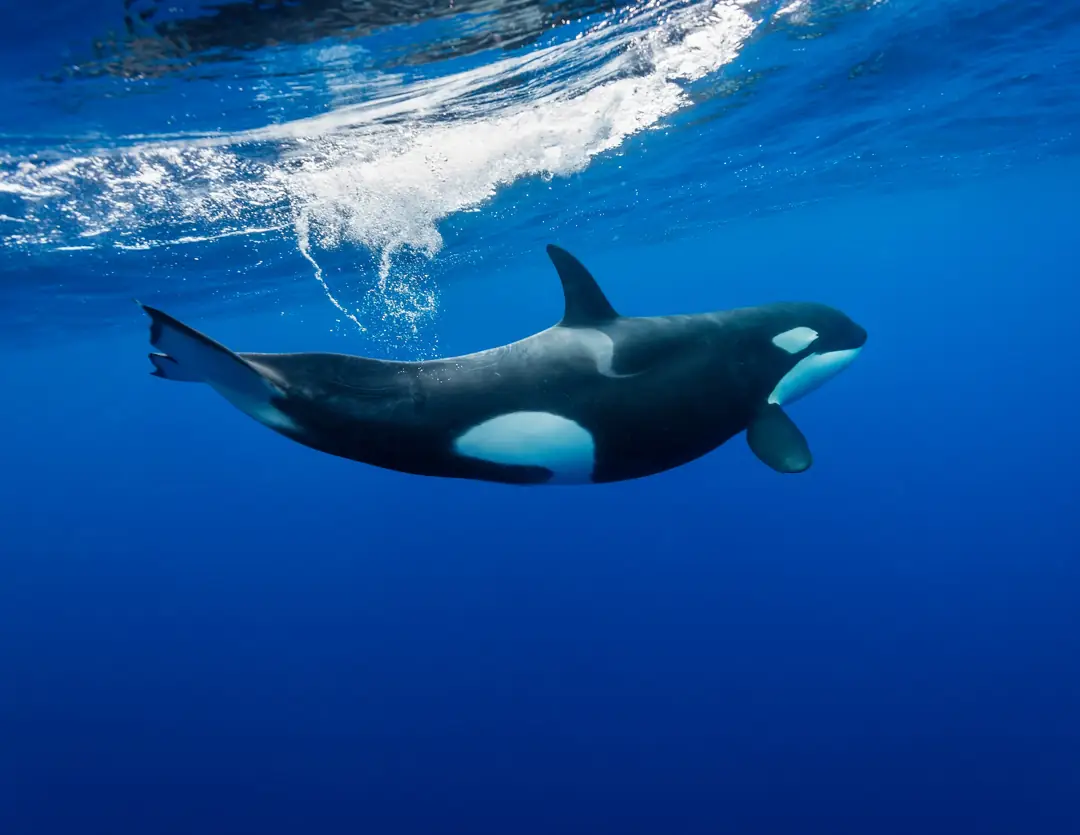
The most reliable marine mammals vary by region, but Southern Right Whales, Southern Elephant Seals, and South American Sea Lions are the signature species around Península Valdés. Depending on season and exact location, divers and snorkelers can also encounter Dusky Dolphins, Orcas, and occasionally Humpback Whales passing through Patagonian waters. Encounters are most frequent during the austral spring and summer, when breeding and feeding activity is highest.
What kind of visibility can I expect?
Visibility is highly site-dependent, but 5–20 meters is a realistic range across much of Argentina’s cold-water diving region. Protected gulfs can offer clear water, extending to 20 meters on calm days. However, wind, surf, suspended sediment, and plankton blooms can reduce visibility significantly. The clearest conditions typically follow stable weather, in sheltered water, and outside periods of strong coastal disturbance.
Are there any dangerous marine animals in Argentina?
Yes, but serious encounters with divers are uncommon when local guidance is followed. Great White Sharks do occur in Argentine waters, especially in broader coastal and offshore systems, but they are rarely encountered on typical recreational dive sites. The main safety priorities are cold exposure, currents, boat traffic, and respectful wildlife distance rather than shark risk.