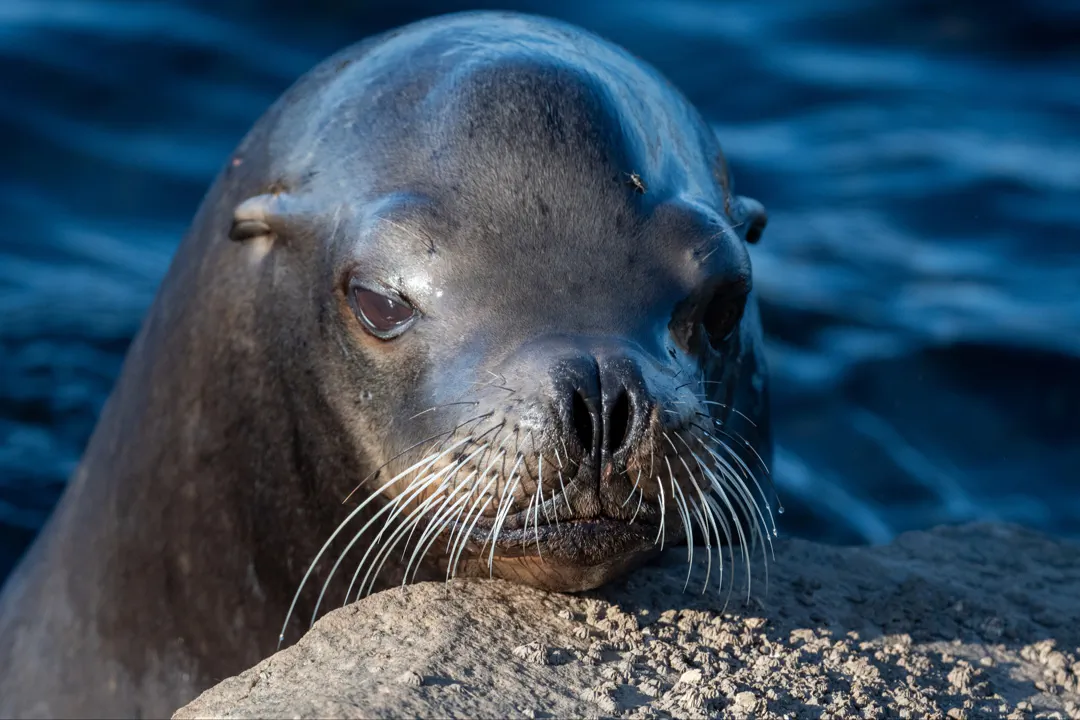
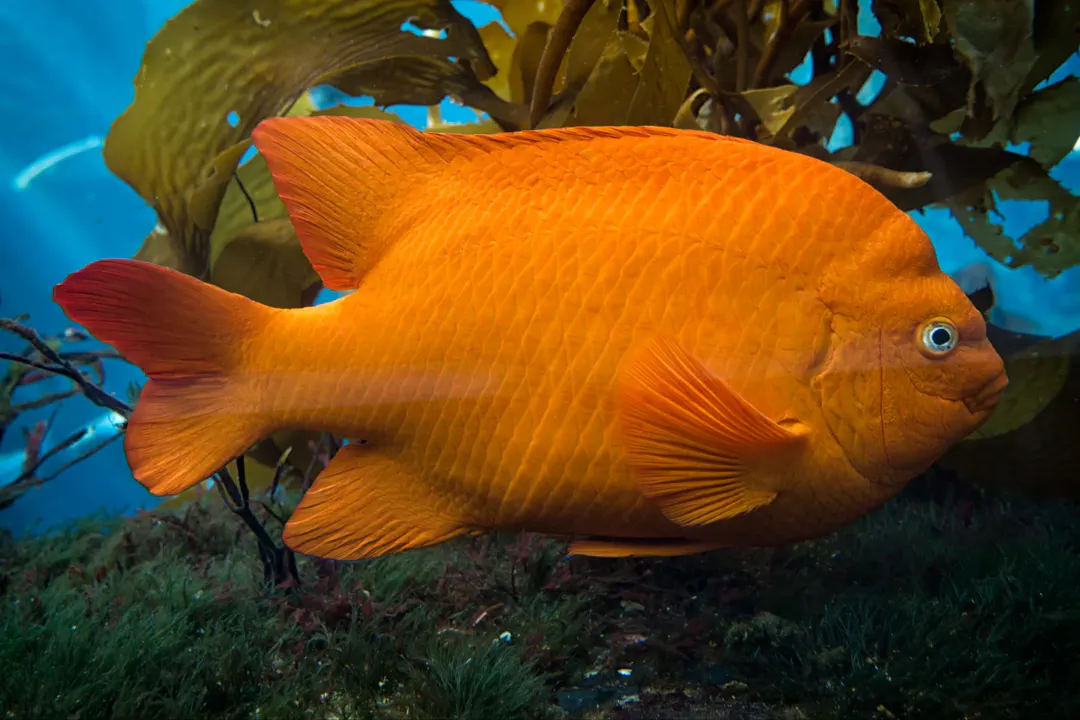
At a depth of 12 meters off Casino Point, golden sunlight filters through a dense canopy of giant kelp, casting amber beams across the rocky seafloor. A male garibaldi, bright orange as a street cone, patrols a patch of red algae while a California sea lion twists down through the stalks in a sharp spiral. The cold water hums with wave action, pulling the kelp fronds in a lazy, rhythmic sway.
Scuba diving in the USA spans four major oceanic regions, offering conditions that range from cold-water Pacific kelp forests to subtropical Atlantic barrier reefs and Hawaiian volcanic drops. Water temperatures fluctuate dramatically across the nation, from 10°C in northern California up to 31.5°C in the Florida Keys during peak summer months. Underwater visibility varies by region and tide, reaching 30 meters on calm Hawaiian and Floridian reefs, but dropping below 8 meters in nutrient-dense Pacific coastal waters.
Divers can explore shallow coral spurs at Molasses Reef, historic sunken vessels like the U-352 in North Carolina, and night feeding grounds for reef manta rays in Kona. According to the National Marine Sanctuaries, NOAA, the Florida Keys National Marine Sanctuary protects coral reefs, reef fish, moray eels, threatened elkhorn coral, and historic wrecks, while Channel Islands waters support kelp forests, sea lions, anemones, and giant sea bass. This destination caters to every experience level, offering easy shore entries for beginners alongside deep technical wrecks for advanced divers.
What Is Diving in the USA Like?
Diving across the United States reveals distinct marine ecosystems defined by regional ocean currents and coastline geography. The Pacific coast is dominated by cold-water kelp forests and rocky pinnacles, where upwelling brings nutrient-dense water to feed sea lions, rockfish, and colourful invertebrates. Along the Atlantic and Gulf coasts, gentle sandy slopes transition into artificial reefs and deep historic shipwrecks washed by the warm, blue flow of the Gulf Stream.
Florida’s Coral Reef extends approximately 350–360 miles from the Dry Tortugas to the St. Lucie Inlet and is the only living coral barrier reef in the continental United States, as documented by the Florida Keys National Marine Sanctuary, NOAA. Meanwhile, the Hawaiian archipelago features volcanic topography with lava tubes, arches, and fringing reefs that support a high proportion of endemic marine life. Each region demands different preparation, varying from light exposure suits in the tropics to thick neoprene or drysuits along the Pacific shoreline.
Historical maritime heritage forms another major branch of American diving, with thousands of sunken vessels scattered across coastal waters. According to National Marine Sanctuaries, NOAA, hundreds of shipwrecks occur in the Florida Keys National Marine Sanctuary, while more than 150 historic ships and aircraft are known to have wrecked within Channel Islands National Marine Sanctuary and National Park waters. These submersed structures now function as thriving artificial habitats, drawing dense aggregations of predatory fish, sea turtles, and pelagic sharks.
Best Time to Dive in the USA
Because climate conditions vary by latitude, selecting the right season depends entirely on your target coast. Subtropical locations like South Florida and Hawaii offer year-round diving options with minimal seasonal water temperature changes. However, winter cold fronts in Florida can bring wind and surge, while northern Hawaiian shores experience heavy winter swells that shift dive operations toward protected southern bays.
Pacific coast destinations, particularly Southern California, see their calmest surface conditions and clearest water during late summer and autumn, from August through November. During this window, upwelling subsides, water temperatures peak around 18°C, and kelp forests reach maximum canopy density before winter storms arrive. In northern California and the Pacific Northwest, autumn also provides the best compromise between swell and visibility.
For Atlantic wreck diving off North Carolina, the primary season runs from May through October when charter boats run regularly to offshore sites. The Gulf Stream pushes warm water close to the coast during these months, maintaining visibility near 20 meters and bringing large numbers of sand tiger sharks to the wrecks. Winter months bring rougher seas and strong offshore winds, making boat trips less predictable along the open Atlantic coast.
USA Water Temperature by Month
Thermal conditions across the United States range from subarctic cold to tropical warmth depending on latitude and season. Data from the National Centers for Environmental Information, NOAA Coastal Water Temperature Guide shows representative monthly coastal water temperatures range from about 22.5°C to 31.5°C at Key West and approximately 25.5°C to 27.7°C at Kawaihae, Hawaii. These stable conditions allow for comfortable diving year-round in thin wetsuits.
In contrast, California coastal waters stay significantly cooler throughout the year due to cold ocean currents moving southward from the subarctic Pacific. Southern California surface waters average between 12°C in March and 18°C in September, while northern California frequently remains between 10°C and 13°C. Rapid drops in temperature, known as thermoclines, often occur below 15 meters depth, requiring proper exposure planning regardless of surface sun.
Equipment choices should match these thermal realities to ensure safety and thermal comfort. A 3mm wetsuit or rashguard is standard for Florida and Hawaiian summer diving, expanding to 5mm during winter months. California divers typically rely on a 7mm wetsuit with hood and gloves or a drysuit system to remain comfortable on multi-dive days.
Water temperature
USA, monthly average
Florida Keys area (popular US diving spot, e.g. Key West), surface water temps for tropical Atlantic/Gulf diving regions
From the community's dive logs
What divers log in USA
From 153 dives logged by 90 Seabook divers. What this group recorded, not a verdict on the destination.
Most-logged marine lifedivers who logged it
 © Scott & Jeanette JohnsonAll rights reserved 12 divers
 © seabook.appAll rights reserved 9 divers
 © seabook.appAll rights reserved 8 divers
 © seabook.appAll rights reserved 7 divers


Best Dive Sites in the USA
Molasses Reef (Florida Keys)
Located within the Key Largo region of the Florida Keys National Marine Sanctuary, Molasses Reef features a spur-and-groove formation of high-profile coral fingers separated by clear sand channels. Sunlight penetrates the shallow water, illuminating sea fans, brain corals, and boulder corals that crown each ridge. Mild currents drift along the outer reef crest, carrying plankton that fuels a busy food web.
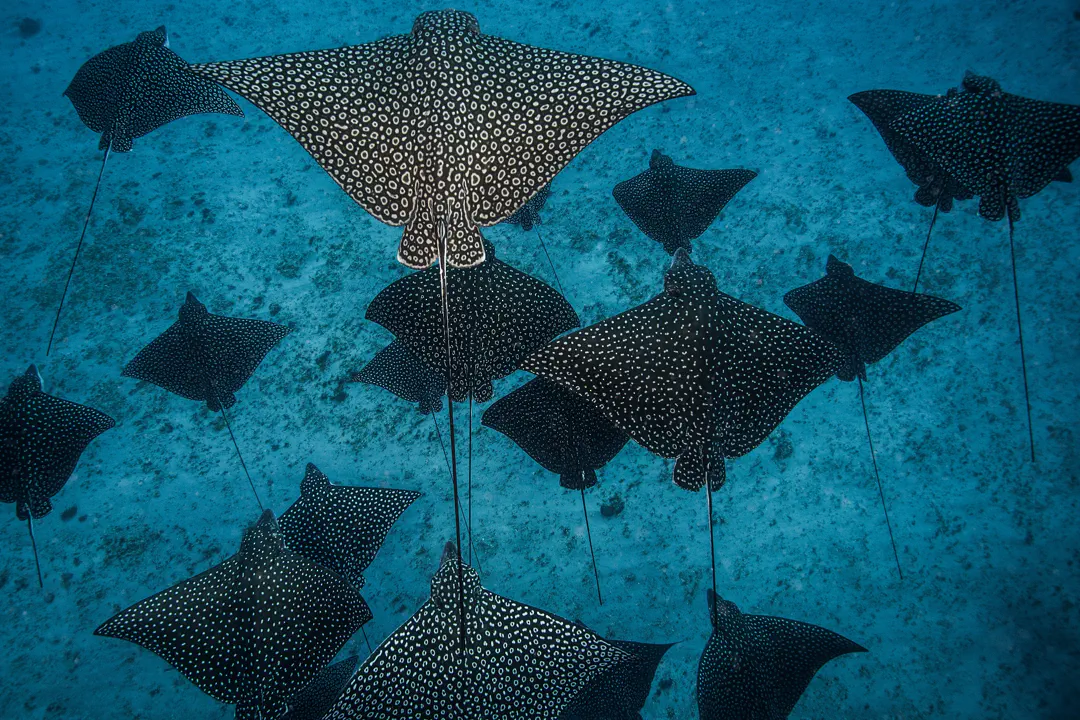
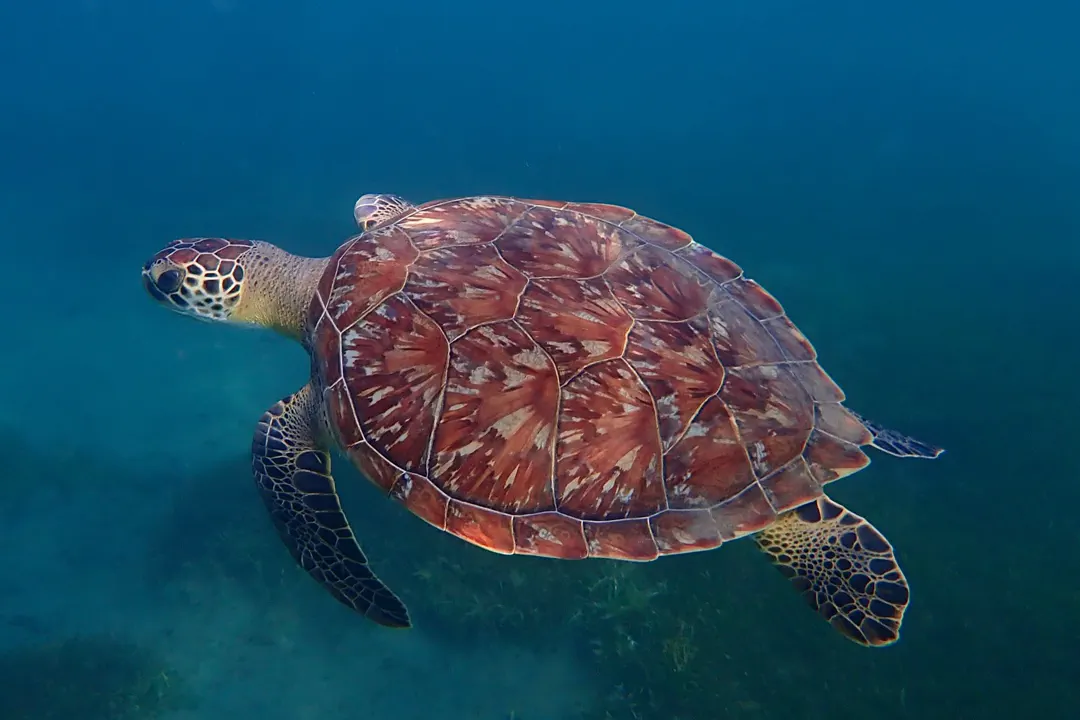
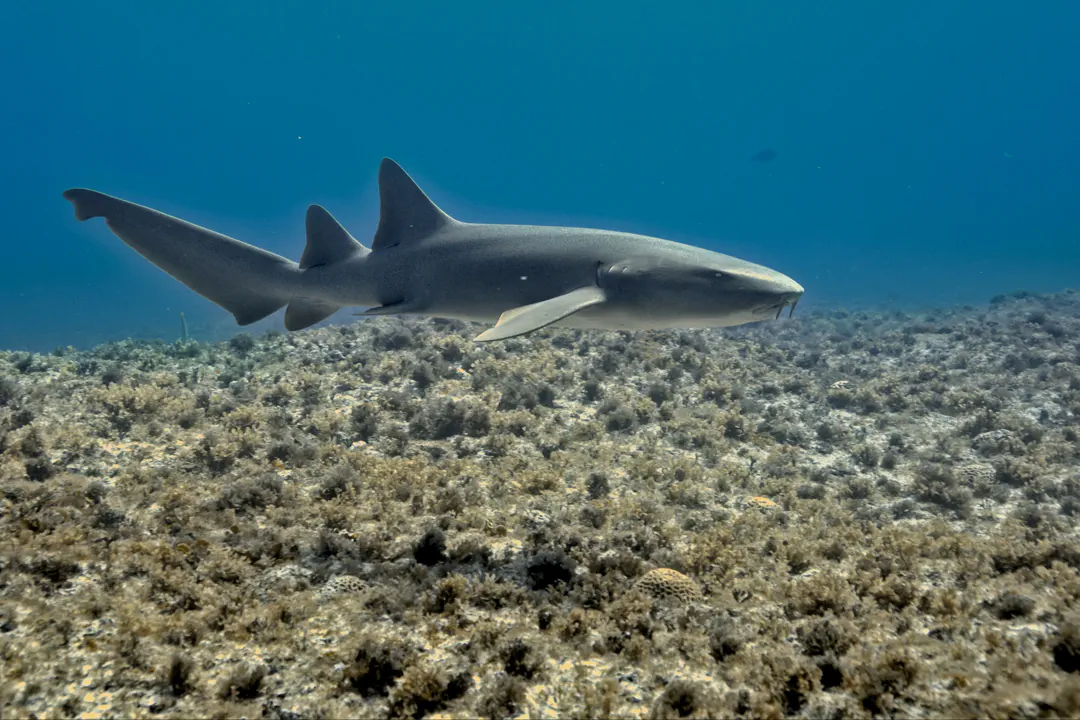
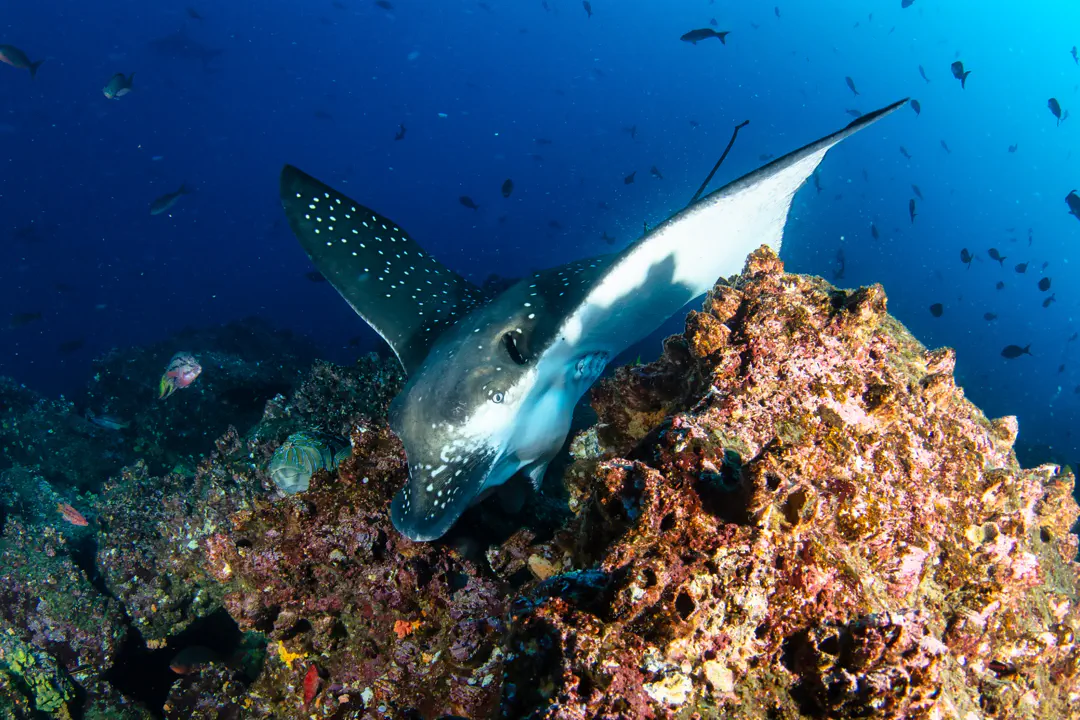
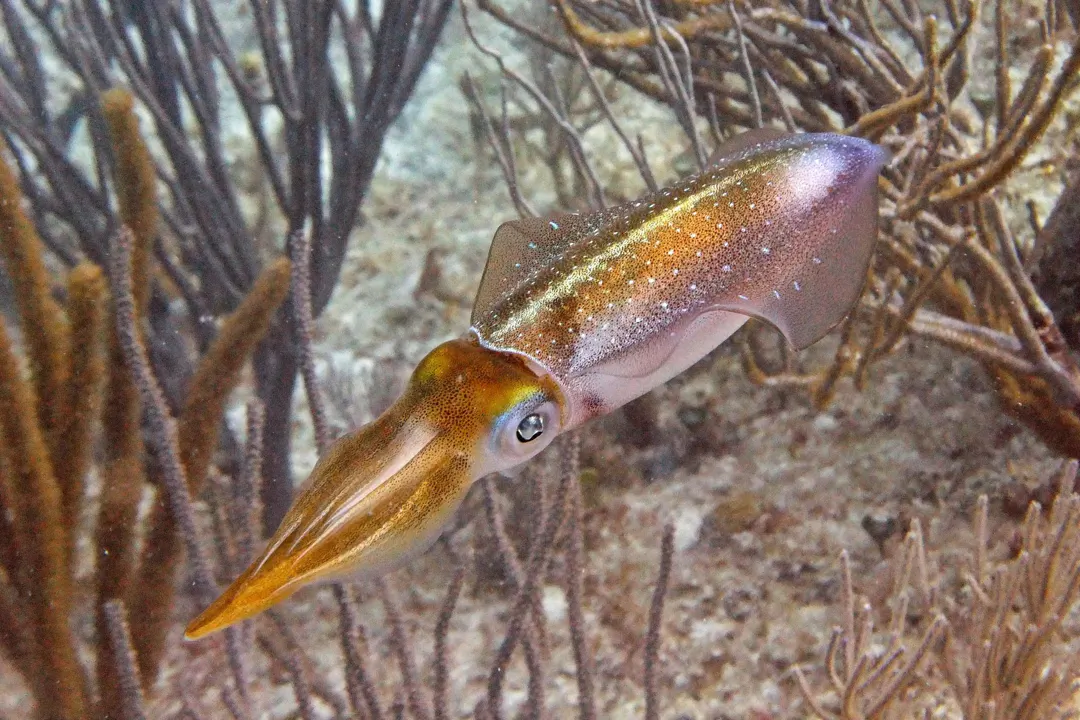
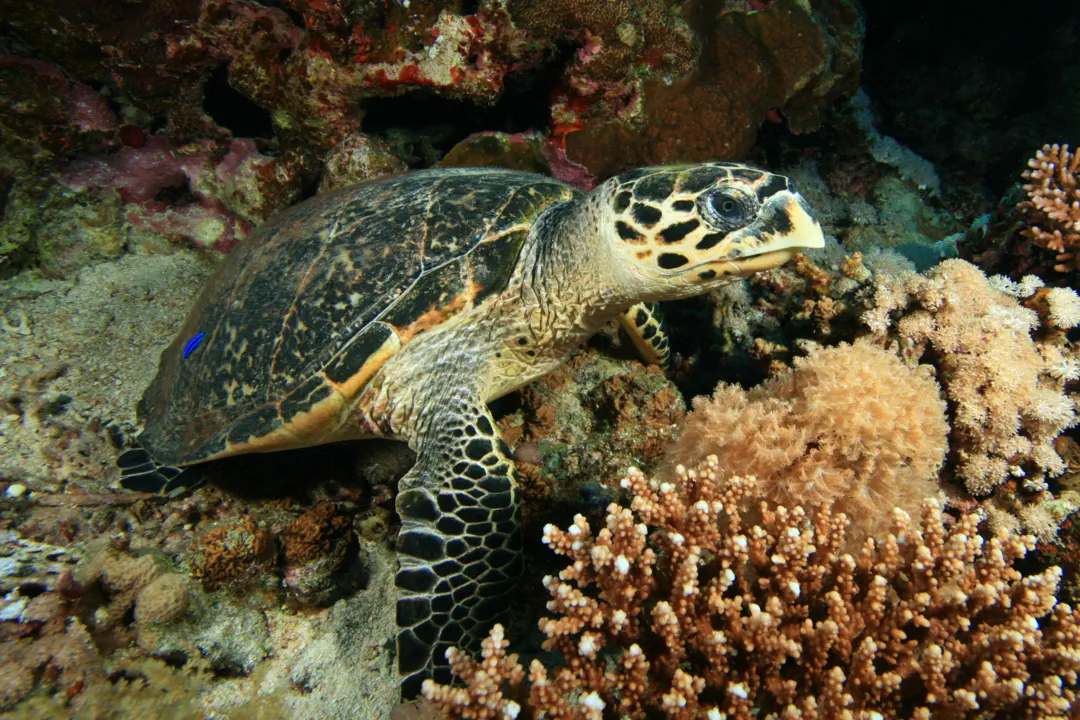
Divers gliding over the spur tops frequently encounter green sea turtles (*Chelonia mydas*) resting under ledges, while nurse sharks (*Ginglymostoma cirratum*) sleep on the sandy valley floors. Schools of blue striped grunts and yellowtail snappers weave between the coral branches, alongside spotted eagle rays (*Aetobatus narinari*) cruising the outer drop-off. Caribbean reef squid (*Sepioteuthis sepioidea*) hover near the surface, changing colour patterns in unison as divers pass beneath them.
Fixed mooring buoys protect the delicate coral structures from anchor damage across all shallow sectors. Navigating the site is straightforward, as the sand grooves act as natural pathways leading toward deeper water. The gentle conditions and shallow depths make this site a popular location for training dives and relaxed marine life viewing.
Depth: 3–12 m. Access: boat, 30 minutes from Key Largo. Level: Open Water. Best months: May–October.
 © Matteo BellucciCC BY 4.0 · iNaturalist
 © R VasconcellosCC BY 4.0 · iNaturalist
 © seabook.appAll rights reserved
 © Matteo CassellaCC BY-SA 4.0 · iNaturalist
 © seabook.appAll rights reserved © seabook.appAll rights reserved
Casino Point Marine Park (Catalina Island, California)
Established at Avalon on Catalina Island, Casino Point offers a sheltered entry steps from the shore into a cold-water kelp forest ecosystem. Giant kelp stalks rise up to 20 meters from the rocky seafloor to create a dense surface canopy that filters incoming sunlight into soft green beams. Concrete stairways with handrails allow divers to enter safely despite moderate shore surge.
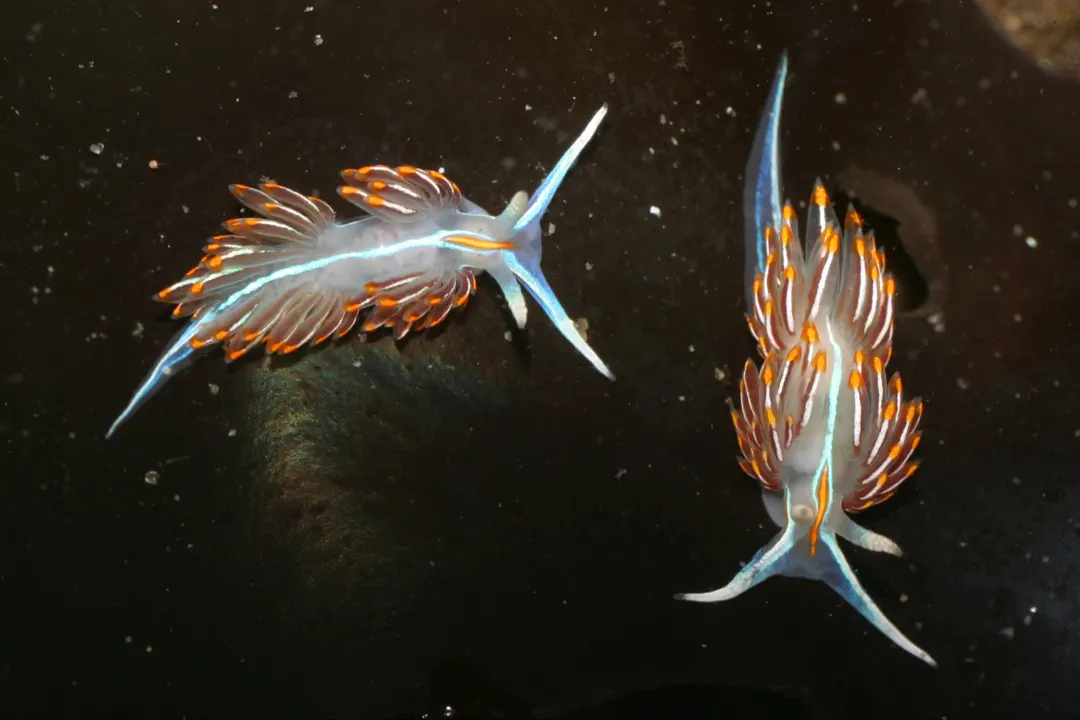
California sea lions (*Zalophus californianus*) dart through the kelp forest canopy, frequently making close passes to inspect divers. Bright orange garibaldi (*Hypsypops rubicundus*) aggressively defend their nest sites along the rocky crevices, while horn sharks (*Heterodontus francisci*) lie motionless in the shadows. Thick-horned nudibranchs (*Hermissenda crassicornis*) and giant sea bass (*Stereolepis gigas*) patrol the bottom rubble during late summer months.
The park boundaries are marked by surface buoys that restrict vessel traffic, providing a protected area for underwater exploration. Submerged wreck remnants, training platforms, and memorial plaques lie scattered across the sloping bottom between 6 and 20 meters depth. Facilities near the entry point include air fills, gear rental, and gear benches, simplifying logistics for shore divers.
Depth: 5–25 m. Access: shore entry via stairs at Avalon, Catalina Island. Level: Open Water. Best months: August–November.
 © Jonathan EisenCC BY 4.0 · iNaturalist
 © Eric KilbyCC BY-SA 4.0 · iNaturalist
 © Kristof ZyskowskiCC BY 4.0 · iNaturalist
Kona Manta Ray Night Dive (Big Island, Hawaii)
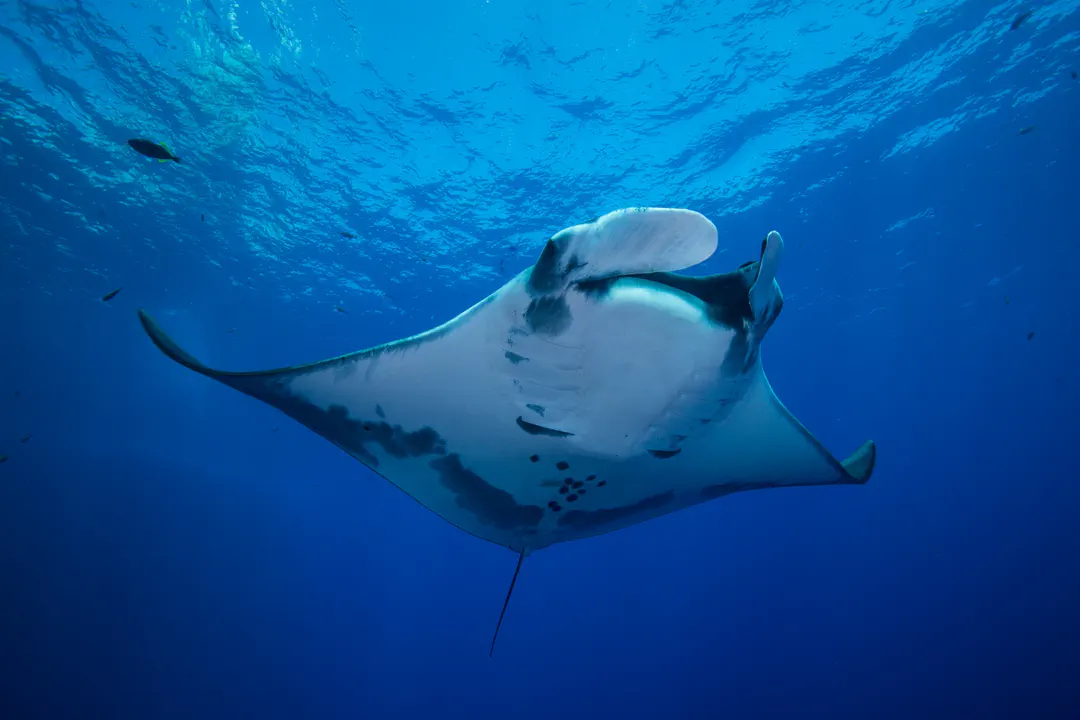
Off the Kona coast of Hawaii's Big Island, divers descend onto a shallow sand floor shortly after sunset to experience a specialized pelagic feeding event. High-powered dive lights placed on the seabed shine straight up into the dark water column, attracting dense concentrations of microscopic zooplankton. The lit arena quickly becomes a theater for nocturnal feeding behavior.
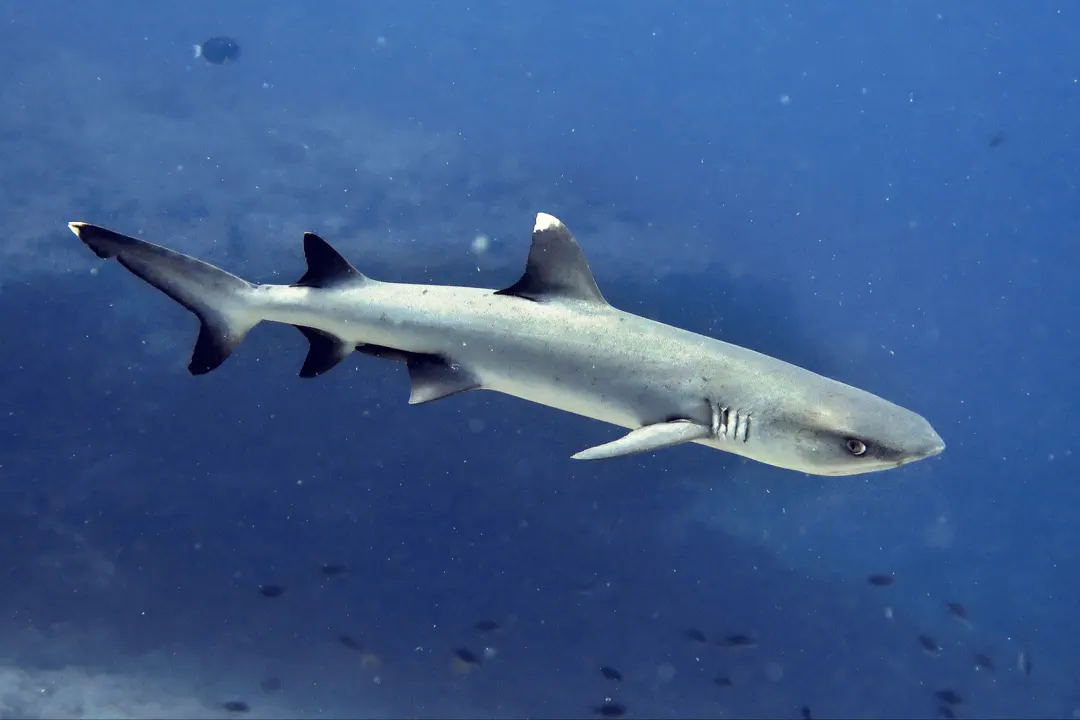
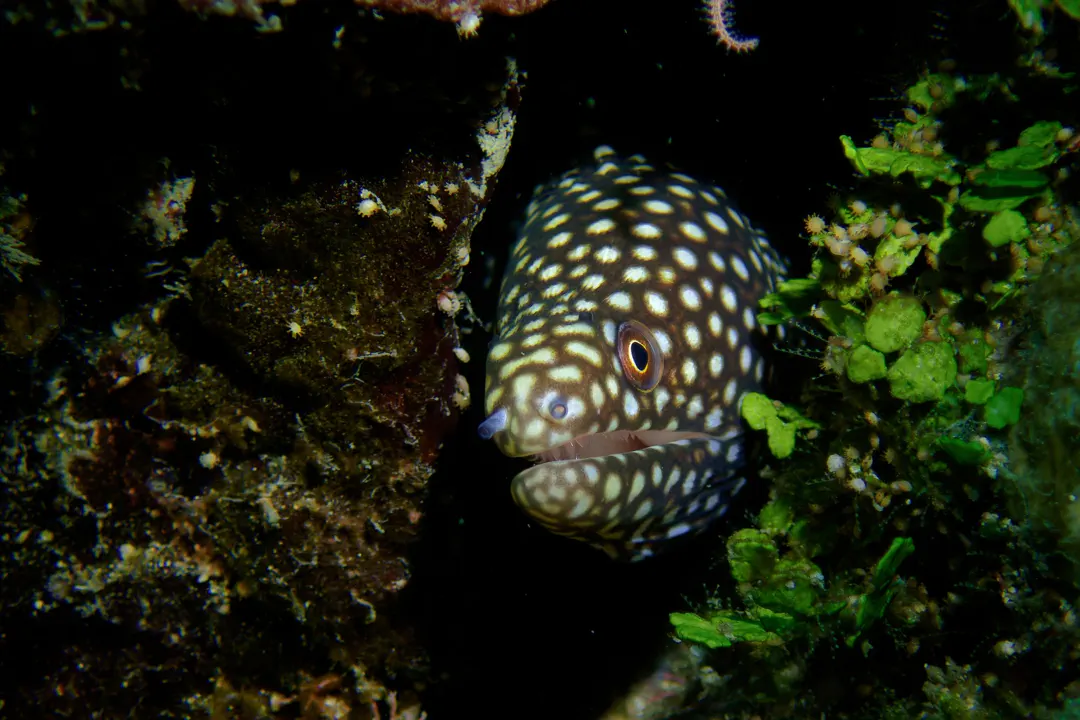
Large reef manta rays (*Mobula alfredi*) with wingspans exceeding 3 meters glide out of the darkness toward the light beams. They sweep open their cephalic fins to channel plankton, performing endless backward loop-de-loops just inches above the heads of kneeling divers. Whitetip reef sharks (*Triaenodon obesus*) and yellowbar morays sometimes search the periphery for disoriented prey, while Hawaiian green sea turtles resting nearby ignore the nocturnal activity.
Dive operators follow strict safety guidelines, requiring divers to remain seated on the sandy floor to avoid disrupting the rays' flight paths. Plankton density and ray attendance vary nightly, but sightings remain highly consistent throughout the year due to established feeding habits. The calm, warm water and clear shallow conditions make this one of the most accessible night encounters in the Pacific.
Depth: 8–11 m. Access: boat, 20 minutes from Kona harbor. Level: Open Water. Best months: Year-round.
 © seabook.appAll rights reserved
 © Daniel BenákCC BY 4.0 · iNaturalist
 © Jay ParolineCC BY 4.0 · iNaturalist
 © louisloAll rights reserved
U-352 Wreck (North Carolina)
Resting 35 miles off Morehead City, North Carolina, the German submarine U-352 lies on a flat sand floor at a depth of 35 meters. Sunk in May 1942 by the US Coast Guard Cutter Icarus, the steel hull now rests listing 45 degrees to starboard. The clear, warm waters of the Gulf Stream sweep over the rusted pressure hull, creating ideal conditions for deep pelagic marine life.
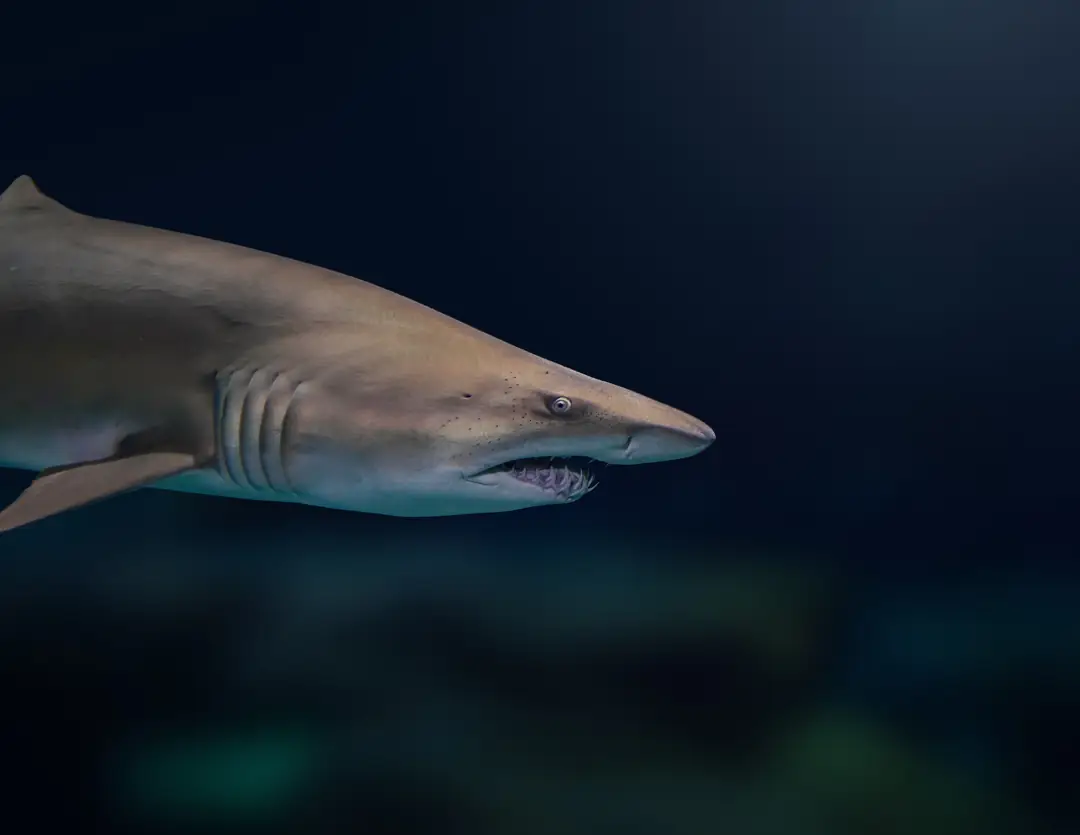
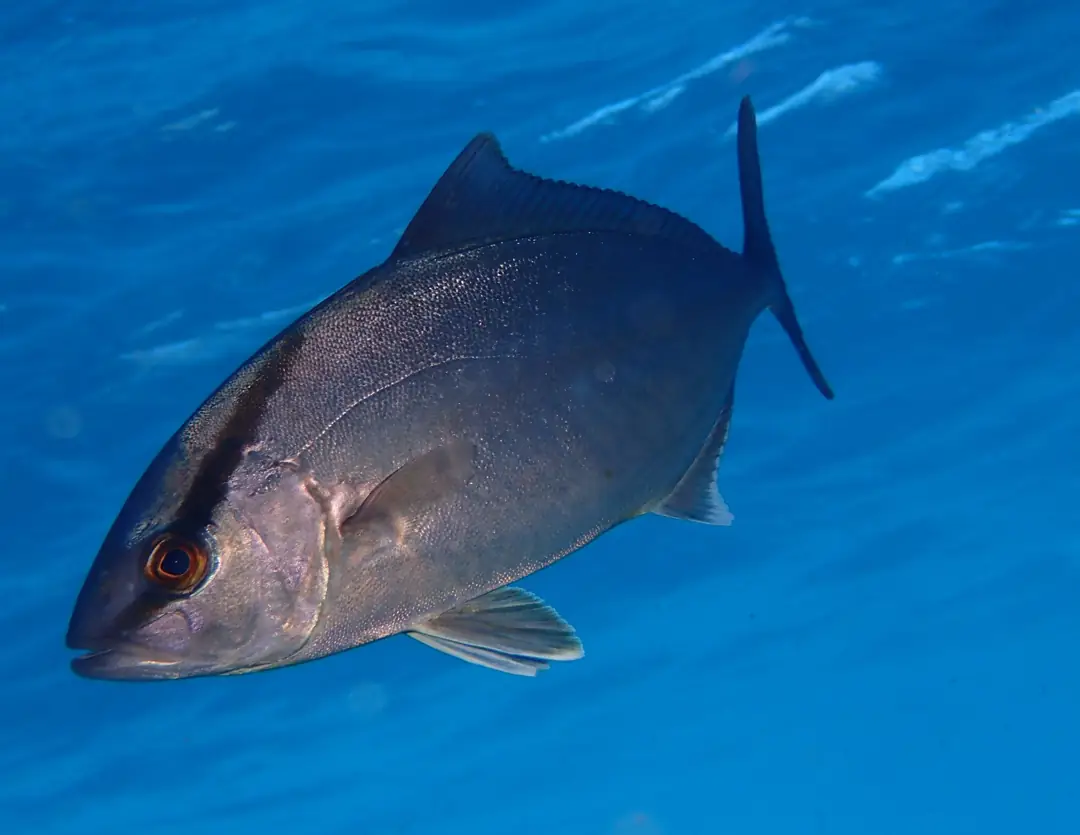
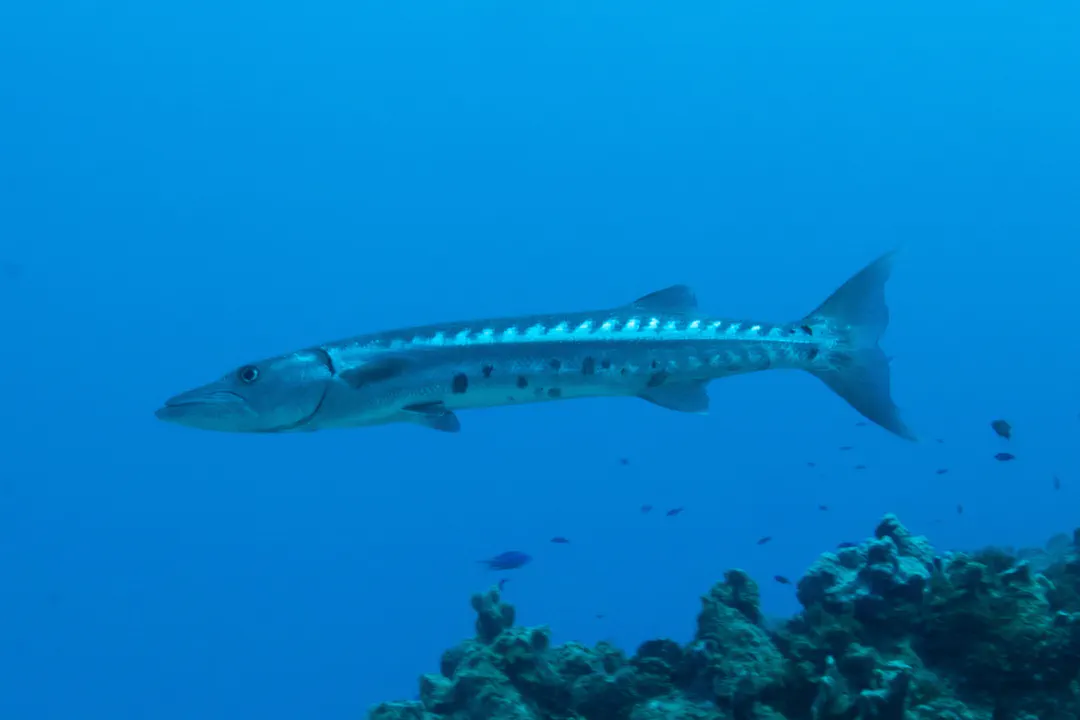
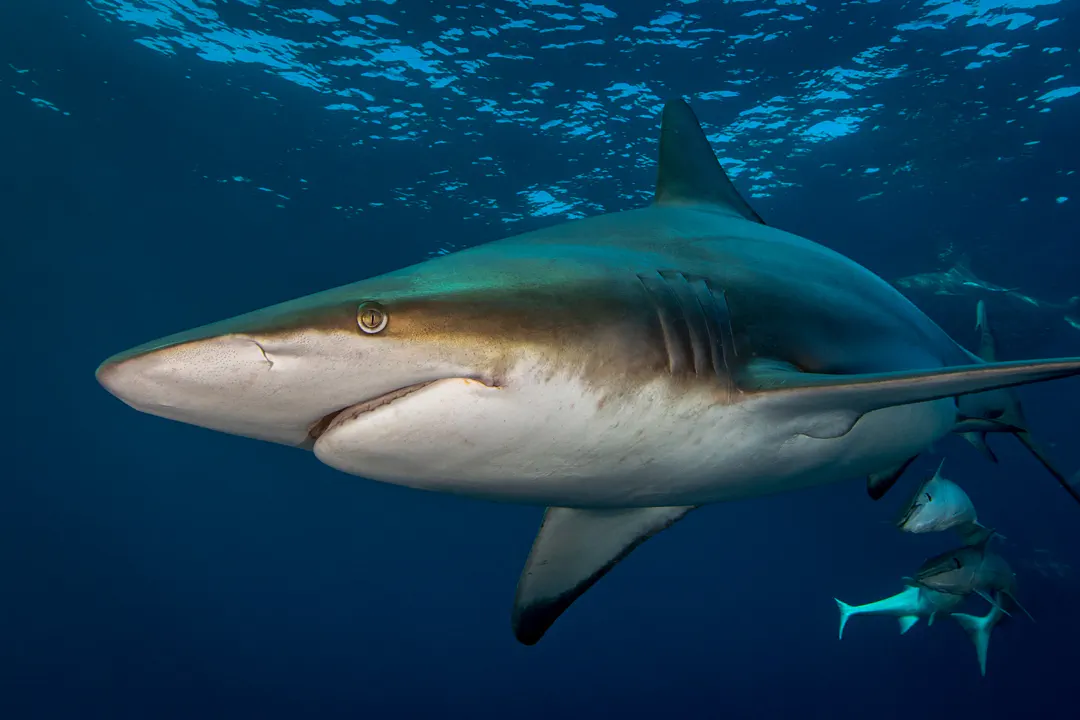
Large sand tiger sharks (*Carcharias taurus*) with protruding needle-like teeth hover motionless around the conning tower and hull breaches. Schools of greater amberjacks (*Seriola dumerili*) and great barracudas (*Sphyraena barracuda*) circle above the superstructure, while black sea bass (*Centropristis striata*) shelter inside open hatches. Atlantic eagle rays occasionally sweep past the stern against the steady offshore current.
Due to the depth, open-ocean exposure, and frequent currents, this historic wreck requires proper deep-diving qualifications and careful gas management. Divers descend and ascend directly along the charter boat's mooring line to manage drift in the open water. Penetration inside the collapsed submarine hull is strictly prohibited to preserve the war grave and ensure diver safety.
Depth: 26–35 m. Access: boat, 2 hours from Morehead City. Level: Advanced Open Water. Best months: May–October.
 © seabook.appAll rights reserved
 © Ian ShawAll rights reserved
 © Dan SchofieldCC BY 4.0 · iNaturalist
USS Oriskany (Pensacola, Florida)
Sunk intentionally 24 miles off Pensacola in 2006, the 888-foot naval aircraft carrier USS Oriskany forms a massive steel mountain on the Gulf of Mexico seafloor. According to Florida authorities, it is commonly described as the world's largest intentionally created artificial reef. The primary flight deck rests at 45 meters depth, while the island structure extends upward to within 25 meters of the surface.
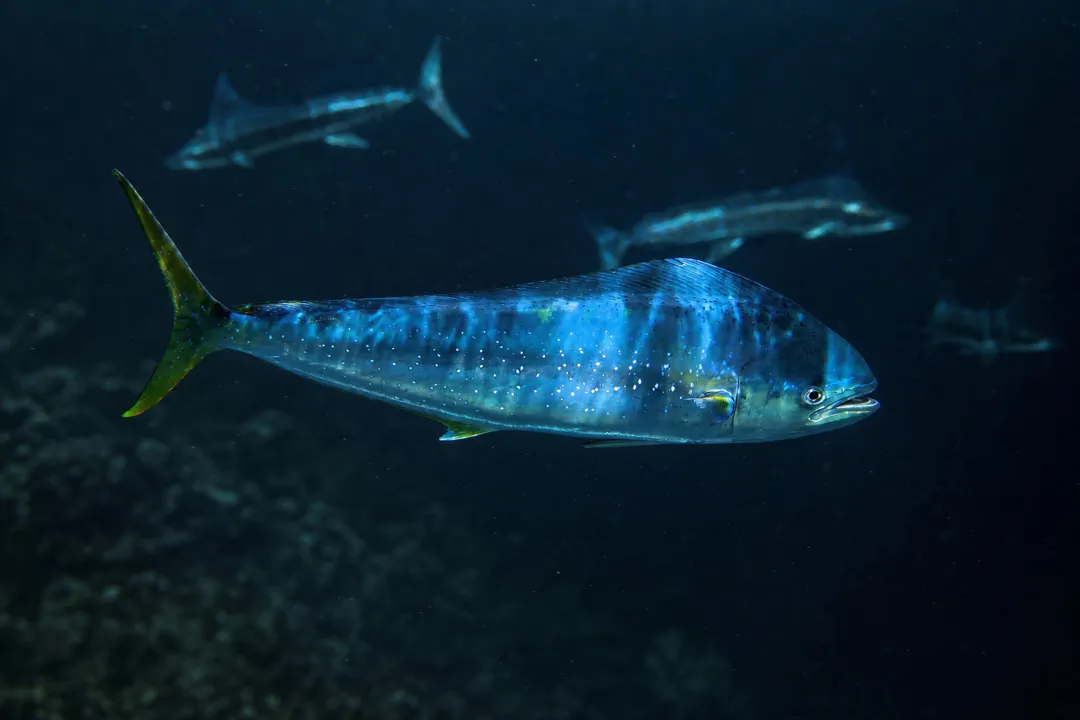
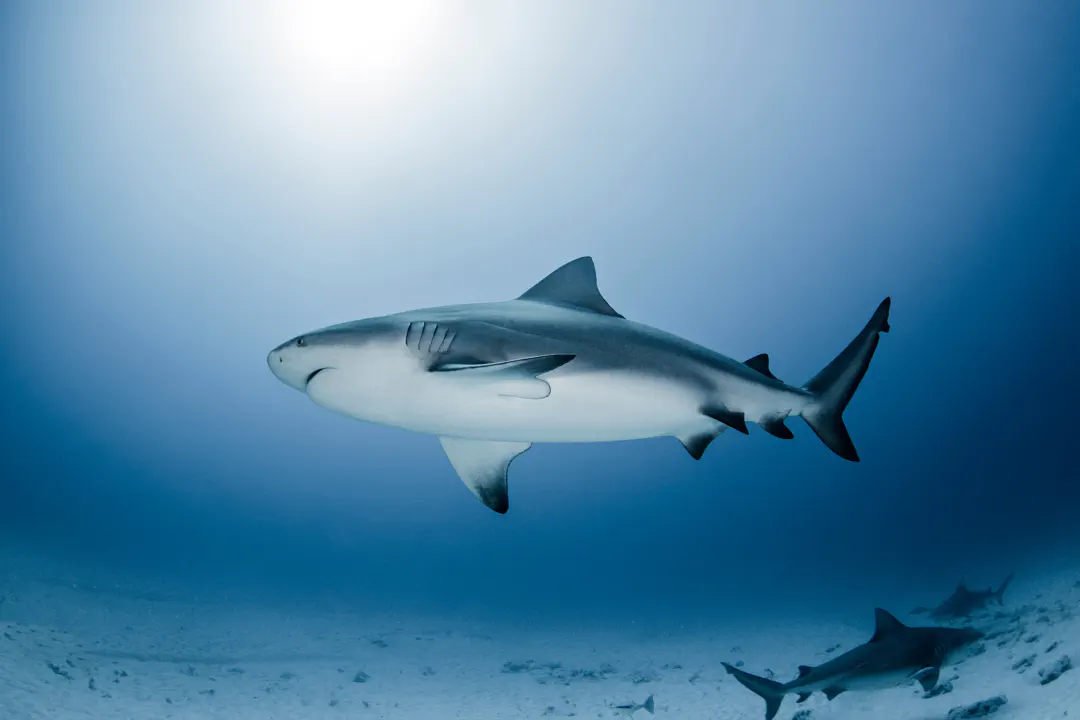
Large greater amberjacks (*Seriola dumerili*) patrol the upper radar towers, while open-water predators like cobia and great barracudas (*Sphyraena barracuda*) shadow the steel bulkheads. Red snappers and groupers gather in the shadow of the flight deck, while bull sharks (*Carcharhinus leucas*) and blacktip sharks occasionally pass along the perimeter. Dense layers of barnacles and encrusting sponges cover the painted steel surfaces.
The sheer size of the carrier means divers can only explore a small section during a single dive profile. Recreational divers focus on the shallow island structure and flight deck control spaces, while technical divers plan deeper routes along the hangar bays. Current and visibility can shift rapidly offshore, requiring surface marker buoys and precise navigation along mooring lines.
Depth: 25–45 m (recreational profile). Access: boat, 1.5 hours from Pensacola. Level: Advanced Open Water. Best months: May–September.
 © seabook.appAll rights reserved
 © seabook.appAll rights reserved
 © seabook.appAll rights reserved
Point Lobos State Natural Reserve (Monterey, California)
Nestled along the rugged Monterey coastline, Point Lobos State Natural Reserve features fully protected cold-water kelp beds and granite rock formations. Submerged granite walls plunge into deep, clear water nourished by the Monterey Submarine Canyon. Strict daily diver quotas preserve the pristine conditions, resulting in rich invertebrate growth and high fish density.
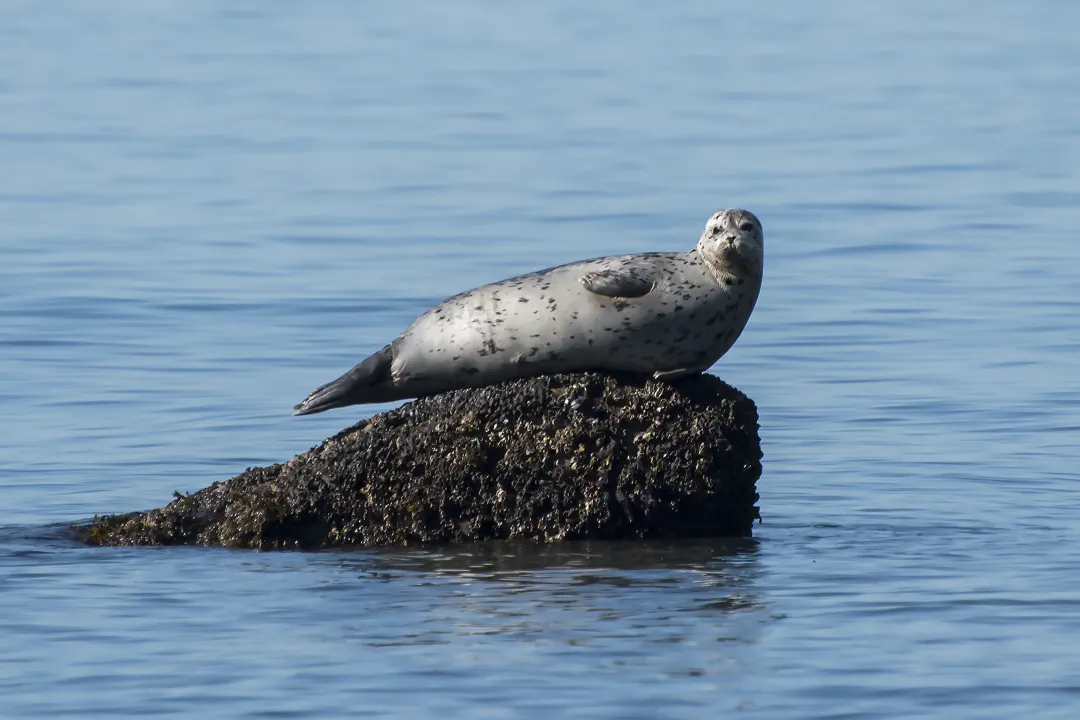
Giant Pacific octopuses (*Enteroctopus dofleini*) hide inside deep granite crevices, extending suction-cupped arms to inspect passing divers. Harbor seals (*Phoca vitulina*) glide through the upper bull kelp canopy, playing in diver air bubbles before darting away into the dark water. Gopher rockfish (*Sebastes carnatus*) and thick-horned nudibranchs (*Hermissenda crassicornis*) decorate the rock faces alongside white giant plumose anemones (*Metridium farcimen*).
Access requires advance reservations through the state park system, and all diving is conducted from Whalers Cove ramps. Cold water averaging 11°C demands a thick 7mm wetsuit or drysuit with hood and gloves. The clear water and protected bay geography make this site one of the premier cold-water ecological reserves along the Pacific coast.
Depth: 6–25 m. Access: shore/ramp entry at Whalers Cove (reservation required). Level: Open Water. Best months: August–November.
 © David BadkeCC BY-SA 4.0 · iNaturalist
Marine Life in the USA
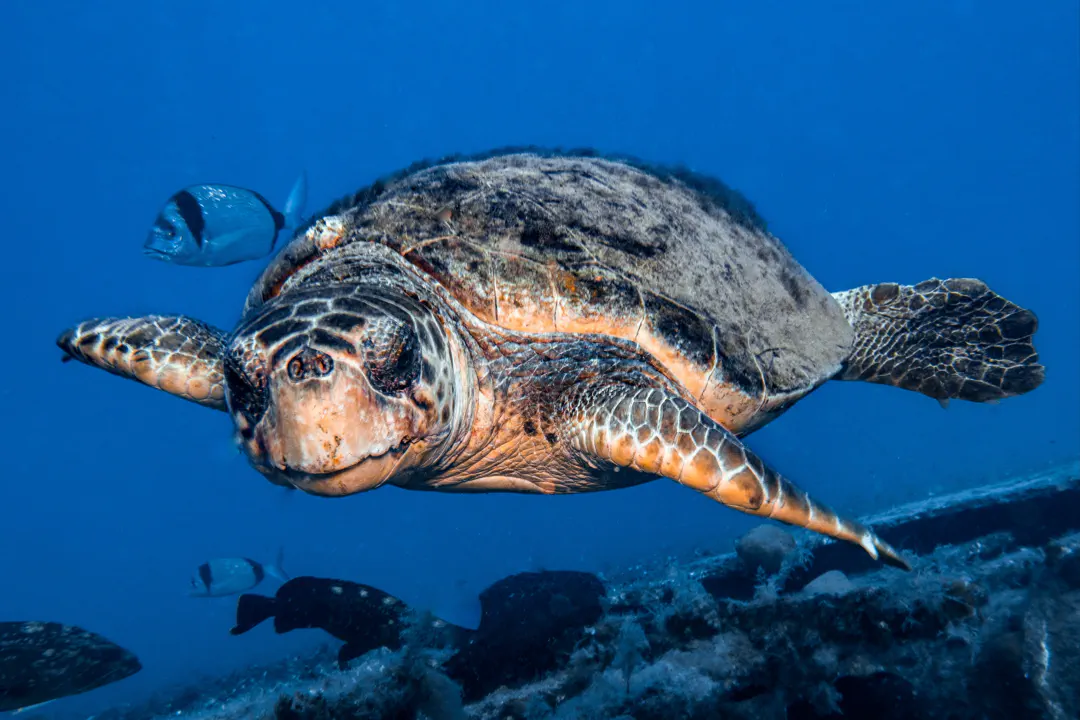
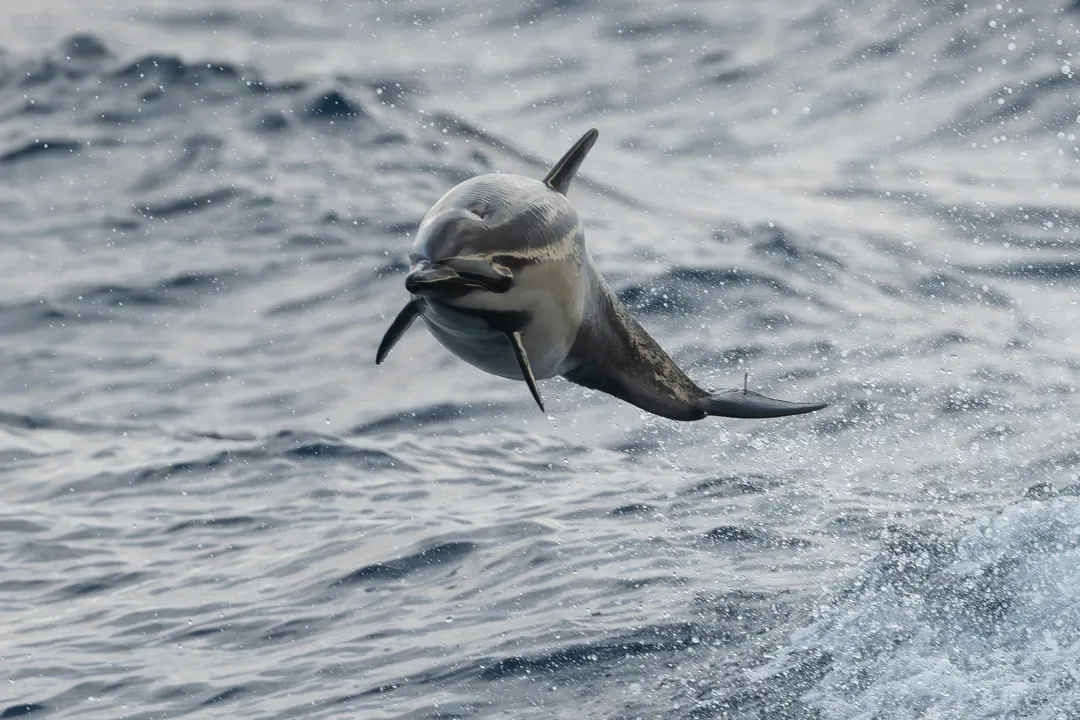
Wildlife encounters across American waters reflect the vast geographic and climatic transition from cold-temperate Pacific coastlines to warm tropical Atlantic reefs. Pacific kelp ecosystems host marine mammals like harbor seals, California sea lions, and sea otters alongside cold-water invertebrates, giant octopuses, and colorful rockfish species. In contrast, southeastern Atlantic and Gulf waters feature green turtles, loggerhead turtles, eagle rays, and diverse coral reef fishes.
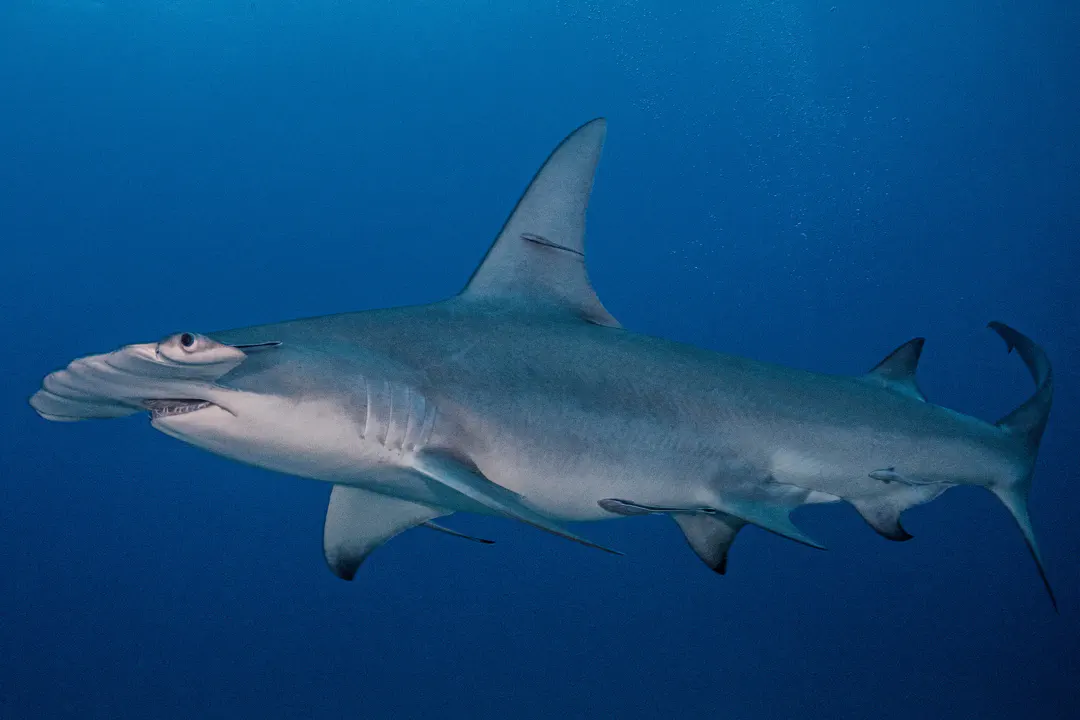
Apex predators and pelagic sharks maintain strong populations along multiple coasts, benefiting from seasonal migrations and protective marine sanctuaries. Sand tiger sharks aggregate around North Carolina shipwrecks, while nurse sharks and Caribbean reef sharks patrol Florida's coral tracks. Off Hawaii and open ocean drop-offs, pelagic encounters with reef manta rays and whitetip reef sharks offer dramatic highlights for night and deep dives.
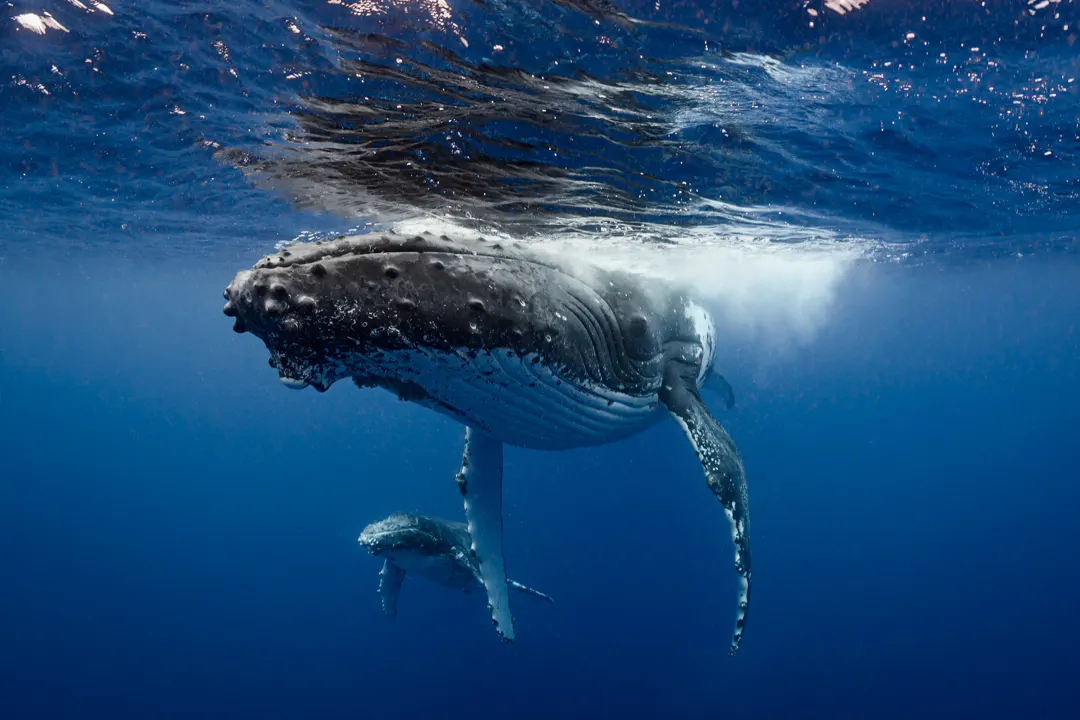
Migratory marine mammals also cross these dive regions seasonally, including humpback whales (*Megaptera novaeangliae*) that winter around the Hawaiian Islands and gray whales traveling along the California shore. You can log your sightings and identify local species using the Seabook app on your surface intervals. Federal and state laws strictly protect these marine animals, requiring divers to observe without touching, feeding, or harassing wildlife.
 © seabook.appAll rights reserved
 Adam JacksonCC0 · iNaturalist
 © seabook.appAll rights reserved
 © seabook.appAll rights reserved
 © mfeaverCC BY 4.0 · iNaturalist
 © seabook.appAll rights reserved
Is the USA Good for Beginners and Snorkellers?
The United States provides excellent options for novice divers and snorkellers, provided destination choices match skill levels and entry requirements. Shallow, protected locations like the inner patch reefs of Key Largo, sheltered bays in Hawaii, and Casino Point on Catalina Island feature minimal current and calm surface entries ideal for entry-level training. Snorkellers can easily explore shallow coral gardens and observe turtles without needing deep diving equipment.
Beginner divers benefit from clear, shallow waters where buoyancy practice and basic skills can be executed comfortably. Key Largo's shallow reefs, ranging from 3 to 10 meters depth, allow extended bottom times and stress-free navigation along sand channels. Similarly, Hawaiian bays offer warm water, low surge, and high visibility that build confidence for new open-water divers.
However, deep wreck dives like the U-352 in North Carolina and the USS Oriskany in Pensacola are unsuited for beginners due to depth, offshore currents, and potential nitrogen narcosis. High-energy surf zones or cold Pacific shore entries also require good physical fitness and exposure management. Novice divers should always consult local dive centers to select sites that match their current certification and comfort level.
Getting There and Practical Tips
Reaching USA dive destinations is straightforward via major international airport gateways across the country. Miami (MIA) and Fort Lauderdale (FLL) serve as primary access points for the Florida Keys, while Honolulu (HNL) and Kona (KOA) connect divers to Hawaiian dive spots. For California kelp forests, Los Angeles (LAX) leads to Catalina ferry ports, and Monterey or San Francisco (SFO) provide access to central coast reserves.
Renting a car is highly recommended for continental dive trips, as coastal dive sites, boat harbors, and state parks are spread out over long distances. Exposure protection needs differ drastically by region: pack a 3mm wetsuit for Florida and Hawaii in summer, but prepare a 7mm wetsuit or drysuit with hood and gloves for California and Pacific Northwest waters.
Respect marine sanctuary rules, reserve permits early for protected sites like Point Lobos, and always use established mooring buoys rather than dropping anchors on coral reefs. Carrying a surface marker buoy (SMB) and a dive light is recommended for all ocean dives, particularly on offshore wreck charters with potential surface currents.
Questions
Are there sharks in USA dive sites?
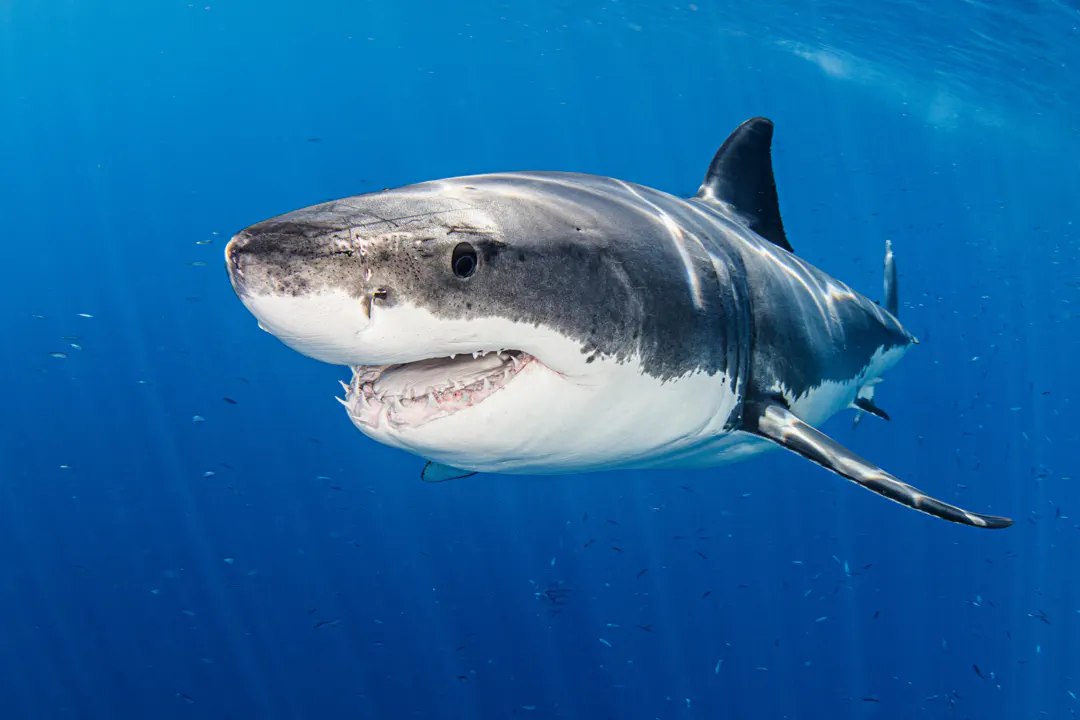
Yes. Florida and North Carolina support nurse sharks, sand tiger sharks, reef sharks and other coastal species, while California has horn sharks, leopard sharks and swell sharks. Great white sharks occur along California and other US coasts, but they are not routine sightings at most recreational sites; divers should maintain distance and never feed or pursue sharks.
What fish can you see in the USA?
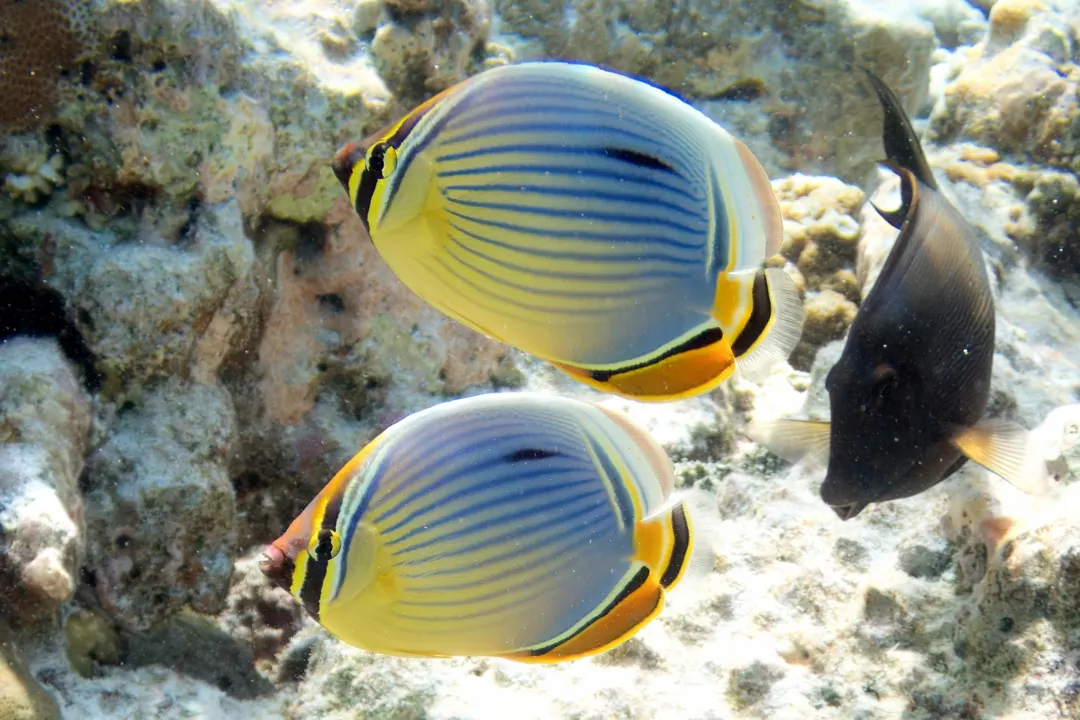
California offers garibaldi, rockfishes, cabezon, lingcod and kelp-associated species. Florida sites commonly feature grunts, parrotfishes, angelfishes, groupers, barracuda and morays, while Hawaii adds yellow tangs, butterflyfishes, triggerfishes and endemic species such as the humuhumunukunukuāpuaʻa, or Rhinecanthus rectangulus.
Can you see turtles when diving in the USA?
Yes. Green turtles are regular sightings in Hawaii and occur throughout Florida waters, while loggerheads use Florida’s coastal waters and hawksbills occur in tropical reef habitats. Encounters are not guaranteed, and divers should not touch, feed, chase or obstruct turtles.
How warm is the water in the USA for diving?
Temperatures vary from about 10°C in parts of the temperate Pacific to roughly 29–32°C during the warmest Florida and Hawaiian coastal months. Representative monthly averages range from about 22.5°C in January to 31.5°C in August at Key West and approximately 25.5–27.7°C at Kawaihae, Hawaii; California conditions vary with latitude, upwelling, depth and season.
Is diving in the USA suitable for beginners?
Yes, selected Florida Keys reefs, sheltered Hawaiian bays and Casino Point at Catalina can suit beginners when conditions are calm and supervision is appropriate. Deep wrecks such as U-352 and the USS Oriskany require additional experience because of depth, current, decompression, entanglement and navigation hazards.
Do I need a drysuit to dive in California?
Not always. Many Southern California divers use a well-fitting 7 mm wetsuit with hood and gloves, especially during summer and early autumn, while a drysuit offers greater comfort for repeated dives, winter conditions, deeper profiles and colder northern California sites. Water temperature, dive duration and individual cold tolerance should determine the choice.
Sources
- Coral Reefs - Florida Keys National Marine Sanctuary - NOAA · 2026-10-27
- Where to Experience Maritime Heritage · 2026-10-10
- NCEI Coastal Water Temperature Guide - All Coastal Regions table · 2026-10-30
- Diving into your National Marine Sanctuaries - NOAA · 2026-10-03
- Shallow Coral Reef Habitat | NOAA Fisheries · 2026-08-07