At a depth of eighteen metres off Pedras Secas, sunlight cuts through dark basalt arches, casting shifting lattices over the yellow sponges below. A spotted eagle ray, three metres across from wingtip to wingtip, angles its snout against a knot of Atlantic current and hovers silent above a pair of sleeping nurse sharks. Small black-durgeon triggerfish peck at the algae clinging to volcanic boulders, while a grey reef shark sweeps past the canyon exit into the blue open ocean.
Scuba diving in Brazil spans over seven thousand kilometres of coastline, where tropical currents meet temperate southern upwellings. Across the country, water temperatures range from 18°C along the chilly granite shorelines of the southeast to 28°C across northern offshore archipelagos. Visibility shifts just as dramatically, stretching beyond 40 metres in clear equatorial ocean waters while dropping to 5 to 15 metres along nutrient-heavy coastal reefs. The best months for underwater exploration depend on the region, with the northern marine sanctuaries offering prime conditions between September and April, while southern ray aggregations peak during the winter months from June to August.
Key dive locations range from the volcanic caverns of Fernando de Noronha and the endemic brain coral pillars of the Abrolhos Archipelago to the dense shipwreck collections lying off Recife. Divers encounter spinner dolphins, oceanic manta rays, green sea turtles, and endemic species like the Brazilian basslet hiding in dark reef crevices. The country caters to all certification levels, offering calm shallow bays for beginners around Ilha Grande alongside deep current-swept pinnacles suited for technical and advanced open water divers.
What Is Diving in Brazil Like?
Brazil's vast coastline offers two distinct underwater worlds split by latitude and oceanic currents. In the northern states, warm tropical waters flowing from the South Equatorial Current nourish the only true coral reef systems in the South Atlantic Ocean. These northern reefs feature unusual mushroom-shaped coral pinnacles known locally as chapeirões, which rise up to twenty metres off the seafloor before mushrooming into wide coral tops.
Moving south toward Rio de Janeiro and São Paulo, the maritime climate transforms under the influence of cool, nutrient-rich upwellings fed by Antarctic currents. These southern rocky reefs trade hard corals for dense kelp patches, colorful bryozoans, and thick fields of gorgonian sea fans. The abundance of plankton in these temperate zones supports massive marine life populations, drawing schooling jacks, large groupers, and migrating pelagic species into shallow coastal bays.
Under surface conditions, Brazil's underwater topography varies from deep granite drop-offs and submerged basalt arches to shallow sandy lagoons filled with seagrass beds. The South Atlantic hosts lower hard coral diversity than the Indo-Pacific, yet over thirty percent of the fish and invertebrate species found on Brazilian reefs exist nowhere else on the planet. This high degree of isolation makes every dive a lesson in unique evolutionary adaptation.
Best Time to Dive in Brazil
Timing a diving trip to Brazil requires aligning your travel plans with regional weather patterns and seasonal animal migrations across different latitudes. For Fernando de Noronha, the dry season running from September to November delivers glassy surface conditions and underwater visibility that frequently exceeds 40 metres. During these months, gentle winds keep surface swells low, allowing smooth boat passages to distant outer volcanic reefs.
Further south off the coast of Bahia, the Abrolhos Archipelago sees its optimal diving window between December and April, when water temperatures hold at a comfortable 27°C and visibility reaches 20 metres. However, winter brings a different spectacle between July and November, when thousands of humpback whales arrive from Antarctic feeding grounds to mate and calve in the warm, shallow waters around the archipelago's protected islands.
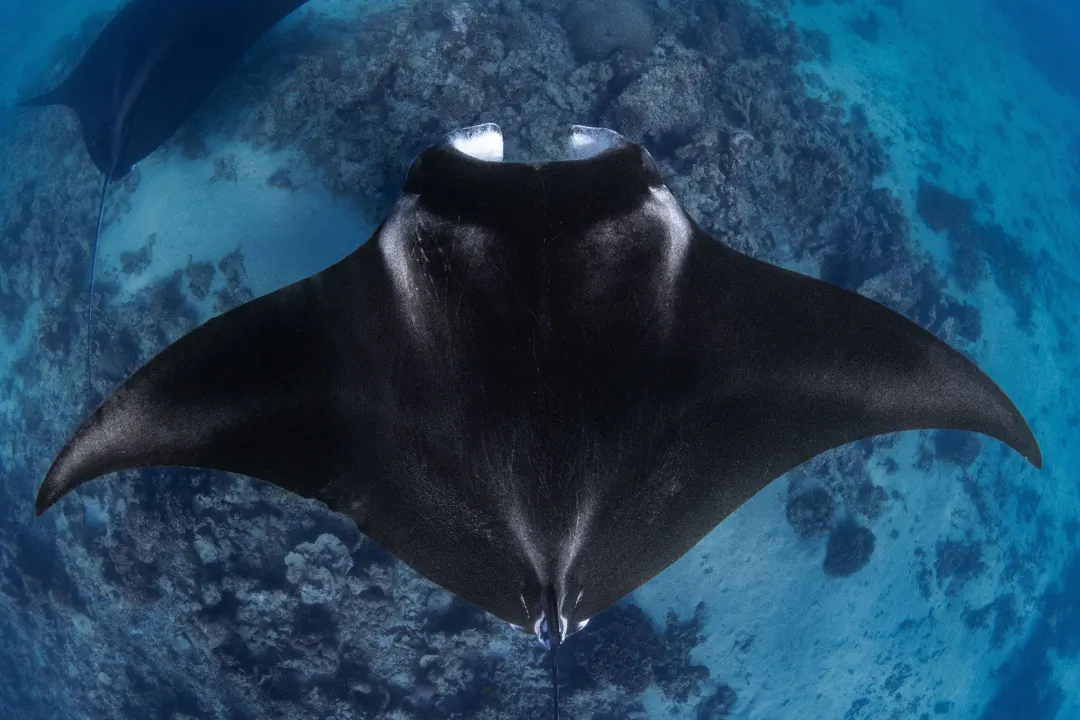
In the southern state of São Paulo, marine parks like Laje de Santos deliver their best pelagic action during the cooler winter months from June to September. Water temperatures drop to 20°C during this period, but cold upwellings carry rich plankton blooms that attract giant oceanic manta rays with wingspans exceeding five metres. Plan your itinerary around your primary targets, whether that means winter pelagic giants or tropical summer reef explorations.
Brazil Water Temperature by Month
Water temperature
Brazil, monthly average
Fernando de Noronha archipelago, popular diving area off northeast Brazil coast; surface temperatures, typical scuba depth 10-30m
From the community's dive logs
What divers log in Brazil
From 55 dives logged by 50 Seabook divers. What this group recorded, not a verdict on the destination.
Most-logged marine lifedivers who logged it
 © seabook.appAll rights reserved 7 divers
 © seabook.appAll rights reserved 5 divers
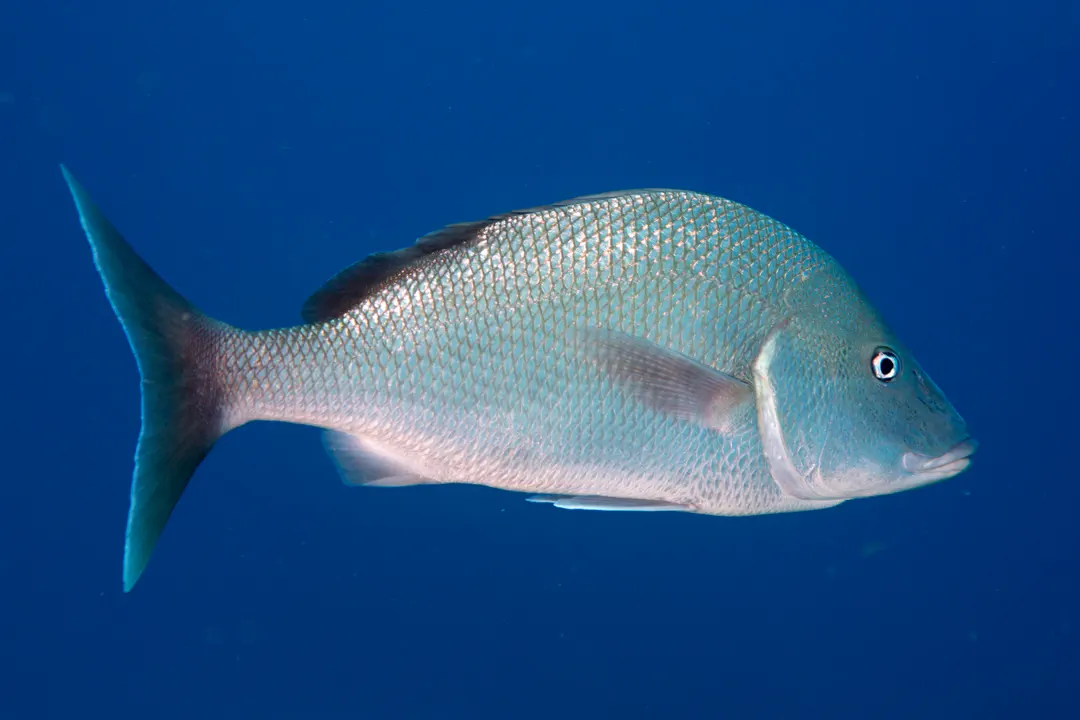
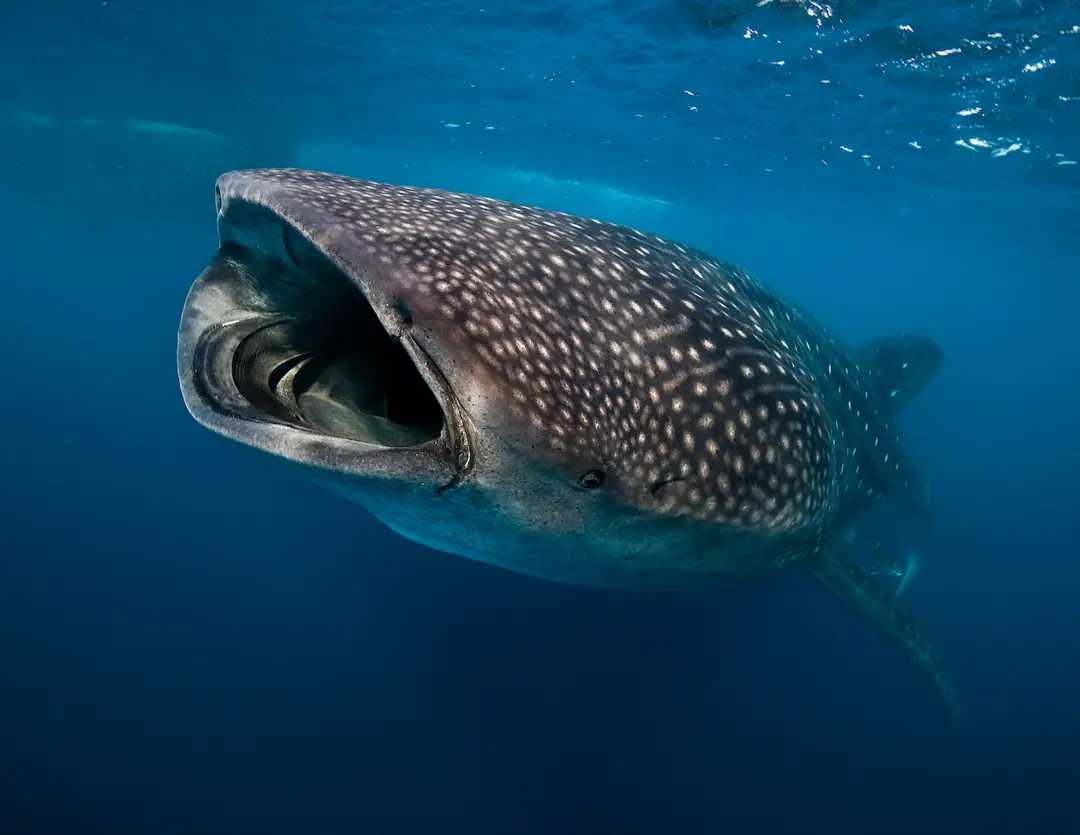 © seabook.appAll rights reserved 4 divers
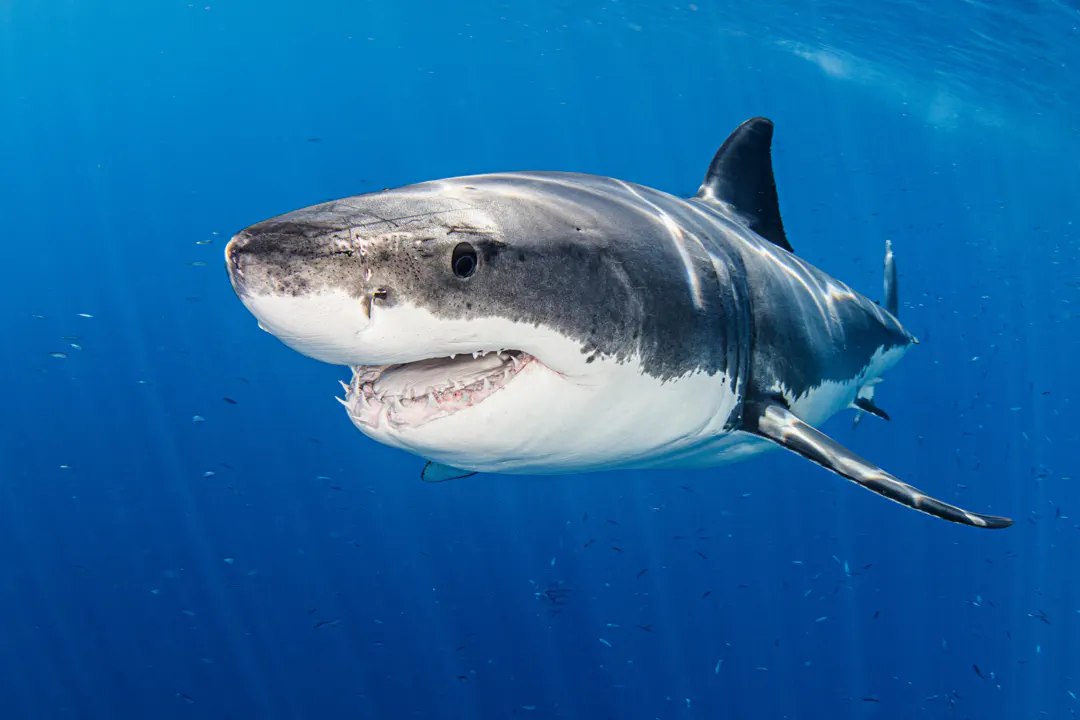 © seabook.appAll rights reserved 4 divers
Water temperatures across Brazil vary significantly depending on geographic latitude and local oceanographic phenomena. The tropical northern coastline maintains warm, stable water temperatures ranging between 26°C and 28°C throughout the entire year. Thermal protection in these equatorial waters requires little more than a 3mm wetsuit or a basic rashguard during long dives.
In contrast, southern coastal diving areas experience sharp seasonal temperature fluctuations and deep cold-water upwellings. Sites off Rio de Janeiro and São Paulo can experience sudden temperature drops when wind-driven currents push cold Antarctic water toward the shore. In areas like Arraial do Cabo, bottom temperatures often hover around 18°C to 20°C even during peak summer months, making a 5mm wetsuit with a hood essential equipment for thermal comfort.
Thermoclines are common across intermediate dive zones, where a warm 25°C surface layer can abruptly yield to a crisp 19°C bottom layer at depths below fifteen metres. Checking local oceanographic reports before setting out helps divers select appropriate suit thickness for specific dive profiles. Understanding these thermal transitions ensures comfortable profiles whether exploring deep shipwrecks or shallow coastal reefs.
Best Dive Sites in Brazil
Brazil offers an extensive array of dive locations distributed across its 7,400-kilometer Atlantic coastline. From pristine oceanic marine sanctuaries far offshore to accessible coastal wrecks and sheltered islands, each region delivers distinct underwater environments shaped by local geology and current systems.
Choosing where to dive depends heavily on certification level, logbook experience, and specific species interest. Advanced open water divers can challenge themselves on deep oceanic pinnacles subject to strong currents, while entry-level divers can build confidence in calm, shallow bays teeming with macro marine life.
Pedras Secas (Fernando de Noronha): volcanic arches and sharks
Located within the Fernando de Noronha Marine National Park, Pedras Secas features jagged volcanic rock formations that break the Atlantic surface three miles offshore. Underwater, basaltic lava flows have eroded into a network of open-ended swim-throughs, natural archways, and vertical chimneys carved by centuries of wave action. Sunlight pours through overhead cracks in the basalt, illuminating sandy canyon floors carpeted in yellow encrusting sponges and purple sea fans.
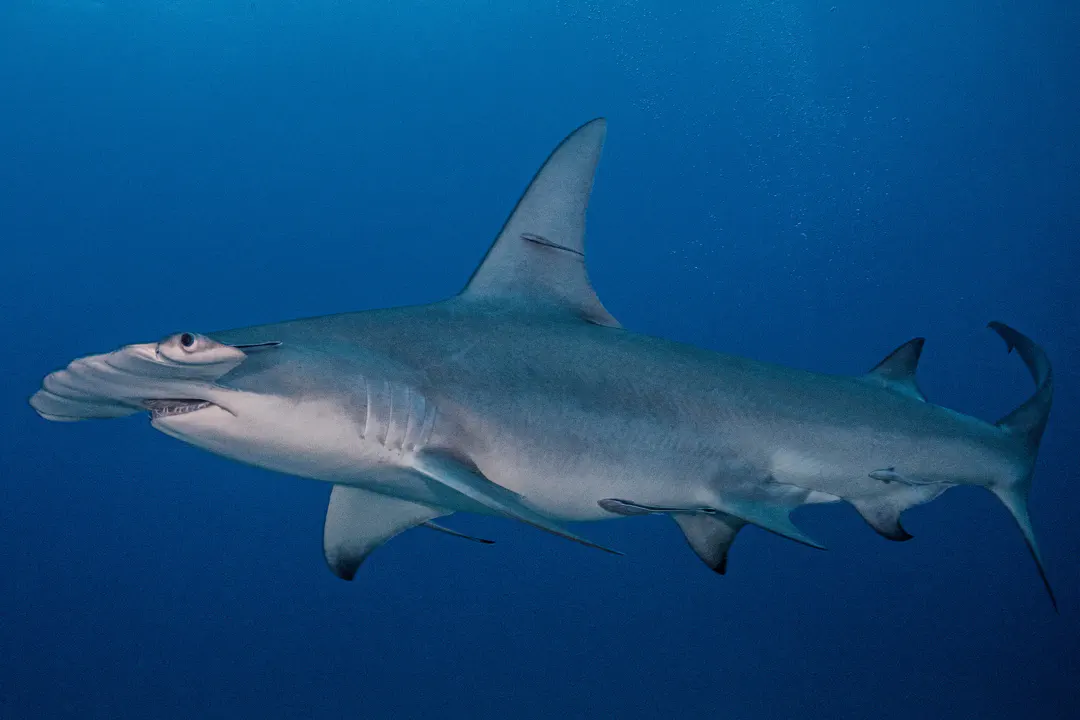
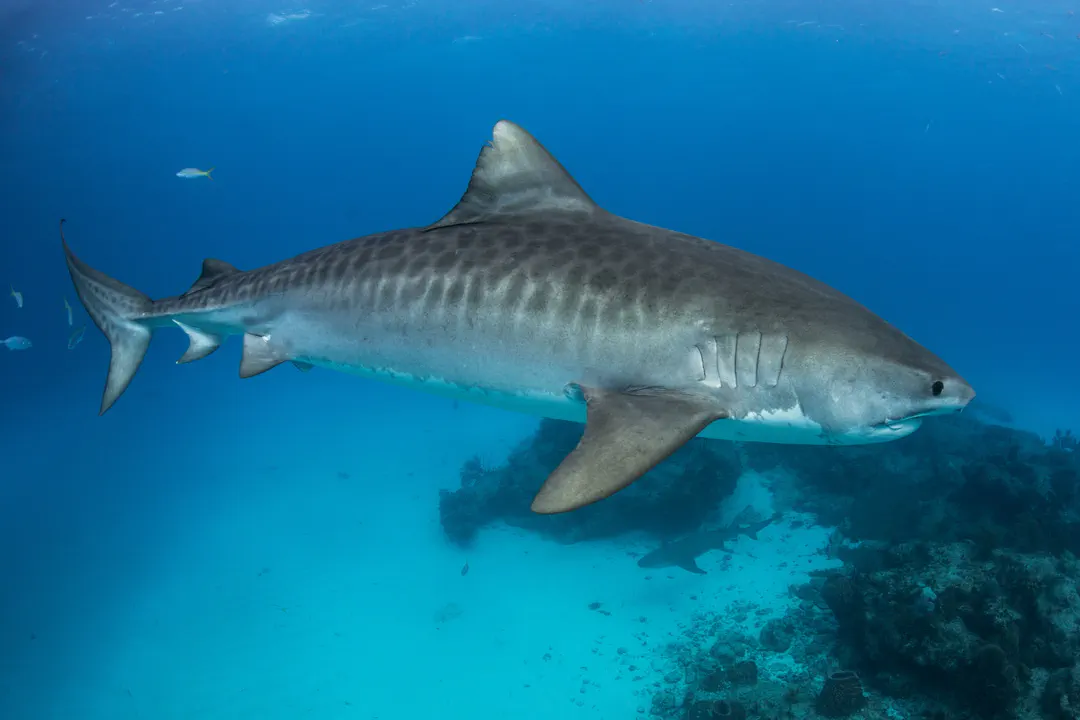
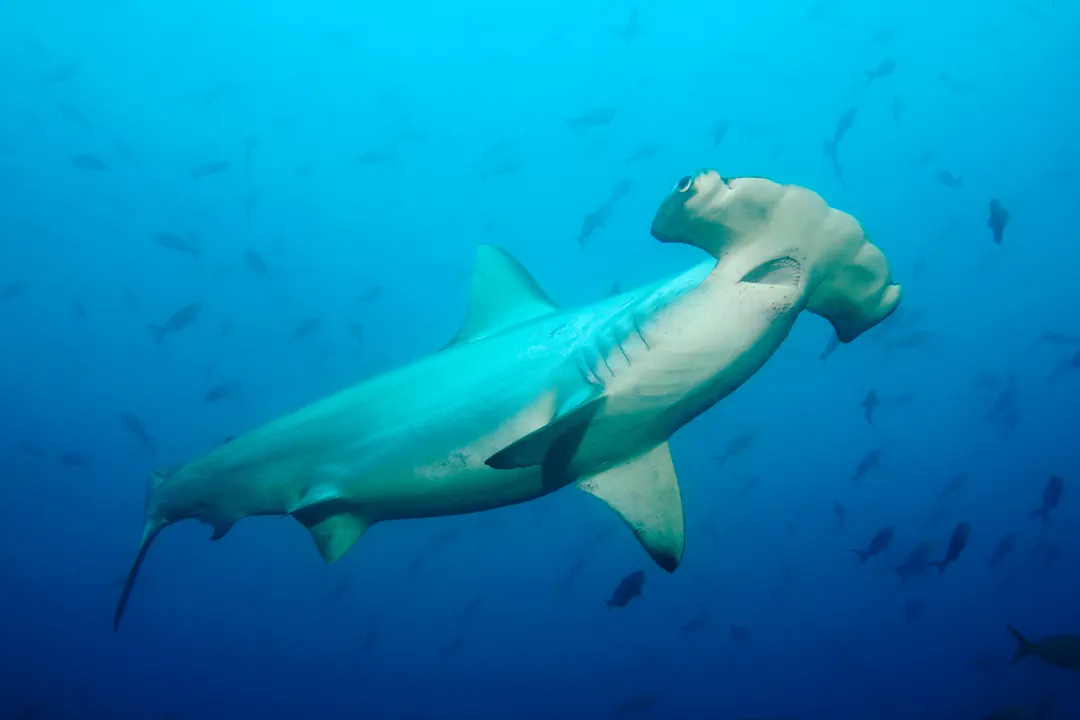
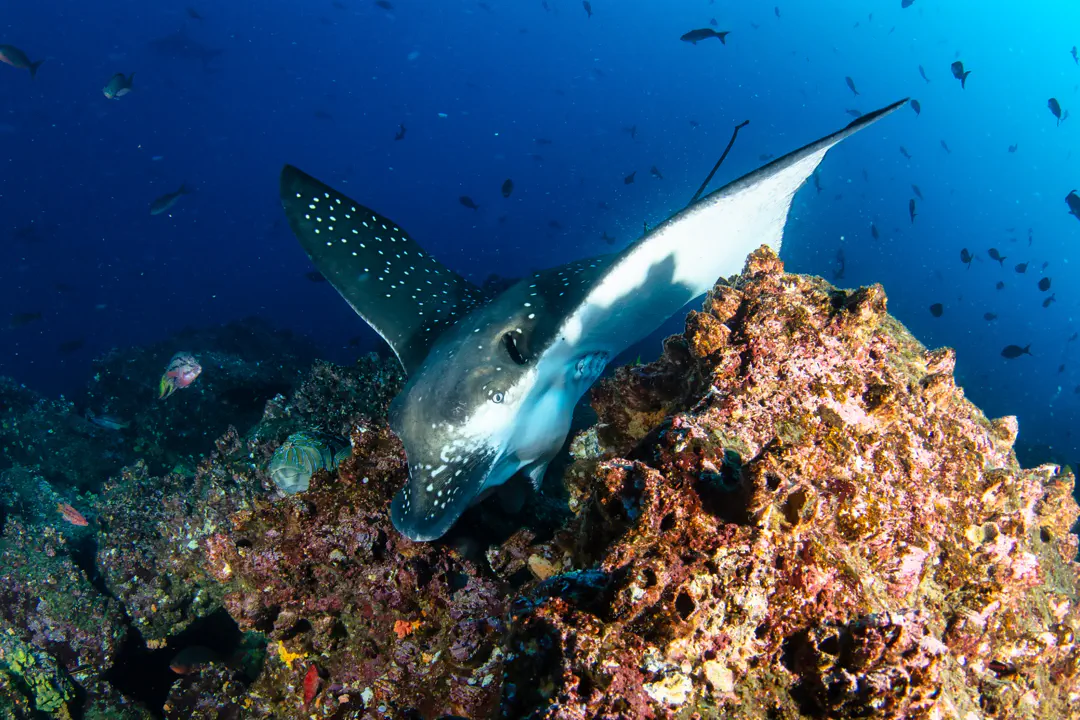
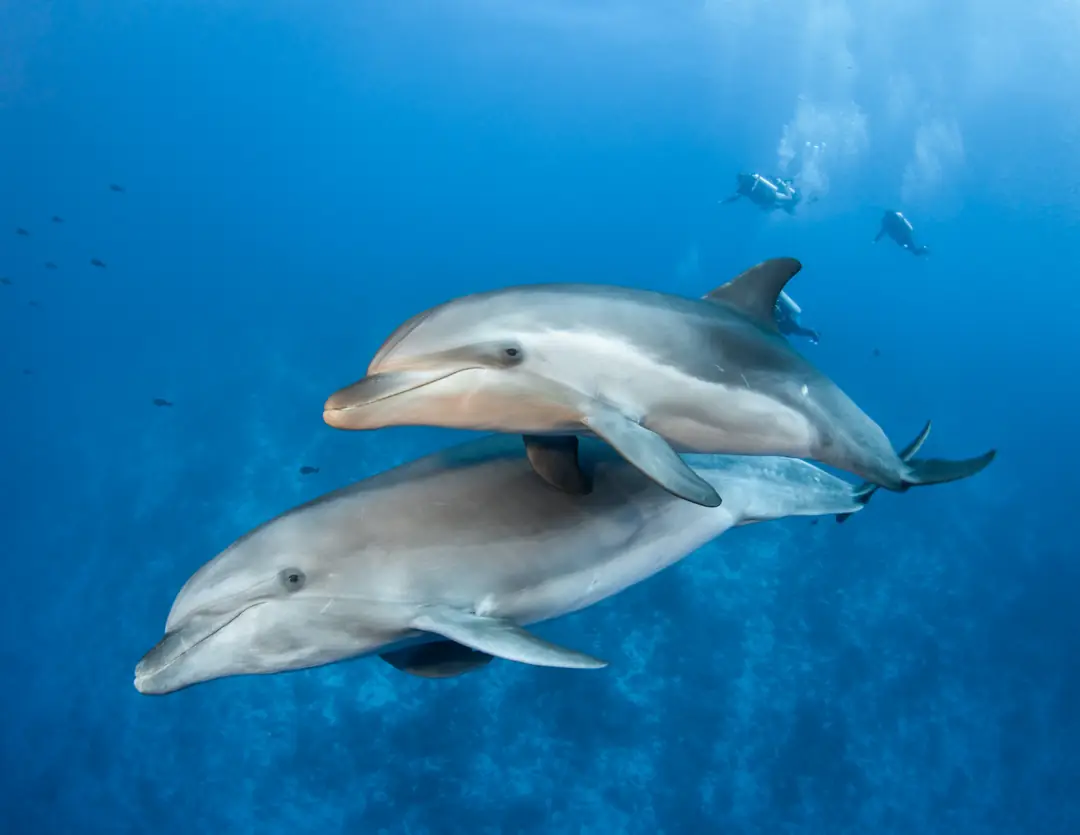
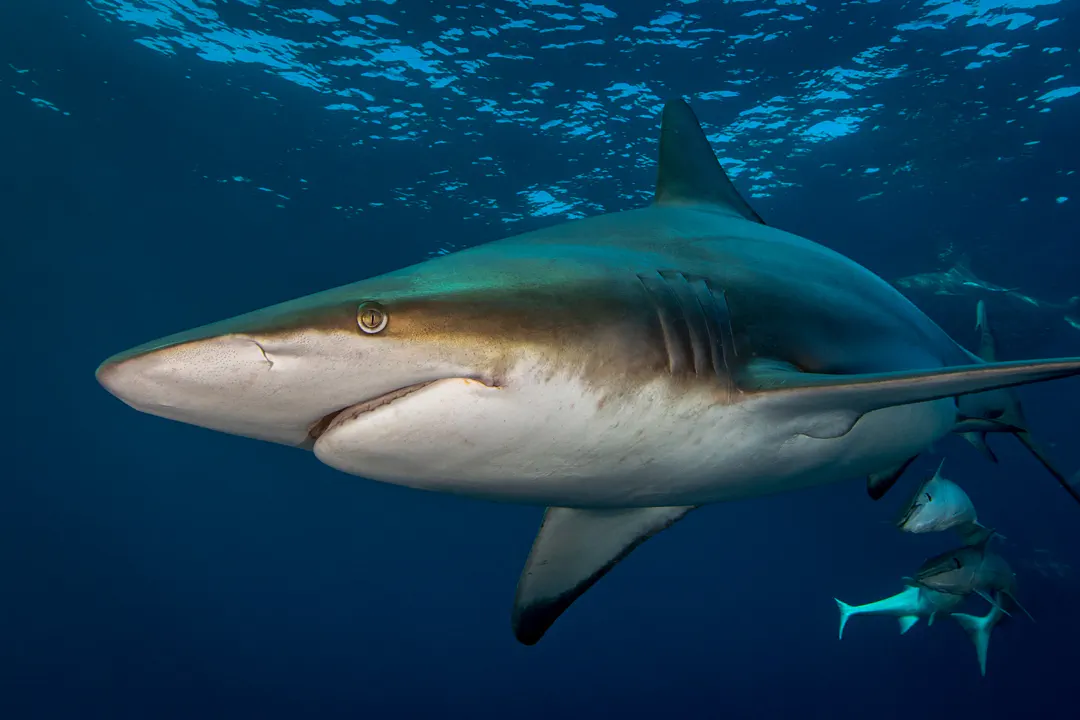
The site acts as a magnet for larger marine predators cruising in the open ocean currents. Scalloped hammerhead sharks and tiger sharks frequently sweep around the outer perimeter of the rock pillars, while resident Caribbean reef sharks rest on sandy patches inside the covered canyons. Schools of spotted eagle rays glide through the overhead archways in formation, accompanied by pods of bottlenose dolphins and passing blacktip sharks.
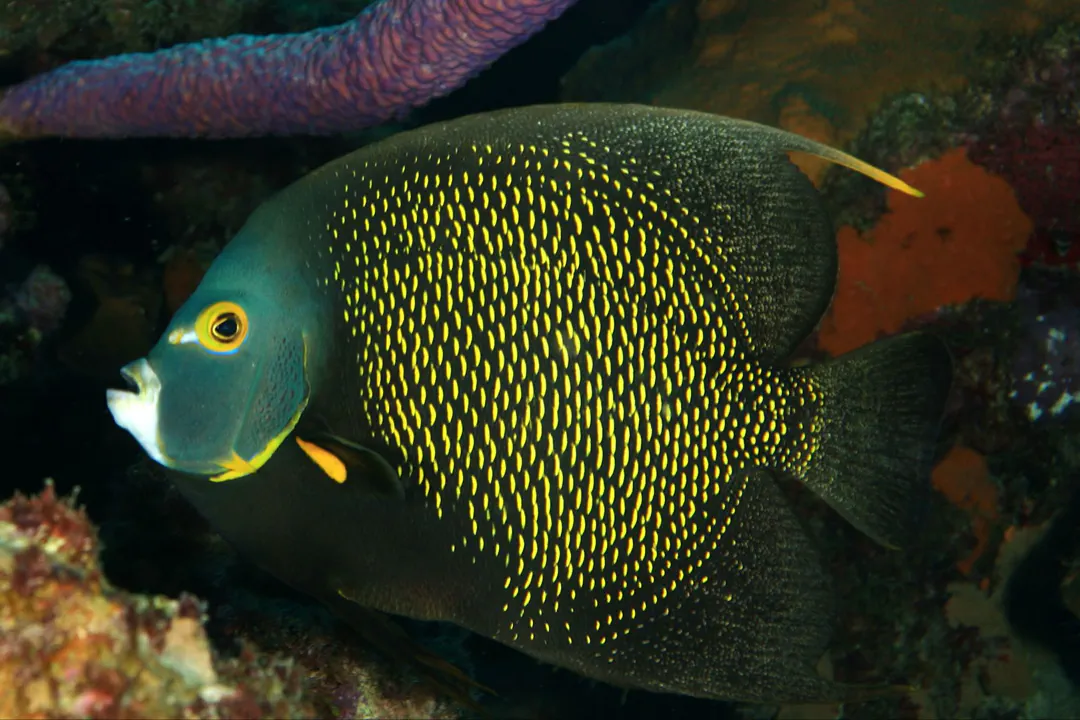
French angelfish dart between basalt crevices while giant Nassau groupers watch quietly from dark underhangs alongside stoplight parrotfish. The current through the main archway can run at two to three knots, requiring good buoyancy control and comfort in moving water. Diver numbers are strictly capped by park authorities to preserve the delicate benthic habitat and prevent disturbance to resident marine life.
Depth: 12-30 m. Access: boat, 30 minutes from Vila dos Remédios. Level: Intermediate to Advanced. Best months: September-November.
 © seabook.appAll rights reserved
 © seabook.appAll rights reserved
 © seabook.appAll rights reserved
 © seabook.appAll rights reserved
 © seabook.appAll rights reserved
 © LASZLO ILYESCC BY 4.0 · iNaturalist
Laje de Santos (São Paulo): oceanic manta rays and pelagics
Rising abruptly from the seabed forty-five kilometres off the coast of Santos, this isolated granite outcrop forms the core of the Laje de Santos Marine State Park. Below the waves, steep granite walls plunge vertically to depths beyond forty metres, surrounded by open ocean currents laden with nutrients. The harsh open-water environment creates an ideal feeding ground for large pelagic marine life traveling along the continental shelf.
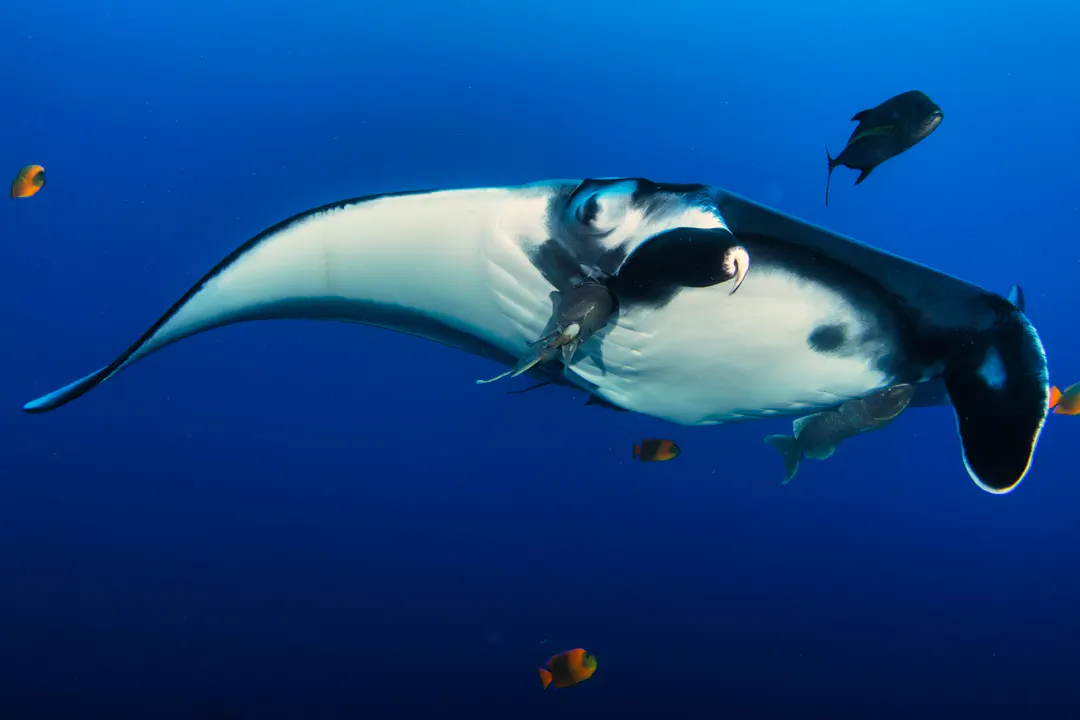
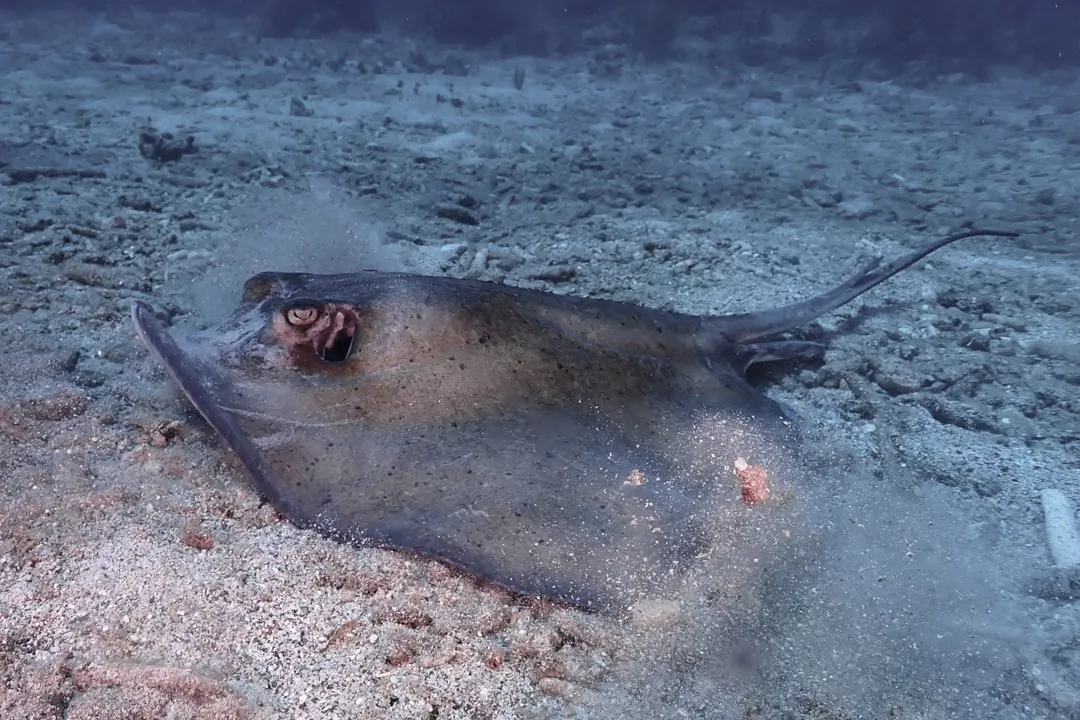
Between June and September, cold southern upwellings trigger massive plankton blooms that draw giant oceanic manta rays to the island's cleaning stations. These ray giants, with wingspans reaching up to seven metres, hover motionless over granite ridges while yellowtail snappers and fish pick parasites from their skin. Southern stingrays and spotted eagle rays rest on the deeper sand flats at the base of the rock wall.
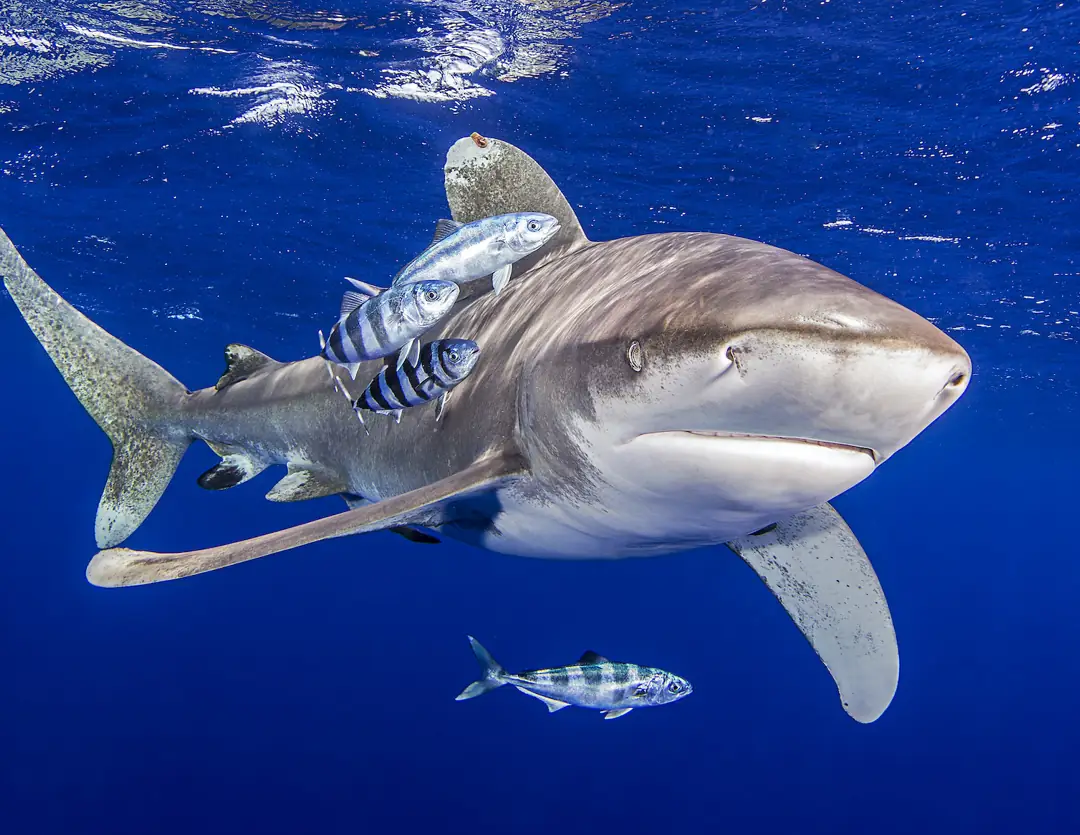
Diving here often involves strong surge and open-ocean currents, requiring blue-water surface drop-offs and negative entries. Schools of mahi-mahi and scalloped hammerhead sharks patrol the upper water column, while oceanic whitetip sharks occasionally make brief appearances off the outer drop-off. The exposed nature of the island means trips are heavily dependent on manageable wind and swell conditions.
Depth: 10-35 m. Access: boat, 90 minutes from Santos harbour. Level: Advanced Open Water. Best months: June-September.
 © seabook.appAll rights reserved
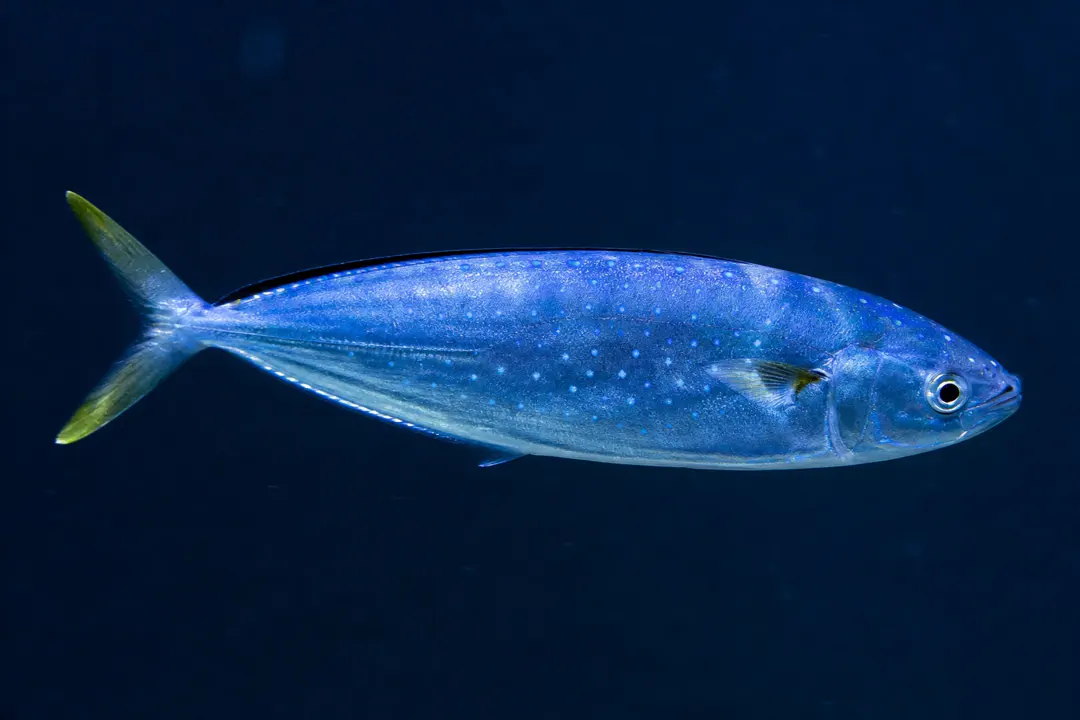
 © Robin WhiteCC BY 4.0 · iNaturalist
 © seabook.appAll rights reserved
 © seabook.appAll rights reserved
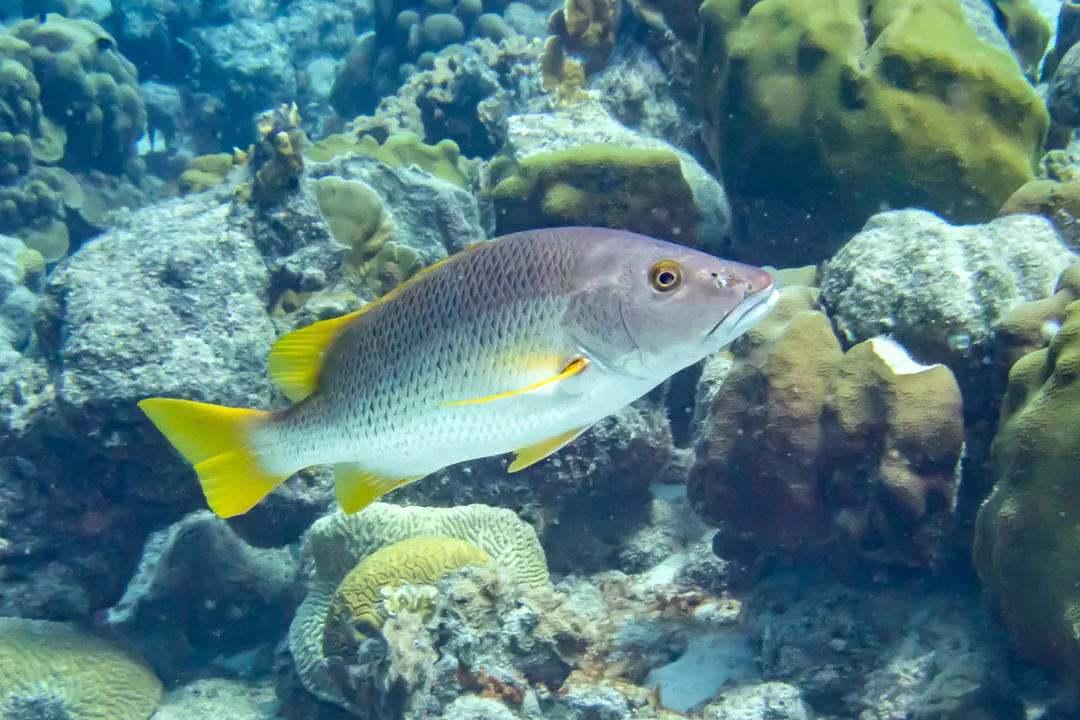 © Jay BrasherCC BY 4.0 · iNaturalist
Abrolhos Archipelago (Bahia): endemic corals and humpback whales
Situated seventy kilometres off the southern coast of Bahia, the Abrolhos Archipelago comprises five small volcanic islands surrounded by shallow, turquoise waters. Established in 1983 as Brazil's first national marine park, this sheltered sanctuary shelters expansive coral reefs built by ancient Brazilian brain coral species. The site is famous for its unique chapeirões, massive mushroom-shaped coral columns that rise twenty metres off the sea floor before fanning out into broad crowns.
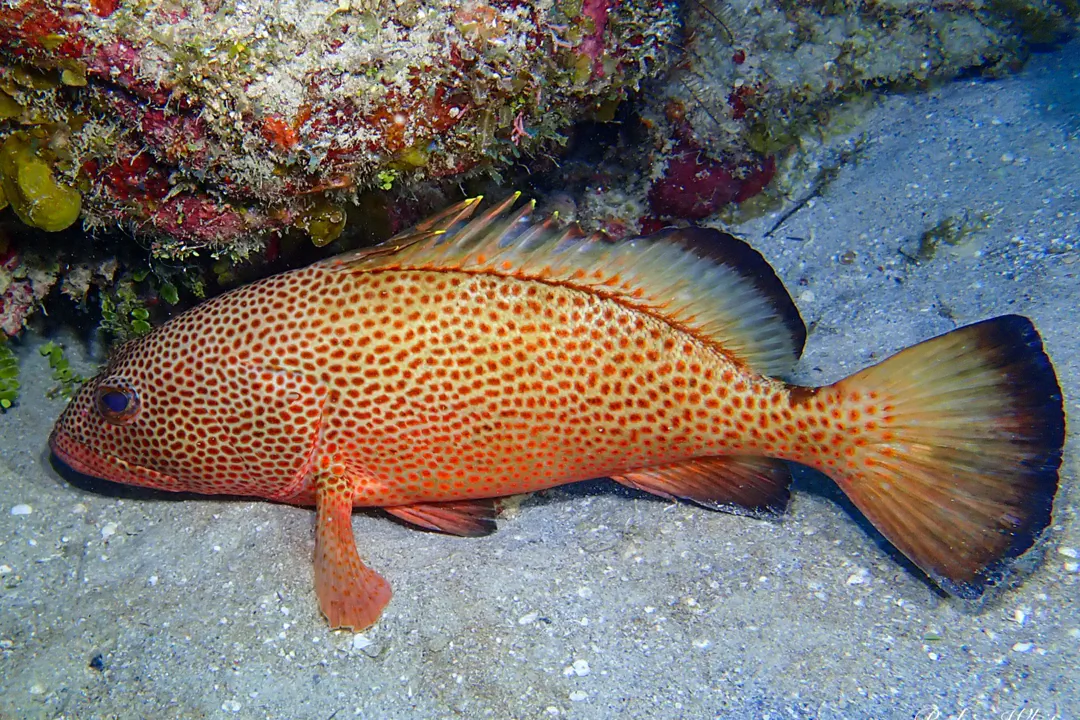
The thick coral structures provide habitat for vibrant populations of reef fish, including French angelfish, grey angelfish, and spotted trunkfish. Hogfish root through the sandy gaps between coral bases, while golden hind groupers hide inside dark pockets carved into the brain coral bases. Green sea turtles and loggerhead turtles swim between the shallow reef heads to feed on algae and nest along the uninhabited sandy island beaches.
From July to November, the marine park becomes a crucial nursery for thousands of migrating humpback whales that travel north from Antarctic waters. Divers on underwater safety stops frequently hear the resonant songs of male humpbacks echoing through the water column. While swimming directly with the whales is prohibited, surface sightings of mother and calf pairs breaching near dive vessels occur regularly throughout the season.
Depth: 3-25 m. Access: liveaboard or day boat, 3 hours from Caravelas. Level: Open Water. Best months: December-April (corals/fish), July-November (whales).
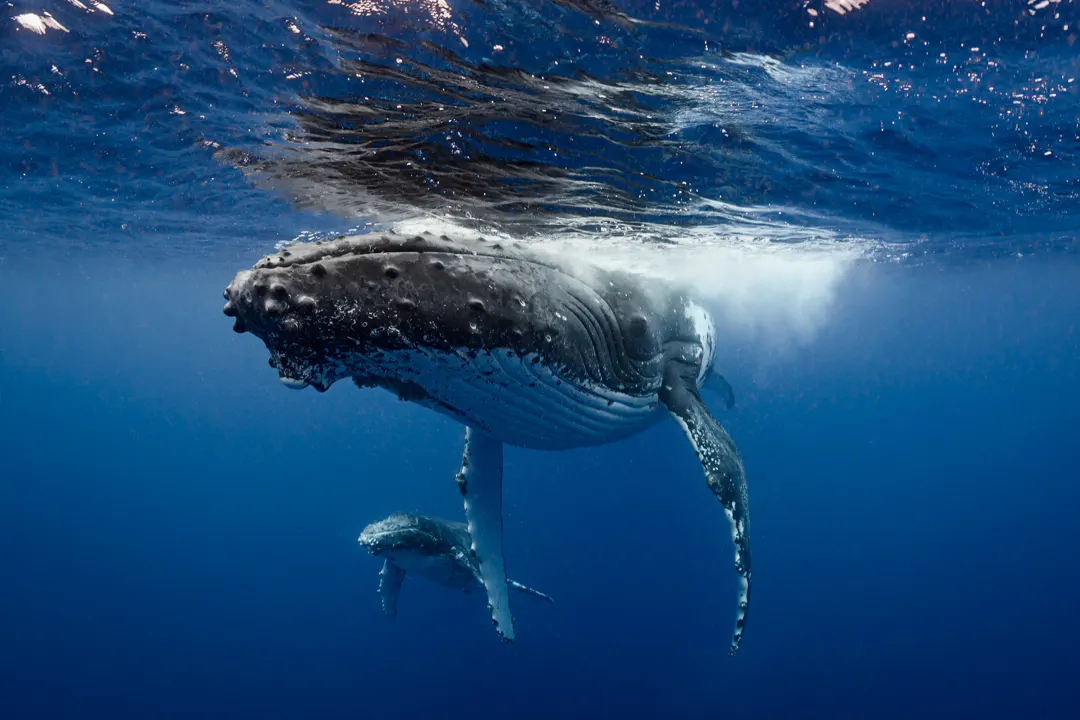 © seabook.appAll rights reserved
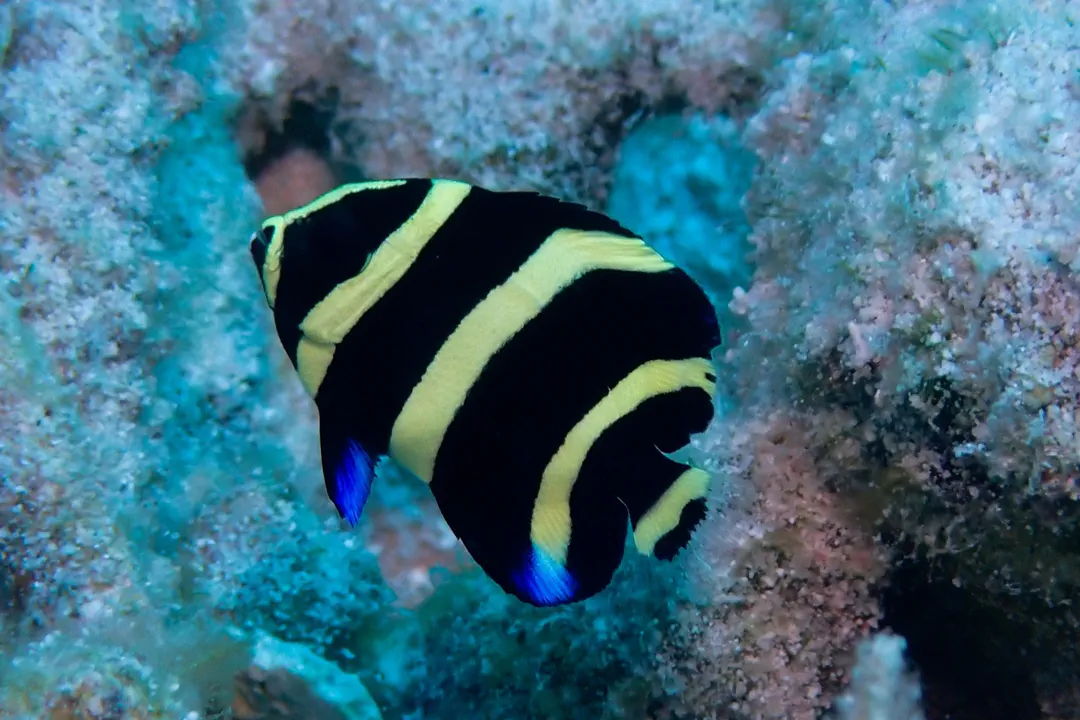 © Dan SchofieldCC BY 4.0 · iNaturalist
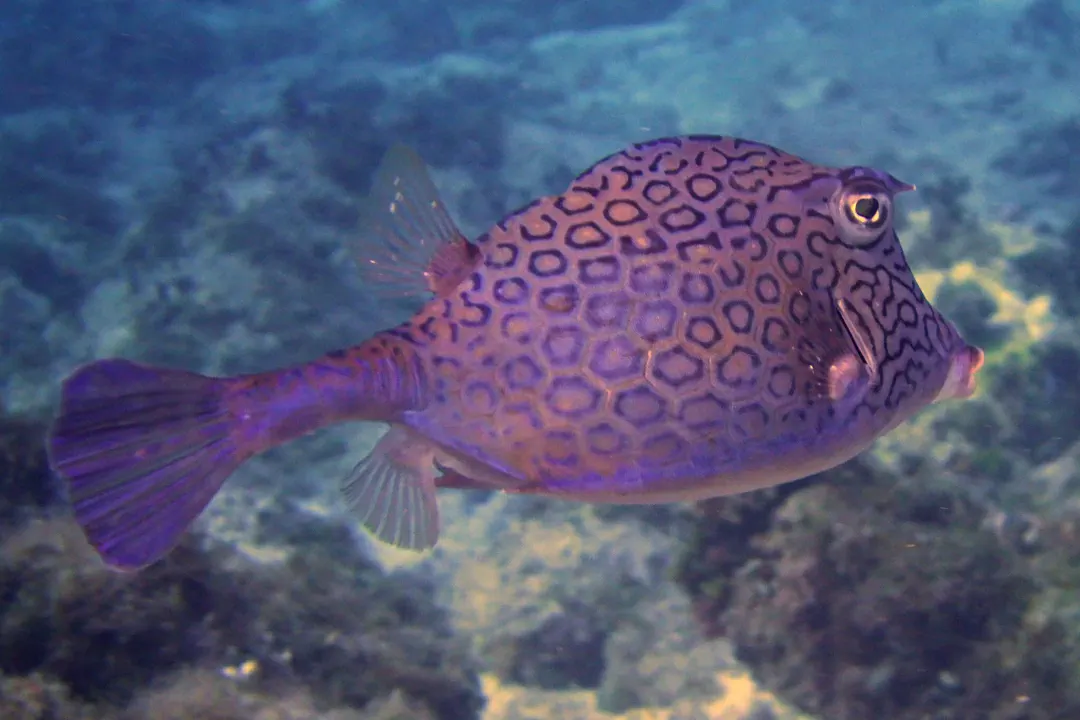 © Jan Ebr & Ivana EbrováCC BY 4.0 · iNaturalist
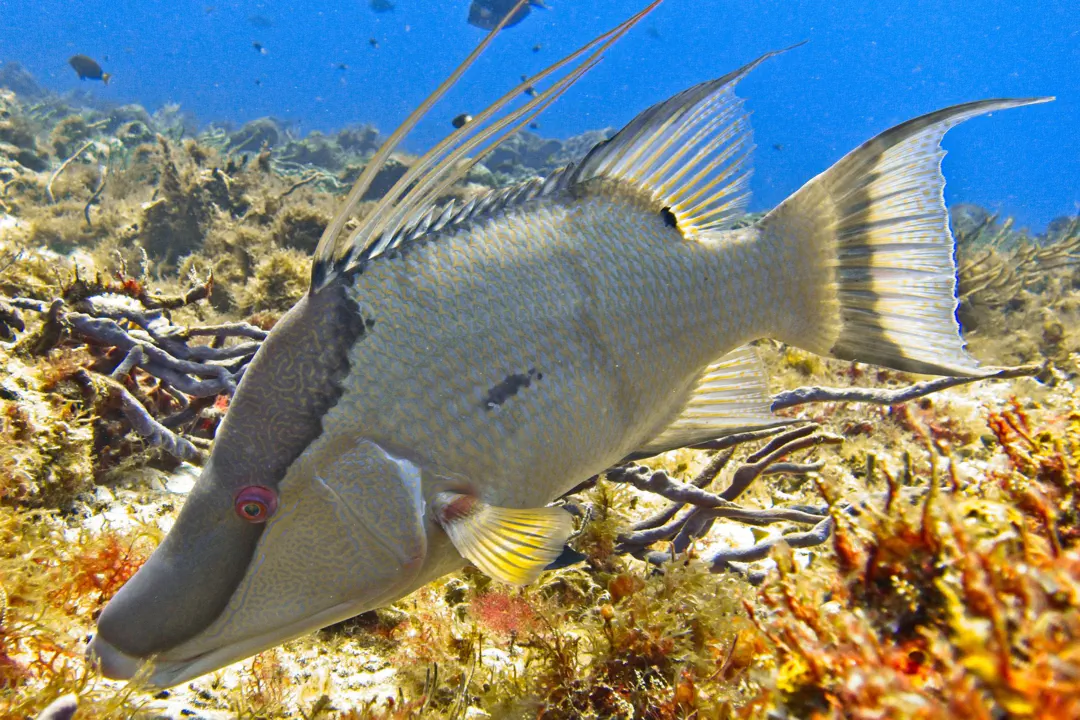 © Matteo CassellaCC BY-SA 4.0 · iNaturalist
 © Jay BrasherCC BY 4.0 · iNaturalist
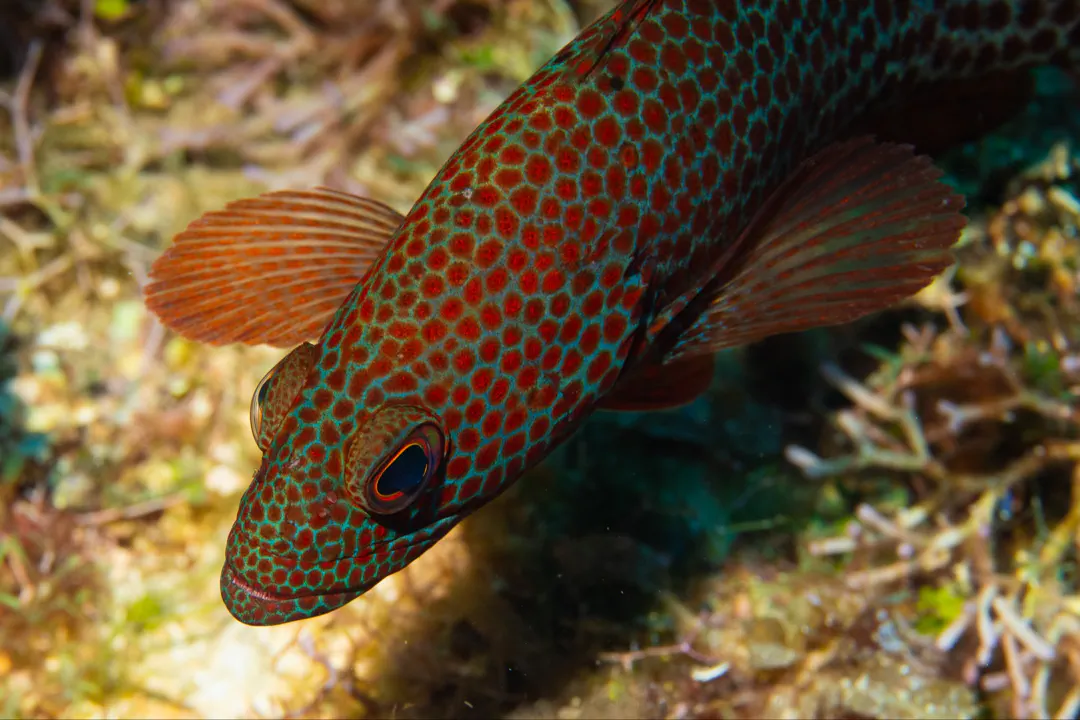 © cello caruso-turielloCC BY 4.0 · iNaturalist
Vapor de Baixo (Recife): shipwreck covered in marine growth
Recife is widely recognized as the shipwreck capital of Brazil, boasting over thirty historical and artificial wrecks submerged along its coastal waters. Among the most accessible is the Vapor de Baixo, an unidentified 19th-century iron steamship resting at a shallow depth of fifteen metres. Sunk over a century ago, the vessel's steam boilers, paddle wheel hubs, and heavy iron framework have integrated into the surrounding marine environment.
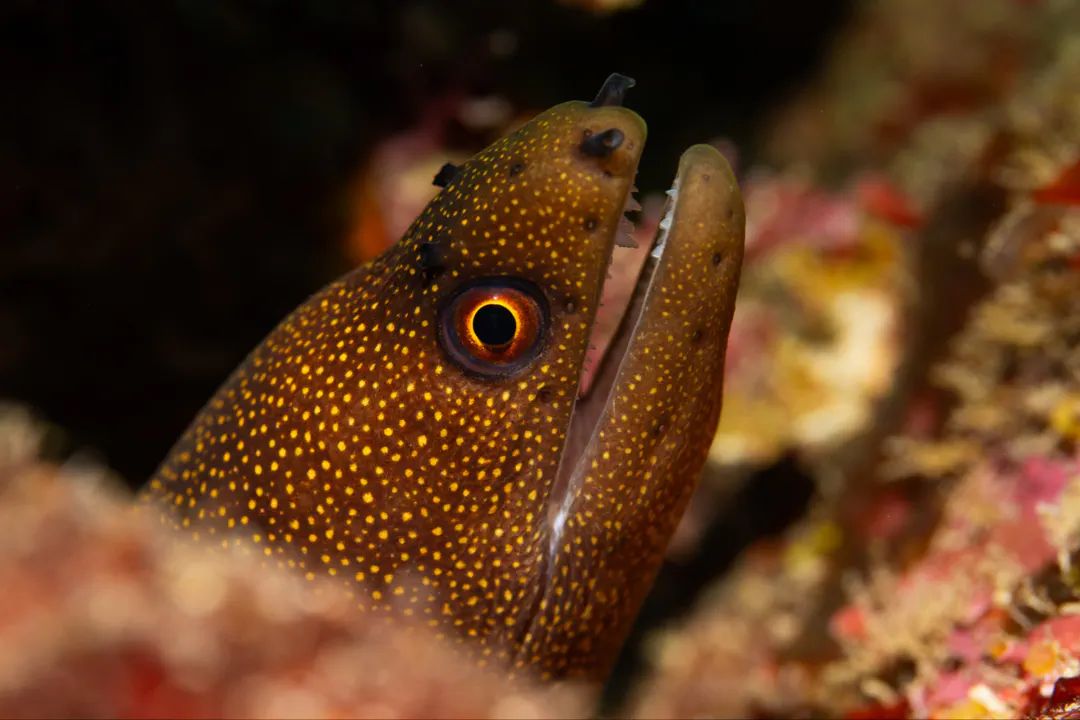
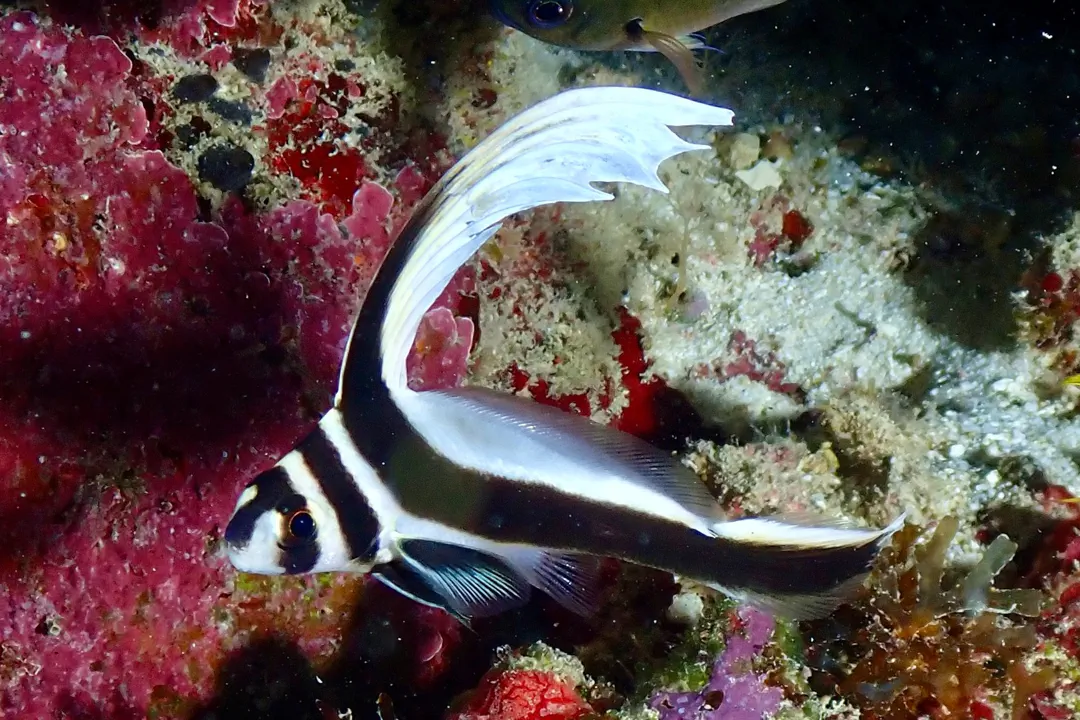
Decades of exposure to ocean currents have encrusted the iron machinery with orange cup corals, encrusting sponges, and Christmas tree worms. Spotted moray eels and white-mouth morays coil through broken pipeways and collapsed boiler tubes, exposing needle-sharp teeth as divers pass. Rock hinds and spotted drum fish move slowly through the shadowed iron ribs of the engine room.
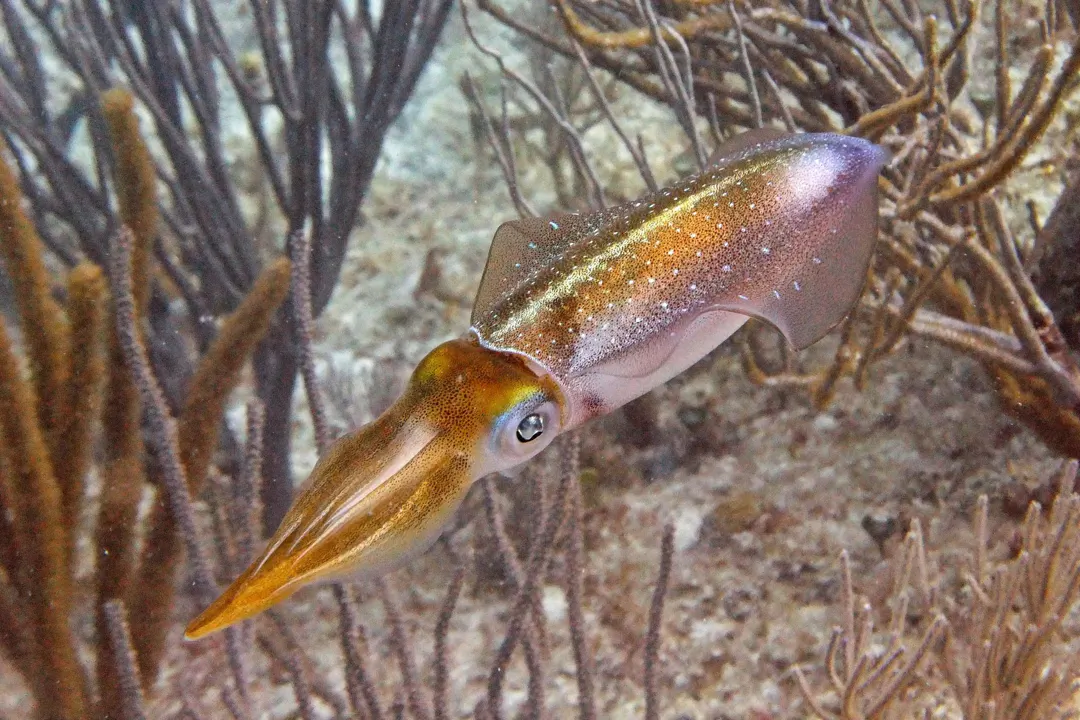
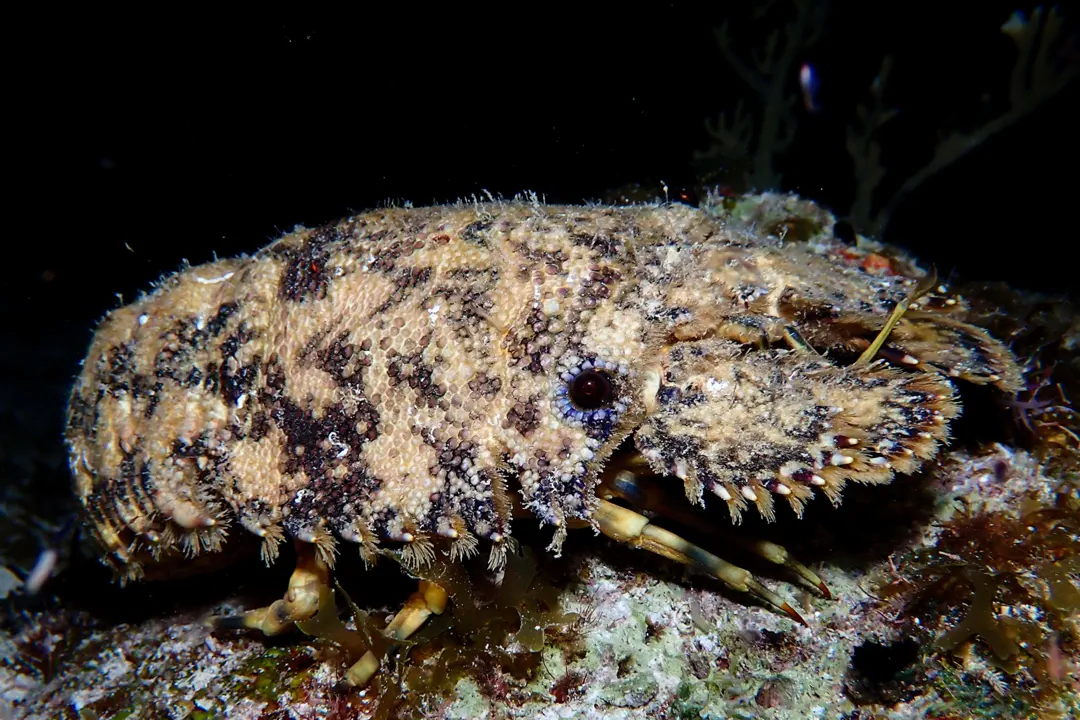
In the open hull sections, reef squids hover in small midwater groups, flashing iridescent color patterns across their skin. Slipper lobsters hide under fallen iron plates on the sandy bottom, while small red night shrimp retreat into dark corners away from direct light. The shallow depth and gentle currents make this wreck an excellent location for training and relaxed wreck exploration.
Depth: 10-15 m. Access: boat, 20 minutes from Recife port. Level: Open Water. Best months: November-March.
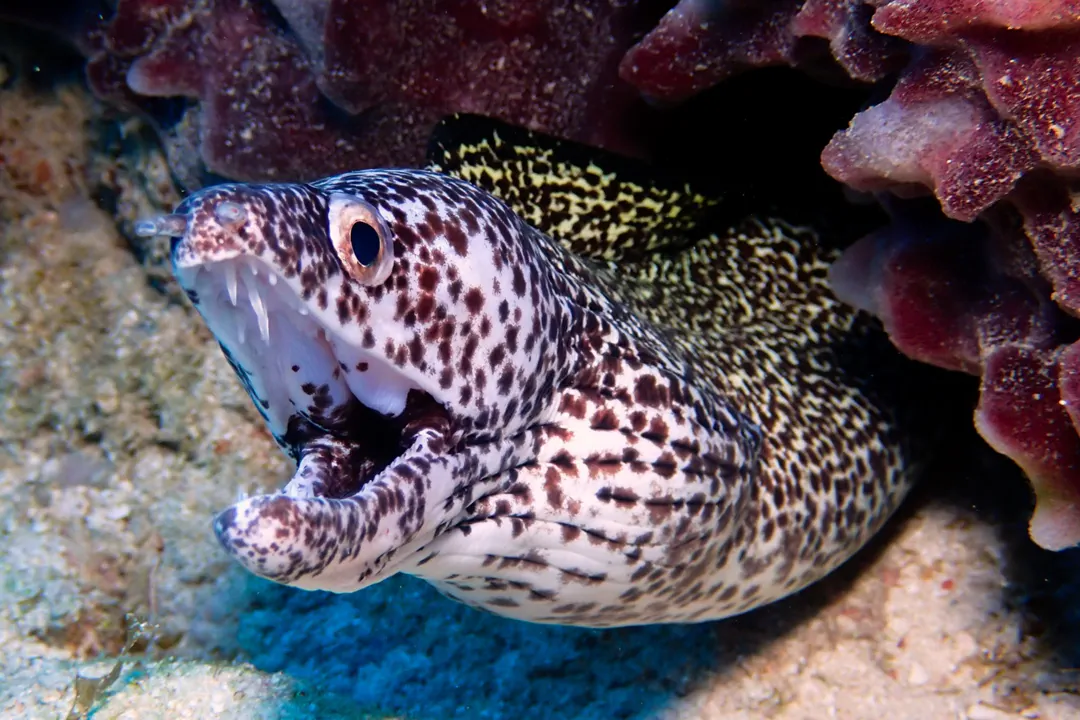 © Dan SchofieldCC BY 4.0 · iNaturalist
 © cello caruso-turielloCC BY 4.0 · iNaturalist
 © Robin WhiteCC BY 4.0 · iNaturalist
 Chris SpainCC0 · iNaturalist
 © Matteo CassellaCC BY-SA 4.0 · iNaturalist
 © Dan SchofieldCC BY 4.0 · iNaturalist
Ilha de Porcos (Arraial do Cabo): cold upwelling and sea turtles
Nestled near Cape Frio in Rio de Janeiro state, Arraial do Cabo is famous for powerful ocean upwellings that bring deep Antarctic currents directly to the coastline. At Ilha de Porcos, rocky underwater slopes descend steeply into gravelly sand channels at depths down to twenty-two metres. The cold, nutrient-rich water nurtures dense fields of macroalgae, tunicates, and colorful nudibranchs along the granite boulders.
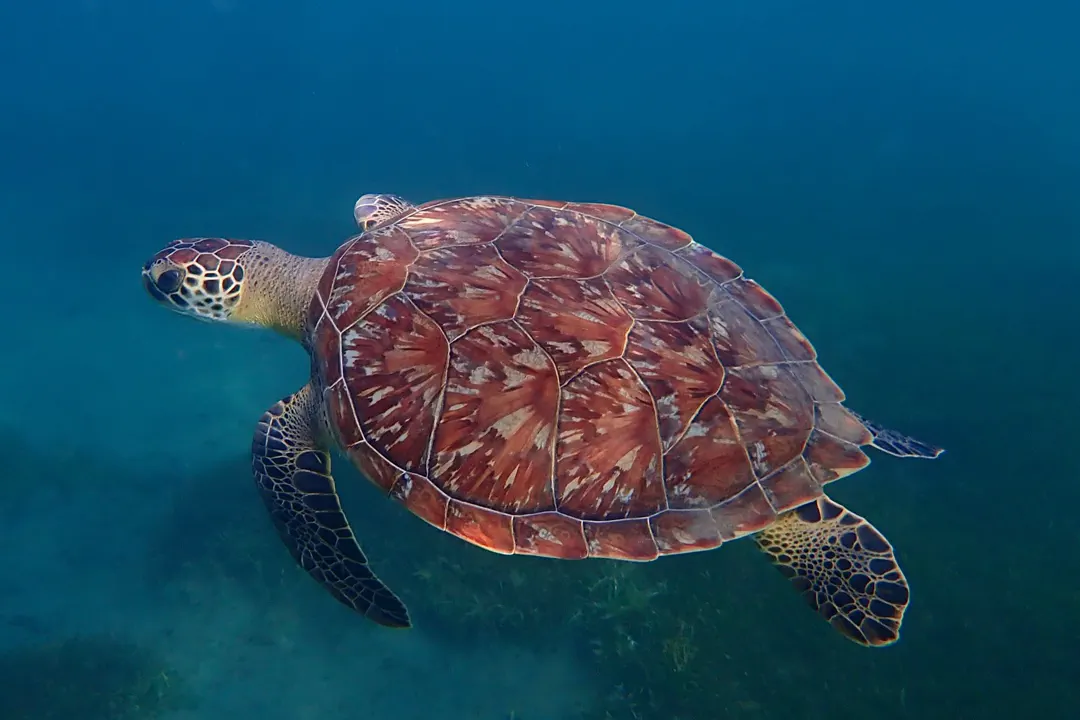
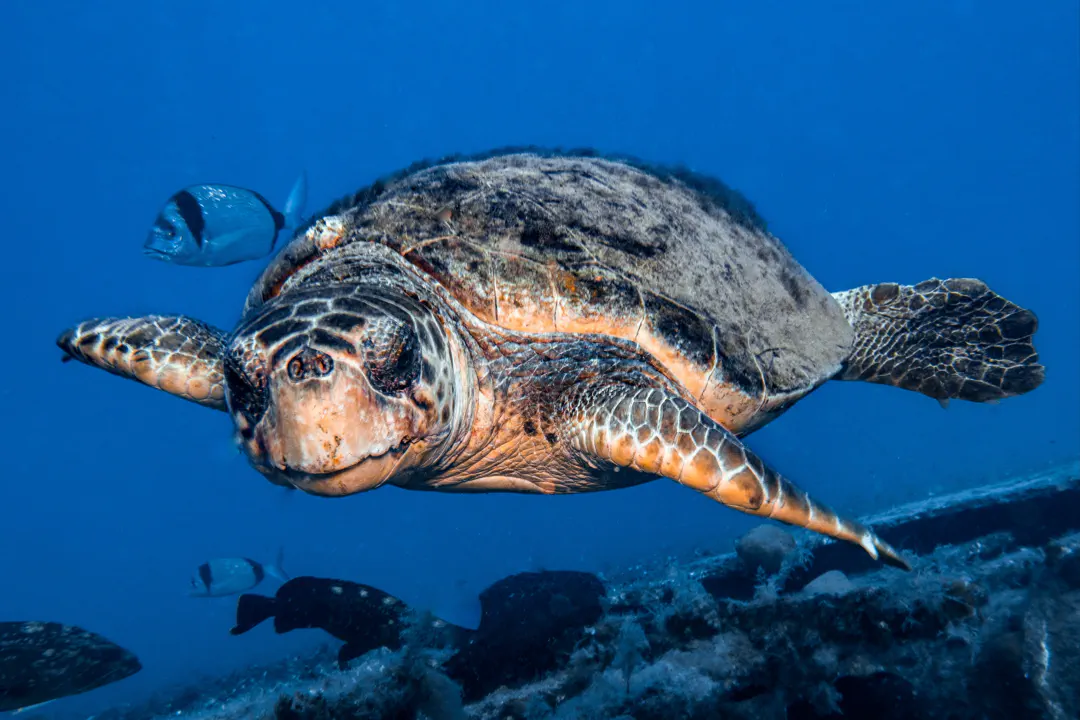
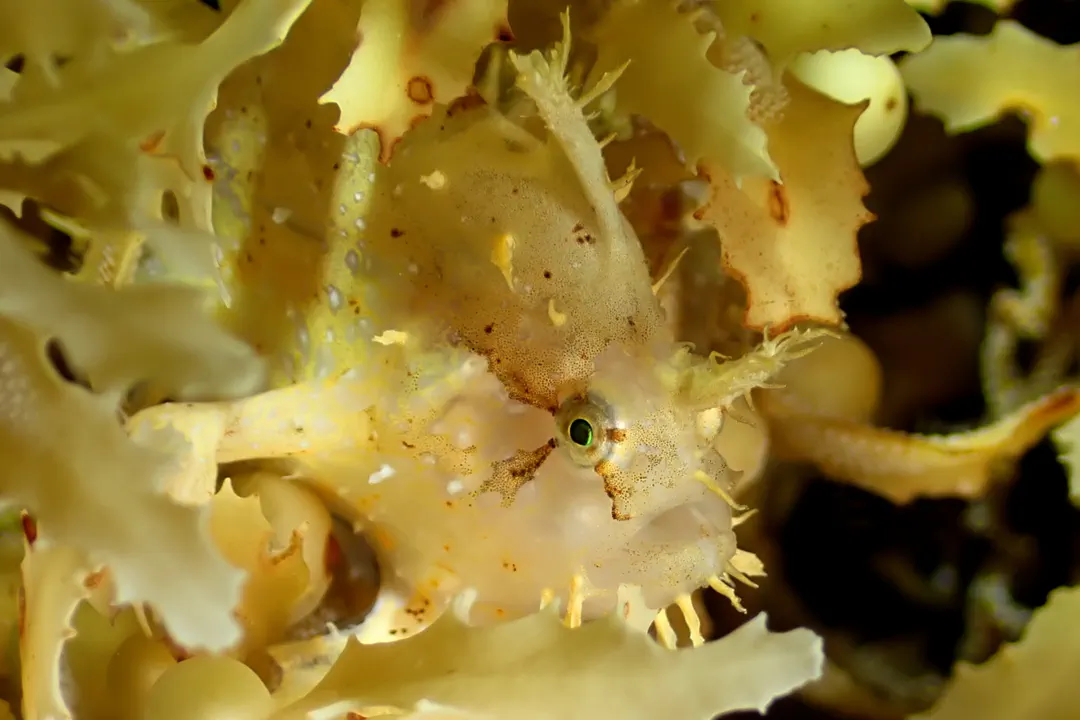
Green sea turtles gather in high concentrations around these rocky reefs to graze on macroalgae carpeted over the underwater boulders, while larger loggerhead turtles search for crabs along the deeper sandy edges. Diver search patterns along the granite walls frequently reveal cryptically camouflaged frogfish clinging to sponge patches and sargassum frogfish tucked into drifting kelp strands.
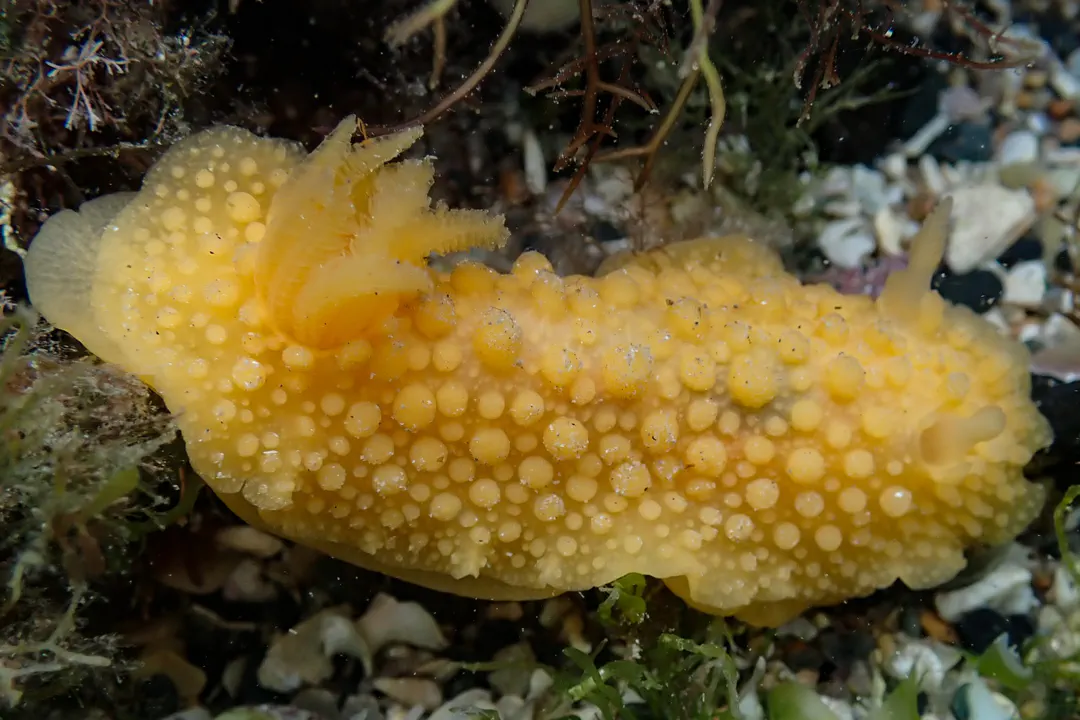
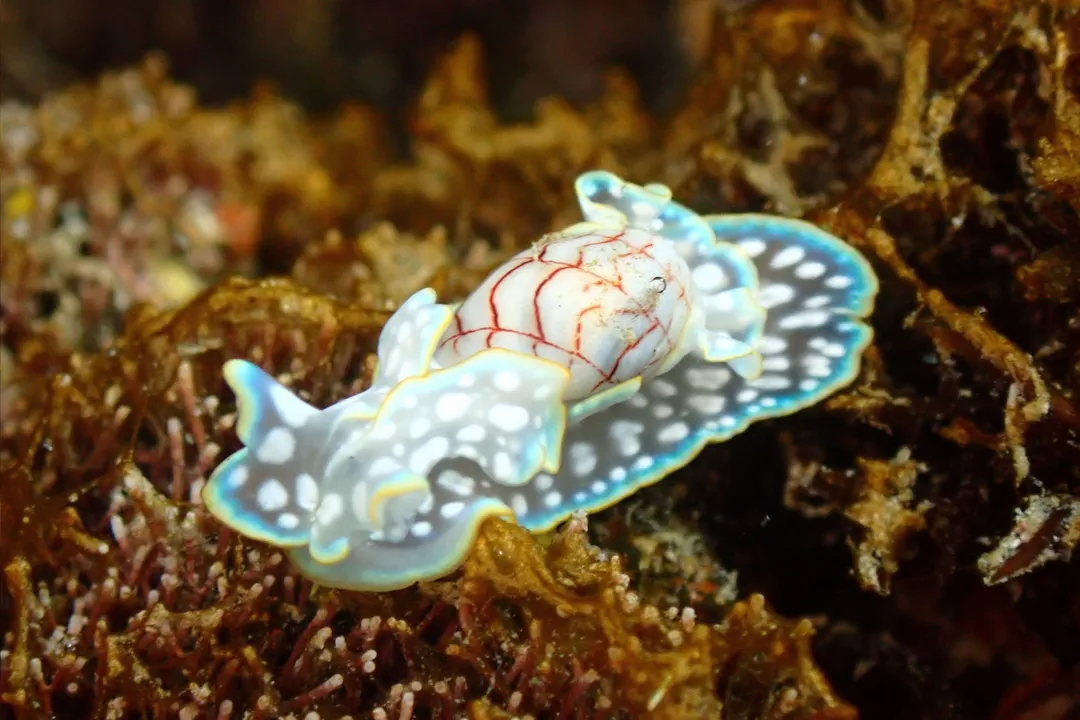
Careful inspection of the substrate exposes blue-striped nudibranchs, sea slugs, and small hermit crabs crawling over encrusting bryozoans. Southern stingrays rest buried in sand patches between boulder piles, darting away when approached. Water temperatures can drop rapidly to 16°C during upwelling events, requiring proper thermal suit selection for comfortable extended dive profiles.
Depth: 6-22 m. Access: boat, 15 minutes from Praia dos Anjos pier. Level: Open Water. Best months: December-April.
 © Matteo BellucciCC BY 4.0 · iNaturalist
 © seabook.appAll rights reserved
 © Gregor BailarCC BY 4.0 · iNaturalist
 © Lou WagstaffeCC BY 4.0 · iNaturalist
 © Ben JobsonCC BY 4.0 · iNaturalist
 © Robin WhiteCC BY 4.0 · iNaturalist
Ilha de Cataguases (Ilha Grande): sheltered bays and macro marine life
Located in the sheltered waters of Angra dos Reis, Ilha de Cataguases offers calm coastal diving surrounded by lush tropical forest scenery. The island's underwater topography consists of smooth granite slopes descending gently into shallow sandy bays no deeper than twelve metres. Protected from ocean swells, the calm conditions provide ideal conditions for training dives and detailed macro marine life photography.
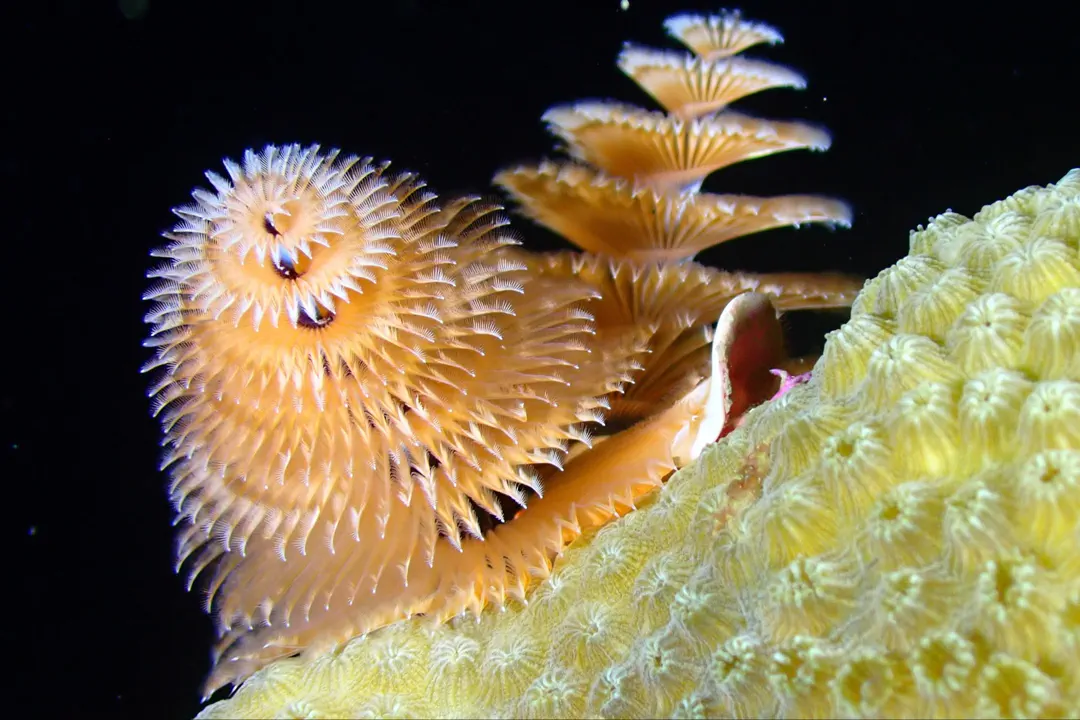
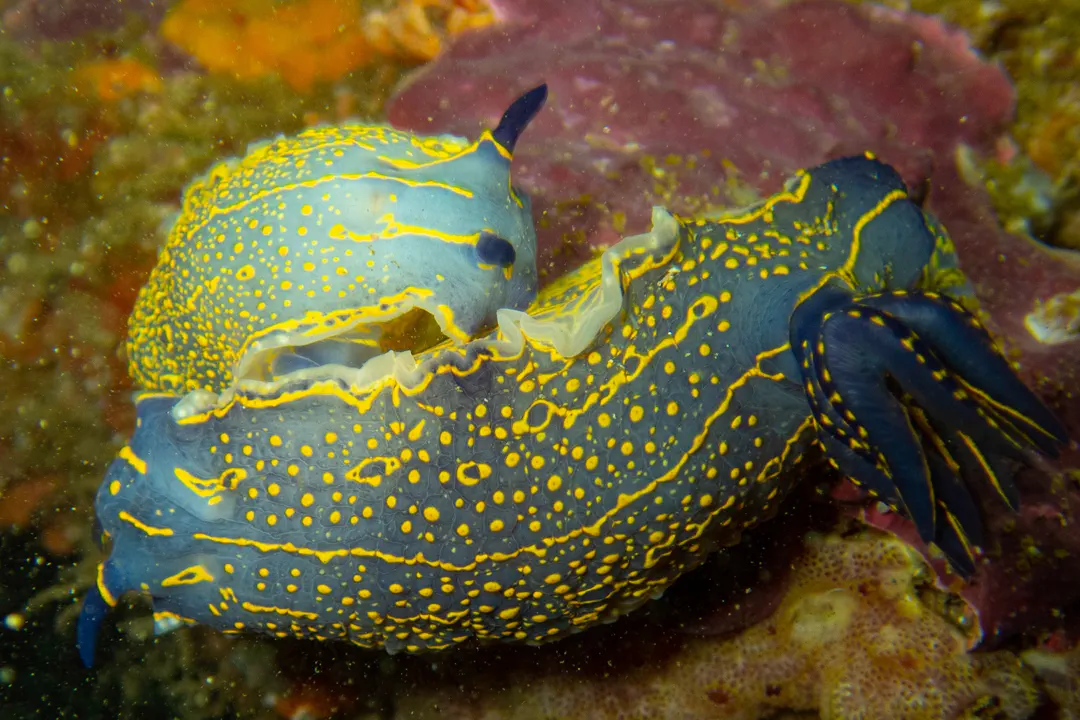
Colorful sea slugs, painted nudibranchs, and paper bubble shells crawl across low-lying rocks coated in green algae and encrusting sponges. Slipper lobsters and hermit crabs seek refuge in narrow rock gaps, while delicate Christmas tree worms retract their brightly colored crowns into coral tubes at the slightest shadow. Reef squids hover near the surface, watching divers through large golden eyes.
White-mouth morays poke their yellow-spotted heads out from dark granite fissures while spotted trunkfish move slowly through shallow seagrass patches along the bay margins. The clear, current-free water allows divers to spend extended bottom times searching for tiny invertebrates hiding among rocky ledges.
Depth: 3-12 m. Access: boat, 20 minutes from Vila do Abraão. Level: Beginner / Open Water. Best months: December-March.
 © Robin WhiteCC BY 4.0 · iNaturalist
 © Bernard PictonCC BY 4.0 · iNaturalist
Marine Life in Brazil
The marine life of Brazil reflects a unique blend of tropical Atlantic species, endemic reef inhabitants, and migratory pelagic megafauna. Because the South Atlantic Ocean is separated from the Caribbean by the massive fresh discharge of the Amazon and Orinoco rivers, many local reef fish have evolved in isolation. Species like the Brazilian basslet, dusky damselfish, and doctorfish thrive in high densities across these southern reef systems.
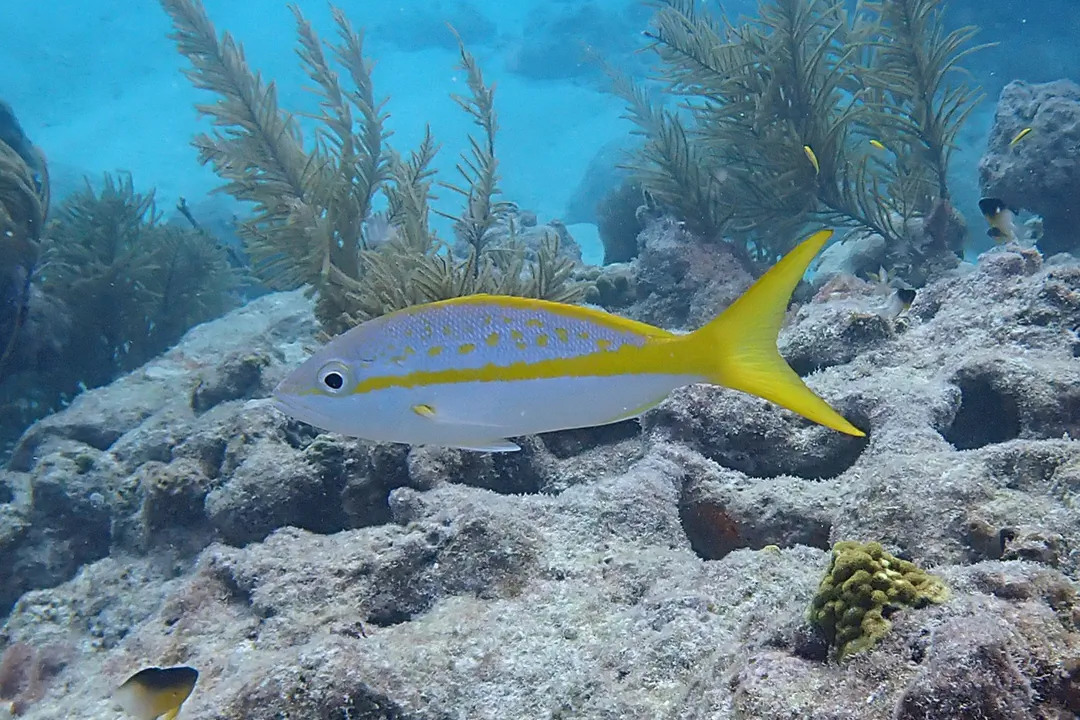
Large apex predators and coastal marine mammals frequent both nearshore islands and offshore archipelagos throughout the country. Nurse sharks rest along sandy ledges in shallow bays, while Caribbean reef sharks and barracudas patrol the edges of deeper drop-offs alongside bigeye jacks and yellowtail snappers. Log your observations in the Seabook app to identify local endemic species and keep track of your South Atlantic sightings.
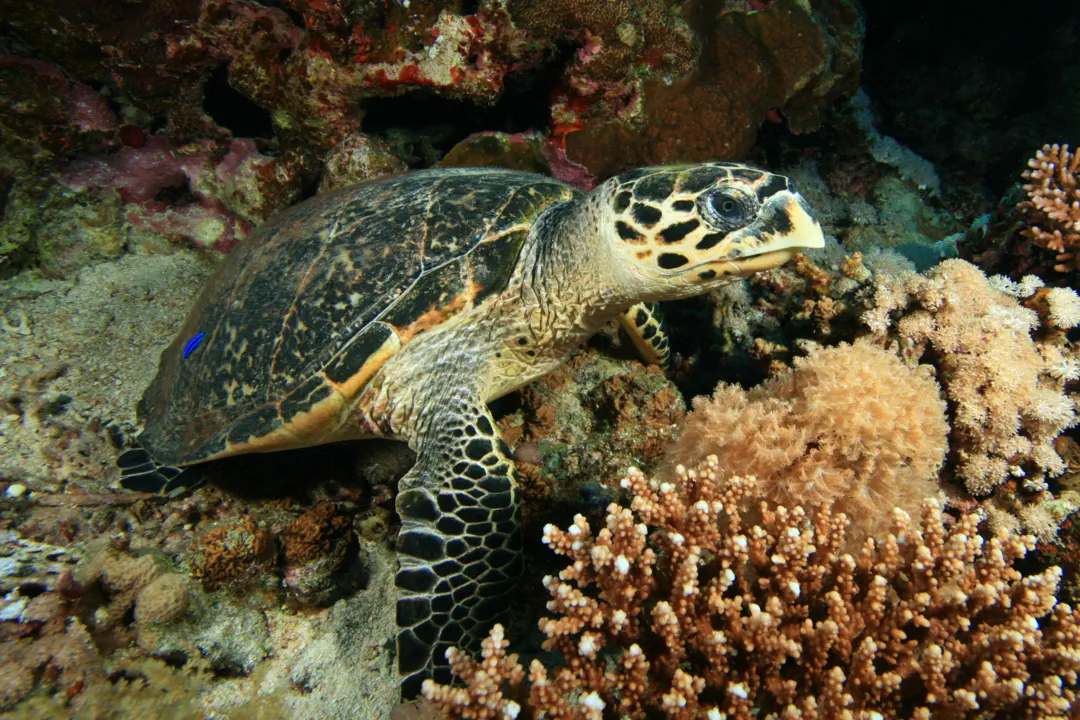
Hawksbill sea turtles, green turtles, and loggerhead turtles nest along protected national park beaches and feed on coastal sea grass beds. In oceanic reserves like Fernando de Noronha, spinner dolphins return every morning to sheltered bays to rest and socialize after nocturnal deep-water hunting trips. Protect these habitats by practicing excellent buoyancy control and choosing environmentally conscious local dive operators.
© seabook.appAll rights reserved 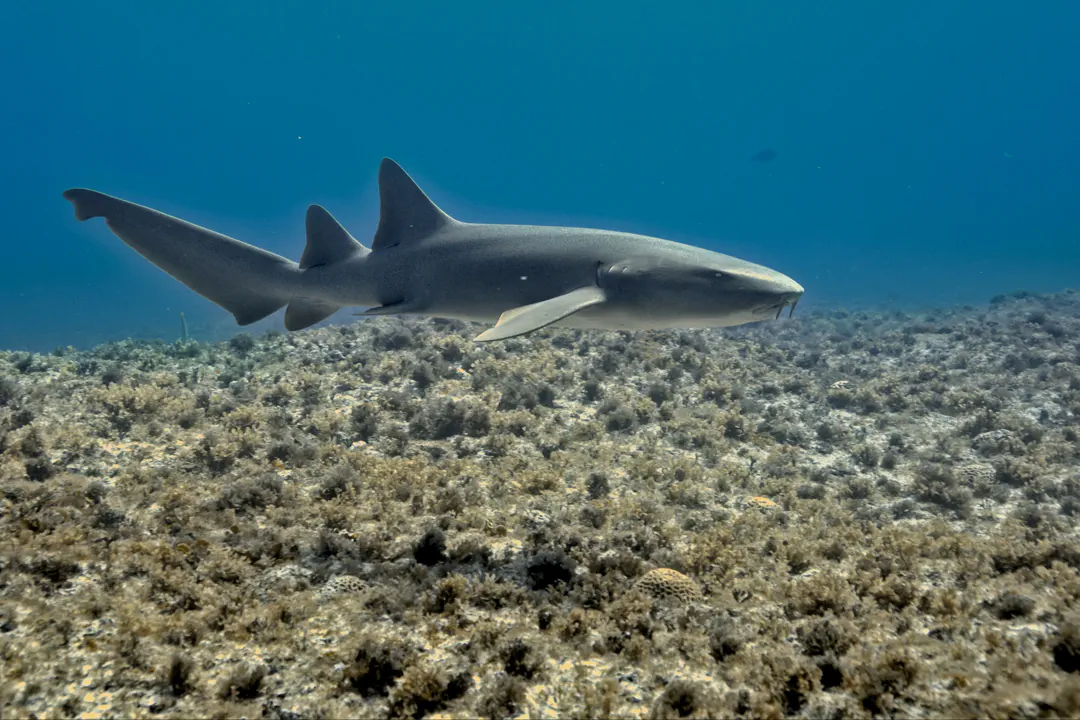 © R VasconcellosCC BY 4.0 · iNaturalist
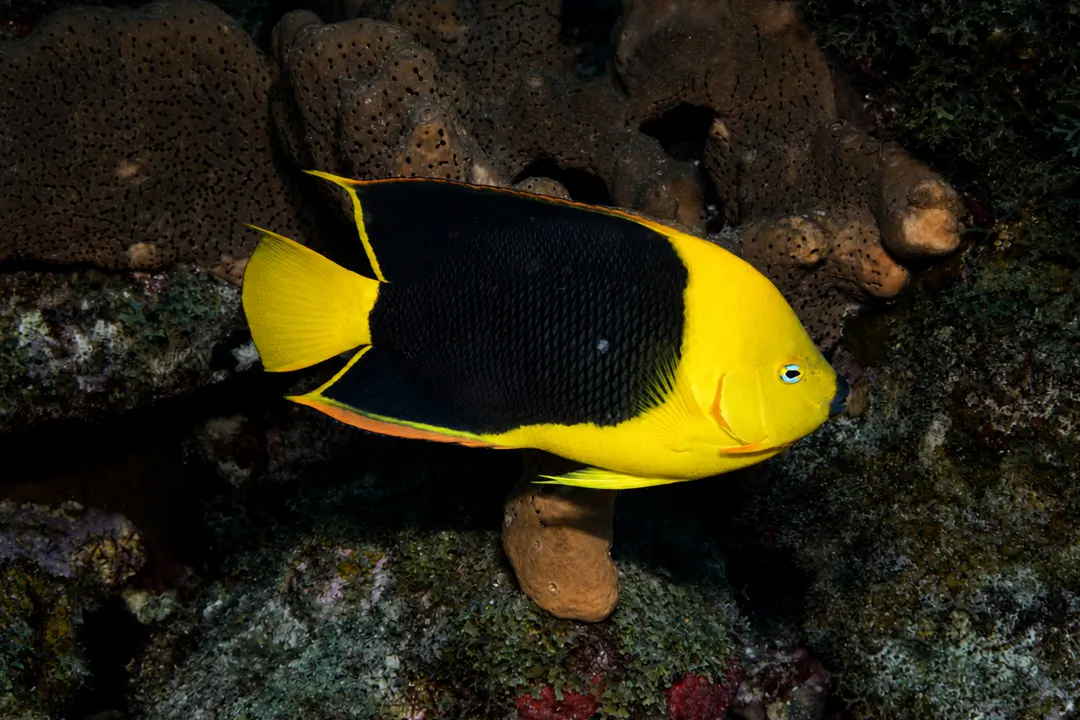 © seabook.appAll rights reserved
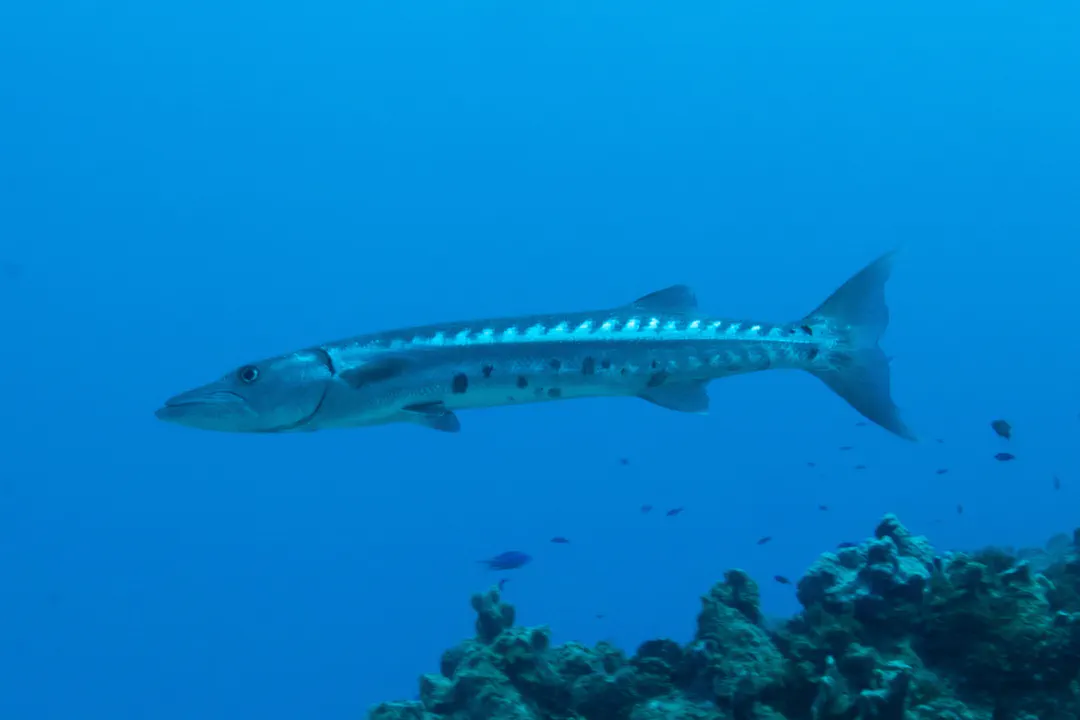 © Dan SchofieldCC BY 4.0 · iNaturalist
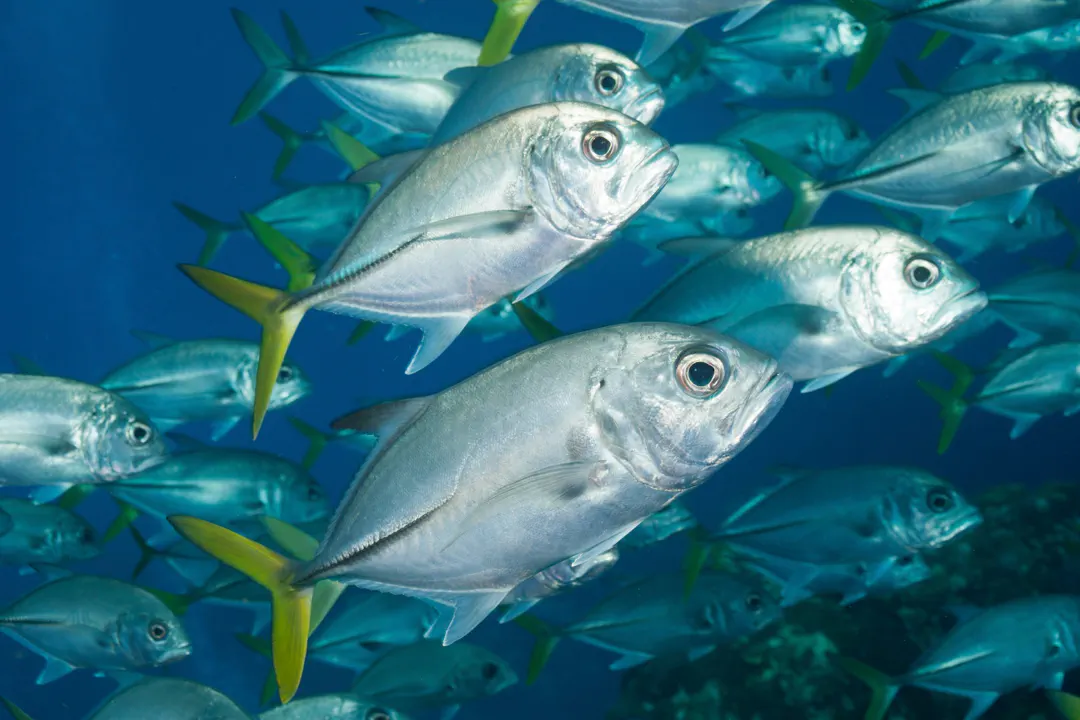 © seabook.appAll rights reserved
 ZygyCC0 · iNaturalist
Is Brazil Good for Beginners and Snorkellers?
Brazil offers excellent options for both beginner divers and dedicated snorkellers, provided you choose destinations matched to your experience level. Sheltered coastal locations like Ilha Grande and Arraial do Cabo feature calm, current-free bays with shallow bottom depths ranging between three and twelve metres. These quiet sites allow novice divers to practice buoyancy skills without struggling against heavy surface surge or deep drop-offs.
Snorkellers can enjoy exceptional shallow-water marine encounters in places like the Abrolhos Archipelago and the natural tide pools of Fernando de Noronha. Sites like Atalaia Beach in Noronha function as natural aquariums at low tide, where non-divers can swim among baby lemon sharks, octopus, and sea turtles in waist-deep water. Marine park authorities strictly regulate pool access to protect delicate juvenile marine organisms.
Conversely, offshore oceanic sites such as Laje de Santos and outer sites in Fernando de Noronha require experience in open-ocean drift diving, negative entries, and deep buoyancy control. Strong currents, heavy surface ocean swells, and deep wall profiles at these sites make them better suited for certified Advanced Open Water divers. Checking regional dive site profiles with local operators ensures safe trips for every member of your group.
Getting There and Practical Tips
Reaching Brazil's top dive destinations requires planning around international hubs and domestic transport routes. Major international airports in São Paulo and Rio de Janeiro offer connecting domestic flights to coastal cities like Recife, Natal, and Caravelas. Visiting Fernando de Noronha requires a flight from Recife or Natal followed by payment of an environmental preservation tax and a national park entry permit online prior to arrival.
Accessing remote regions like the Abrolhos Archipelago usually involves booking multi-day liveaboard charters departing from the port town of Caravelas in Bahia state. Liveaboard trips typically run two to four days, providing full access to distant chapeirões reefs and night diving opportunities far beyond the reach of day boats. Land-based dive centers operate daily excursions in urban dive hubs like Recife, Santos, and Arraial do Cabo.
Equipment requirements vary significantly depending on the region and time of year. For tropical northern sites in Noronha and Abrolhos, a 3mm wetsuit or tropical rashguard provides sufficient warmth in 27°C water. For southern diving in Arraial do Cabo and Laje de Santos where cold upwellings drop water temperatures down to 18°C, pack a 5mm wetsuit with an integrated hood and dive booties. Always carry a surface marker buoy and signaling device for offshore drift dives.
Questions
Are there sharks in Brazil?
Yes, several shark species inhabit Brazilian waters, including nurse sharks, Caribbean reef sharks, lemon sharks, and seasonal pelagics like scalloped hammerheads and tiger sharks. Offshore marine parks such as Fernando de Noronha provide ideal conditions for observing these predators safely in clear water at depths between 12 and 30 metres.
Is it dangerous to swim in Brazil?
Diving and swimming in designated marine parks like Fernando de Noronha, Abrolhos, and Arraial do Cabo are safe when following local park regulations and guide instructions. Certain urban beaches near Recife have safety warnings regarding nearshore shark activity, but regulated dive sites off shore remain safe for guided boat trips.
What fish can you see in Brazil?
Divers regularly spot French angelfish, rock hinds, yellowtail snappers, moray eels, and stoplight parrotfish across South Atlantic reefs. Endemic species like the Brazilian basslet and dusky damselfish are commonly found hiding inside dark coral heads and granite rock crevices at depths from 5 to 25 metres.
Can you see turtles in Brazil?
Yes, green sea turtles, hawksbill turtles, and loggerhead turtles are frequently encountered feeding on shallow algae beds and resting along rocky reefs. Prominent turtle viewing locations include the sheltered bays of Arraial do Cabo, the natural pools of Fernando de Noronha, and the shallow reefs of the Abrolhos Archipelago.
How warm is the water in Brazil?
Water temperatures range from 18°C in cold upwelling areas off Arraial do Cabo and Laje de Santos to 28°C in tropical northern archipelagos like Fernando de Noronha. Exposure suits range from 3mm wetsuits in the northern tropical zones to 5mm suits with hoods in the cooler southern regions.
Do you need a liveaboard to dive in Brazil?
While most coastal destinations like Recife, Noronha, and Arraial do Cabo operate land-based day trips, liveaboards are the primary way to dive the remote Abrolhos Archipelago. Multi-day liveaboard charters out of Caravelas offer access to distant mushroom-shaped coral reefs and isolated whale calving grounds.