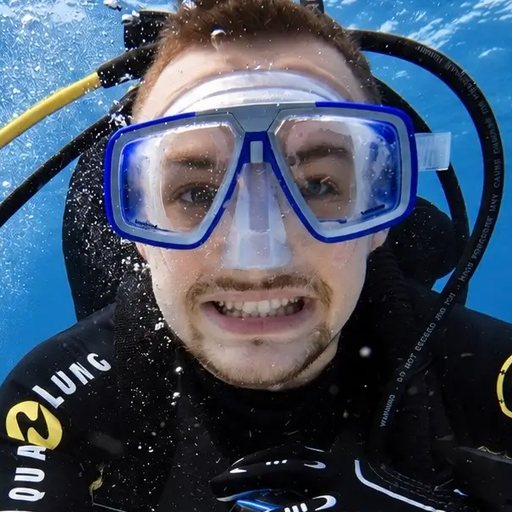
Introduction to Bermuda's Underwater World
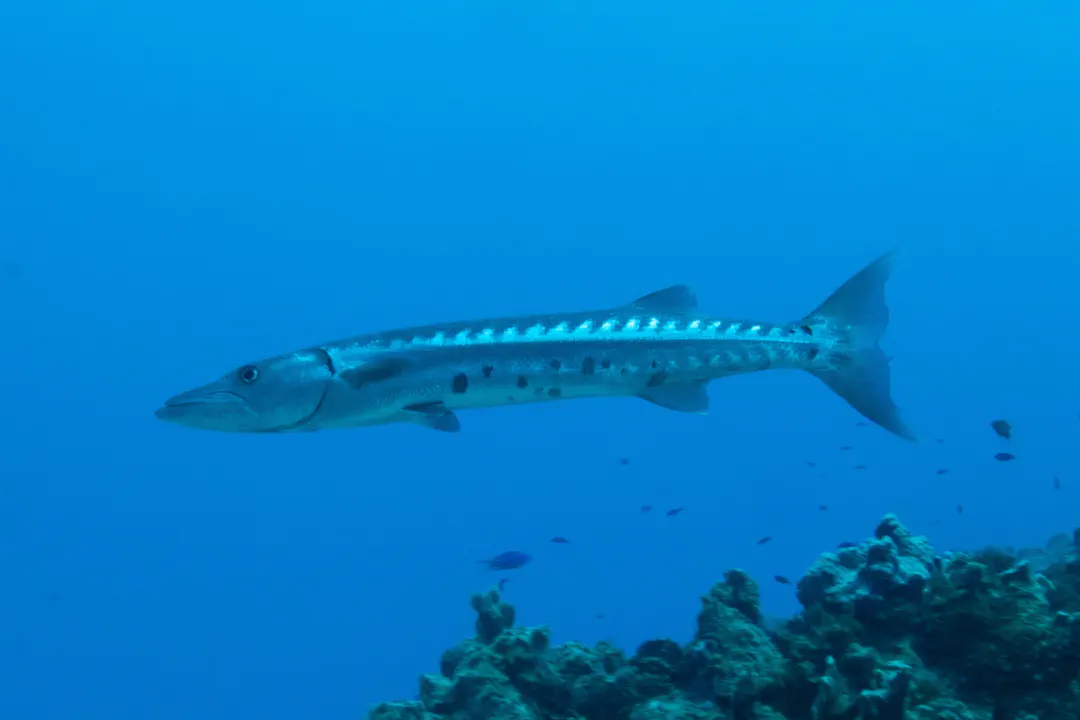
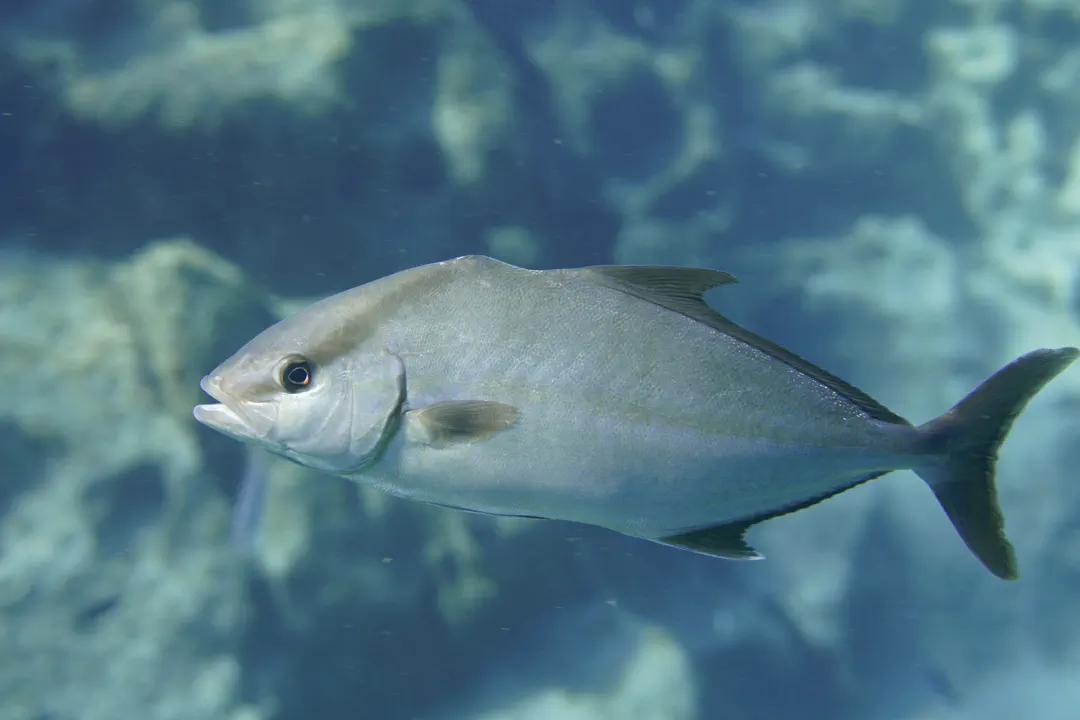
At 25 meters, where the broken bow of the Cristobal Colon plunges into the twilight, a school of horse-eye jacks, silver scales catching the filtered light, spiraled around a massive, coral-encrusted boiler. A solitary barracuda, a sleek torpedo, watched from the shadows, its eye tracking a passing snapper as the gentle current nudged a diver closer to the hull's gaping maw.
Bermuda is one of the Atlantic’s most distinctive diving destinations because it combines more than 300 known wreck sites, coral reefs, and exceptionally clear oceanic water around a compact island chain. Its dive portfolio ranges from shallow shore reefs and sheltered coves to deep offshore wrecks and dramatic outer-reef walls, giving divers a rare mix of history and marine biodiversity in a relatively small area.
Archaeological and recreational diving are closely linked in Bermuda, where centuries of maritime traffic, storm losses, and wartime activity created an unusually dense wreck landscape. That wreck inventory includes 17th-century sailing vessels, 19th-century steamers, blockade runners, and modern ships, many of which now function as artificial reefs colonized by sponges, hard corals, and schooling reef fish.
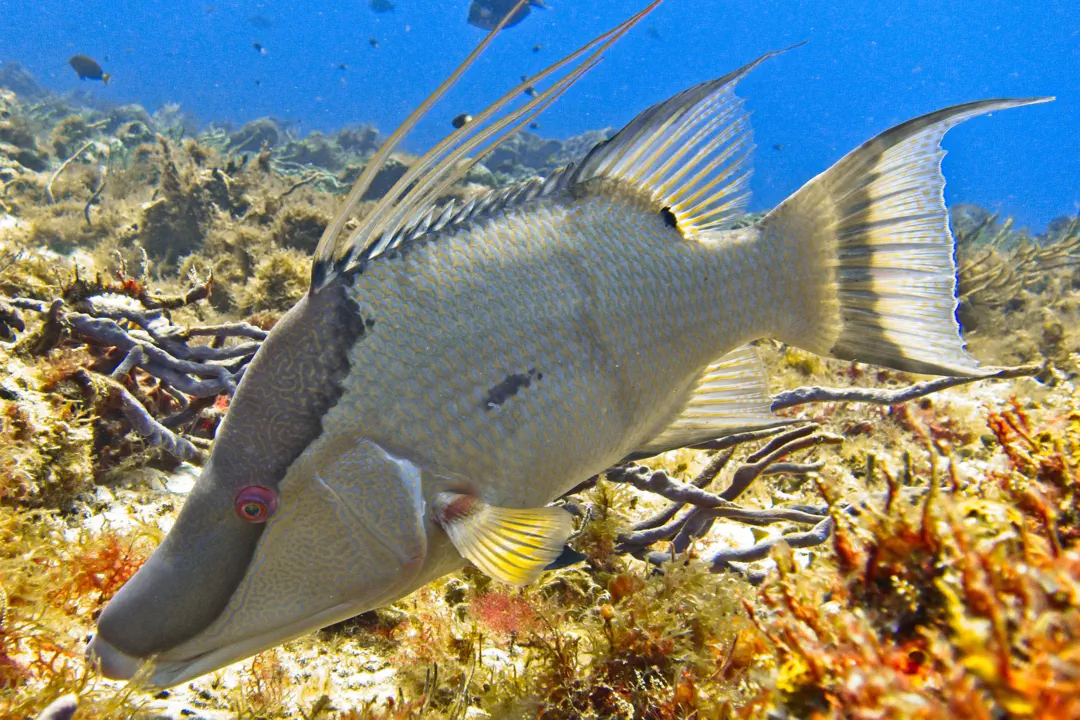
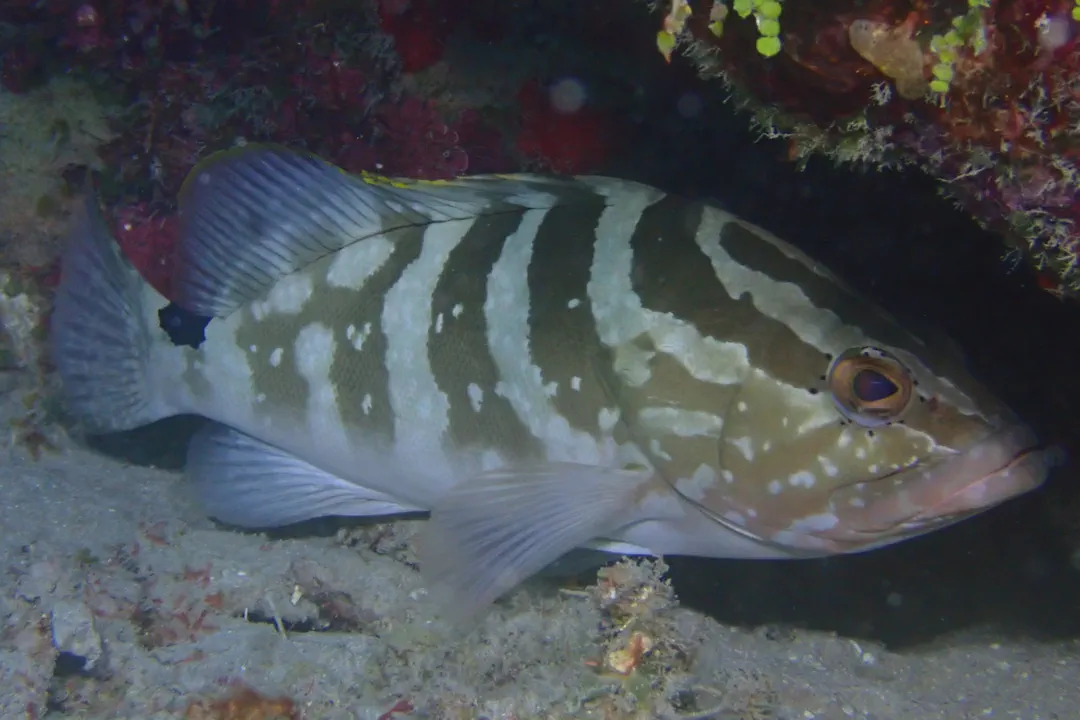
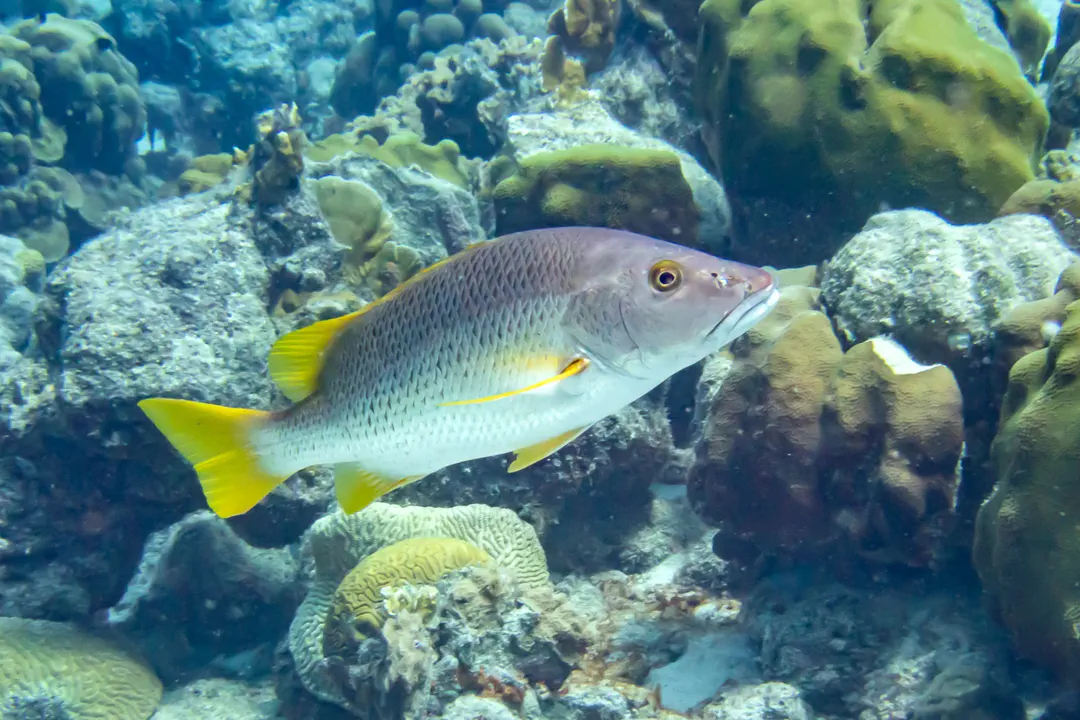
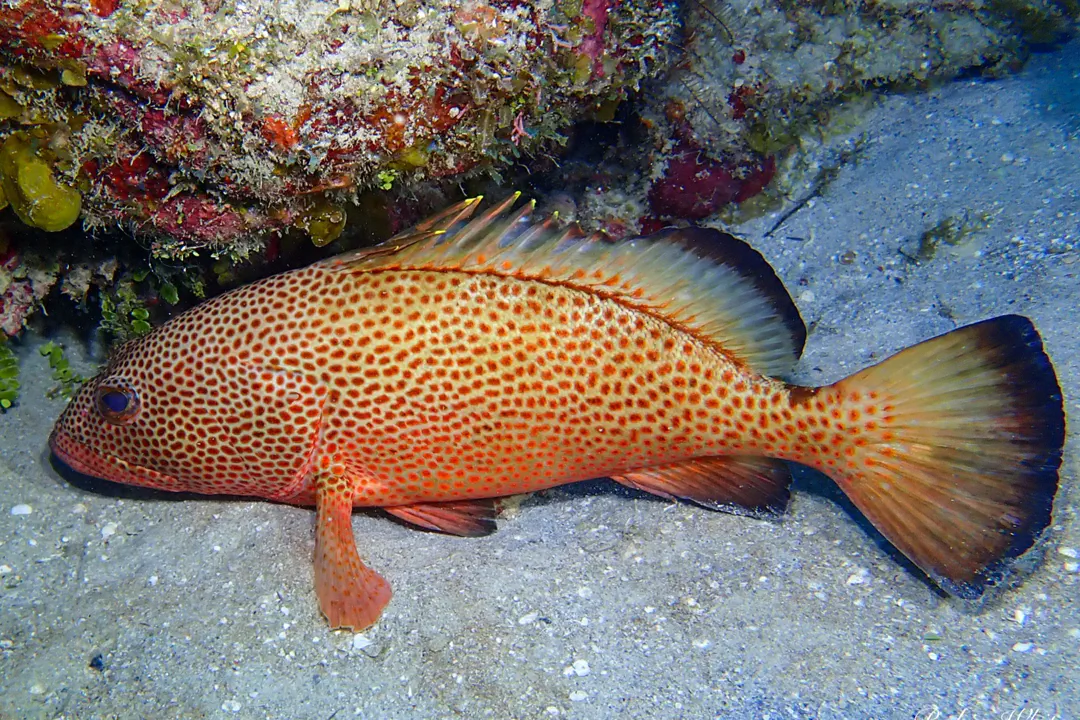
Ecologically, Bermuda matters because it sits far from continental river runoff, so its waters are typically clear and low in sediment. The island’s reefs support a community of Atlantic tropicals and subtropicals, including parrotfish, angelfish, snappers, wrasses, groupers, rays, and seasonal pelagic visitors that move along the island’s outer slopes and deeper blue-water edges. For divers, the practical appeal is consistency: sites are reachable by boat, visibility is often excellent, and many of the best reefs lie within recreational depths. The result is a destination that works for beginners on sheltered reefs, photographers seeking clear water and colorful fish, and advanced divers looking for historic wreck penetration, deeper walls, or offshore encounters with larger marine life.
Geography and Marine Environment
Bermuda sits on an isolated seamount in the western North Atlantic rather than on a continental shelf, and the modern island is the exposed top of an ancient volcanic edifice. That oceanic setting helps explain both the island’s steep submarine slopes and the exceptionally clear water that divers associate with Bermuda.
The island lies near the northern limit of reef-building coral in the Atlantic, but its reefs persist because warm water from the Gulf Stream and related currents moderates temperatures through much of the year. Bermuda’s major reef tract is a barrier reef system that rings the island along much of its perimeter, creating lagoons, patch reefs, spur-and-groove structures, and outer slopes that support a broad range of marine habitats.
That reef system is important because it breaks wave energy, stabilizes shallow habitats, and concentrates marine life in a narrow coastal zone. In practical diving terms, this means that a relatively short boat ride can move divers from sheltered lagoonal reef to more exposed outer reef, where larger fish, turtles, and occasional pelagic species become more likely.
Bermuda’s ecological isolation also shapes its species mix. The reef fish community is dominated by western Atlantic tropicals and subtropicals rather than the extreme species richness seen in the Indo-Pacific, but the island still supports a remarkably diverse assemblage for such a small landmass. That combination of isolation, warm water, and hard reef substrate is one reason Bermuda remains a high-value destination for both marine biologists and recreational divers.
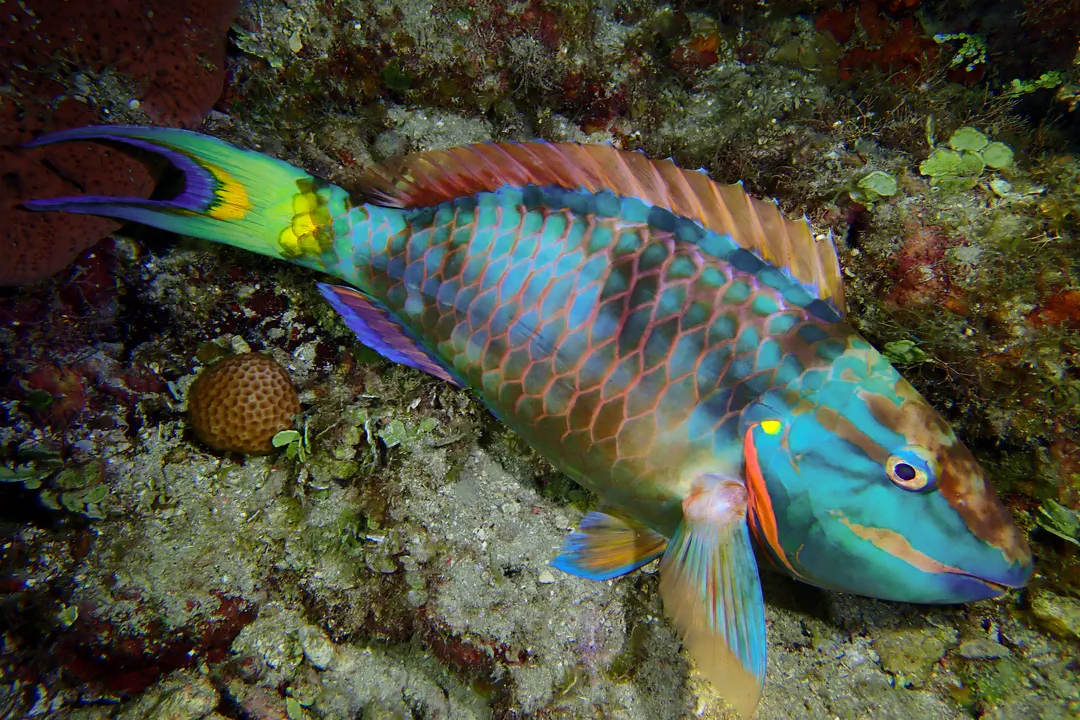 © Robin WhiteCC BY 4.0 · iNaturalist
 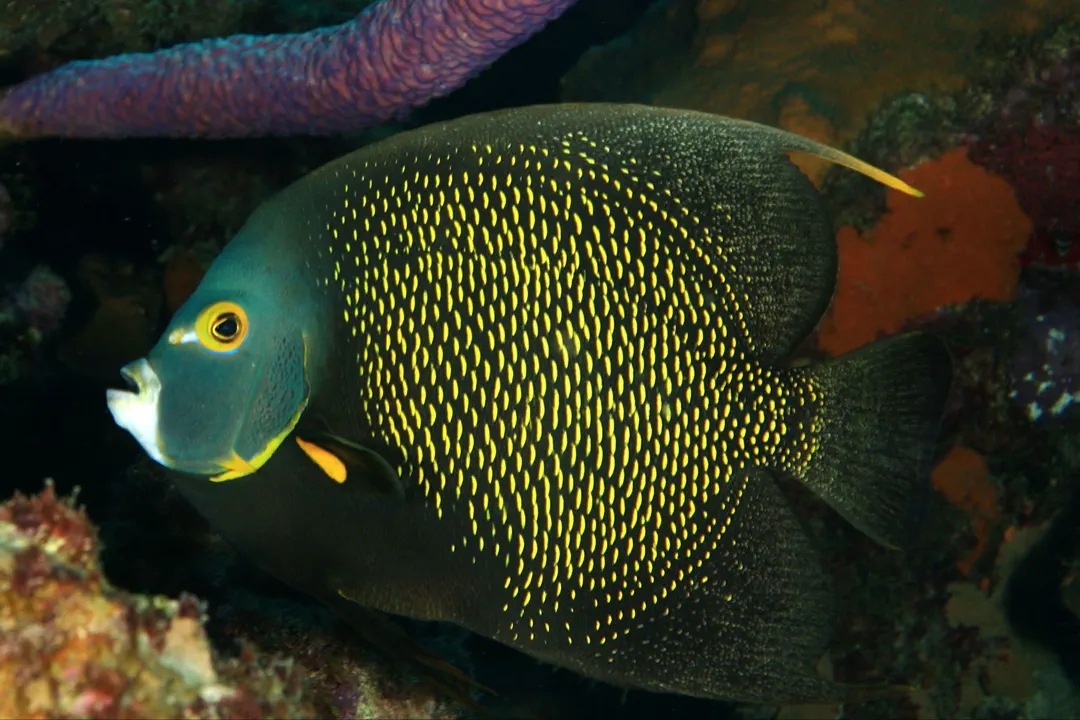 © LASZLO ILYESCC BY 4.0 · iNaturalist
 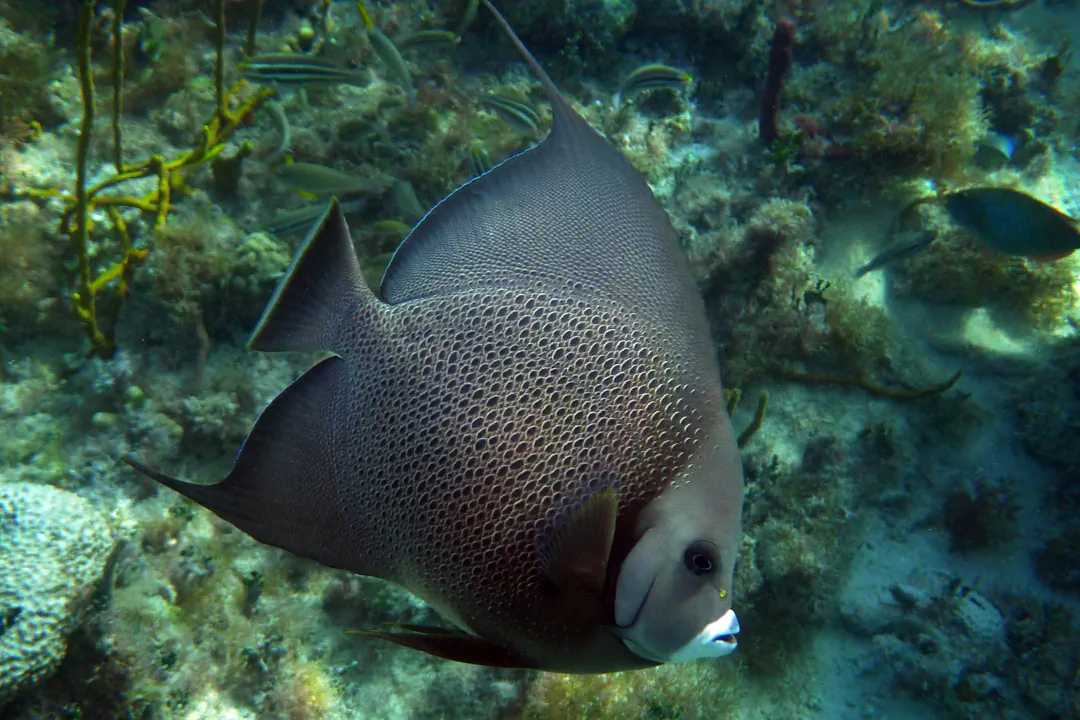 © Tom KennedyCC BY 4.0 · iNaturalist
  © Matteo CassellaCC BY-SA 4.0 · iNaturalist
  © Robin WhiteCC BY 4.0 · iNaturalist
  © Dan SchofieldCC BY 4.0 · iNaturalist
 Best Time to Visit for Diving
Bermuda’s best diving conditions usually run from late spring through autumn, when sea temperatures are warmest and surface conditions are most reliable. The warm season generally delivers water in the mid-20s °C, with the warmest period in late summer and early autumn, while winter dives are cooler but still possible with the right exposure protection.
Visibility is often excellent because Bermuda lies far offshore and receives little river sediment, so divers commonly see long horizontal ranges, often 20 to 30 meters, when the sea is calm. Weather still matters: tropical systems and hurricanes can affect the island from June through November, with the highest climatological risk usually in late summer and early autumn, so trip planning should always include flexible scheduling and operator guidance.
Season also affects marine encounters. Warmer months can bring more comfortable reef diving and better surface conditions, while cooler periods may produce different fish behavior and lower tourist pressure. Divers focusing on wrecks and photography often prefer the stable weather windows of May, June, September, and October, when water is warm and crowds are typically lighter than in midsummer.
Because many of Bermuda’s key sites are boat-accessed, the best time to visit also depends on sea state rather than temperature alone. A calm shoulder-season week can produce better diving than a breezy peak-summer spell, so experienced visitors often plan around both seasonal climate patterns and local forecasts rather than relying only on the calendar.
Water temperature
Bermuda, monthly average
Bermuda (Hamilton area), sea surface temperatures for diving conditions at typical shallow reef depths (0-30m)
Bermuda's Legendary Wreck Diving
Bermuda’s wreck-diving reputation comes from both the number of wrecks and the range of historical periods represented. The island’s surrounding waters contain wrecks from the age of sail through the 20th century, and many sites remain accessible at recreational depths, which is one reason the island attracts both history-focused divers and underwater photographers.
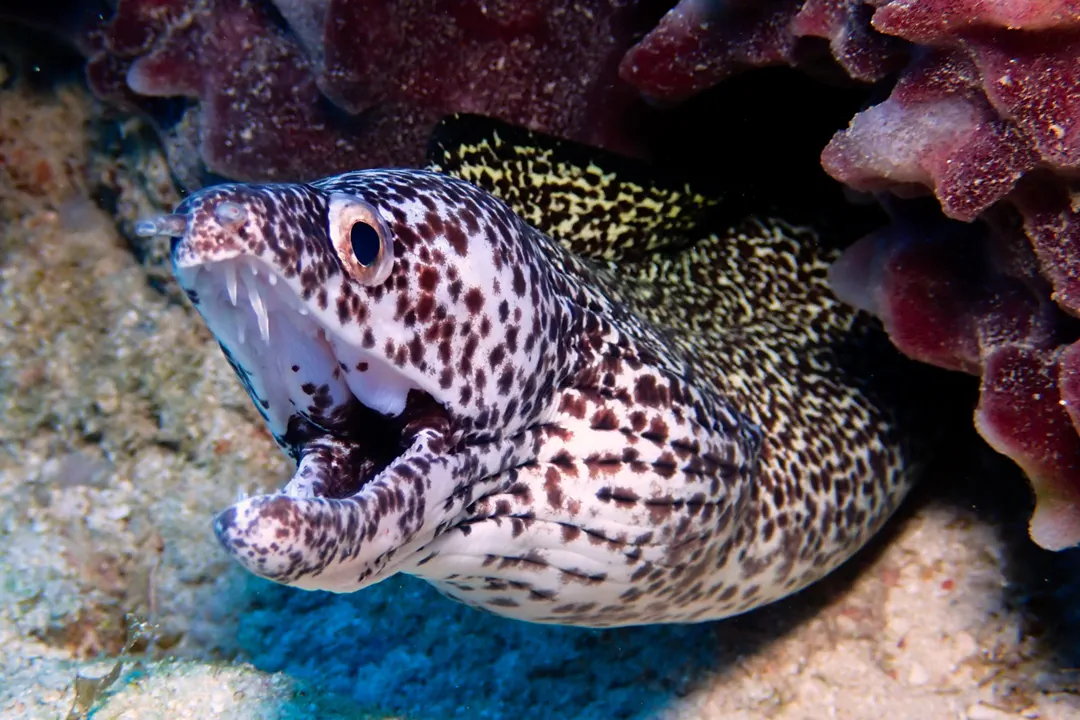
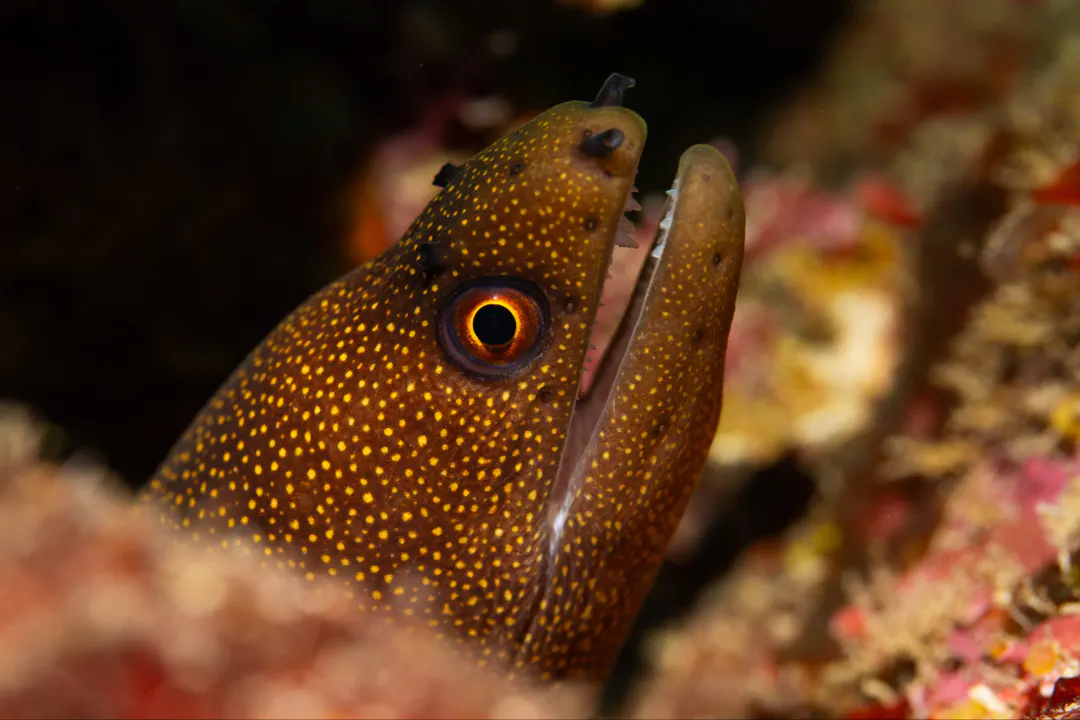
Some wrecks were lost to reefs and storms, while others were intentionally scuttled or repurposed as dive sites, adding to the diversity of the underwater landscape. Over time, these hulls and scattered structures have become habitat for sponges, corals, octocorals, reef fish, eels, and crustaceans, turning historical artifacts into functioning artificial reefs.
For divers, the attraction is partly educational and partly visual. Wrecks in Bermuda often combine clear water with strong relief, so masts, boilers, cargo remnants, and hull fragments can be examined without the heavy silt and low visibility that complicate wreck diving in many other regions. That clarity also makes Bermuda a strong destination for training in buoyancy control, navigation, and wreck etiquette.
Depth profiles vary widely, but many popular wrecks lie within open-water recreational limits, while others demand advanced certification or experience. Because wreck structures can create entanglement hazards, overhead environments, and current exposure, responsible operators emphasize line handling, controlled penetration, and strict gas-management practices.
Dive Site Spotlight: The Cristobal Colon
The Cristóbal Colón, a Spanish ocean liner built in the early 20th century, wrecked off Bermuda in 1936 after running aground on a reef. Its vast size and broken structure helped make it one of Bermuda’s signature wreck sites, though today much of the vessel lies scattered rather than intact across a wide area from 10 to 25 meters deep.
At the time of loss, it was among the largest wrecks associated with Bermuda’s dive heritage, and its remains provided extensive hard substrate for colonization by reef organisms. That ecological value matters because large wrecks often attract dense fish life, schools of jacks, snappers, and grunts, along with sponges and coral growth that increase habitat complexity.
For divers, the site is best treated as an advanced or intermediate-advanced wreck dive depending on conditions and the portion explored. Large steel wrecks can create sharp edges, overhead hazards, and current exposure, so buoyancy control and situational awareness matter more here than at a simple reef site. Access is by boat, usually a 15-20 minute ride from shore.
Marine life on a site like this usually reflects the broader Bermuda wreck community rather than a unique species list: jacks and barracuda may cruise the structure, groupers and snappers shelter in recesses, and schools of smaller reef fish feed on the algal and invertebrate growth that accumulates on the metalwork.
 © Dan SchofieldCC BY 4.0 · iNaturalist
  © Jay BrasherCC BY 4.0 · iNaturalist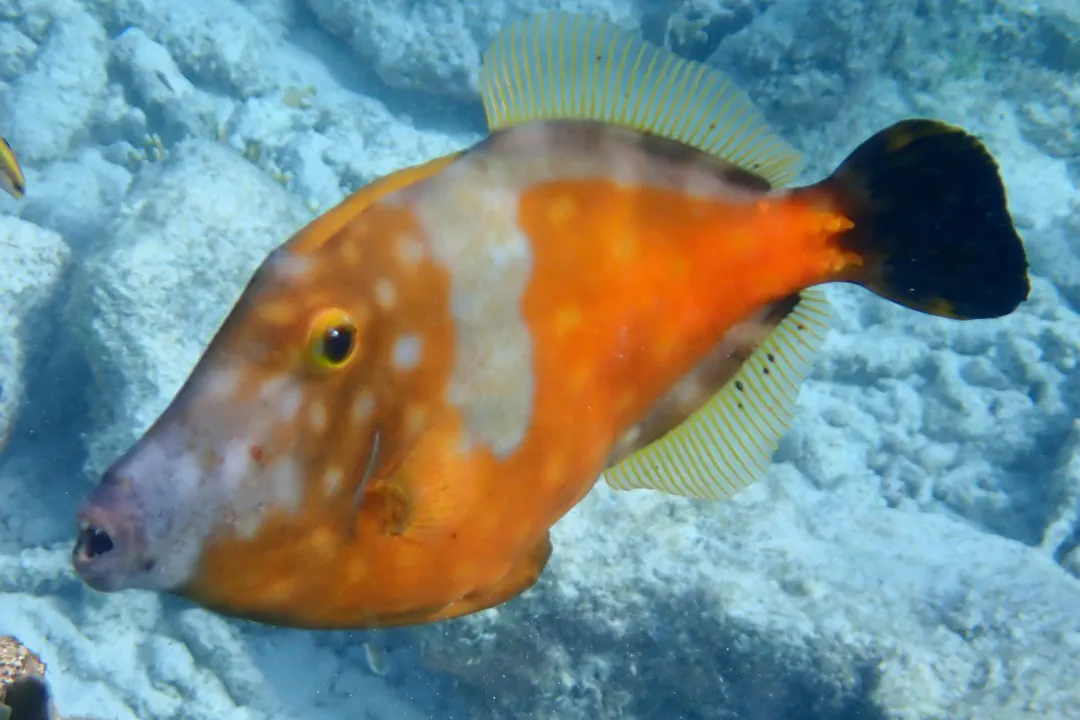
 © Michael BommererCC BY 4.0
  © seabook.appAll rights reserved
  © seabook.appAll rights reserved
 Dive Site Spotlight: The Mary Celestia
The Mary Celestia, a Civil War-era Confederate blockade runner, sank in 1864 and remains one of Bermuda’s best-known historic wrecks. Its relatively shallow setting, between 15 and 20 meters, makes it accessible to divers with moderate experience, and the site has long appealed to visitors interested in maritime archaeology as much as in fish life.
One reason the wreck is so famous is that parts of it remain identifiable, including structural elements such as the intact paddlewheel area, which helps divers visualize how the vessel operated in life. That combination of recognizable machinery and submerged history gives the site a stronger museum-like feel than many collapsed wrecks. Boat access is typical.
Artifacts have also contributed to the site’s legend. The Mary Celestia is especially associated with recovered cargo and preserved objects from the 19th century, including bottles and other remnants that illustrate the ship’s role in blockade-running during the American Civil War.
Ecologically, the wreck functions like a small reef ledge, drawing reef fish, cleaning organisms, and predators that use the structure for shelter and feeding. Because shallow wrecks are vulnerable to diver contact, the best practice is neutral buoyancy, careful finning, and strict avoidance of touching artifacts or fragile growth.
 © Robin WhiteCC BY 4.0 · iNaturalist
  © seabook.appAll rights reserved
  © Robin WhiteCC BY 4.0 · iNaturalist
  © cello caruso-turielloCC BY 4.0 · iNaturalist
 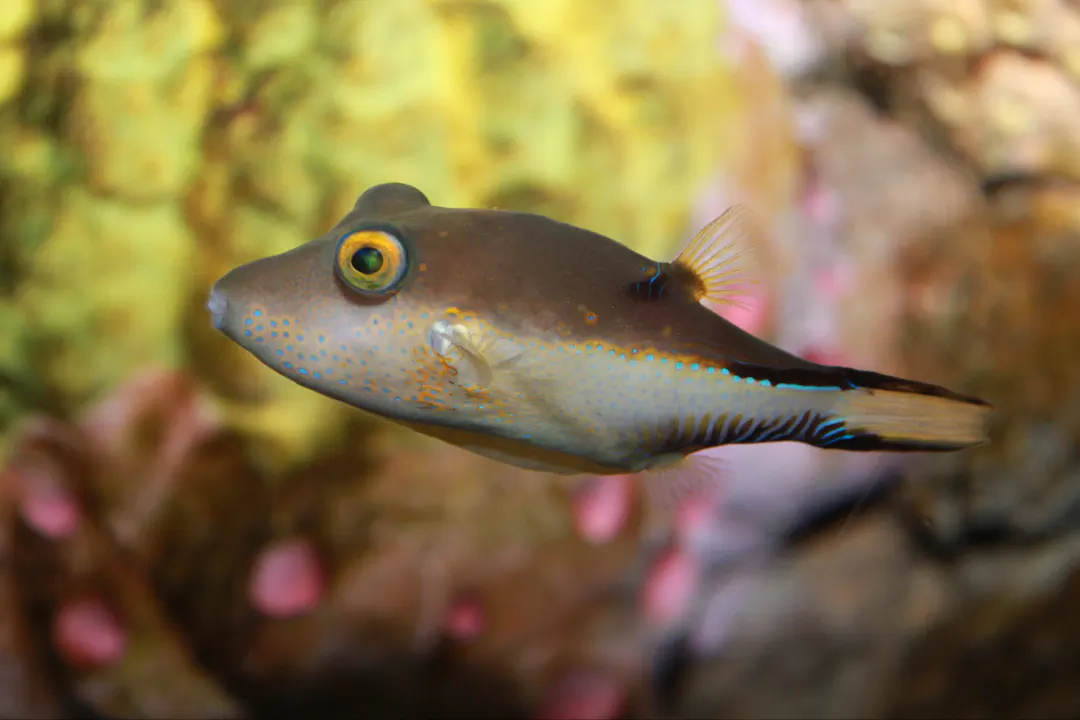 © Brian GratwickeCC BY 4.0 · iNaturalist
 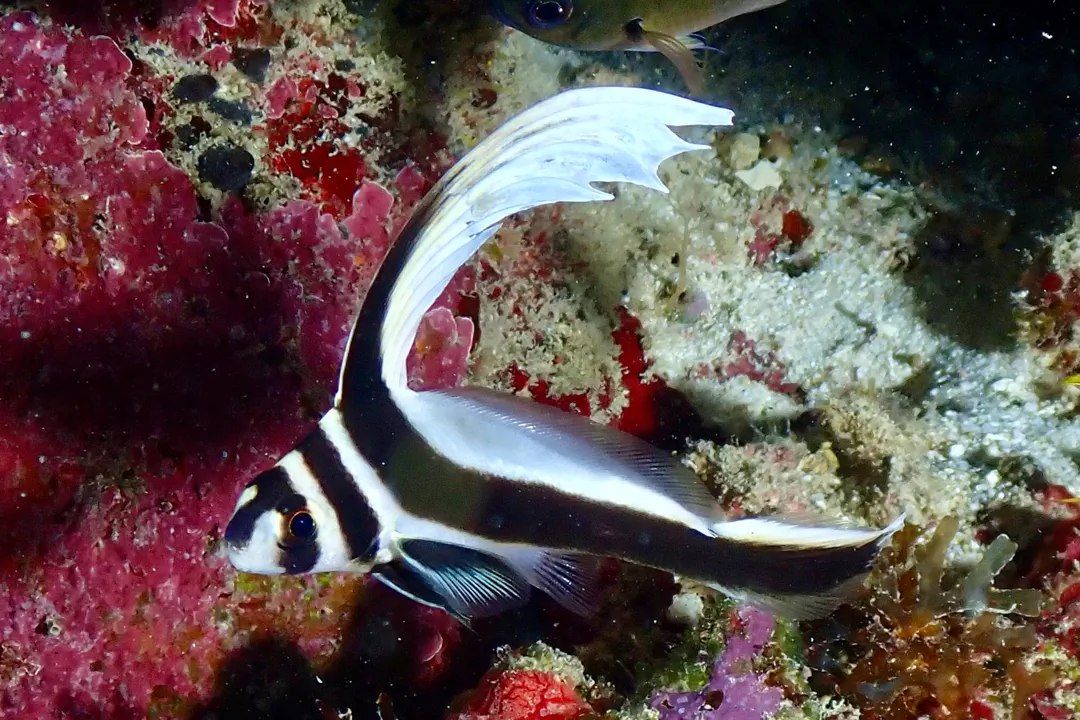 Chris SpainCC0 · iNaturalist
 Exploring Bermuda's Vibrant Reefs
This section will focus on Bermuda's diverse coral reef ecosystems, from shallow patch reefs to deep outer reefs. It will describe the variety of corals and the crucial role these reefs play in supporting marine life.
North Rock is one of Bermuda’s classic outer-reef dives, valued for its relief, current-swept structure, and dense fish activity. The site is located on the northern reef tract, where exposed coral formations and ledges support a typical Bermuda mix of reef fish, sponges, and hard coral growth.
Dive Site Spotlight: North Rock
North Rock is one of Bermuda’s classic outer-reef dives, valued for its relief, current-swept structure, and dense fish activity. The site, accessible by boat, is located on the northern reef tract, where exposed coral formations and ledges support a typical Bermuda mix of reef fish, sponges, and hard coral growth at depths ranging from 10 to 30 meters.
Because it sits closer to the island’s more open-water edges, North Rock can produce better chances of seeing larger, more mobile animals than sheltered inner reefs. Divers may encounter jacks, barracuda, rays, and occasionally sharks or turtles, especially when visibility is high and water movement concentrates prey along the reef face.
For photographers, the appeal is the combination of structure and light: clear water, healthy coral heads, and the possibility of schooling fish in the blue. For less experienced divers, current and surge can make timing important, so dives are best planned with operators familiar with tide and sea-state conditions at the site.
Seasonally, the reef is most comfortable in the warmer months, but water movement can vary strongly with weather systems and swell direction. A calm day can transform North Rock into an excellent mid-depth reef dive, while stronger sea conditions can make it a more demanding advanced outing.
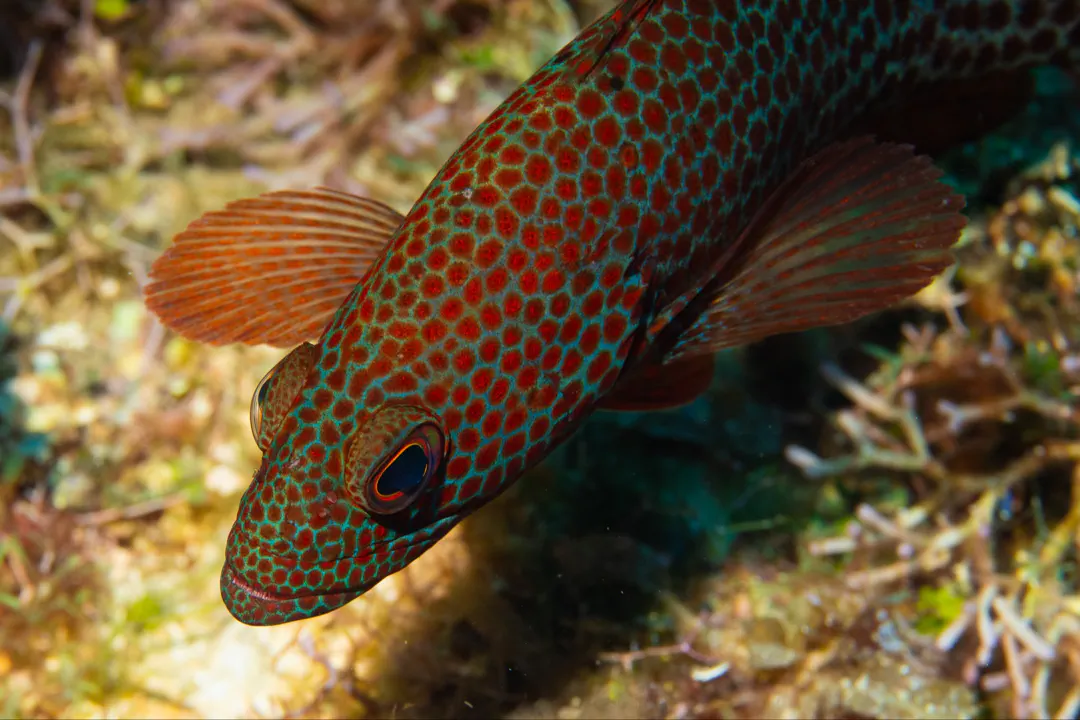 © cello caruso-turielloCC BY 4.0 · iNaturalist
 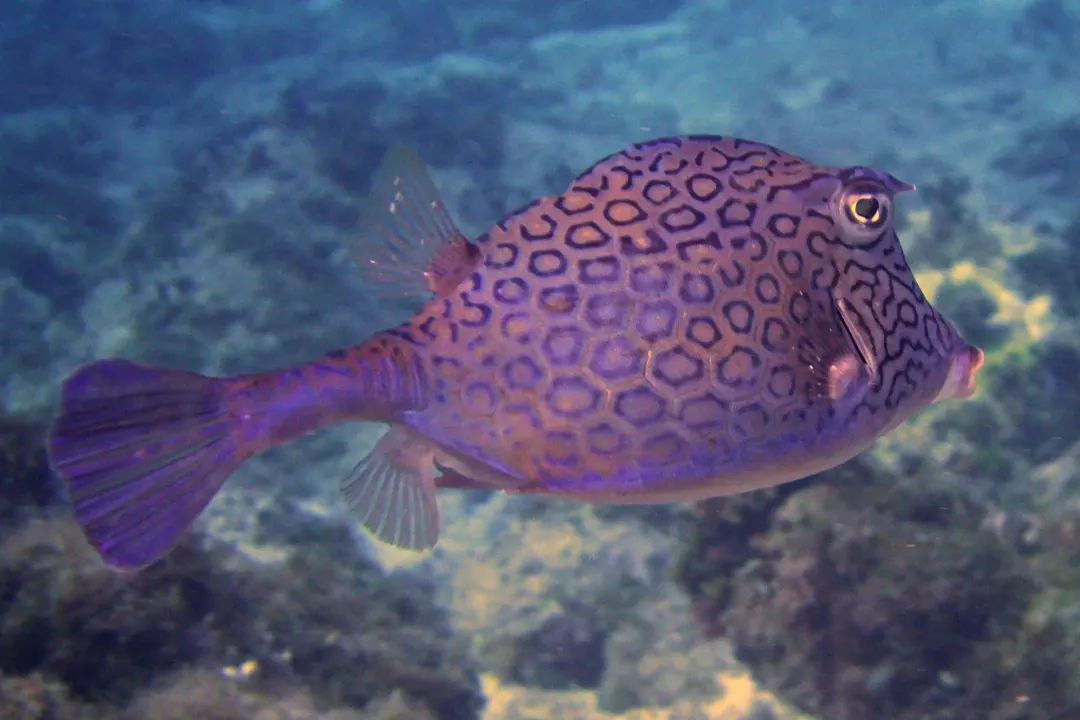 © Jan Ebr & Ivana EbrováCC BY 4.0 · iNaturalist
 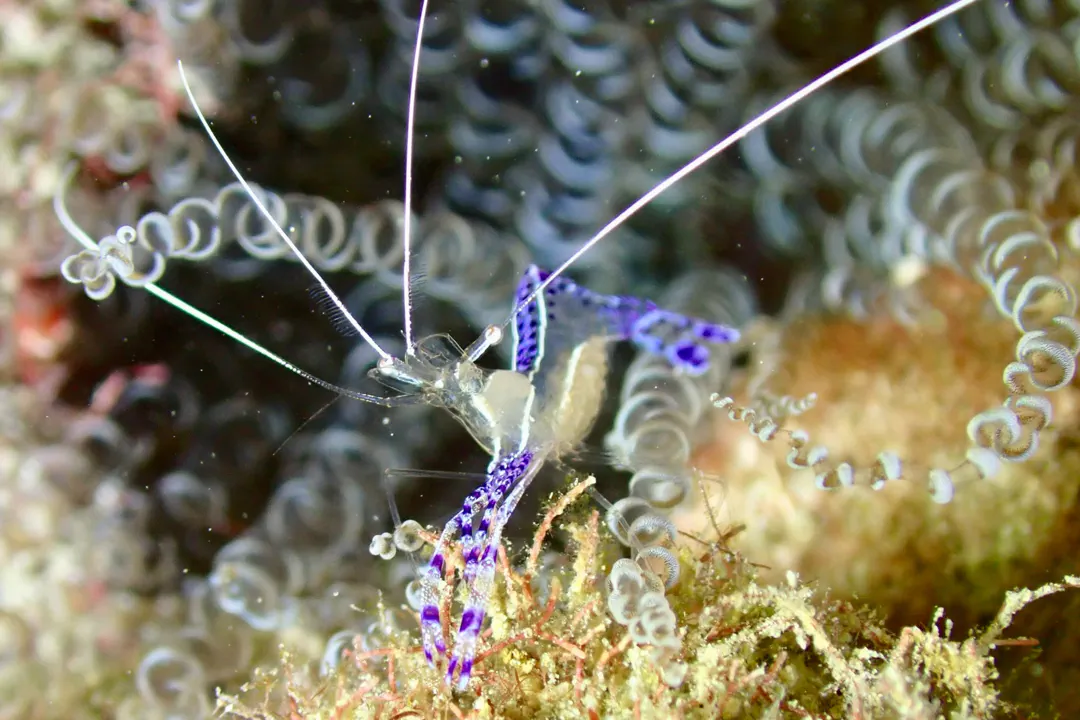 © Robin WhiteCC BY 4.0 · iNaturalist
 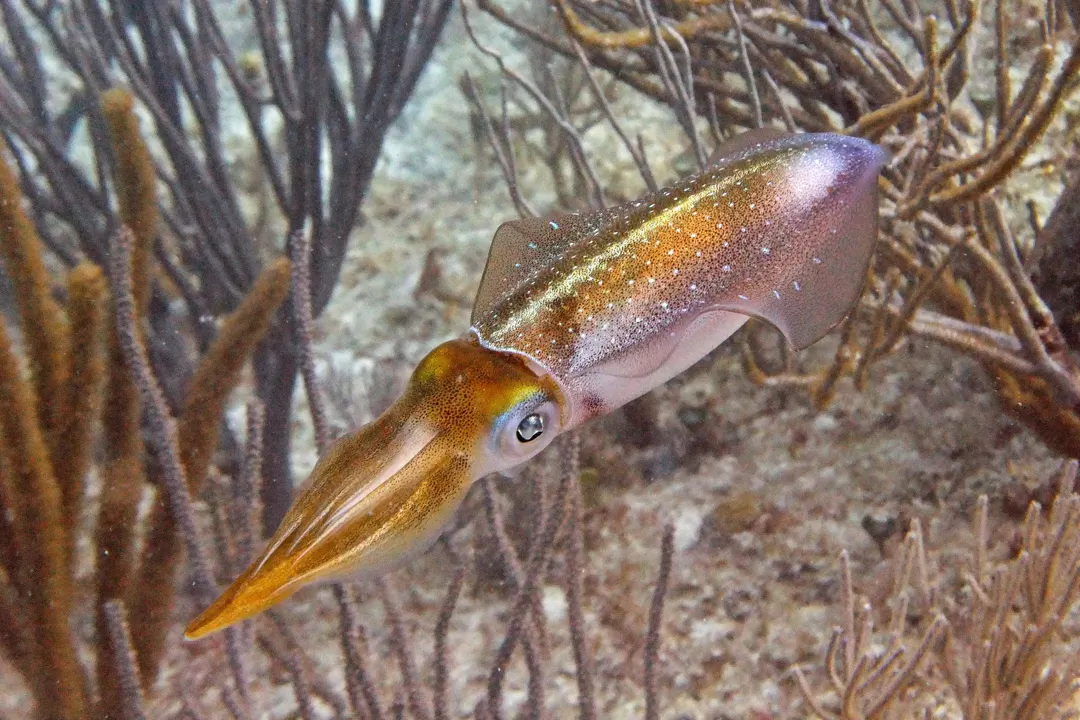 © Matteo CassellaCC BY-SA 4.0 · iNaturalist
 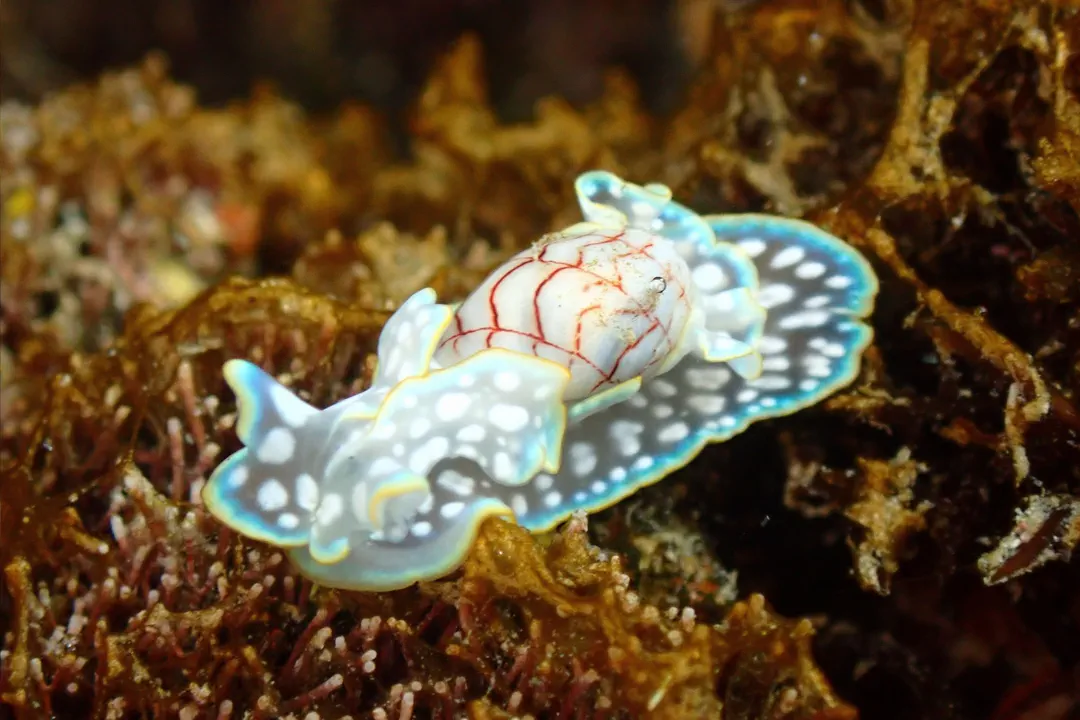 © Ben JobsonCC BY 4.0 · iNaturalist
 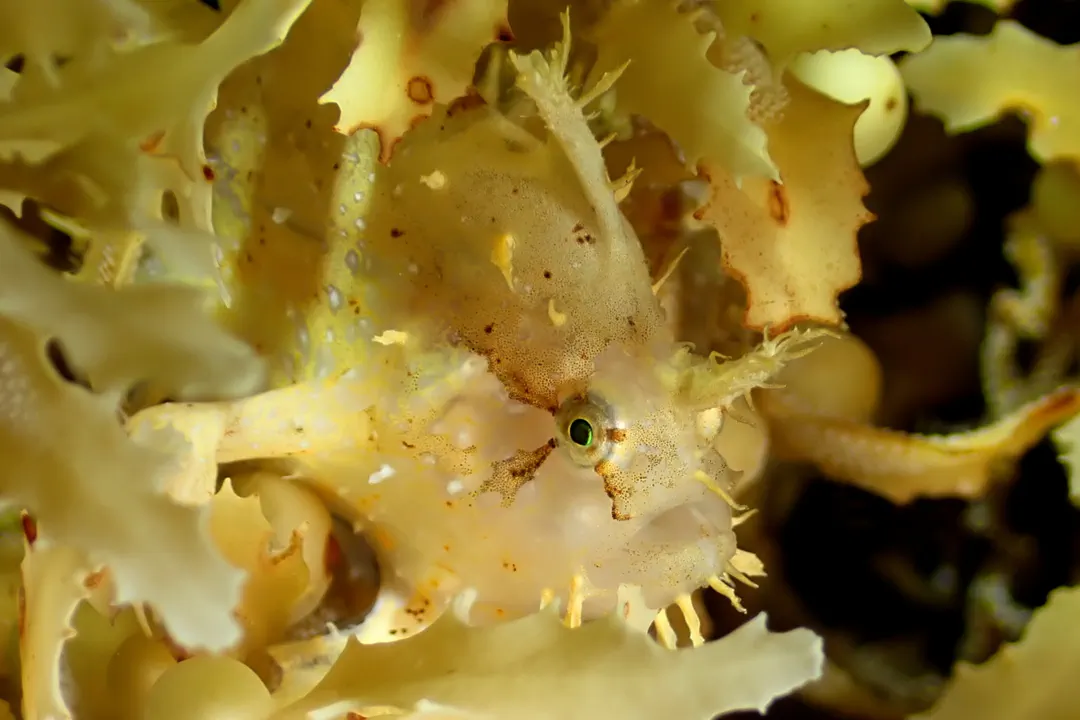 © Gregor BailarCC BY 4.0 · iNaturalist
 Dive Site Spotlight: South Shore Reefs
Bermuda’s South Shore reefs are among the island’s most accessible and family-friendly marine environments, with many sites lying in shallow water and relatively sheltered conditions. These reefs, with depths typically ranging from 3 to 10 meters, are especially useful for beginners, snorkelers, and photographers because they combine bright light, moderate depth, and easy entry points, often from shore or short boat rides.
The habitat is a mosaic of coral heads, sand channels, and seagrass-adjacent edges that support juvenile fish and small cryptic species. Because many reef organisms use these shallow areas as nursery habitat, South Shore sites often show strong color and activity even at modest depths.
Conditions are usually gentler than on the outer reef, but the area still responds to wind, swell, and seasonal weather. In calm weather, visibility can be excellent and the reefs are ideal for relaxed exploration; after storms or strong southeast winds, surge may increase and the shallows become less comfortable for new divers.
From an ecological standpoint, the South Shore helps connect the island’s reef network by supporting early life stages of fish and invertebrates before they move into deeper habitats. That makes the area important not only for recreation but also for the resilience of Bermuda’s broader marine ecosystem.
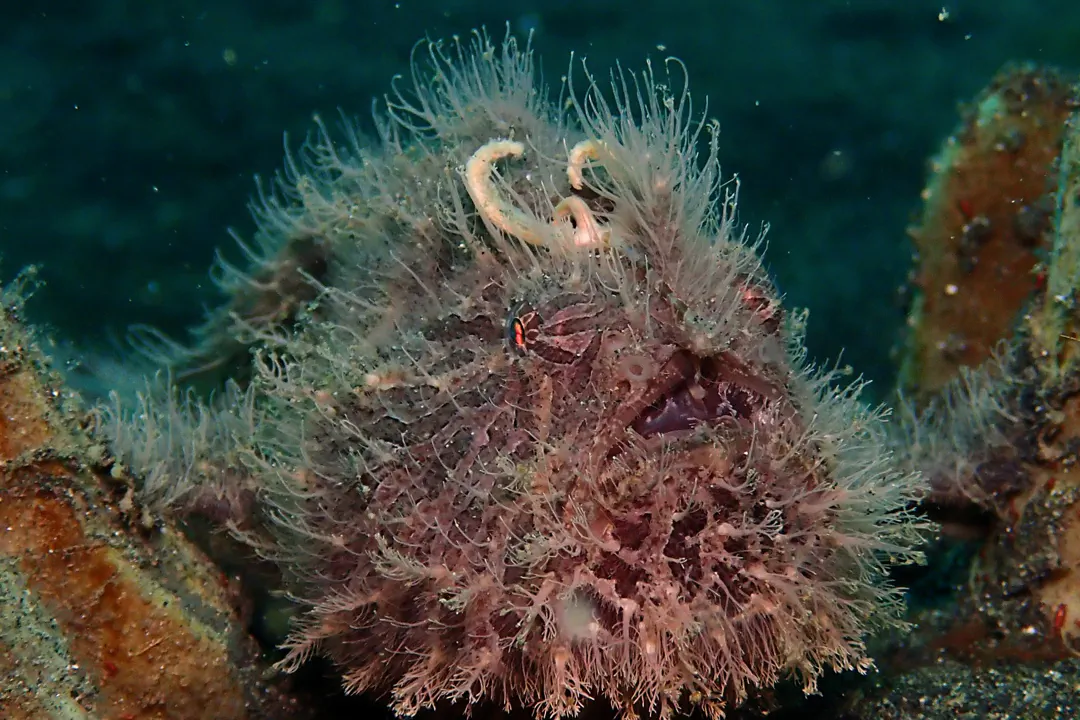 © Dan SchofieldCC BY 4.0 · iNaturalist
 Encounters with Pelagic Life
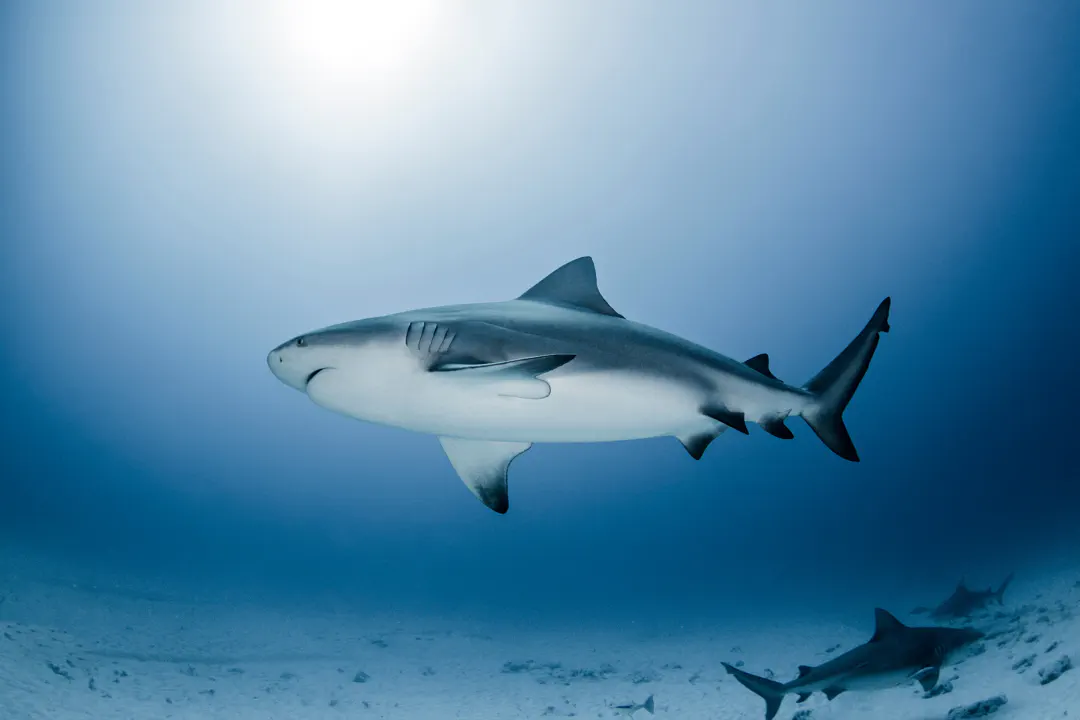
Bermuda can produce encounters with larger marine animals, but they are opportunistic rather than guaranteed. Divers may see reef-associated sharks, rays, turtles, and dolphins, with the most likely sightings often tied to deeper water, reef edges, blue-water crossings, or seasons when baitfish and currents concentrate prey.
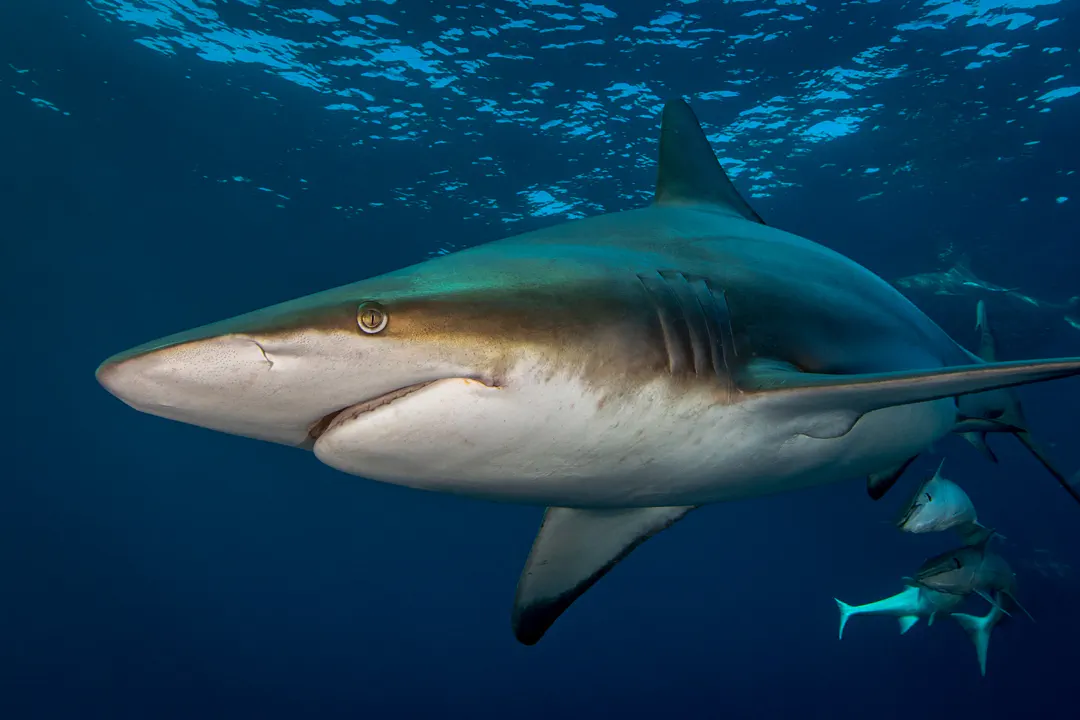
Shark diversity around Bermuda is notable for the western North Atlantic, but most species are encountered infrequently by recreational divers. Tiger sharks, blacktip sharks, and hammerhead species may appear in the wider region, while smaller reef-associated sharks are more often associated with offshore structure than with shallow shore dives.
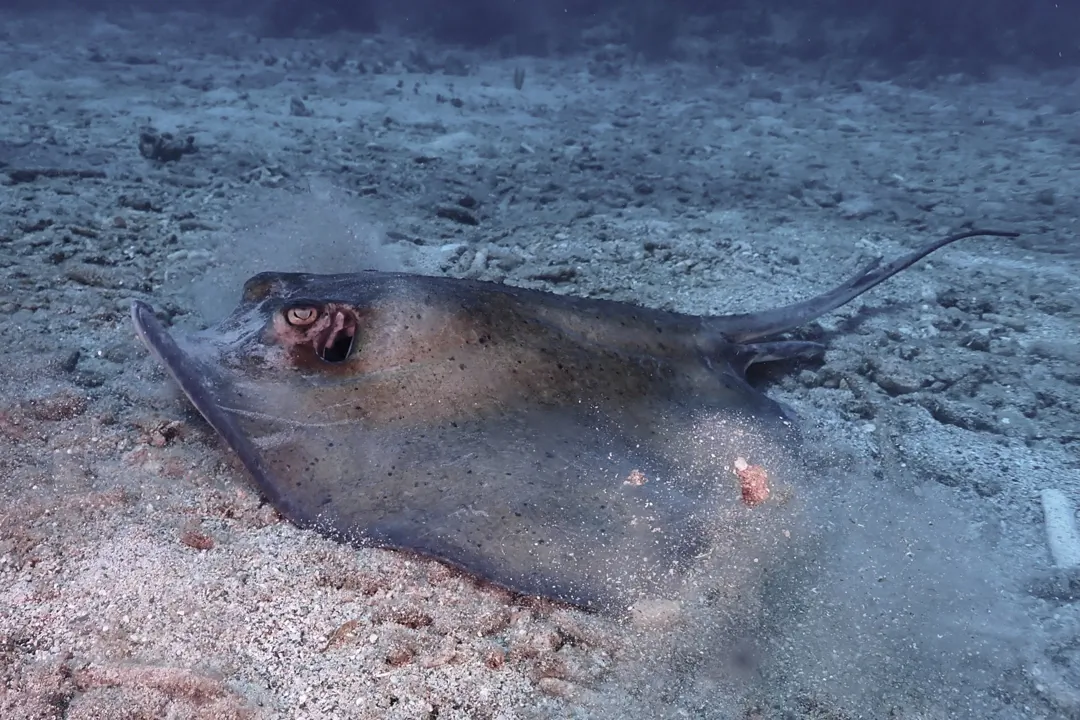
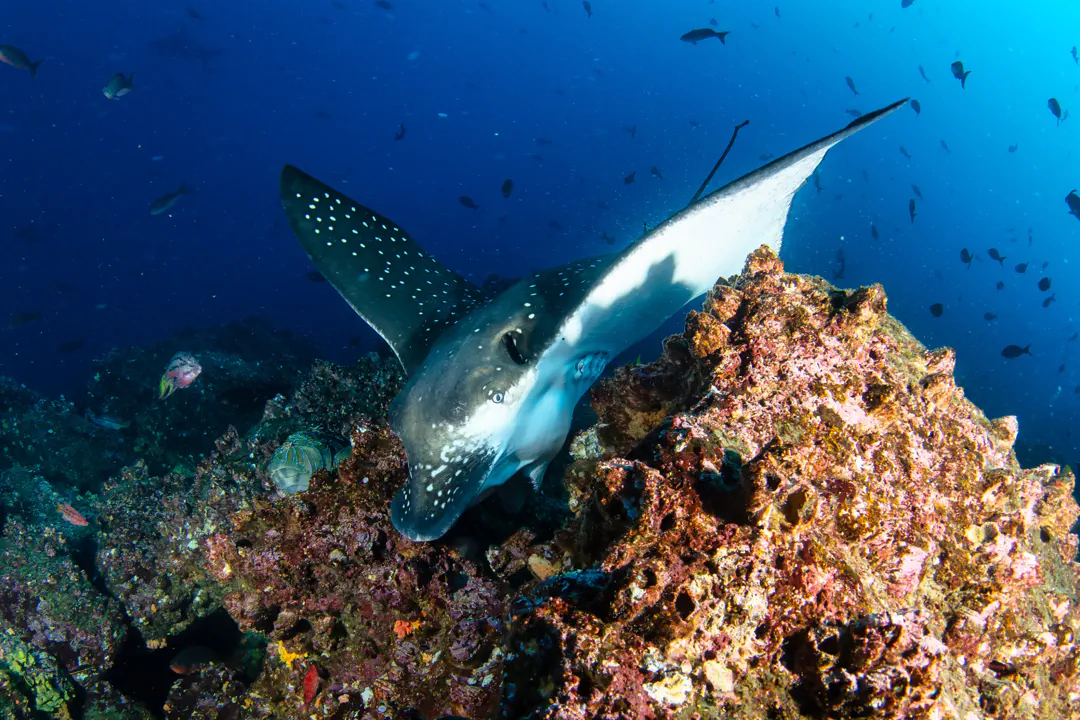
Rays are more regular than large sharks on many sites, especially on sand flats, reef margins, and wreck approaches where they forage or rest. Atlantic spotted dolphins and bottlenose dolphins may also pass through the area, although they are far more likely to be seen from boats or at the surface than while diving on the reef itself.
For divers hoping to maximize the chance of a pelagic sighting, the best strategy is to choose outer-reef or blue-water sites, dive with operators who know seasonal movement patterns, and schedule trips during periods of good visibility and moderate current. Even then, Bermuda remains a place where marine megafauna is a bonus rather than a certainty.
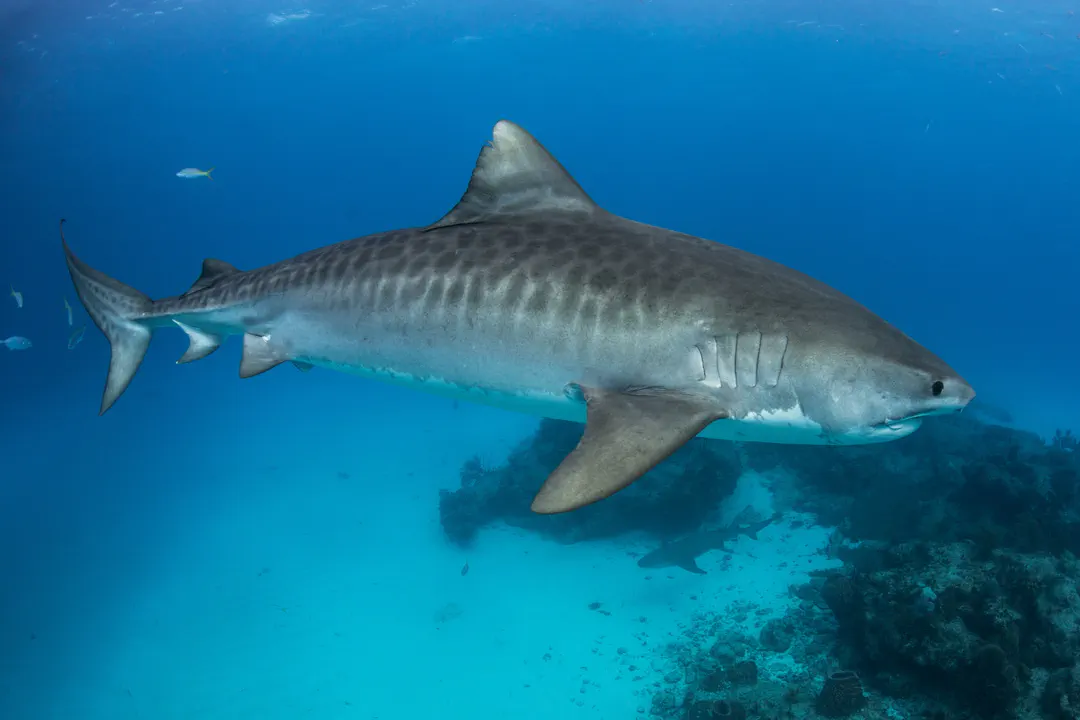 © seabook.appAll rights reserved
 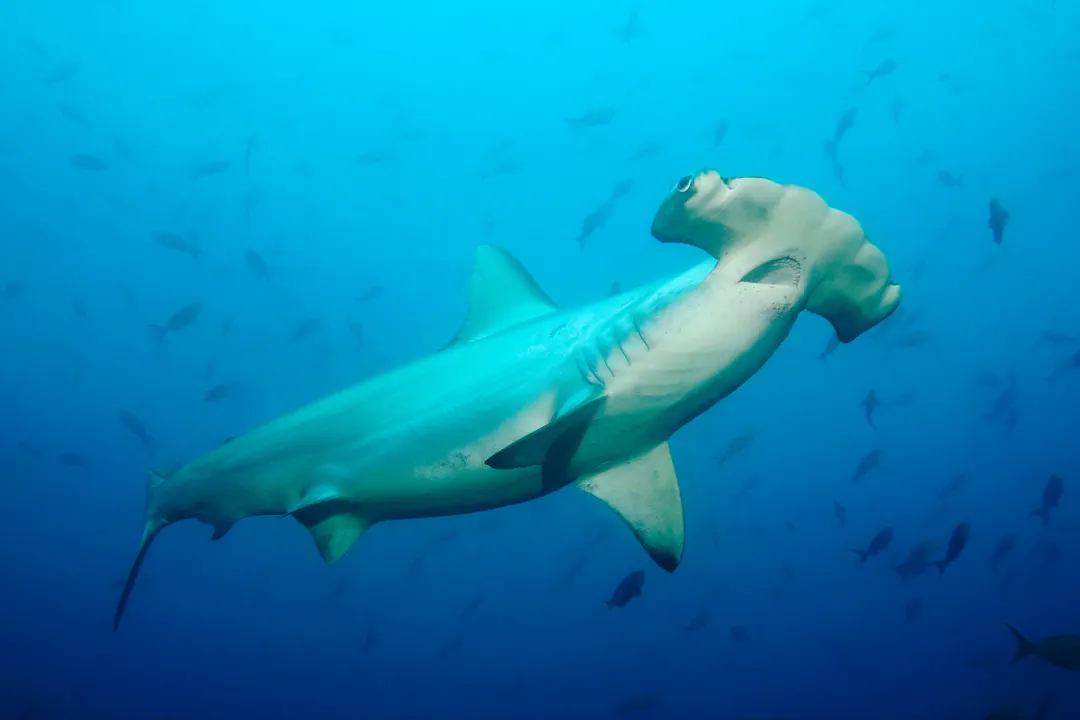 © seabook.appAll rights reserved
 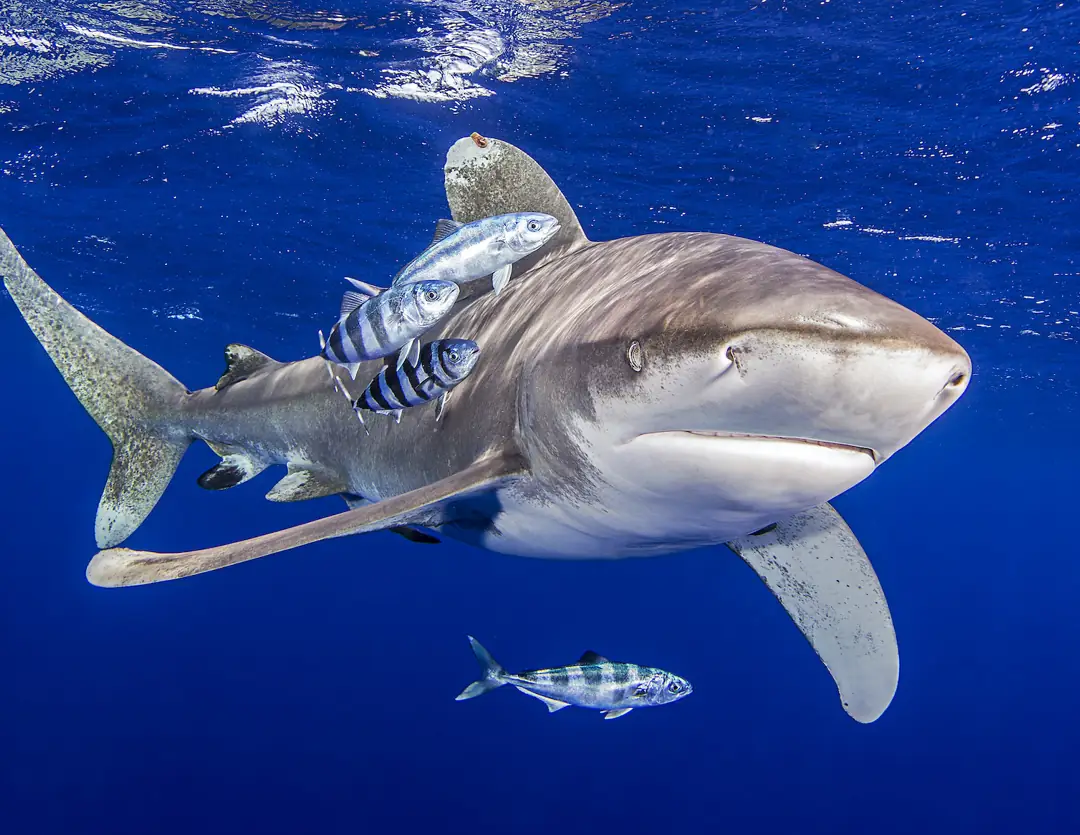 © seabook.appAll rights reserved
  © seabook.appAll rights reserved
 Practical Tips for Divers
Planning a dive trip to Bermuda starts with choosing an operator that regularly visits the island’s reefs and wrecks and that provides clear briefings on depth, current, and site-specific hazards. Because many of the most interesting sites are boat-accessed, reliable logistics and experienced local guides matter as much as equipment quality.
Most divers can rent standard gear locally, but a well-fitting exposure suit, mask, and computer improve comfort and safety. Even in warm months, repeated boat dives can feel cool after long surface intervals, so many visitors prefer a thin full suit, such as a 3mm to 5mm, rather than relying on a shorty alone.
Responsible diving is especially important on wrecks and shallow reefs. Neutral buoyancy, controlled finning, and no-touch practices protect both fragile coral growth and historically significant structures; divers should also avoid collecting artifacts or anchoring on living reef. Local conservation rules and marine park guidance can change, so checking with operators before departure is the safest approach.
Weather should drive scheduling. Bermuda’s prime windows are often late spring and early autumn, when sea conditions are frequently comfortable and the likelihood of tropical storm disruption is lower than in peak hurricane risk periods. Building in buffer days can make the difference between one great dive day and a fully lost trip.
Questions
What is the visibility like in Bermuda?
Bermuda is known for very clear water, and divers often see visibility in the range of 20 to 30 meters, with especially good conditions when seas are calm and there has been little storm-driven surge. Visibility can drop after strong winds, swells, or passing tropical systems, but the island’s offshore position usually keeps the water clearer than many Caribbean coastal sites.
Are there many sharks in Bermuda?
Bermuda has a real shark fauna, but most divers do not encounter sharks on every dive. Sightings are usually occasional rather than constant, and they are more likely on outer reefs, blue-water routes, or deeper wreck sites than on shallow lagoon dives.
Do I need a wetsuit for diving in Bermuda?
Yes, some exposure protection is recommended year-round, even in the warm season. Water temperatures are typically warmest from late summer into early autumn, but a 3 mm to 5 mm suit is a practical choice for many divers because repeated boat dives and longer bottom times can feel cool after multiple immersions.
What kind of diving can I expect in Bermuda?
Bermuda offers a broad mix of diving, including shallow reef dives, historic wrecks, and deeper outer-reef sites. Beginners can enjoy protected reef areas and gentle shore-adjacent sites, while advanced divers can choose wreck penetrations, current-exposed reef edges, and deeper offshore profiles with a stronger chance of seeing larger marine animals.