At a depth of ten metres inside Cenote Dos Ojos, shafts of morning sunlight pierce the freshwater ceiling to illuminate thousands of subterranean limestone pillars. A solitary blind cave fish glides past stalactites formed over millions of years, suspended in water so translucent that divers appear to hover in empty air. The halocline layer shimmering two metres below marks the precise boundary where cool freshwater floats above dense, warm ocean saltwater.
Diving in Mexico spans two major ocean systems and the world's most extensive flooded cave networks, making it one of the most versatile diving regions on Earth. The best time to dive varies by coast: November to May brings calm seas and clear conditions to Caribbean reefs and Socorro liveaboards, while winter months attract bull sharks to Quintana Roo and whale sharks to the Gulf of California. Water temperatures range from 18°C in winter off Baja California to 29°C during Caribbean summers, with visibility exceeding 30 metres along Cozumel's drop-offs and reaching near-infinite clarity inside freshwater cenotes.
Key dive destinations include the current-swept walls of Palancar Reef, the offshore volcanic pinnacles of Roca Partida, the restored marine sanctuary of Cabo Pulmo, and the playful sea lion colonies of Los Islotes. Divers routinely encounter giant oceanic manta rays, scalloped hammerheads, pregnant bull sharks, and the endemic splendid toadfish. While shallow Caribbean reefs and protected bays accommodate beginner divers and snorkellers, exposed Pacific pinnacles and overhead cenote caverns require advanced certification and precise buoyancy control.
What Is Diving in Mexico Like?
Mexico offers three radically different marine environments across its coastline. On the eastern edge, the Caribbean Sea delivers drift diving along coral walls, where warm currents carry divers past sea fans and deep overhangs. Just inland on the Yucatán Peninsula, thousands of collapsed sinkholes grant access to a vast limestone aquifer filled with subterranean freshwater passages.
Across the continent, the Pacific coast presents a wilder oceanographic realm. The Revillagigedo Archipelago, anchored by Socorro and Roca Partida, rises from deep ocean waters nearly 400 kilometres offshore to attract massive pelagic species. Meanwhile, the Gulf of California acts as a protected inner sea where seasonal upwelling nourishes dense fish schools, sea lions, and migrating pelagic predators along steep granite walls.
Diving conditions fluctuate significantly between these regions. Caribbean sites feature stable temperatures and steady water clarity, making drift logging predictable throughout the year. In contrast, Pacific waters experience dramatic seasonal shifts in temperature and plankton density, driving dynamic biological aggregations that reward experienced divers equipped for colder water and surge.
Best Time to Dive in Mexico
Choosing when to dive in Mexico depends entirely on the marine life encounters you seek. From November through May, conditions are ideal across both the Caribbean coast and the offshore Revillagigedo Archipelago. During these months, Caribbean seas remain calm, and liveaboards navigate the open Pacific crossing to Socorro under favorable weather windows.
Winter brings specific migratory wildlife to Mexican waters. Between November and March, female bull sharks assemble over the shallow sand flats off Playa del Carmen, while humpback whales migrate past Cabo San Lucas. In the Gulf of California, whale sharks feed in the plankton-rich bays near La Paz from October through April, providing prime snorkelling opportunities.
Late summer and autumn bring distinct advantages to the Sea of Cortez. From July through October, water temperatures reach their annual peak of 28°C, bringing maximum clarity and calm conditions for exploring rocky pinnacles. Macro enthusiasts will find nudibranchs, seahorses, and blennies thriving among granite crevices during these warmer months.
Mexico Water Temperature by Month
Water temperature
Mexico, monthly average
Cancun (Yucatan Peninsula, Caribbean Sea), most popular diving area in Mexico; surface temperatures, typical scuba depth 10-30m
From the community's dive logs
What divers log in Mexico
From 94 dives logged by 40 Seabook divers. What this group recorded, not a verdict on the destination.
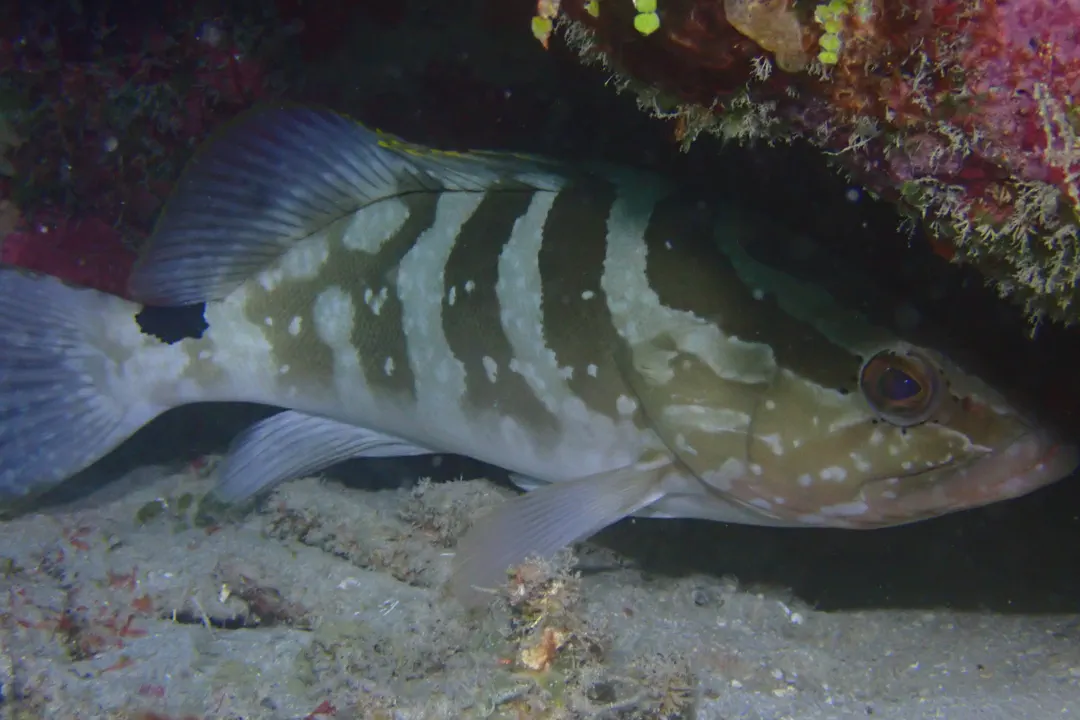
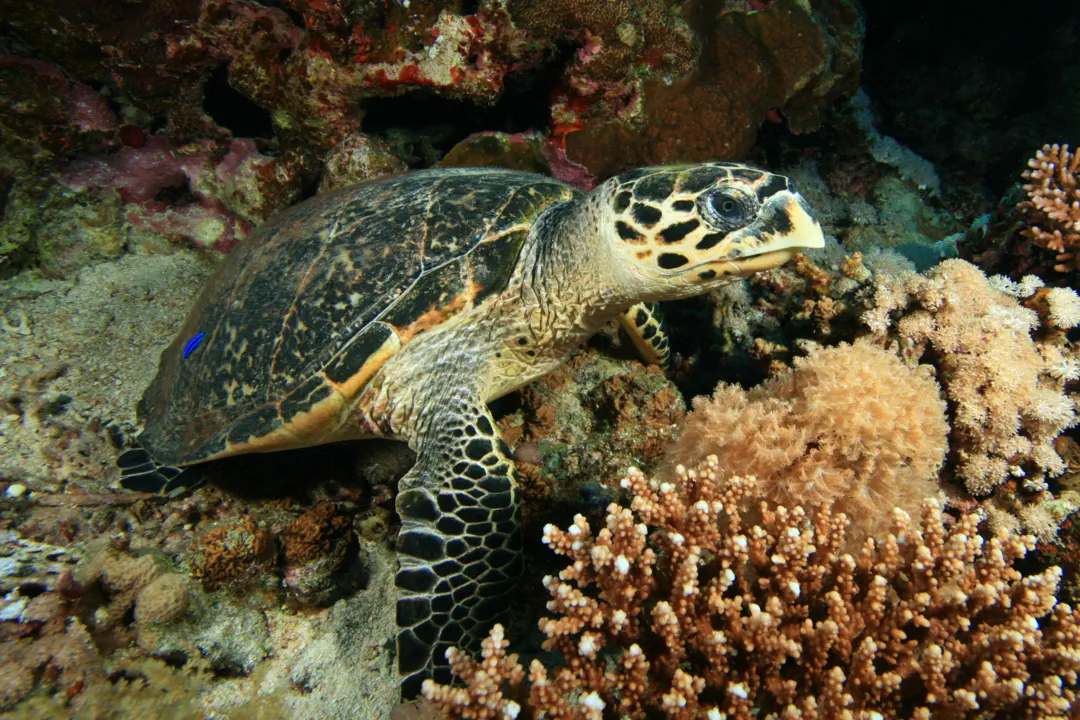
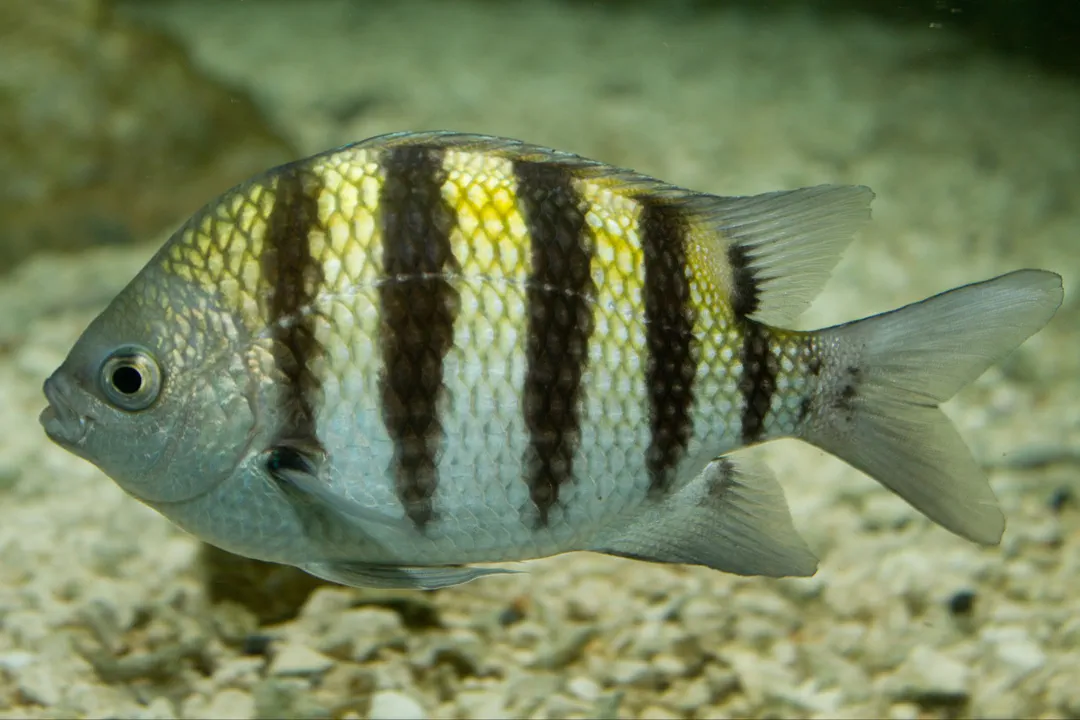
Most-logged marine lifedivers who logged it
 © seabook.appAll rights reserved 6 divers
 © seabook.appAll rights reserved 5 divers

Water temperatures across Mexico reflect the stark contrast between the Caribbean Sea and the Pacific Ocean. On the Caribbean side, including Cozumel and the Riviera Maya, water temperatures remain narrow and warm year-round, ranging between 25°C in February and 29°C in August. A 3 mm wetsuit provides sufficient thermal protection for most Caribbean reef dives throughout the season.
Pacific and Sea of Cortez waters experience much wider thermal swings throughout the year. Around the Baja Peninsula, surface temperatures drop to 18°C–20°C between January and April, requiring a 5 mm or 7 mm wetsuit with a hood for comfortable diving. By August and September, Pacific surface waters warm to 27°C–28°C, though deep thermoclines often remain several degrees cooler beneath 20 metres.
Freshwater cenotes maintain a constant temperature of 24°C to 25°C throughout the year, independent of surface weather. Because divers spend extended periods motionless inside shaded cavern passages, body heat dissipates faster than on open-water ocean dives. A 5 mm or 7 mm wetsuit is recommended for all cenote cavern tours to prevent chilling during forty-minute dives.
Best Dive Sites in Mexico
Mexico features renowned dive locations spread across Caribbean walls, freshwater caverns, and isolated Pacific pinnacles. Selecting the right dive site requires understanding depth limits, entry methods, and local current strength.
Palancar Reef (Cozumel): sprawling coral swim-throughs
Palancar Reef stretches along the southern tip of Cozumel inside a protected national marine park. Dives begin with a stride entry into clear Caribbean water, where gentle to moderate currents carry divers along spur-and-groove coral formations. Towering coral pinnacles rise from depths of 25 metres to within eight metres of the surface, creating natural archways and tunnels.
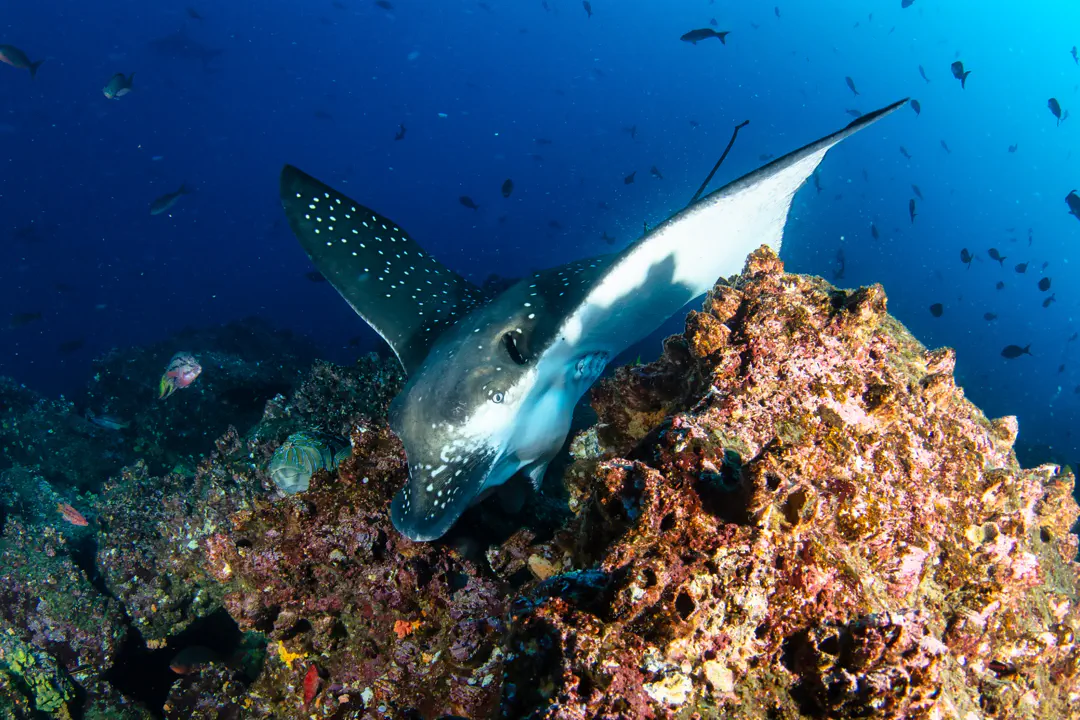
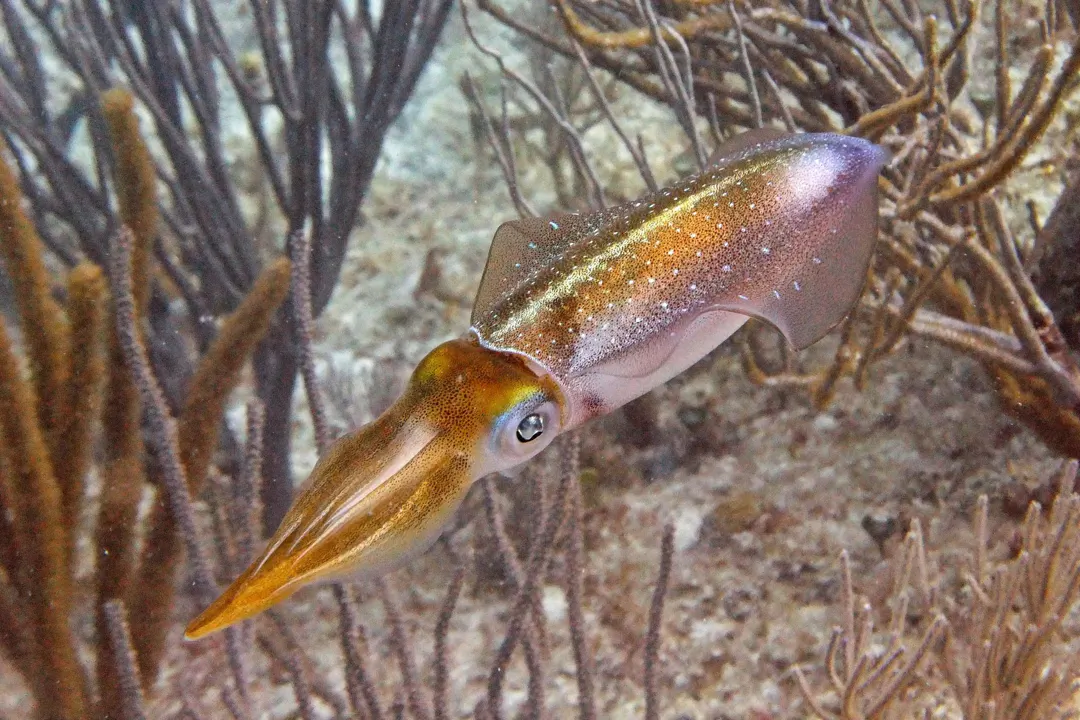
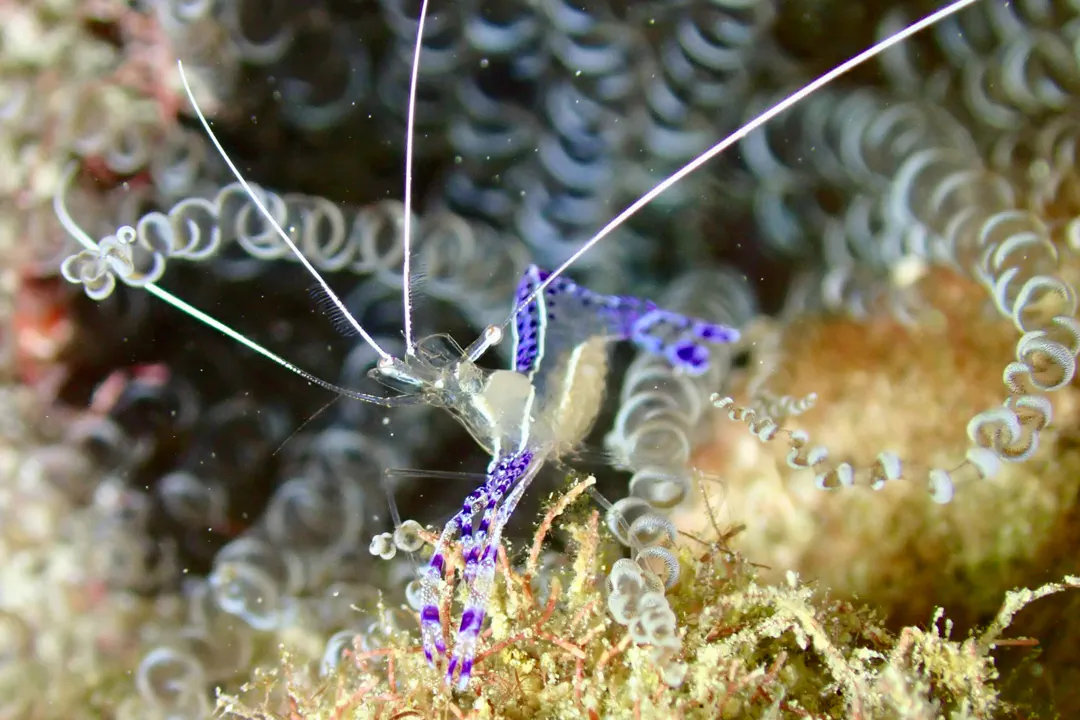
Navigating through Palancar's swim-throughs reveals hidden ledges encrusted with orange sponges and sea fans. Spotted eagle rays glide along the outer reef drop-off, while Caribbean reef squids hover in small formations near the surface. Careful inspection of low ledges often reveals Pederson cleaner shrimp and Nassau groupers waiting at established cleaning stations.
Currents along Palancar assist effortless drift dives, but divers must manage their buoyancy to avoid touching delicate coral structures. Ascents are conducted in open water using a surface marker buoy to alert boat captains in the drift zone. Water visibility routinely exceeds 30 metres, providing exceptional panoramic views of the wall plunging into deep blue water.
Depth: 10-30 m. Access: boat, 20 minutes from Cozumel marina. Level: Open Water. Best months: December-April.
© seabook.appAll rights reserved 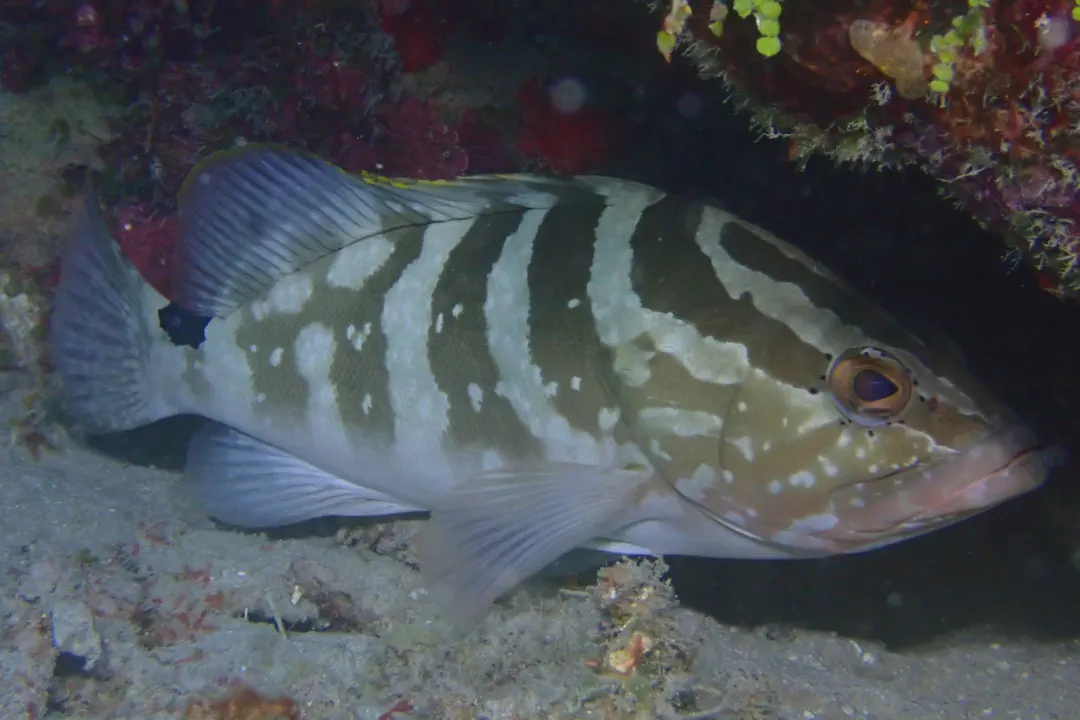 © Robin WhiteCC BY 4.0 · iNaturalist
 © Dan SchofieldCC BY 4.0 · iNaturalist
 © Matteo CassellaCC BY-SA 4.0 · iNaturalist
 © Robin WhiteCC BY 4.0 · iNaturalist
 © Robin WhiteCC BY 4.0 · iNaturalist
Cenote Dos Ojos (Riviera Maya): crystal-clear haloclines and light beams
Cenote Dos Ojos consists of two interconnected sinkholes located between Playa del Carmen and Tulum. Entry is made from a wooden platform directly into motionless freshwater that hovers at 24°C. Guided cavern tours follow permanent guidelines through decorated chambers filled with ancient stalactites and columns formed when the caves were dry.
The defining experience at Dos Ojos is navigating the halocline layer around nine metres deep. Here, lighter freshwater sits atop denser saltwater, creating a blurry optical effect where the two liquids mix. Ascending back into the freshwater layer reveals laser-like beams of sunlight penetrating through ceiling openings into the cavern darkness.
Biological life inside the cavern is sparse yet highly adapted to the subterranean light regime. Small populations of Mexican tetra swim near natural light openings, while blind cave crustaceans inhabit deeper passages. Divers must maintain strict horizontal trim to avoid stirring up fine floor sediment that can reduce visibility to zero.
Depth: 6-12 m. Access: shore entry from cenote platform. Level: Open Water with cavern guide. Best months: Year-round.
Roca Partida (Socorro Islands): giant oceanic mantas and pelagic sharks
Roca Partida is a bare granite pinnacle jutting out of the open Pacific Ocean 400 kilometres off the Mexican mainland. Rising from deep oceanic waters, this isolated rock concentrates apex predators and open-ocean megafauna in severe, current-swept conditions. Liveaboards anchor nearby, launching skiffs for rapid negative entries directly onto the rock face.
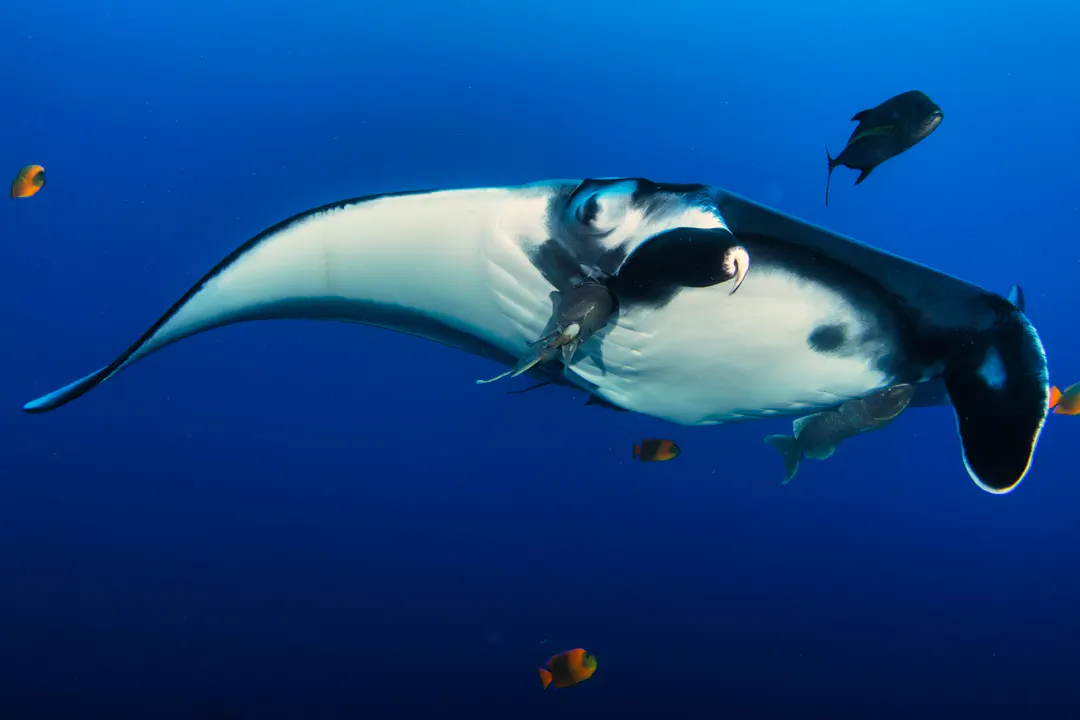
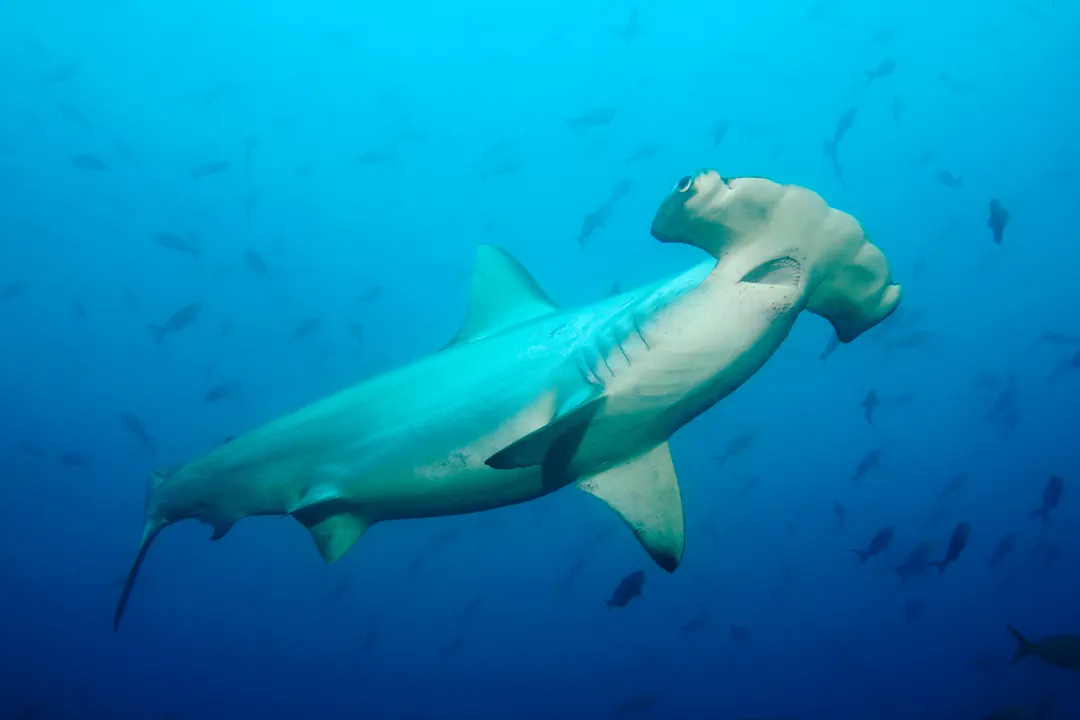
Giant oceanic manta rays frequent the pinnacle, often approaching divers closely to ride air bubbles and linger at natural cleaning stations. Schooling scalloped hammerheads and silky sharks circle in the blue offshore, while Galapagos sharks patrol the lower drop-offs at 30 metres. Bottlenose dolphins frequently descend to interact with divers along the vertical rock walls.
Diving at Roca Partida requires advanced experience due to strong currents, washing-machine surges near the surface, and blue-water safety stops. Divers must monitor gas consumption conservatively and deploy safety marker buoys before drifting away from the pinnacle. Water temperatures range between 21°C and 26°C depending on seasonal upwelling.
Depth: 10-40 m. Access: liveaboard skiff, 30 hours from Cabo San Lucas. Level: Advanced Open Water. Best months: November-May.
 © seabook.appAll rights reserved
 © seabook.appAll rights reserved
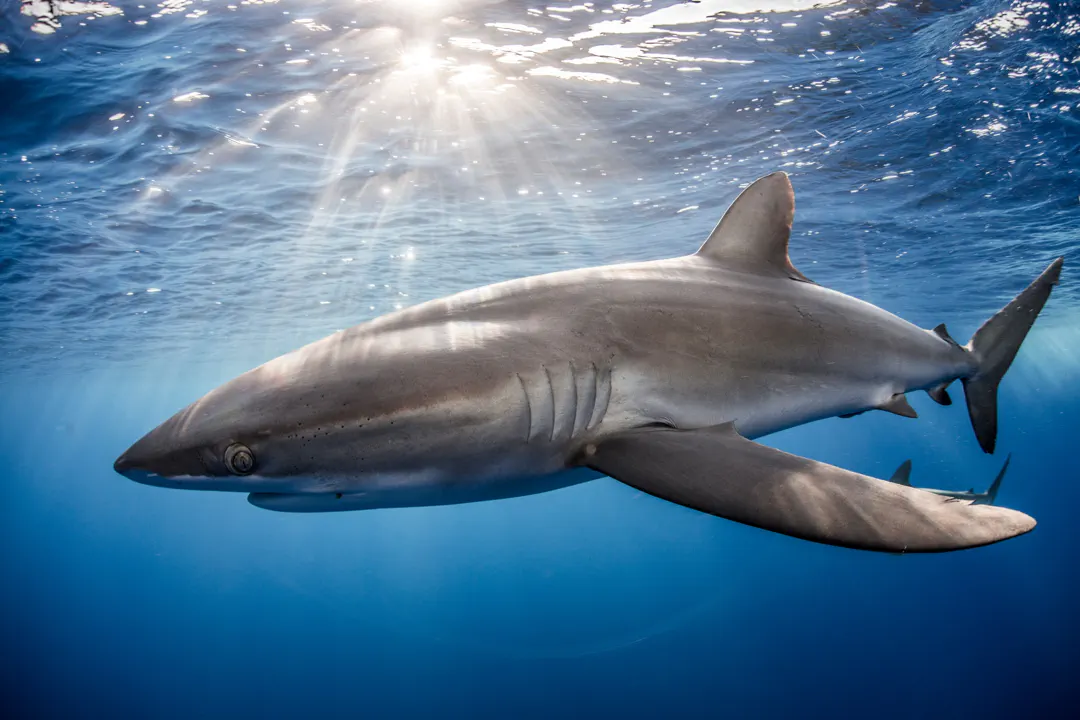 © seabook.appAll rights reserved
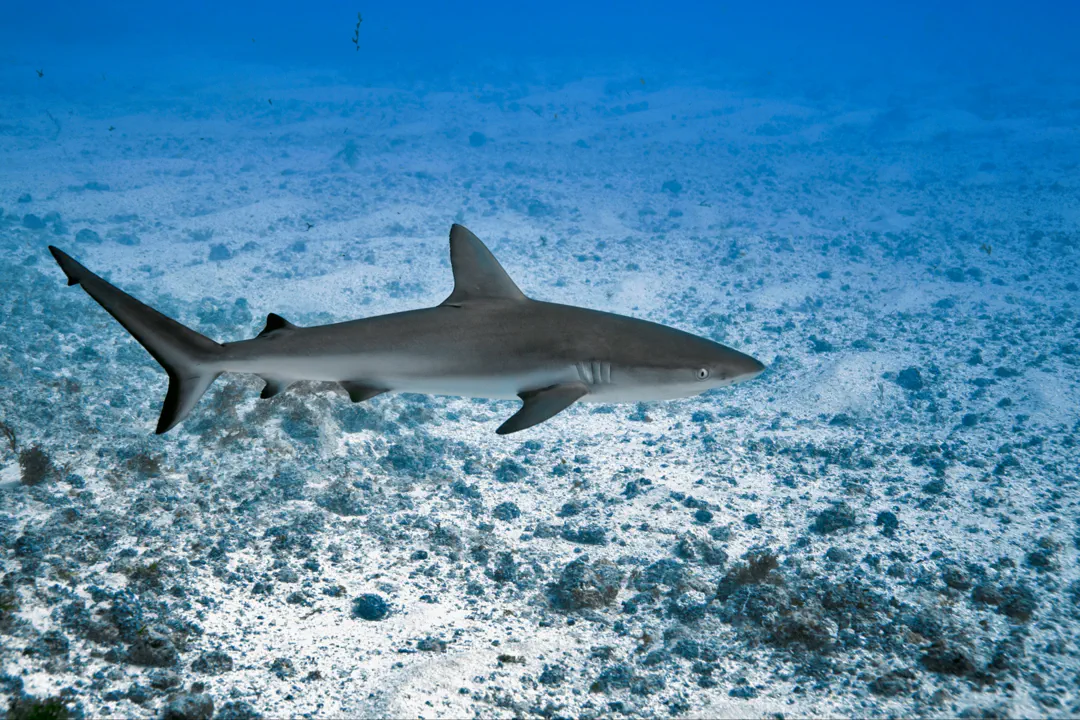 © R VasconcellosCC BY 4.0 · iNaturalist
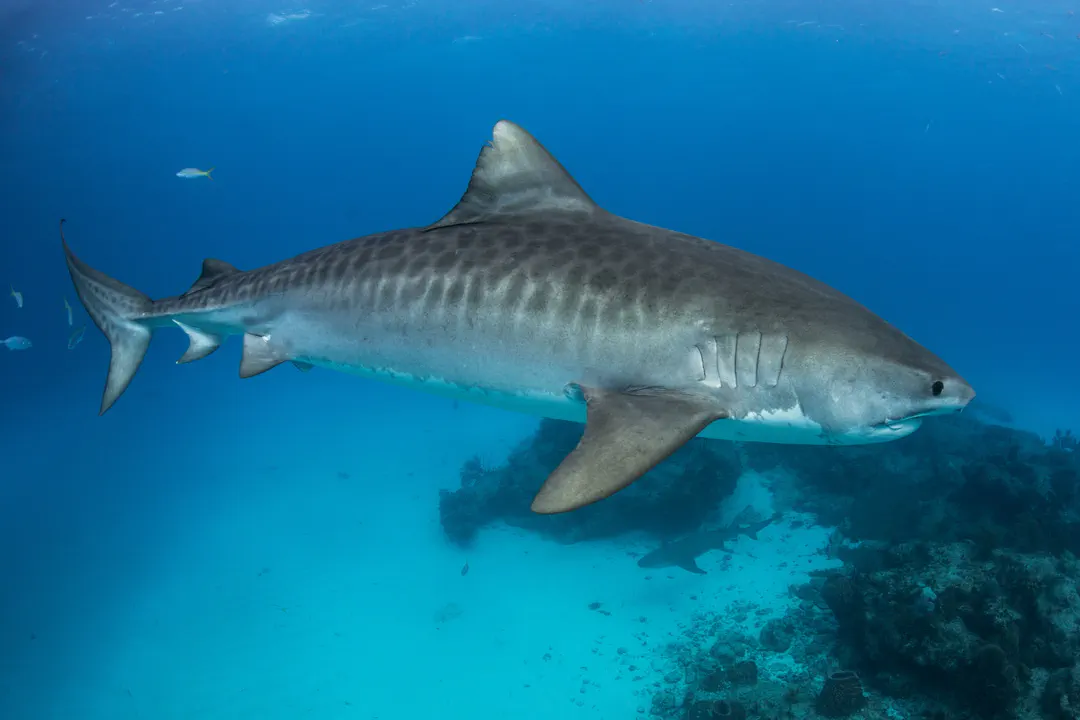 © seabook.appAll rights reserved
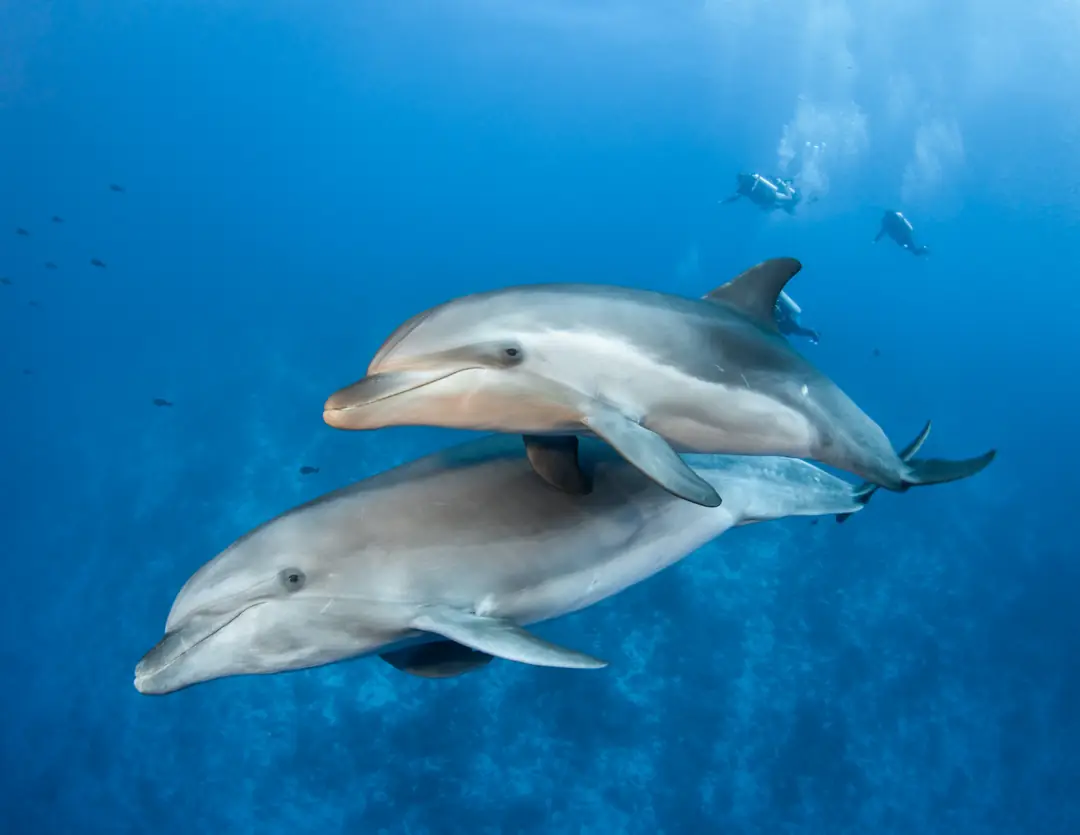 © seabook.appAll rights reserved
Cabo Pulmo (Baja California): massive schools of jacks and reef recovery
Cabo Pulmo National Park protects a 27.5-square-mile marine reserve in the Sea of Cortez. Established in 1995 through local community action, the reserve represents one of the most successful marine conservation projects on record. A study by Aburto-Oropeza et al., Large Recovery of Fish Biomass in a No-Take Marine Reserve, PLoS ONE, 2011, documented a 463% increase in total fish biomass between 1999 and 2009, with top-predator biomass increasing elevenfold.
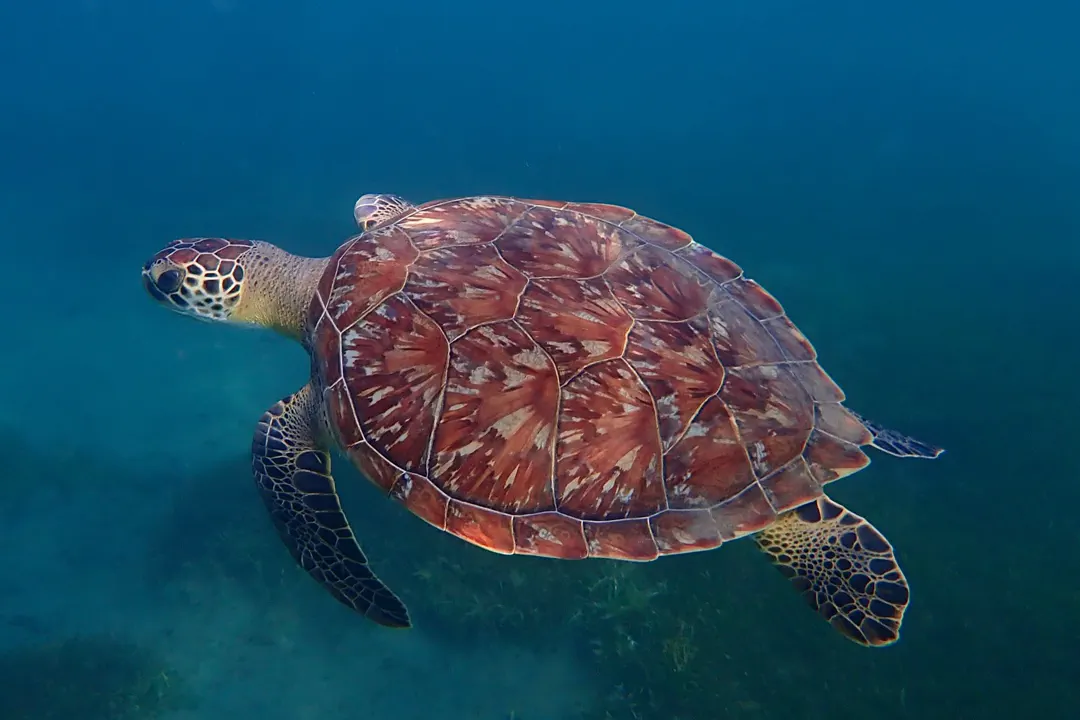
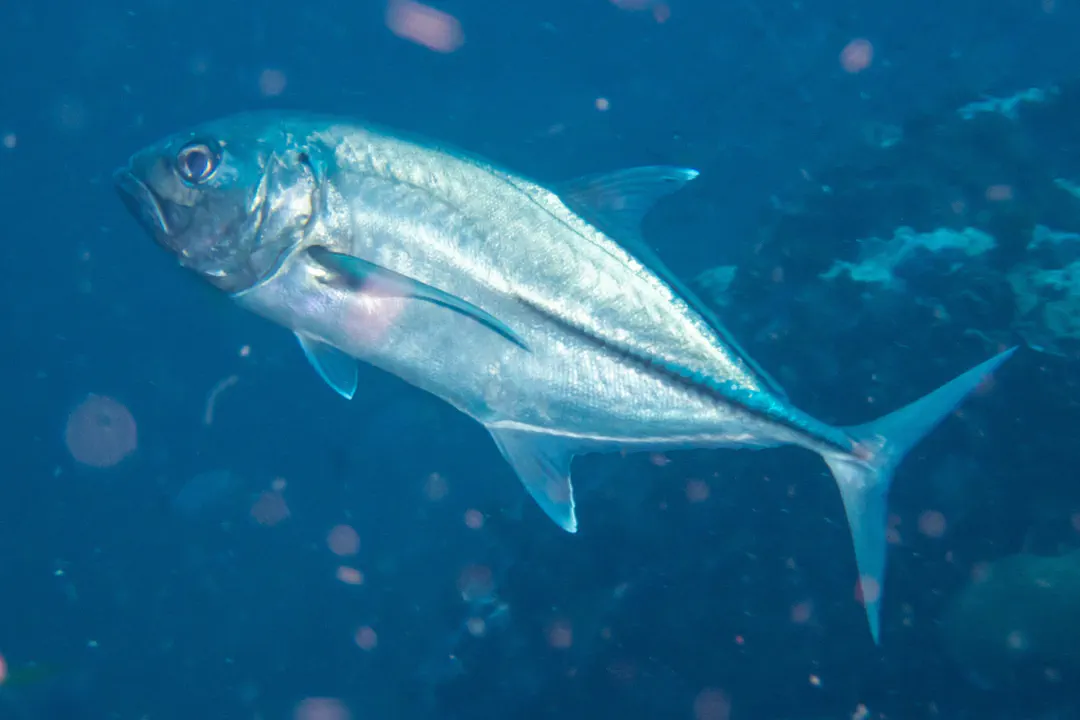
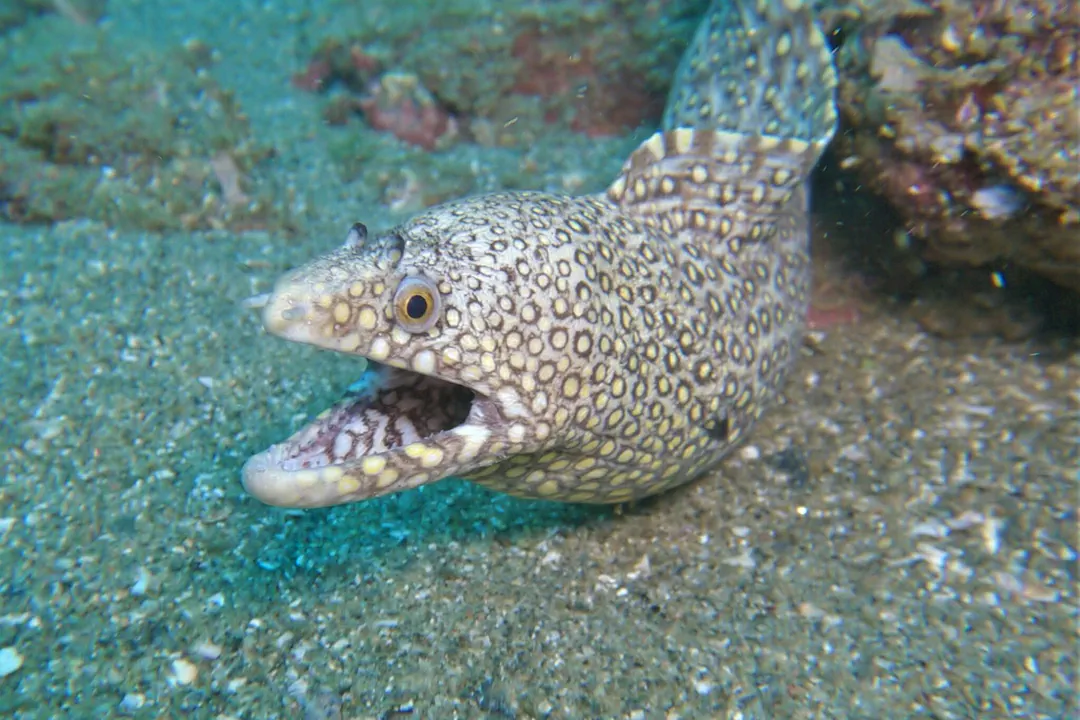
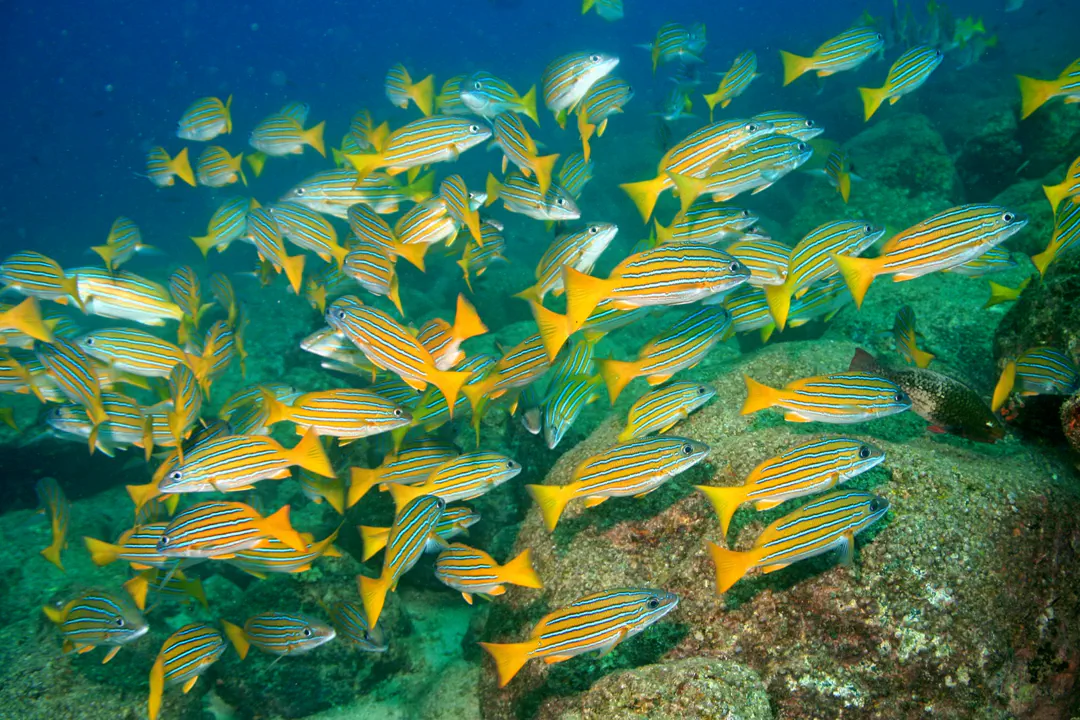
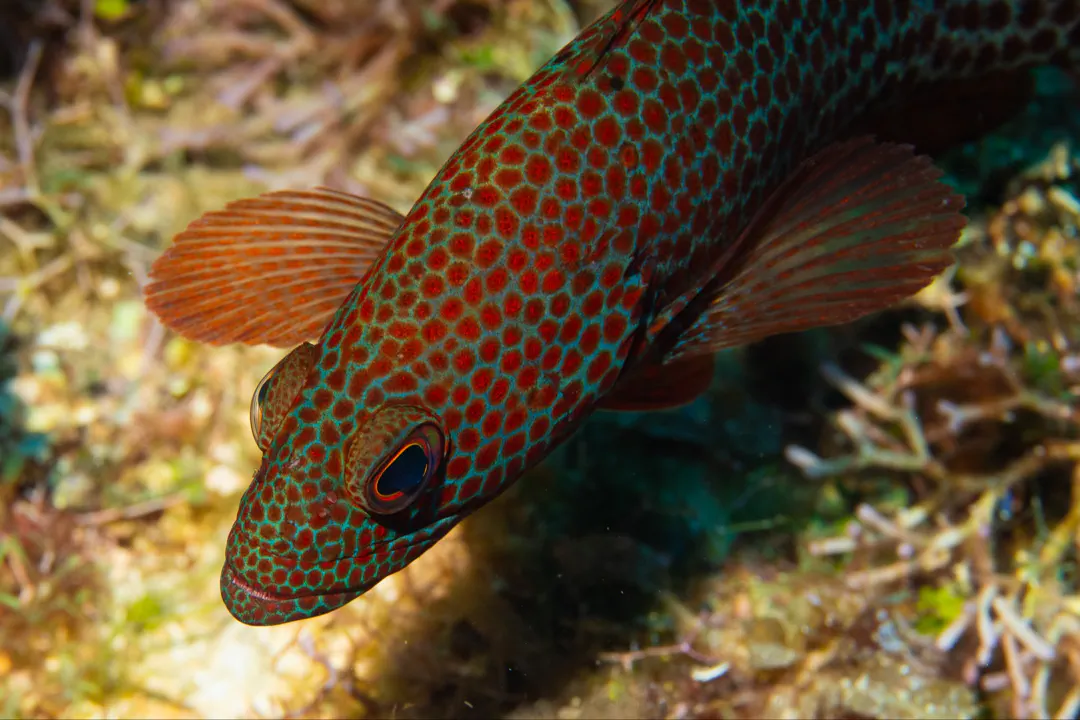
According to summaries by Smithsonian Ocean, the biomass recovery inside Cabo Pulmo reached levels comparable to remote, unfished coral reefs. Divers descending onto the shallow hard coral reefs encounter dense tornadoes of bigeye trevally that block out surface sunlight. Large yellow snapper, leopard grouper, and bull sharks patrol the reef perimeter alongside sea turtles and moray eels.
Dives are launched from pangas directly from the beach, with short transit times to reef sites like El Bajo and Los Arbolitos. Currents range from mild to moderate, making the park accessible to most certified divers. Strict daily visitor limits ensure that fish aggregations remain undisturbed by excessive boat traffic.
Depth: 8-25 m. Access: panga boat from Cabo Pulmo beach. Level: Open Water. Best months: June-November.
 © portioidCC BY 4.0 · iNaturalist
 © keesgroenendijkCC BY 4.0 · iNaturalist
 © Alberto AlcaláCC BY 4.0 · iNaturalist
 © LASZLO ILYESCC BY 4.0 · iNaturalist
 © seabook.appAll rights reserved
Playa del Carmen (Quintana Roo): seasonal bull shark encounters
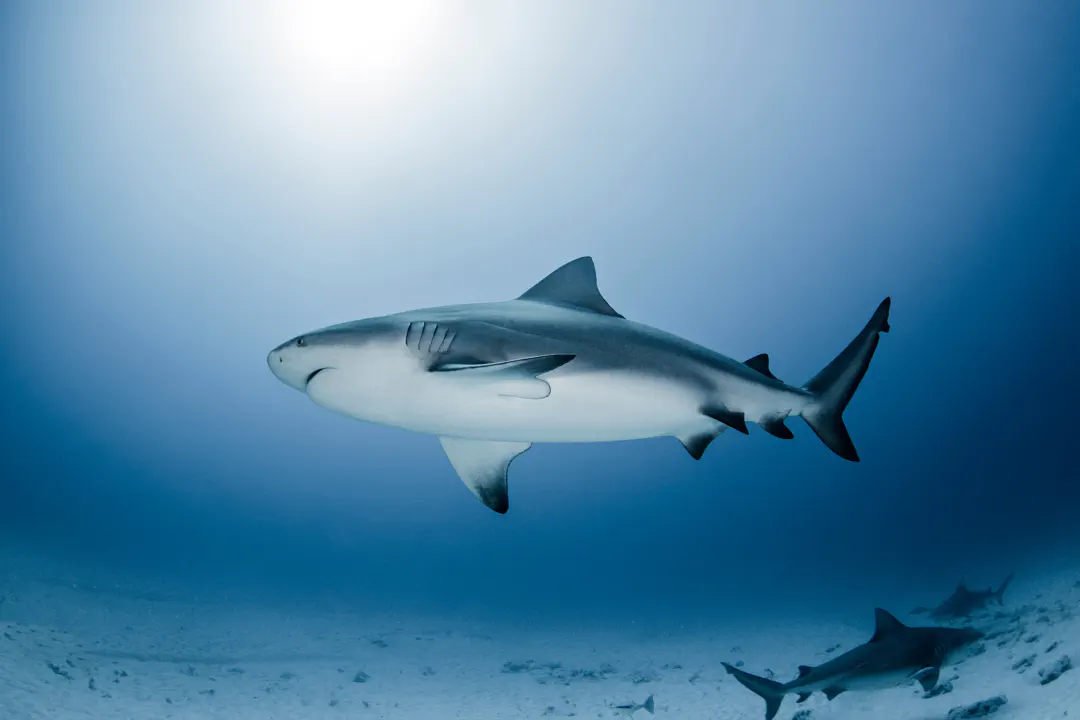
Playa del Carmen offers a specialized apex predator dive on a flat sandy plateau 300 metres off the mainland beach. Every winter, mature female bull sharks gather in these shallow coastal waters to pup and feed. Divers descend to 24 metres along a fixed mooring line and settle onto the sand to observe the sharks moving calmly across the bottom.
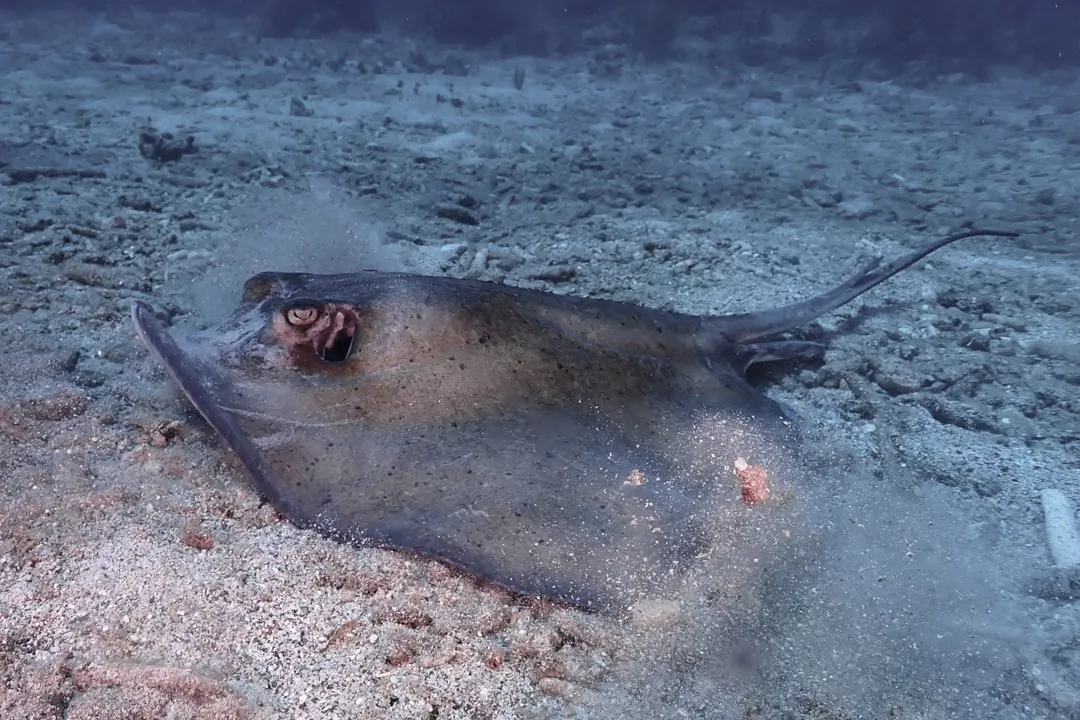
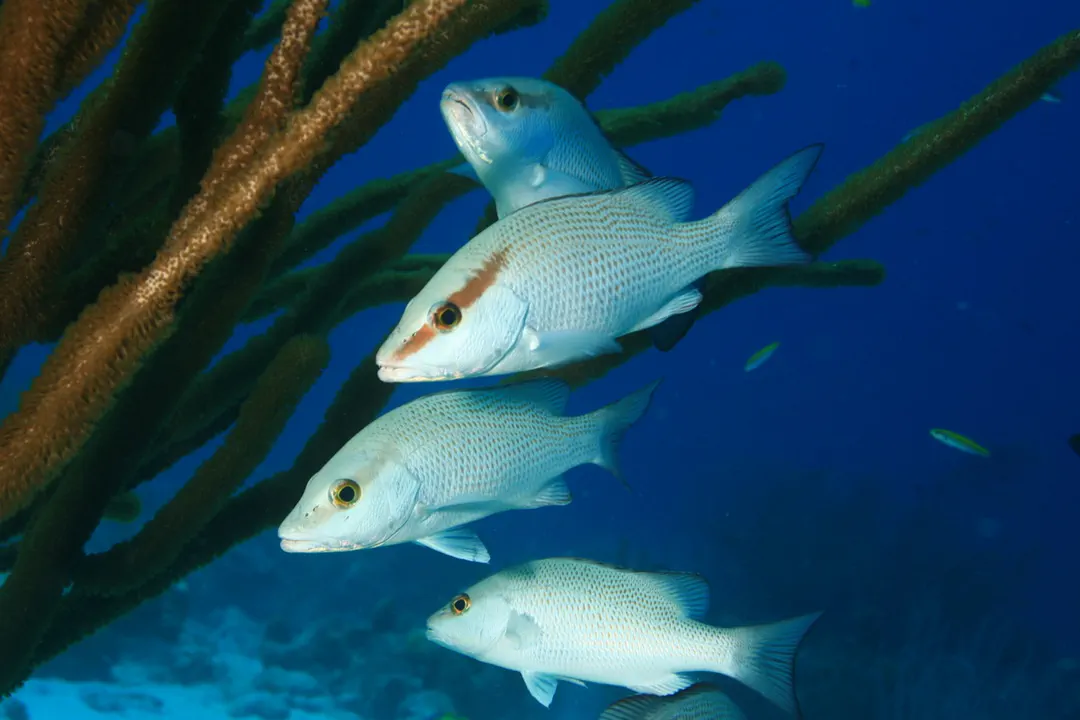
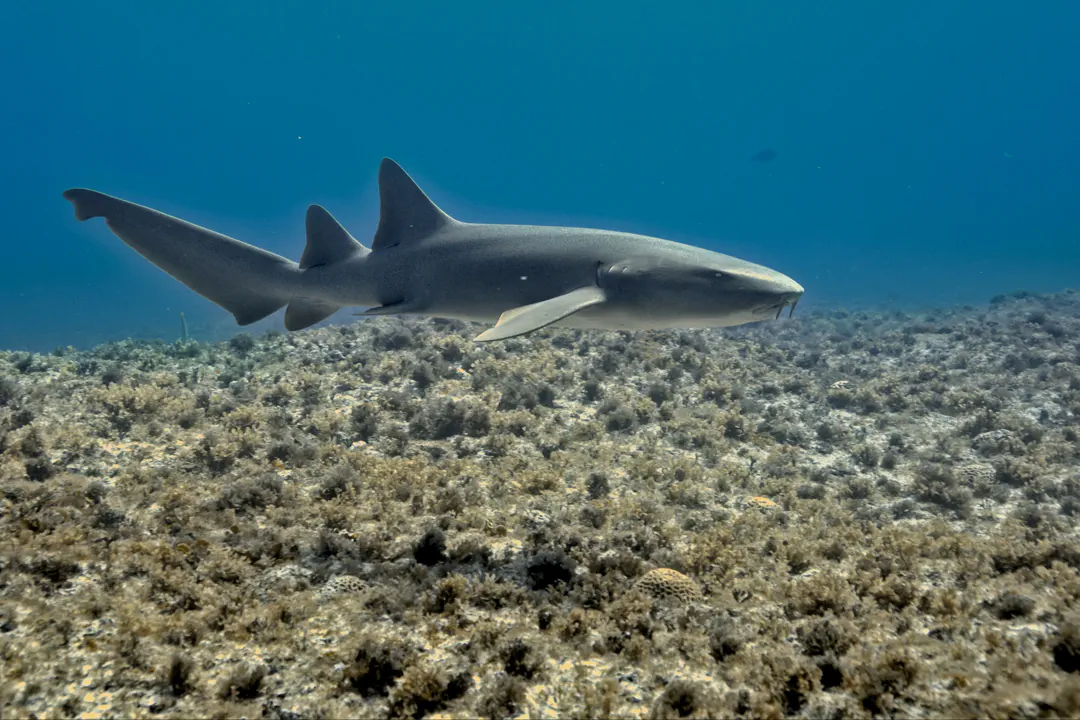
Local operators enforce strict safety procedures during bull shark encounters, requiring full dark exposure suits and zero flash photography. Large female sharks measuring up to three metres pass within feet of stationary divers. Southern stingrays and nurse sharks frequently forage in the sand nearby while gray snappers hover overhead.
The dive site is exposed to open Caribbean swell and occasional bottom currents, making good buoyancy and calm breathing essential. Water temperatures hover around 25°C to 26°C during the peak shark season from November to March. Short boat transits of less than ten minutes make this one of the most accessible shark dives in the region.
Depth: 20-25 m. Access: boat, 5 minutes from Playa del Carmen shore. Level: Advanced Open Water. Best months: November-March.
 © LASZLO ILYESCC BY 4.0 · iNaturalist
 © R VasconcellosCC BY 4.0 · iNaturalist
Los Islotes (La Paz): playful California sea lion colonies
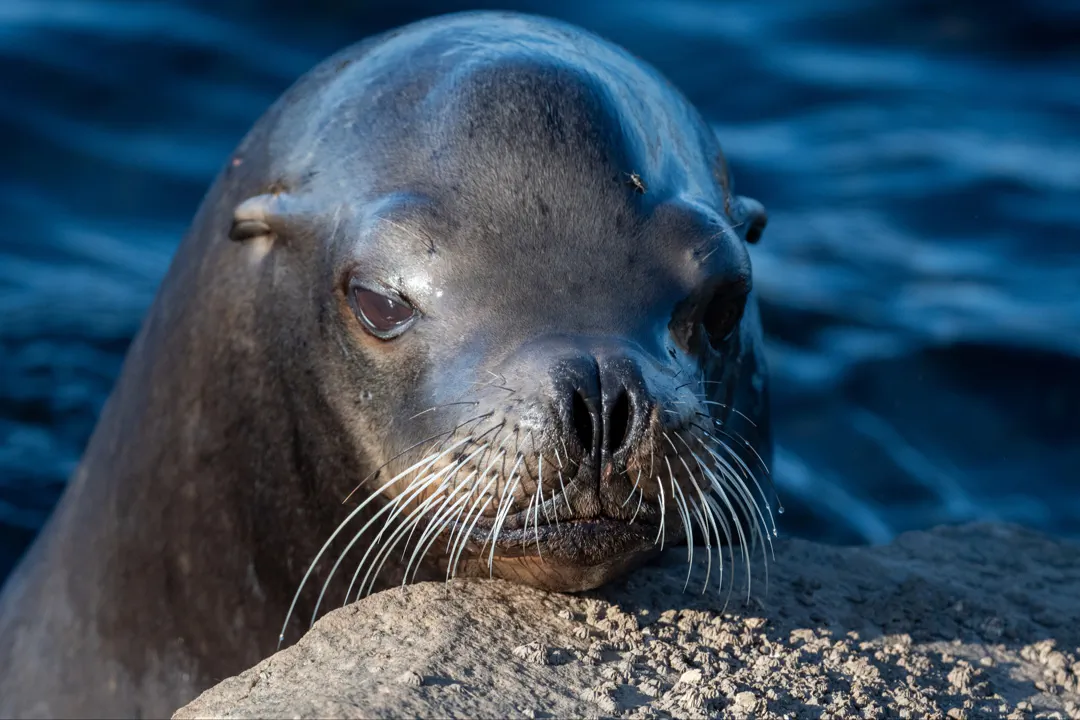
Los Islotes consists of two steep granite islets located at the northern tip of La Paz Bay in the Sea of Cortez. These rocky outcrops host a permanent breeding colony of over 300 California sea lions. Boats anchor in calm shallow coves where divers drop into six to fifteen metres of water surrounded by playful pups and juvenile sea lions.
Young sea lions frequently dive toward visitors, performing acrobatic twists and nipping playfully at diver fins and camera housings. The surrounding granite boulders are covered in hard corals and yellow cup corals that house king angelfish, Mexican hogfish, and zebra moray eels. Schools of yellowtail surge past in the deeper channels between the rocks.
Diving is suitable for all levels due to shallow depths and minimal current inside protected coves. Park rangers strictly enforce seasonal closures during the summer pup-birthing season to protect dominant males and newborns. Water temperatures range from 19°C in winter up to 28°C in late summer.
Depth: 5-18 m. Access: boat, 60 minutes from La Paz marina. Level: Open Water. Best months: September-November.
 © Jonathan EisenCC BY 4.0 · iNaturalist
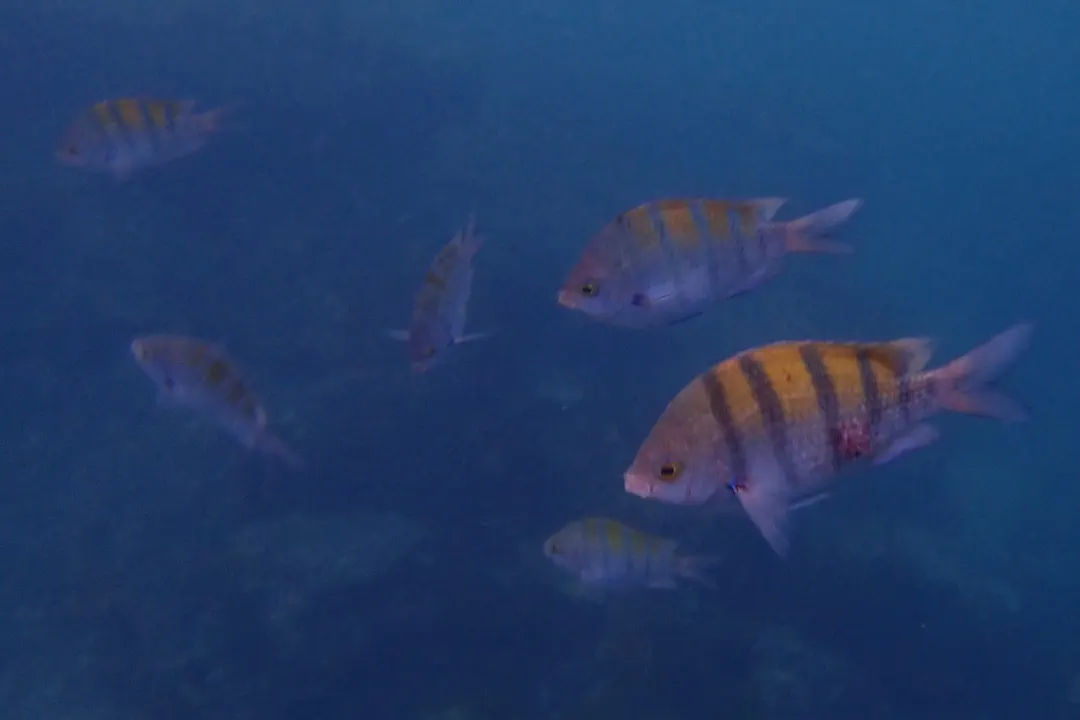 © John G. PhillipsCC BY 4.0 · iNaturalist
 © Paul AsmanCC BY 4.0 · iNaturalist
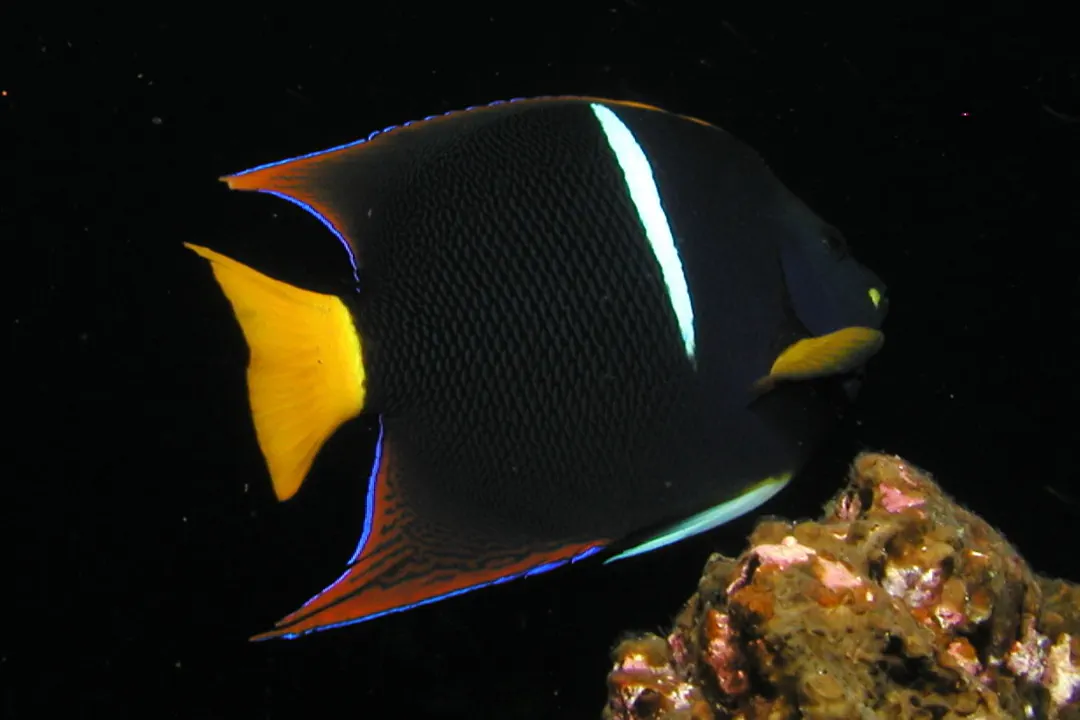 © desertnaturalistCC BY 4.0 · iNaturalist
Marine Life in Mexico
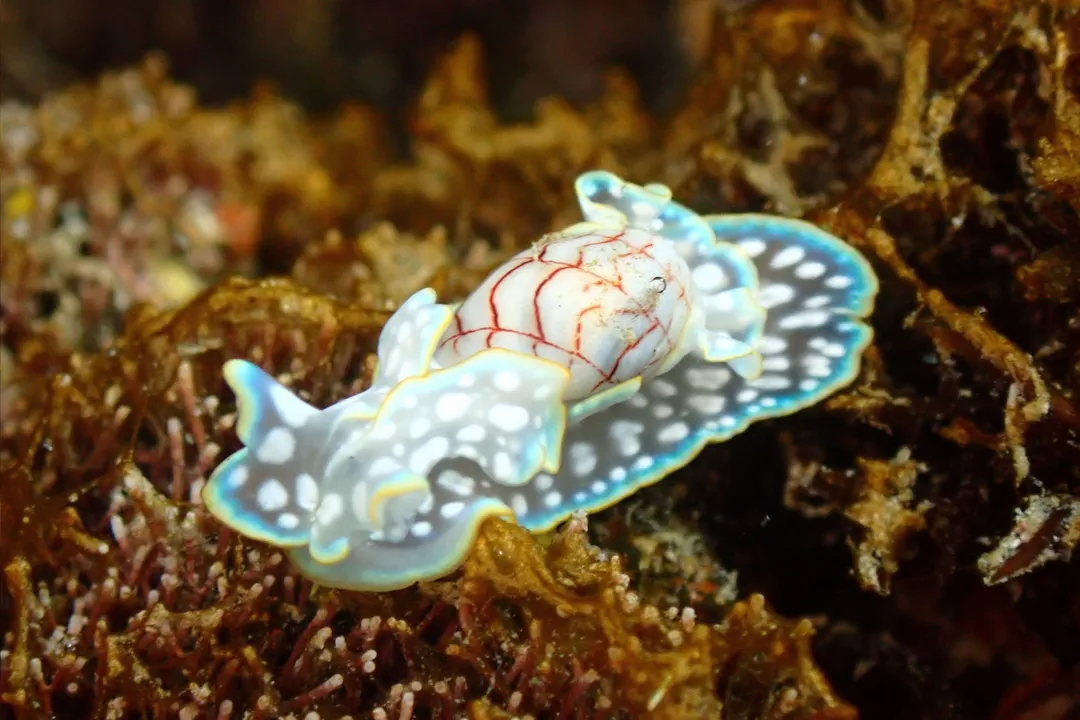
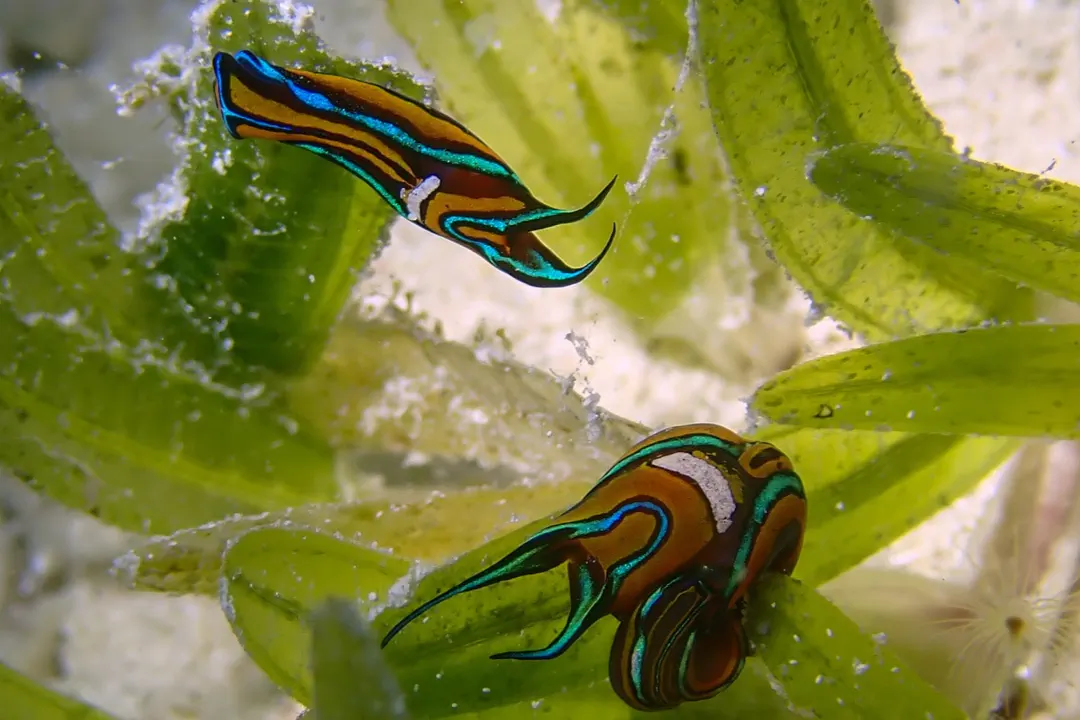
Mexico's dual-ocean positioning results in extraordinary biodiversity spanning macro invertebrates to open-ocean giants. In the Caribbean waters off Cozumel, coral ledges conceal the splendid toadfish (Sanopus splendidus), an endemic species distinguished by its bright yellow fins and broad bearded head. Flame nudibranchs, lettuce sea slugs, and Pederson cleaner shrimp populate shallow coral gardens across the Yucatán coast.
In the Pacific and Sea of Cortez, nutrient-rich currents sustain large marine life including whale sharks, mobula rays, and California sea lions. Schooling pelagics fill the water column, while macro observers can find tiger snake eels, harlequin shrimp, and porcelain crabs tucked into rocky crevices. Logging your sightings with the Seabook app allows you to record unique species across both Caribbean and Pacific ecosystems.
Seasonal migrations bring megafauna aggregations to Mexican shores. Whale sharks aggregate near Isla Mujeres and La Paz to feed on plankton slicks, while giant oceanic manta rays gather at Socorro's underwater pinnacles. Strict marine park regulations protect these species, requiring divers to maintain respectful distances and refrain from touching wildlife.
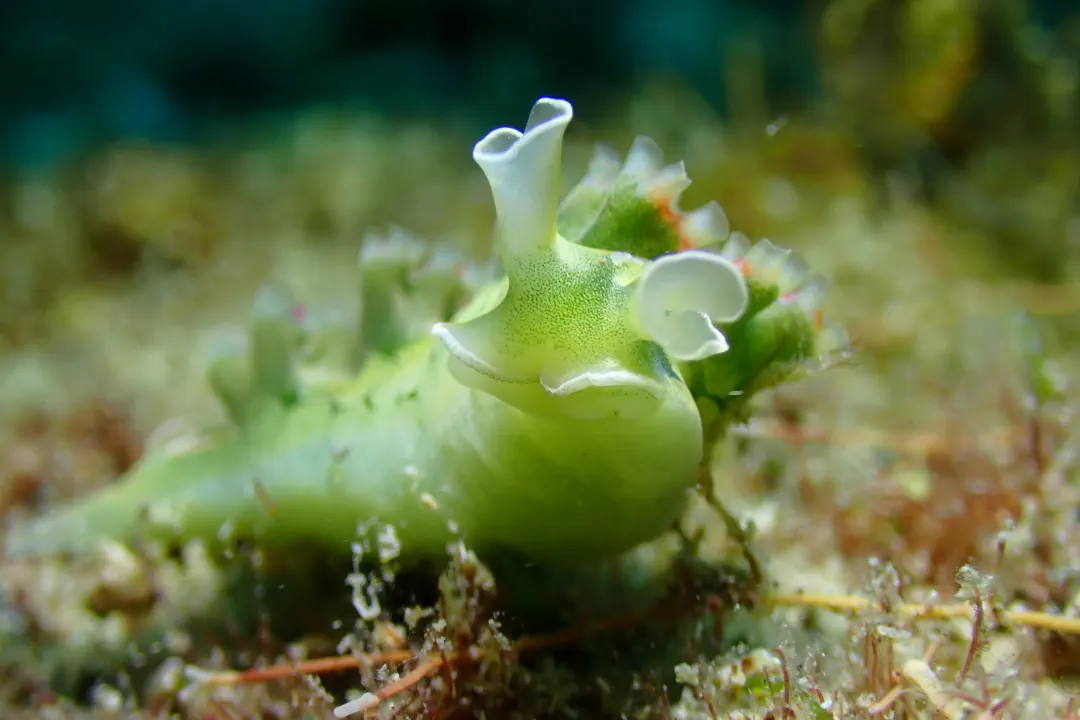 © Robin WhiteCC BY 4.0 · iNaturalist
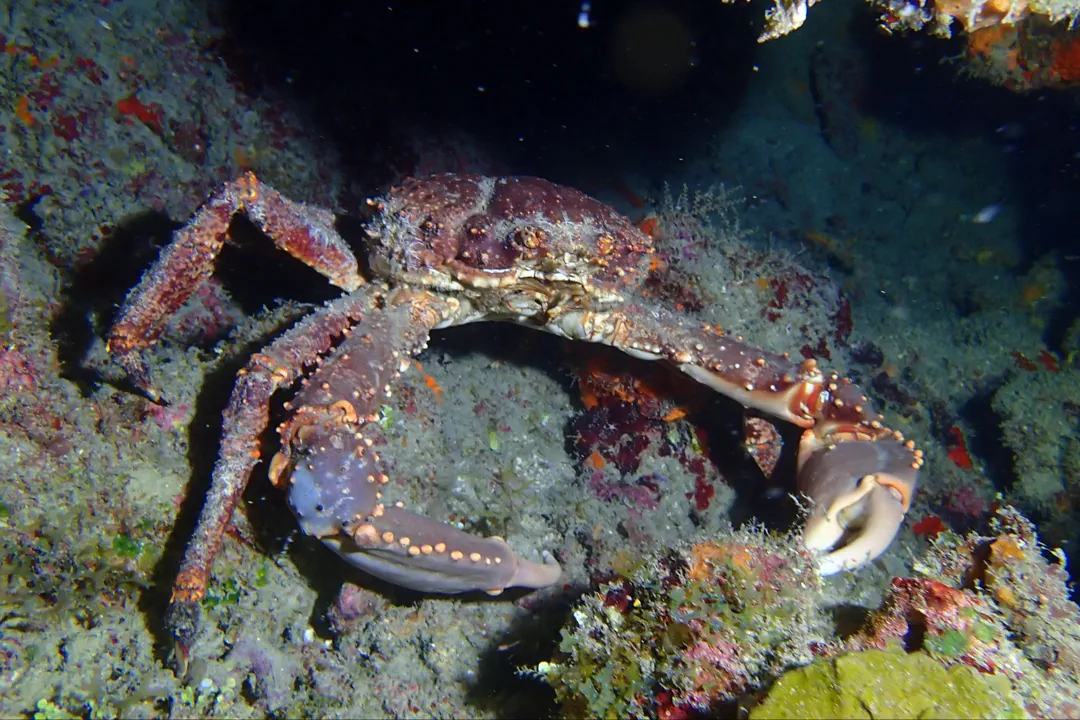 © Robin WhiteCC BY 4.0 · iNaturalist
 © Robin WhiteCC BY 4.0 · iNaturalist
 © cello caruso-turielloCC BY 4.0 · iNaturalist
 © Ben JobsonCC BY 4.0 · iNaturalist
 © Dan SchofieldCC BY 4.0 · iNaturalist
Is Mexico Good for Beginners and Snorkellers?
Mexico provides options for novice divers and snorkellers, provided destination choices match skill levels. Shallow fringing reefs along Cozumel and the Riviera Maya offer warm, current-free environments with light surface conditions. Guided intro dives and Open Water training courses thrive in these calm Caribbean bays.
Snorkellers can enjoy sightings without wearing scuba gear. Seasonal whale shark tours off Isla Mujeres and La Paz take place entirely at the surface in shallow water. Additionally, surface swimming in open cenotes like Cenote Azul or Dos Ojos allows non-divers to admire subterranean rock formations and crystal freshwater in complete safety.
However, certain Mexican dive regions are unsuitable for beginners. Offshore destinations like Socorro and Roca Partida involve open-ocean swells, deep descents, and powerful currents that demand Advanced Open Water certification and confidence in blue water. Similarly, exploring deep cenote caverns requires precise buoyancy control to prevent sediment disturbance and overhead hazards.
Getting There and Practical Tips
Travel logistics depend on whether your itinerary targets the Caribbean or Pacific side. Cancún International Airport serves as the primary gateway for Riviera Maya cenotes and Cozumel, with frequent ferry connections running from Playa del Carmen to Cozumel island. For Pacific destinations, San José del Cabo and La Paz airports provide direct access to Baja California and liveaboard departure ports.
Diving permits and marine park fees vary by location across Mexico. Visitors to Cozumel, Cabo Pulmo, and Socorro must purchase daily or trip-based park wristbands that directly support local conservation and ranger patrols. Socorro liveaboards require long-distance sea voyages lasting 8 to 10 days, so booking 9 to 12 months in advance is essential.
Thermal protection gear should be tailored to your specific destination. Pack a 3 mm wetsuit for Caribbean reef diving, but upgrade to a 5 mm or 7 mm suit when diving freshwater cenotes or winter waters in the Sea of Cortez. Always carry a surface marker buoy, dive computer, reel, and dive insurance that covers emergency hyperbaric treatment and remote evacuation.
Questions
Are there sharks in Mexico?
Yes. Mexico supports bull sharks near Playa del Carmen, whale sharks in seasonal feeding areas including the northern Caribbean and Gulf of California, hammerheads and silky sharks around the Revillagigedo Archipelago, and several reef-shark species in the Caribbean and Pacific. Sightings are seasonal and site-specific, so no species should be presented as guaranteed on every trip.
Is it dangerous to dive in cenotes?
Cenote diving is manageable when it stays within a properly guided cavern environment, but overhead surroundings create hazards that do not exist on an open reef. Divers need stable buoyancy, a continuous guideline, direct daylight access on cavern tours, appropriate gas reserves, and specialized cave training before entering fully overhead passages; they should also avoid disturbing fragile formations and sediment.
How warm is the water in Mexico in winter?
Caribbean seawater around Cozumel and the Riviera Maya commonly remains about 25–27°C during winter, although short-term weather can alter conditions. The Gulf of California and Pacific coast are more variable: winter water can fall to roughly 18–22°C in parts of Baja, while protected La Paz sites may differ from exposed locations on the same day.
Do I need a liveaboard to dive Socorro?
For the Revillagigedo Archipelago, including Socorro and Roca Partida, a liveaboard is the normal practical option because the islands are roughly 400 km southwest of Cabo San Lucas and require long crossings. Trips commonly run about 8–10 days, with diving conducted under national-park regulations and subject to weather, sea state, currents, and wildlife conditions.
What fish can you see in Cozumel?
Cozumel's reefs support grunts, snappers, parrotfish, angelfish, damselfish, groupers, morays, cleaner shrimp, and Caribbean reef squid. Divers may also encounter spotted eagle rays and nurse sharks, while the endemic splendid toadfish is a sought-after but cryptic species rather than a guaranteed sighting.
Can beginners dive in Mexico?
Yes, provided the site matches their training and experience. Shallow Caribbean reefs and selected protected bays can suit beginners, whereas cenote caverns require a guided cavern qualification or appropriate supervision, and Socorro, Roca Partida, deep walls, and strong-current sites are better suited to experienced divers.