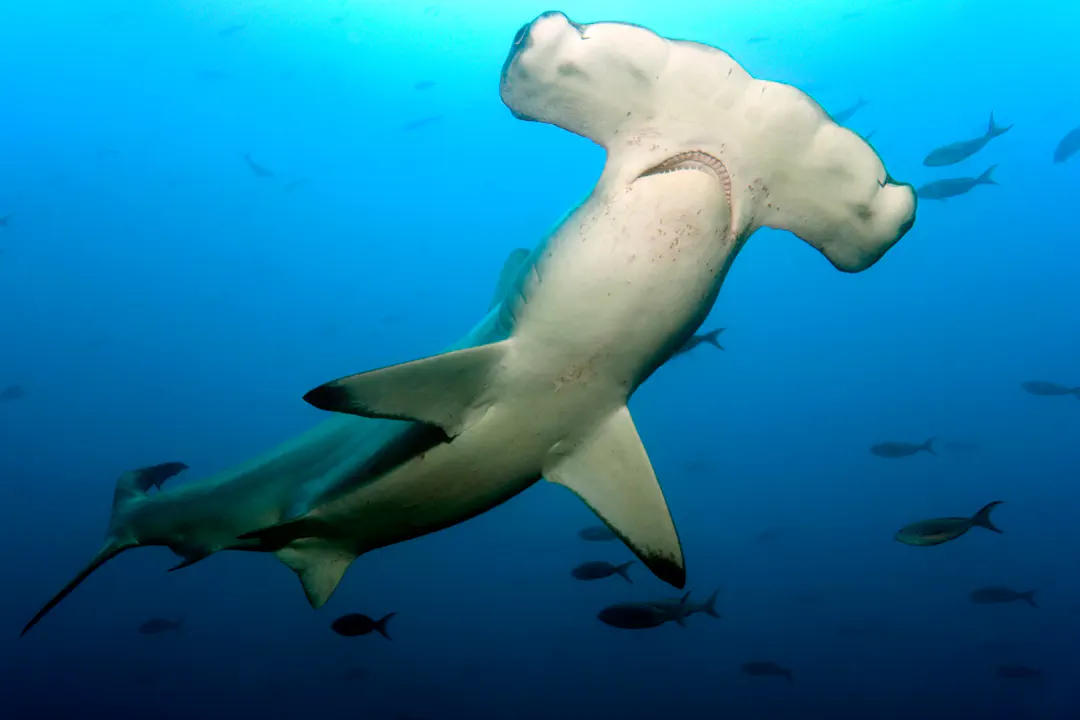
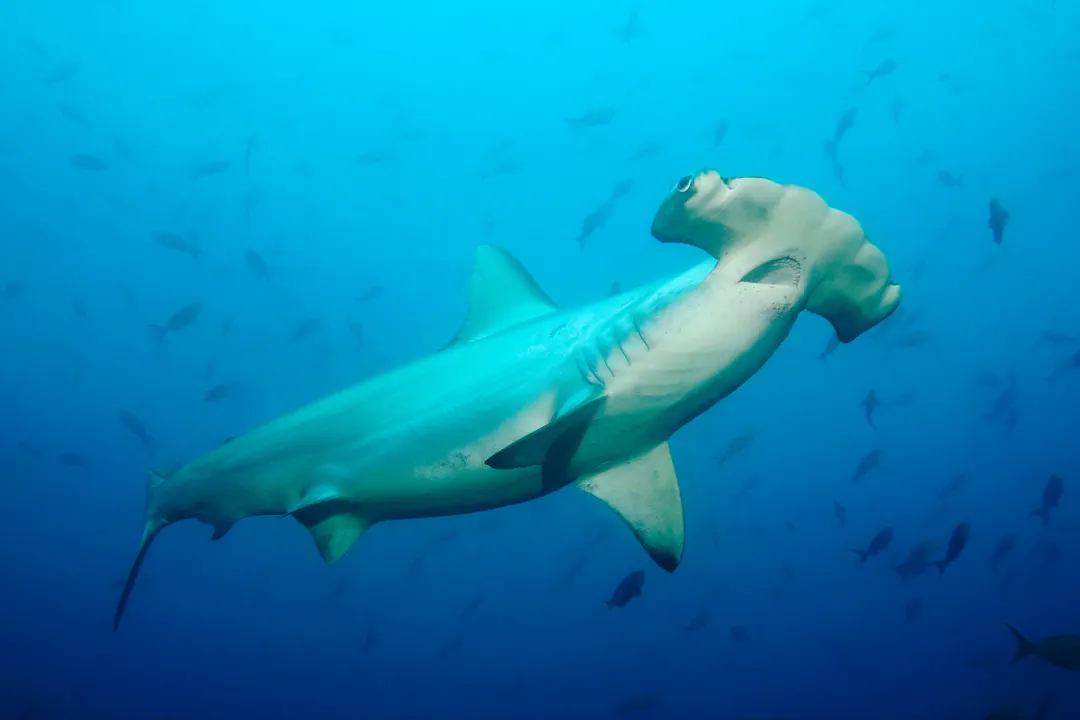
At Bajo Alcyone, a submerged pinnacle off Cocos Island, the ocean's blue deepens to an almost indigo hue at 30 meters. A swirling vortex of over 100 Scalloped Hammerhead Sharks, their distinctive cephalofoil heads silhouetted against the filtered light, sweeps over the volcanic rock. They move with an ancient, synchronized rhythm, a living current within the steady pull of the Pacific's thermocline.
This spectacle hints at the vast marine ecosystems extending from Costa Rica's shores. Flanked by both the nutrient-rich Pacific Ocean and the warmer Caribbean Sea, this Central American nation hosts over 1,000 species of marine fish and 40 distinct coral species. It's a testament to the country's ecological significance, harboring roughly 5% of the world's estimated species within just 0.03% of Earth's landmass.
The nation's famed 'Pura Vida' philosophy, often associated with its lush rainforests, finds an equally profound expression beneath the waves. Here, volcanic seamounts draw pelagic giants, while vibrant coral gardens teem with intricate macro life, offering divers a journey through dramatically different underwater worlds.
A Tale of Two Coasts: Pacific vs. Caribbean
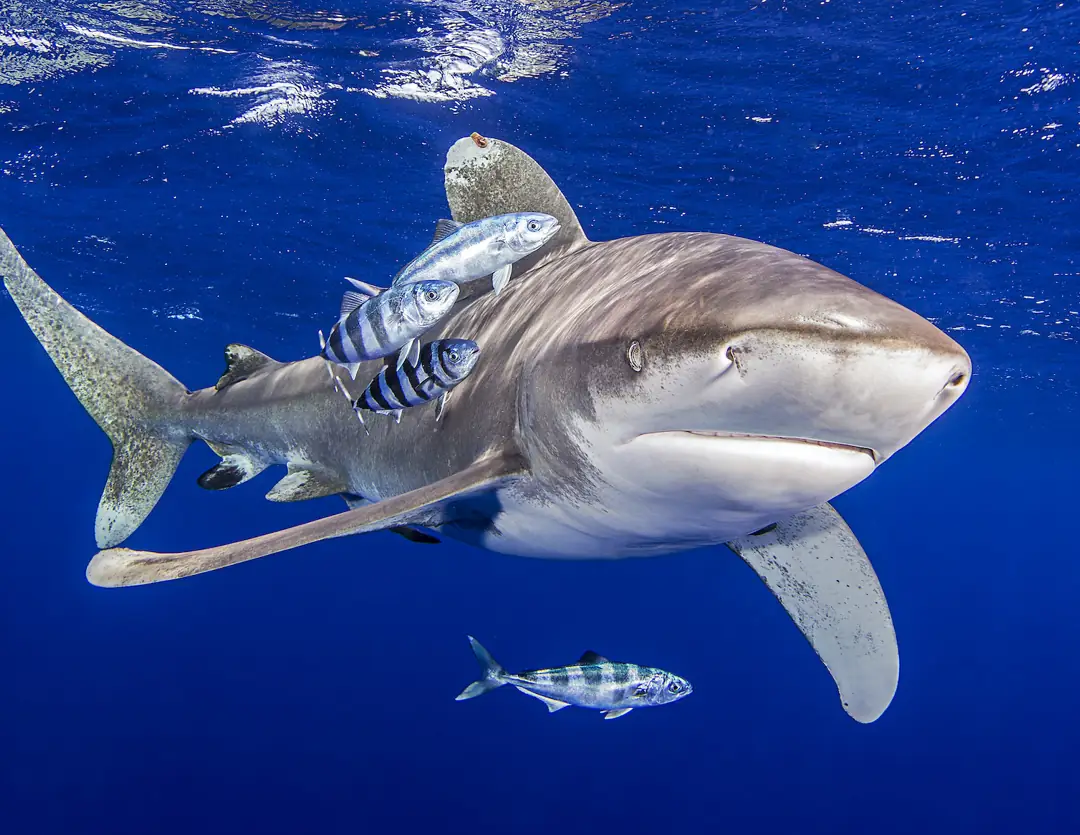
The Pacific coast, driven by the cold, nutrient-rich Cromwell Current, sculpts dramatic volcanic formations and serves as a premier destination for large pelagic encounters. Divers here regularly witness schools of Scalloped Hammerhead Sharks, Oceanic Whitetip Sharks, and Galapagos Sharks, alongside massive Giant Pacific Manta Rays and playful Spinner Dolphins.
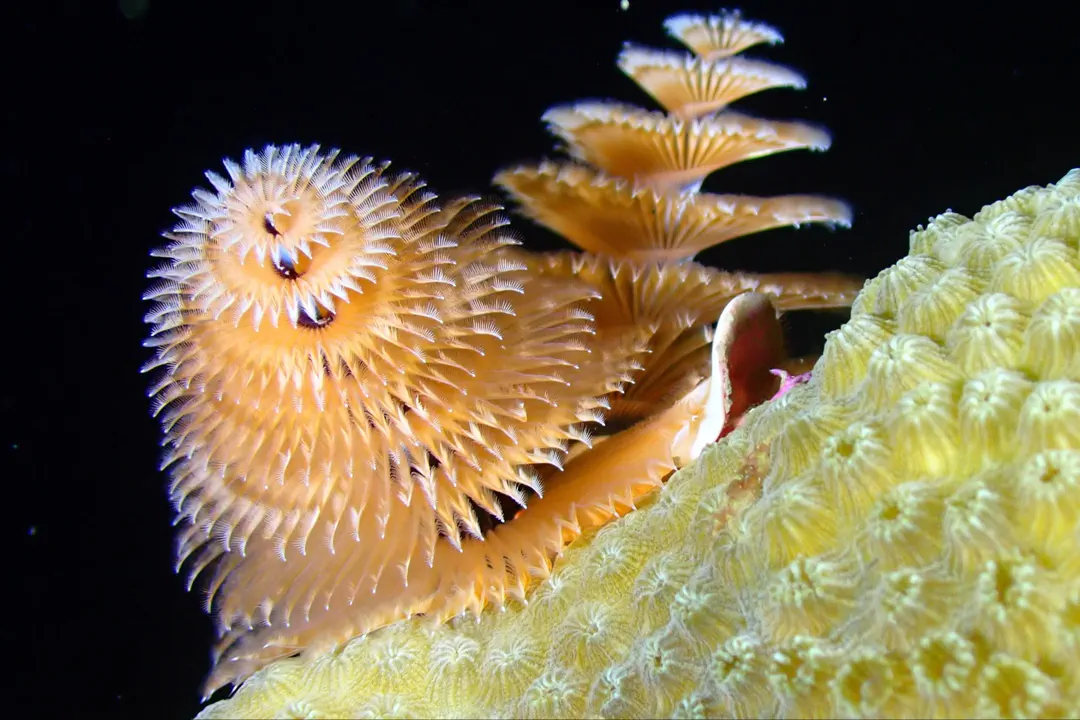
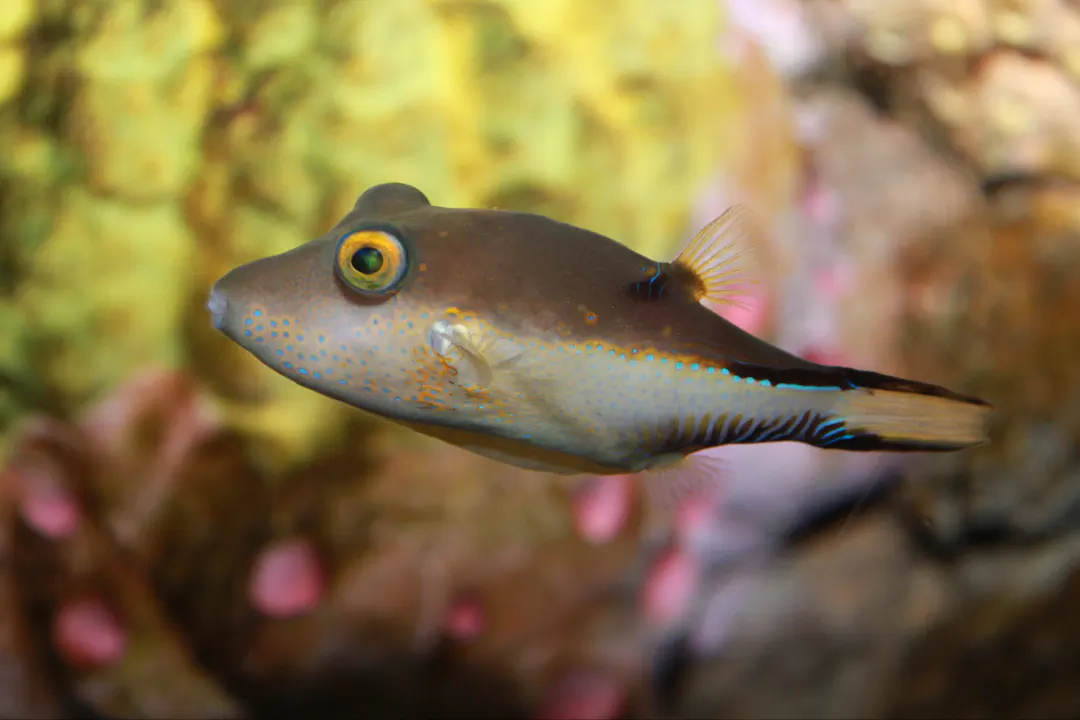
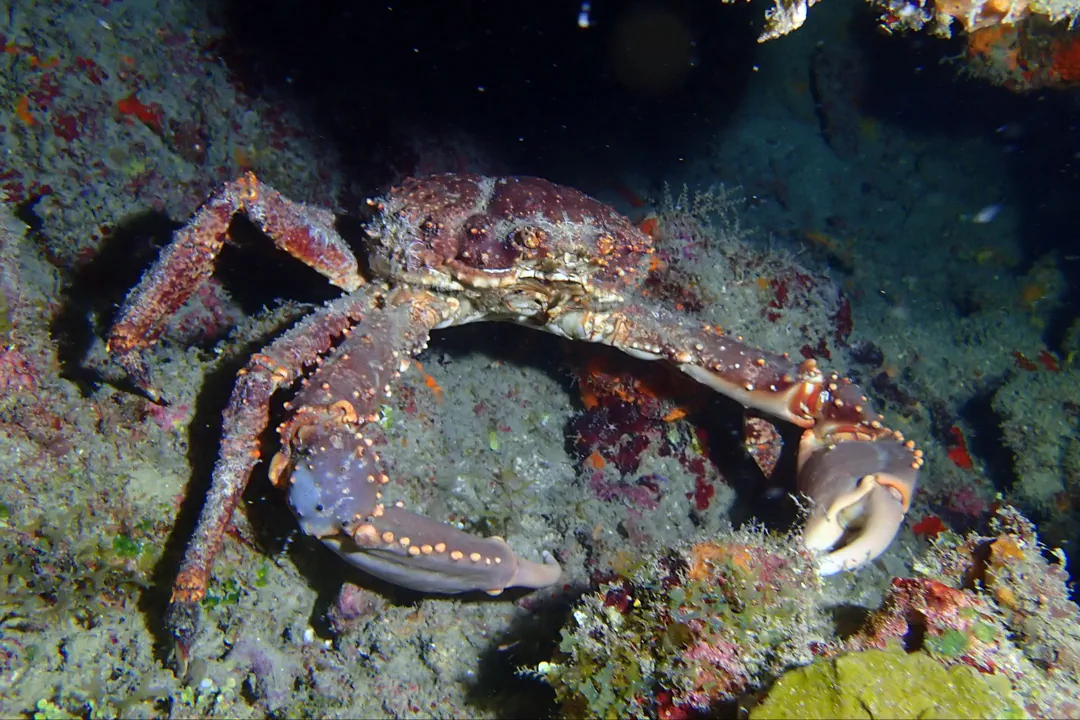
In contrast, the Caribbean side offers warmer waters, consistently averaging 27–29°C (81–84°F), with calmer conditions. This environment is ideal for exploring delicate fringing reefs and unique macro life, such as the Caribbean Christmas Tree Worm. While less frequented by international dive tourists, the Caribbean provides intimate experiences with colorful reef fish, delicate soft corals, and rare crustaceans thriving in its stable, warm environment.
Best Time to Visit for Diving
Diving in Costa Rica is possible throughout the year, but specific seasons favor different experiences and coasts. The Pacific's dry season, from December to May, typically brings calmer seas and clearer visibility, creating prime conditions for spotting large pelagics.
The rainy season, from May to November, can introduce plankton blooms to the Pacific. While this may reduce visibility in some areas, these nutrient-rich waters attract even larger marine life, including the majestic Whale Shark, making it a thrilling time for specific encounters.
Water temperature
Costa Rica, monthly average
Pacific coast near Guanacaste (popular diving area like Catalina Islands), surface water temperatures
Iconic Marine Life Encounters
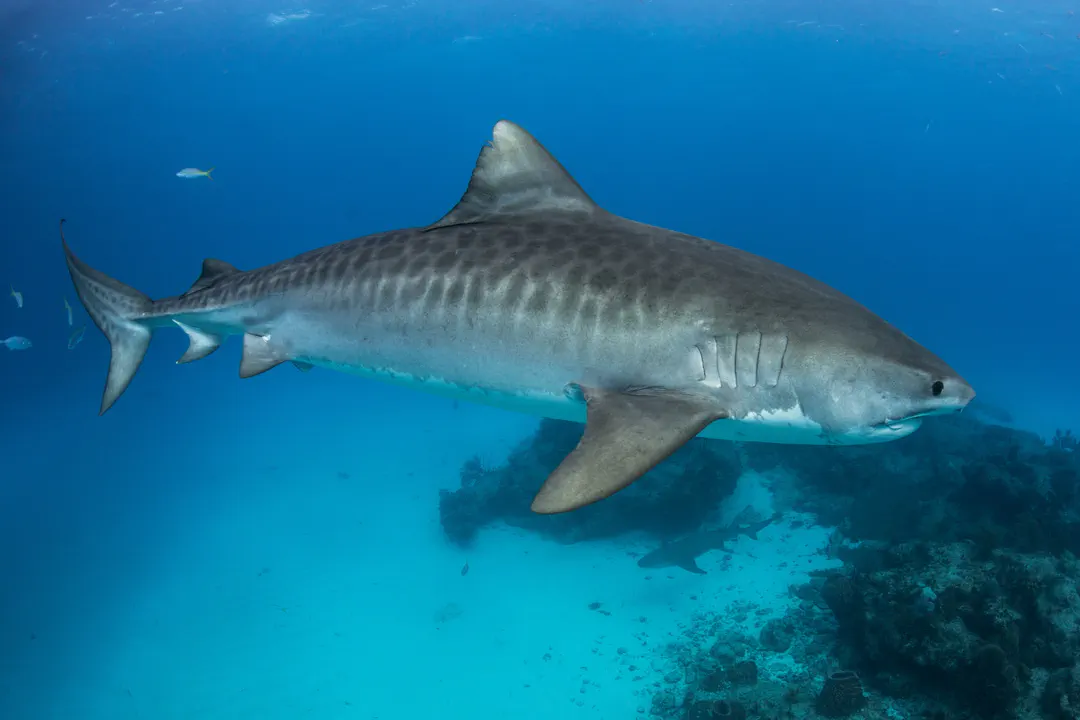
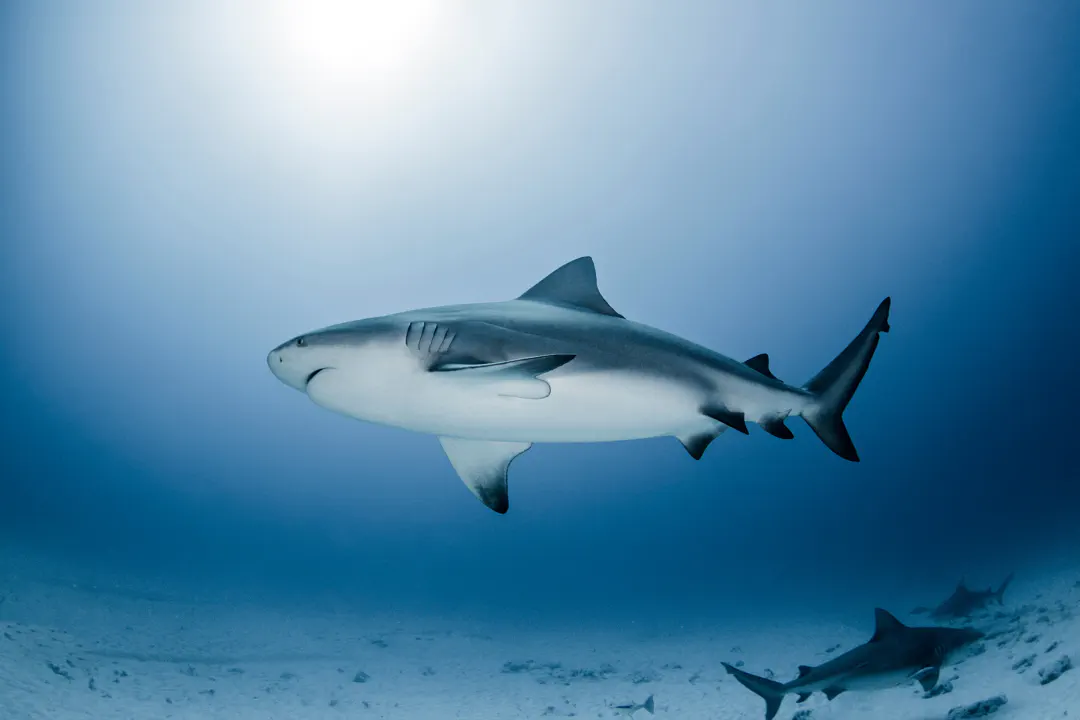
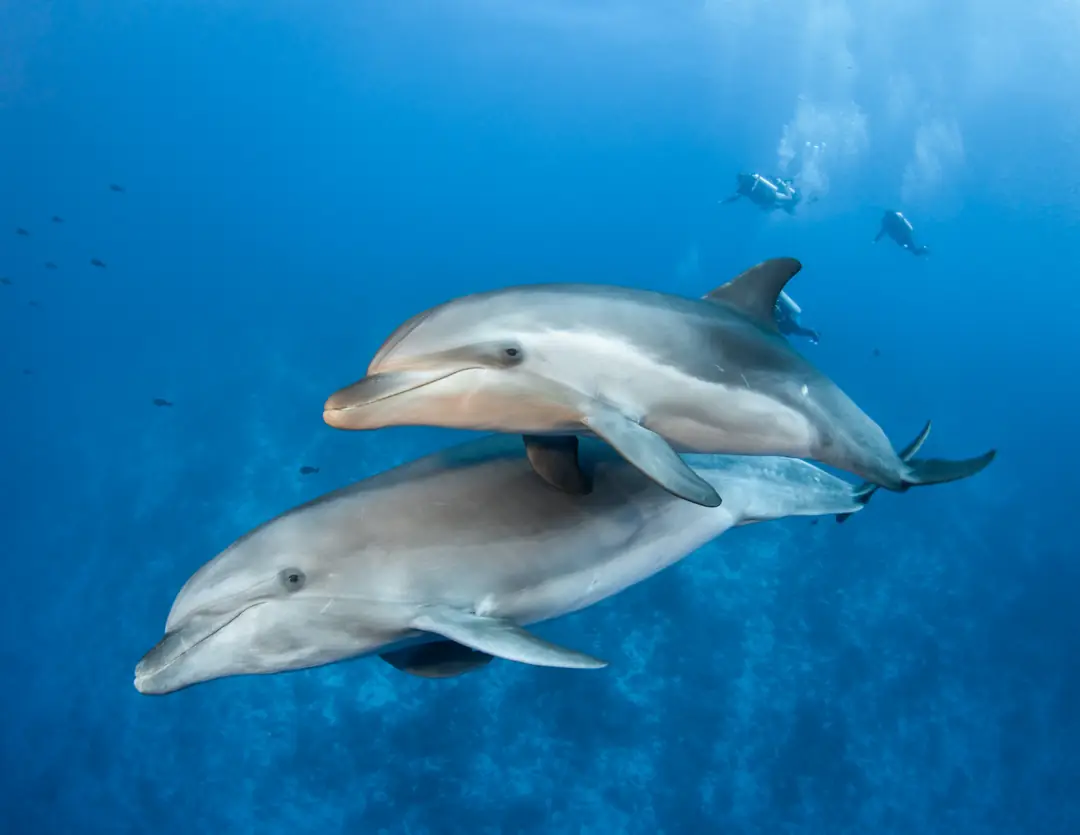
Costa Rica's waters serve as a critical migratory corridor and breeding ground for an extraordinary array of marine biodiversity. On the Pacific side, the open ocean attracts exhilarating encounters with multiple shark species, including the formidable Bull Shark and the majestic Manta Ray, as well as playful pods of Bottlenose Dolphins.
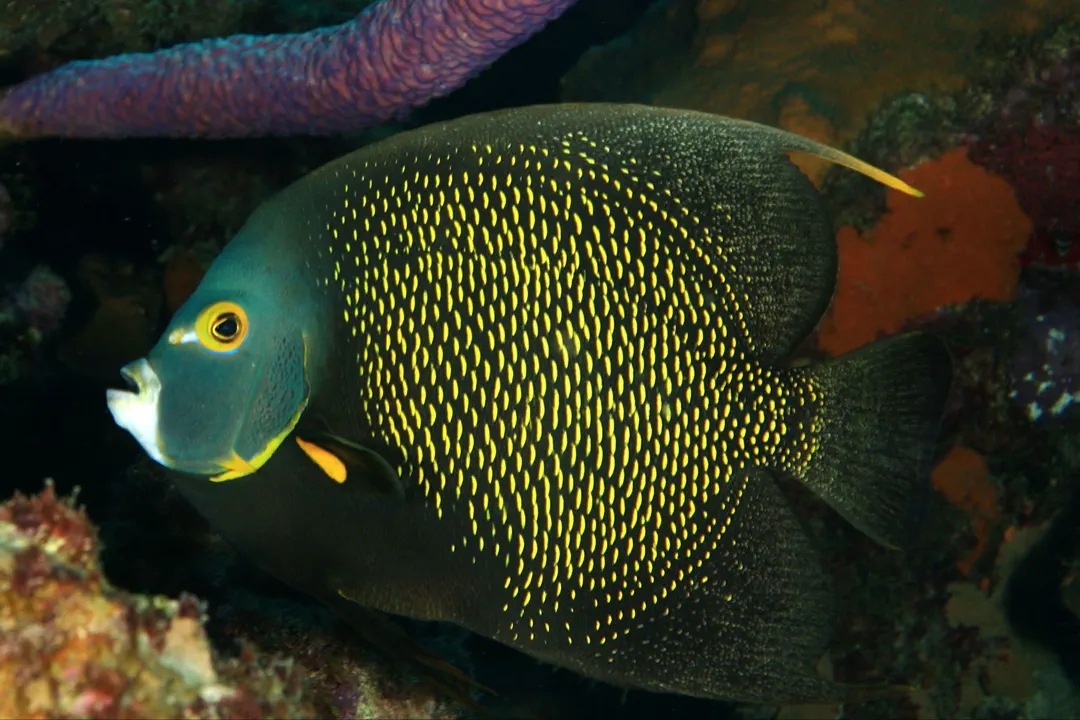
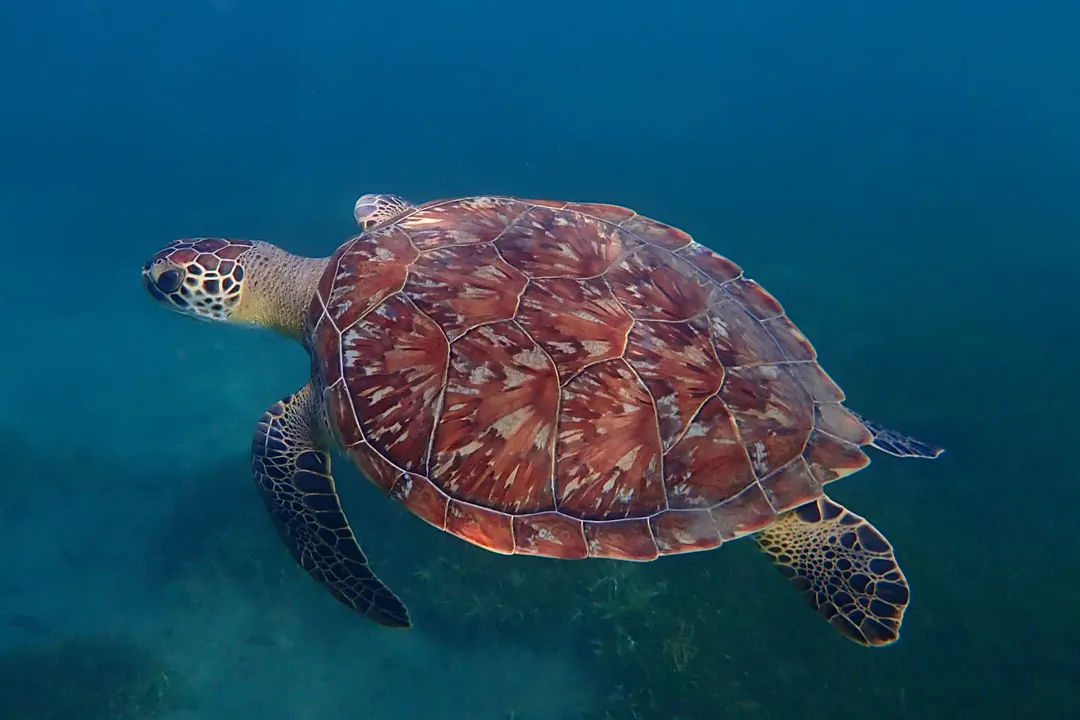
The Caribbean offers a more intimate, macro-focused experience where divers can observe colorful reef fish like the French Angelfish, intricate crustaceans, and delicate hard and soft corals. Both coasts host a mix of resident species, such as the Green Sea Turtle, and migratory visitors like the Whale Shark, which appears seasonally during plankton blooms.
 © seabook.appAll rights reserved
  © seabook.appAll rights reserved
  © seabook.appAll rights reserved
  © seabook.appAll rights reserved
  © seabook.appAll rights reserved
  © seabook.appAll rights reserved
 Top Pacific Dive Sites
Cocos Island National Park (Isla del Coco)
Cocos Island National Park, a UNESCO World Heritage site located 340 miles off the Pacific coast, is the world's most legendary destination for advanced pelagic diving. Known as 'Shark Island,' it hosts the largest population of Scalloped Hammerhead Sharks in the Pacific, with schools of over 100 individuals often seen at depths of 30–50 meters.
The park also protects critical populations of Oceanic Whitetip Sharks, Galapagos Sharks, and Silky Sharks, alongside the elusive Giant Manta Ray. Due to strong currents exceeding 3 knots and deep dive profiles often reaching 40+ meters, this site is strictly reserved for experienced divers with advanced certifications.
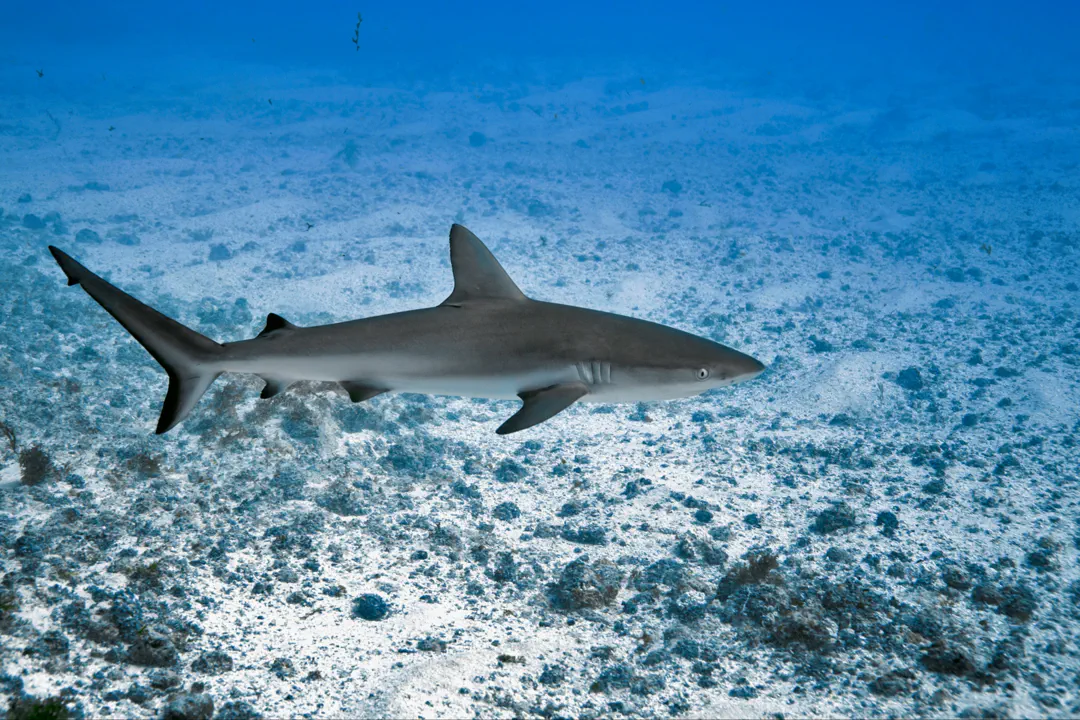 © R VasconcellosCC BY 4.0 · iNaturalist
 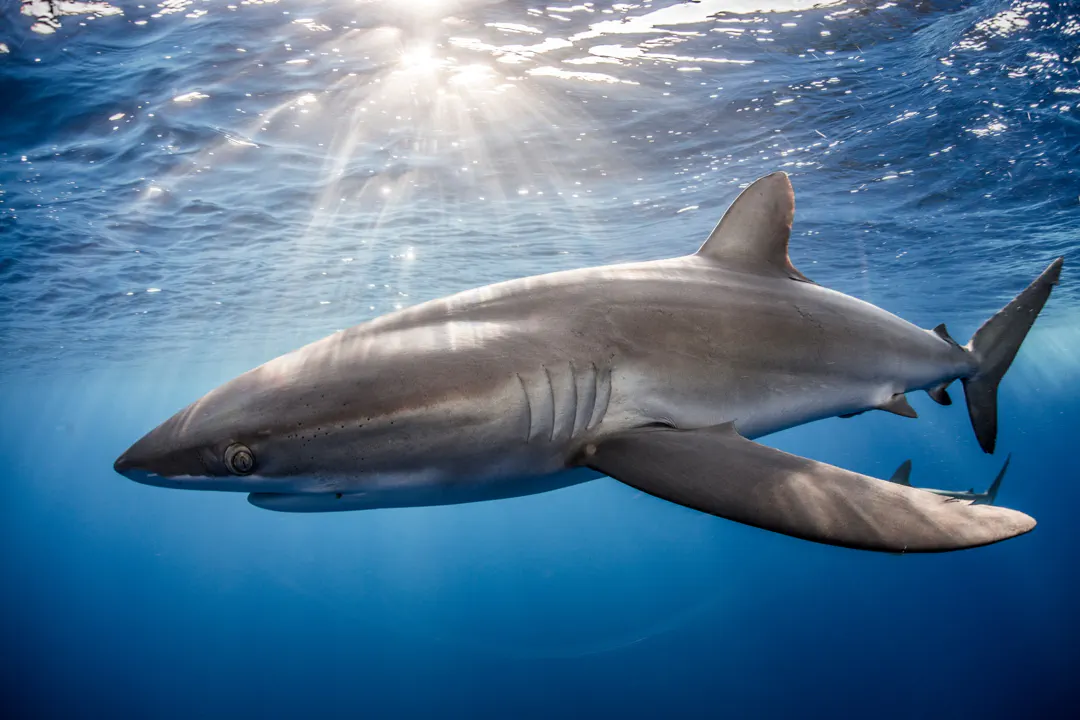 © seabook.appAll rights reserved
 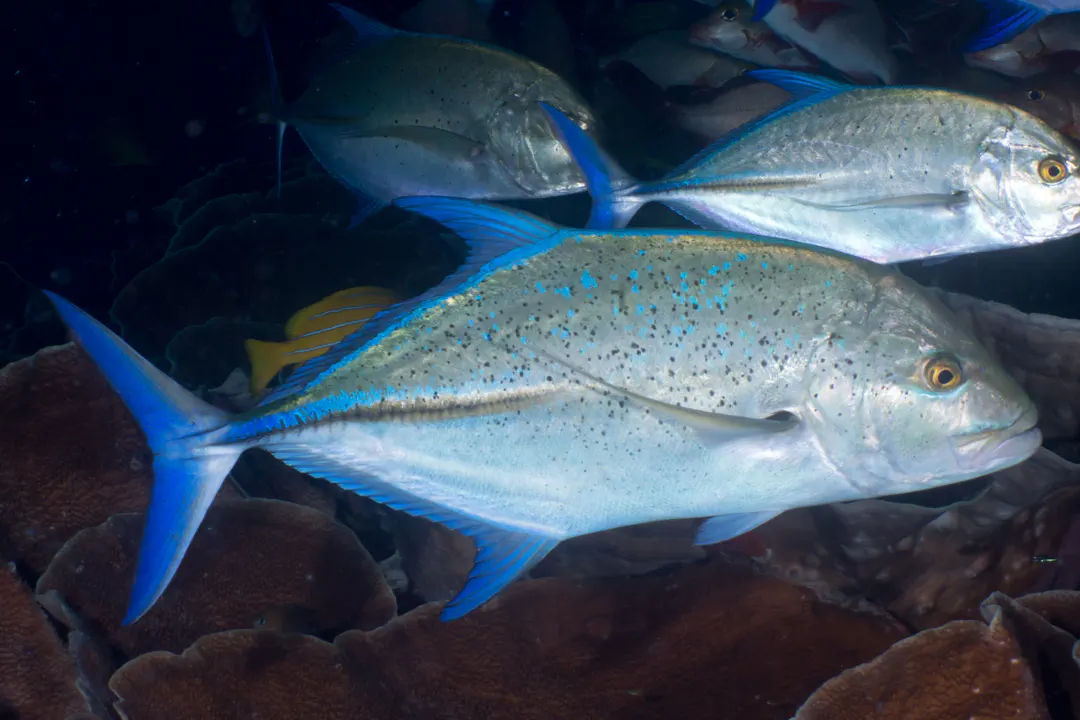 © Rickard ZerpeCC BY 4.0 · iNaturalist
 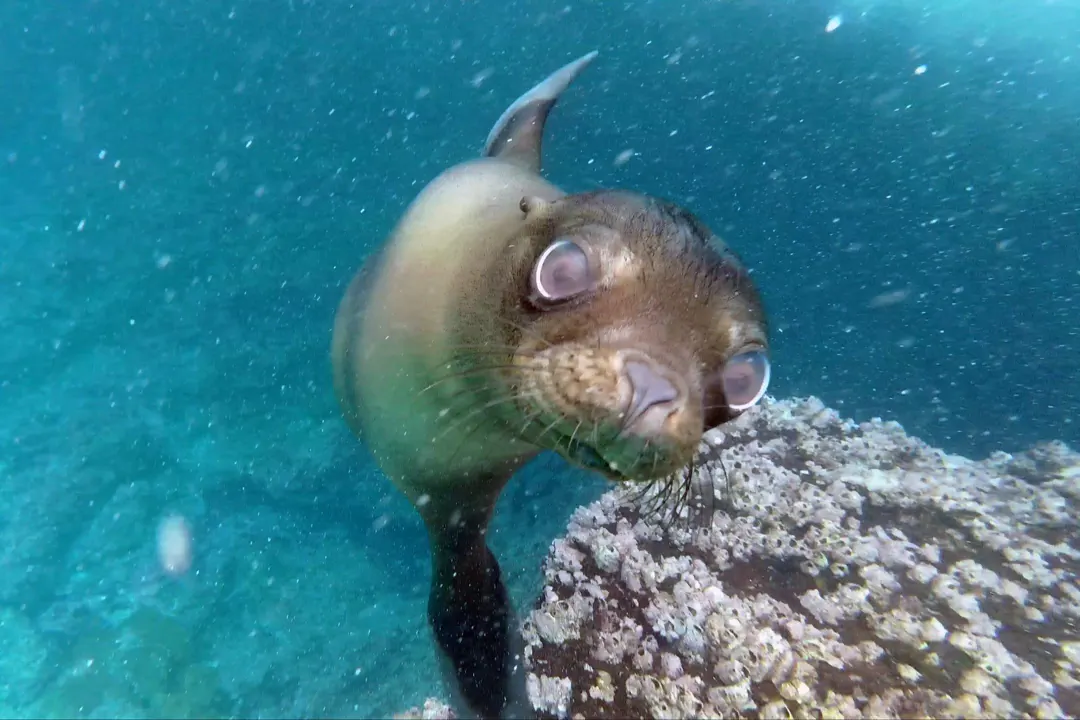 © Kristof ZyskowskiCC BY 4.0 · iNaturalist
 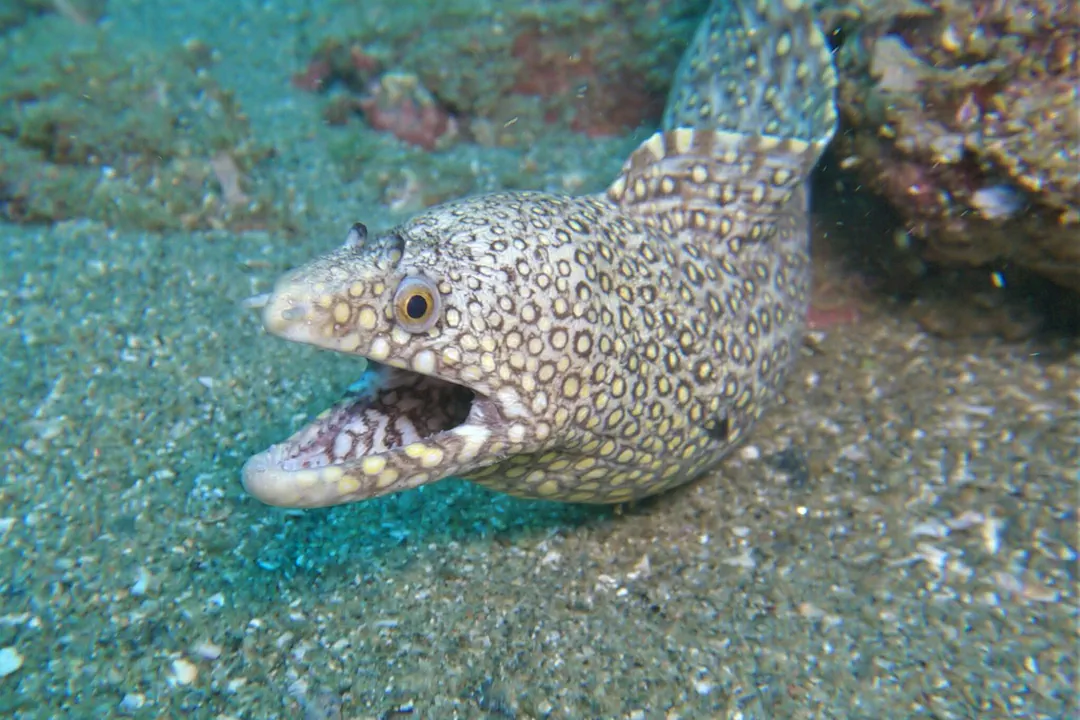 © Alberto AlcaláCC BY 4.0 · iNaturalist
 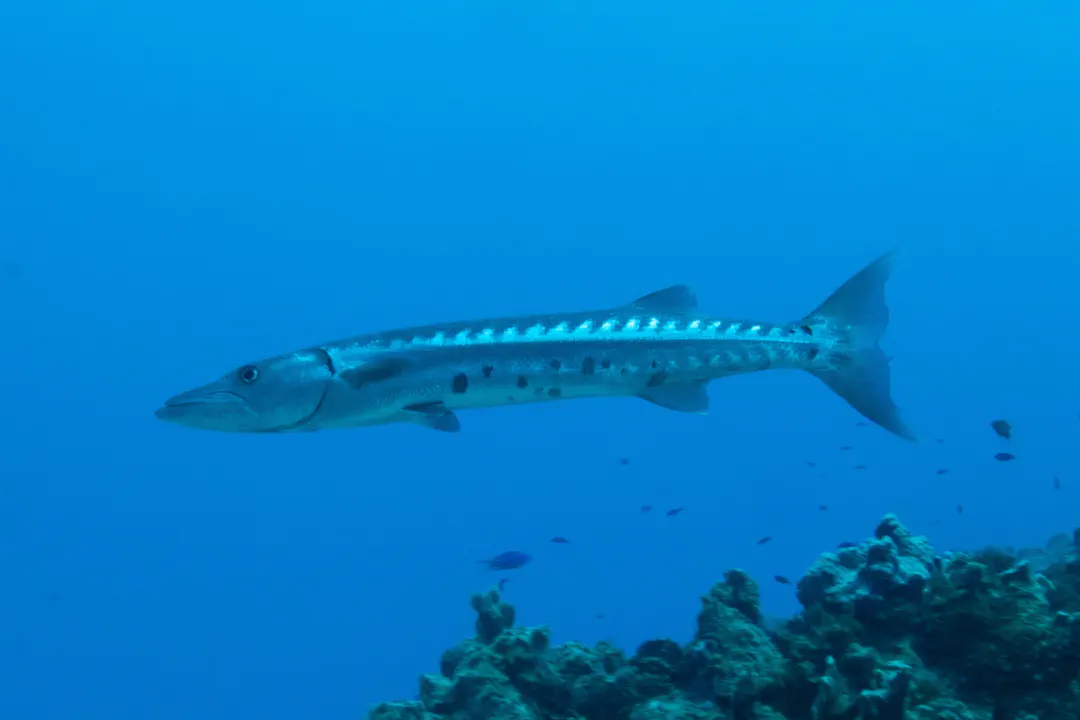 © Dan SchofieldCC BY 4.0 · iNaturalist
 Catalina Islands (Islas Catalina)
The Catalina Islands, situated off the coast of Guanacaste, are globally renowned for their resident population of Giant Pacific Manta Rays, with peak sightings occurring from November to May. During these months, divers can witness mantas up to 7 meters wide feeding on plankton or engaging in courtship behaviors near the volcanic rock formations.
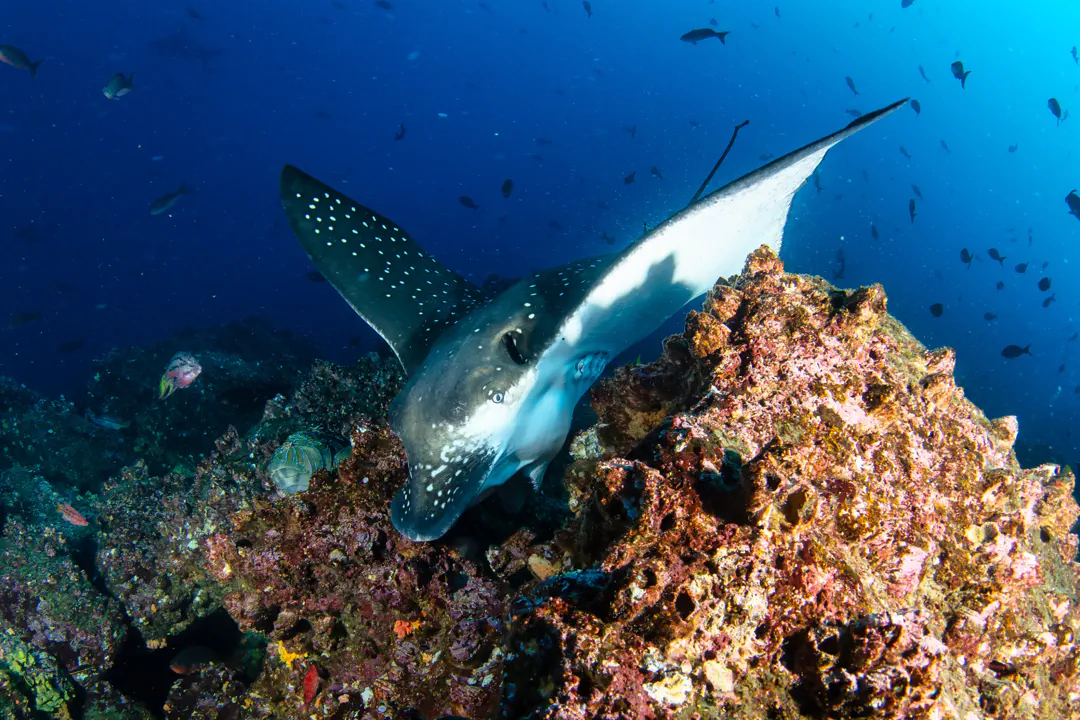
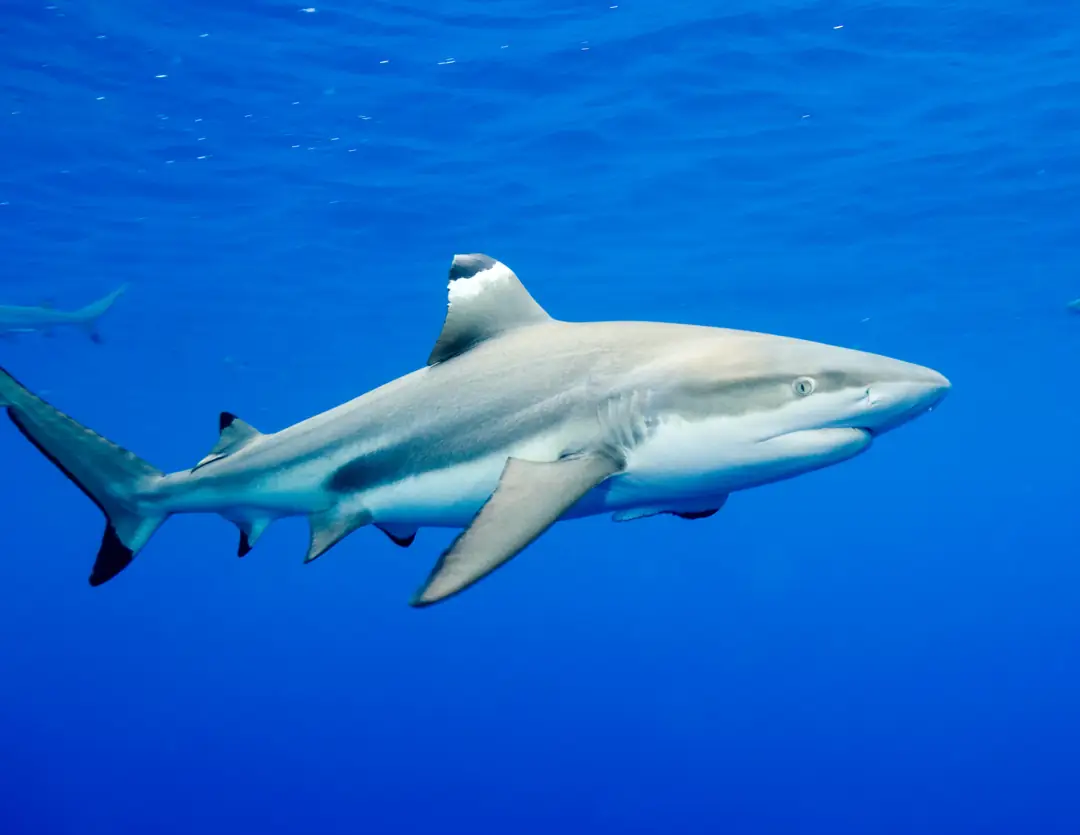
The area also supports diverse reef shark populations, including Scalloped Hammerheads and Blacktip Reef Sharks, as well as Eagle Rays and schooling Jacks. The volcanic substrate creates unique microhabitats that attract a variety of invertebrates and colorful reef fish, making it a top spot for both pelagic and reef photography.
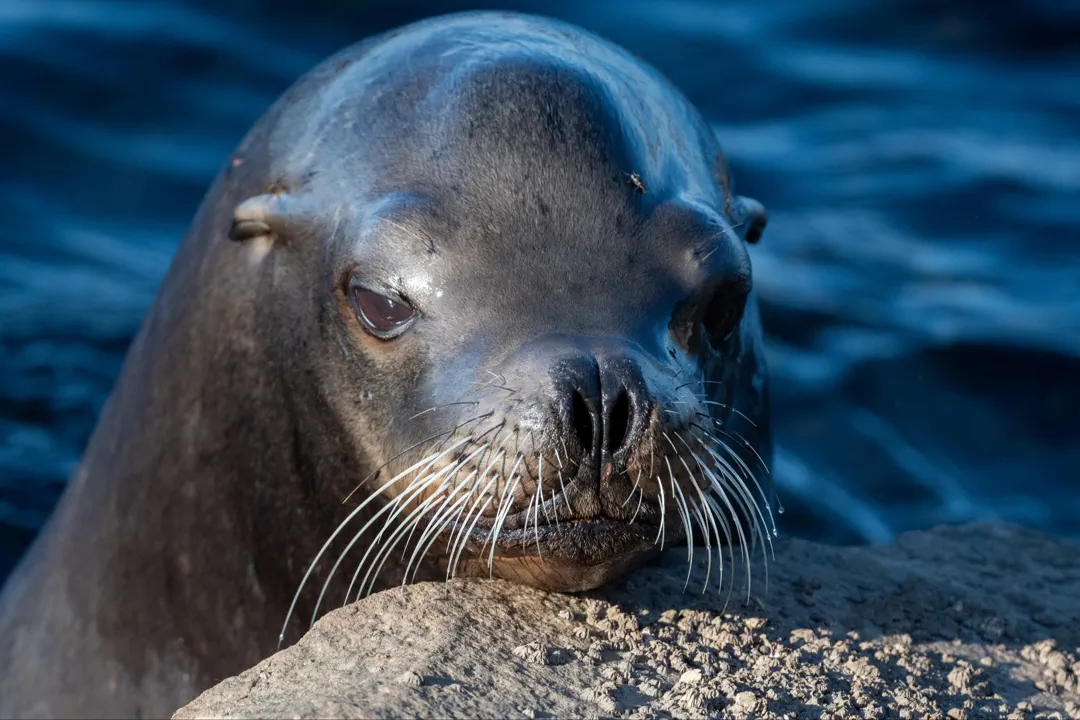 © Jonathan EisenCC BY 4.0 · iNaturalist
 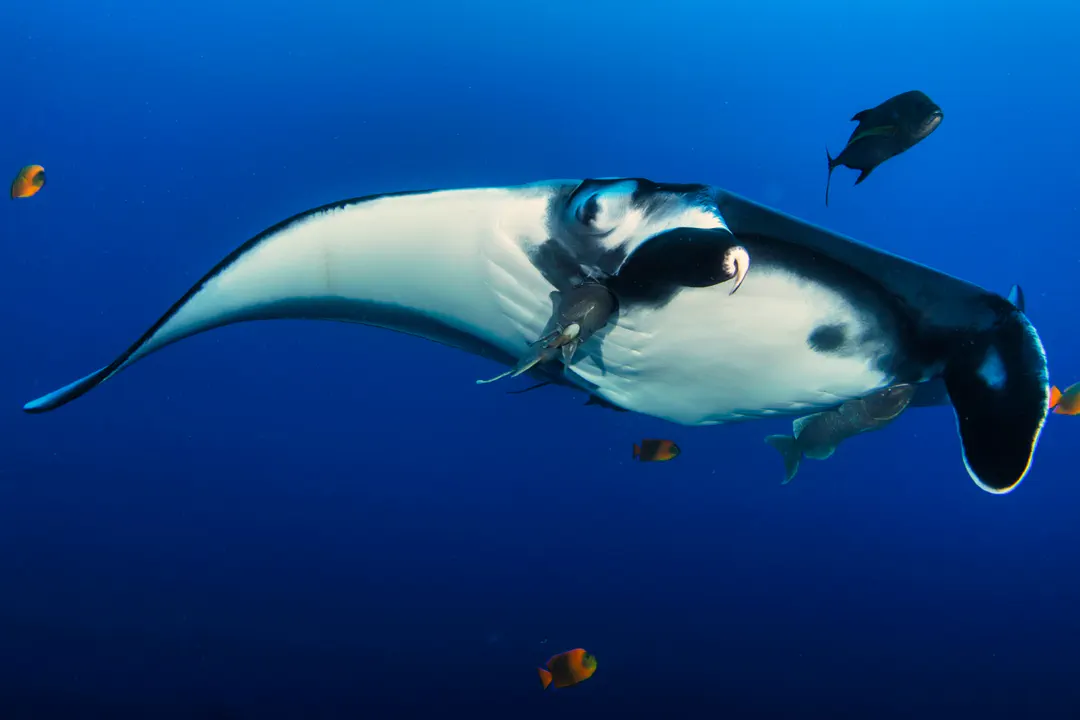 © seabook.appAll rights reserved
  © seabook.appAll rights reserved
 Bat Islands (Islas Murciélago)
The Bat Islands, part of Santa Rosa National Park, are famous for 'The Big Scare' dive site, where Bull Sharks are frequently spotted in their natural hunting grounds. This area is a high-energy environment with strong currents and surge, requiring advanced diving skills and experience with large predatory sharks.
Divers here can encounter Galapagos Sharks, Scalloped Hammerheads, and occasionally Oceanic Whitetips, all thriving in the nutrient-rich waters. The site is strictly managed to ensure shark safety and diver protection, offering a thrilling yet controlled encounter with one of the ocean's most formidable predators.
Caño Island Biological Reserve (Isla del Caño)
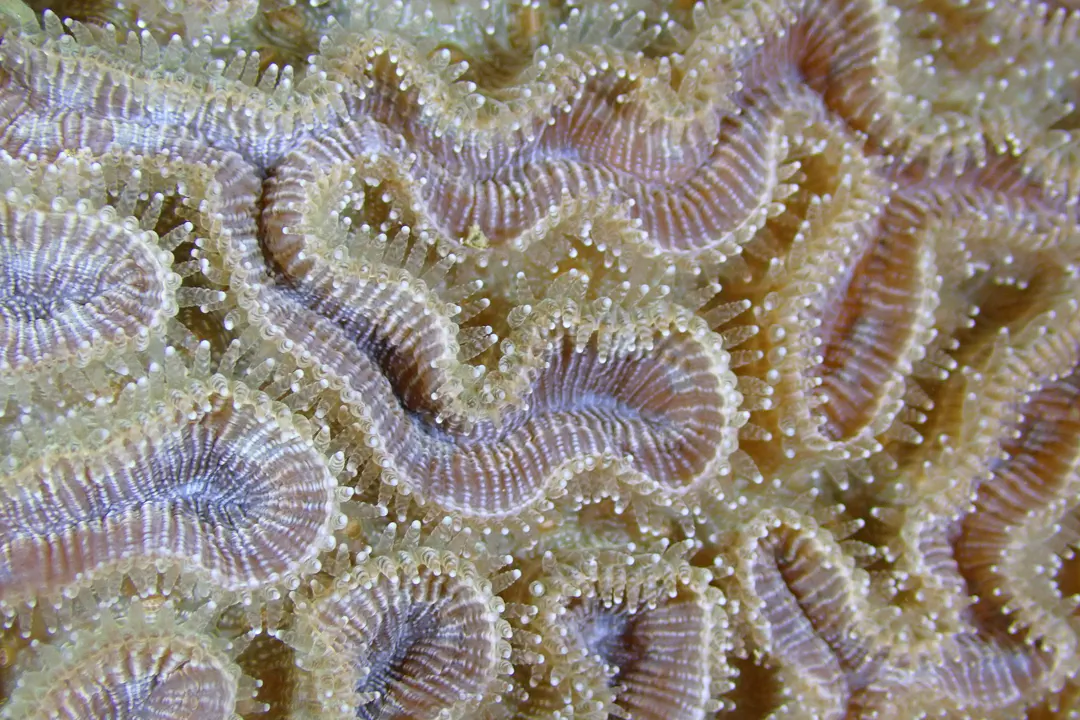
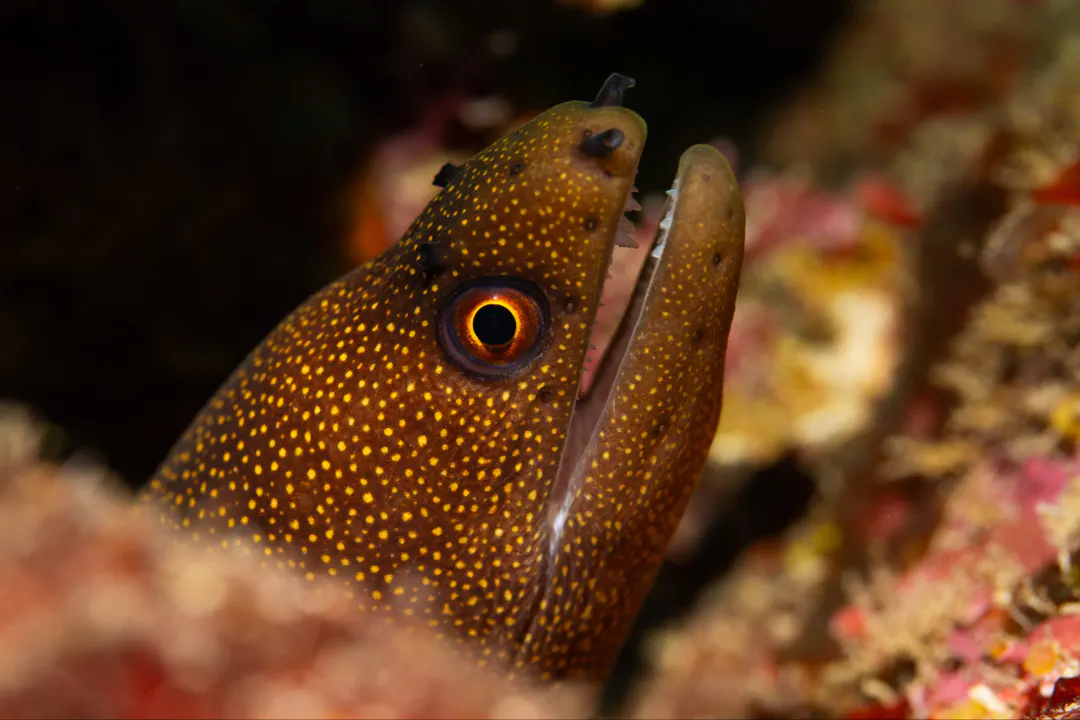
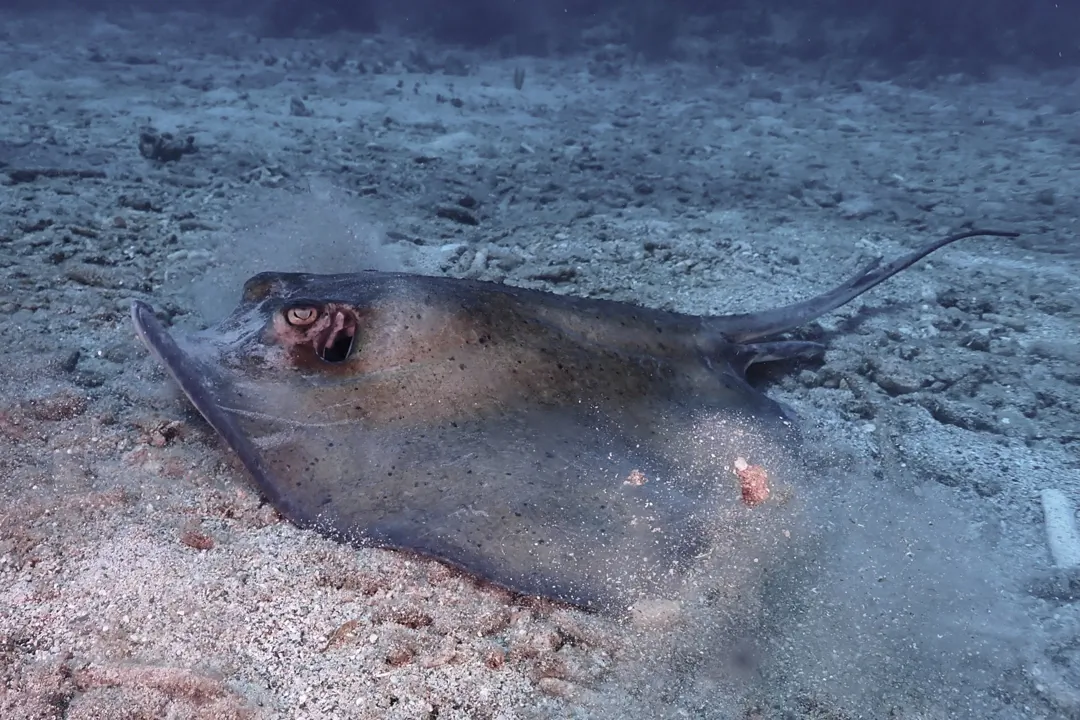
Caño Island Biological Reserve, located off the Osa Peninsula, boasts one of the healthiest coral reef systems in the Pacific, featuring extensive hard and soft coral formations. The reserve is a hotspot for schools of Snappers and Jacks, alongside frequent sightings of Galapagos Sharks, Green Sea Turtles, and Eagle Rays.
Its diverse topography, ranging from shallow lagoons to deep drop-offs, makes it an excellent location for both pelagic and macro photography. The protected status of the island ensures abundant marine life, with over 500 recorded marine species thriving in its clear, warm waters averaging 26–28°C (79–82°F).
 © LASZLO ILYESCC BY 4.0 · iNaturalist
  © Robin WhiteCC BY 4.0 · iNaturalist
  © Robin WhiteCC BY 4.0
  © cello caruso-turielloCC BY 4.0 · iNaturalist
  © Robin WhiteCC BY 4.0 · iNaturalist
  © Matteo BellucciCC BY 4.0 · iNaturalist
 Diving the Caribbean Coast
Gandoca-Manzanillo Wildlife Refuge
The Caribbean coast offers a distinct, yet equally enchanting, diving experience. The Gandoca-Manzanillo Wildlife Refuge near Limón provides access to vibrant fringing reefs with calmer, warmer waters, consistently averaging 27–29°C (81–84°F).
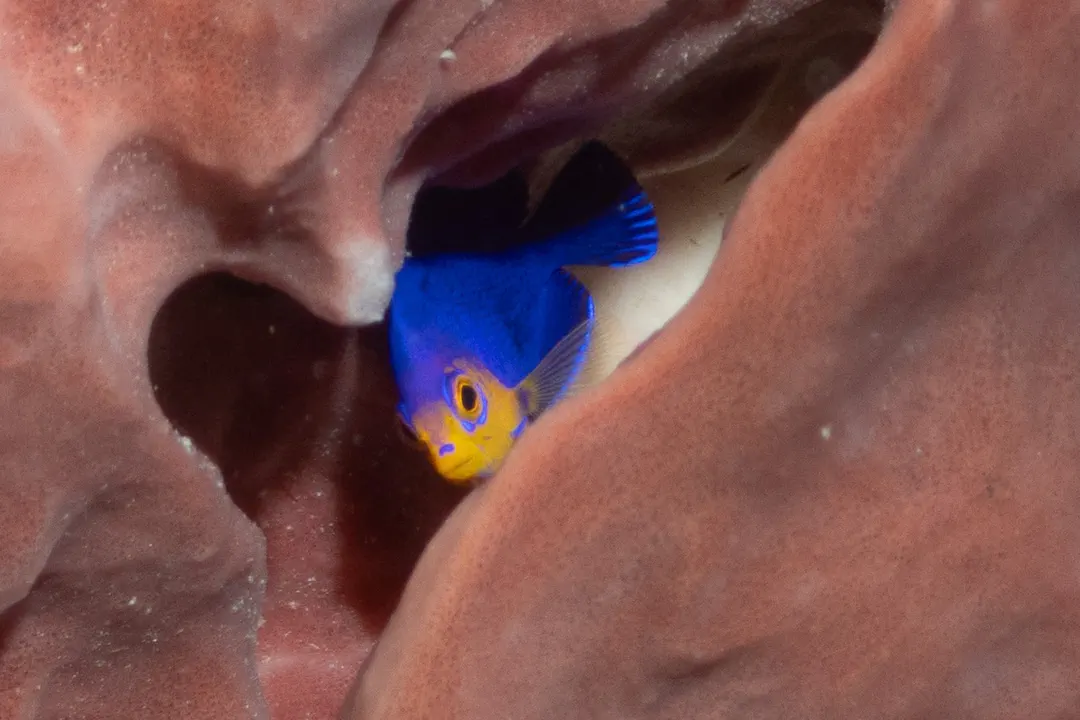
Here, divers can explore healthy hard and soft coral gardens hosting an array of colorful reef fish like the Blue Angelfish, and unique invertebrates such as the Caribbean Christmas Tree Worm. The refuge protects critical habitats for endangered species including the West Indian Manatee and various sea turtles, while providing a serene environment for observing macro life.
 © Matteo CassellaCC BY-SA 4.0 · iNaturalist
  © Brian GratwickeCC BY 4.0 · iNaturalist
  © Robin WhiteCC BY 4.0 · iNaturalist
  Justin PhilboisCC0 · iNaturalist
 Practical Diving Tips for Costa Rica
Planning a dive trip to Costa Rica requires acknowledging that Pacific diving often involves strong currents, surge, and deep profiles, making it more suitable for experienced divers with advanced certifications. Many operators require a minimum of 20 logged dives for advanced Pacific sites due to these conditions.
Always choose a reputable operator with a strong focus on conservation, as the country protects over 25% of its land and 2.6% of its marine ecosystems through national parks and no-take zones. A 3mm to 5mm wetsuit is generally sufficient year-round, though temperatures can drop to 22°C (72°F) in deeper Pacific waters during the dry season. Respect for marine life is paramount; maintain a distance of at least 3 meters from sharks and rays, and avoid touching corals or invertebrates to preserve these fragile ecosystems.
Questions
Do I need a special certification for diving in Costa Rica?
While Open Water certification is sufficient for many beginner-friendly sites, advanced certifications like Advanced Open Water and Nitrox are highly recommended for deeper, current-prone dives around Cocos Island and the Bat Islands. Many operators require a minimum of 20 logged dives for advanced Pacific sites due to strong currents and deep profiles.
What is the visibility like in Costa Rican waters?
Visibility varies significantly by coast and season: Pacific visibility ranges from 10–30+ meters (30–100+ feet), with plankton blooms sometimes reducing it to 5–6 meters (15–20 feet). Caribbean visibility is generally consistent at 18–24 meters (60–80 feet) due to calmer, warmer waters and less nutrient influx.
Are there any risks to be aware of while diving?
Yes, strong currents exceeding 3 knots are common on the Pacific side, and some areas have thermoclines that can cause sudden temperature drops. While shark encounters are thrilling, they are generally not aggressive towards divers; always maintain a respectful distance of at least 3 meters and follow your dive guide's instructions.
Can I see whale sharks in Costa Rica?
Whale sharks are migratory and can be sighted in the Pacific waters of Costa Rica, particularly during the rainy season (May to November) when plankton blooms attract them. Sightings are not guaranteed but are a spectacular possibility, with Cocos Island and the Gulf of Chiriquí being the most reliable locations.
Is Costa Rica suitable for beginner divers?
While some Pacific sites are for advanced divers, there are many beginner-friendly spots on both coasts, including Manuel Antonio and certain parts of Guanacaste. These areas offer calmer conditions, shallower reefs under 15 meters, and abundant reef fish perfect for learning or less experienced divers.