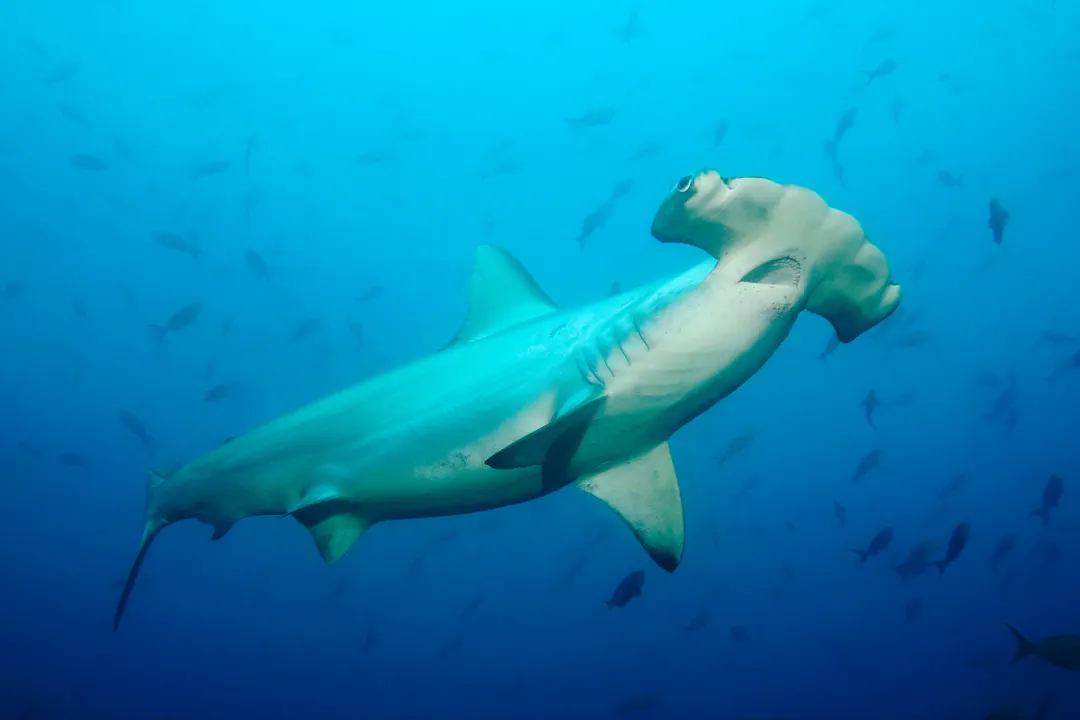
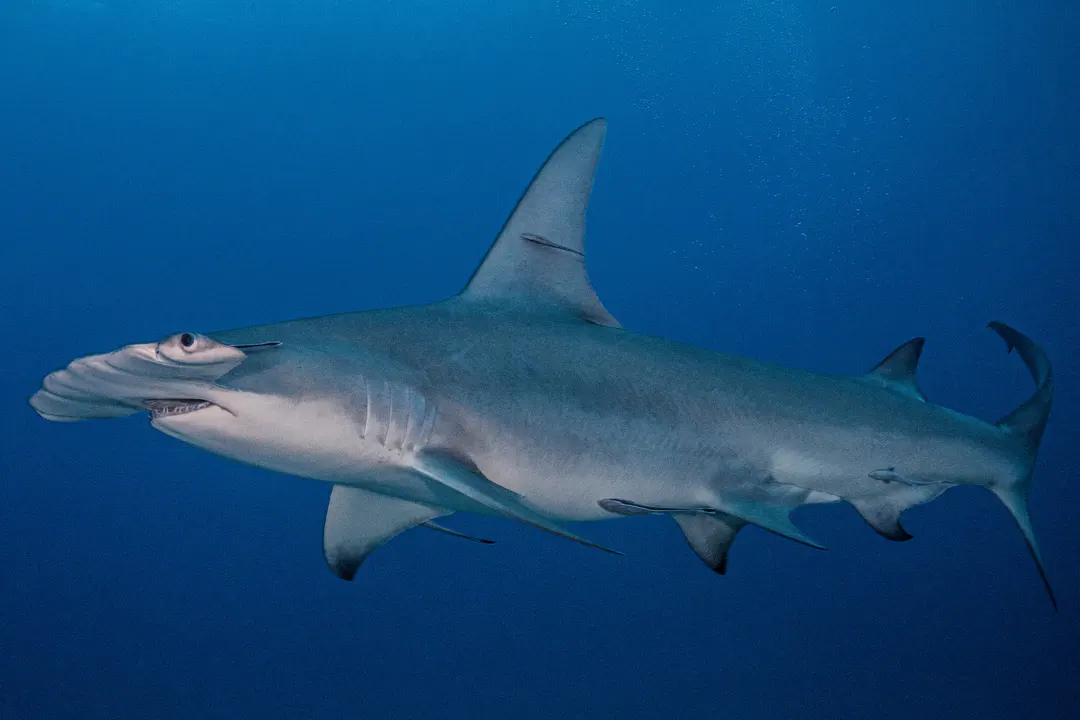
At 25 meters depth off Pedras Tinhosas, where the strong Atlantic current pulls hard, a squadron of Scalloped Hammerheads, perhaps thirty strong, sweeps past a jagged volcanic pinnacle. Their distinctive cephalofoil heads cut through the cobalt water, their bodies reflecting the distant surface light as they patrol the thermocline. Below them, a lone Galapagos Shark, scarred and deliberate, investigates a rocky crevice, its powerful tail swaying with the surge.
Unveiling Africa's Equatorial Jewels
São Tomé and Príncipe, two volcanic islands nestled in the Gulf of Guinea off the coast of West Africa, represent an extraordinary and largely undiscovered diving destination. These pristine islands offer a unique marine environment, characterized by dramatic underwater topography, healthy rock-encrusted reefs, and a rich biodiversity that is truly distinct to this part of the Atlantic.
Geography and Climate
Straddling the equator in the Gulf of Guinea, São Tomé and Príncipe emerge as twin volcanic peaks; São Tomé is the larger island at 859 square kilometers, with Príncipe covering 142 square kilometers. Numerous smaller islets dot their shores, remnants of ancient eruptions.
This equatorial position guarantees a warm, humid climate, with air temperatures averaging 27°C throughout the year. Below the surface, the same volcanic forces have sculpted dramatic drop-offs, caves, and pinnacles, forming complex underwater topographies that shelter diverse marine communities.
Marine Ecosystems: A Blend of Atlantic Wonders
Warm Atlantic currents sweep past these islands, nurturing a unique convergence of marine life. Here, species typical of the wider Atlantic mingle with those found nowhere else, a testament to the islands' isolation and evolutionary history.
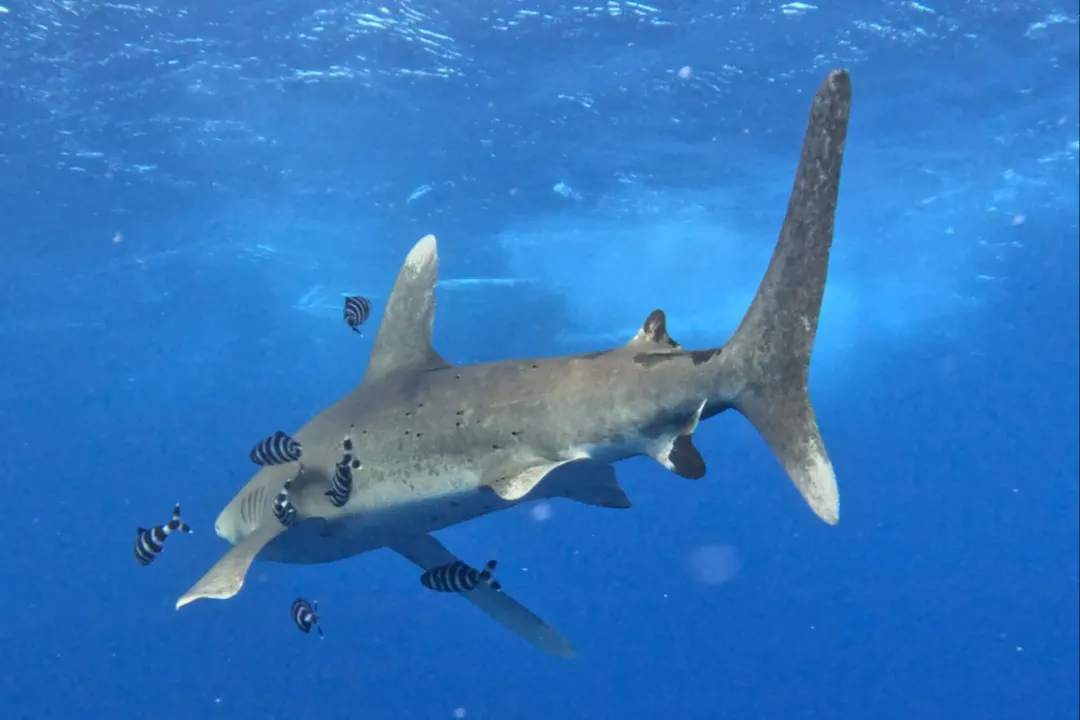
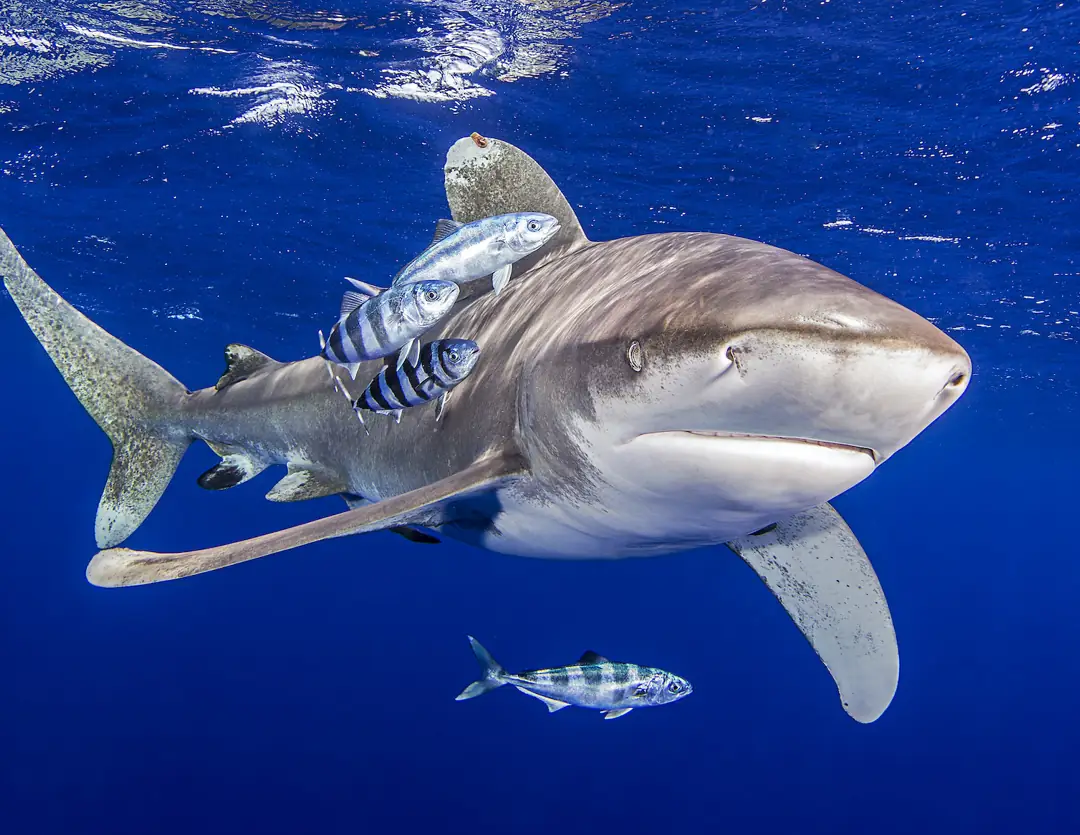
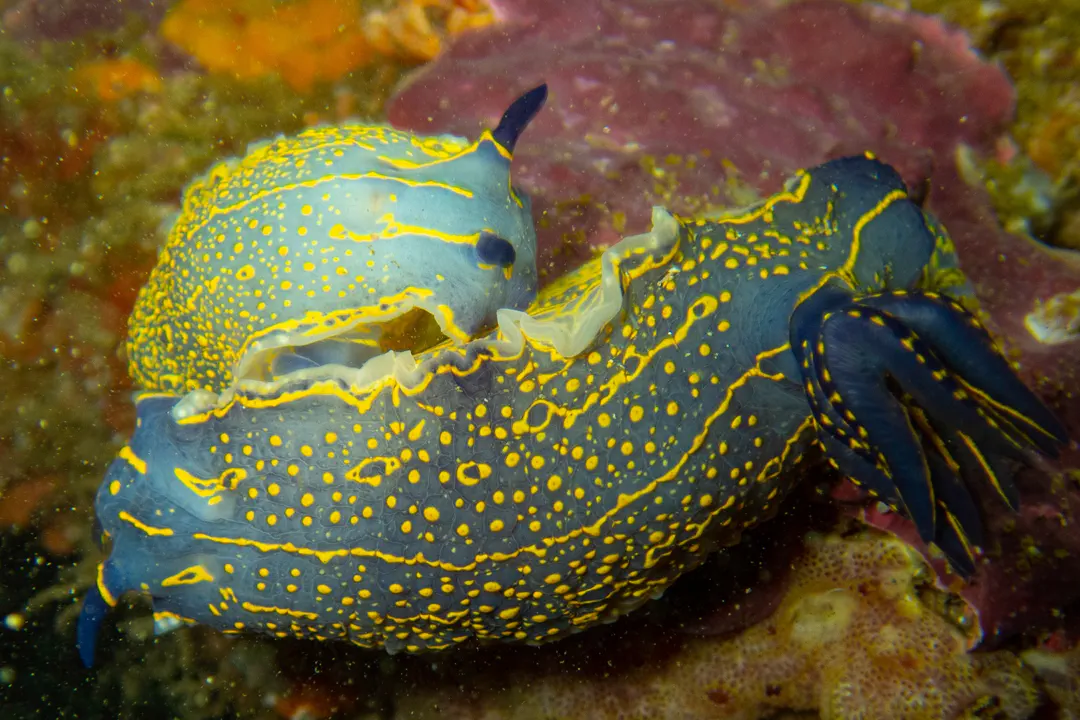
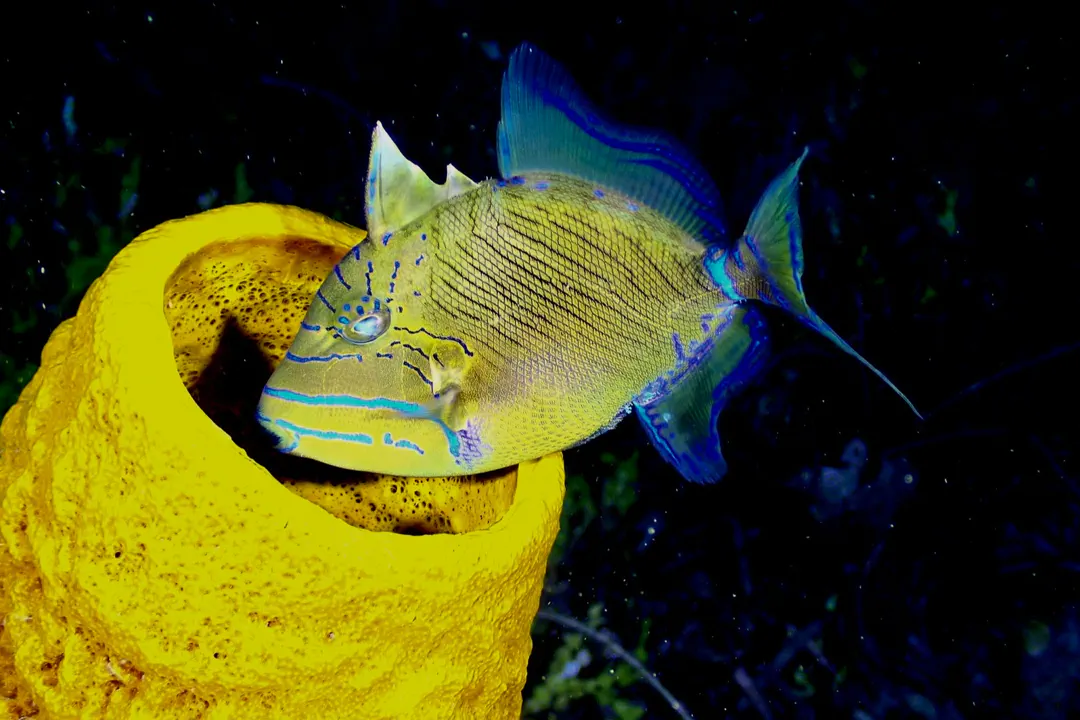
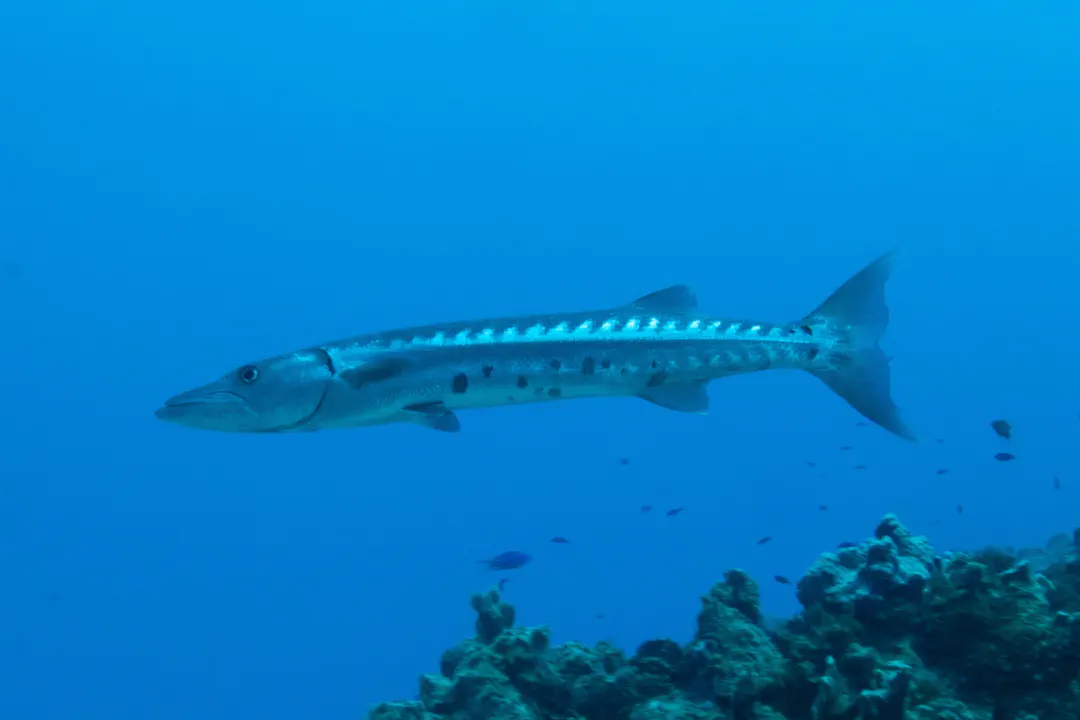
Rather than vast coral plains, the underwater landscape features hard and soft corals clinging to volcanic rock, creating intricate micro-habitats. This environment supports everything from cryptic blennies (Parablennius pilicornis) and vibrant nudibranchs like the Regal Sea Goddess (Felimare picta) to schooling barracudas (Sphyraena barracuda) and passing oceanic whitetips (Carcharhinus longimanus). Divers might also spot the distinctive Queen Triggerfish (Balistes vetula) or the elusive Longarm Octopus (Callistoctopus macropus) camouflaged among the rocks.
Best Time to Visit for Diving
The prime months for diving extend from May through October, aligning with the islands' dry season. During this period, sea conditions are typically calmer, and underwater visibility often stretches between 15 and 30 meters.
While diving is feasible year-round, specific seasonal attractions draw divers at different times. July to October, for instance, marks the migration of Humpback Whales, offering a chance to encounter these giants, while various sea turtle species nest on beaches from October to April.
Water temperature
Saint Thomas and Prince, monthly average
Average sea surface temperatures for São Tomé and Príncipe, Gulf of Guinea. Data represents equatorial Atlantic waters off the coast of Central Africa near Gabon.
Top Dive Sites
Pedras Tinhosas
South of Príncipe, the remote Tinhosas islets rise abruptly from the ocean, forming a protected marine sanctuary. Diving here typically ranges from 15 to 40 meters, accessed exclusively by boat. This site is a magnet for large pelagics, with currents that can be significant, making it best suited for experienced divers.
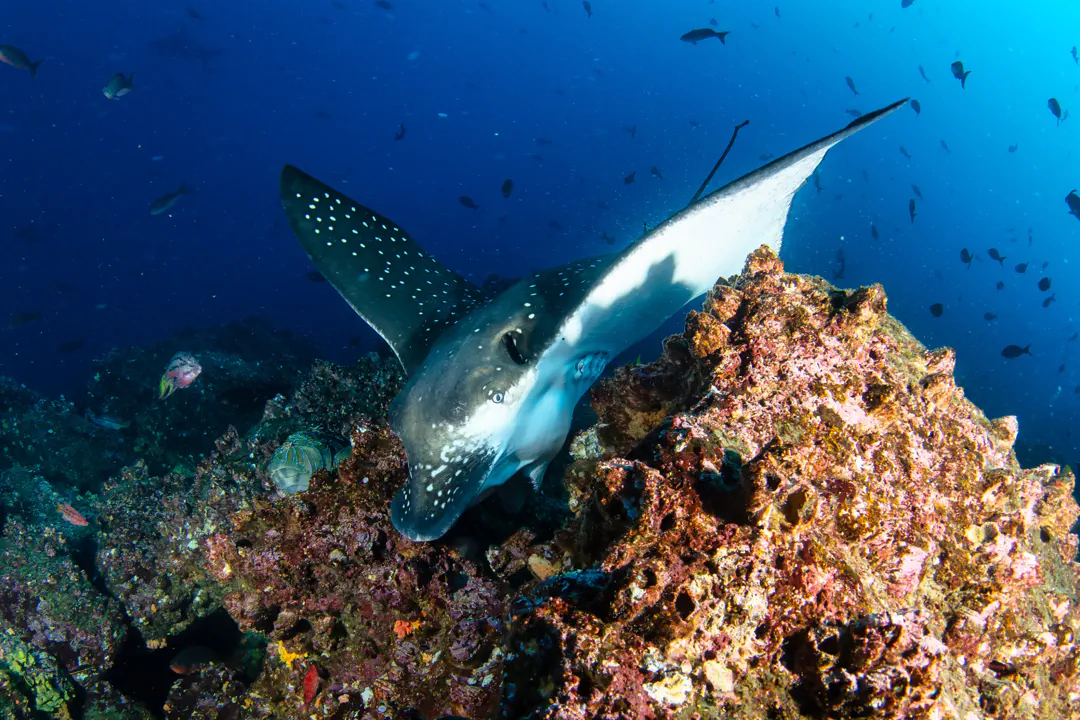
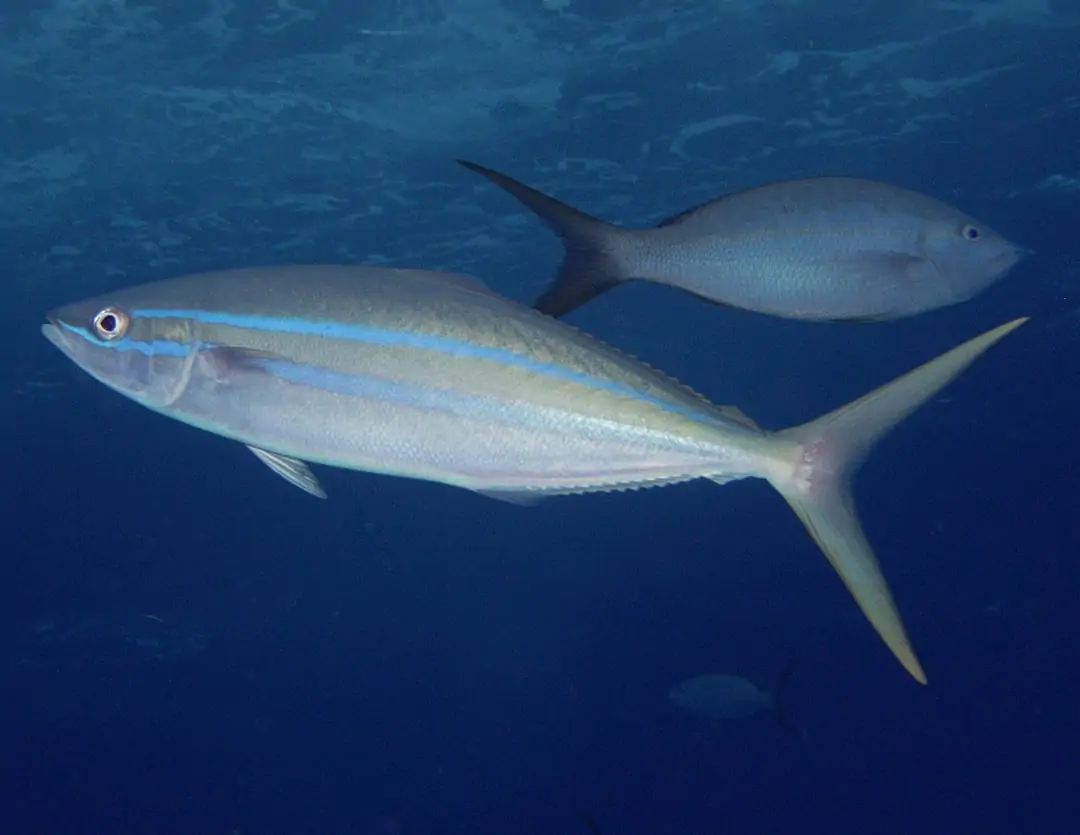
Beneath the surface, schools of Almaco Jacks (Seriola rivoliana) and Rainbow Runners (Elagatis bipinnulata) sheet through the blue, often shadowed by Scalloped Hammerheads (Sphyrna lewini) and Galapagos Sharks (Carcharhinus galapagensis). Spotted Eagle Rays (Aetobatus narinari) are also frequent visitors, gliding gracefully along the reef edges. Deeper waters may reveal Silky Sharks (Carcharhinus falciformis) or even the occasional Great Hammerhead (Sphyrna mokarran).
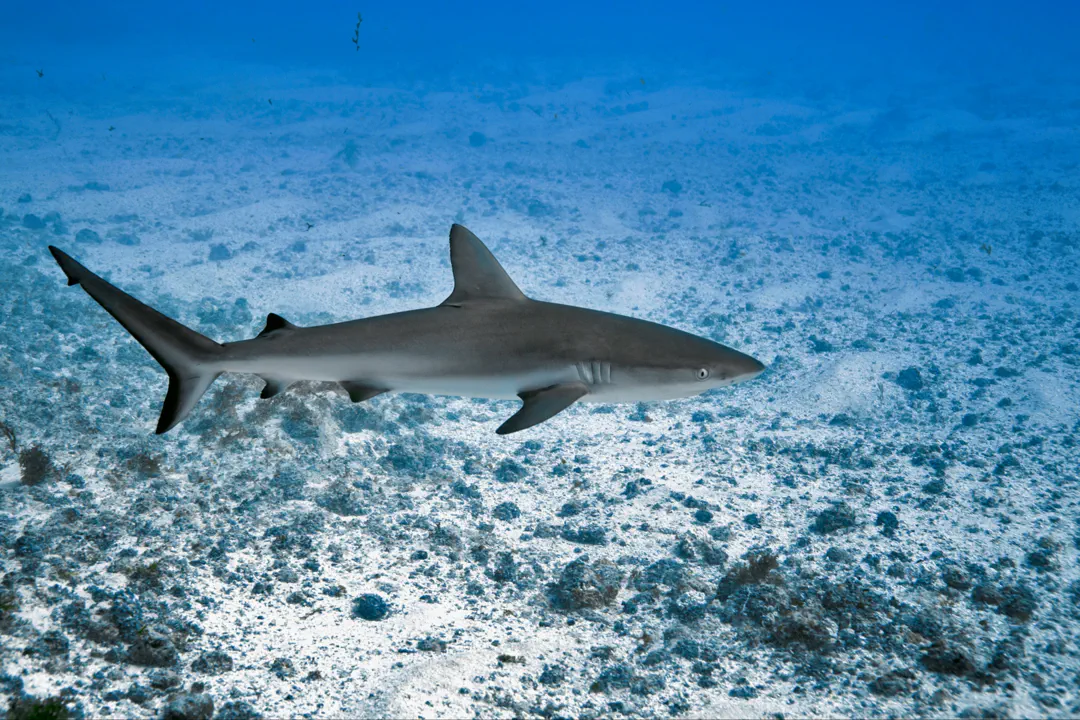 © R VasconcellosCC BY 4.0 · iNaturalist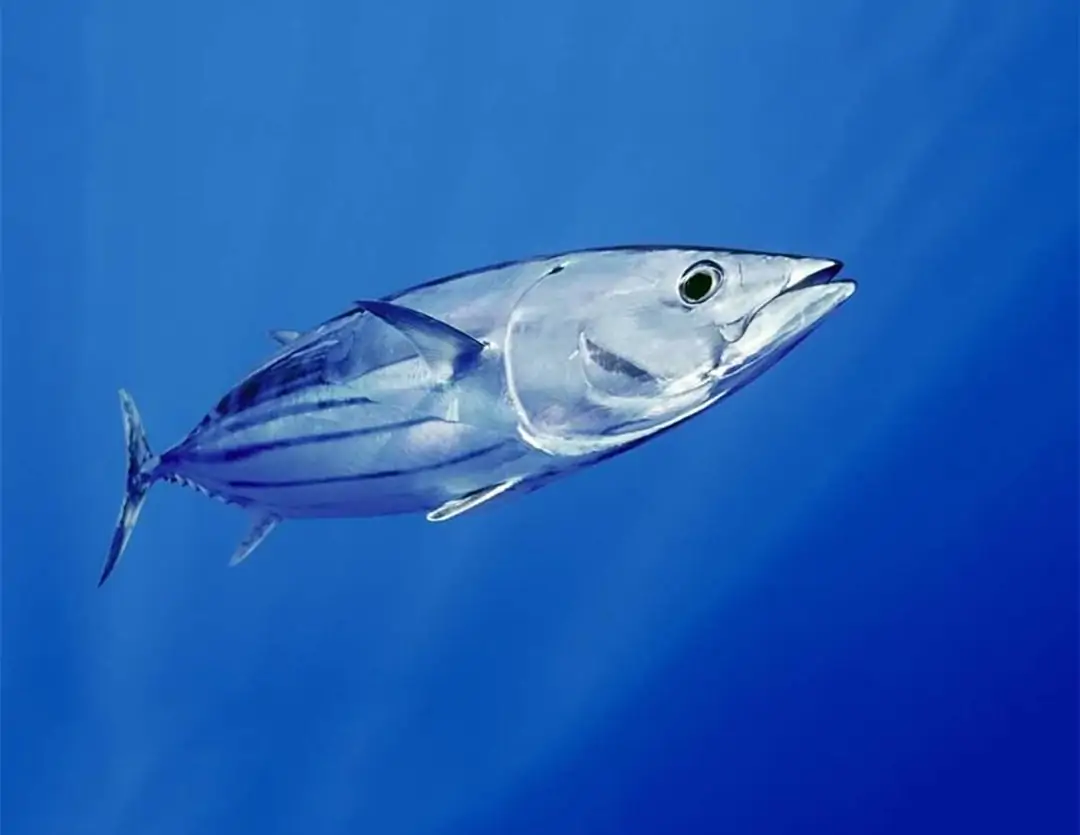
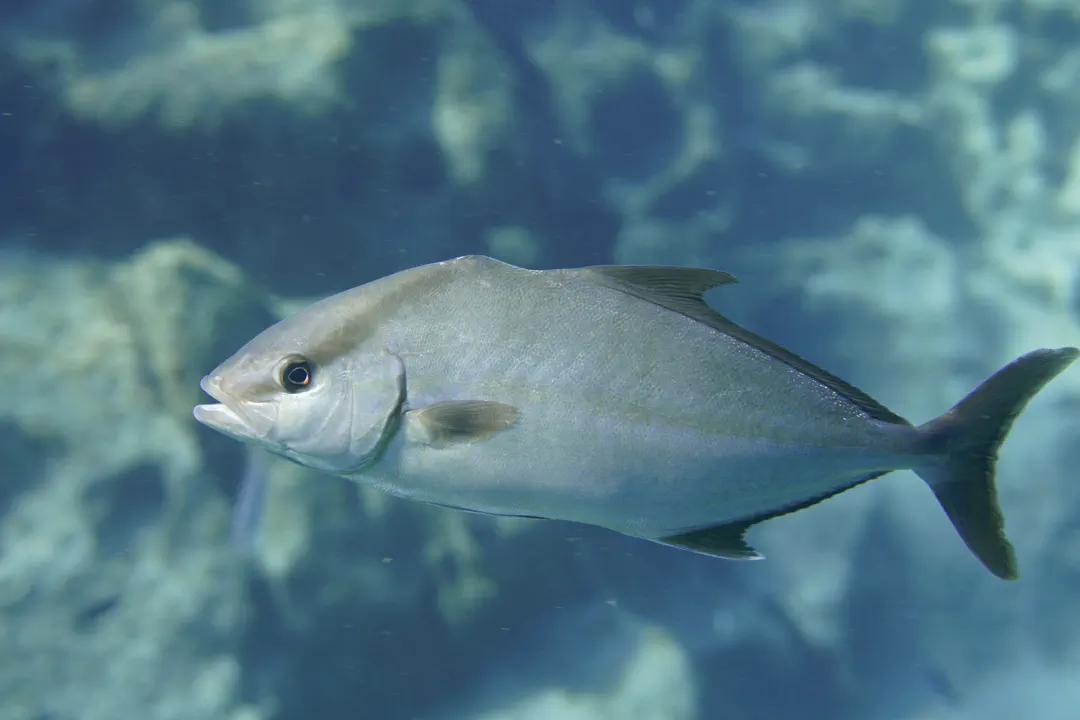 © Michael BommererCC BY 4.0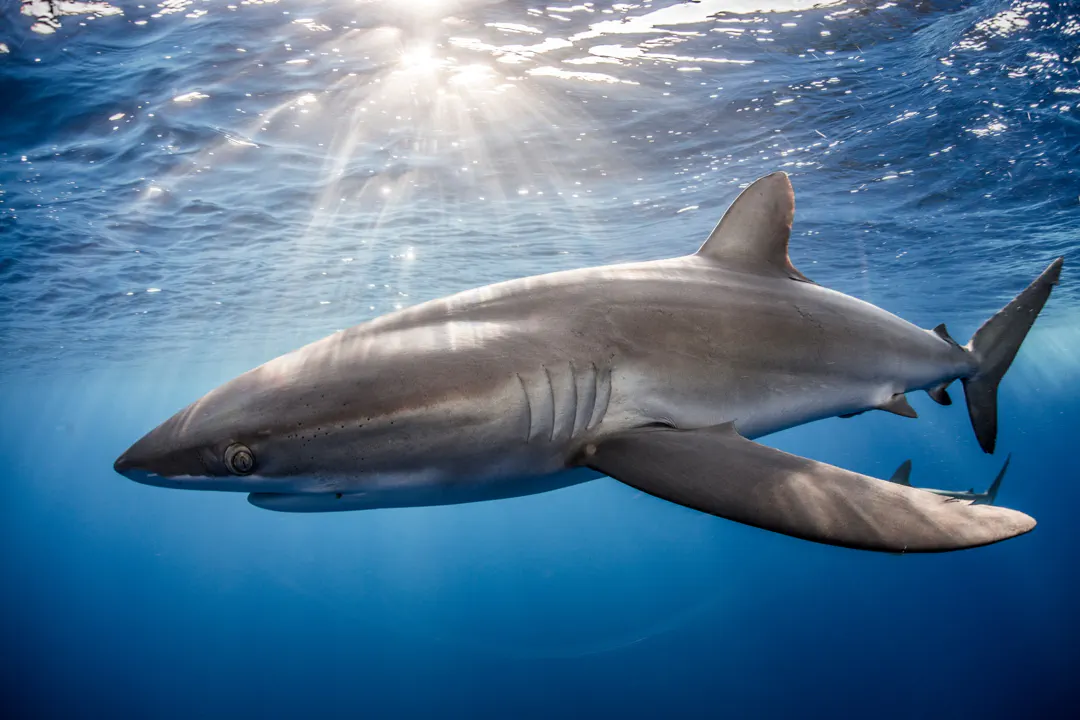
Santana Islet (Ilhéu Santana)
A short boat ride from São Tomé's main island brings divers to Santana Islet, a picturesque volcanic cone. Dives here typically range from 5 to 25 meters, offering calm conditions suitable for all experience levels. The site is characterized by intricate rock formations draped in soft corals and sponges, creating a haven for smaller reef inhabitants.
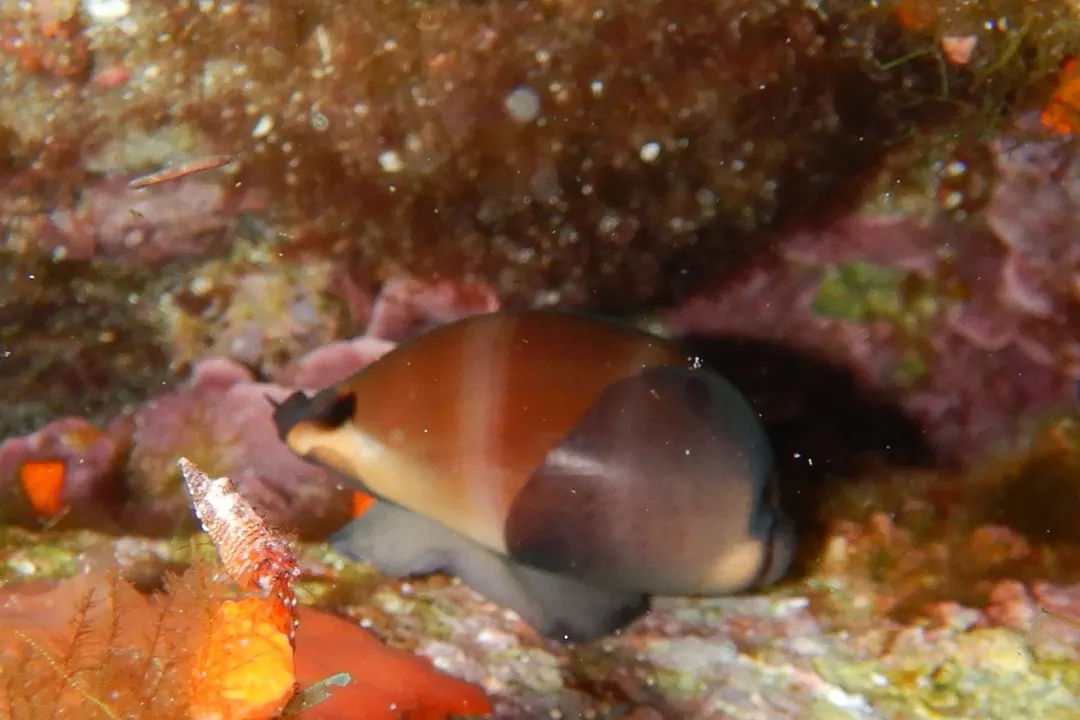
Exploring the crevices, divers might find the vivid colors of a Regal Sea Goddess nudibranch (Felimare picta) inching across a rock face. Schools of Soldierfish (Myripristis jacobus) often shelter in overhangs, while brightly colored Queen Triggerfish (Balistes vetula) patrol the reef. Look closely for a Wide-eyed Flounder (Bothus podas) camouflaged on the sand, or the elegant presence of a Black-spotted Cowrie (Luria lurida) on a rock, alongside small Cardinalfish (Apogon imberbis) tucked into rocky shelters.
 © Bernard PictonCC BY 4.0 · iNaturalist
  © Valentin MoserCC BY 4.0 · iNaturalist
  © Robin WhiteCC BY 4.0 · iNaturalist
 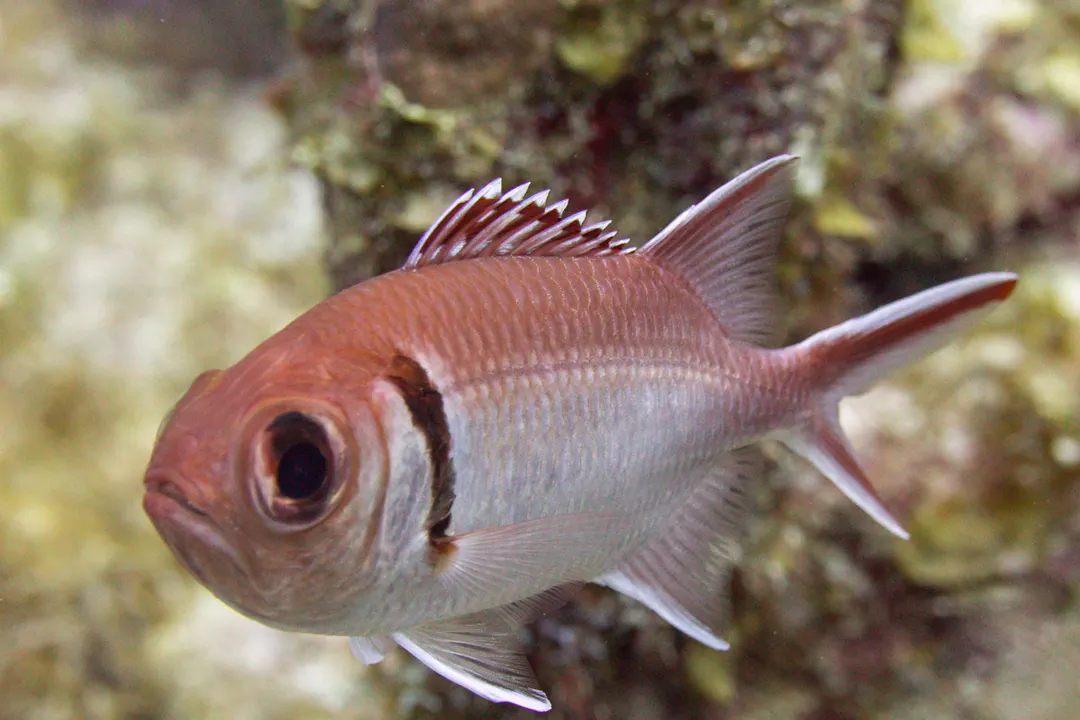 © Dan SchofieldCC BY 4.0 · iNaturalist
 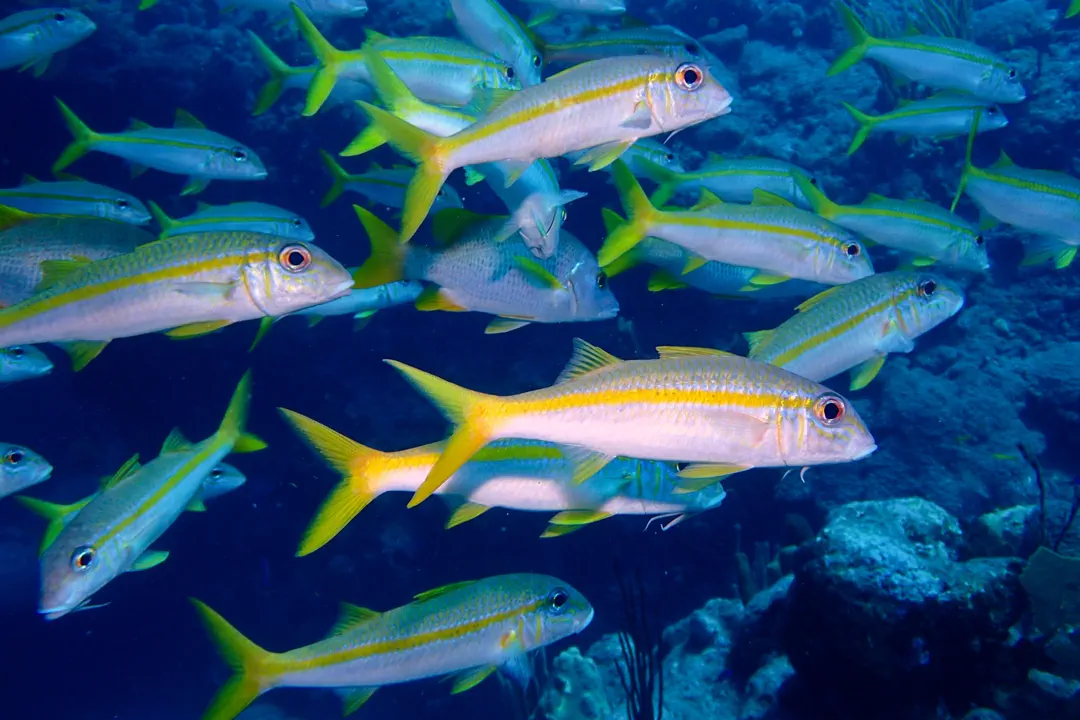 © Dan SchofieldCC BY 4.0 · iNaturalist
 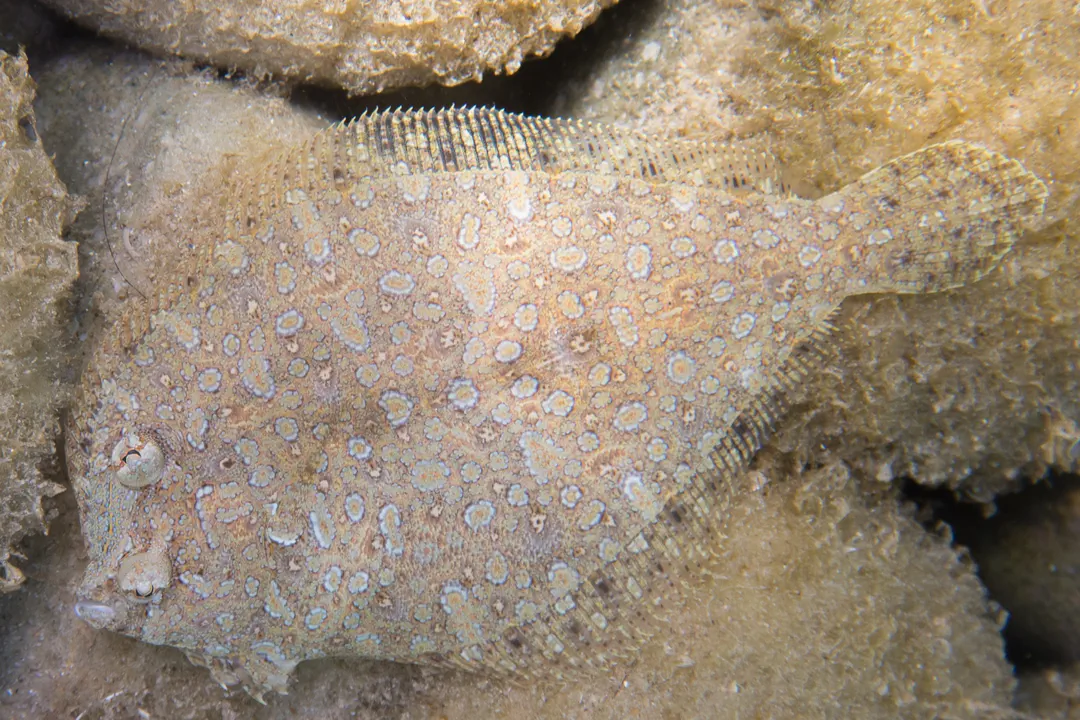 © BartCC BY 4.0 · iNaturalist
 Lagoa Azul
On São Tomé's northern coast lies Lagoa Azul, a sheltered bay aptly named 'Blue Lagoon.' This site is easily accessible from shore and ideal for snorkelers and beginner divers, with depths rarely exceeding 10 meters. Its calm, clear waters lap against volcanic rocks covered in a tapestry of soft corals and vibrant sponges.
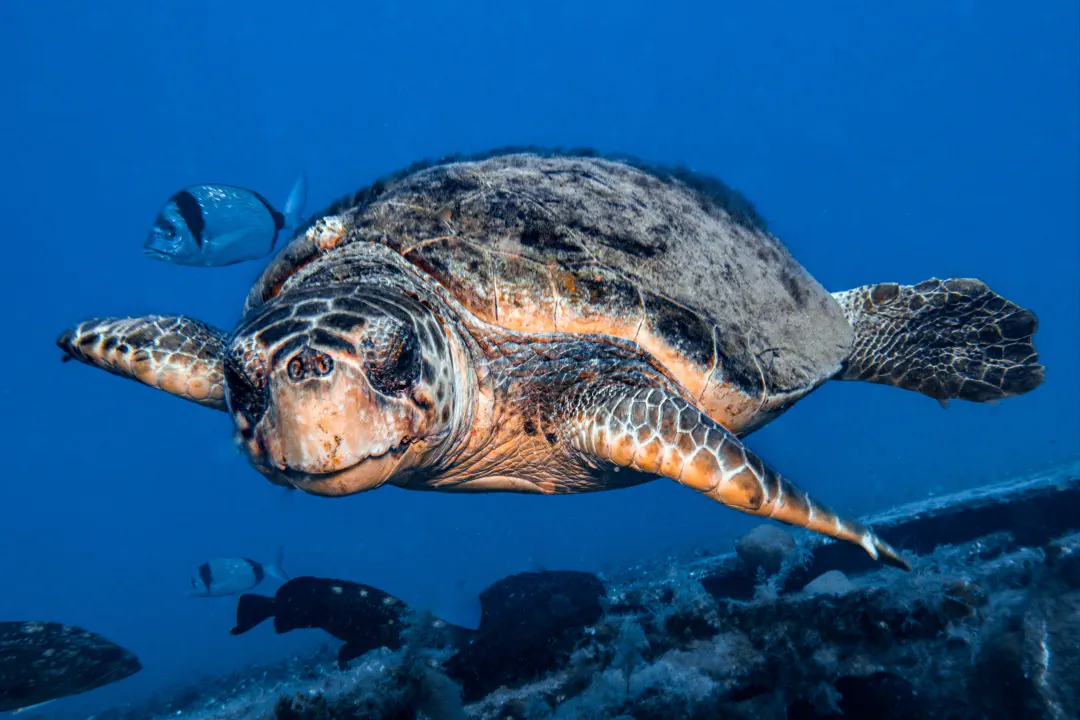
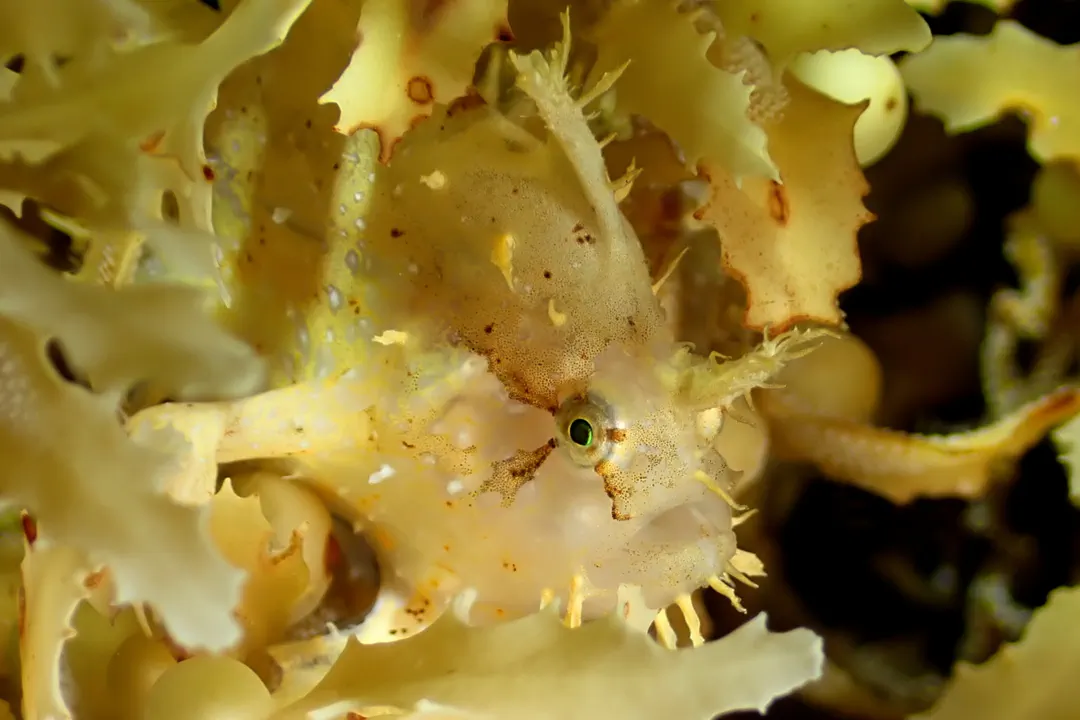
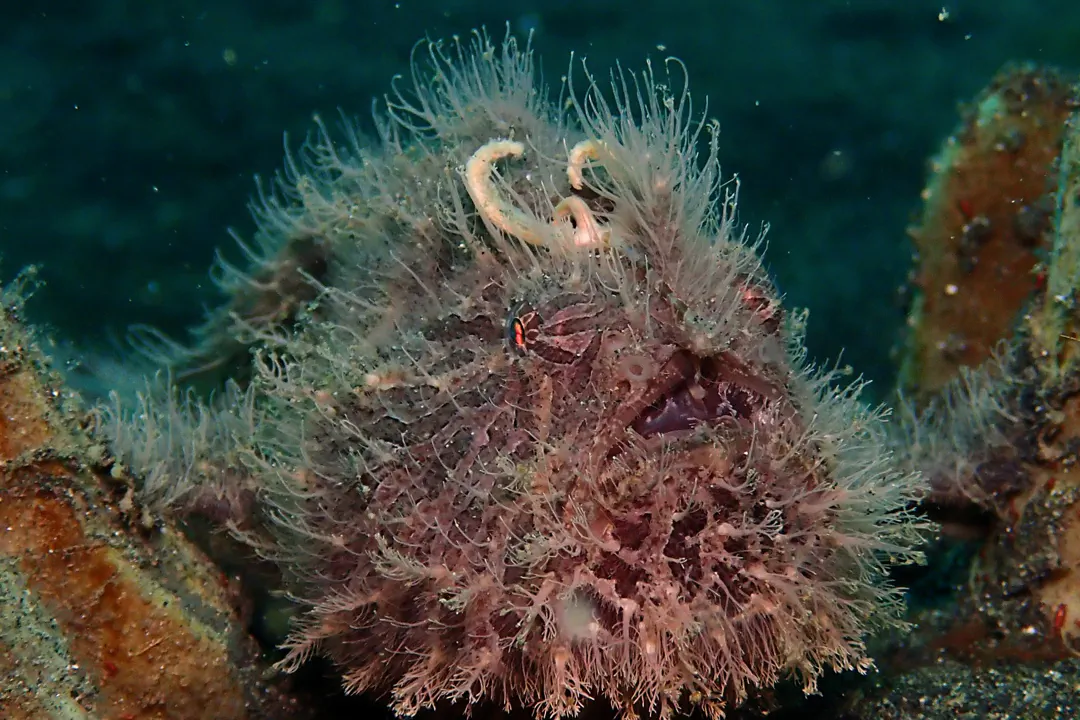
Here, juvenile African Pompano (Alectis ciliaris) might dart past, or a curious Sargassum Frogfish (Histrio histrio) or Striated Frogfish (Antennarius striatus) could be camouflaged among the rubble. Schools of Rough Triggerfish (Canthidermis maculata) graze peacefully, while the occasional Loggerhead Sea Turtle (Caretta caretta) might be seen gliding through the shallows. Keep an eye out for the Hairy Blenny (Parablennius pilicornis) peeking from a crevice.
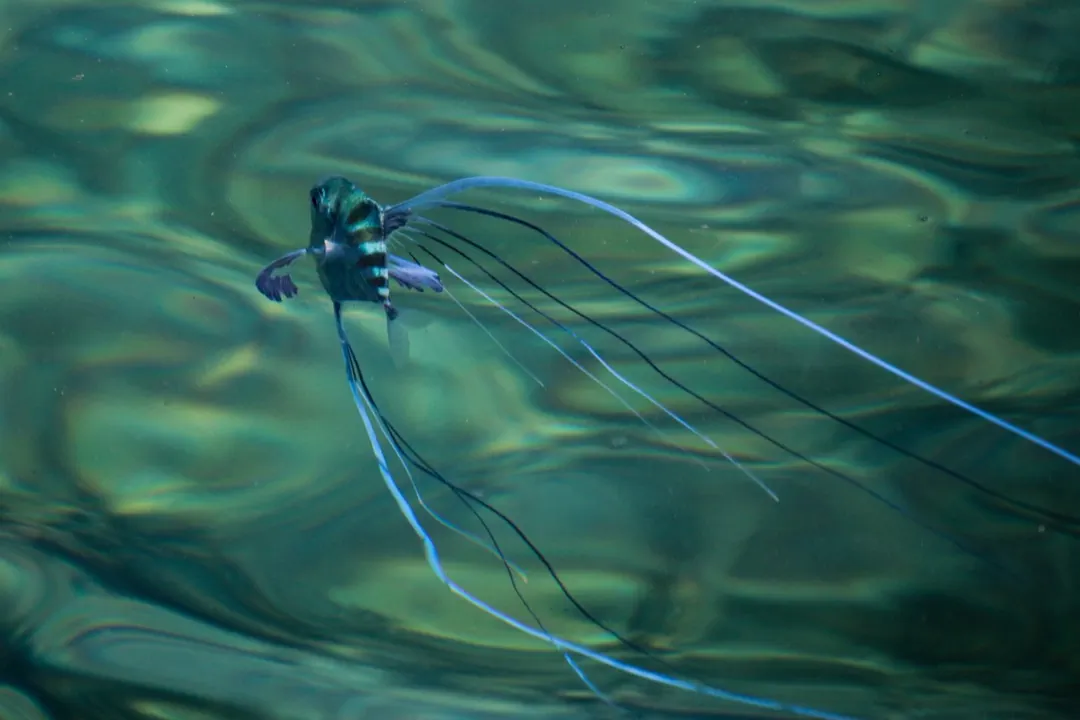 © Antonio Vukusich y Alejandra CabellosCC BY 4.0 · iNaturalist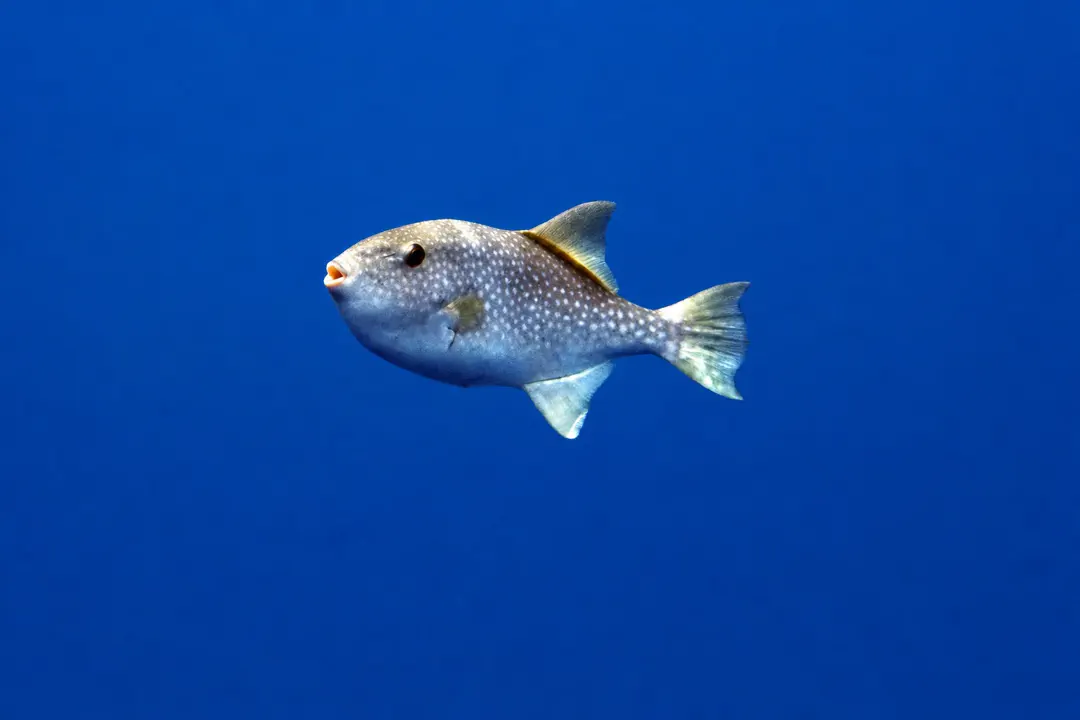
 © Dan SchofieldCC BY 4.0 · iNaturalist
  © Gregor BailarCC BY 4.0 · iNaturalist
  © Dan SchofieldCC BY 4.0 · iNaturalist
 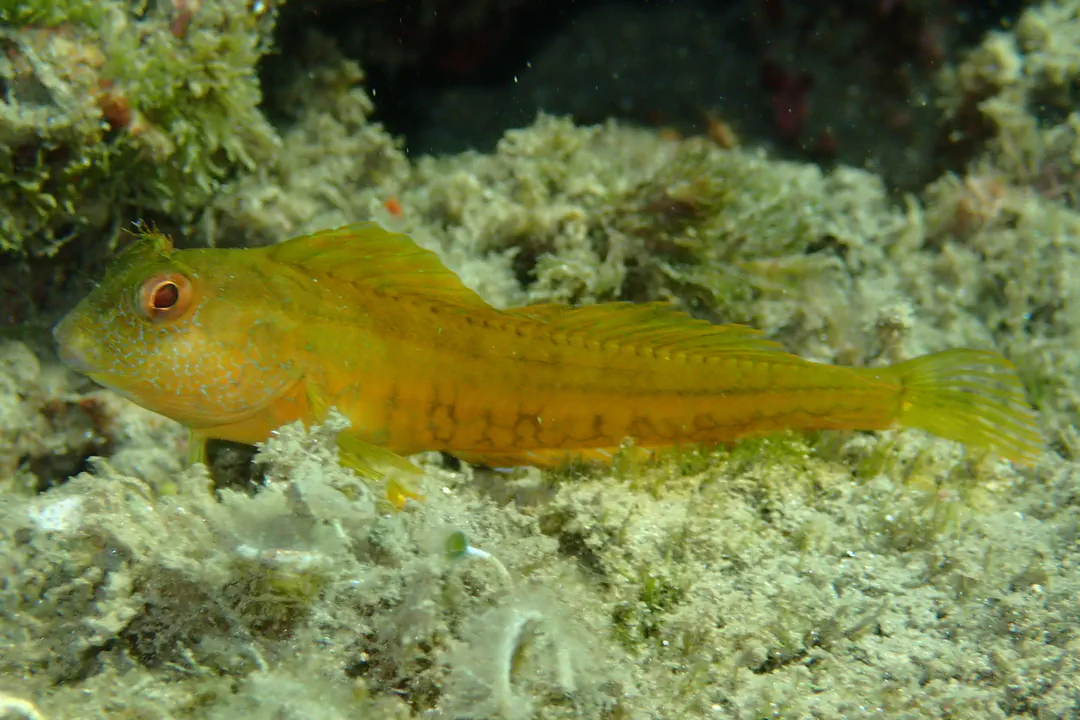 © Julien RenoultCC BY 4.0 · iNaturalist
 Rolas Islet (Ilhéu das Rolas)
South of São Tomé, exactly on the equator, lies Ilhéu das Rolas, accessible by a short boat trip. This unique location allows dives to span both the Northern and Southern Hemispheres, typically in depths ranging from 10 to 30 meters. The site is known for its dramatic reef structures and stronger currents, attracting larger marine life.
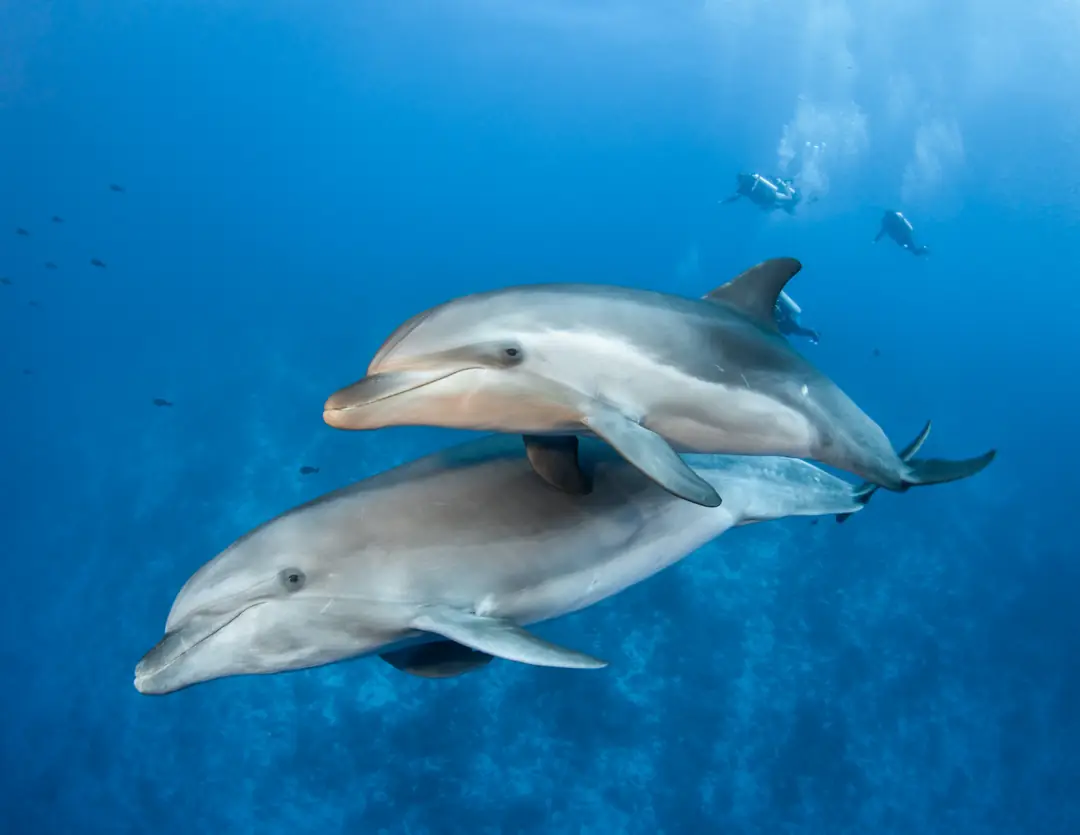
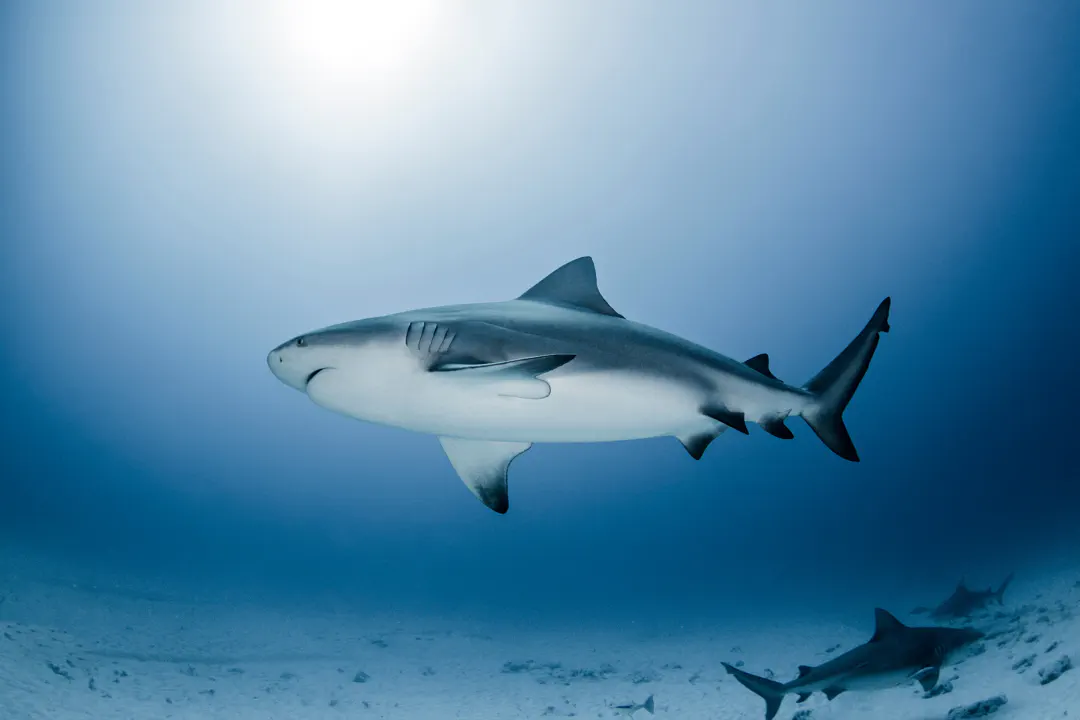
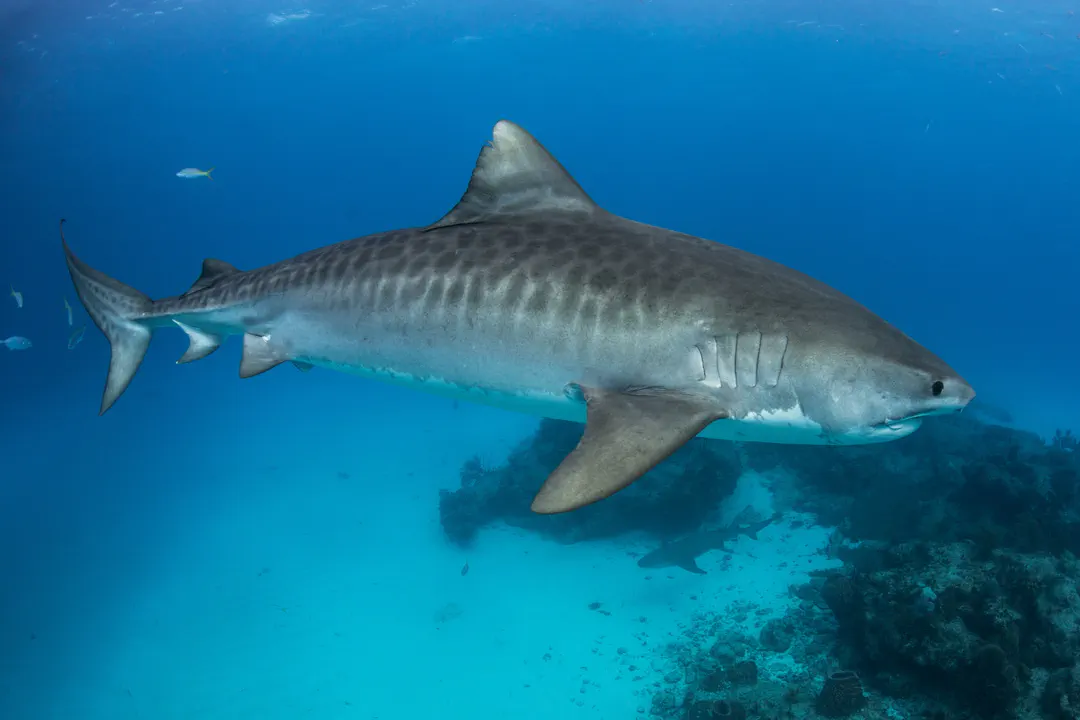
Here, divers have a chance to encounter Bull Sharks (Carcharhinus leucas), which favor these productive waters, or even the formidable Tiger Shark (Galeocerdo cuvier). Pods of Bottlenose Dolphins (Tursiops truncatus) are also regular visitors, often seen playing in the currents. Keep an eye out for gliding Spotted Eagle Rays (Aetobatus narinari) and the occasional Oceanic Whitetip Shark (Carcharhinus longimanus) in the deeper blue.
Diving Conditions and Safety
Underwater visibility around São Tomé and Príncipe generally holds between 15 and 30 meters, though it can fluctuate with plankton blooms or seasonal changes. The equatorial waters maintain a comfortable temperature range of 26°C to 29°C throughout the year, making wetsuits of 3mm or less typically sufficient.
While sheltered bays like Lagoa Azul are ideal for novice divers, sites such as Pedras Tinhosas and Rolas Islet often experience robust currents. These offshore locations demand a higher level of diving proficiency. Engaging with experienced, local dive centers ensures both safety and access to the best conditions.
Conservation Efforts and Sustainable Tourism
Recognizing their unique and relatively untouched marine environment, São Tomé and Príncipe actively champion conservation. Significant efforts focus on safeguarding critical sea turtle nesting beaches and preserving the health of their coral-encrusted volcanic reefs.
Visitors play a vital role in these efforts. Adhering to responsible diving practices, such as maintaining neutral buoyancy and refraining from touching marine life, helps ensure the long-term health of this fragile equatorial ecosystem for future generations.
Questions
What is the best time of year to dive in São Tomé and Príncipe?
The dry season, from May to October, generally offers the best diving conditions with calmer seas and better visibility. However, specific marine encounters like whale watching may be better during other months.
Are there opportunities to see large marine animals?
Yes, the islands are known for pelagic encounters, including various shark species like Scalloped Hammerheads and Galapagos Sharks, Spotted Eagle Rays, and migrating Humpback Whales (July-October).
Is São Tomé and Príncipe suitable for beginner divers?
While some sites have strong currents and are better for experienced divers, there are many calm, shallow bays like Lagoa Azul that are perfect for beginners and snorkelers.
What kind of marine life can I expect to see?
You can expect a rich diversity, from colorful reef fish, nudibranchs, and octopuses to larger species like barracudas, jacks, tuna, various sharks, rays, and sea turtles.
What are the water temperatures like?
Water temperatures are consistently warm throughout the year, typically ranging between 26°C and 29°C (79-84°F).