Introduction to Ecuador's Underwater Wonders
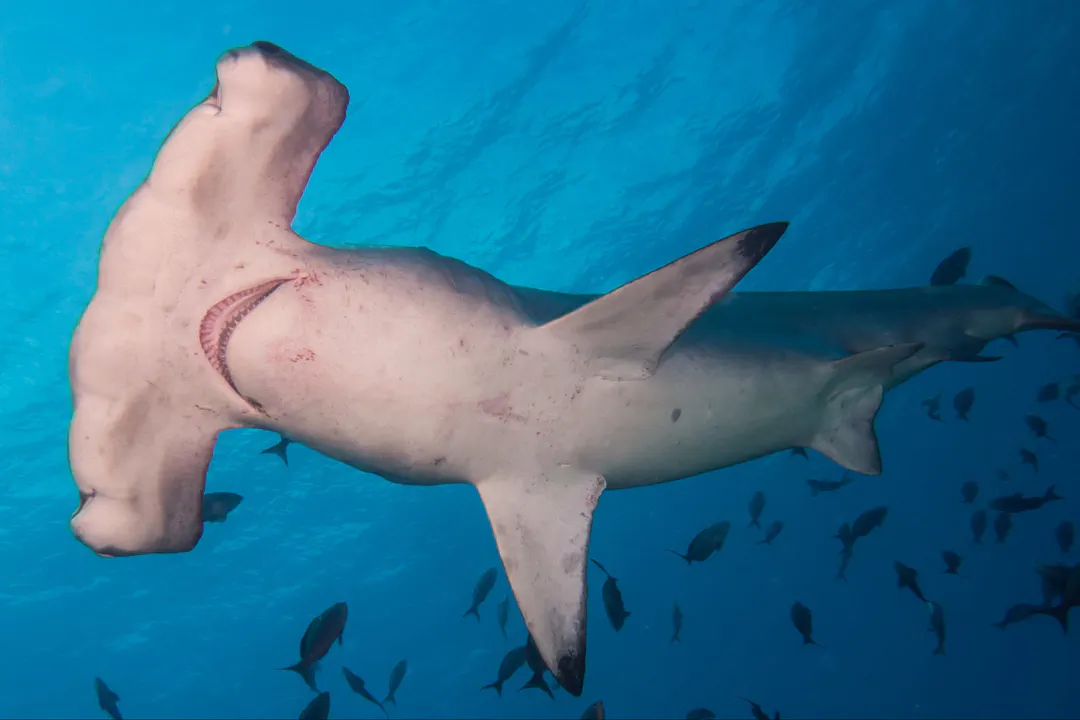
At Gordon Rocks, near Santa Cruz Island, a wall of scalloped hammerheads, perhaps sixty strong, materializes from the deep blue. They hold their position, heads swaying almost imperceptibly, against a surge of current pushing 4 knots at 25 meters. Below them, a Galapagos shark, its dorsal fin scarred, cruises slowly, indifferent to the smaller reef fish darting between the volcanic rock formations. The water, cool at 22°C even in the warm season, vibrates with the unseen force of the Pacific.
Ecuador's mainland serves as a launch point to the Galapagos Islands, a realm shaped by volcanic forces and ocean currents. Beyond this archipelago, the coast reveals sites like Isla de la Plata and the reefs of Ayangue. Here, the meeting of the cold Humboldt Current and warmer equatorial waters creates an upwelling, fueling the base of a rich food web.
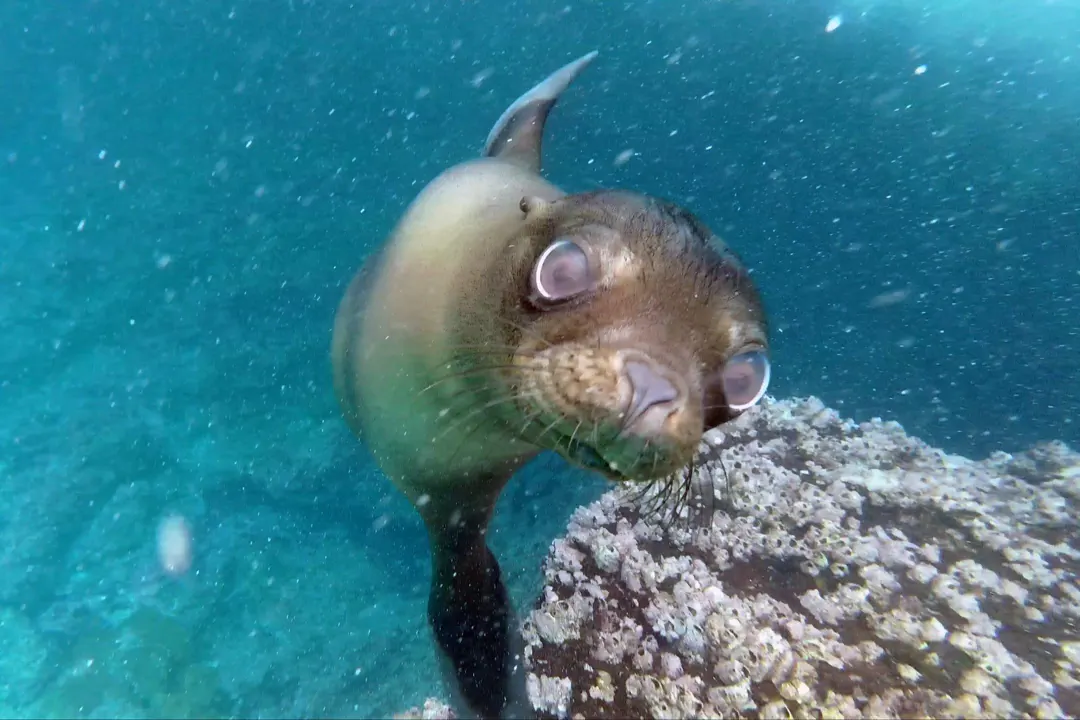
Divers here witness a blend of life, from scalloped hammerhead schools and playful Galapagos sea lions to marine iguanas grazing on underwater algae. These waters support over 2,900 identified marine species, with a quarter of them found only within these ecosystems.
Geography and Climate for Divers
Ecuador's diving landscape is defined by its 1,600-kilometer Pacific coastline and the volcanic Galapagos archipelago, located 965 km west of the mainland. The climate varies dramatically between these two zones, each presenting distinct conditions for exploration.
The Galapagos experiences a warm-wet season from December to May, with surface temperatures reaching 24–30°C and seas often calmer. This contrasts with the cool-dry season, from June to November, when temperatures drop to 18–24°C and stronger currents attract pelagic giants. Meanwhile, the mainland coast, influenced by the warm Panama Current, maintains waters averaging 22–28°C year-round, and offers better visibility during its dry season from June to December.
Unique Marine Ecosystems
The Galapagos Marine Reserve is where three major ocean currents converge: the cold Humboldt Current from the south, the warm Panama Current from the north, and an equatorial upwelling current. This confluence draws deep, nutrient-laden waters to the surface, creating a base for an exceptionally productive food web.
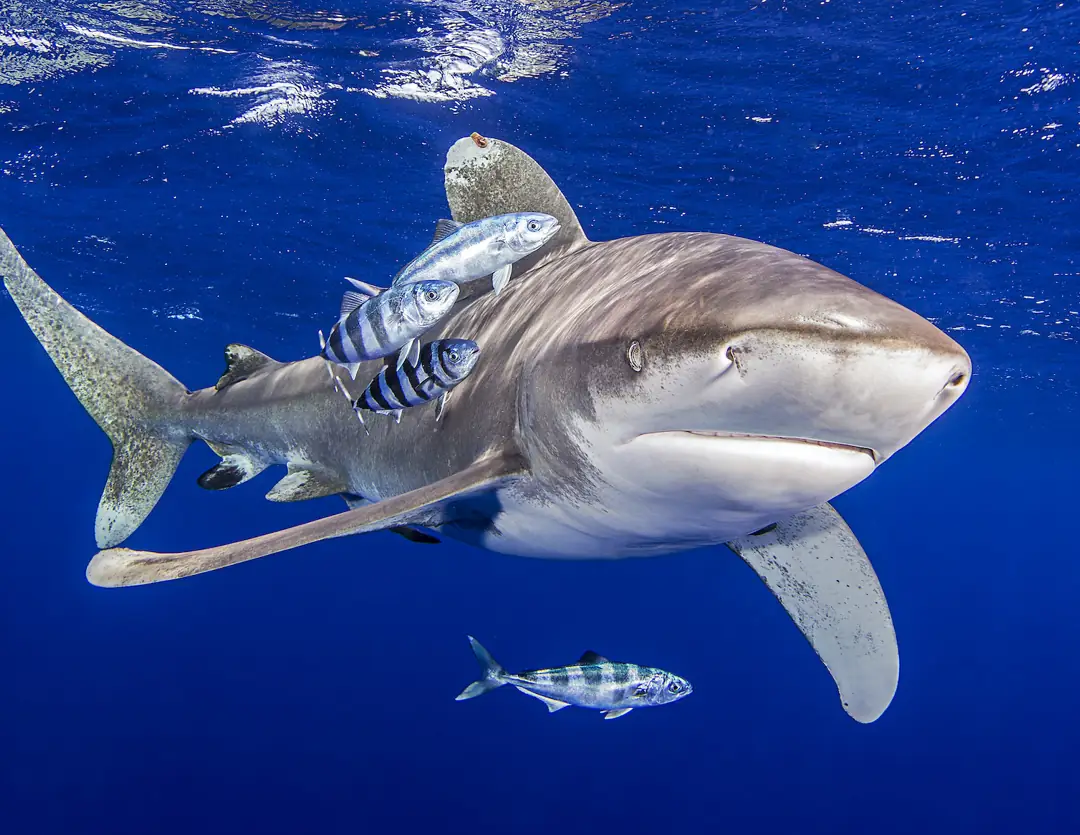
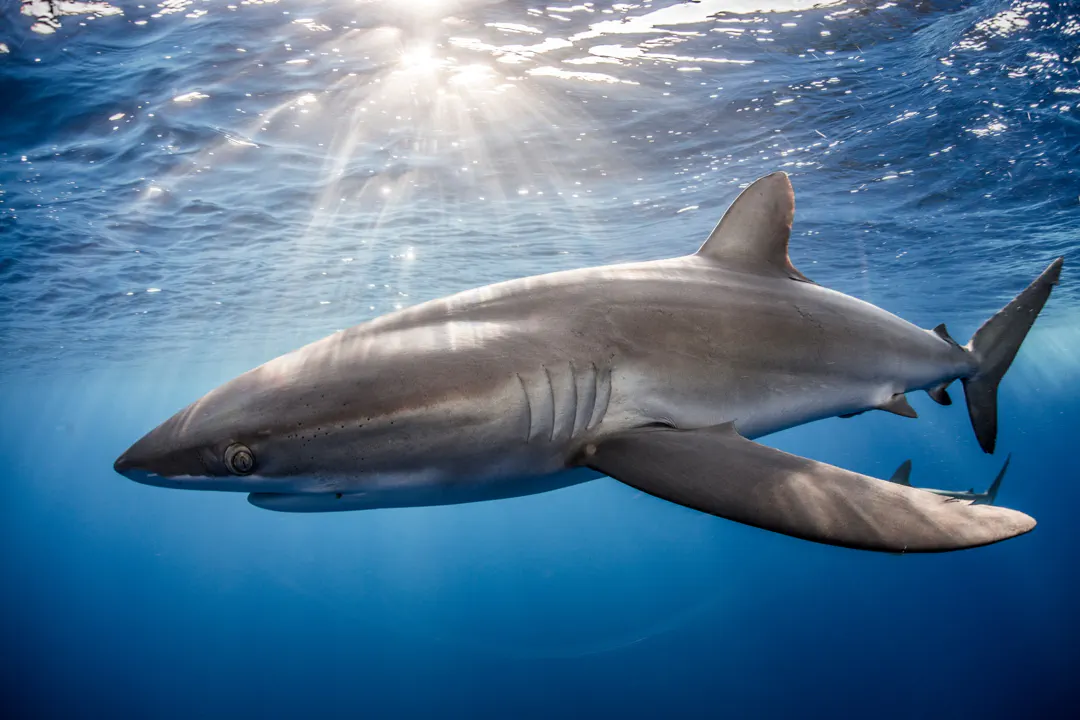
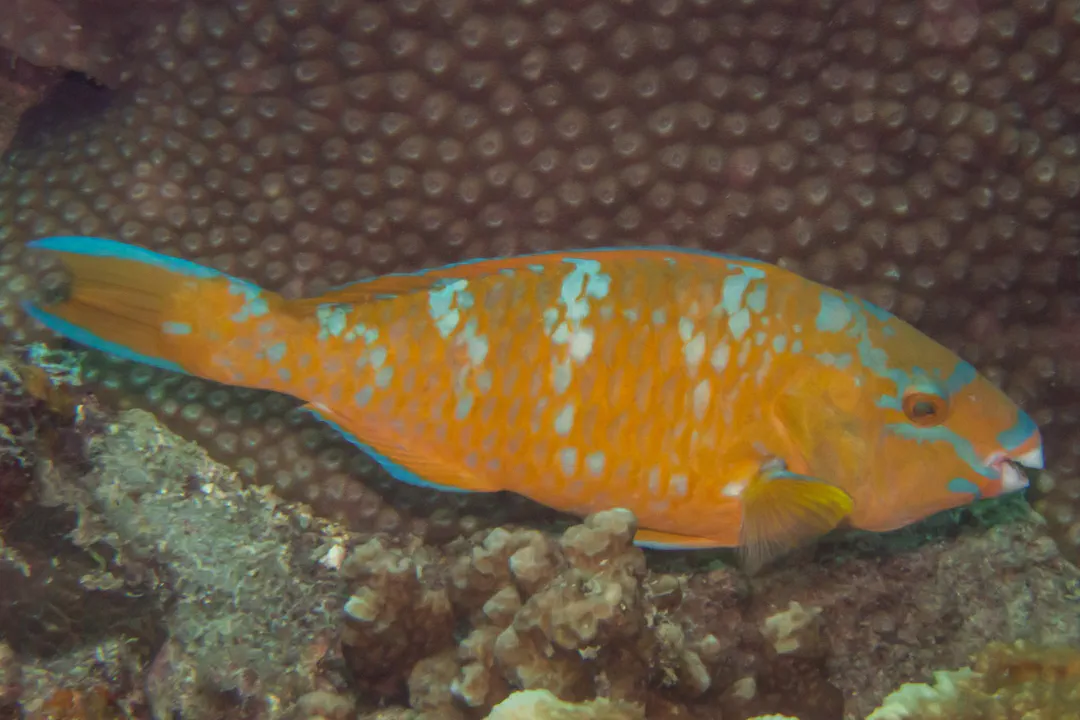
This upwelling supports large aggregations of pelagic predators, including scalloped hammerheads, silky sharks, whale sharks, and oceanic whitetips. Alongside these giants, Galapagos sharks, moray eels, and parrotfish navigate the reef. The blend of cold and warm currents transports Antarctic species like fur seals and penguins into the tropical archipelago, while also attracting species from Central America, resulting in over 2,900 identified marine species, with 25% found nowhere else.
Best Time to Visit for Diving
For diving in the Galapagos, two distinct seasons offer different highlights. The warm-wet season, from December to May, brings seas that are often calmer, and water temperatures of 24–30°C, ideal for general diving and frequent sightings of scalloped hammerheads.
The cool-dry season, from June to November, sees cooler waters (18–24°C) and rougher seas with stronger currents. This period is prime for whale sharks and increased pelagic activity. Mainland diving, in contrast, offers consistent conditions year-round, with visibility typically peaking during its dry season, from June to December.
Water temperature
Ecuador, monthly average
Ecuador Pacific Coast near Guayaquil; typical sea surface temperatures for mainland coastal diving areas
Diving the Galapagos Islands: A World Heritage Site
The Galapagos Islands offer encounters with marine life, much of it endemic to this archipelago. Currents can exceed 3–5 knots, and depths often reach 30–50 meters, drawing large schools of sharks.
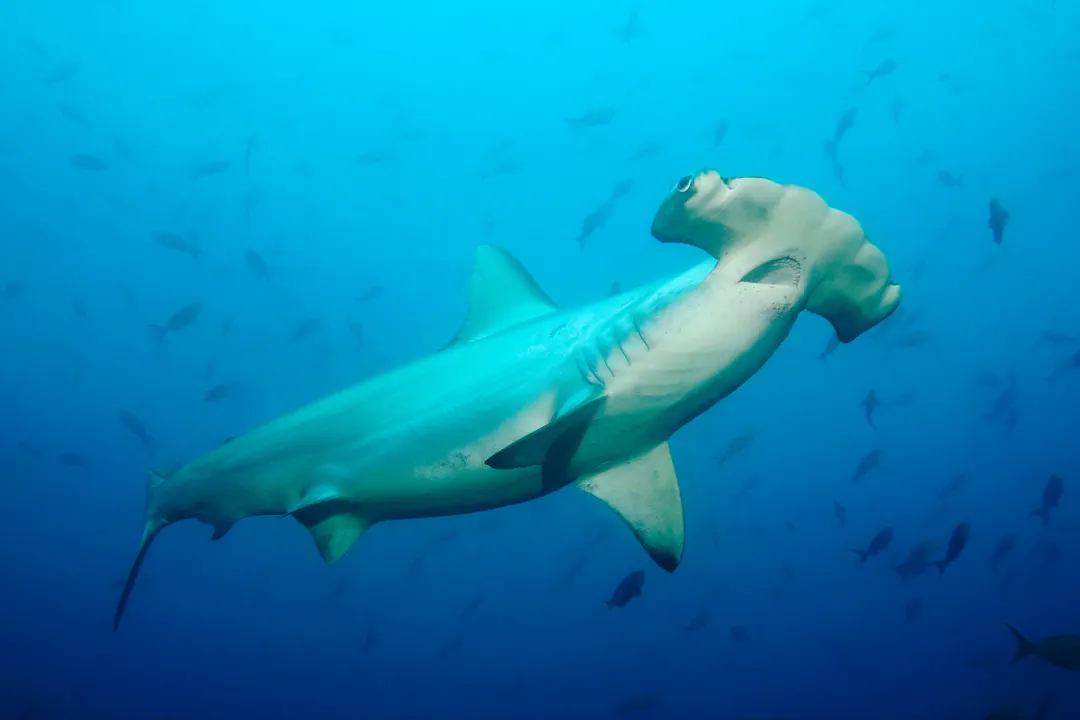
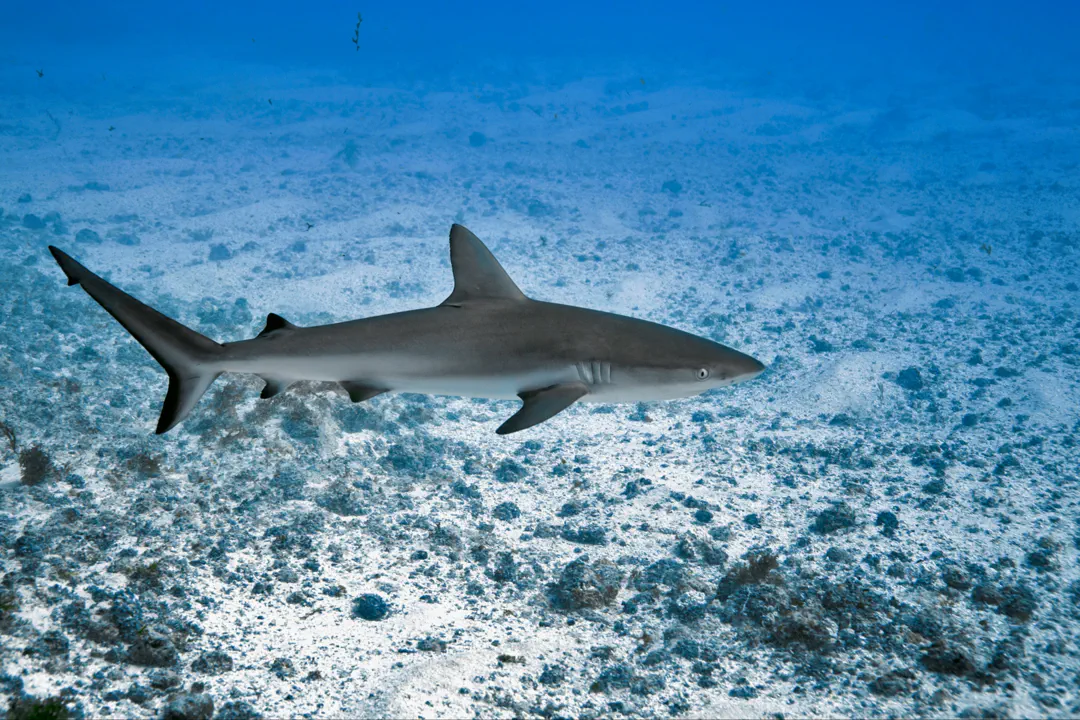
Scalloped hammerheads, Galapagos sharks, and silky sharks patrol these waters, alongside Galapagos sea lions that dart through dive sites. Liveaboards are the most practical way to explore these remote sites, as most dive locations are inaccessible from shore due to marine park regulations and the islands' rugged coastlines. Divers must be prepared for challenging conditions, including drift dives, deep dives requiring advanced buoyancy control, and the need for thermal protection during the cool season.
 © R VasconcellosCC BY 4.0 · iNaturalist
  © Kristof ZyskowskiCC BY 4.0 · iNaturalist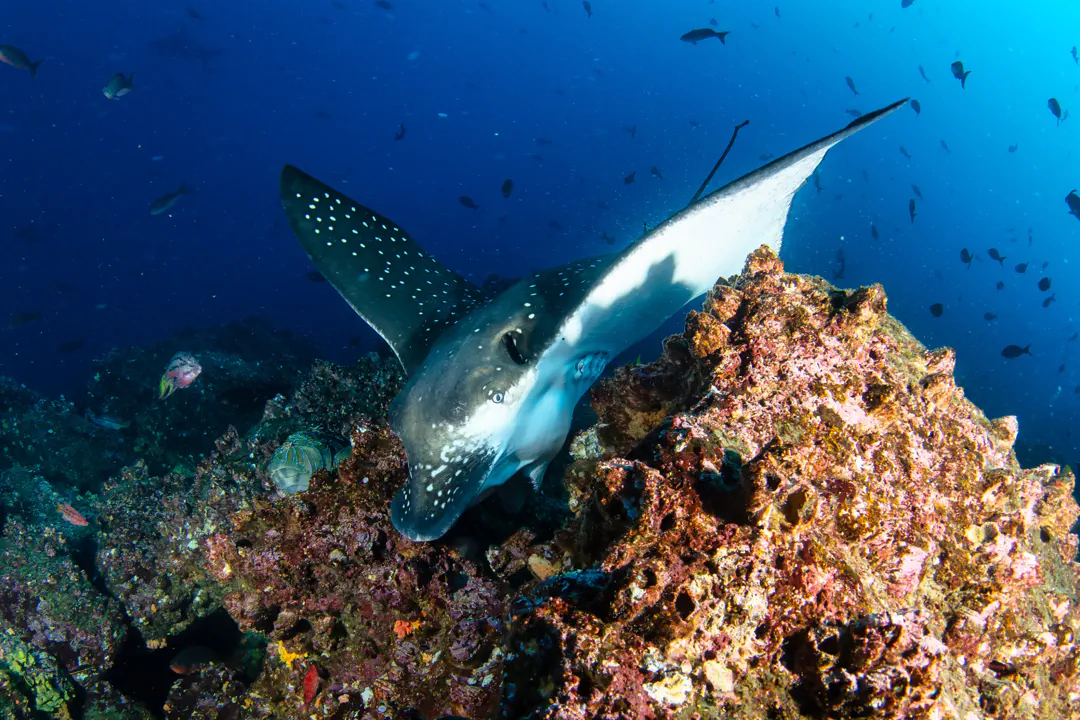
Dive Site Spotlight: Gordon Rocks (Galapagos)
At Gordon Rocks, near Santa Cruz Island, experienced divers descend into a deep canyon at 20–30 meters, battling currents that can surge past 4–6 knots. This boat-accessed site is known for schools of 50–100 or more scalloped hammerhead sharks that gather here, their silhouettes a constant presence in the blue.
Galapagos sharks cruise along the rocky ledges, while playful Galapagos sea lions weave through the formations, interacting with divers. Due to its intense, unpredictable currents, often described as a 'washing machine,' this site is exclusively for experienced drift divers, requiring advanced certification and a minimum of 50 logged dives.
 © Borja FierroCC BY 4.0 · iNaturalist
 Dive Site Spotlight: Wolf & Darwin Islands (Galapagos)
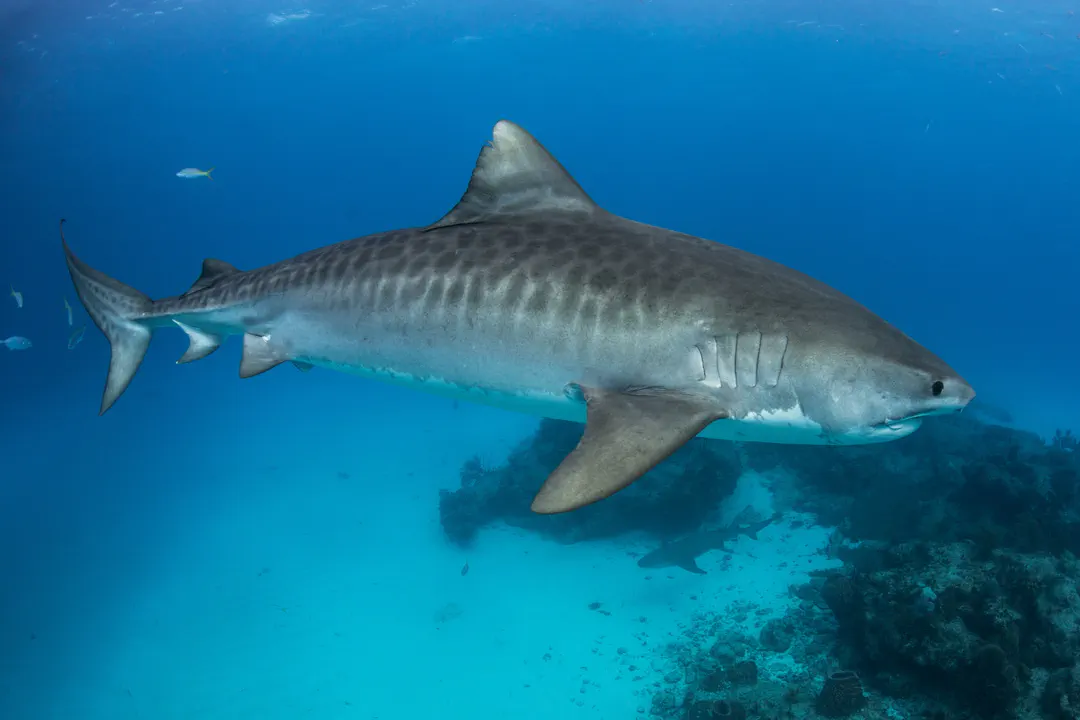
Over 150 km north of Santa Cruz, the remote Wolf and Darwin Islands offer unparalleled pelagic diving, accessible only by liveaboard. Dives here typically range from 18-40 meters, following currents along underwater pinnacles and deep channels. These waters are patrolled by schools of 100–200 or more scalloped hammerheads, alongside silky sharks and oceanic whitetips. This site is best suited for advanced divers comfortable with strong currents and deep dives.
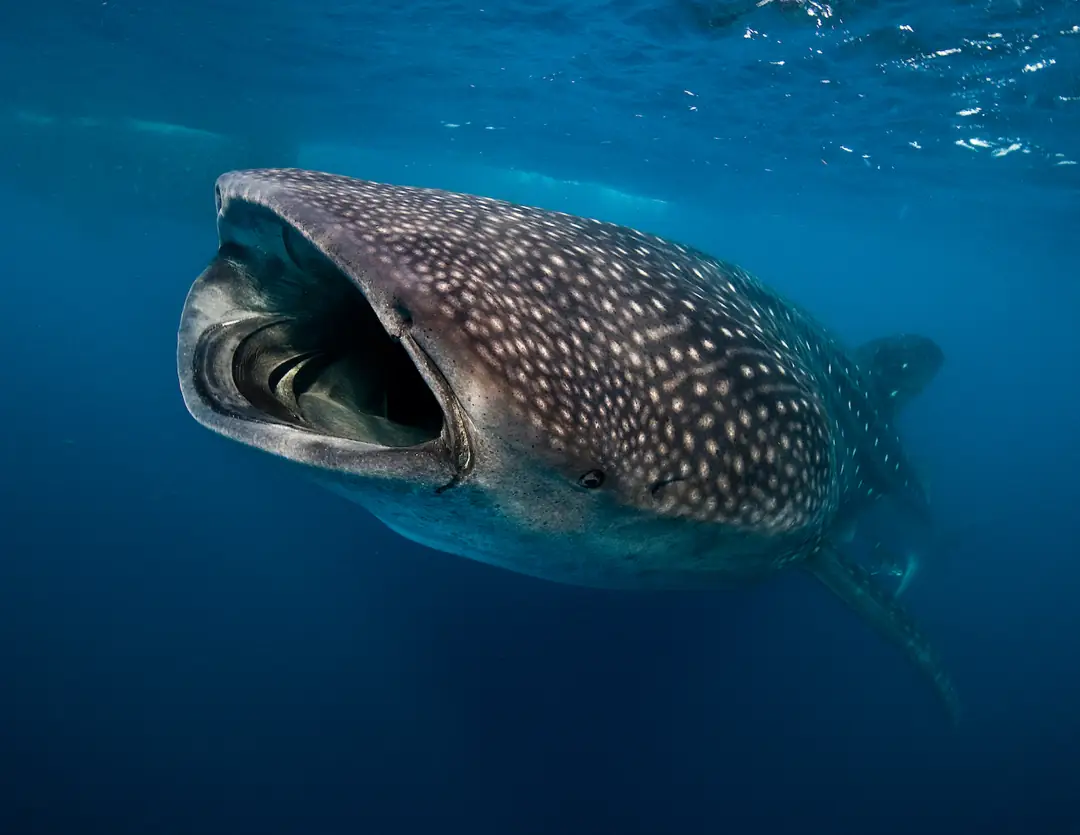
During the cool season, from June to November, sightings of whale sharks, some up to 12 meters long, are common as they follow the nutrient-rich currents. Divers often encounter multiple shark species, reef manta rays, Galapagos sea lions, and green sea turtles in a single dive, making these islands distinct for their sheer abundance of large marine life.
Mainland Ecuador Diving: Isla de la Plata
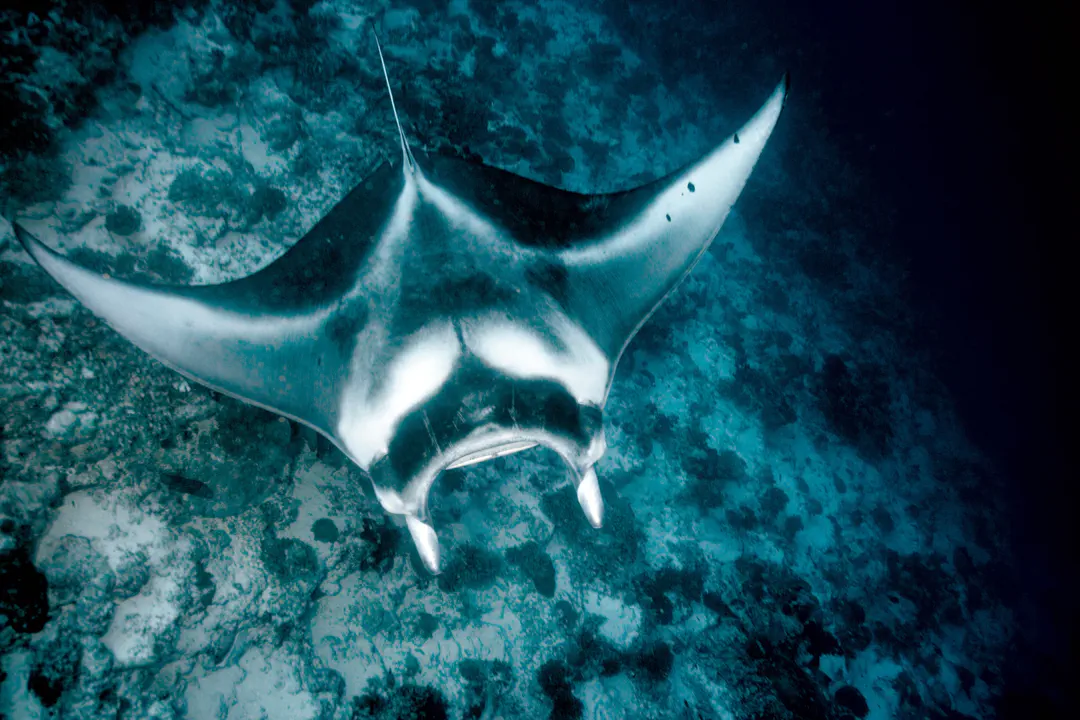
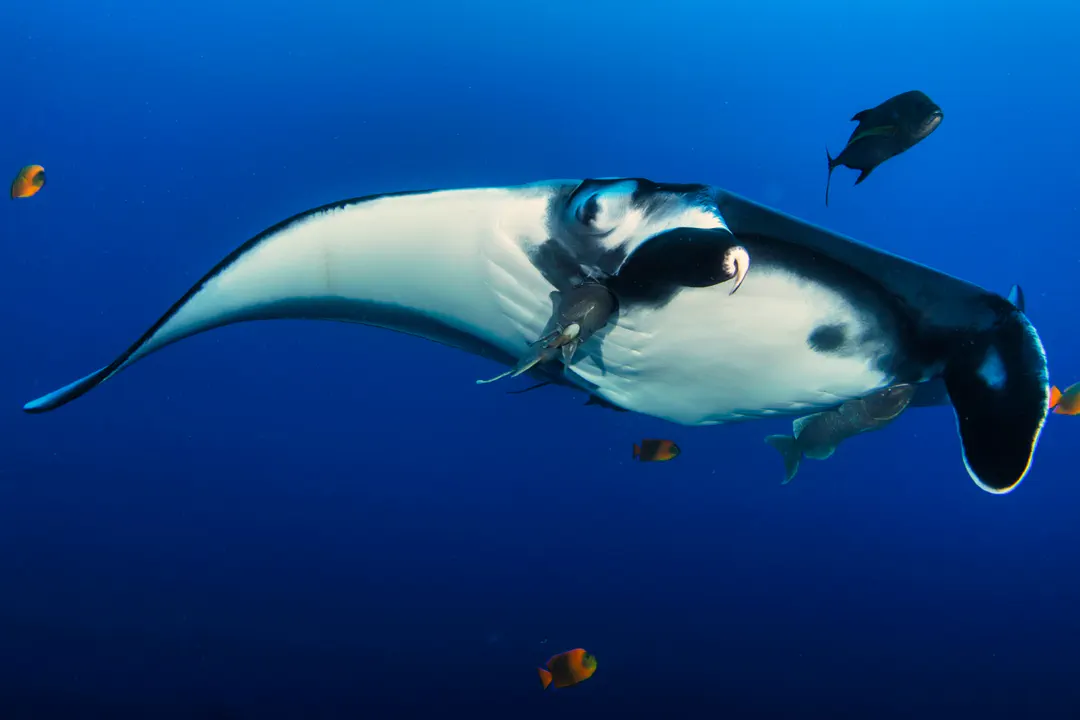
Isla de la Plata, a part of Machalilla National Park off Puerto Lopez, is known for its accessible boat dives, typically ranging from 10–20 meters, with water temperatures from 22–27°C. The site is distinct for its large schools of Mobula thurstoni rays that perform synchronized feeding displays, a spectacle of coordinated movement. This site is suitable for all certification levels.
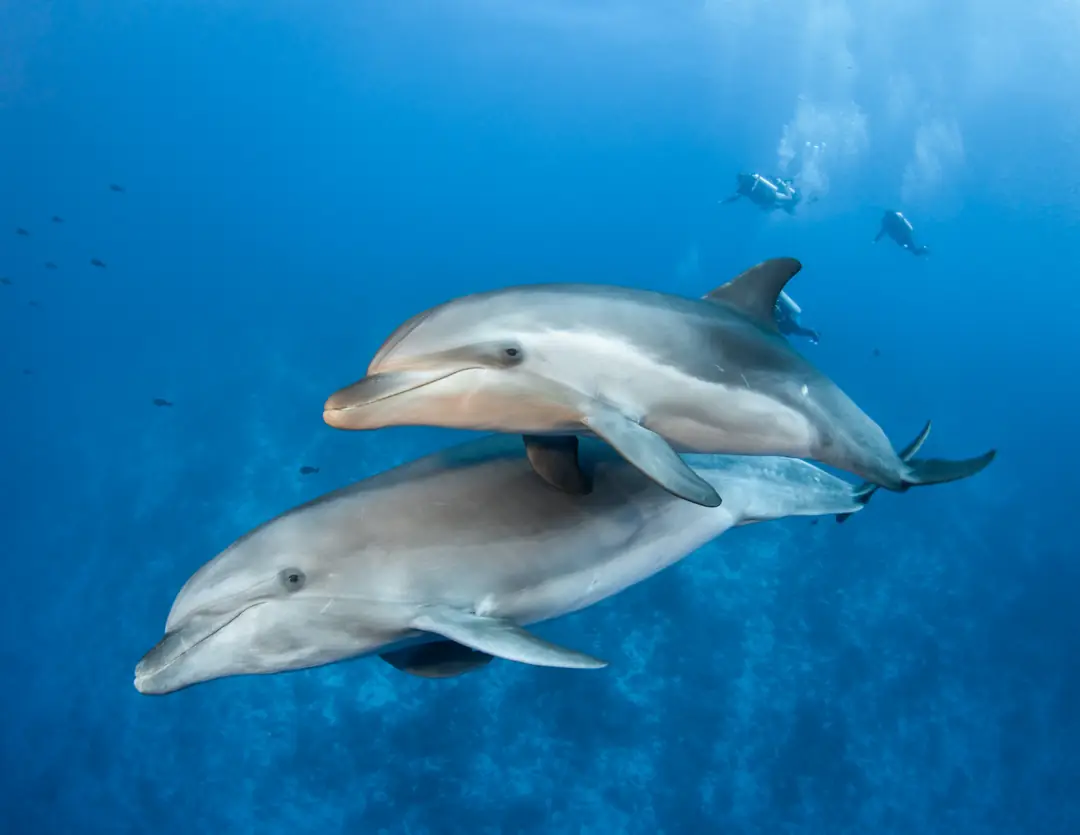
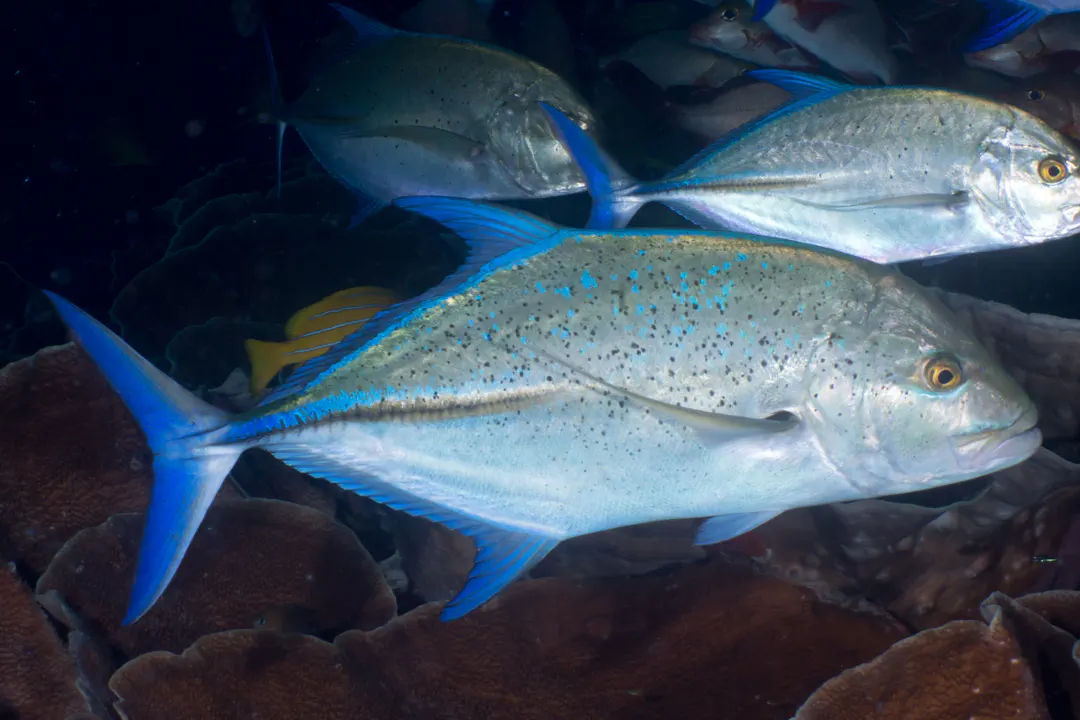
Seasonally, from July to September, humpback whales (Megaptera novaeangliae) migrate along the mainland coast, offering sightings for divers and snorkelers. The reefs here support carangids, surgeonfish, and sometimes Guiana dolphins (Sotalia fluviatilis), with visibility peaking during the dry season.
 © Rickard ZerpeCC BY 4.0 · iNaturalist
  © portioidCC BY 4.0 · iNaturalist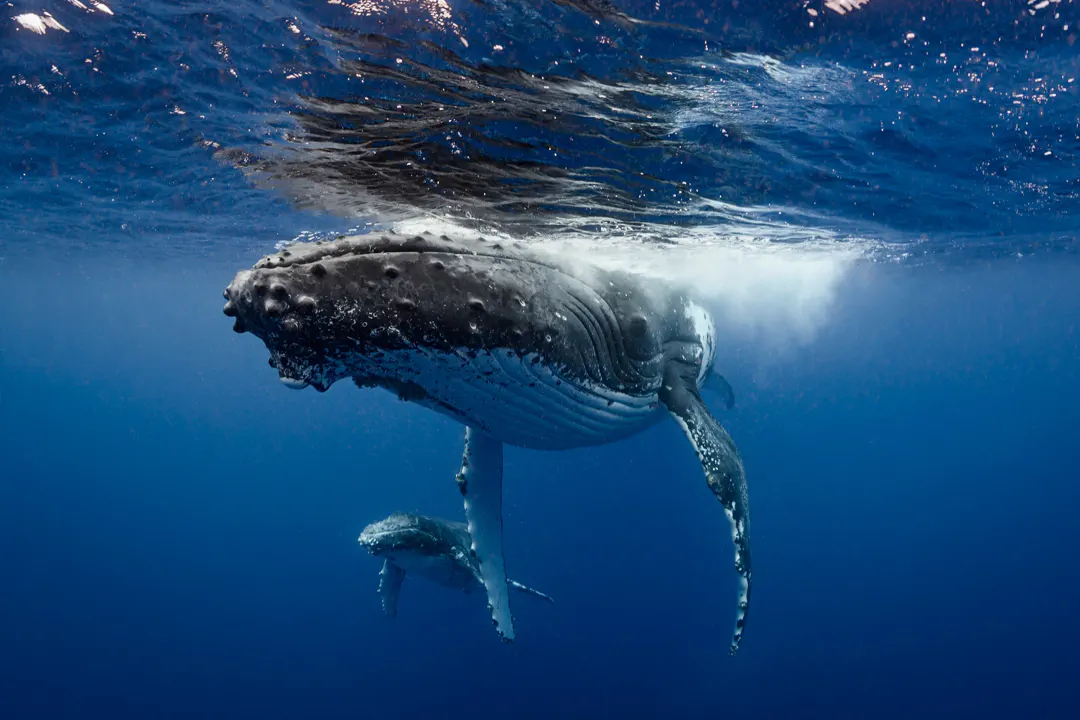
Mainland Ecuador Diving: Salinas and Ayangue
Further south along Ecuador's mainland, coastal towns like Salinas and Ayangue offer accessible diving, with sites typically ranging from 5–18 meters. Water temperatures average 23–28°C, and visibility can exceed 15–20 meters during the dry season. These sites feature rocky reefs and small wrecks, often accessed via short boat trips from local dive shops, though some shore entry points exist in Ayangue.
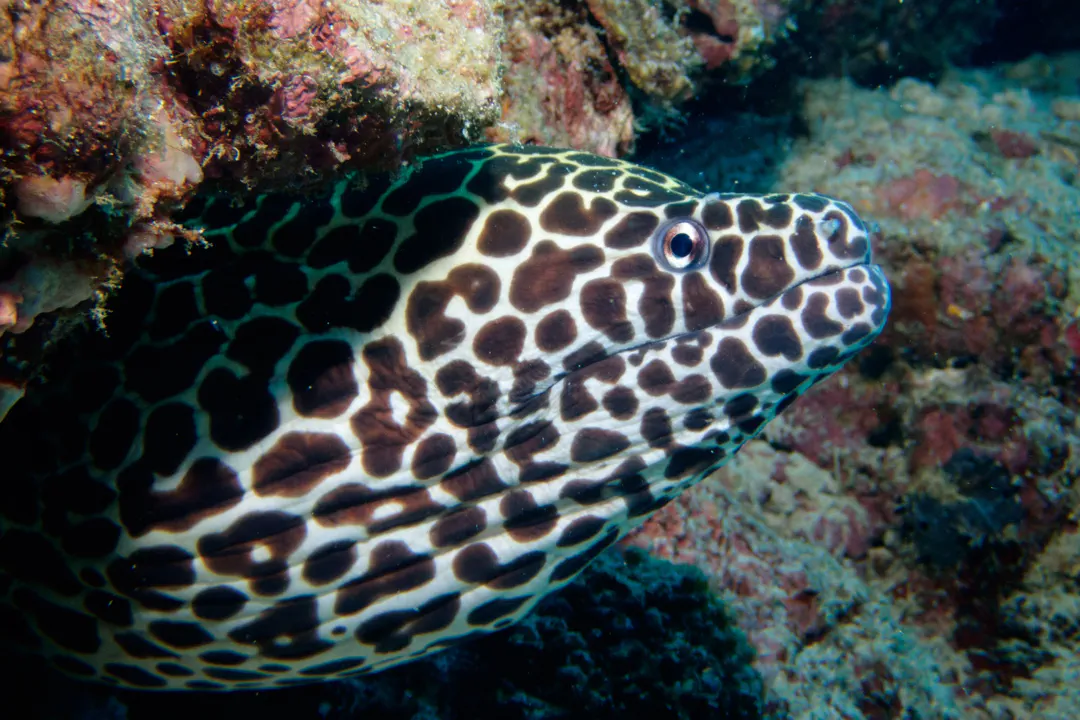
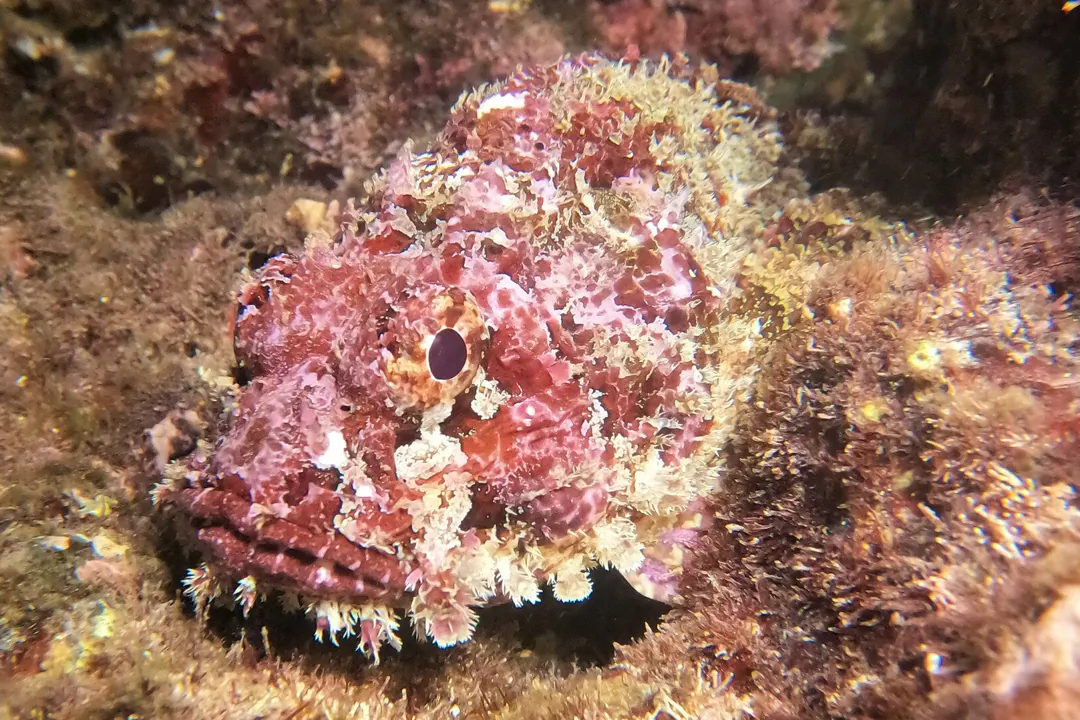
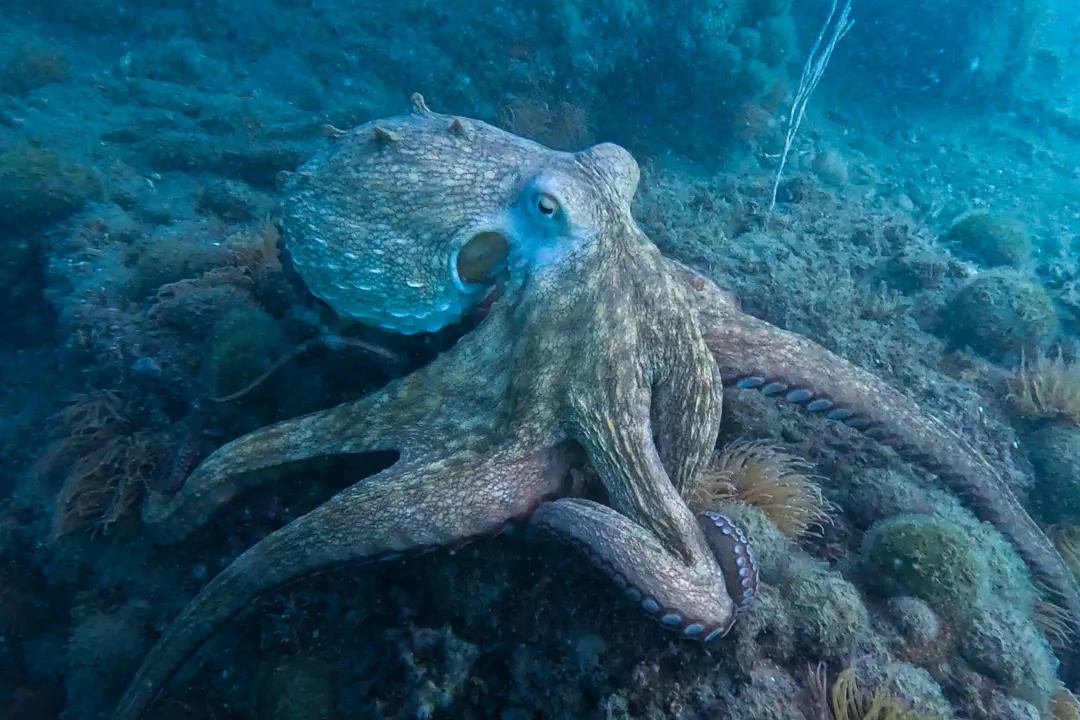
Common inhabitants include spotted moray eels (Gymnothorax favagineus), octopus (Octopus vulgaris), blue-green chromis, and parrotfish. While less known for big pelagics, these locations provide relaxed dives for all experience levels, distinct for their blend of reef life and small wreck exploration.
 © Alberto AlcaláCC BY 4.0 · iNaturalist
  Justin PhilboisCC0 · iNaturalist
 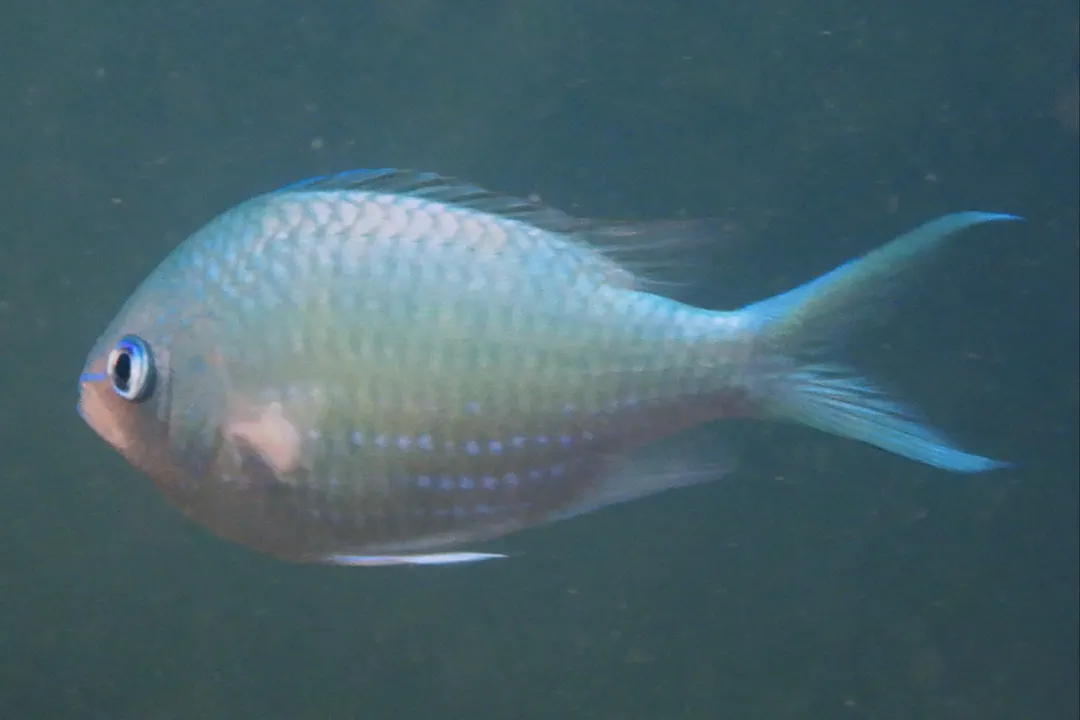 © Ewout KnoesterCC BY-SA 4.0 · iNaturalist
 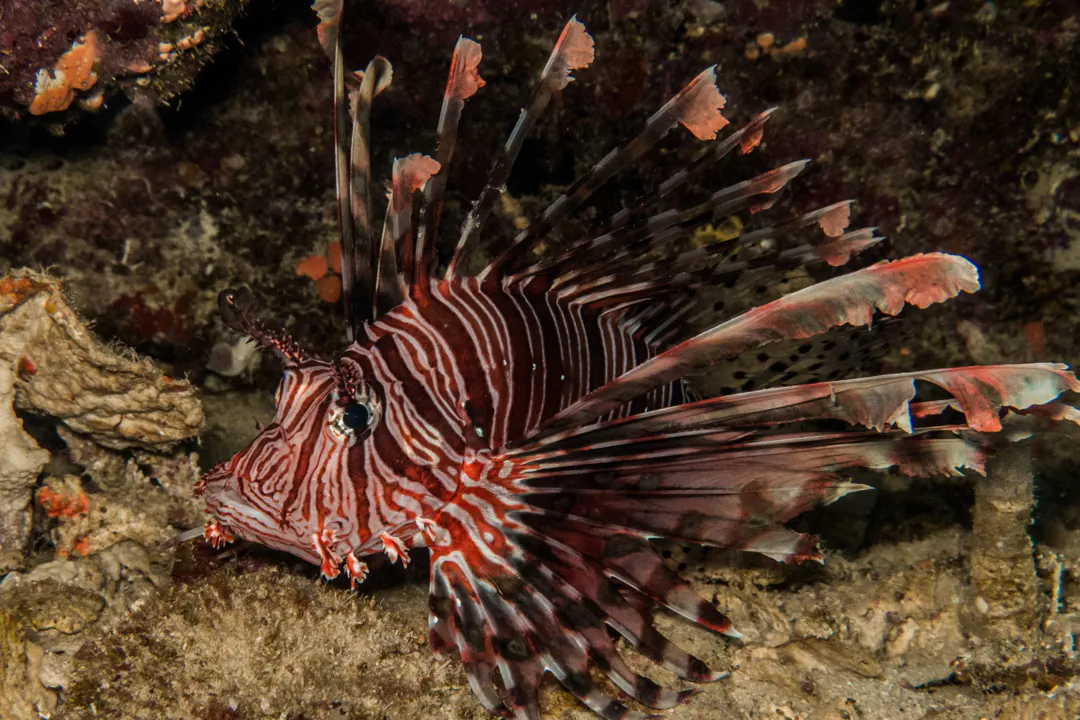 © João D'AndrettaCC BY 4.0 · iNaturalist
 Conservation Efforts and Responsible Diving
Ecuador protects its marine environments, especially within the Galapagos Marine Reserve, established in 1998 and expanded to 198,000 km² in 2022. This reserve safeguards nearly 3,000 marine species, a quarter of which are found nowhere else.
Divers are encouraged to practice responsible diving by maintaining safe distances of at least 3–5 meters from marine life, avoiding contact with corals or rocks, and never chasing or touching animals. Supporting eco-friendly operators who follow strict guidelines—such as limiting group sizes, using mooring lines instead of anchors, and enforcing no-take policies—helps preserve these ecosystems for future generations.
Practical Tips for Divers Visiting Ecuador
Planning a dive trip to Ecuador, particularly the Galapagos, requires booking liveaboards well in advance, often 6–12 months ahead, due to limited availability and high demand. Ensure you have appropriate dive certifications for challenging conditions, including Advanced Open Water, with a minimum of 50 logged dives and drift diving experience recommended.
Deep diving certification is also advisable for sites exceeding 30 meters. Consider dive insurance that covers emergency evacuation, and pack layers for varying temperatures: a 5mm or 7mm wetsuit for the cool season and a 3mm for the warm season. For mainland diving, local dive shops in Puerto Lopez, Ayangue, and Salinas offer day trips, gear rental, and guided dives with more flexible scheduling.
Questions
Do I need a special certification to dive in the Galapagos?
While not strictly required by law, advanced certifications like Advanced Open Water and experience with drift diving are highly recommended due to strong currents exceeding 3–6 knots and deep dives often reaching 30–50 meters. Many liveaboards mandate a minimum of 50 logged dives and prior drift diving experience for safety.
What is the water temperature like in the Galapagos?
During the warm season (December–May), temperatures range from 24–30°C (75–86°F), while in the cool season (June–November), they drop to 18–24°C (64–75°F), often requiring a 5mm or 7mm wetsuit for thermal protection.
Can I see marine iguanas underwater?
Yes, marine iguanas (Amblyrhynchus cristatus) are frequently seen feeding on underwater algae, particularly in the Galapagos, where they are unique to the islands and a highlight for divers and snorkelers. They are the only marine iguana species in the world and dive up to 10 meters deep to graze.
Are there opportunities for shore diving in Ecuador?
Shore diving is less common, especially in the Galapagos where most diving is done from boats or liveaboards due to marine park regulations and limited shore access to dive sites. Some mainland areas like Ayangue and Salinas offer limited shore entry points with local dive shops providing guided day trips.
Is Ecuador suitable for beginner divers?
While the Galapagos can be challenging with strong currents and deep dives, there are calmer, shallower sites suitable for less experienced divers or for refreshing skills. Mainland sites like Ayangue and Isla de la Plata are generally more beginner-friendly with relaxed conditions and local dive operators offering guided trips.