Why July is a Fantastic Month for Diving
At 25 meters deep in the northern Red Sea, shafts of morning light pierce the water, illuminating the ghostly silhouette of the SS Thistlegorm. A solitary lionfish, its fins spread like an ornate fan, drifts slowly past a stack of motorcycles, seemingly contemplating its next meal. Above, a school of bannerfish streams through the gentle current, their long dorsal fins trailing like banners in the breeze, while the water temperature holds a comfortable 29°C.
This scene of calm yet bustling marine activity is characteristic of July, a month that marks the pinnacle of summer diving in the Northern Hemisphere. Across tropical zones, water temperatures reliably stay between 28-30°C, with visibility often extending beyond 30 meters. These conditions, combined with peak breeding cycles, create a stage for encounters with large pelagic species and prolific reef life.
Red Sea, Egypt: Summer Currents and Historic Wrecks
In July, the Red Sea maintains water temperatures around 28–30°C, with visibility frequently exceeding 30 meters. These conditions allow for exploration of its extensive coral formations, steep drop-offs, and historic wreck sites. The SS Thistlegorm, a WWII cargo ship laden with motorcycles and trucks, rests between 15-30 meters, accessible by boat from Sharm El Sheikh or Hurghada, and is best suited for advanced divers.
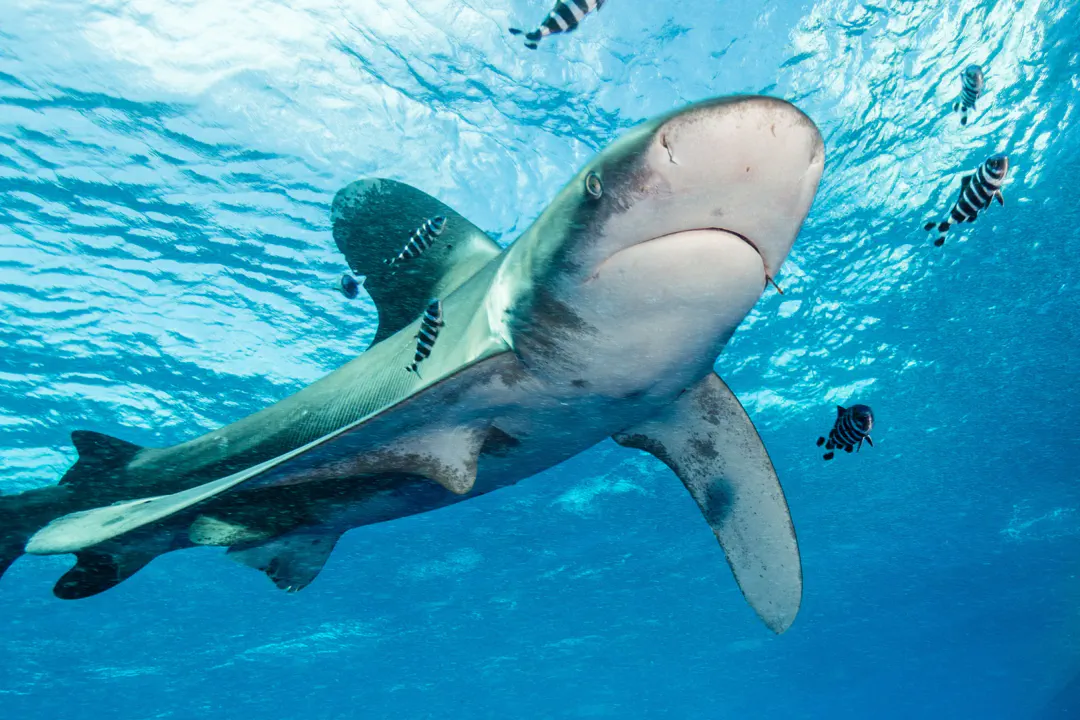
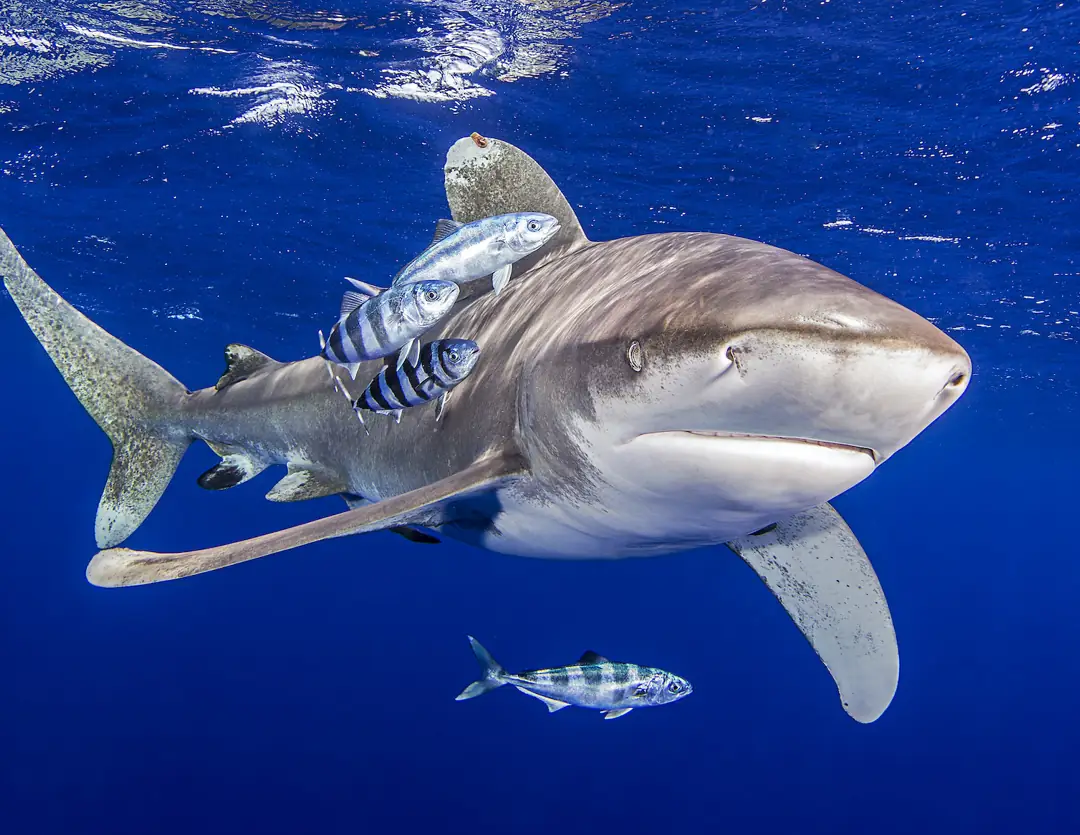
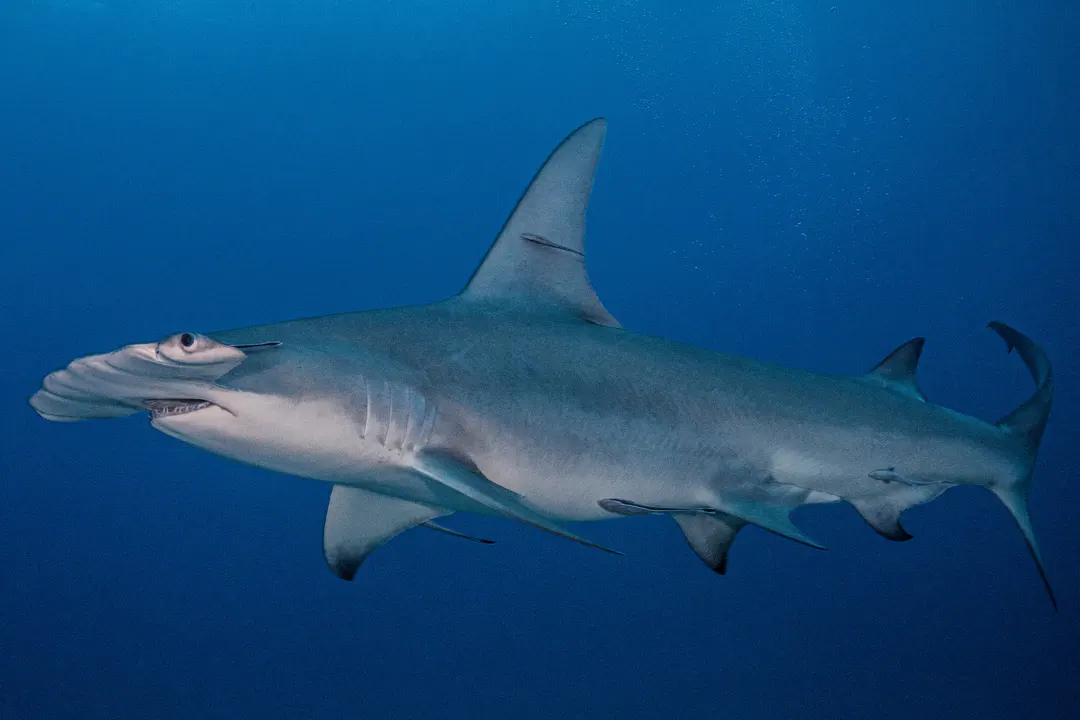
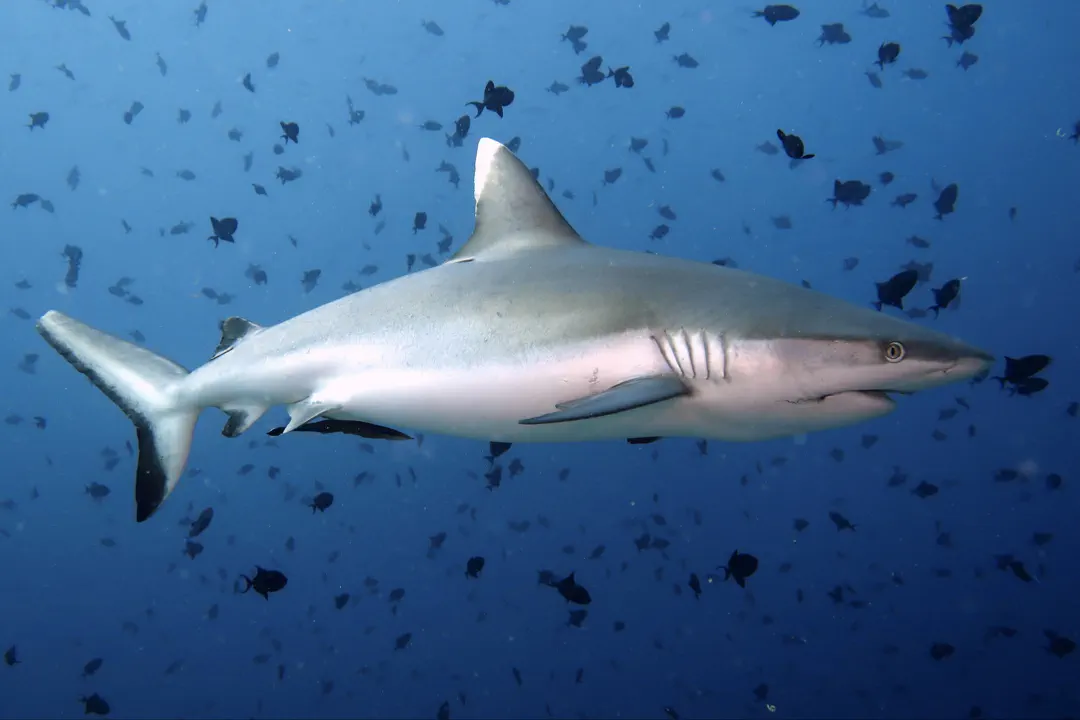
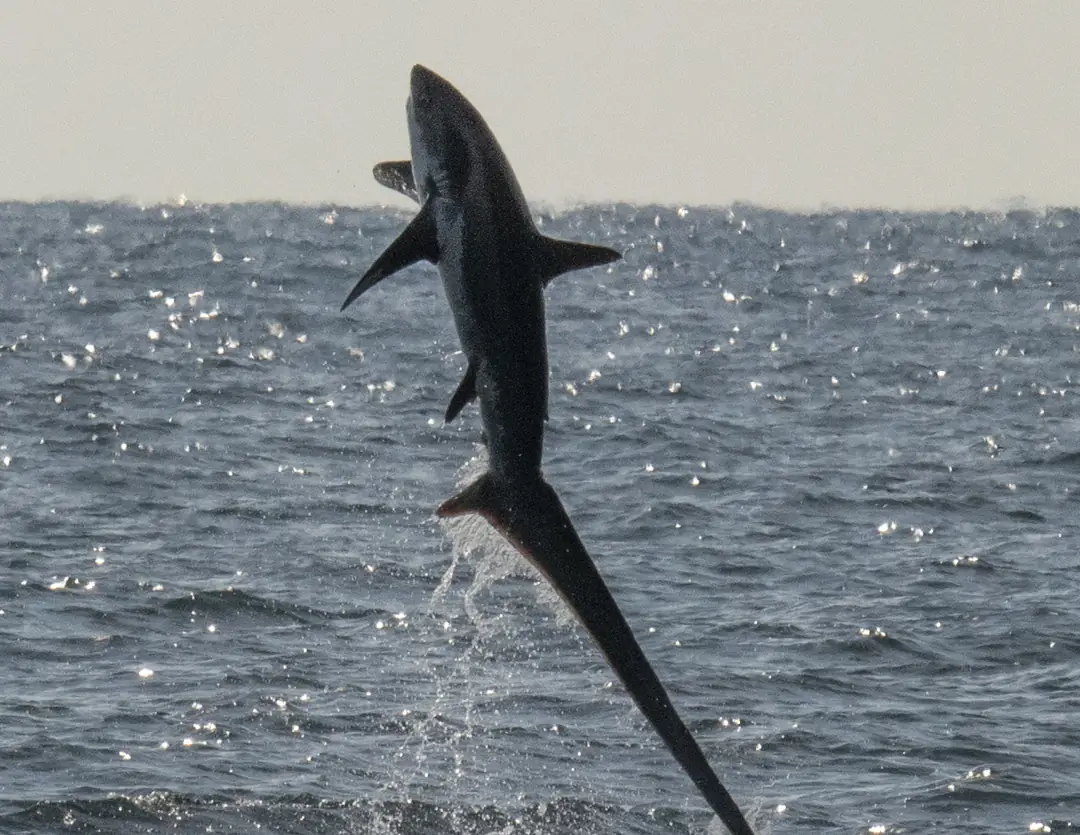
The region is home to a remarkable diversity of marine life, including endemic residents like the Red Sea anemonefish and the striking Sohal surgeonfish. Further south, remote offshore islands like Brothers and Daedalus, accessible by liveaboard for advanced divers, are known for consistent hammerhead shark sightings between 20-40 meters from June to October. Oceanic whitetips and thresher sharks are also present in deeper currents. Night dives reveal bioluminescence and active nocturnal hunters like octopus and nudibranchs among the reefs.
 © Daniel BenákCC BY 4.0 · iNaturalist
  © Ed CoreyAll rights reserved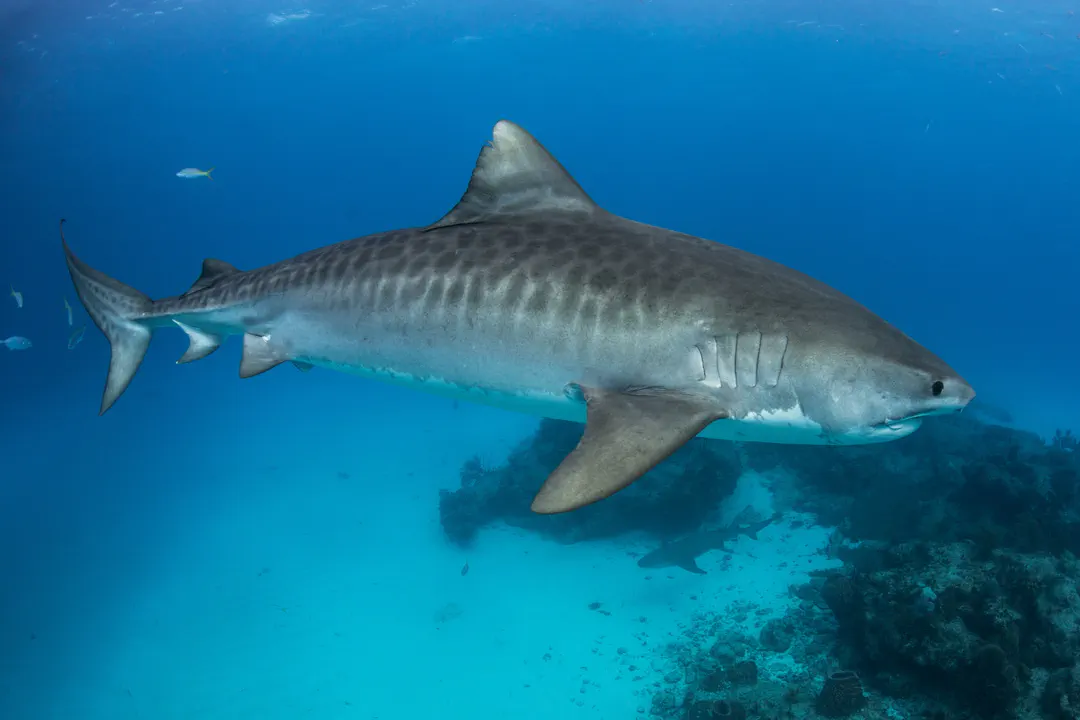
Maldives: Manta and Whale Shark Encounters
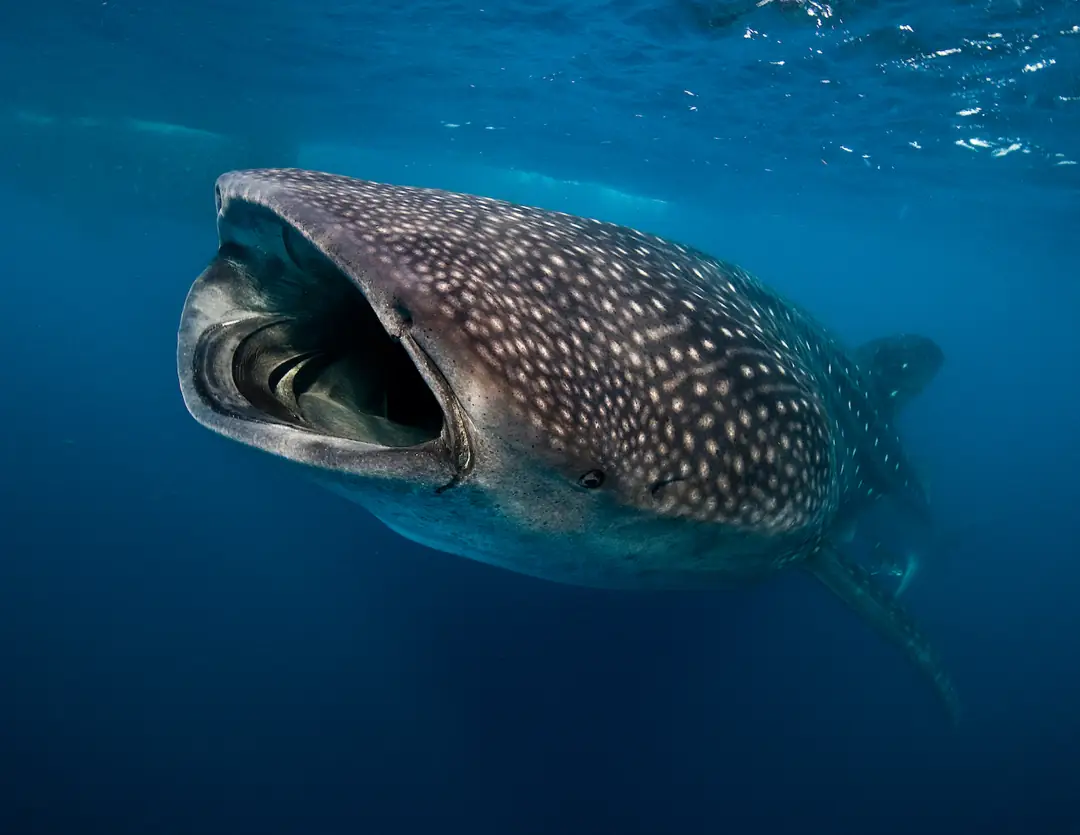
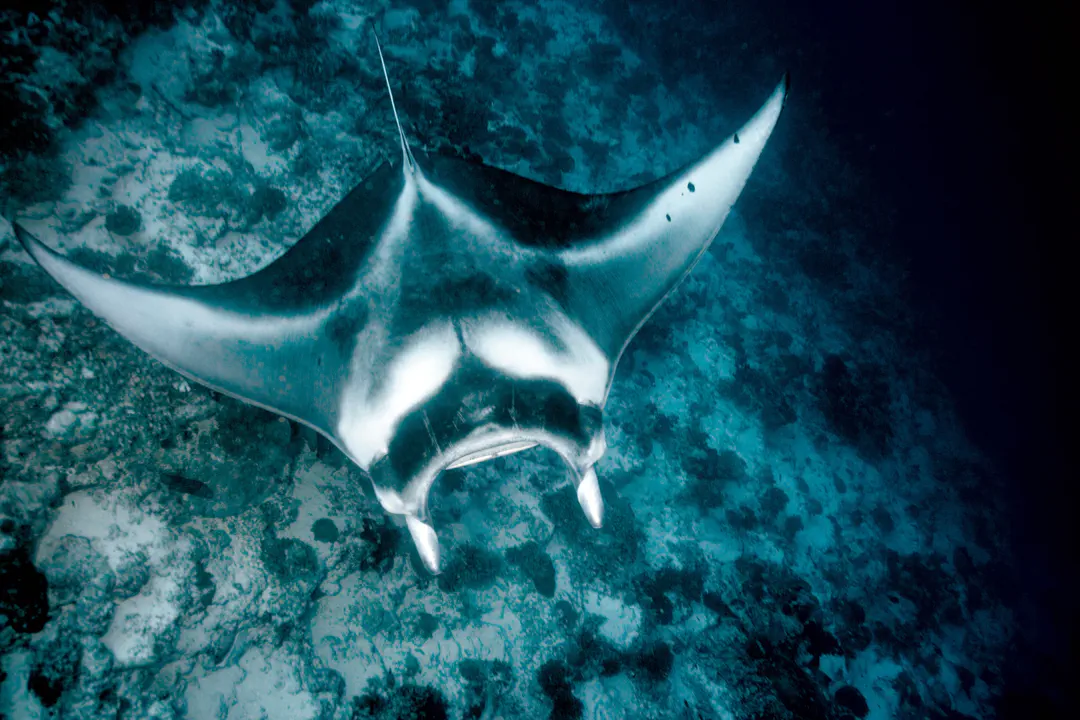
In July, the Maldives sees peak manta ray and whale shark sightings, particularly in central atolls like Baa Atoll's Hanifaru Bay. The southwest monsoon delivers nutrient-rich waters, triggering plankton blooms that draw these large filter feeders. Water temperatures hover around 29°C, providing comfortable conditions for drift dives along extensive coral formations, typically between 10-30 meters.
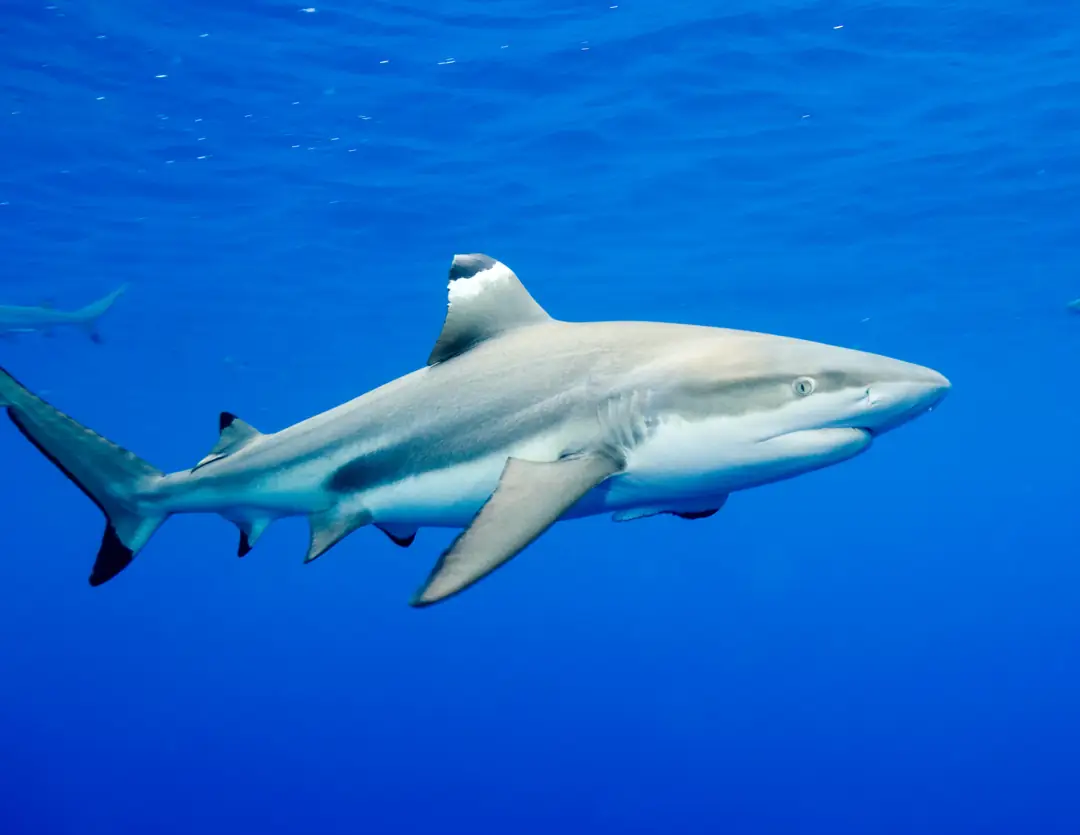
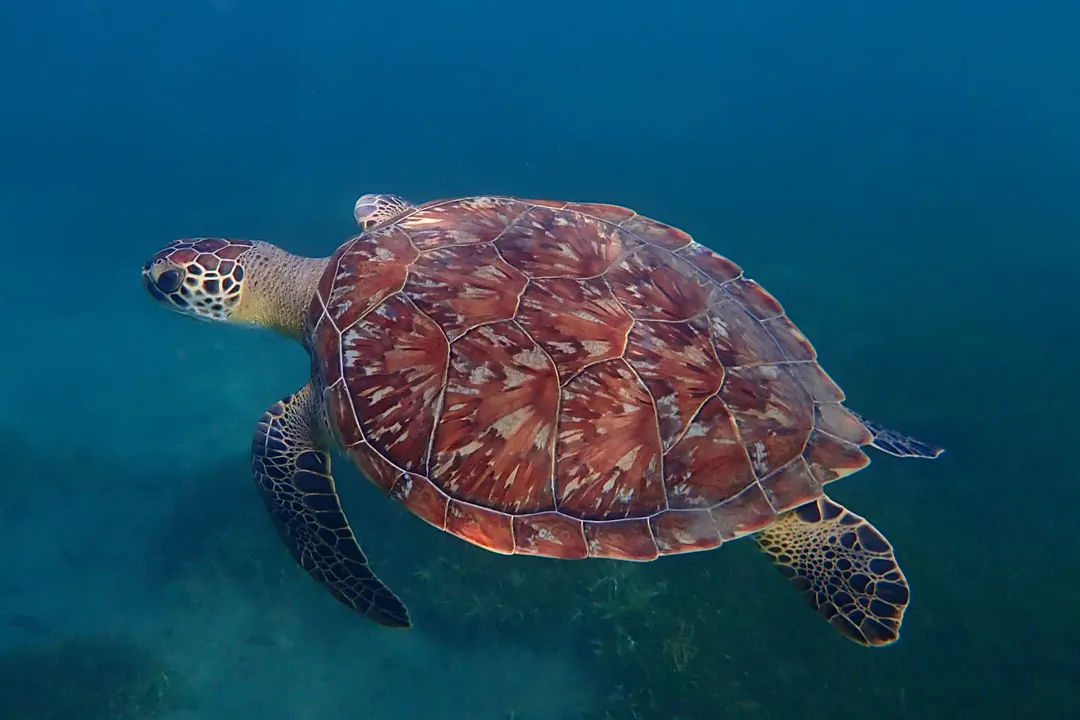
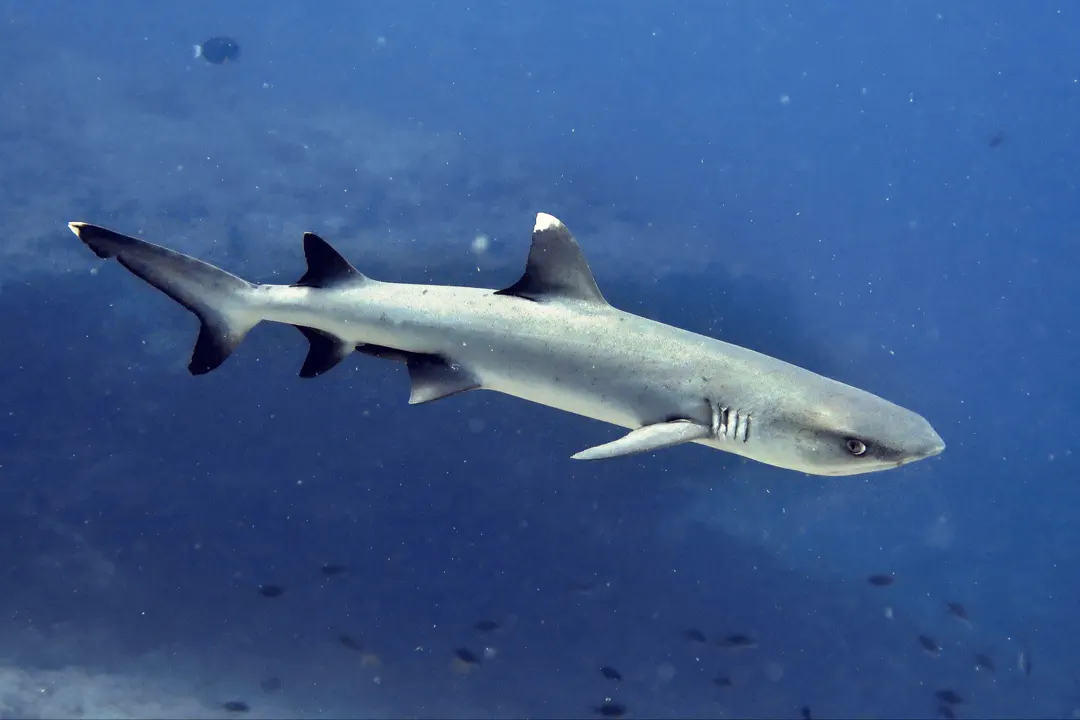
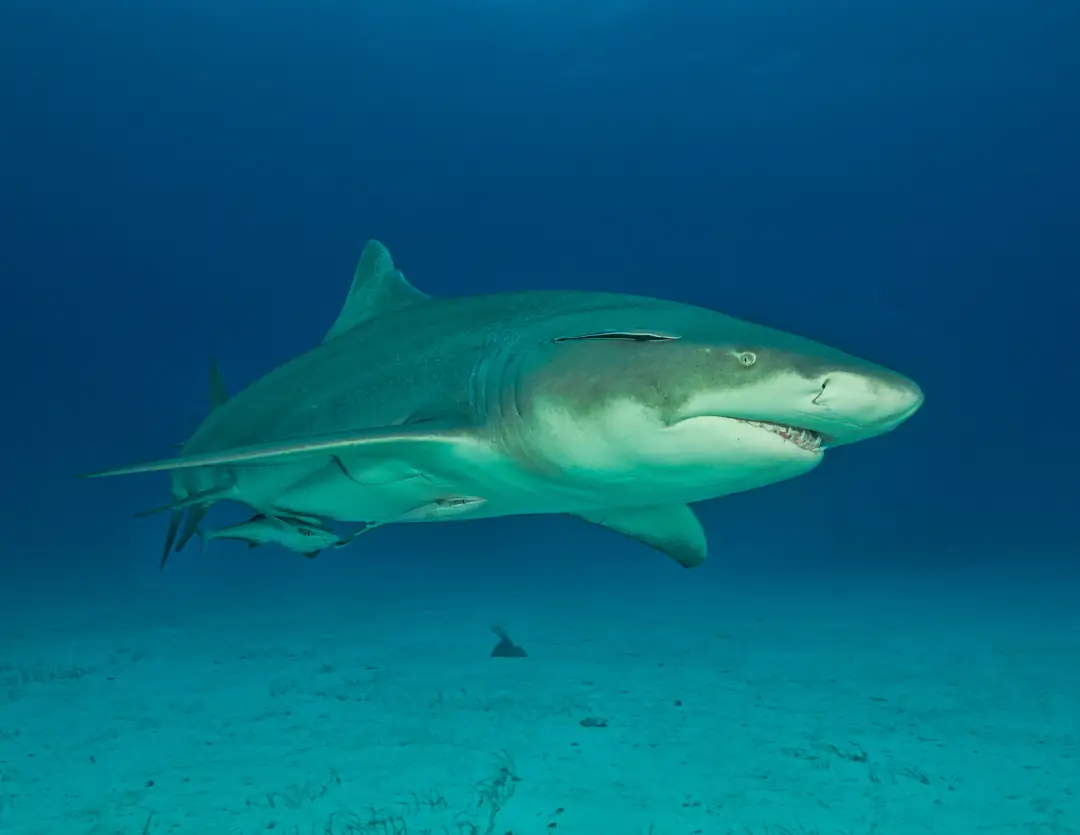
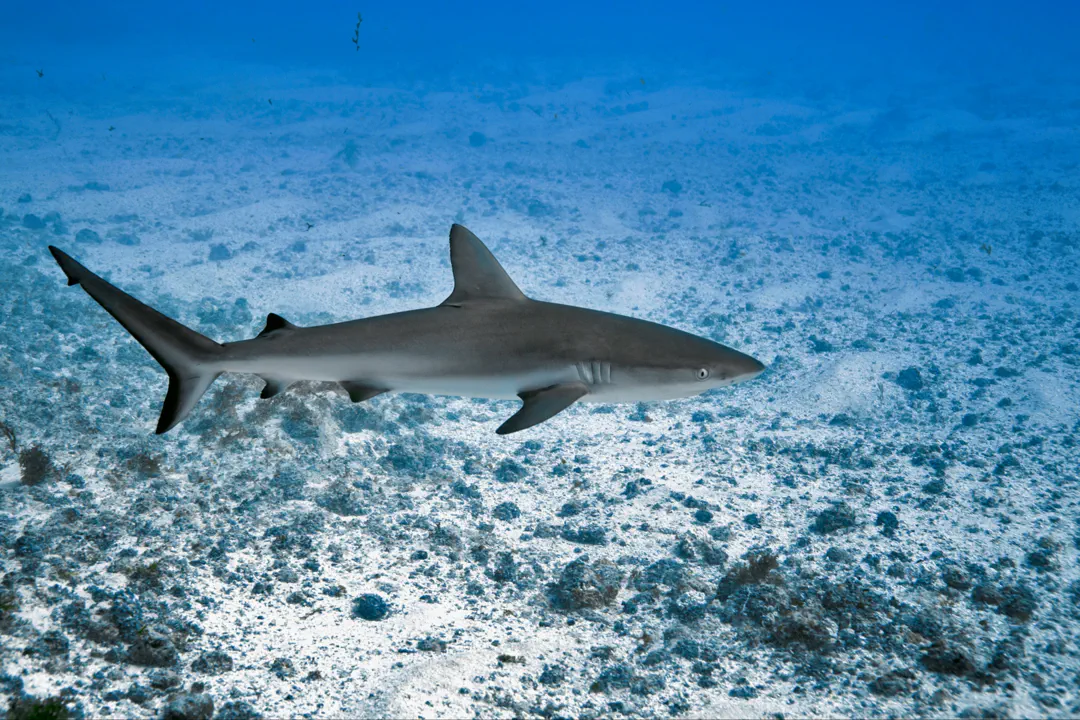
Hanifaru Bay, a UNESCO Biosphere Reserve, is known for its seasonal aggregations of Manta alfredi from May to November, with over 50 mantas sometimes observed in a single day. While diving is restricted in Hanifaru Bay, whale sharks (Rhincodon typus) are consistently present in the central and southern atolls, drawn by these same plankton-rich waters. Divers, typically on liveaboards or resort boats, can expect to see grey reef sharks, blacktip reef sharks, green turtles, and white-tip reef sharks gliding along the reef edges in other dive sites.
 © Matteo BellucciCC BY 4.0 · iNaturalist
  © Daniel BenákCC BY 4.0 · iNaturalist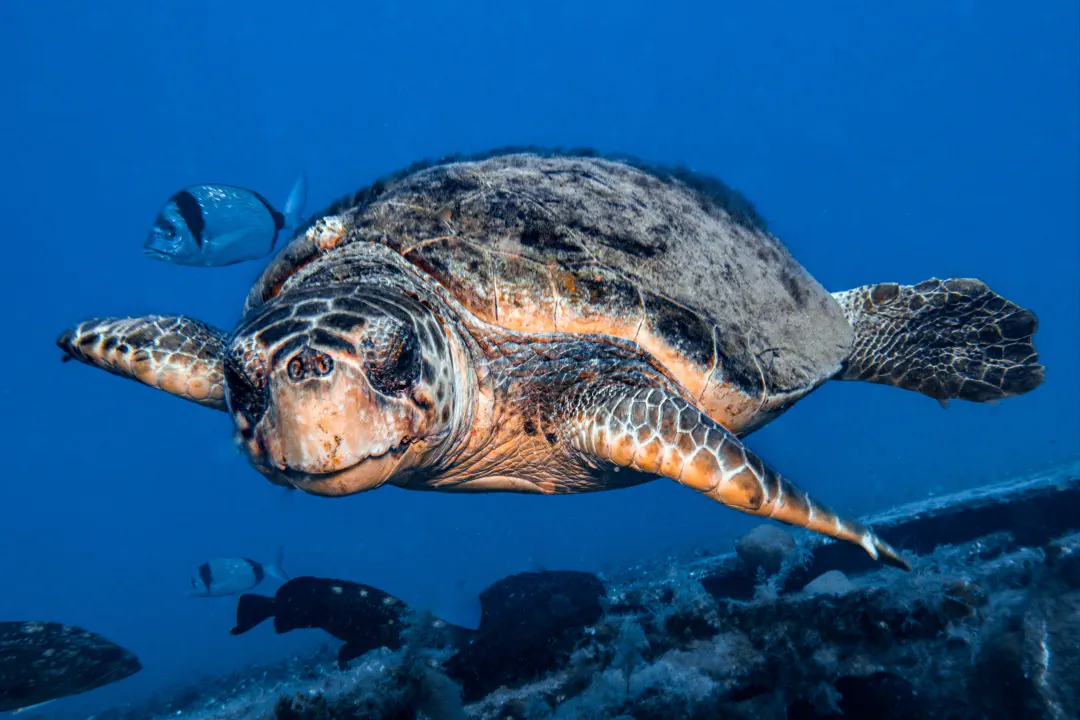
Galapagos, Ecuador: A Wildlife Spectacle
July marks the beginning of the whale shark season in the Galapagos, particularly around the remote Darwin and Wolf Islands. These islands, accessible by liveaboard for advanced divers, are known for strong currents and large pelagic encounters. Cooler water temperatures, ranging from 23–26°C, bring a profusion of marine life to these nutrient-rich currents, with visibility often exceeding 20 meters.
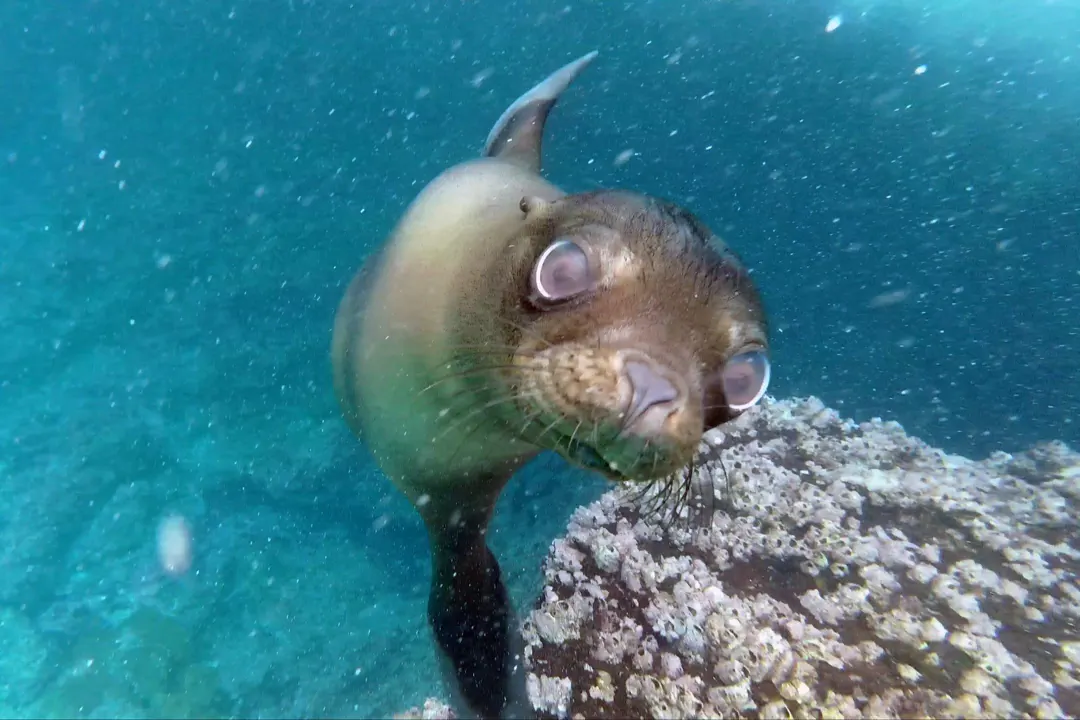
Schooling hammerhead sharks, sometimes exceeding 100 individuals, are a consistent presence, along with Galapagos sharks and playful sea lions that interact with divers. Oceanic manta rays are regularly observed in the northern islands. The region is home to numerous fish species, including the endemic Galapagos hawkfish, alongside sightings of ocean sunfish (Mola mola) and large Pacific goliath groupers.
 © R VasconcellosCC BY 4.0 · iNaturalist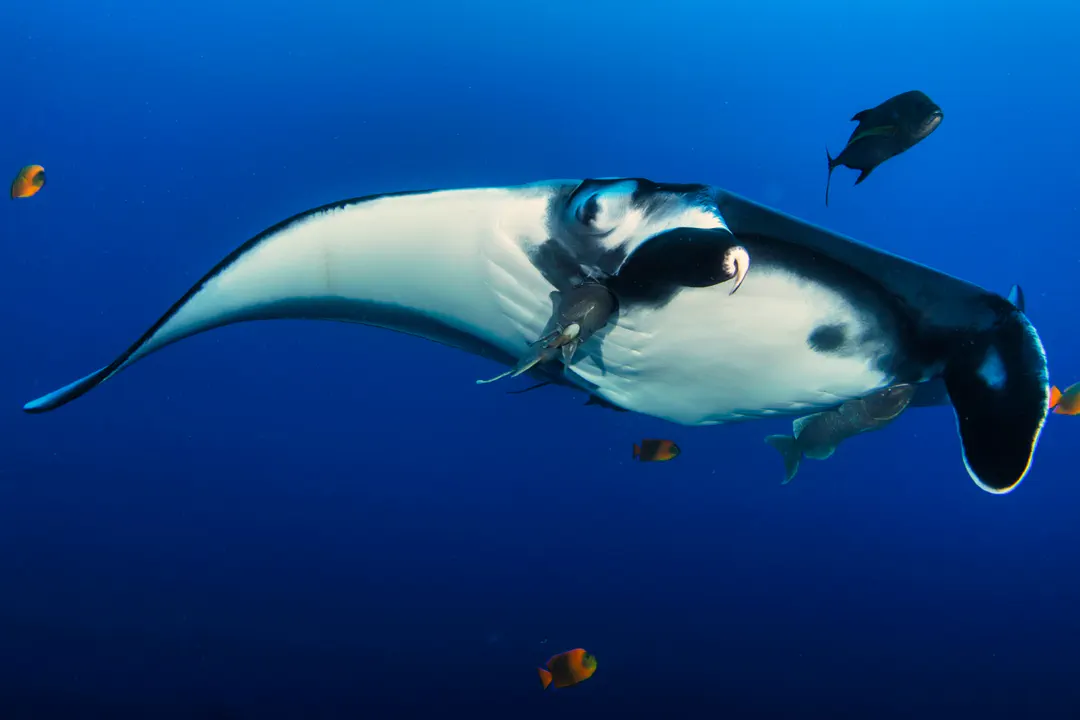
 © Kristof ZyskowskiCC BY 4.0 · iNaturalist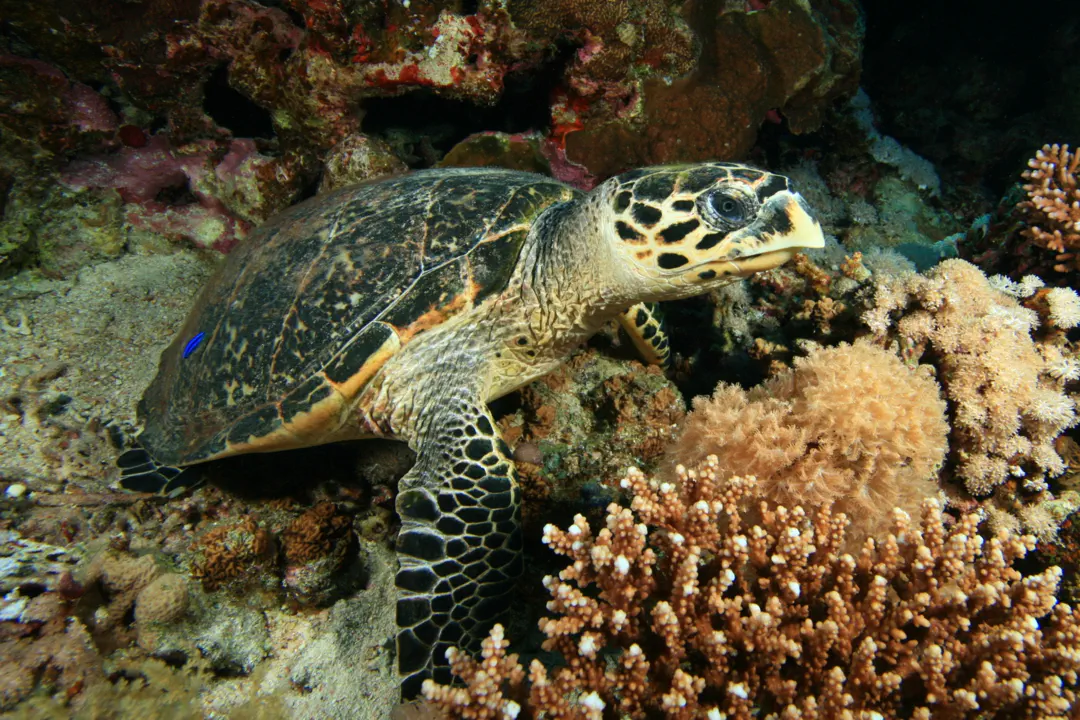
Palau: Strong Currents and Shark-Filled Channels
Palau in July maintains warm waters around 28°C, with visibility often exceeding 25 meters. Divers, typically on liveaboards or resort boats, can experience strong drift dives along steep drop-offs. Blue Corner (15-30m), accessible by boat and suitable for advanced divers, is renowned for its powerful currents that attract numerous sharks, creating a wall of grey reef sharks and white-tip reef sharks.
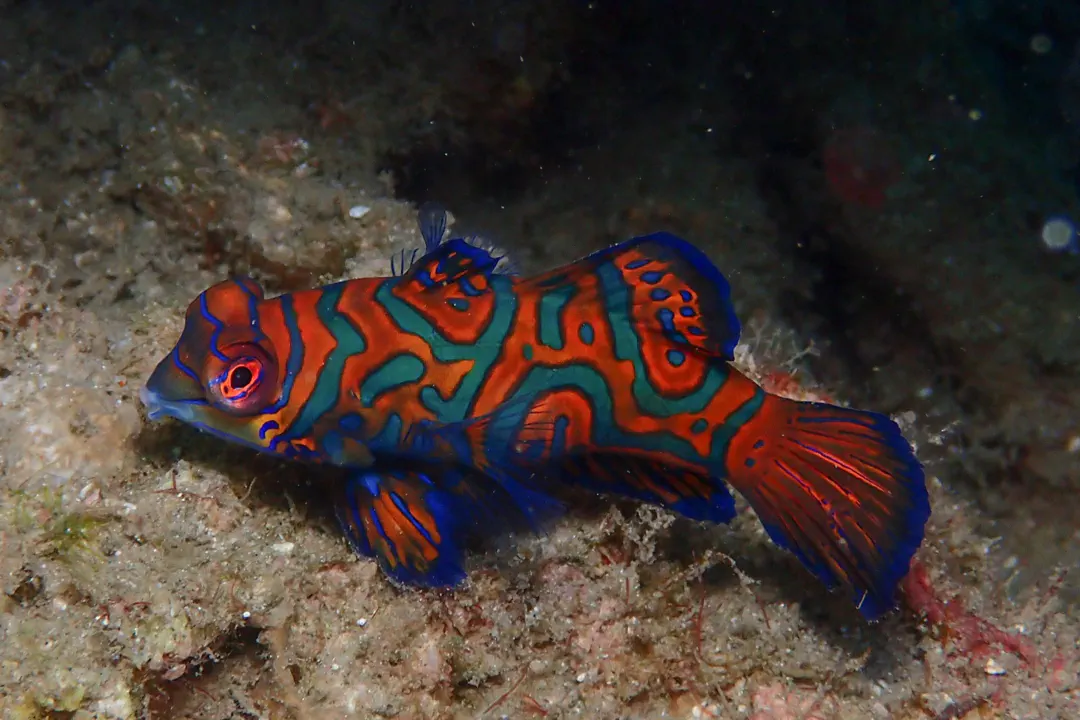
Beyond sharks, encounters include oceanic manta rays and specific macro life like the vibrant mandarin fish. The iconic Jellyfish Lake, a marine lake holding millions of golden jellyfish, is open for snorkelers, offering a distinct non-diving experience. Palau's waters host a rich diversity of fish species, alongside historical WWII wrecks like the Iro Maru (30m, advanced divers) waiting to be explored.
 © Dan SchofieldCC BY 4.0 · iNaturalist
  © Stas KuryanAll rights reserved
 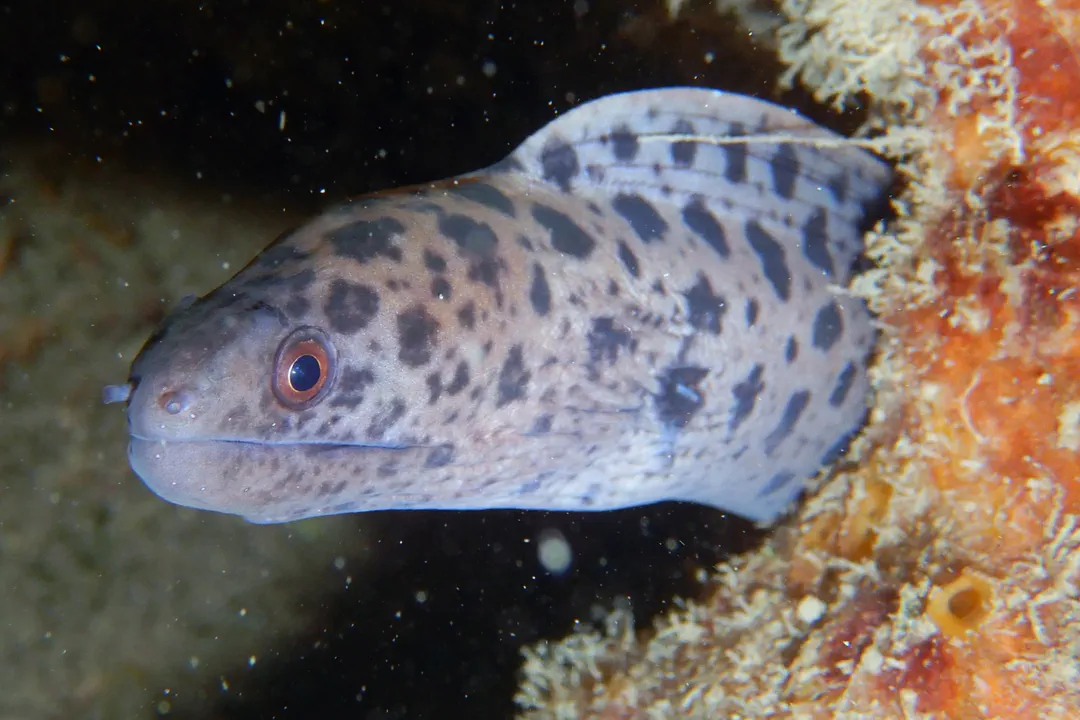 © Ewout KnoesterCC BY-SA 4.0 · iNaturalist
 Mexico (Yucatan Peninsula): Cenotes and Whale Sharks
July is prime time for swimming with whale sharks near Isla Mujeres, off the Yucatan Peninsula, home to one of the world's largest aggregations of these filter feeders. These surface encounters occur in open water, accessible by boat tours. Additionally, the Riviera Maya offers unique freshwater cenote diving in crystalline caves, adorned with stalactite and stalagmite formations from 5-20 meters deep, requiring cavern or cave diving certification.
In Cozumel, accessible by ferry and local dive boats, fast-paced drift dives along sheer coral walls (15-40m) reveal Caribbean reef sharks and green turtles. Water temperatures are warm, around 29°C, for both ocean and cavern dives, with visibility often exceeding 20 meters in the ocean and even greater in the cenotes.
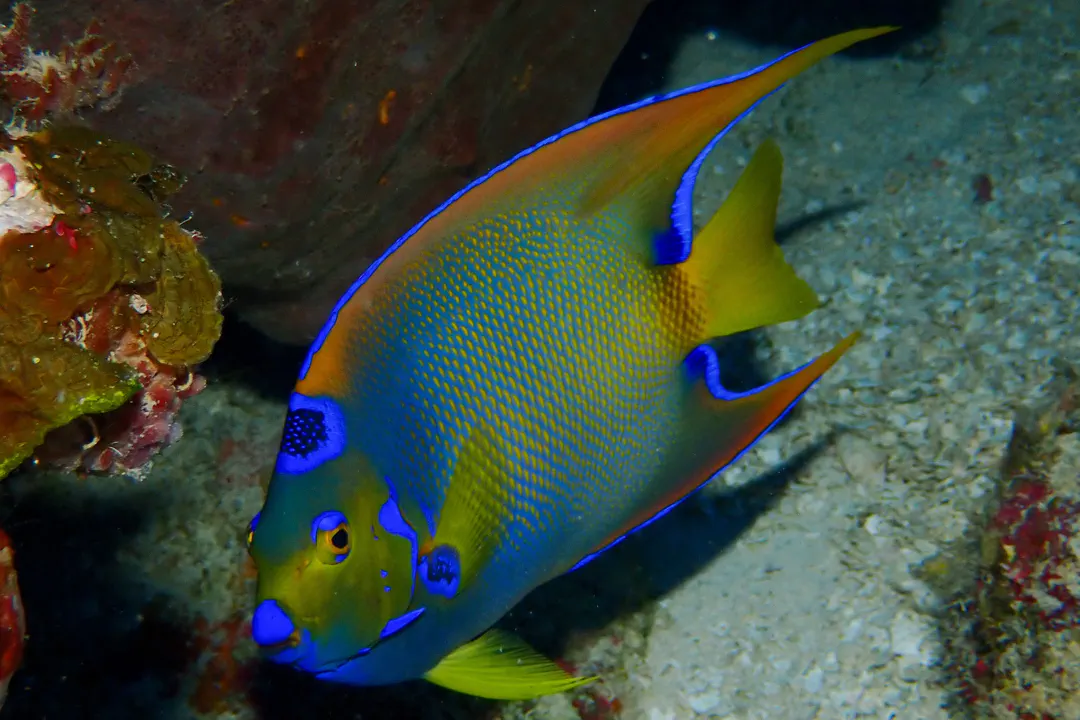 © Dan SchofieldCC BY 4.0 · iNaturalist
 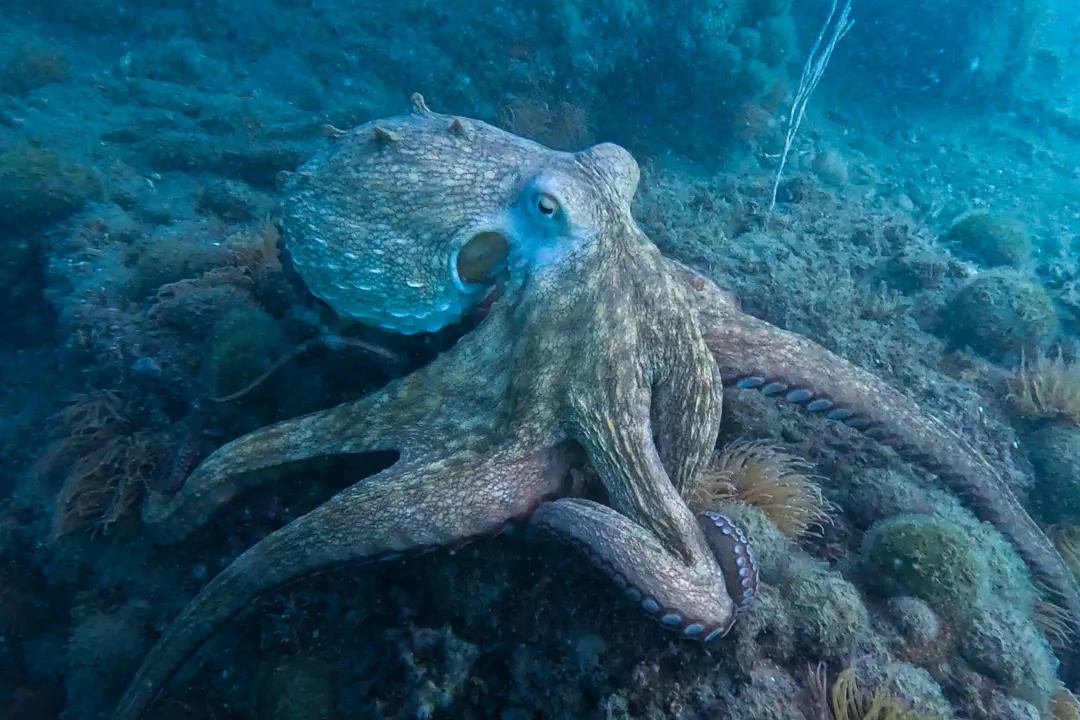 Justin PhilboisCC0 · iNaturalist
 Croatia: Adriatic Wrecks and Temperate Life
For divers seeking a European summer experience, Croatia offers Mediterranean diving in July. With water temperatures around 25°C, divers can explore ancient wrecks. The Baron Gautsch (40m), a passenger steamship sunk in WWI and now an artificial reef, is accessible by boat near Rovinj and suitable for advanced divers. Divers can also explore intricate caves and underwater walls populated by temperate marine life. Visibility reliably exceeds 20 meters, showcasing the Adriatic's distinct ecosystem.
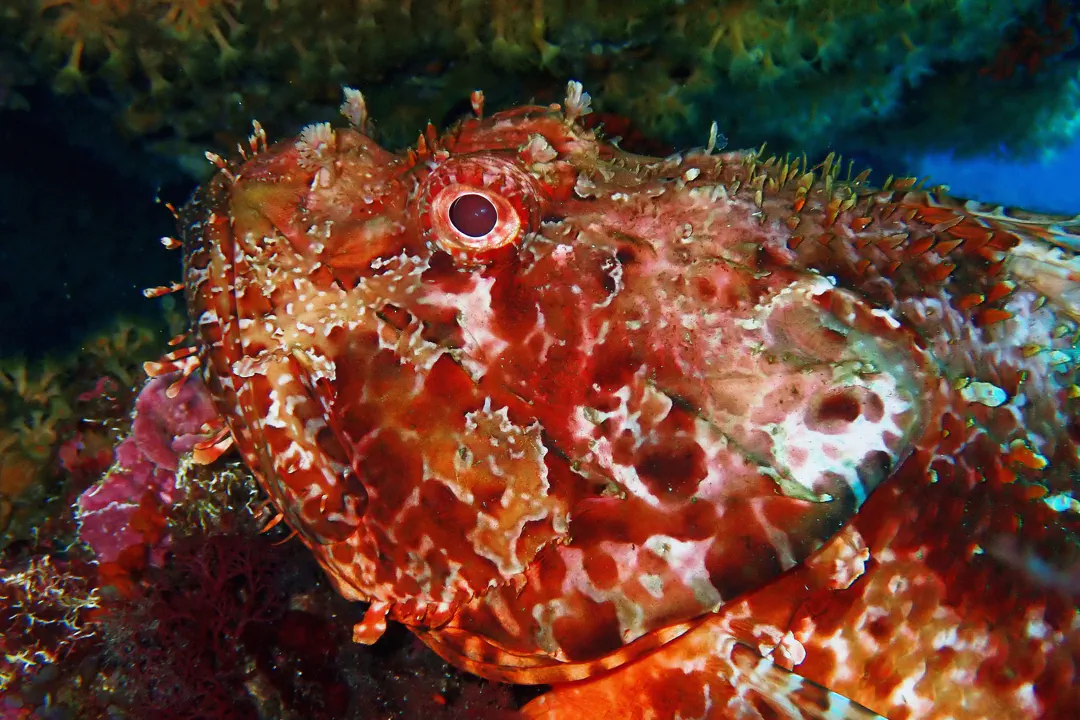
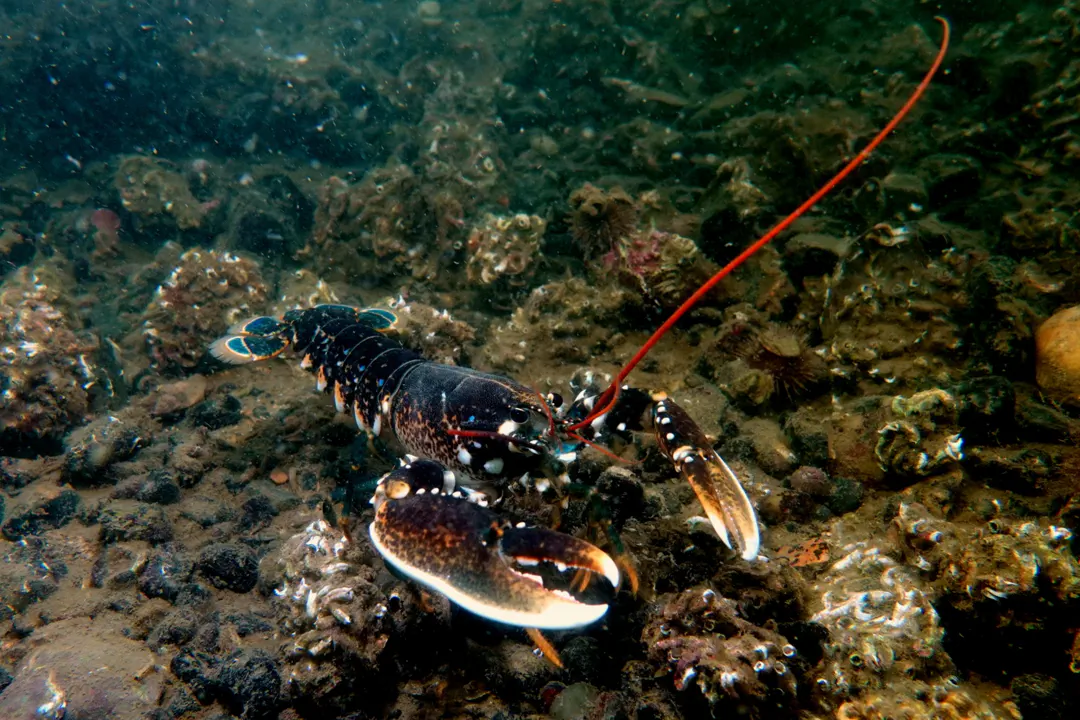
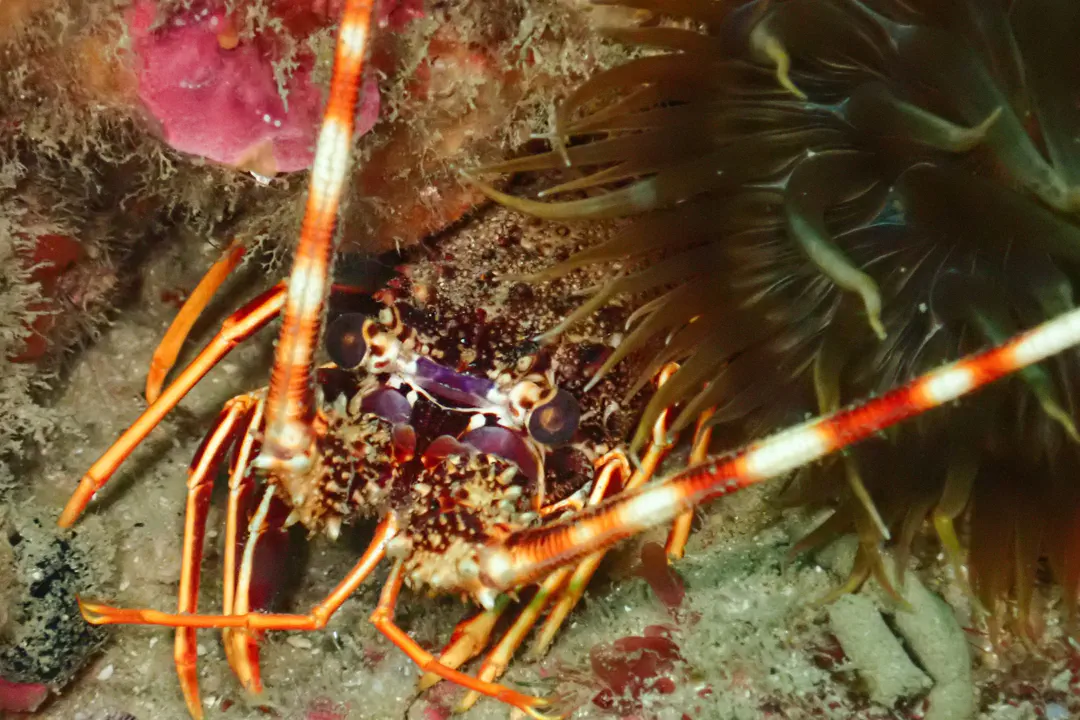
Accessible by boat from coastal towns, these sites reveal Mediterranean morays, red scorpionfish, and common octopuses hiding among the rocks. European lobsters and spiny lobsters are also observed, alongside schools of seabream and wrasse, offering a different experience from tropical diving.
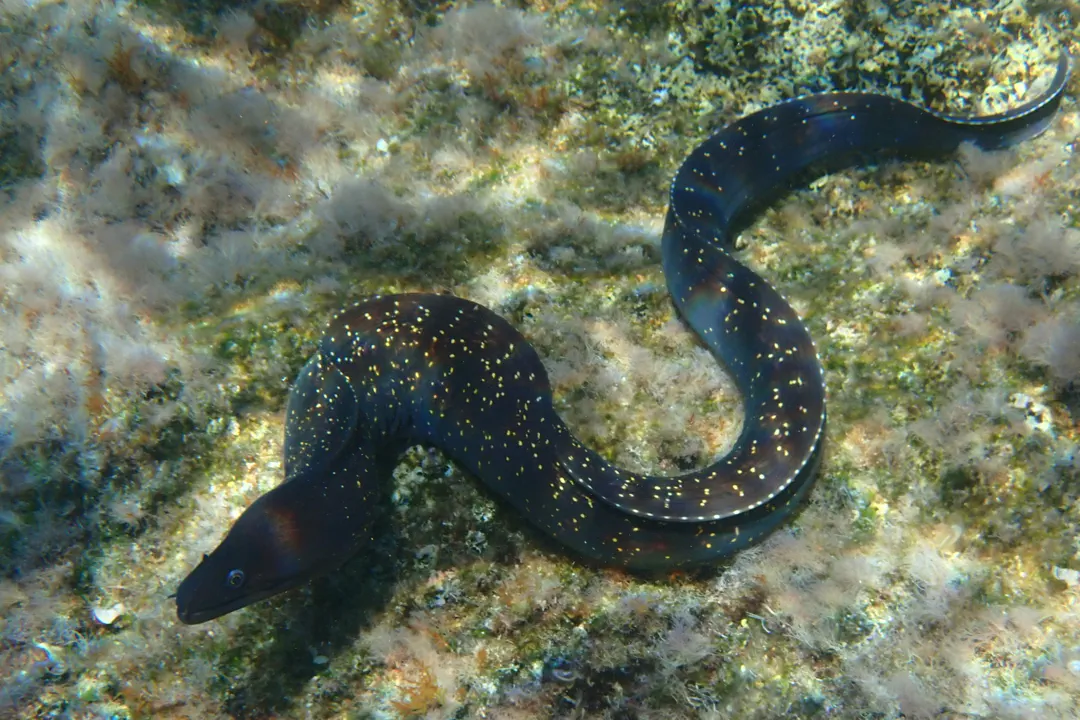 © Juraj AhelCC BY 4.0 · iNaturalist
  © Donald DavesneCC BY 4.0 · iNaturalist
  © Klaus Kevin KristensenCC BY 4.0 · iNaturalist
  © Vsevolod RudyiCC BY 4.0 · iNaturalist
 Diving Tips for Your July Adventure
Booking popular destinations well in advance is crucial for July, especially for seasonal encounters like whale sharks in the Maldives and Yucatan Peninsula, where peak seasons attract thousands of divers. Be aware that some tropical regions enter their rainy or monsoon season, which can affect visibility or lead to stronger currents, sometimes exceeding 2 meters per second in places like the central Red Sea.
Pack appropriate exposure protection for varying water temperatures, which can range from 23°C in temperate zones like the Galapagos to over 30°C in tropical regions such as the Red Sea. Always prioritize safety and dive within your certification limits, particularly when strong currents are present or when exploring deeper wreck sites. Night diving in July reveals nocturnal behaviors, from bioluminescent displays to active hunting by octopus and crustaceans on coral reefs.
Questions
What are the best dive conditions in July?
July generally offers warm water temperatures ranging from 23°C in temperate zones like the Galapagos to over 30°C in tropical regions like the Red Sea, along with excellent visibility often exceeding 30 meters due to calm summer weather.
Is July a good month to see whale sharks?
Yes, July is a prime month for whale shark sightings in the Maldives, Mexico (Yucatan Peninsula), and the Galapagos, as they migrate to feed on plankton blooms that peak during this month.
Are there any specific challenges for diving in July?
Some tropical regions may experience the beginning of their rainy or monsoon season, which can occasionally affect visibility or lead to stronger currents exceeding 2 meters per second. Additionally, popular destinations can be crowded, so booking ahead is advisable.
What certification level is generally recommended for these July destinations?
Many of the highlighted destinations, particularly those with strong currents or deeper wreck sites like the Red Sea's Thistlegorm, Palau's Blue Corner, or the Galapagos' Darwin and Wolf Islands, are best suited for advanced open water divers. Some sites, like the Yucatan cenotes, require cavern or cave diving certification. However, many locations also offer experiences for open water certified divers.