
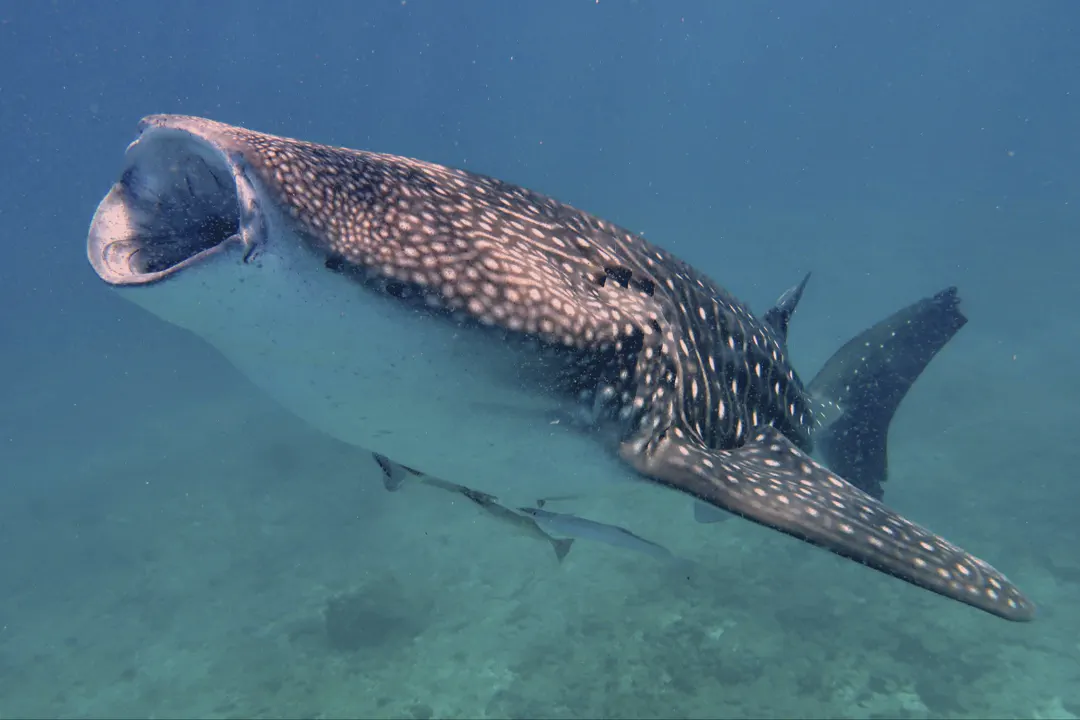
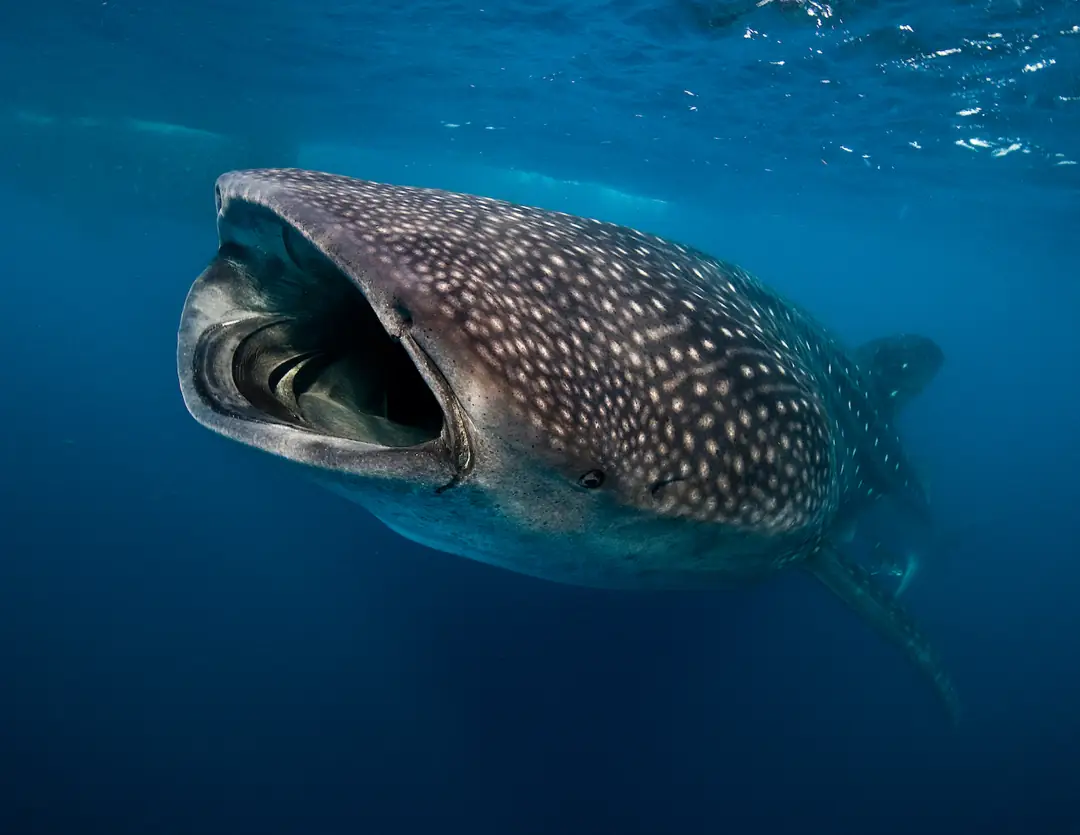
Cool, clear water envelops you as you slip beneath the surface of Ningaloo Reef, where visibility often extends beyond 20 meters. A colossal shadow emerges from the depths, growing larger with every beat of your heart. It is *Rhincodon typus*, the whale shark, the world’s largest living fish, cruising slowly with its mouth agape, filtering plankton-rich water rather than hunting large prey.
Between March and October each year, a remarkable event unfolds off Western Australia's coast. Whale sharks gather at Ningaloo Reef, drawn by seasonal food pulses. This timing often aligns with the mass coral spawning, which adds to the water column's productivity and supports the plankton blooms these giants consume.
This annual congregation creates unparalleled opportunities for interaction, allowing snorkelers and divers to observe these magnificent creatures up close. The reef's unique ecosystem provides a nutrient-rich feast that sustains this incredible spectacle.
Ningaloo Reef, a UNESCO World Heritage site, stretches over 300 kilometers along Western Australia’s coast. Its unique appeal stems from its fringing structure, lying exceptionally close to shore. This allows snorkelers to reach it with relatively short boat rides, encountering pelagic megafauna over shallow reef slopes and blue-water edges.
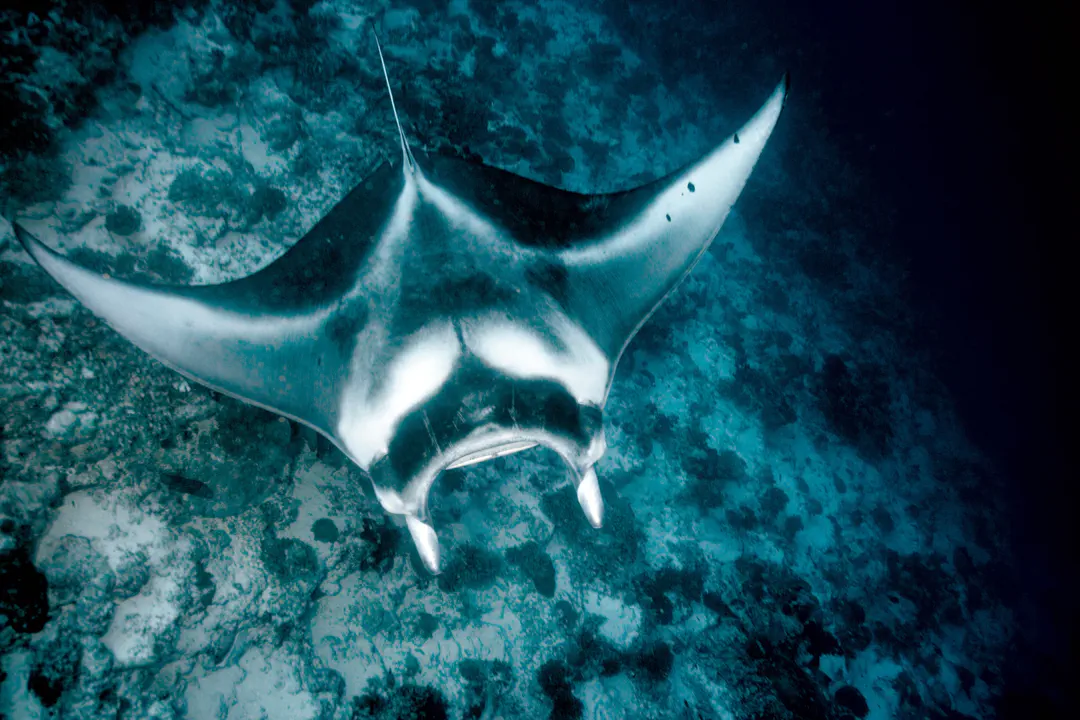
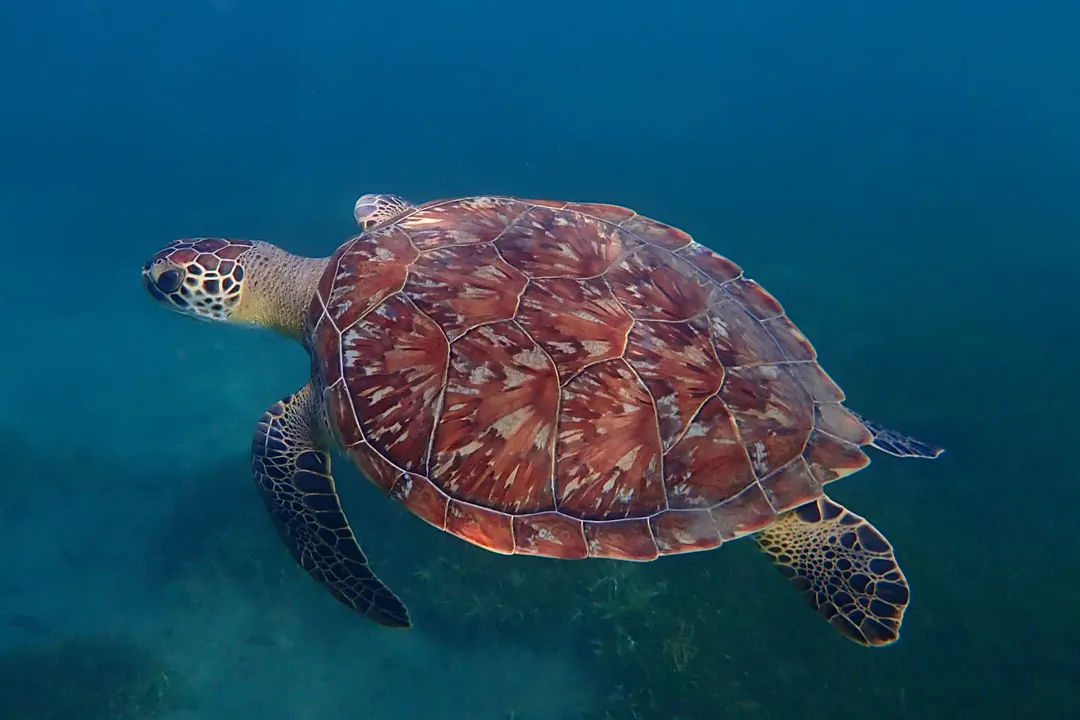
This proximity makes the reef uniquely accessible for experiencing its incredible biodiversity. Beyond the whale sharks, Ningaloo supports a thriving ecosystem of corals, a multitude of fish species, various sea turtles, and other large marine animals.
 © Matteo BellucciCC BY 4.0 · iNaturalist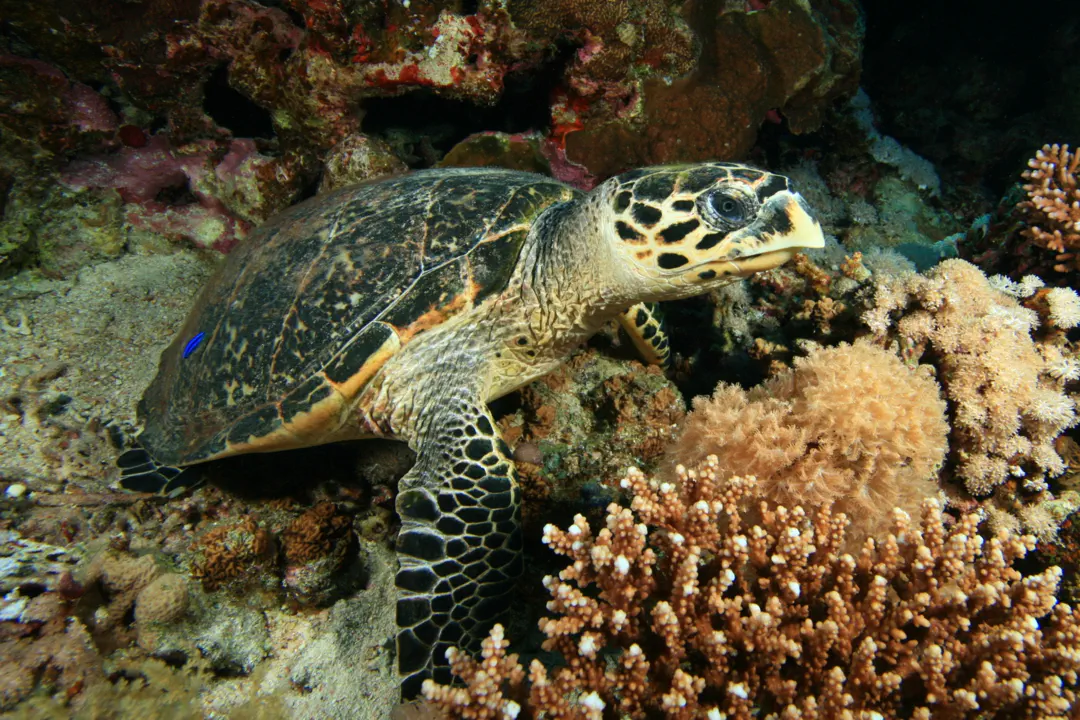
 © Daniel BenákCC BY 4.0 · iNaturalist
The experience of swimming alongside a whale shark is often described as spiritual. Their slow, deliberate movements and massive, filter-feeding mouth create a sense of profound calm and wonder. Responsible tours operate under strict interaction rules that keep swimmers at a safe distance, reducing disturbance and protecting the animals’ natural behavior.
Operators at Ningaloo adhere to strict codes of conduct to ensure these encounters are respectful and minimally invasive. For visitors, this means a rare chance to observe a 10-meter-class animal in a setting that still feels wild and ecologically intact, protecting both the animals and their pristine environment.
Conservation efforts are paramount at Ningaloo, with ongoing research into whale shark migration patterns, population health, and the impacts of climate change. The protected status of the reef, coupled with the dedication of local communities and scientists, ensures that this natural marvel can be enjoyed responsibly by future generations.
These initiatives are vital for safeguarding the gentle giants and their essential habitat. The commitment to responsible tourism and scientific study underlines the global importance of Ningaloo as a sanctuary for marine biodiversity.
Leaving the water, the image of the whale shark's spotted skin and immense tail lingers in your mind. It's a powerful reminder of the ocean's grandeur and the delicate balance of its ecosystems, an encounter that profoundly connects you to the wild heart of our blue planet.
Questions
When is the best time to swim with whale sharks at Ningaloo Reef?
The most reliable season runs from March through October, although exact timing varies by year and by location along the reef. Exmouth and Coral Bay often see the highest activity from late autumn into winter, when seasonal ocean productivity concentrates prey near the surface and around reef edges.
Why do whale sharks gather at Ningaloo Reef?
Whale sharks are drawn to the area by seasonal food pulses, especially plankton and other tiny prey that increase in the water column as ocean conditions change. Mass coral spawning can also add to the seasonal productivity that makes Ningaloo one of the best places on the planet to encounter them.
Are whale sharks dangerous to swimmers?
Whale sharks are generally harmless to people because they feed by filtering microscopic and small prey, not by attacking large animals. In the water they can still be massive and powerful, so operators require swimmers to keep distance, avoid blocking the shark’s path, and follow strict approach rules.
Sources
- Whale shark management in Western Australia · 2023-09-11
- Swimming with Whale Sharks in 2026 | Australia's Coral Coast · 2022-12-02
- Experience Swimming with Whale Sharks at Sal Salis · 2026-05-25