Introduction to Koh Tao Diving
Koh Tao, affectionately known as 'Turtle Island,' is a mere 21 square kilometers in the sparkling Gulf of Thailand, yet it draws over 30,000 divers annually. Renowned as one of the globe's most popular and affordable destinations for both aspiring and seasoned divers, its appeal is undeniable. Here, PADI Open Water courses are remarkably accessible, often costing around 11,000 THB – roughly one-third the price of similar training in Europe or North America, cementing its reputation as a global hub for dive education.
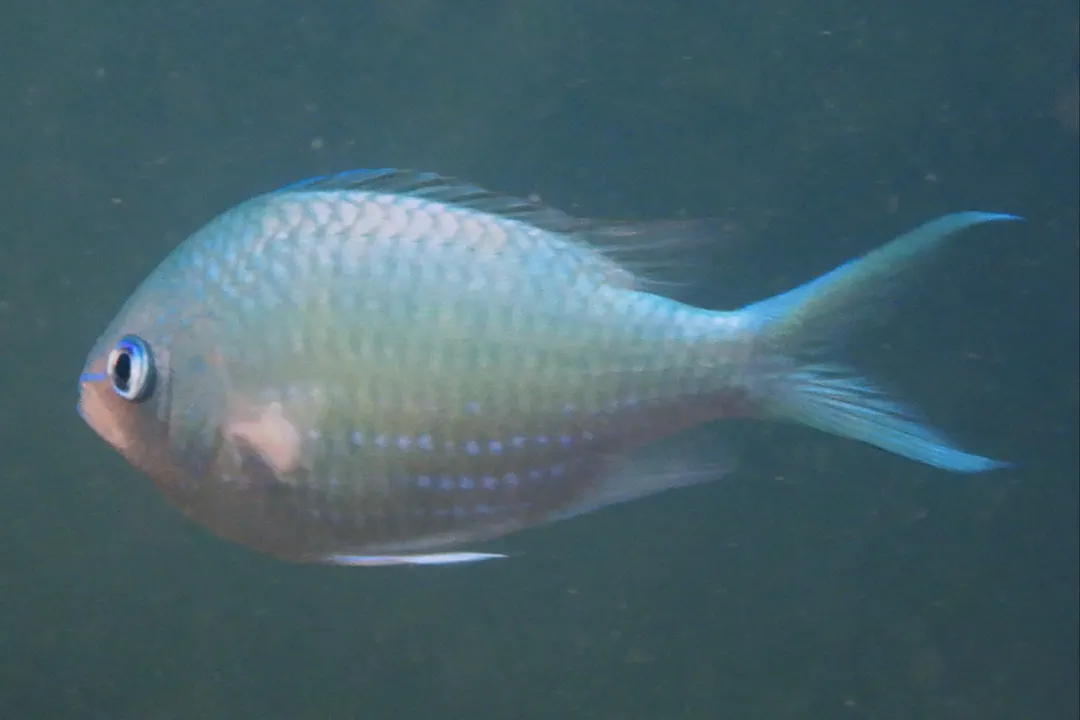
What truly makes Koh Tao a diver's paradise are its consistently calm waters, excellent visibility reaching up to 30 meters, and warm temperatures averaging 28-30°C year-round. These ideal conditions are perfect for beginners gaining confidence amidst vibrant black coral gardens and bommies teeming with damselfish and other small reef inhabitants. Even experienced divers find themselves returning to explore the island's diverse underwater landscape.
The island's diving history dates back to the 1980s, when local fishermen began guiding the first intrepid visitors to what are now regulated dive sites. Today, over 70 dive centers employ more than 1,000 instructors, collectively issuing tens of thousands of certifications each year. This robust infrastructure ensures that divers of all levels can find a course or guided trip tailored to their needs.
Fringing reefs embrace approximately 70% of Koh Tao's coastline, providing natural protection for shore dives from the open-ocean swells. This sheltered environment fosters resilient ecosystems, supporting a rich biodiversity despite the island's popularity. Conservation efforts, in place since the early 2000s, have seen the planting of over 100,000 coral fragments, significantly enhancing marine life and ensuring the reefs remain vibrant for future generations.
Divers consistently report high satisfaction rates, often citing encounters with over 200 fish species on a single dive.
Geography and Climate
Koh Tao is a jewel within the Chumphon Archipelago, situated approximately 70 kilometers east of Surat Thani on the Thai mainland. The island's geography is characterized by steep granite cliffs that dramatically descend into picturesque sandy bays, which in turn give way to extensive fringing reefs covering about 5 square kilometers. This unique topography contributes significantly to the island's exceptional diving conditions.
The prevailing northeast monsoons, active from October to March, bring consistently calm seas with average swells rarely exceeding 0.5 meters. During the southwest monsoon season, from May to September, winds rarely surpass Force 4, ensuring that depths accessible from 8-meter shore entries remain largely unaffected. While annual rainfall peaks at around 400 mm in November, dive operations continue uninterrupted, with surface intervals often spent enjoying the island's onshore amenities.
Air temperatures on Koh Tao remain steadily warm, ranging from 27-32°C, mirrored by water temperatures between 26-31°C. Visibility, typically excellent, might dip to around 10 meters during occasional plankton blooms. Far from being a deterrent, these blooms are often a boon, attracting larger pelagic species such as manta rays, adding an exciting dimension to dives.
The archipelago's strategic position channels nutrient-rich Gulf currents, oxygenating waters down to 40 meters and supporting a vibrant array of filter feeders, including barrel sponges that can reach an impressive 2 meters across. Compared to dive sites in the Andaman Sea, Koh Tao's enclosed gulf environment offers a 20% calmer baseline, providing more consistent and predictable diving conditions. The region also boasts seismic stability, with no major earthquakes recorded since 2004, ensuring the integrity of its seabed features.
Local dive logs proudly record over 300 sunny days annually, a factor that correlates directly with the peak surges in dive certifications observed during the January-March period.
Best Time to Visit for Diving
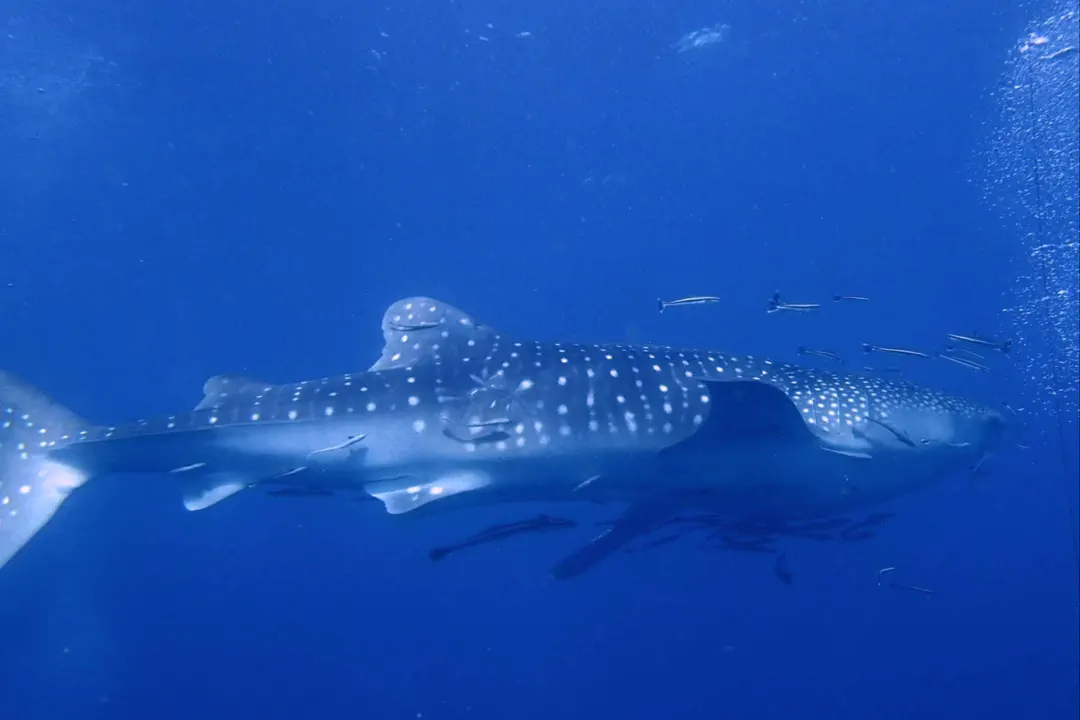
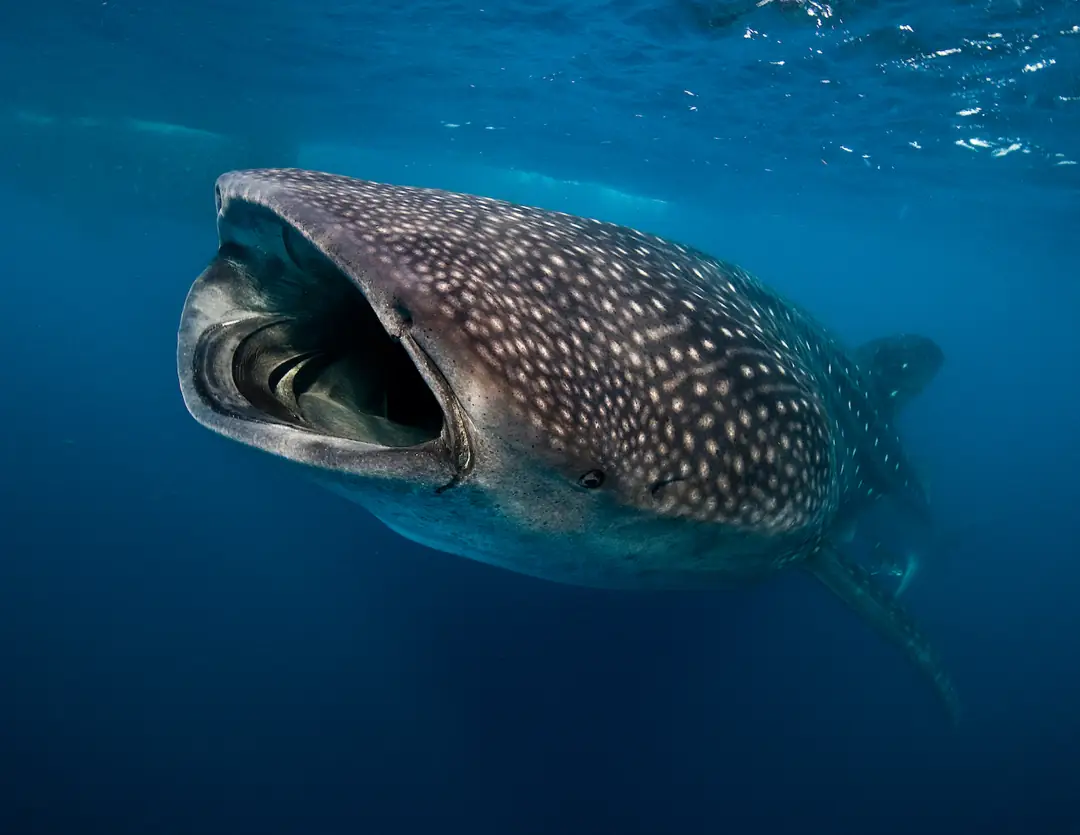
While diving in Koh Tao is a year-round possibility, certain months offer truly optimal conditions for underwater exploration. The period from January to March is widely considered the peak season, delivering exceptional visibility of 20-30 meters and surface swells typically under 1 meter. This timeframe also coincides with the global dry season migration, increasing the chances of encountering magnificent whale sharks as they pass by the island's prominent pinnacles.
Secondary optimal windows for visiting occur during April-May and September-November. During these months, water temperatures can warm up to 30°C, and plankton blooms are more common. These blooms, while potentially reducing visibility briefly, are vital for attracting large pelagic species, making it an exciting time for marine life encounters.
Even if brief squalls might cap dive depths at around 12 meters, the abundance of life more than compensates. The southwest monsoon season, from June to August, typically sees visibility reduced to 10-15 meters. However, this period is excellent for observing reef fish, which tend to congregate around coral bommies.
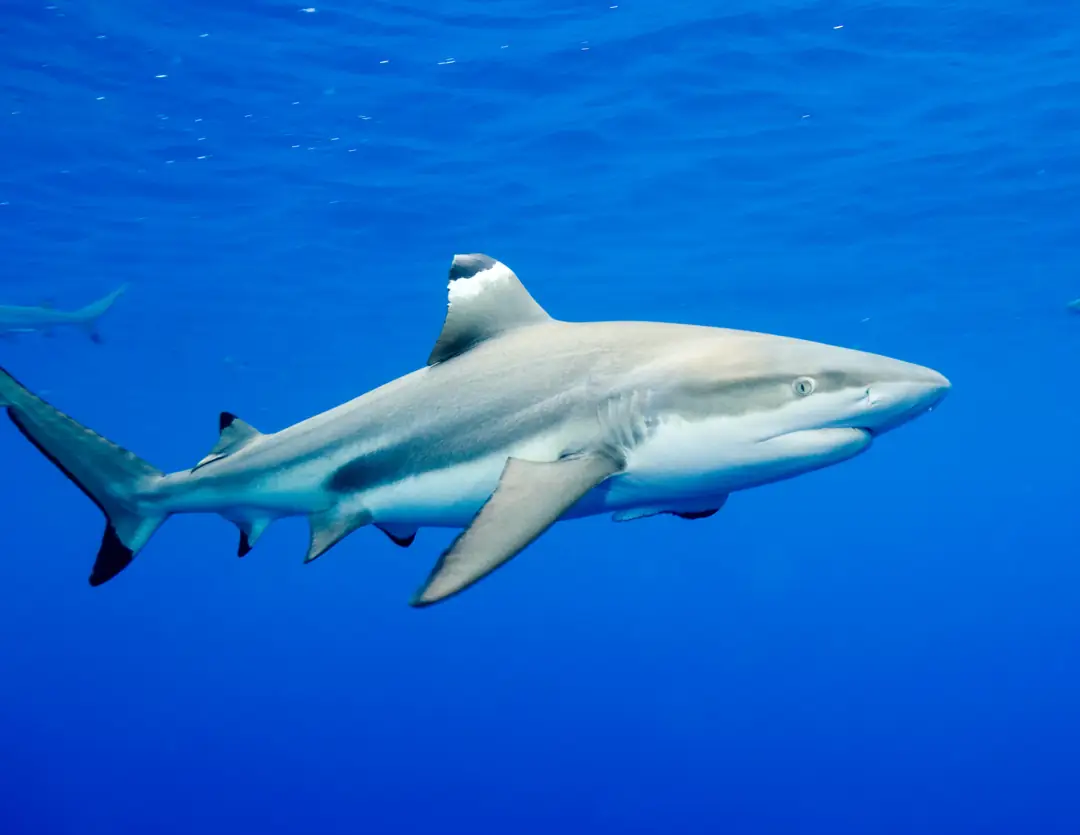
Marine encounters also shift seasonally: green turtles are known to nest on Sairee Beach between December and February, while blacktip sharks often patrol the shallows from March to May. Dive operators' historical data indicates that around 80% of whale shark sightings occur between March and May, particularly at Southwest Pinnacle, where individuals averaging 4-5 meters in length are often observed gliding at depths of around 18 meters. While sightings are never guaranteed with wild animals, Koh Tao is one of Thailand's most reliable spots.
For macro enthusiasts, the rainy months can be particularly rewarding, revealing elusive nudibranchs and mimic octopus in the shallower 8-meter depths. Historically, 60% of the annual 50,000 dives in Koh Tao take place between November and April, with night dives peaking in June due to bioluminescent bays. Divers might consider a 5mm wetsuit during December, when water temperatures can occasionally dip to 25°C.
Koh Tao's Vibrant Marine Ecosystems
Koh Tao is a haven of diverse marine habitats, each contributing to a rich tapestry of underwater life. Fringing reefs gracefully sheath the island's shores, providing shelter and sustenance for countless species. Beyond these coastal formations, dramatic granite pinnacles, such as Chumphon, rise majestically from sandy seabeds at depths of 35 meters.
These pinnacles create natural channels for currents, fostering the growth of magnificent gorgonian fans that can span up to 3 meters, and attracting a wide array of marine creatures. In addition to its natural wonders, Koh Tao has actively developed artificial reefs, with over 10 vessels intentionally scuttled since 2004. These man-made structures quickly transform into thriving ecosystems, hosting over 150 fish species per hectare and rivaling the biodiversity of natural sites.
The overall biodiversity around Koh Tao is impressive, boasting over 300 reef-associated species. Divers can expect to witness everything from vast swarms of damselfish, numbering in the thousands, to the elegant, transient presence of eagle rays with wingspans reaching 2.5 meters. Hard corals dominate much of the surveyed reefs, covering approximately 60% of the area.
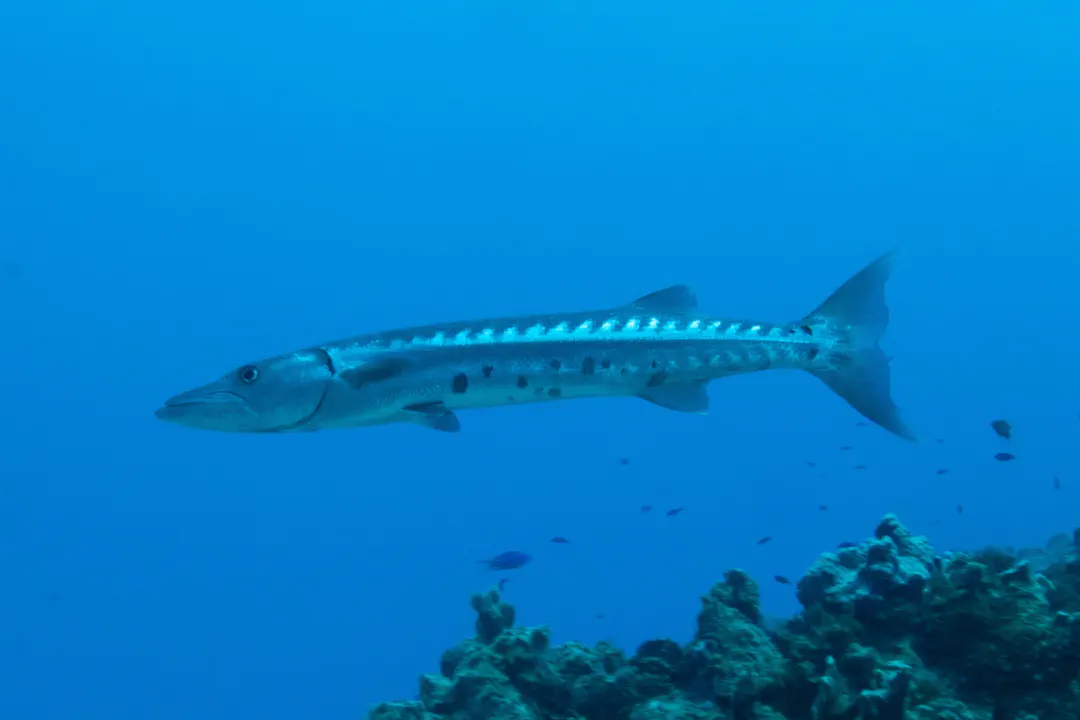
Majestic Acropora tables, some over a meter across, provide crucial habitat, interspersed with soft leather corals that shelter a variety of commensal shrimp. The open waters around the island frequently host pelagic incursions, featuring impressive schools of barracudas, often numbering 20 or more individuals, and massive packs of jacks that can exceed 500 during upwellings. For those who venture into the night, the reefs reveal a completely different world, with 50% more activity as creatures like slipper lobsters emerge from their crevices.
The ecological significance of Koh Tao's reefs extends beyond its immediate waters, acting as vital larval export sites for mainland coasts. These vibrant ecosystems also play a critical role in filtering an estimated 1 million cubic meters of water daily, contributing to the overall health of the Gulf. Through dedicated restoration projects initiated in 2010, over 50,000 coral fragments have been outplanted, successfully boosting coral cover by 25% in areas that had experienced stress, such as Tanote Bay.
 © seabook.appAll rights reserved
  © seabook.appAll rights reserved
  © Matteo BellucciCC BY 4.0 · iNaturalist
  © seabook.appAll rights reserved
  © Elias LevyCC BY 4.0 · iNaturalist
  © Dan SchofieldCC BY 4.0 · iNaturalist
 Top Dive Sites of Koh Tao
Koh Tao offers an impressive array of dive sites, each with its unique charm and challenges, catering to all certification levels. From dramatic deep pinnacles to relaxed shallow reefs and intriguing wrecks, the island's underwater landscape promises exciting exploration. Here's a look at some of the most popular and exhilarating spots around the island, each offering a distinct diving experience.
Chumphon Pinnacle
Chumphon Pinnacle stands as one of Koh Tao's undisputed premier dive sites, a series of three majestic granite seamounts that peak at 14 meters below the surface. These pinnacles draw strong currents, sometimes up to 2 knots, which funnel nutrient-rich waters upwards. This phenomenon attracts an incredible abundance of marine life, most notably massive schools of fusiliers, often numbering in the thousands, creating a mesmerizing spectacle.
The site's depths range from 5 to 40 meters across its five distinct sections, making it suitable for both Open Water and Advanced certified divers. Drift entries are common, often hooking onto coral lines at around 30 meters. Chumphon Pinnacle is particularly renowned for potential encounters with larger pelagic species, with whale sharks being a major draw.
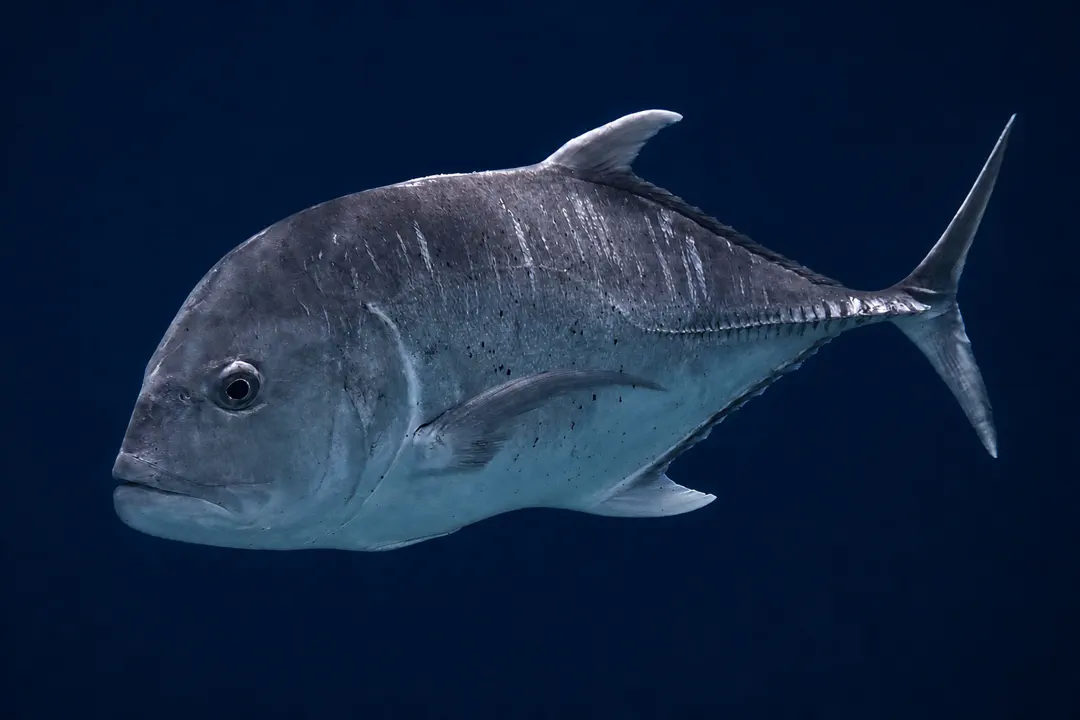
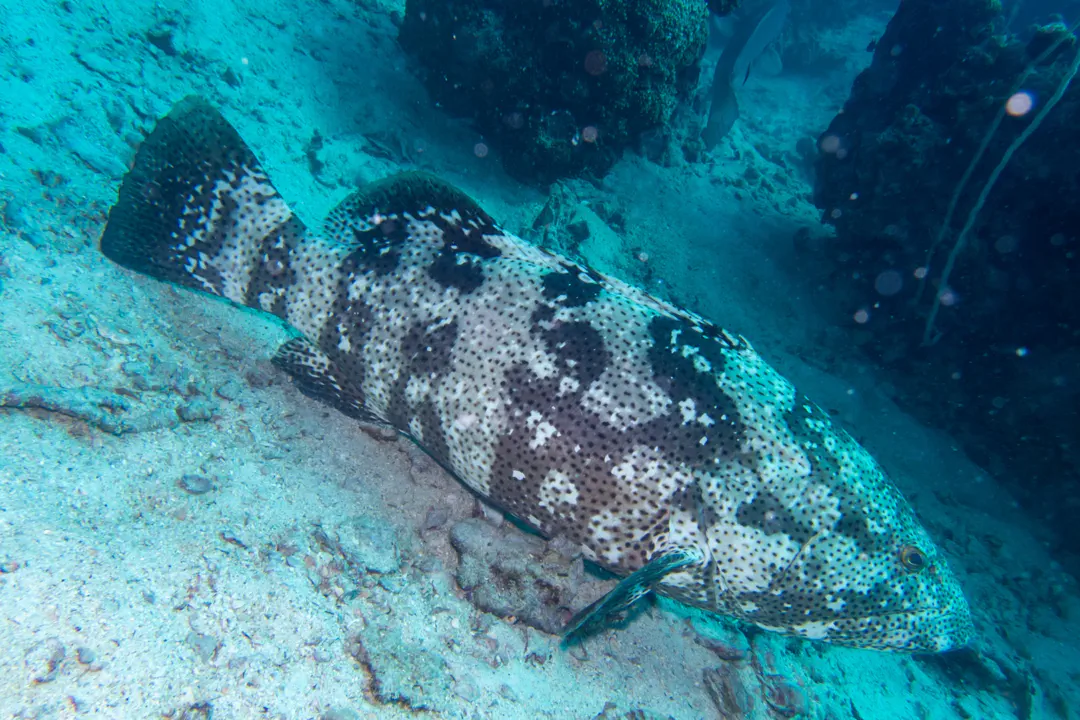
These gentle giants frequently appear between March and May, averaging 5 meters in length, as they feed on the dense krill layers brought in by the currents. Beyond whale sharks, divers can witness schooling trevallies forming spectacular bait balls, often 10 meters wide, relentlessly pursued by powerful 2-meter Spanish mackerel. Resident groupers, some over 1.5 meters, ambush prey from within giant barrel sponges.
For practical diving, deploying an SMB (Surface Marker Buoy) is highly recommended at 5 meters during drifts exceeding 1 kilometer. A 3mm wetsuit is generally sufficient given the 29°C water temperature. Historical logs indicate around 200 whale shark sightings annually, often peaking shortly after the full moon.
Conservation efforts limit the number of divers to 120 daily to minimize impact on this sensitive ecosystem. Night dives at Chumphon Pinnacle offer a different kind of magic, with bioluminescent comb jellies trailing gracefully in the currents. Surface intervals onshore provide stunning viewpoints overlooking the 1.5-kilometer pinnacle chain, allowing divers to reflect on the incredible underwater world they've just experienced.
 © seabook.appAll rights reserved
  © Ewout KnoesterCC BY-SA 4.0
  © Deb AstonAll rights reserved
  © portioidCC BY 4.0 · iNaturalist
  © Ewout KnoesterCC BY-SA 4.0 · iNaturalist
 HTMS Sattakut Wreck
The HTMS Sattakut, a former Thai navy patrol boat, now rests upright as a magnificent artificial reef, intentionally sunk in 2011 off Sai Nuan. This 42-meter vessel lies at depths ranging from 20 to 30 meters, with its highest point at 28 meters, offering an exhilarating wreck dive experience. Its intact wheelhouse, a focal point for exploration, hosts resident groupers that can reach an impressive 1 meter in length, providing a glimpse into the wreck's established ecosystem.
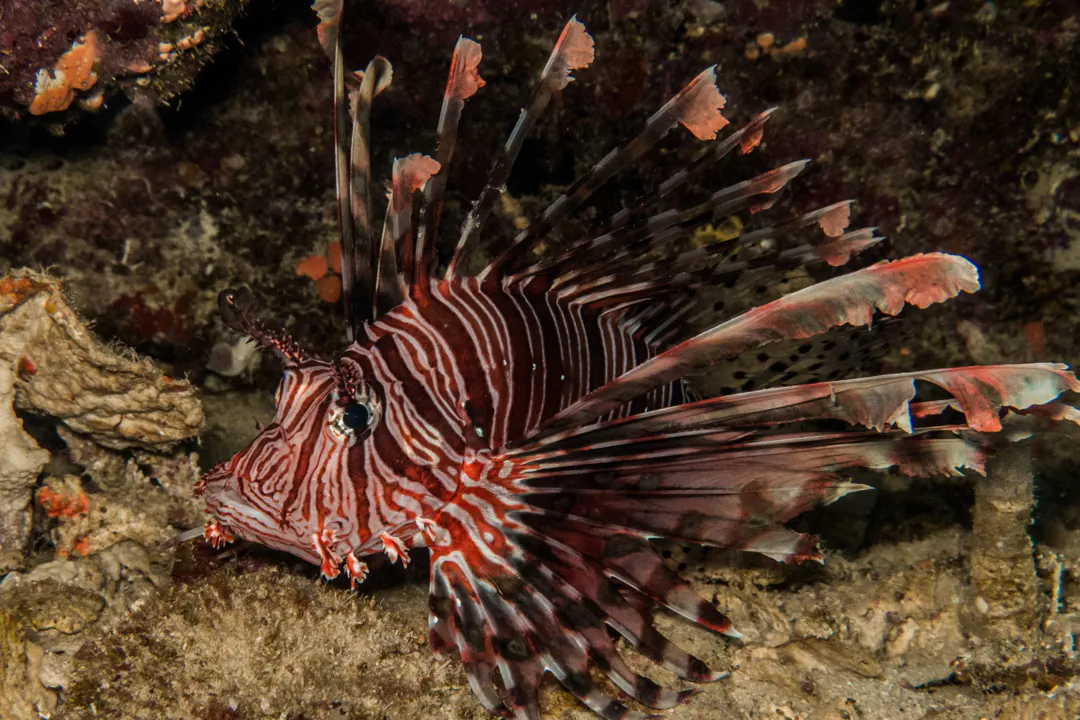
For advanced divers, the HTMS Sattakut offers opportunities for penetration, though due to its 5-meter deck widths and potentially silty interiors, an Advanced certification is required. The wreck is a treasure trove for macro life, boasting anemone cities at 22 meters that shelter over 50 pairs of clownfish. Wire corals on the wreck's structure often trap juvenile scorpionfish, creating perfect photographic opportunities.
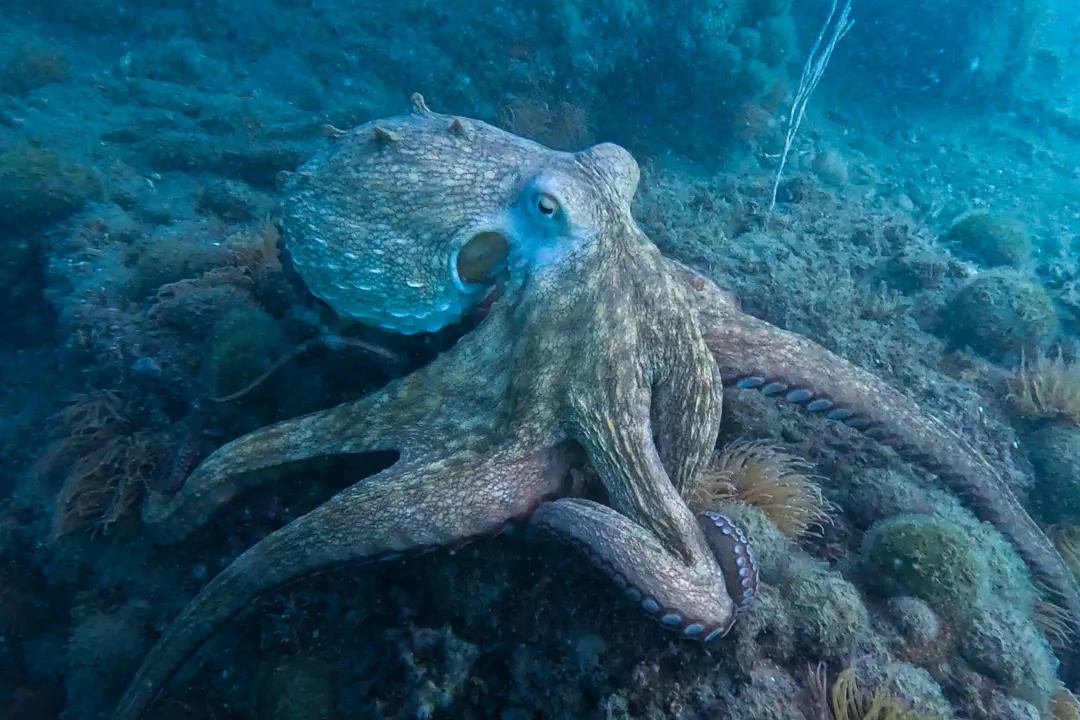
After 15 years underwater, artificial growth blankets approximately 80% of the hull, with tube sponges reaching 50 cm and hosting nudibranchs like Chromodoris kuniei. Beyond the wreck itself, the surrounding sandy seabed at 25 meters is often home to stingrays, which can be seen burying themselves, sometimes flushed out by diver bubbles. Octopus dens cluster under the propellers, adding another layer of intrigue to the dive.
Dive profiles at the Sattakut typically limit bottom time to around 25 minutes at 26°C, emphasizing the strategic deployment of dive lights to illuminate the shadowy interiors and crevices of the wreck. Conservation efforts continue to enhance the wreck's role as a reef; in 2020, restoration divers planted 500 coral fragments on the bow, accelerating its reefification process. Nearby night dives can be particularly rewarding, spotlighting vibrant Spanish dancers gracefully undulating at 18 meters, adding to the magic of this underwater spectacle.
 © João D'AndrettaCC BY 4.0 · iNaturalist
  Justin PhilboisCC0 · iNaturalist
  © seabook.appAll rights reserved
  © Darren ObbardCC BY 4.0 · iNaturalist
 Shark Island (Koh Nanguan)
Shark Island, or Koh Nanguan, earns its name from its distinctive fin-like granite outcrop that dramatically drops to depths of 24 meters. This site offers a diverse reef dive, characterized by impressive table corals, some spanning 2 meters across, and delicate whip fans swaying gracefully in gentle currents of around 0.5 knots. Dive profiles here typically range from 5 to 22 meters, making it an ideal location for Open Water divers, with easy sandy entries.
While the name suggests frequent shark sightings, Shark Island is known more for its vibrant reef life and unique rock formations. Blacktip reef sharks, averaging 1.8 meters, are occasionally spotted patrolling the eastern walls, particularly between March and June. However, guaranteed shark sightings are rare.
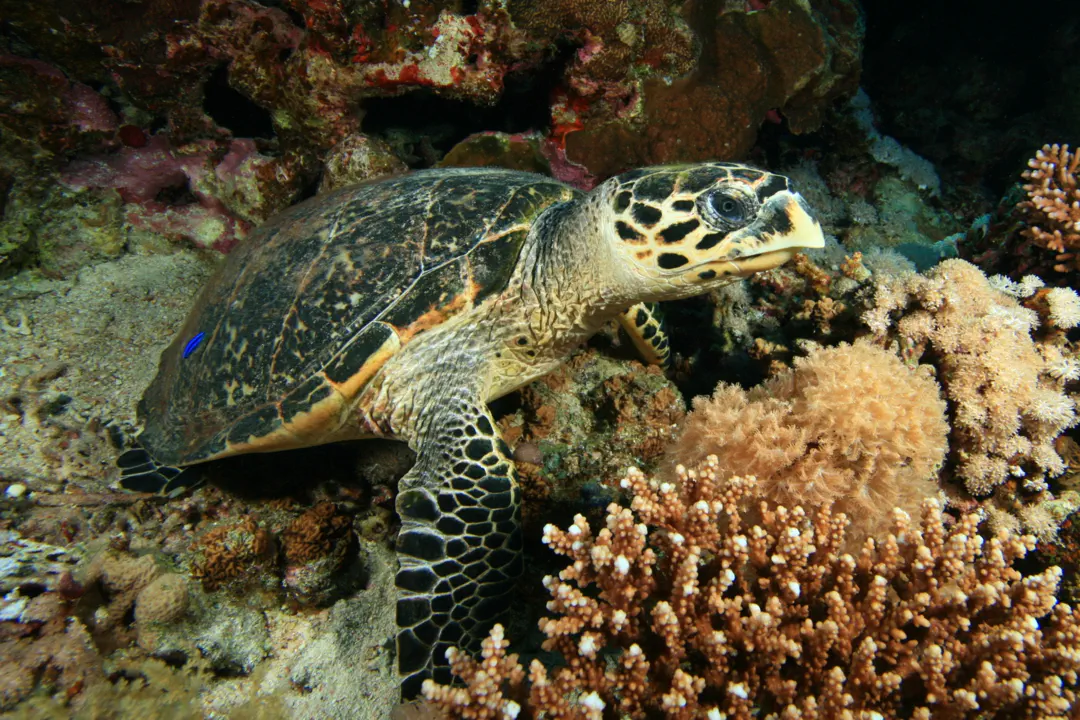
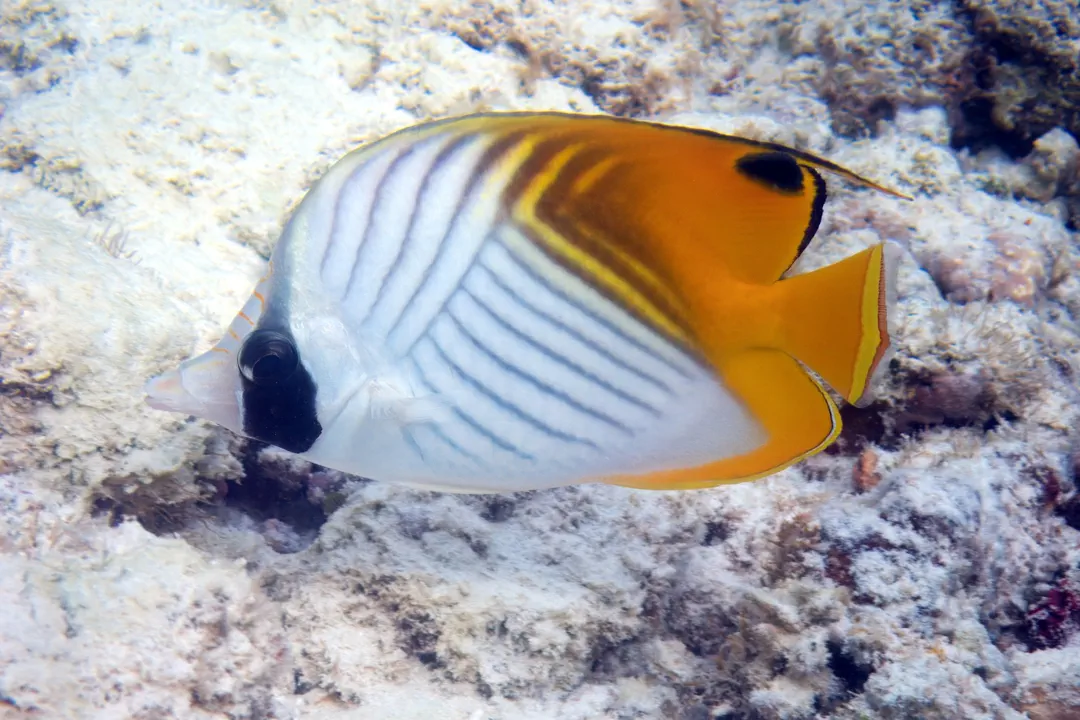
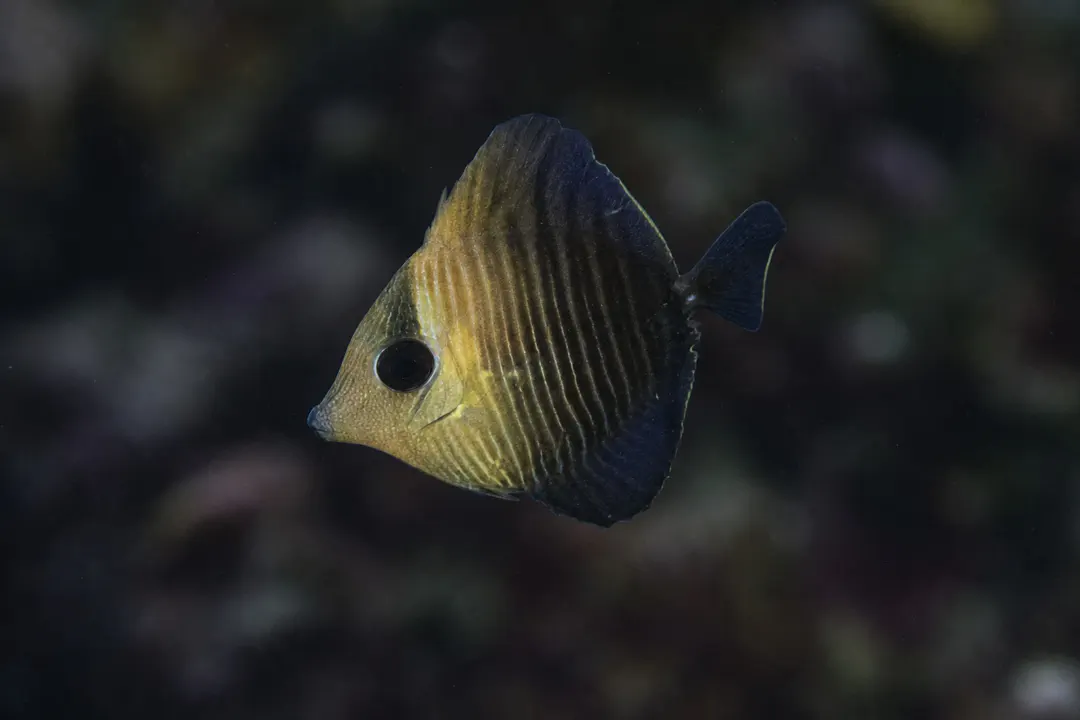
Instead, divers will be enchanted by schools of butterflyfish, often exceeding 200 individuals, navigating through a diverse landscape featuring over 40 genera of corals. Turtle sightings peak from January to March, with hawksbill turtles often observed grazing on sponges at around 12 meters. Lined surgeonfish diligently scrape algae from coral bommies, contributing to the reef's health.
Practical advice for diving here includes maintaining neutral buoyancy to fin above urchin barrens at 8 meters and, for advanced divers, using reef hooks on days with stronger surges exceeding 1 knot. Historical records indicate around 100 shark passes annually, predominantly juveniles. Dive logs consistently show around 70% coral cover at Shark Island, which supports its rich diversity of over 150 fish species.
For macro enthusiasts, night profiles can be particularly rewarding, revealing elusive cowries and flatworms. Despite its evocative name, the island's true allure lies in its stunning coral gardens and the myriad of colorful reef fish that call it home.
 © seabook.appAll rights reserved
  © Petr KnotekCC BY 4.0 · iNaturalist
  © Olka KuryanAll rights reserved
  © Ewout KnoesterCC BY-SA 4.0 · iNaturalist
 Twins (Koh Nangyuan)
Twins, situated near the iconic Koh Nangyuan, is an idyllic dive site, perfect for beginners and those seeking a relaxed and vibrant underwater experience. The site is named for its twin granite bommies that rise from an 18-meter sandy bottom, topped by impressive staghorn corals branching up to 1 meter high at shallow depths of 6-12 meters. This makes it an excellent choice for Open Water divers, with easy shore entries typically facilitated by longtail boats.
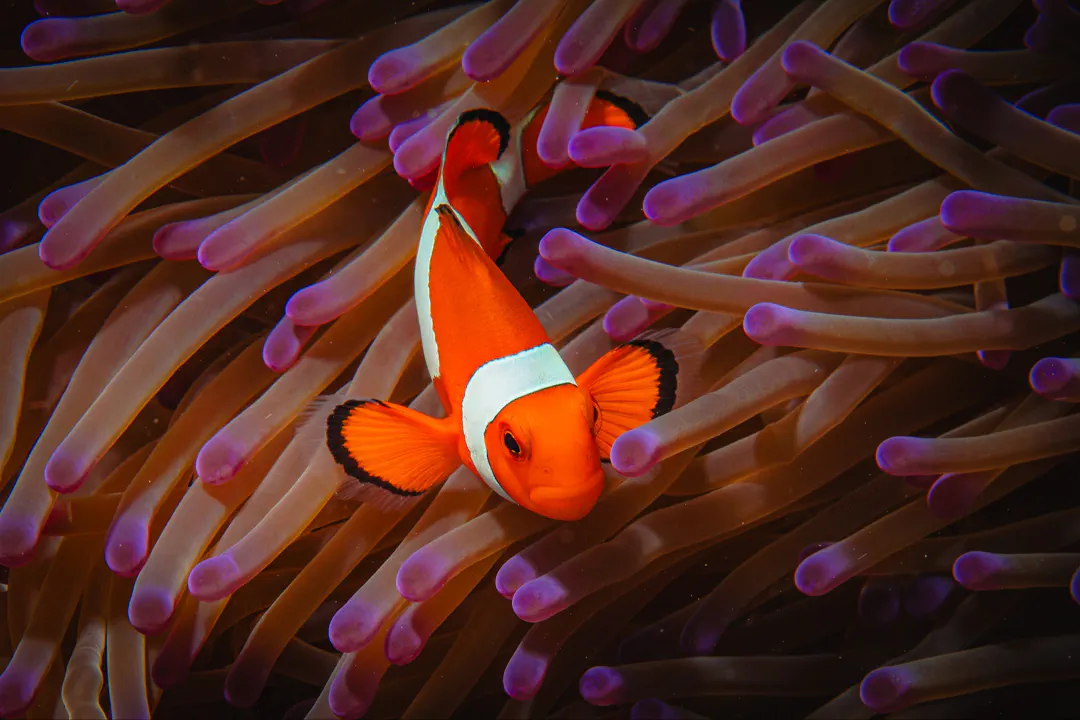
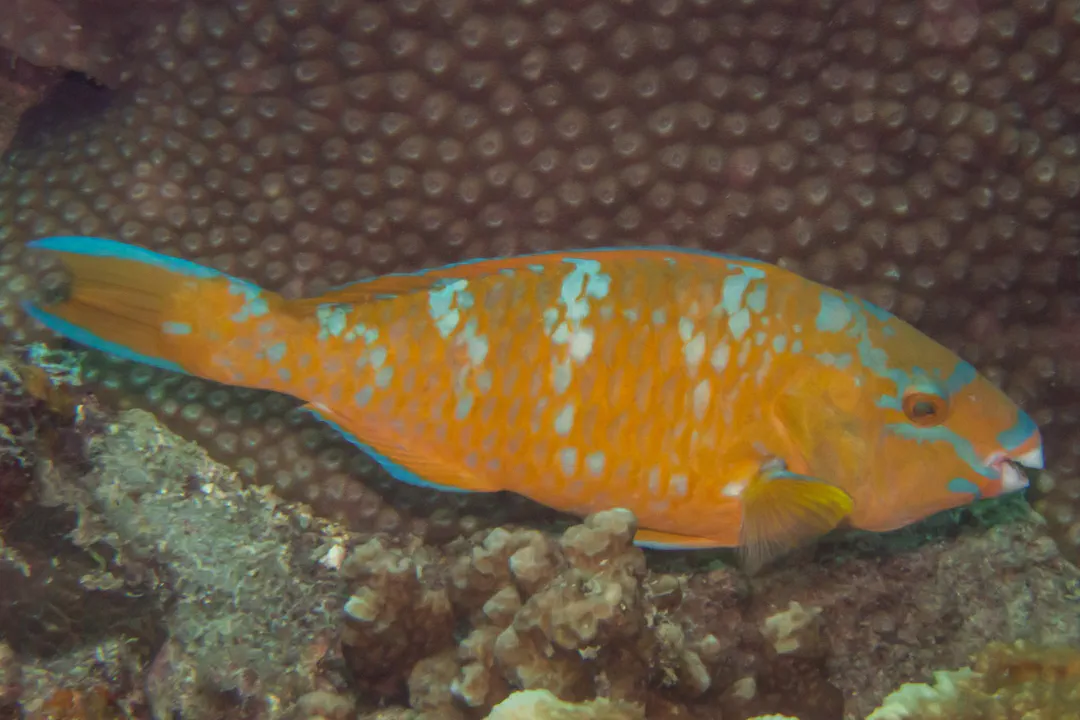
The shallow depths and minimal currents at Twins allow for leisurely 45-minute dive profiles. One of the most charming features of this site is the abundance of clownfish, which diligently defend their homes within some 20 anemone clusters. Parrotfish, transitioning from 30 cm juveniles to 50 cm adults, are a common sight as they graze on algae mats, contributing to the health of the reef.
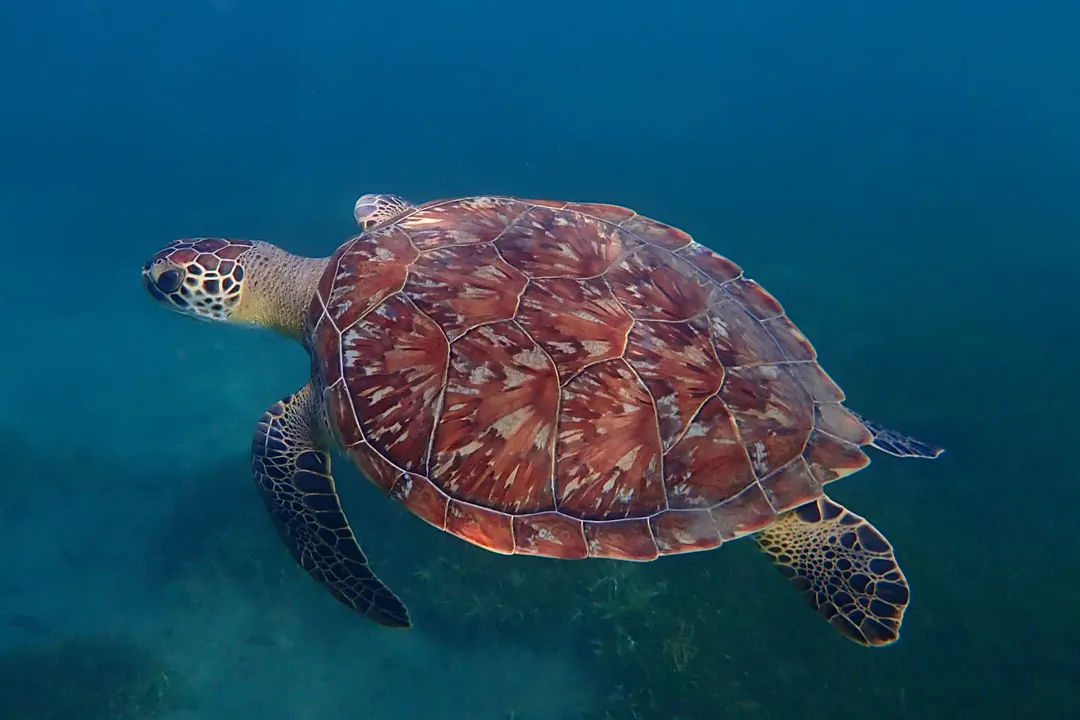
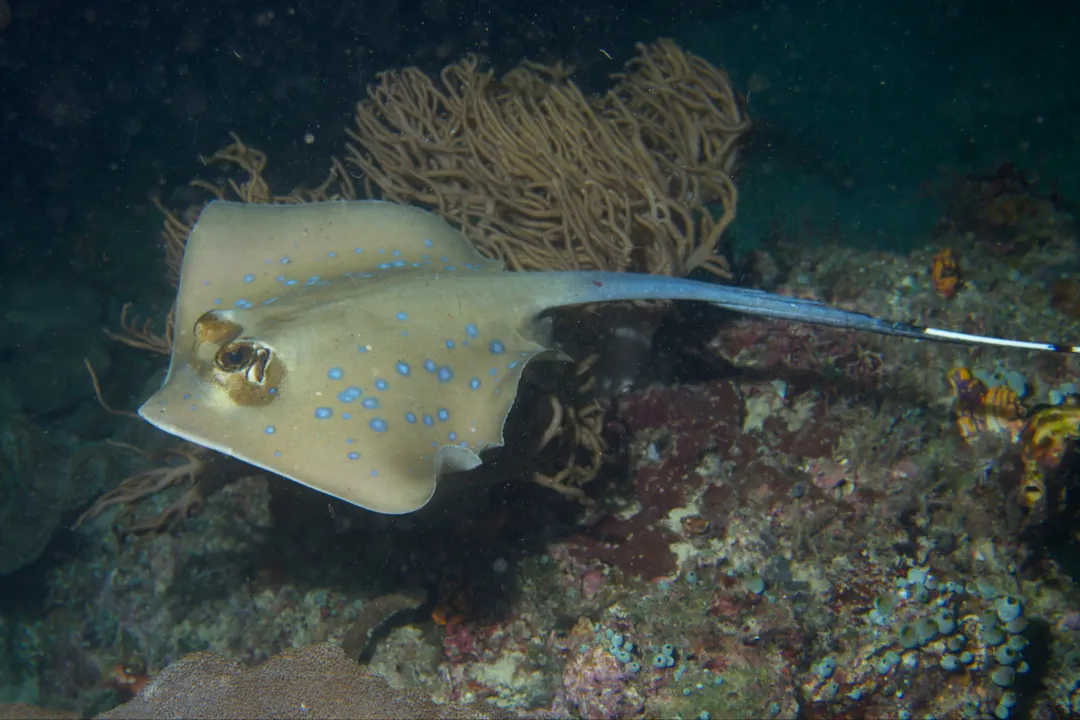
Green turtles are also frequent visitors, often found resting on the sandy patches after foraging, with carapaces averaging around 80 cm. Bluespotted stingrays, spanning up to 1 meter across, can be seen gracefully hovering over the seagrass beds. Practical tips for diving at Twins include maintaining excellent neutral buoyancy, particularly over delicate fire corals at 10 meters, and considering a 3mm rash guard for protection against potential stings in the 28°C water.
Seasonal plankton blooms in April can also draw in smaller, intricate creatures like Spanish flag shrimp. Site logs consistently show that Twins is suitable for over 90% of beginner divers, accommodating around 200 dives daily. Conservation efforts at this popular site include monitoring 50 coral bommies for their resilience to bleaching, ensuring that this charming and accessible dive spot continues to thrive for years to come.
Twins truly embodies the beauty and accessibility of Koh Tao's underwater world.
 © portioidCC BY 4.0 · iNaturalist
  © seabook.appAll rights reserved
 Practical Diving Tips for Koh Tao
To ensure a safe, enjoyable, and environmentally responsible diving experience in Koh Tao, it's crucial to be aware of local regulations, best safety practices, and ongoing conservation efforts. For unguided dives beyond 12 meters, divers must hold a PADI Open Water certification or an equivalent, in accordance with Thai marine park rules that cap daily diver numbers at 150 per site. While many divers bring their own masks for a perfect fit, BCDs and regulators are readily available for rent at approximately 800 THB per dive day.
One fundamental safety practice is to equalize your ears early and frequently, especially during descents to granite relief at depths of 30 meters. Given the relatively busy dive traffic around the island's 20-plus sites, deploying an SMB (Surface Marker Buoy) is mandatory for any drift exceeding 500 meters, ensuring your visibility to dive boats. Hydration is also key in the 32°C heat, so aim to drink at least 4 liters of water daily, taking shaded viewpoints for surface intervals.
Environmental conservation is paramount in Koh Tao, with a strict no-touch policy for all marine life. Fines for coral contact or other violations can reach up to 10,000 THB. Divers are strongly encouraged to join local reef cleanups, which collectively remove approximately 500 kg of monofilament fishing line and other debris annually.
Many of the island's 28 dive shops offer Nitrox fills up to 32%, which can help reduce decompression obligations, particularly on deeper pinnacle dives. In case of emergencies, Koh Tao Hospital is equipped with a hyperbaric chamber, treating around 50 DCS (Decompression Sickness) cases annually. It's wise to log your dives using dedicated apps, which track over 10,000 profiles monthly on the island.
For night dives, typically requiring 20 logged immersions, you'll discover a completely different world, often spotting 30% more macro life than during the day. By adhering to these tips, you'll contribute to a safer environment and a more rewarding dive experience.
Questions
Do I need to be an experienced diver to dive in Koh Tao?
No, Koh Tao welcomes all levels, with 70% of 50,000 annual dives suited for beginners via Open Water courses at 5-12 meter sites like Twins. Advanced divers tackle 30-40 meter pinnacles and wrecks, while 40 centers offer training in 20 languages. Rentals cost 800 THB daily, enabling seamless progression from shore dives.
What kind of marine life can I expect to see?
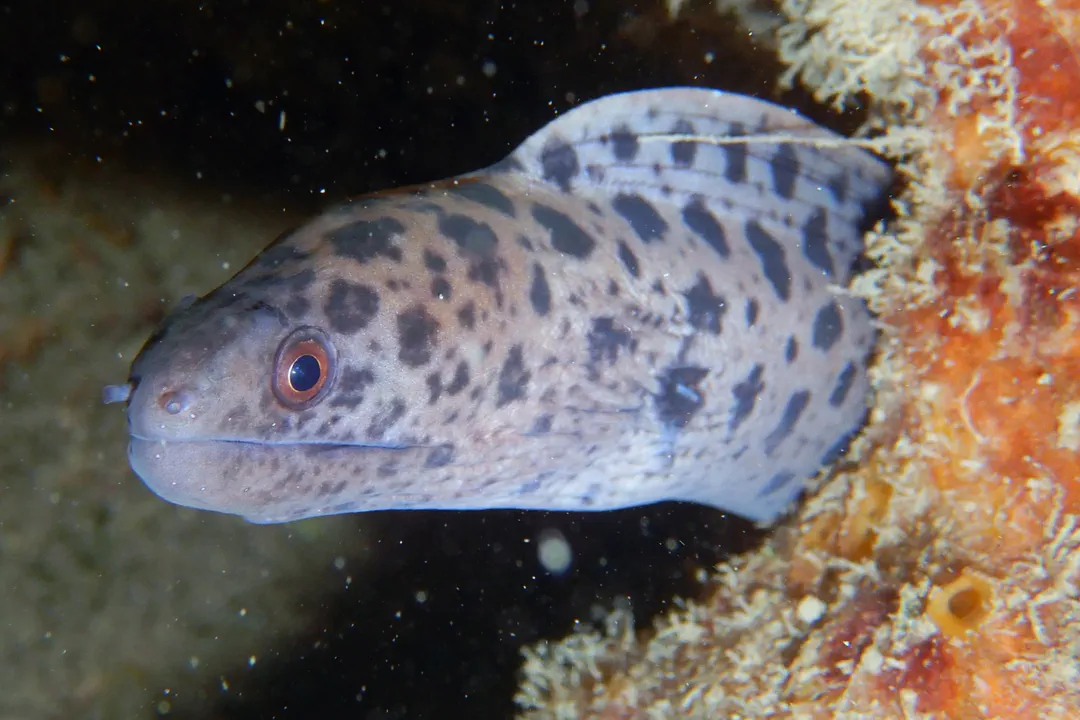
Reef fish dominate with 200+ species including 1,000-fish fusilier schools, 1-meter groupers, and moray eels in 80% of dives. Turtles appear in 30% of profiles, stingrays bury in sands, and barracudas school at pinnacles; macro like nudibranchs thrive on wrecks. Whale sharks pass March-May at 18 meters, averaging 5 meters long.
Is whale shark season guaranteed in Koh Tao?
Sightings peak March-May and September-November at Southwest Pinnacle, with 200 annual logs of 4-5 meter individuals feeding on krill at 20-30 meters. Wild behavior precludes guarantees, but Koh Tao ranks top in Thailand with 80% operator success rates during plankton blooms. Dives limit to 120 daily for minimal disturbance.
Are there any specific conservation efforts divers should be aware of?
Dive centers maintain 15 coral nurseries outplanting 100,000 fragments yearly and monitor 10 artificial reefs teeming with 150 species per hectare. Divers follow no-touch rules, join cleanups removing 500 kg debris annually, and select operators certified by Thailand's marine parks. Fines reach 10,000 THB for violations, supporting 25% reef cover gains since 2010.