Introduction to Diving in Guinea
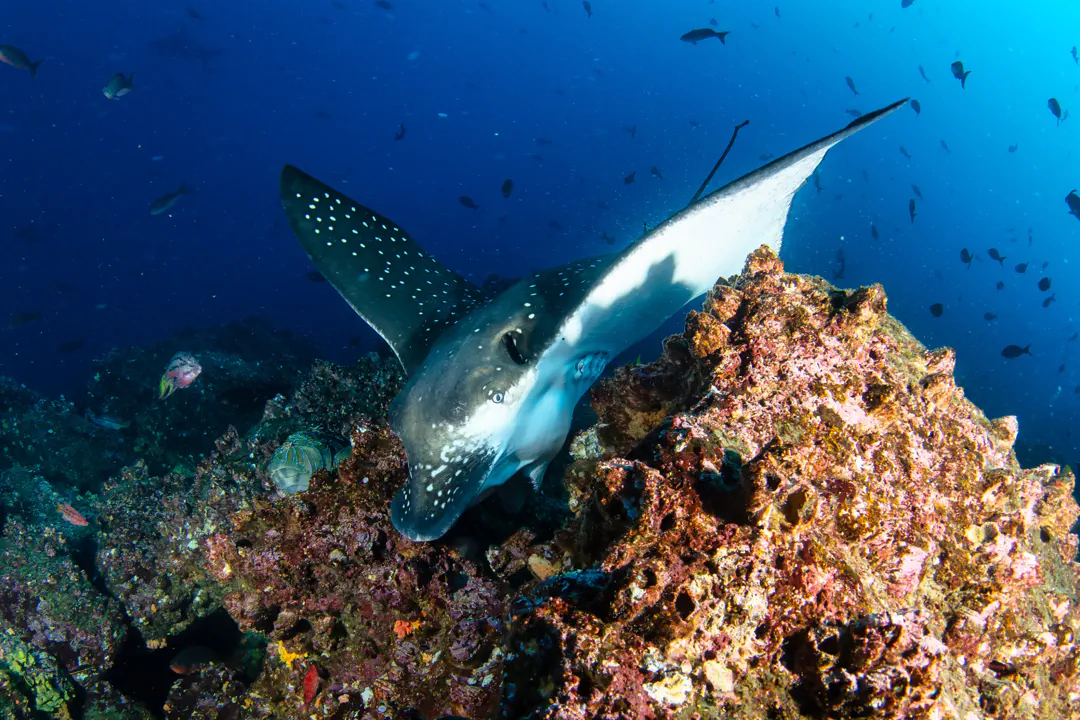
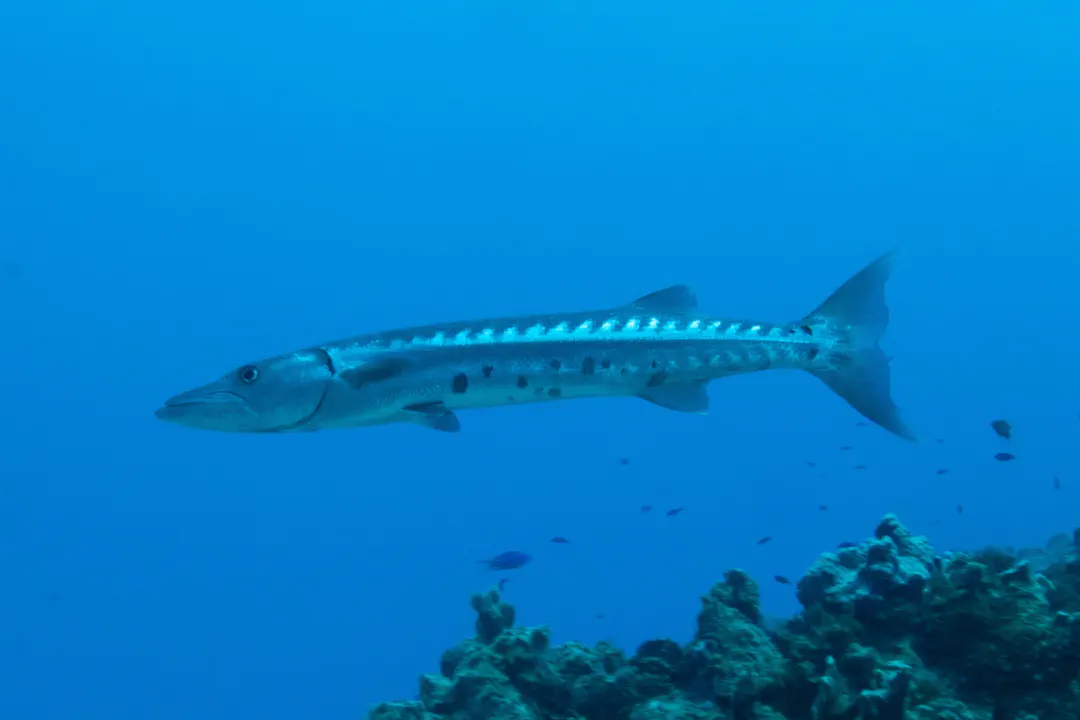
At a depth of 12 meters off the volcanic shores of Kassa Island in the Iles de Loos, a school of barracuda, their silver flanks catching the filtered sunlight, holds formation against a gentle current. Below them, a spotted eagle ray glides over a rocky outcrop encrusted with sponges, its wings undulating with unhurried grace. The water, a warm 27°C, carries a slight haze but reveals the intricate network of crevices where smaller snappers seek refuge.
Along the West African Atlantic coast, Guinea presents a largely underexplored diving frontier. Its waters, influenced by the productive Canary–Guinea current system, offer a compelling alternative to crowded dive sites, offering unique encounters.
This coastline supports a mosaic of estuaries, mangroves, sandy seabeds, rocky areas, and offshore zones. While not a classic coral-wall spectacle, Guinea's ecological variety, shaped by seasonal upwelling and river outflow, provides critical nurseries and feeding grounds for a range of marine life.
Guinea's Coastal Environment
Guinea's Atlantic coastline is defined by its broad estuaries, extensive mangrove forests, and sandy shorelines. These nearshore waters are deeply influenced by the Guinea Current Large Marine Ecosystem, a productive corridor where nutrients from river discharge and seasonal oceanographic processes fuel a complex food web.
West African coastal systems are shaped by the interaction of the cooler Canary Current with warmer tropical waters. This dynamic creates seasonal increases in nutrient availability, supporting higher plankton production which, in turn, sustains fish, turtles, dolphins, and seabirds.
Mangroves are central to this ecology, with their submerged roots stabilizing sediment and dampening wave energy. They function as vital nurseries for juvenile fish and shellfish, many of which are commercially important species. For divers, these habitats offer a glimpse into a productive, though often low-visibility, world where macro life and young fish thrive.
Diverse Underwater Habitats
Guinea's underwater environments encompass sandy bottoms, rocky reefs, sheltered island margins, mangrove-lined channels, estuaries, and offshore pelagic waters. Marine habitat mapping in the Gulf of Guinea has documented various seabed types, including sandy and rhodolith beds, revealing seafloor complexity.
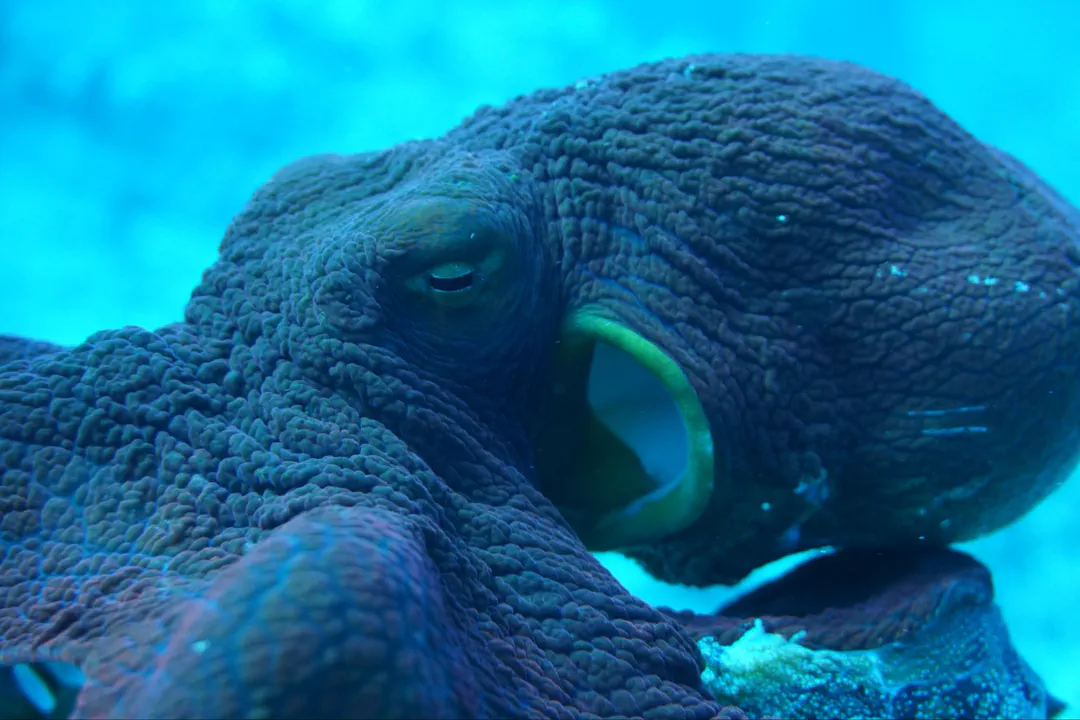
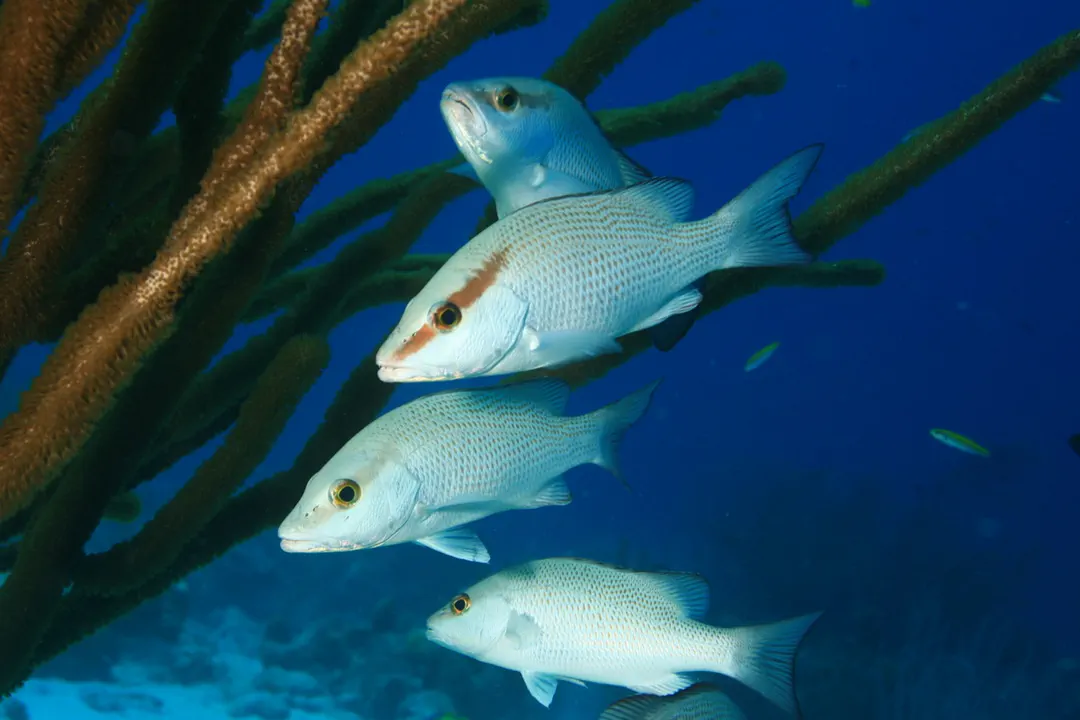
Sandy bottoms, the most widespread habitat, host flatfish, various rays like the spotted eagle ray, and burrowing cephalopods such as the common octopus. Rocky patches and island slopes concentrate marine life by providing crevices and current breaks, attracting schooling barracuda, groupers, snappers, and moray eels.
Mangroves and estuaries offer a distinct biodiversity. Their brackish channels and submerged roots serve as nurseries for juvenile fishes, crustaceans, and mollusks, many of which later support coastal fisheries. These zones provide opportunities for macro observation, though they demand careful buoyancy control due to suspended sediment.
 © Brad CrookAll rights reserved
  © seabook.appAll rights reserved
  © seabook.appAll rights reserved
  © seabook.appAll rights reserved
  © seabook.appAll rights reserved
  © seabook.appAll rights reserved
 Ideal Conditions for Exploration
Optimal diving conditions in Guinea align with the drier months, from November to May, when rainfall decreases, river runoff is reduced, and sea states are calmer. The rainy season can significantly lower visibility in estuaries and nearshore sites due to increased sediment.
Water temperatures along the Guinea coast are consistently warm, ranging from 26–29 °C year-round. A 3 mm wetsuit or a shorty is sufficient for thermal comfort, though a full 3 mm suit can be more comfortable for repetitive dives or longer exposures.
Visibility is highly site-dependent, ranging from a few meters in turbid estuaries to 15–30 meters at clearer offshore island sites during favorable conditions. Divers should anticipate this variability and plan accordingly, understanding that conditions can change rapidly with local weather patterns.
Water temperature
Guinea, monthly average
Average sea surface temperatures for Conakry, Guinea's capital on the Atlantic coast. Typical diving depth range 5-40m. Data represents coastal waters of the Gulf of Guinea.
Iles de Loos: Island Gems
Just off Conakry, the Iles de Loos archipelago offers accessible island diving. From boat, divers can explore nearshore sites at 5 to 20 meters deep, where volcanic rock formations create a distinct underwater landscape. These sites offer clearer waters than mainland estuaries, particularly during the dry season, making them suitable for Open Water certified divers and above.
These island edges and rocky slopes concentrate marine life, creating crevices and current breaks that attract schooling barracuda, jacks, and various rays like the spotted eagle ray. Hard surfaces are colonized by sponges, algae, and bryozoans, supporting a community of groupers, snappers, and octopuses.
Exploration here focuses on observing the hard-substrate communities. Visibility can be variable, ranging from 5 to 20 meters depending on conditions, and occasional surge may be present on exposed sections. Planning with local operators is essential to navigate these dynamic conditions.
 © Dan SchofieldCC BY 4.0 · iNaturalist
  © cello caruso-turielloCC BY 4.0 · iNaturalist
  © Alberto AlcaláCC BY 4.0 · iNaturalist
  © seabook.appAll rights reserved
 Kassa Shipwreck: A Historical Dive
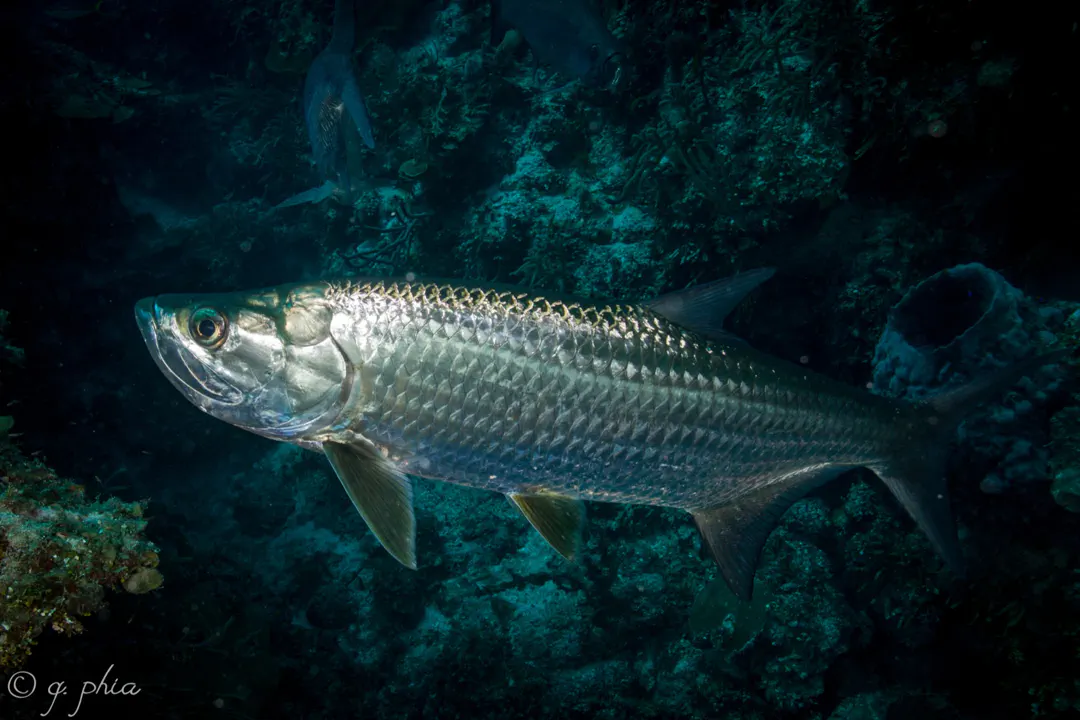
Near the Iles de Loos, the Kassa area hosts a significant historical shipwreck, resting at 18 to 28 meters of water. Accessible by boat, this site offers a unique structural dive, distinct from purpose-sunk artificial reefs. Submerged structures like this become focal points for marine life, providing shelter, feeding stations, and current breaks on an otherwise sandy seafloor, making it suitable for Advanced Open Water divers due to potential entanglement risks and variable conditions.
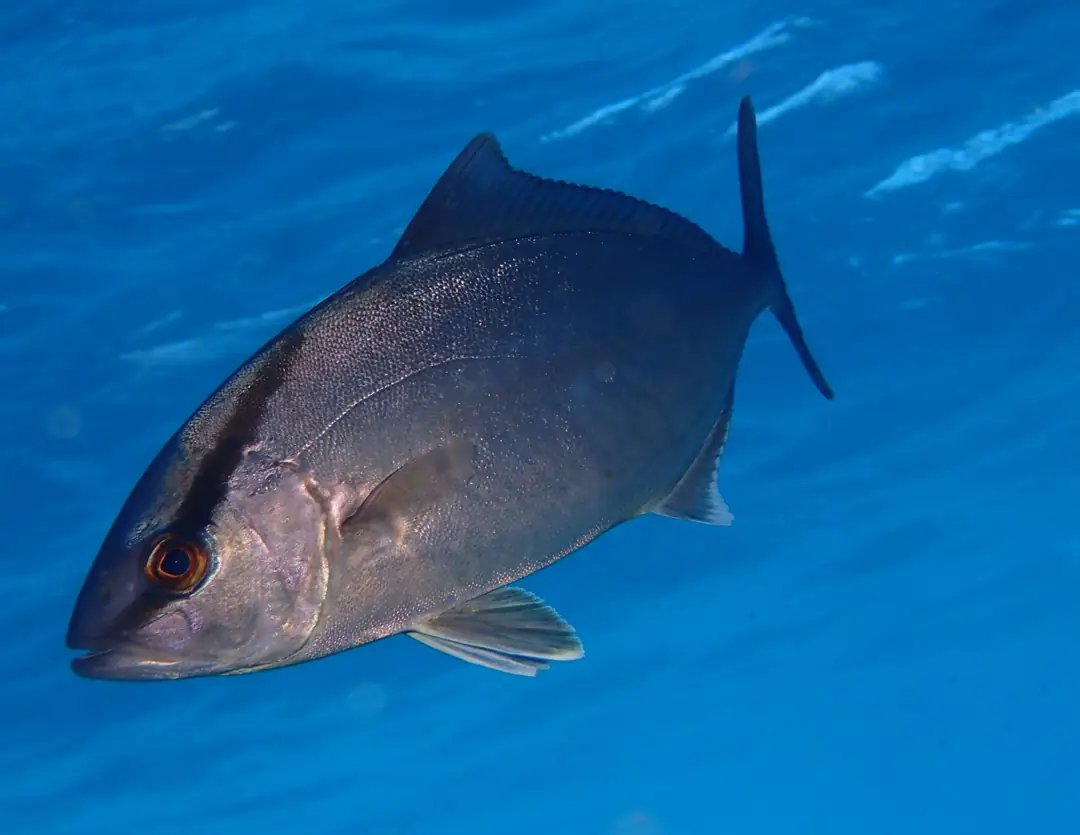
This wreck attracts schooling fish, jacks, snappers, and goatfish, alongside triggerfish, moray eels, and octopuses that utilize the encrusted metalwork for cover. Larger predators patrol its perimeter, especially if the wreck lies on a productive current line.
Divers exploring the Kassa shipwreck should be mindful of entanglement risks and corrosion. Good buoyancy control, gloves, and a line-cutting tool are sensible precautions. Local briefings are crucial to understand the wreck's current condition, especially regarding silt, overhead environments, or fishing gear.
 © q phiaCC BY 4.0 · iNaturalist
  © Ian ShawAll rights reserved
 Rio Nunez Estuary: Mangroves and Macrolife
The Rio Nunez estuarine system, accessible by small boat, offers a unique brackish environment, with depths at 1 to 5 meters. This crucial nursery habitat, rather than a high-visibility destination, presents a distinct experience for Open Water divers with excellent buoyancy control, focusing on specialized estuarine species thriving among mangrove roots in low visibility.
Specialized estuarine species are the main draw: mudskippers, mullets, various jacks, snappers, and gobies thrive among the submerged mangrove roots. These roots provide excellent cover for many early life stages, making the estuary ecologically productive even in cloudy waters.
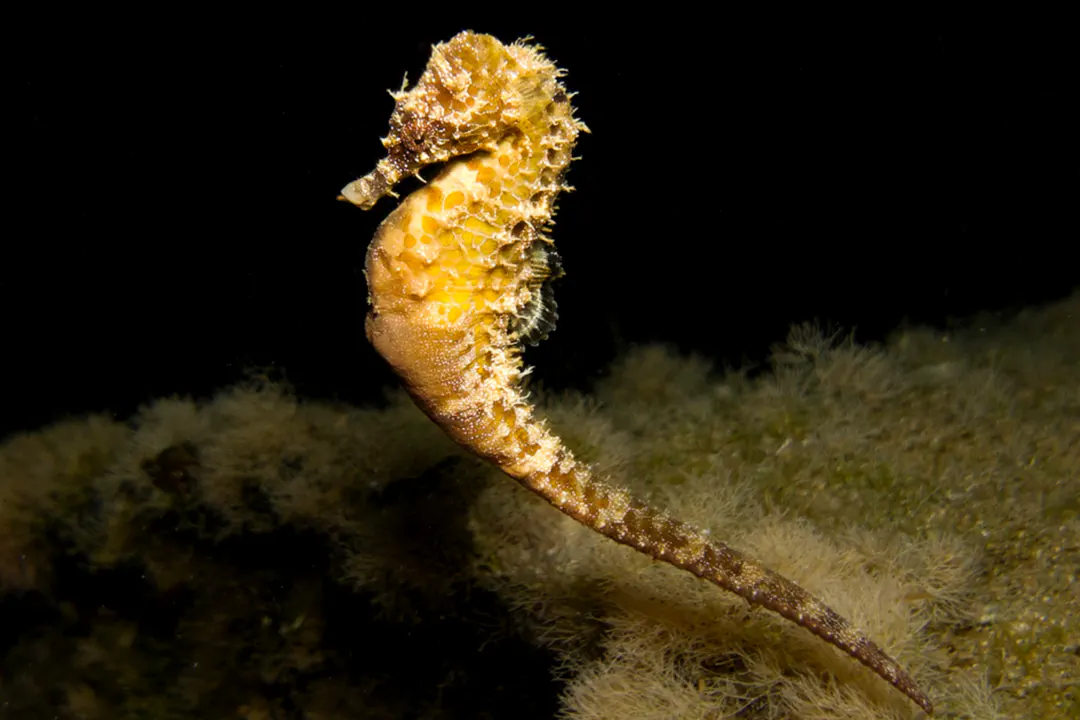
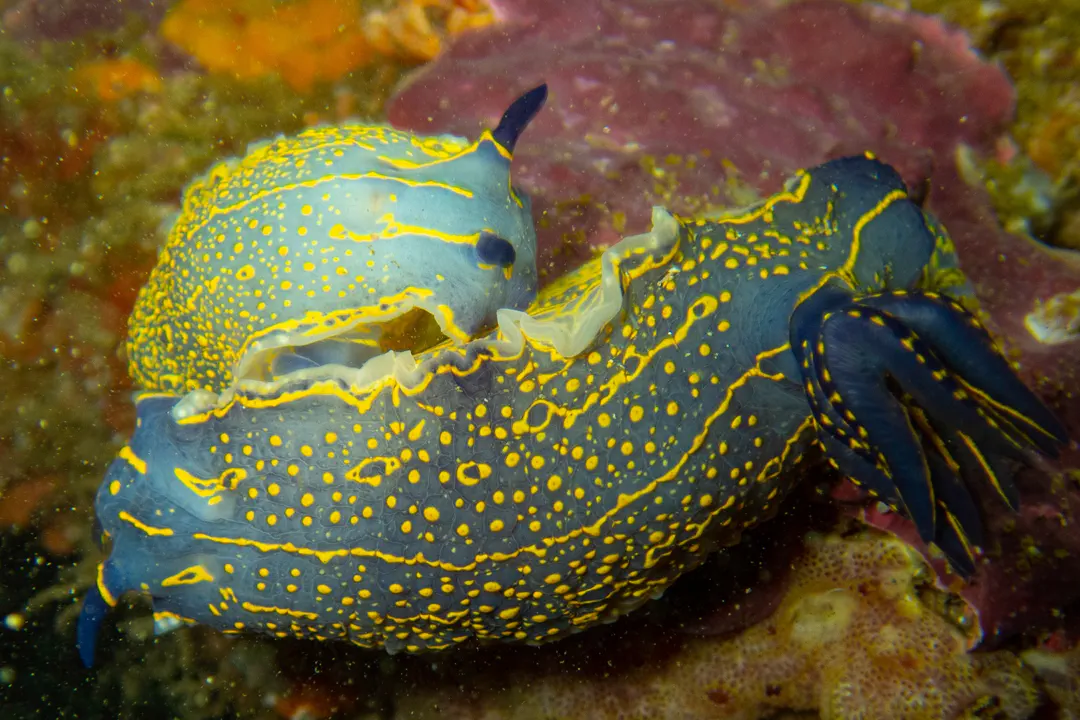
While sightings are rare, the endangered West African manatee is found in Guinea's estuaries. Divers interested in macro photography will find opportunities observing life at the edges of submerged roots and quiet channels, requiring careful buoyancy to avoid disturbing sediment.
 © seabook.appAll rights reserved
  © Bernard PictonCC BY 4.0 · iNaturalist
  © LASZLO ILYESCC BY 4.0 · iNaturalist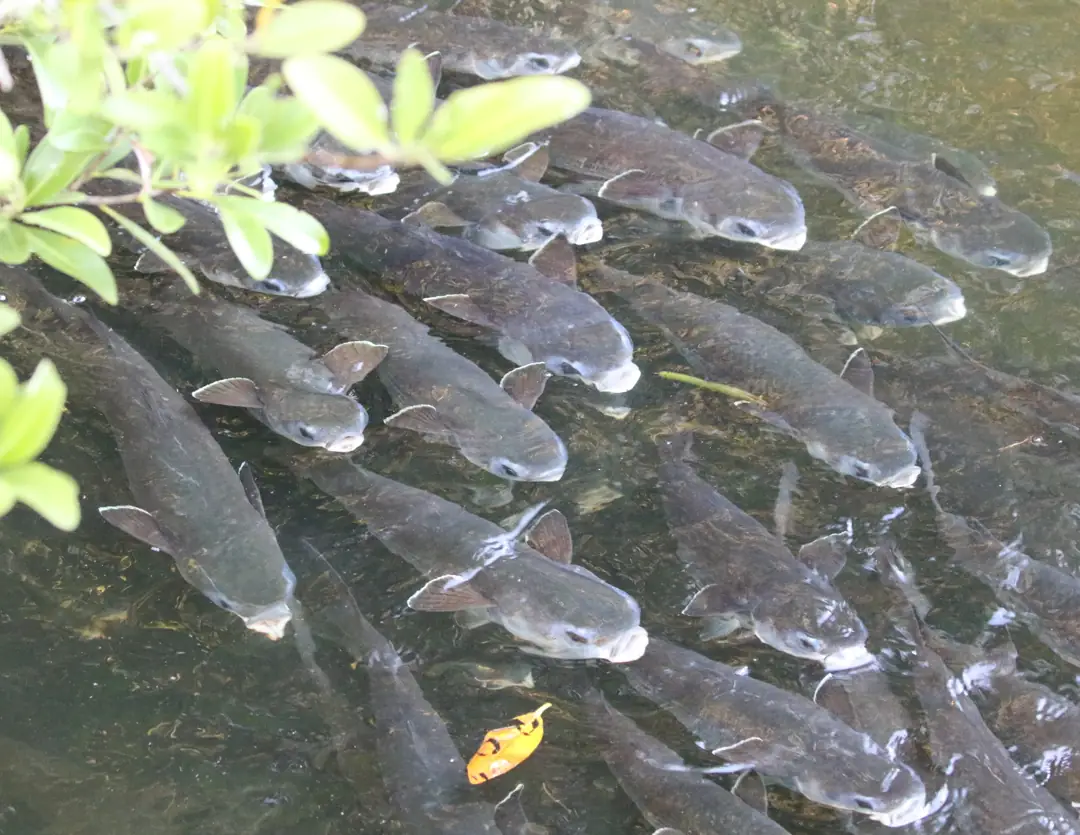
Offshore Banks: Pelagic Encounters
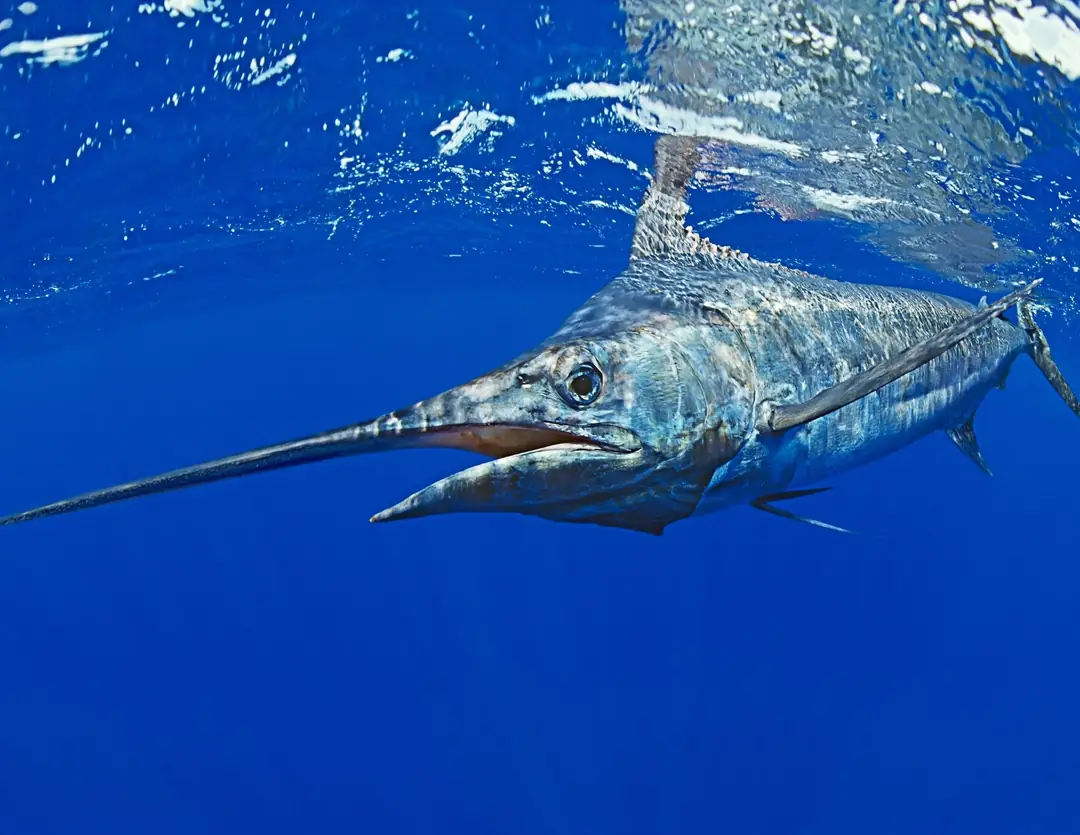
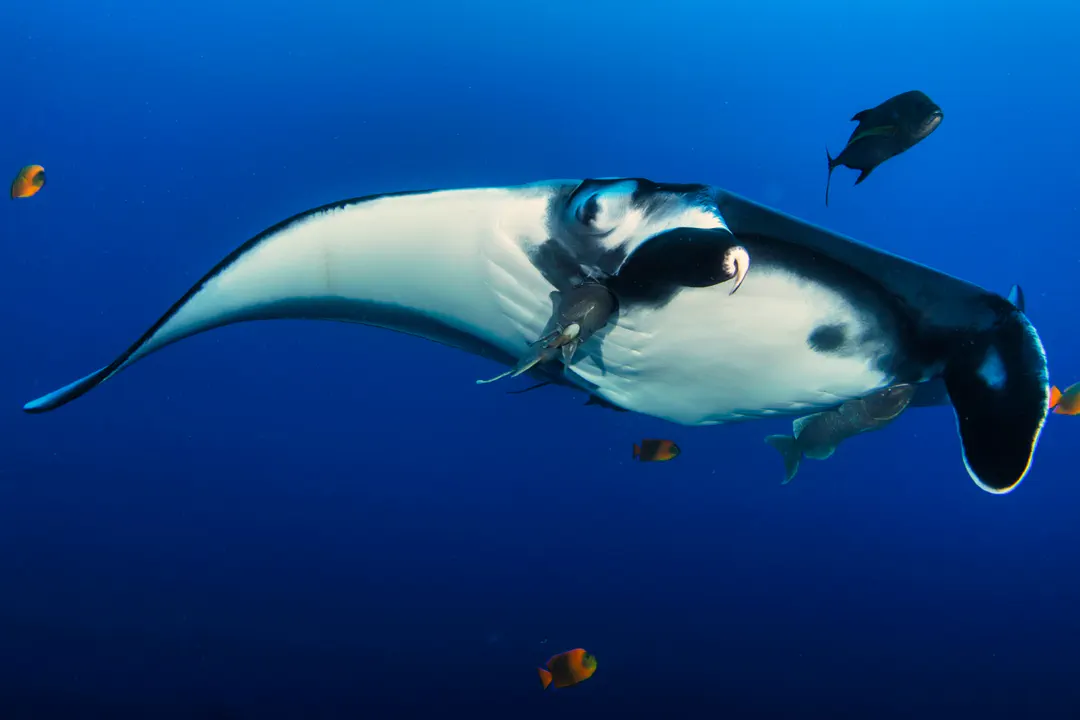
Guinea’s offshore waters are part of a productive Atlantic corridor, where upwelling and current convergence can attract significant pelagic activity. Accessible by robust boat support requiring longer transits, these areas offer potential encounters with schooling fish, dolphins, various sharks, and large rays, involving drift dives at 20 to 40 meters. These expedition-style outings are best suited for Advanced Open Water divers comfortable with blue water and currents.
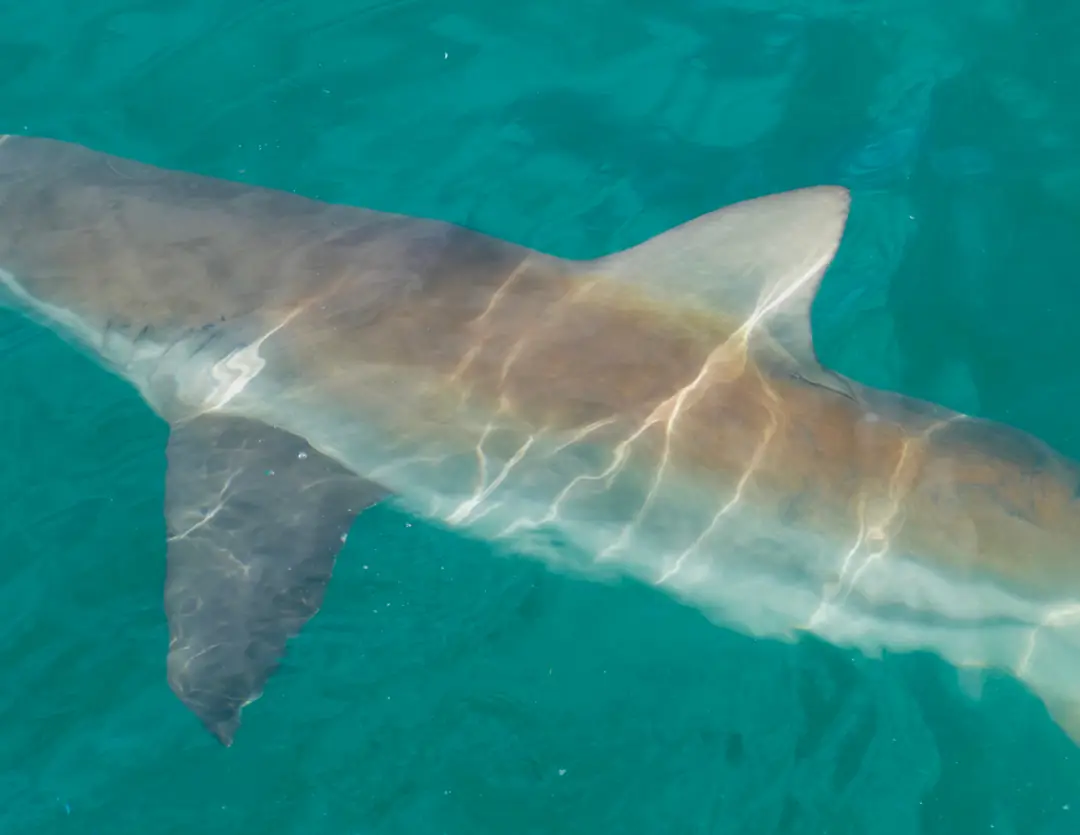
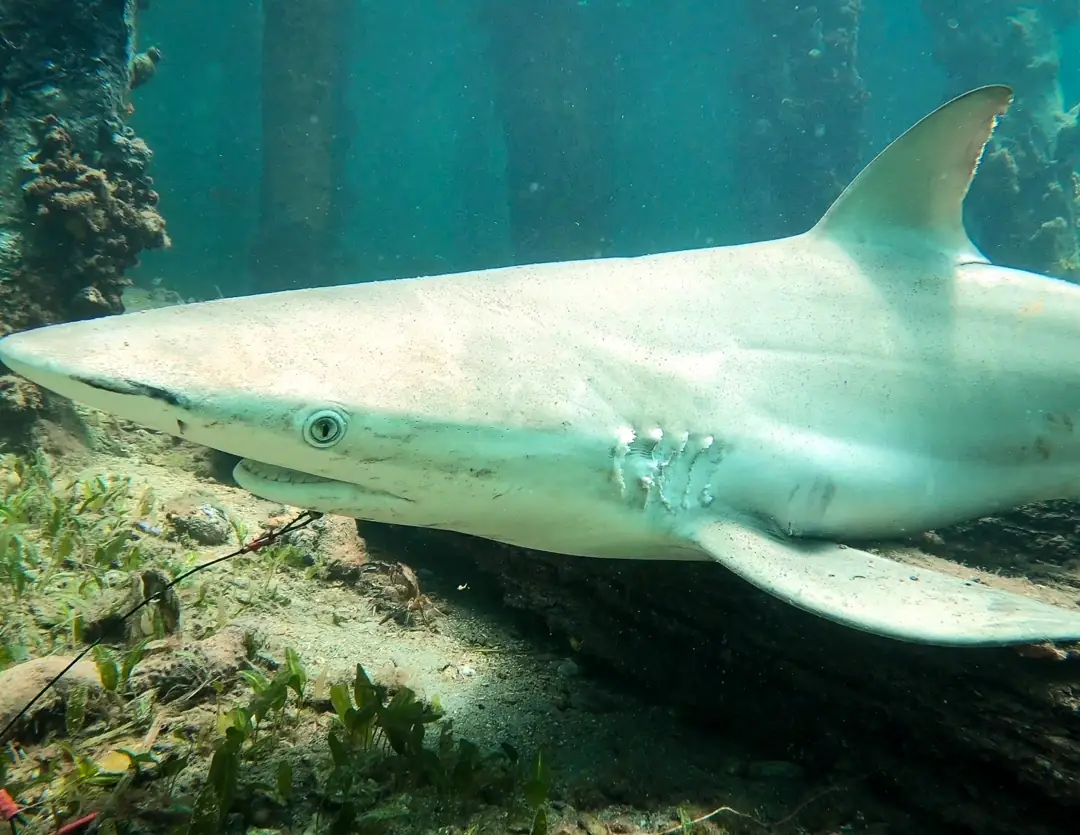
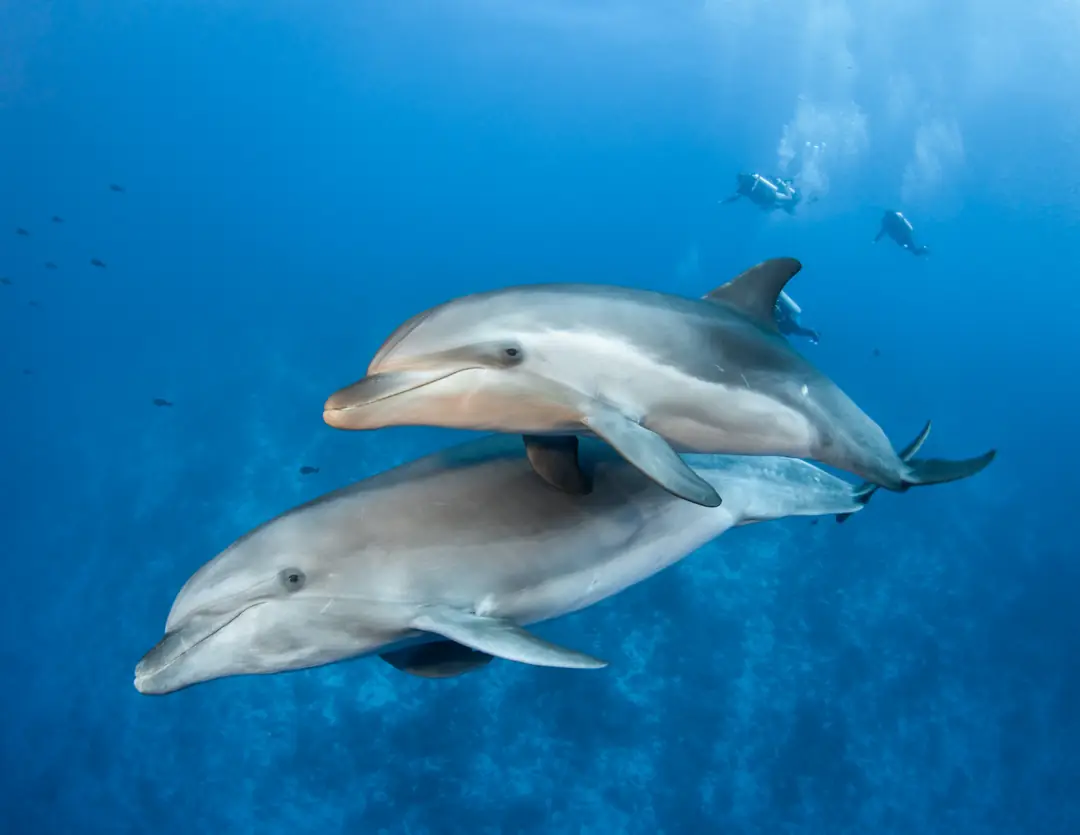
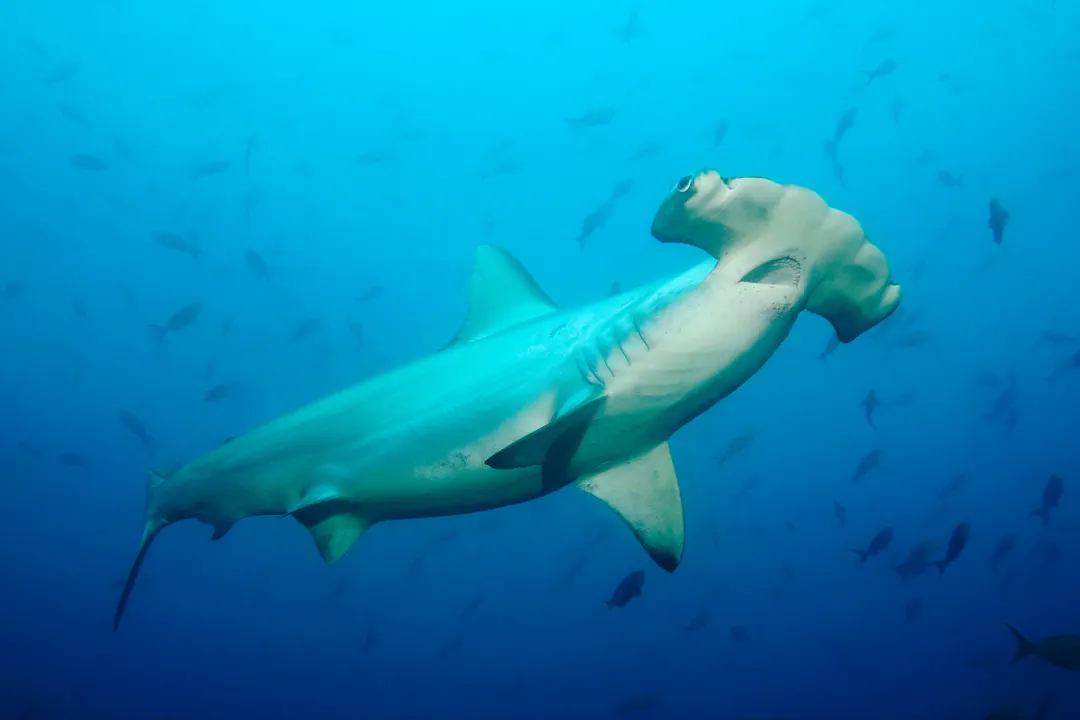
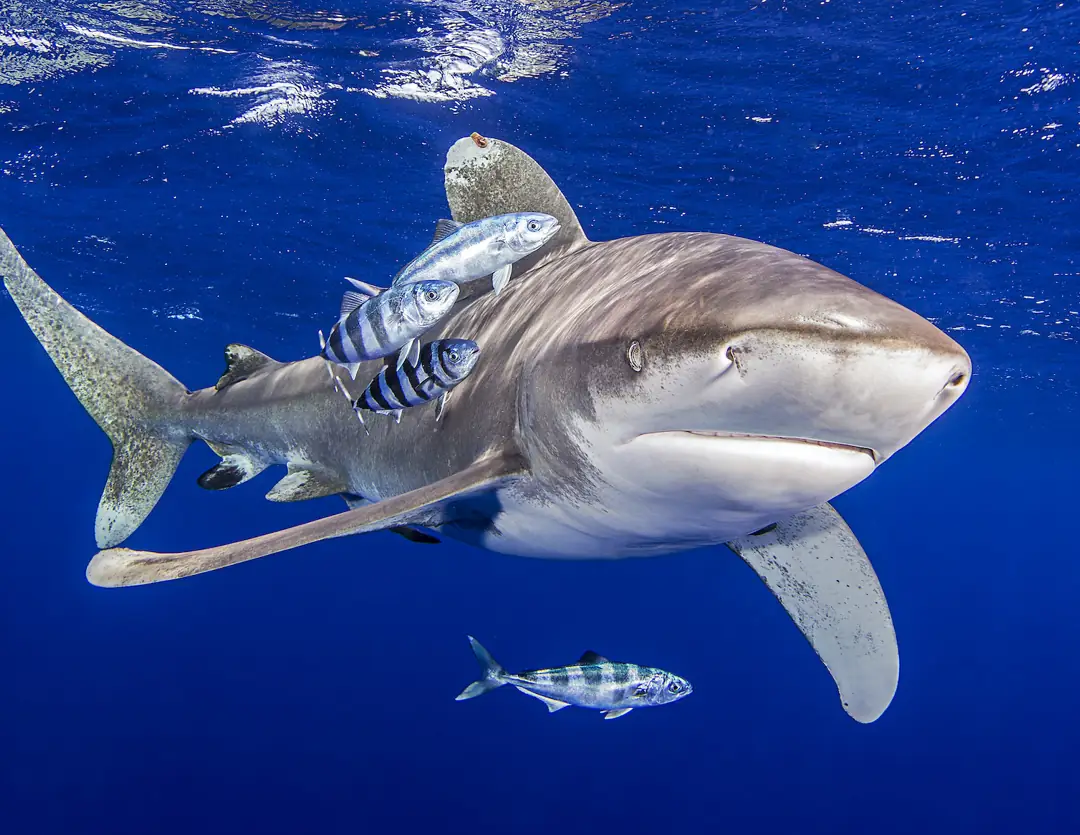
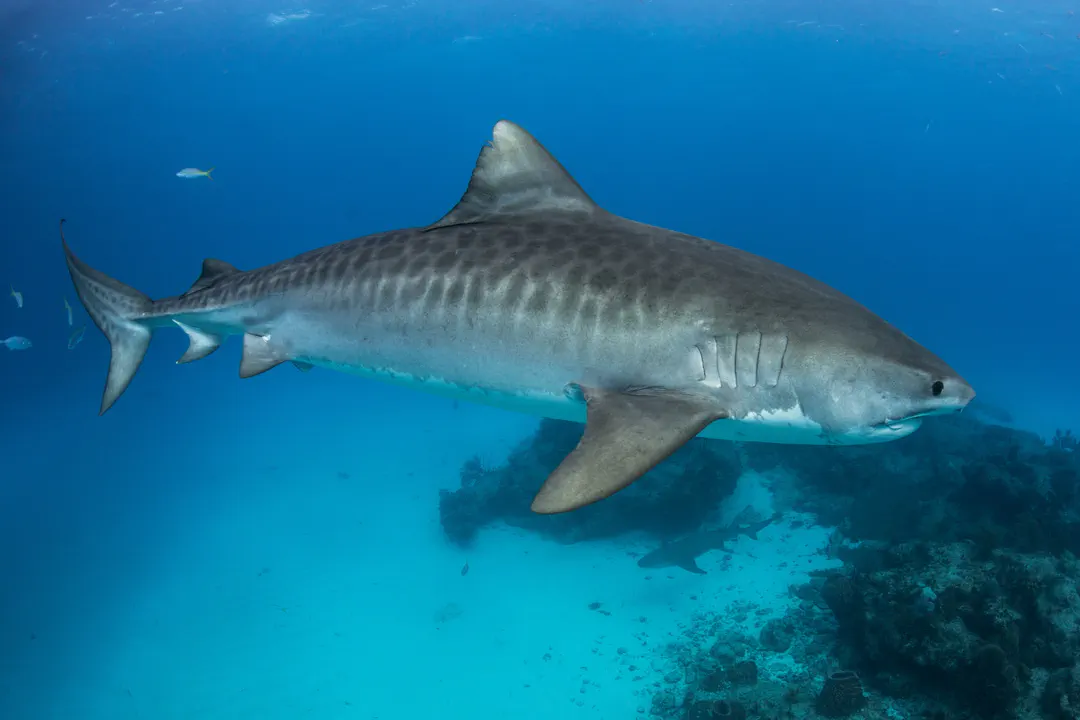
Common pelagic visitors include bottlenose dolphins, oceanic whitetip sharks, tiger sharks, and yellowfin tuna. While not guaranteed on every dive, encounters occur due to the region's dynamic oceanography and prey concentrations.
Offshore exploration in Guinea relies heavily on robust boat support, favorable sea states, and local knowledge. These trips typically involve longer transits than nearshore island dives, and current lines can shift rapidly. Divers should approach these outings as expedition-style days, prepared for variable conditions.
 © seabook.appAll rights reserved
  © seabook.appAll rights reserved
 Protecting Guinea's Underwater Treasures
Guinea's marine biodiversity, part of the productive but threatened Guinea Current ecosystem, faces significant pressures. Overfishing, mangrove loss, coastal development, and pollution directly impact its most vital habitats: estuaries, mangroves, and shallow coastal waters.
Conservation efforts in Guinea are crucial not only for wildlife but also for the coastal communities reliant on healthy fisheries. Strategies focus on habitat protection, sustainable fisheries management, and community engagement to safeguard these vulnerable zones.
For divers, contributing to conservation means minimizing disturbance to mangrove roots, avoiding sediment clouding, and respecting local fishing activities. Low-impact, small-scale tourism is the most appropriate model here, aligning with broader efforts to protect Guinea's unique marine environment.
Essential Tips for Divers
Diving in Guinea requires more preparation than established resort destinations. Logistics, tides, weather, and local boat access heavily influence daily possibilities, so a flexible itinerary is essential. Confirm transport, fuel, dive support, and emergency plans with operators well in advance, and be prepared for potential delays or changes due to local conditions.
Safety is paramount, given potentially variable visibility, currents, and coastal traffic. Choose operators with proven local experience, verify onboard oxygen and first-aid equipment, and avoid diving near river mouths after heavy rains. A conservative approach to depth and bottom time is advisable, particularly on unfamiliar wrecks or current-exposed sites.
Cultural etiquette is as important as dive readiness. Guinea's coastal communities depend on fisheries, so divers should seek permission before photographing people, avoid interfering with fishing gear, and respect local landing sites. While open-water certification may suffice for some shallow island dives, advanced training and local supervision are recommended for more demanding wreck or offshore excursions.
Questions
Is Guinea a safe destination for divers?
Guinea can be suitable for experienced travelers, but it is not a turnkey dive destination with extensive infrastructure. Safety depends heavily on using knowledgeable local operators, checking current travel advisories, and confirming boat, weather, and emergency arrangements before each outing. Divers should also account for variable visibility, changing currents, and limited support in remote areas.
What is the typical visibility like in Guinea's waters?
Visibility varies by habitat and season, with estuaries and mangroves often much murkier than island or offshore sites. A reasonable planning range is only a few meters in sediment-rich water to roughly 15–30 meters at clearer offshore island sites during calmer, drier periods. Heavy rainfall can reduce visibility quickly near river mouths and coastal lagoons.
Are there dive shops or resorts in Guinea?
Dive infrastructure in Guinea is limited compared with major African or Caribbean destinations, but there are some local options around Conakry and the Iles de Loos. Travelers should book ahead and confirm exactly what the operator provides, because equipment inventory, boat reliability, and compressor access may be much more basic than in established resort markets. Private arrangements are often more realistic than walk-in diving.
What kind of diving certifications are required?
An open-water certification may be enough for shallow, calm dives with a qualified guide, but site conditions should determine the actual minimum level. Advanced open-water training is more appropriate for deeper, current-exposed, wreck, or offshore dives, and some operators may require logged experience before taking divers to less sheltered sites. In all cases, local conditions should override generic certification assumptions.