Introduction to Sudan's Red Sea Diving
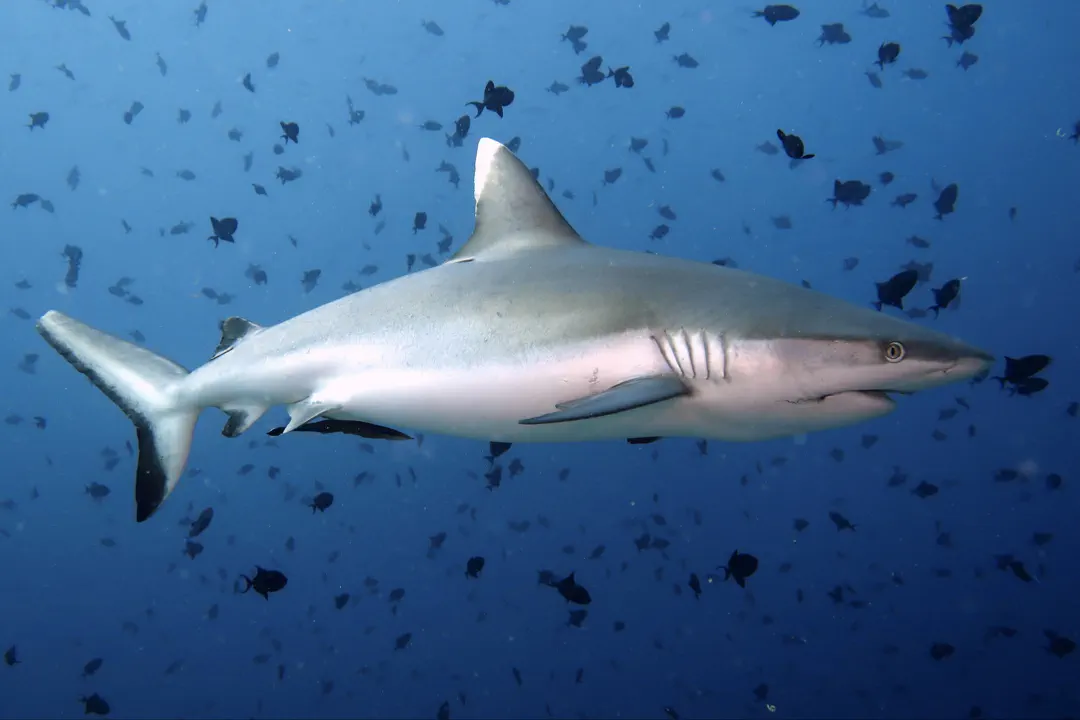
A grey reef shark, sleek and powerful, glides silently along a sun-dappled coral wall at 25 meters, its form a fleeting shadow in the gentle current. Below, a school of fusiliers shimmers like a living river, parting and reforming around ancient gorgonian fans. This is the Red Sea, but not as many know it – this is Sudan, a realm of quiet grandeur beneath the waves.
Far removed from bustling coastal developments, Sudan's Red Sea coastline stretches across a largely undeveloped desert landscape. This isolation has preserved a marine environment where coral gardens thrive, reaching up from depths of 40 meters, and pelagic life frequents the vibrant drop-offs, a testament to a wilder ocean.
Geography and Climate of the Sudanese Coast
The Sudanese Red Sea coast, a stark ribbon of arid land meeting the sea, extends for approximately 750 kilometers. This desert embrace protects the underwater world, limiting human impact and allowing the marine ecosystem to flourish with minimal disturbance. The intense sun and dry air contribute to the Red Sea's characteristically clear waters.
Beneath the surface, strong currents sweep through the channels and around offshore reefs. These powerful flows carry nutrients, feeding vast expanses of hard and soft corals that form intricate habitats. This dynamic interplay of isolation and oceanographic forces creates a unique environment, fostering a rich and resilient marine life.
Marine Biodiversity and Ecosystems
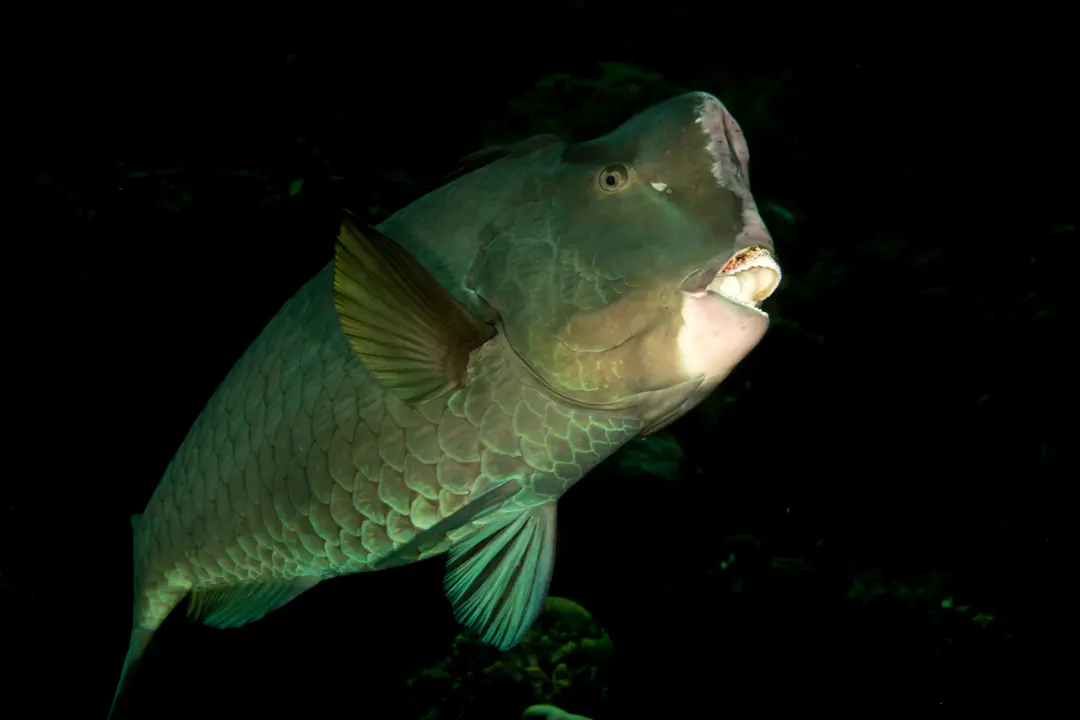
From shallow reef crests, where parrotfish graze on algae-covered rocks, down to dramatic walls plunging hundreds of meters, Sudan's Red Sea reveals an extraordinary range of habitats. Towering pinnacles rise from the deep, adorned with soft corals that sway in the passing currents like underwater meadows. These pristine conditions allow for the growth of massive coral formations, some centuries old.
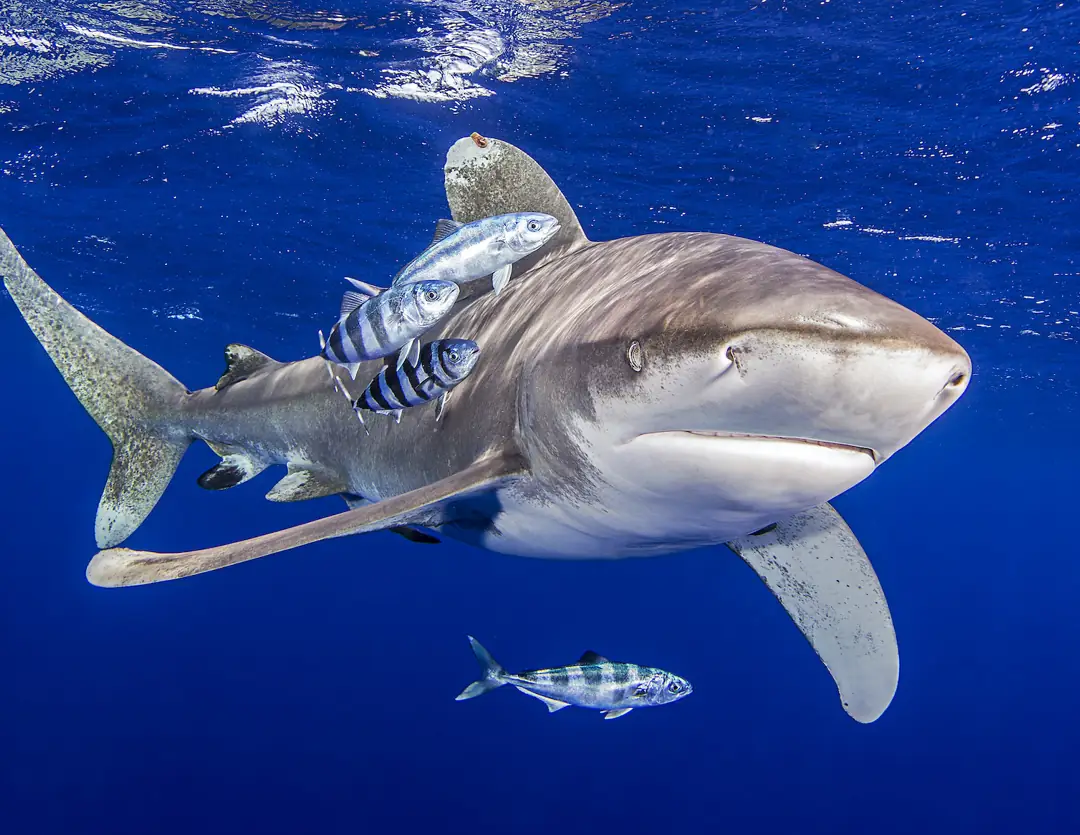
The sheer volume of fish life is often striking; schools of barracuda hang suspended in the blue, while Napoleon wrasse, some reaching over 2 meters in length, patrol the reef slopes. Oceanic whitetip sharks cruise the deep blue, and various reef sharks are resident inhabitants. The absence of heavy tourism has allowed these populations to remain robust, offering divers a glimpse into a truly wild ocean.
 © seabook.appAll rights reserved
  © seabook.appAll rights reserved
  © Daniel BenákCC BY 4.0 · iNaturalist
  © seabook.appAll rights reserved
  © seabook.appAll rights reserved
  © Rickard ZerpeCC BY 4.0 · iNaturalist
 Best Time to Visit and Diving Conditions
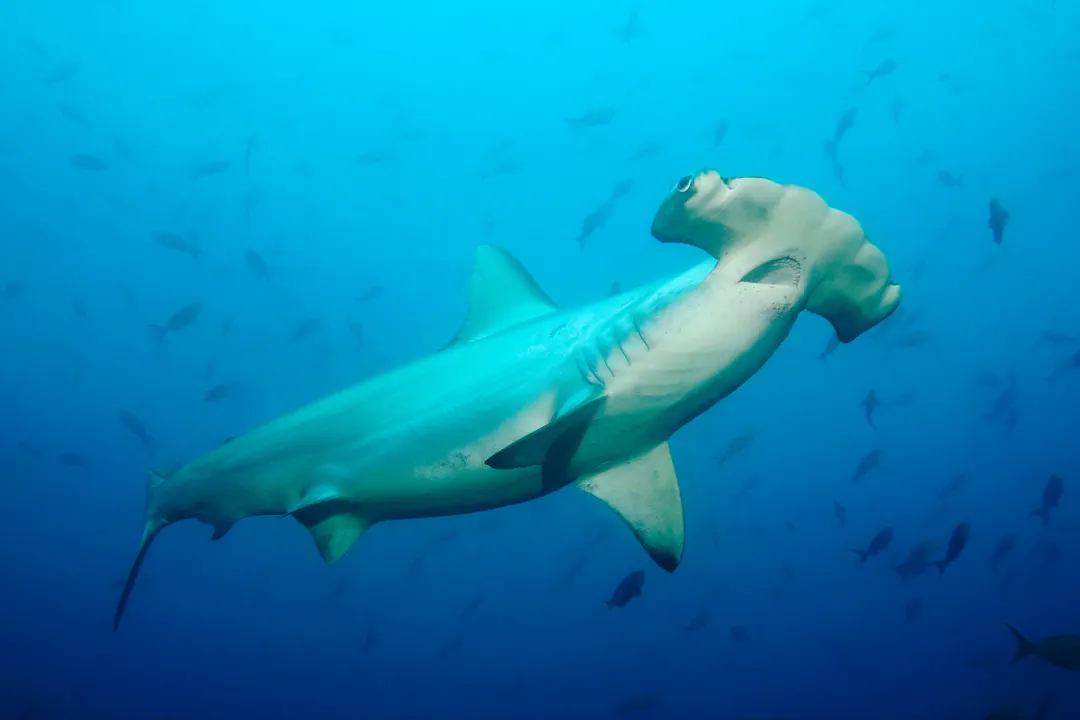
Diving in Sudan is generally excellent year-round, but specific seasons offer distinct advantages. For the best chance of encountering schooling hammerhead sharks (Sphyrna lewini), the cooler months from October to May are ideal. During this period, water temperatures range from 24°C to 28°C, and visibility often exceeds 30 meters, providing clear views into the deep blue.
The warmer summer months, from June to September, see water temperatures climb to 29°C-31°C. While hammerheads may be less frequent in large schools, this season can bring different pelagic activity, and the reefs remain vibrant. Stronger currents can be present at exposed sites regardless of the season, making some dives suitable for more experienced divers comfortable with drift diving.
Water temperature
Sudan, monthly average
Port Sudan on the Red Sea coast, primary diving area in Sudan; average sea surface temperatures
Iconic Dive Sites of Sudan
1. Sha'ab Rumi: Cousteau's Underwater Village
At Sha'ab Rumi, meaning "Roman Reef," divers descend to find the remains of Jacques Cousteau's Conshelf II experiment, an audacious underwater habitat from 1963. The Precontinent II structures, including the "Starfish House" at 10 meters and the deeper "Deep Cabin" at 27 meters, are now encrusted with corals, offering a unique historical backdrop to a thriving reef. This site, accessible by liveaboard, is suitable for all certified divers, though exploring the deeper structures requires advanced certification.
Beyond the historical relics, the reef itself is a vibrant plateau descending into steep walls. Grey reef sharks (Carcharhinus amblyrhynchos) are common residents, often seen patrolling the drop-offs at 20-30 meters, while large schools of barracuda and snapper hover above the coral gardens. Within the structures, octopus (Octopus cyanea) and cuttlefish (Sepia latimanus) find shelter, and emperor shrimp (Periclimenes imperator) may be spotted on sea cucumbers.
 © seabook.appAll rights reserved
 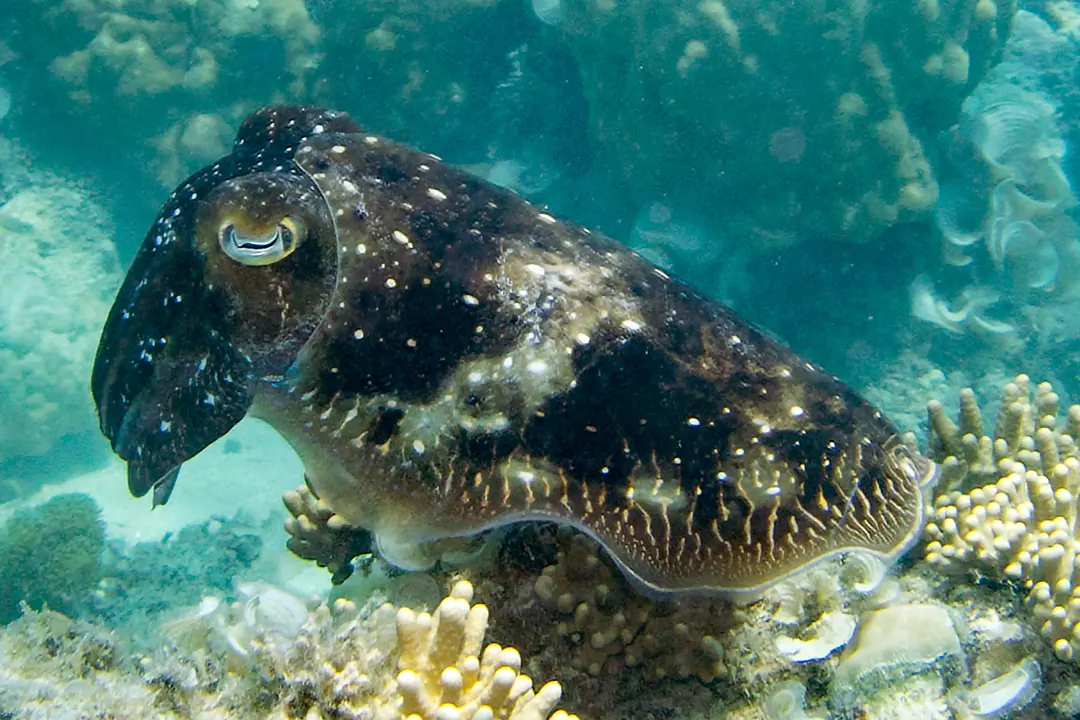 © Paul Asman and Jill LenobleCC BY 4.0 · iNaturalist
 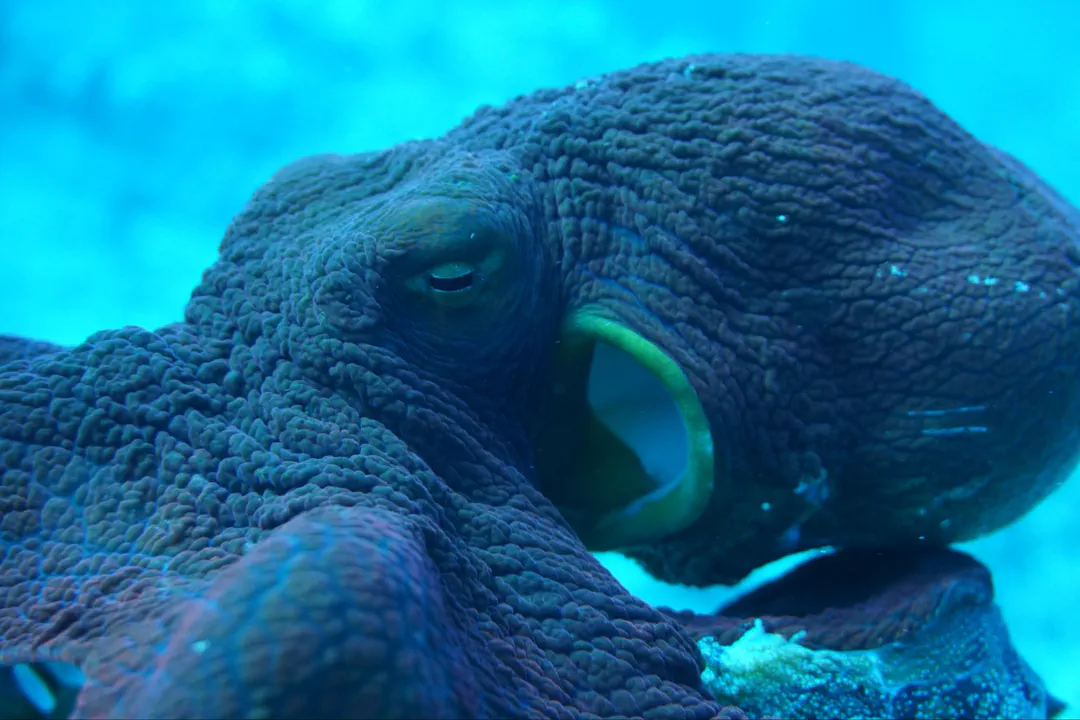 © cello caruso-turielloCC BY 4.0 · iNaturalist
 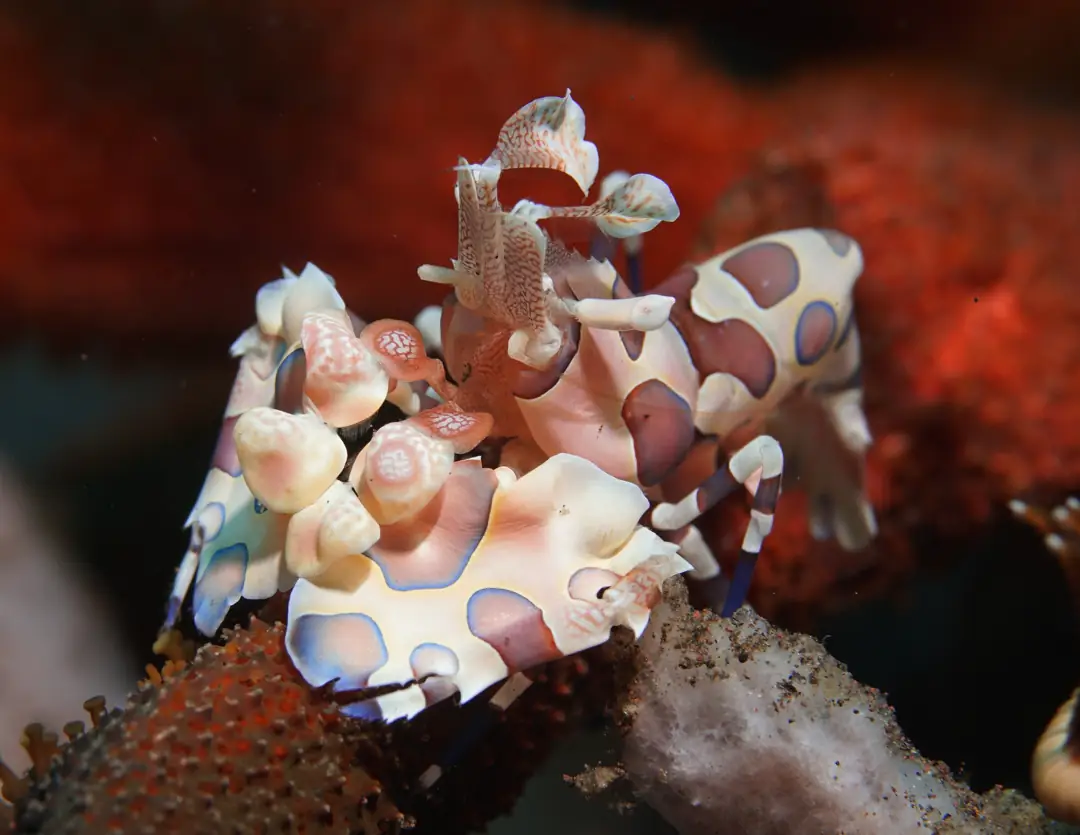 © Stas KuryanAll rights reserved
 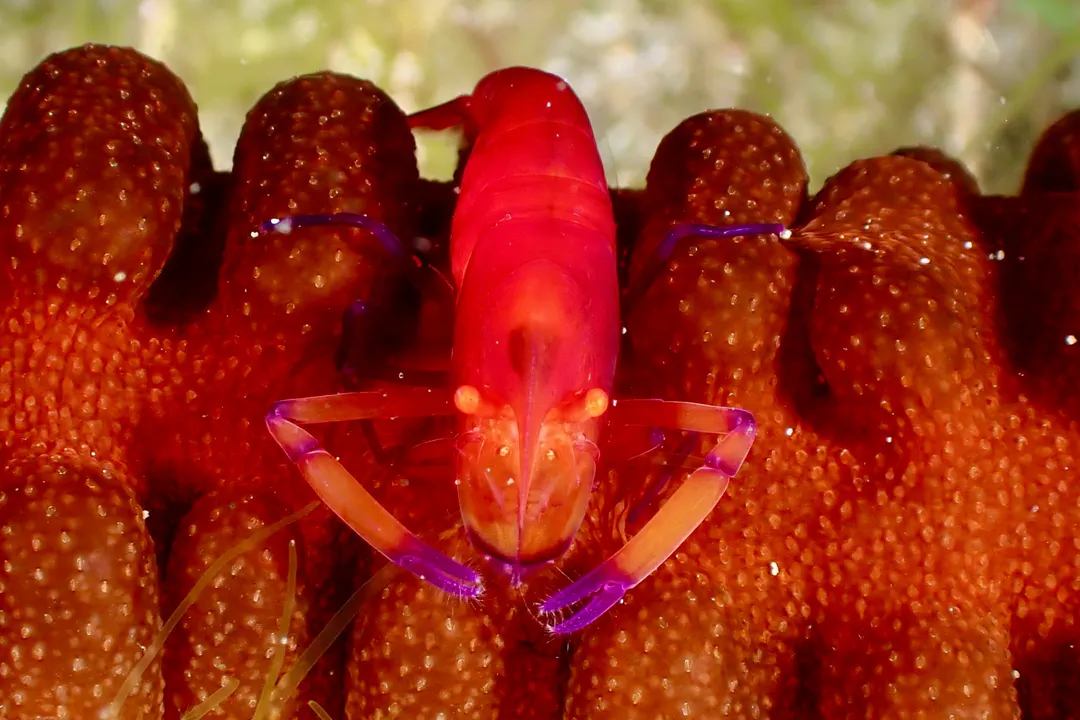 Chris SpainCC0 · iNaturalist
 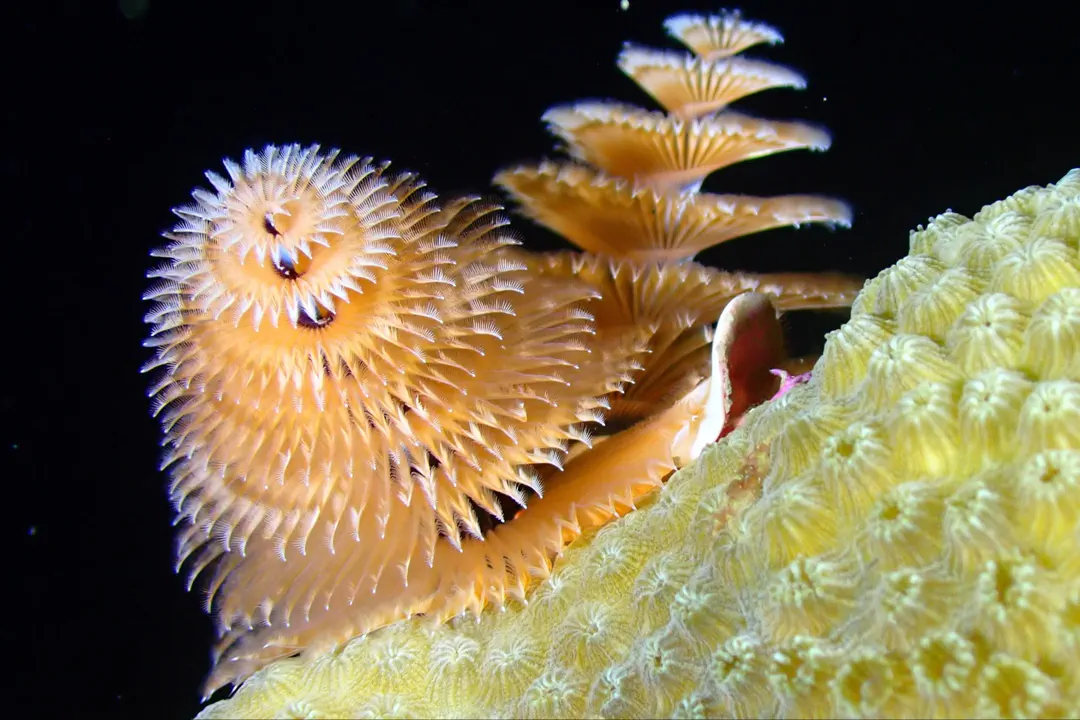 © Robin WhiteCC BY 4.0 · iNaturalist
 2. Sanganeb Atoll: A UNESCO World Heritage Site
Sanganeb Atoll, a mushroom-shaped reef rising from depths of over 800 meters, is a designated UNESCO World Heritage site and a beacon for pelagic encounters. Its distinct feature is a historic lighthouse, marking a reef system characterized by dramatic drop-offs, sheer walls, and expansive plateaus, offering dives typically between 15 and 40 meters. Accessible solely by liveaboard, its exposed location means currents can be strong, making it best suited for experienced divers.
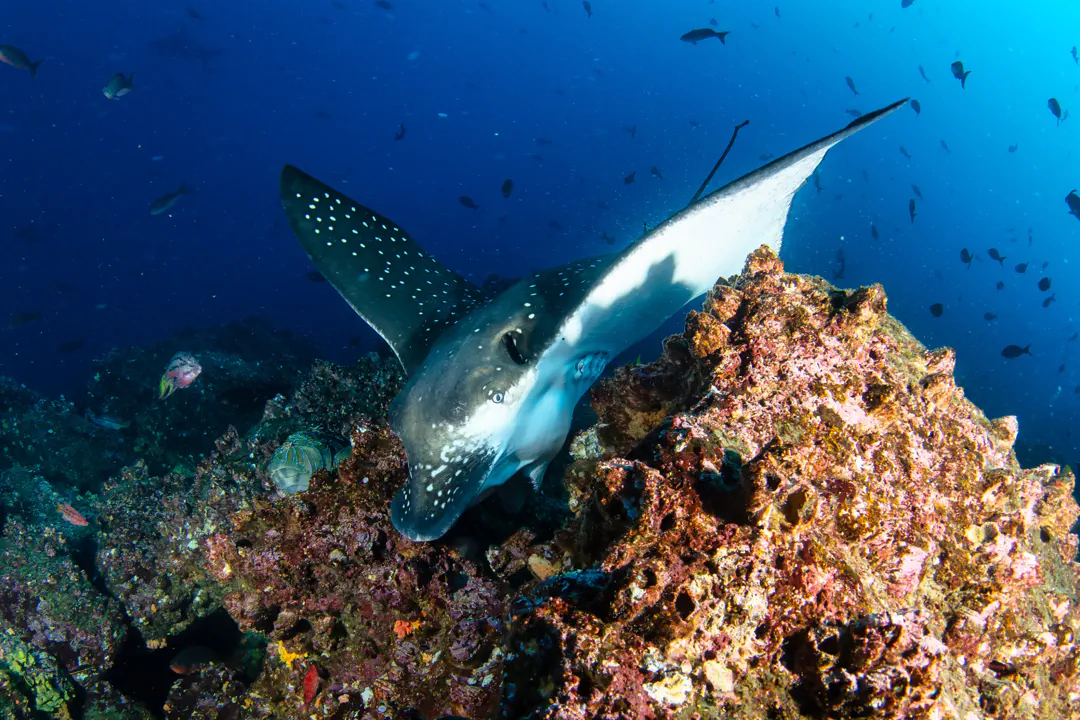
Here, the ocean's giants often make an appearance. Schooling scalloped hammerhead sharks (Sphyrna lewini) are frequently sighted in the deeper blue, typically between 30 and 50 meters, especially during the cooler months. Oceanic whitetip sharks (Carcharhinus longimanus) patrol the surface and deeper waters, while eagle rays (Aetobatus narinari) glide gracefully along the reef edges. Barracuda (Sphyraena barracuda) form impressive tornadoes, swirling in the currents.
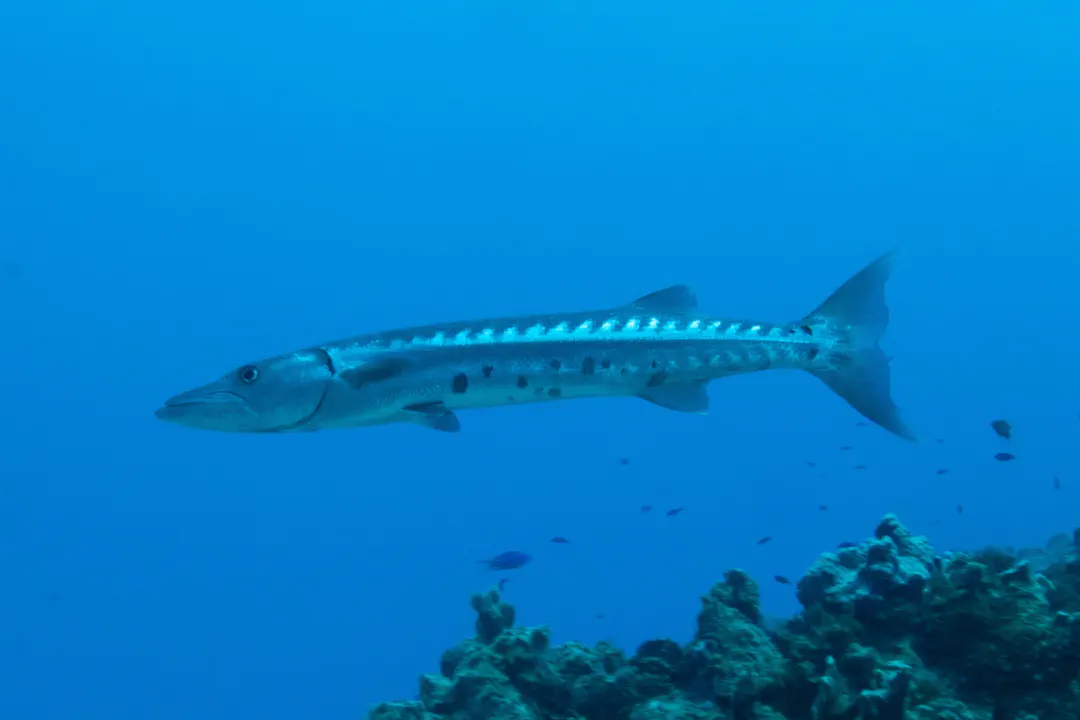 © Dan SchofieldCC BY 4.0 · iNaturalist
 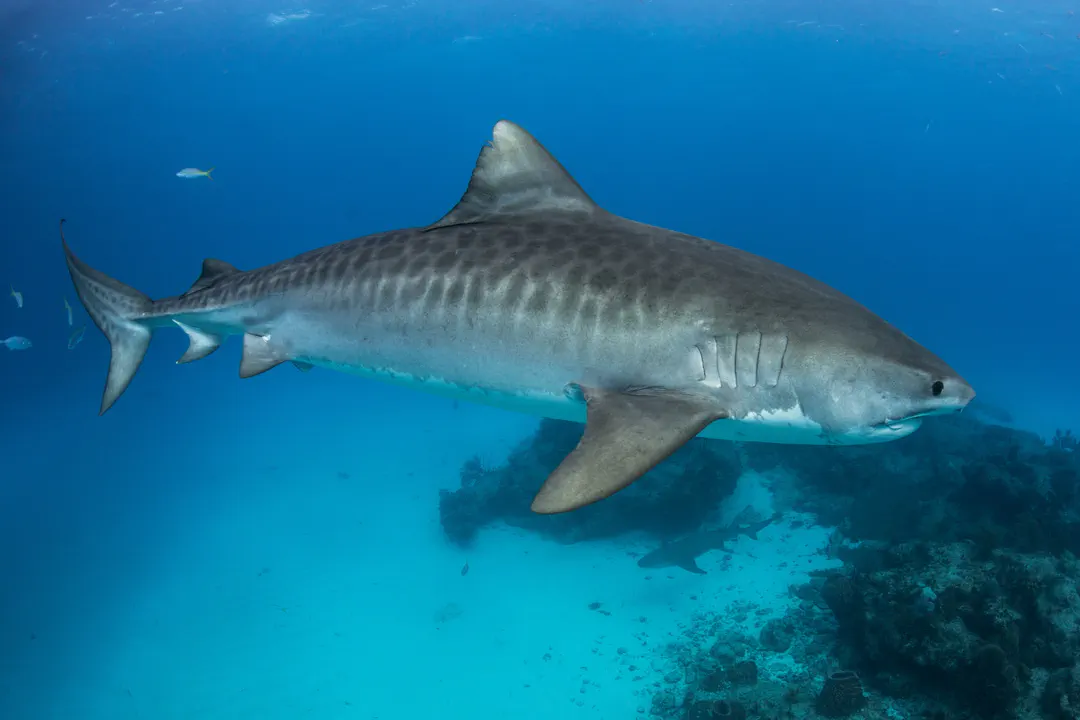 © seabook.appAll rights reserved
 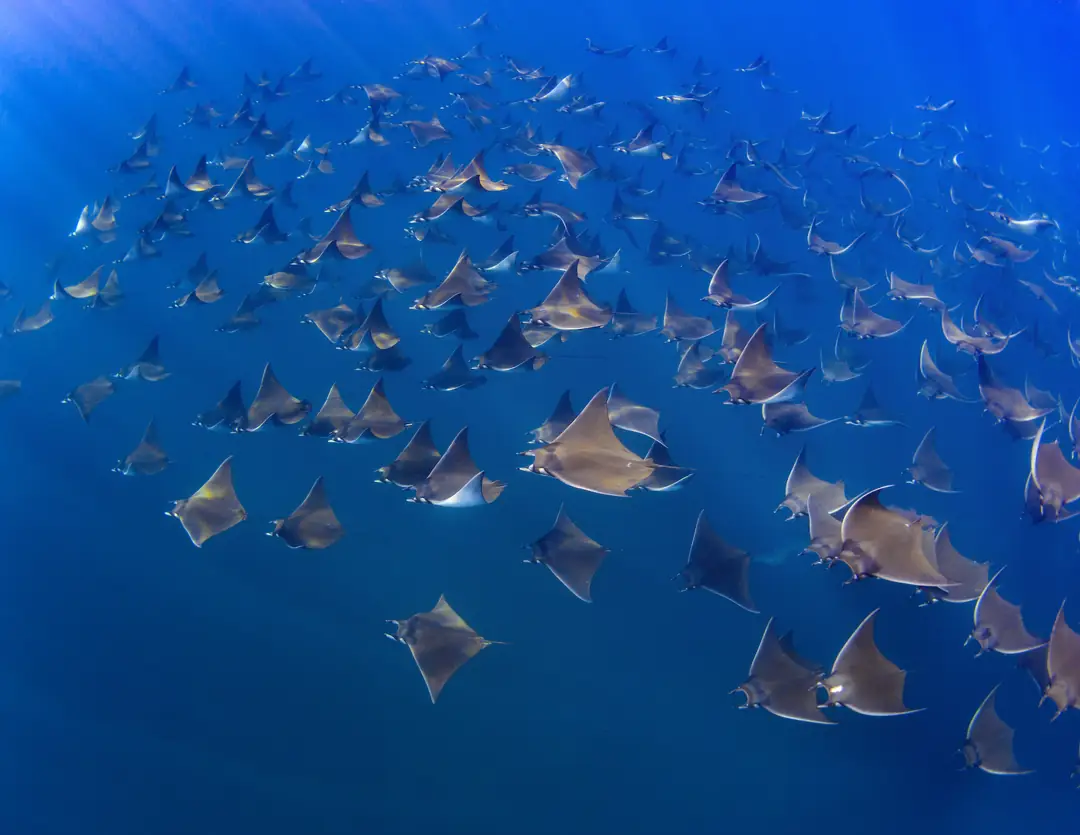 © seabook.appAll rights reserved
 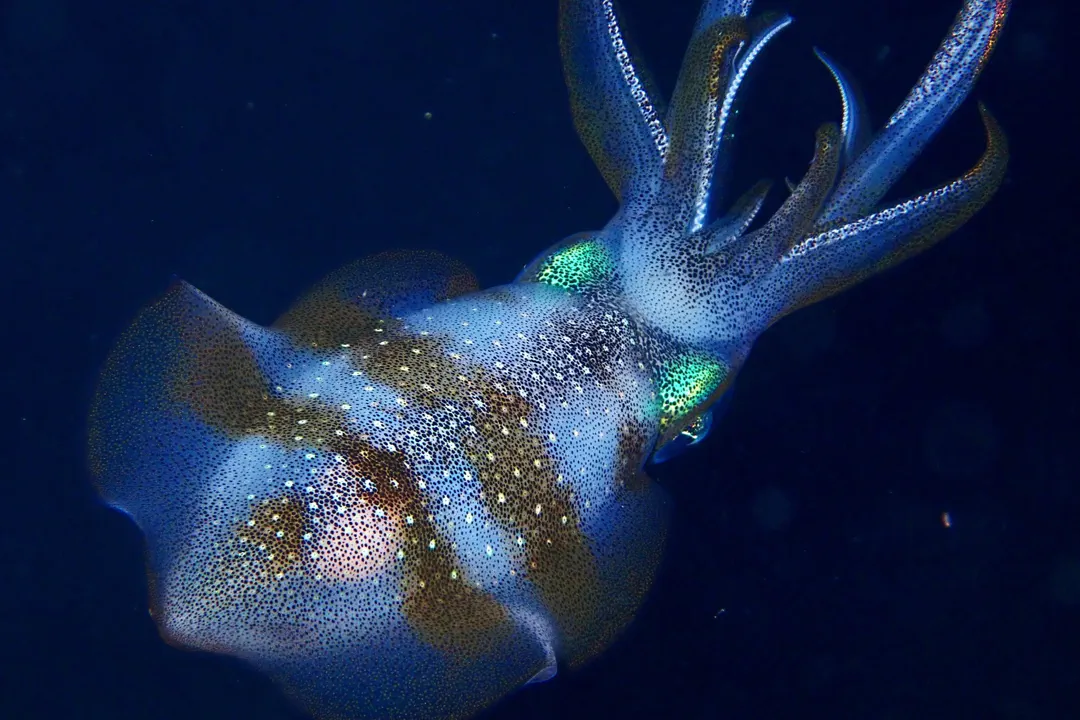 Jean-Paul BoerekampsCC0 · iNaturalist
 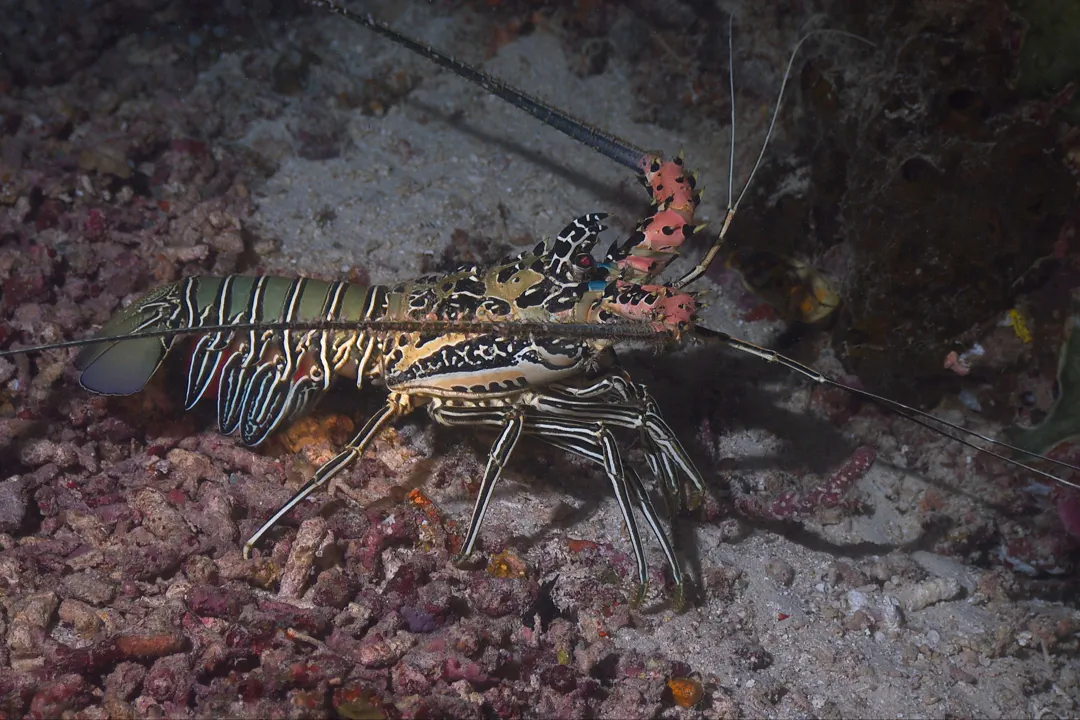 © Elias LevyCC BY 4.0 · iNaturalist
 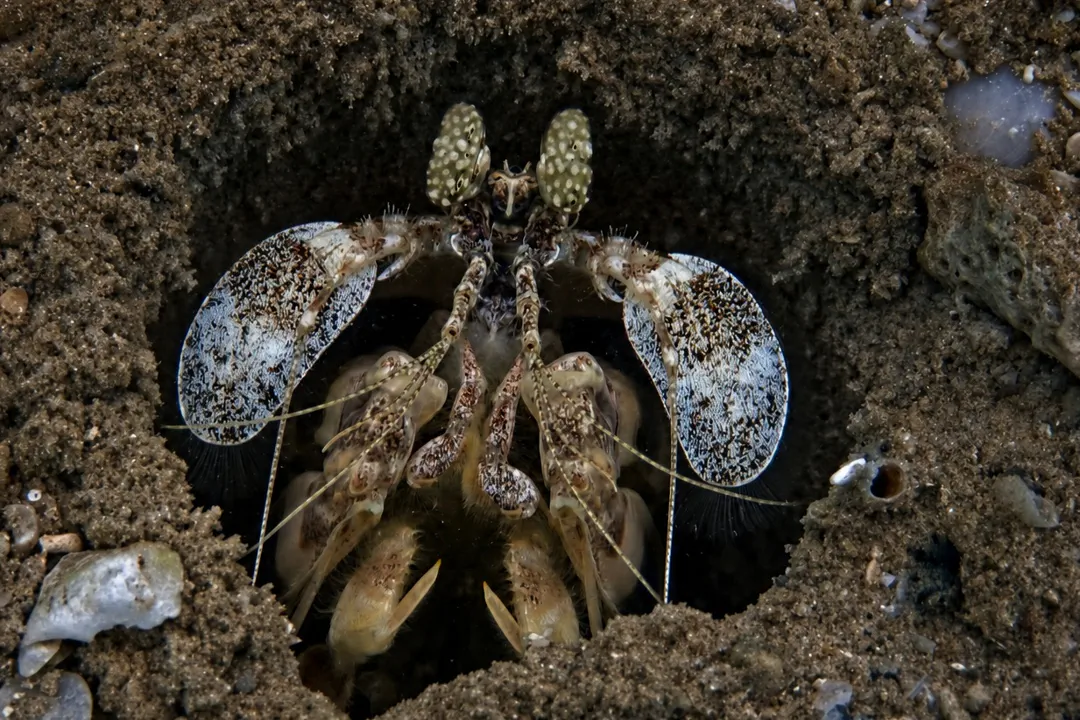 © seabook.appAll rights reserved
 3. The Umbria Wreck: A Sunken Relic
The SS Umbria, an Italian cargo ship intentionally scuttled in 1940 to avoid capture, rests intact on its port side at a maximum depth of 38 meters, with its superstructure starting at just 5 meters. This makes it an accessible and remarkable wreck dive, often considered one of the world's finest. Accessible by liveaboard from Port Sudan, it is suitable for advanced open water divers, with deeper penetration possible for those with wreck specialties.
Inside its cavernous holds, a frozen moment in history awaits: Fiat Lunga cars, stacks of wine bottles, crates of ammunition, and thousands of bombs remain undisturbed. The wreck has transformed into an artificial reef, teeming with life. Schools of snapper and fusiliers swirl around the mast, while scorpionfish camouflage themselves on the decks. Octopus (Octopus cyanea) and cuttlefish (Sepia latimanus) find refuge in its many crevices.
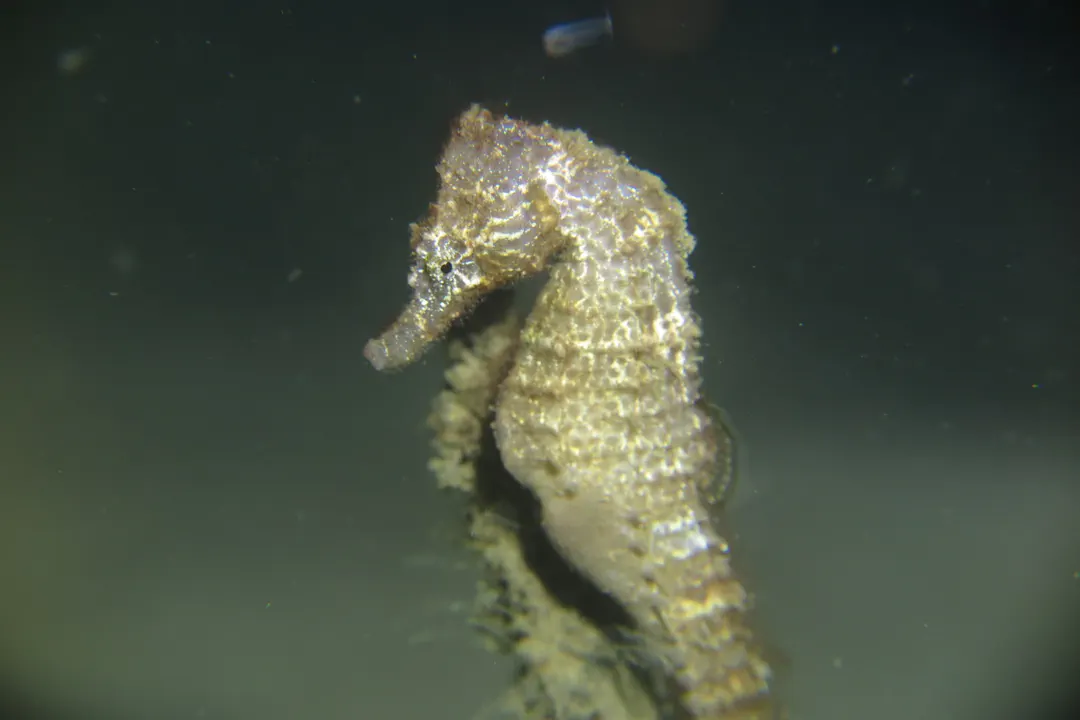 © Ewout KnoesterCC BY-SA 4.0 · iNaturalist
 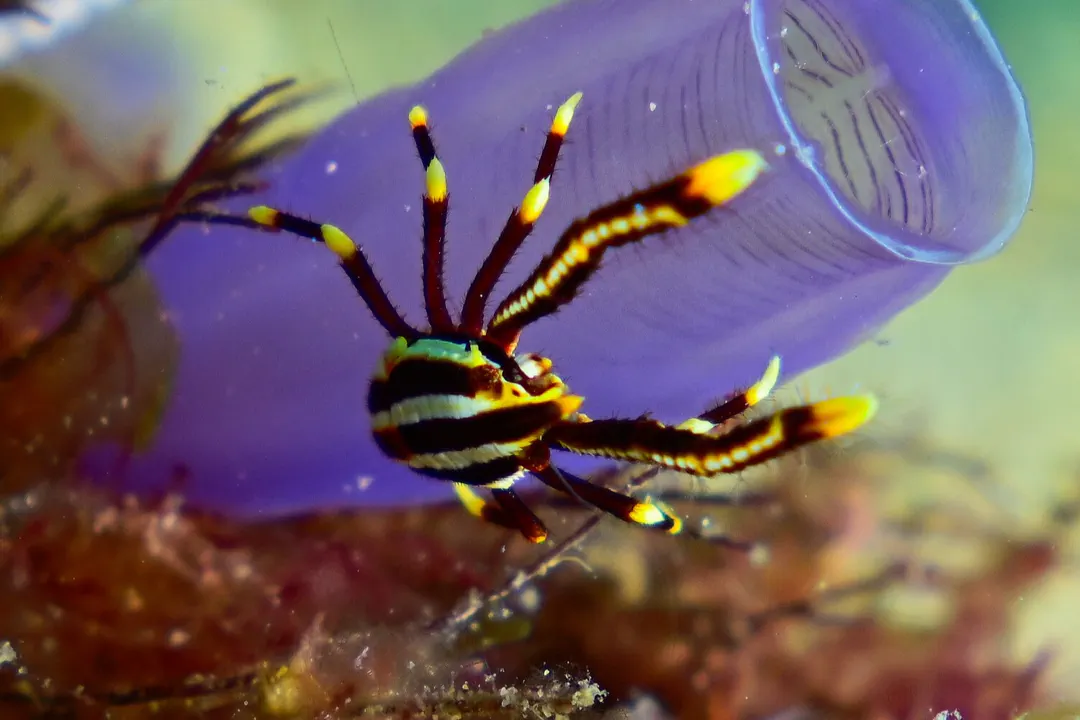 © Bernie WongCC BY 4.0 · iNaturalist
 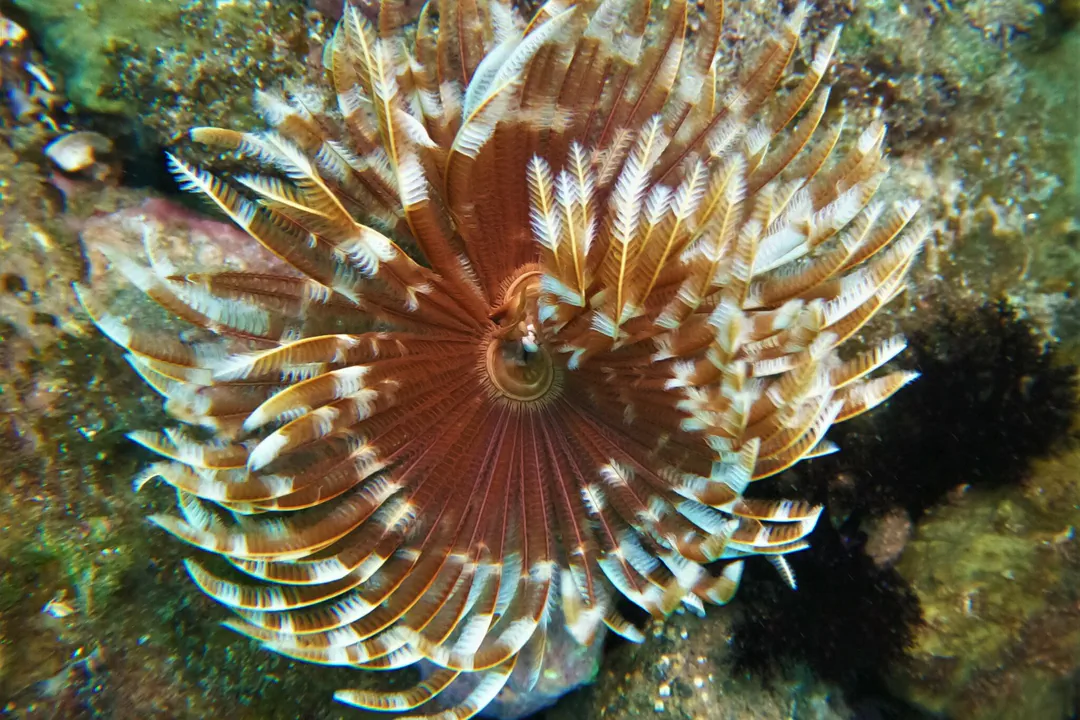 © Alberto AlcaláCC BY 4.0 · iNaturalist
 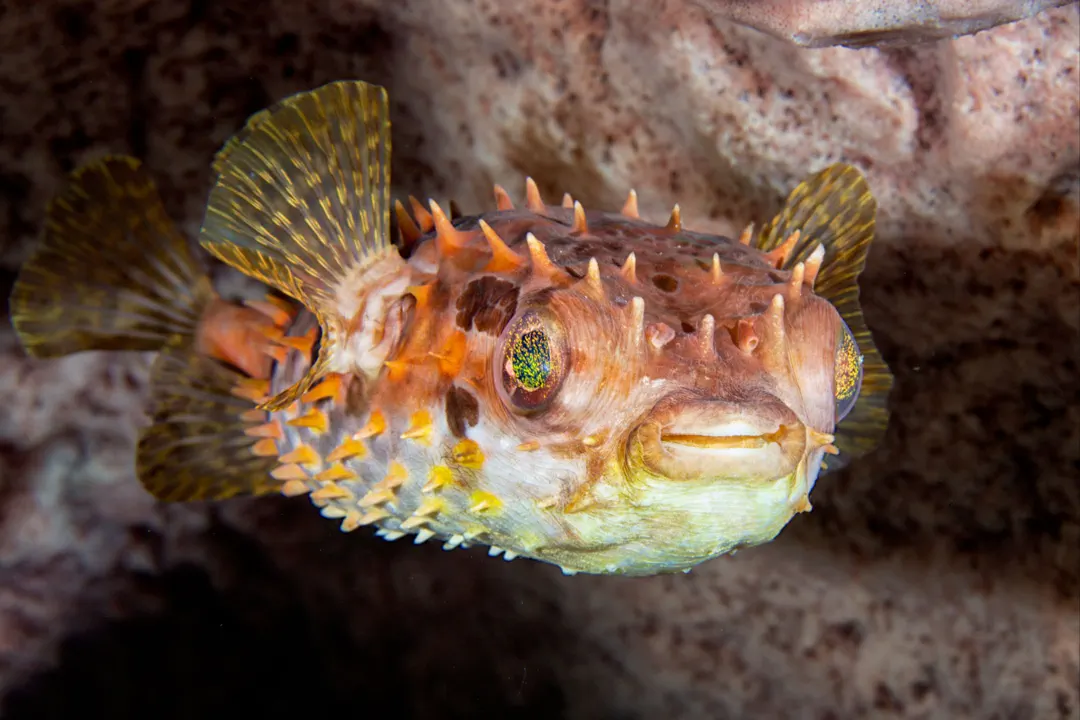 © seabook.appAll rights reserved
 4. Angarosh: 'Mother of Sharks'
Angarosh, translating to "Mother of Sharks," lives up to its name with near-guaranteed shark encounters on its dramatic underwater pinnacles and walls. This remote reef, rising steeply from the deep, typically offers dives between 15 and 40 meters. Accessible by liveaboard, Angarosh often experiences strong currents, making it a site best suited for advanced divers comfortable with drift diving and blue water ascents.
Grey reef sharks (Carcharhinus amblyrhynchos) are ubiquitous, often seen patrolling the reef crests and deeper channels in groups of 10-20 individuals. Oceanic whitetip sharks (Carcharhinus longimanus) frequently cruise the open water around the pinnacles, their distinctive white-tipped fins a clear marker. The site's topography, with its deep drop-offs and exposed location, acts as a natural magnet for various pelagic species, including occasional hammerhead shark (Sphyrna lewini) sightings.
Practical Tips for Diving in Sudan
Planning a diving expedition to Sudan requires careful consideration, as most trips operate exclusively via liveaboard. These vessels typically depart from Port Sudan, or sometimes from Egyptian ports for longer itineraries, offering a self-contained diving experience. Visa requirements for Sudan should be checked well in advance with the relevant embassy, as procedures can vary.
Health precautions, including recommended vaccinations, are advisable for travel to Sudan. Given the remote nature of many dive sites, carrying comprehensive dive insurance and a personal first-aid kit is prudent. Practicing responsible diving, such as maintaining buoyancy, avoiding contact with marine life, and refraining from collecting souvenirs, helps preserve these fragile and untouched ecosystems for future generations.
Questions
Is diving in Sudan safe?
Yes, diving in Sudan is generally considered safe, especially when traveling with reputable liveaboard operators. The main diving areas are remote and focused on marine tourism, away from any political instability.
What kind of diving can I expect in Sudan?
Sudan offers a mix of exhilarating drift dives, stunning wall dives, pristine coral gardens, and world-class wreck diving. It's renowned for its large pelagic encounters, particularly various shark species, and untouched reefs.
Are there many dive operators in Sudan?
Diving in Sudan is predominantly done via liveaboard safaris, as there are very few land-based dive centers. Operators typically depart from Port Sudan or sometimes from Egypt for longer itineraries.
What marine life is Sudan most famous for?
Sudan is most famous for its healthy populations of sharks, including hammerheads, grey reef sharks, and oceanic whitetips. It also boasts exceptionally vibrant coral reefs and a wide array of Red Sea endemic species.