Introduction to Vanuatu Diving
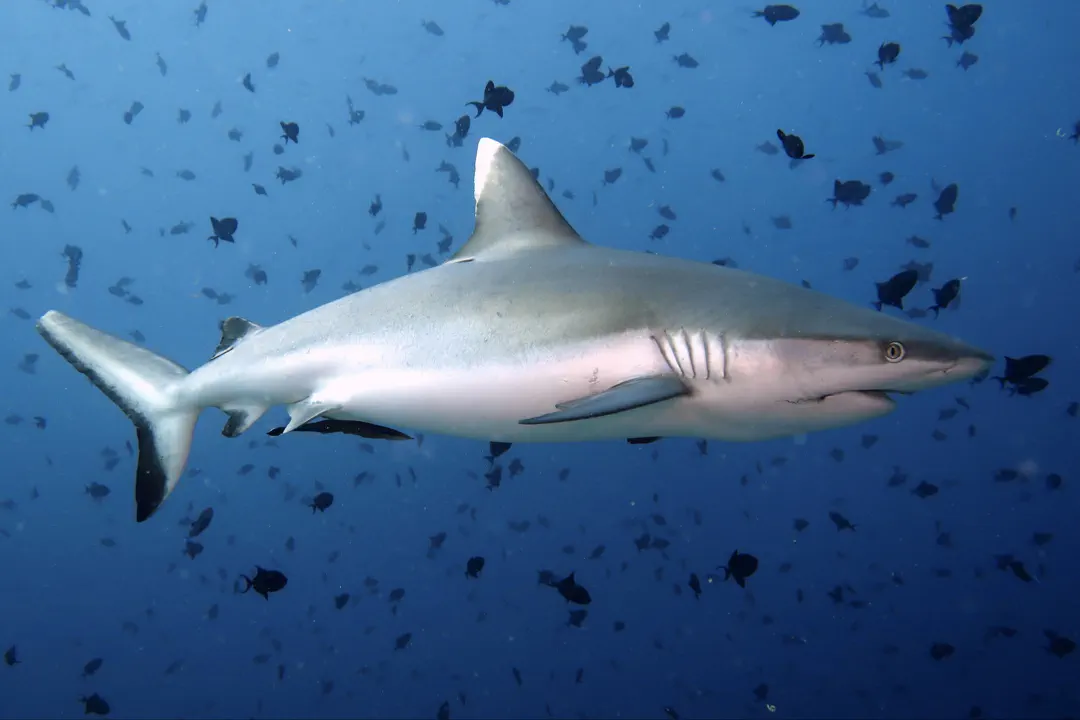
A grey reef shark, sleek as polished steel, glides silently through the 25-meter visibility over a coral-encrusted gun turret, its shadow momentarily eclipsing the fusiliers schooling above. Sunlight, fractured into shimmering shafts, illuminates the rusting structure of a massive vessel, now a living monument beneath the warm, 27°C waters of Espiritu Santo. Here, history has become habitat.
The archipelago of 83 islands in the South Pacific offers a unique convergence of World War II history and living coral ecosystems. Divers explore magnificent wrecks like the SS President Coolidge, swim alongside hawksbill and green sea turtles, and encounter the elusive dugong in warm coastal waters.
Vanuatu's Underwater Landscape and Marine Life
The volcanic origins of Vanuatu's islands create a dramatic underwater topography, featuring steep walls, intricate caves, and robust reef systems that serve as critical habitats for marine life. These varied environments shelter a rich tapestry of life, including hawksbill and green sea turtles, the elusive dugong, alongside grey reef sharks, lemon sharks, and manta rays.
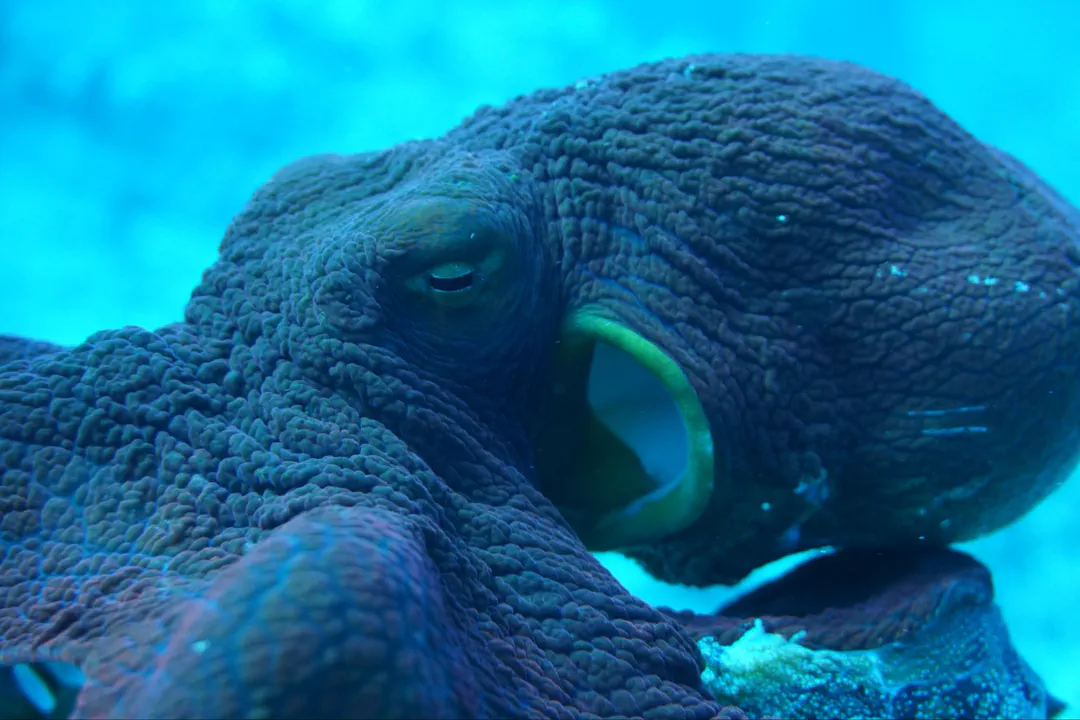
The reef walls and bommies pulse with activity, from schools of fusiliers sheeting through the current to specific macro creatures such as the Bargibant's pygmy goby and cyanea octopus. This intricate ecosystem supports local fishing industries and a growing tourism sector, highlighting Vanuatu's role in marine conservation.
 © seabook.appAll rights reserved
  © seabook.appAll rights reserved
  © Rickard ZerpeCC BY 4.0 · iNaturalist
  © cello caruso-turielloCC BY 4.0 · iNaturalist
  © Paul Asman and Jill LenobleCC BY 4.0 · iNaturalist
  © Dan SchofieldCC BY 4.0 · iNaturalist
 Best Time to Visit and Water Conditions
Vanuatu experiences two distinct seasons. From April to October, the cooler, drier season offers visibility consistently between 20 and 40 meters, and comfortable diving temperatures between 24°C and 28°C.
From November to March, the warmer, wetter season can bring higher rainfall, which might slightly reduce visibility in shallower bays, but diving conditions remain favorable, with water temperatures rising to 29°C. The dry season is known for clear conditions suited for wreck diving and pelagic encounters, while the wet season sees corals unfurl with spawning activity and increased macro life.
Water temperature
Vanuatu, monthly average
Port Vila (Efate Island), most popular diving area and capital; tropical South Pacific sea surface temperatures
Key Dive Sites
SS President Coolidge
The ghostly outline of a luxury liner emerges from the blue, its bow starting at 20 meters and stretching over 200 meters to its stern at 70 meters. The SS President Coolidge, a troopship that sank in 1942, is a boat-accessed site from Espiritu Santo, offering extensive penetration opportunities for qualified Advanced Open Water or Wreck divers. Its sheer size and wealth of historical artifacts make it the largest accessible wreck dive worldwide.
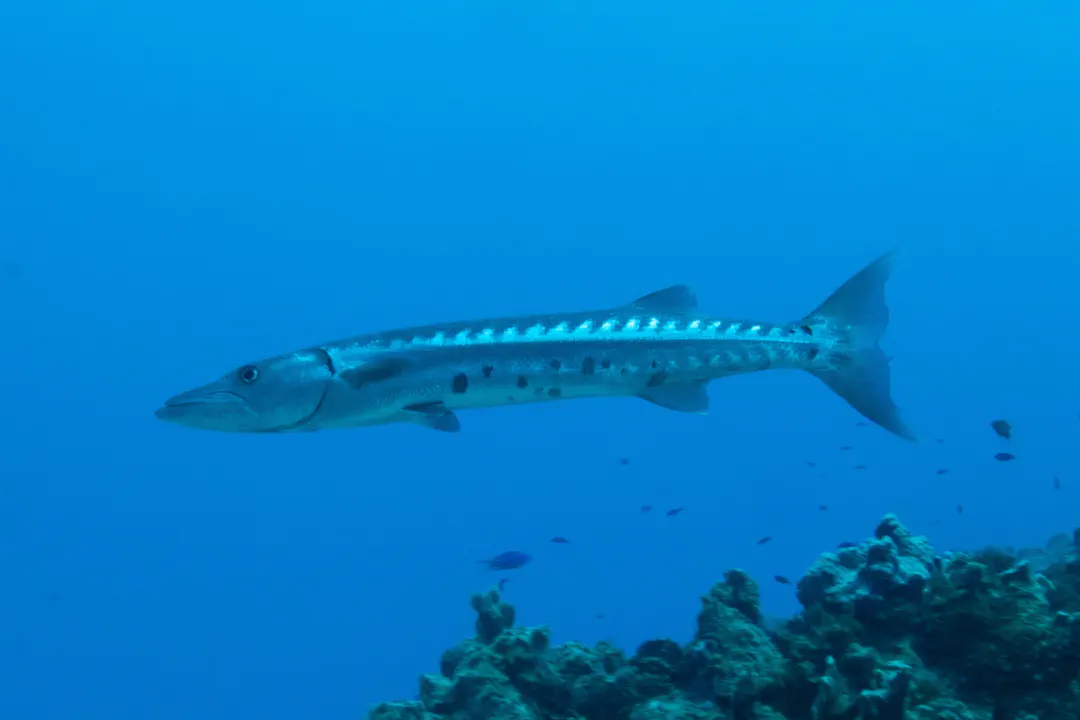
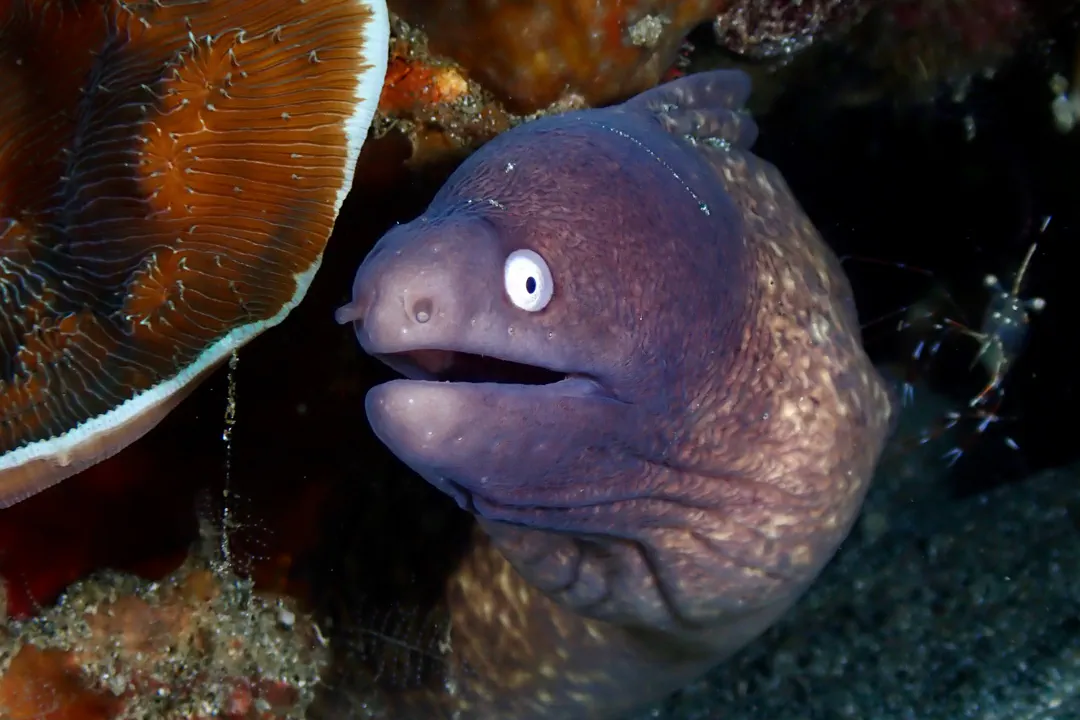
This massive artificial reef is draped in soft corals that sway with the current, supporting schools of barracudas, patrolling grey reef sharks, and moray eels peering from portholes. Exploring its interior reveals jeeps, cannons, and a mosaic of sponges and crinoids thriving amidst the rusting steel.
 © Dan SchofieldCC BY 4.0 · iNaturalist
  © Daniel BenákCC BY 4.0 · iNaturalist
  Chris SpainCC0 · iNaturalist
  © seabook.appAll rights reserved
  © Roger RittmasterCC BY 4.0 · iNaturalist
 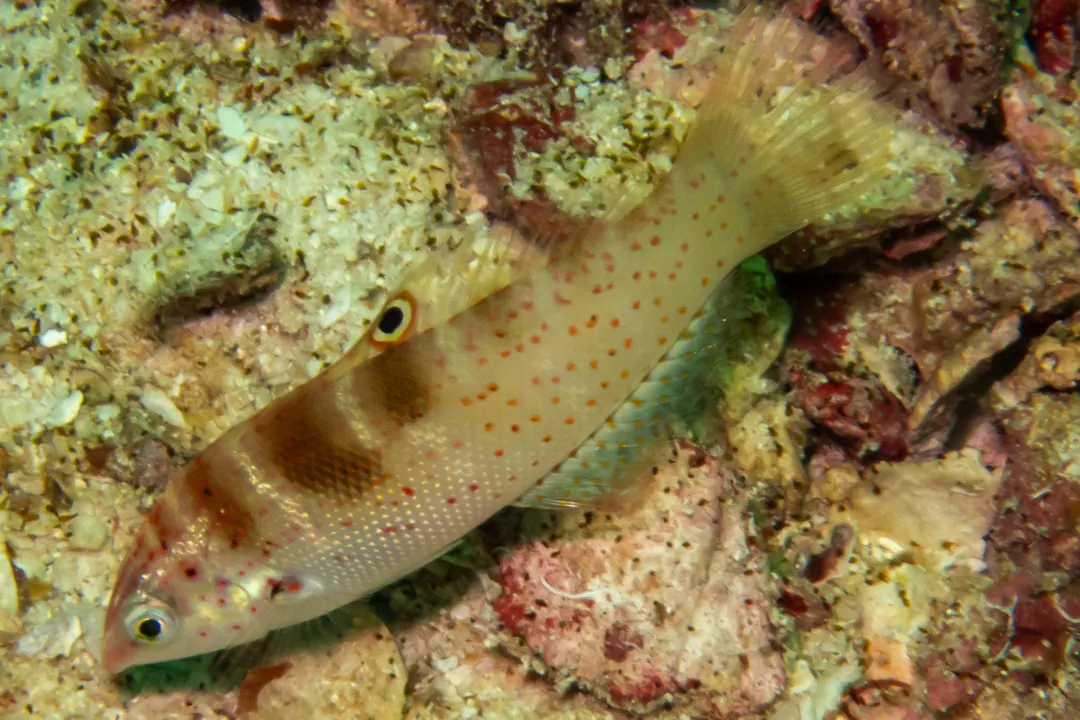 © portioidCC BY 4.0 · iNaturalist
 Million Dollar Point
Just a short swim from shore, a landscape of submerged military vehicles unfolds, starting in the shallows and descending to about 25 meters. This shore-accessed site, suitable for all experience levels, is where the US military dumped tons of equipment—jeeps, bulldozers, and trucks—into the ocean after WWII, creating an unparalleled artificial reef.
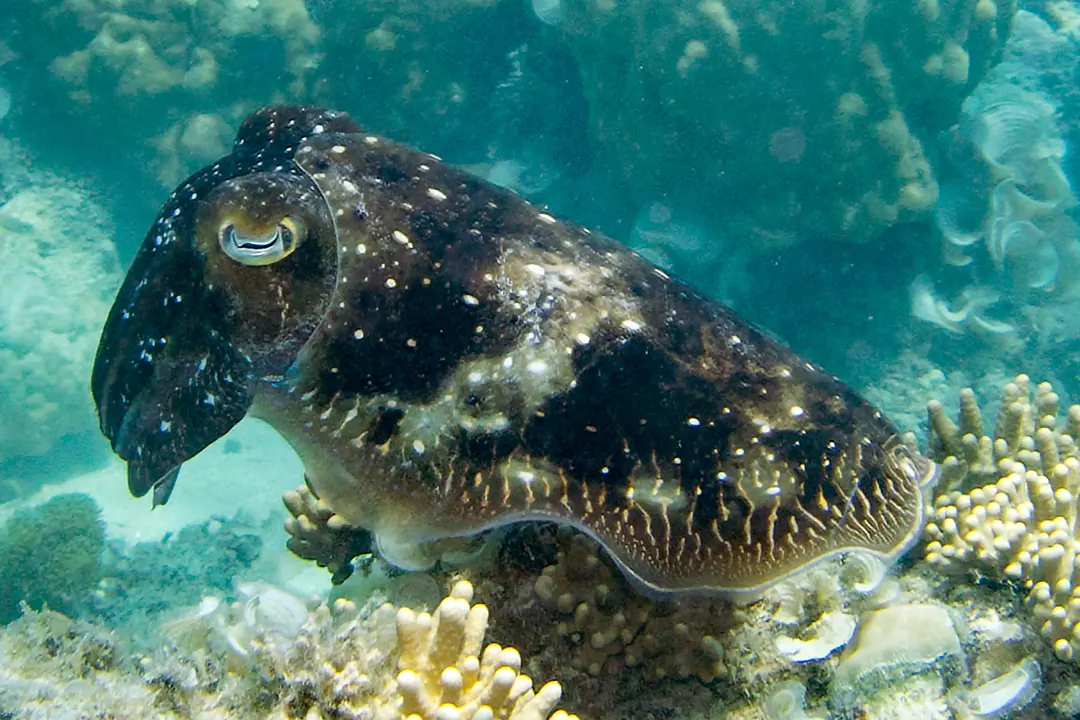
Over decades, nature has reclaimed this site, transforming the military debris into a thriving habitat. Divers can encounter cyanea octopus camouflaged against rust, latimanus cuttlefish drifting, and tiny kuda pygmy seahorses hiding within the structures, witnessing a unique blend of history and thriving marine life.
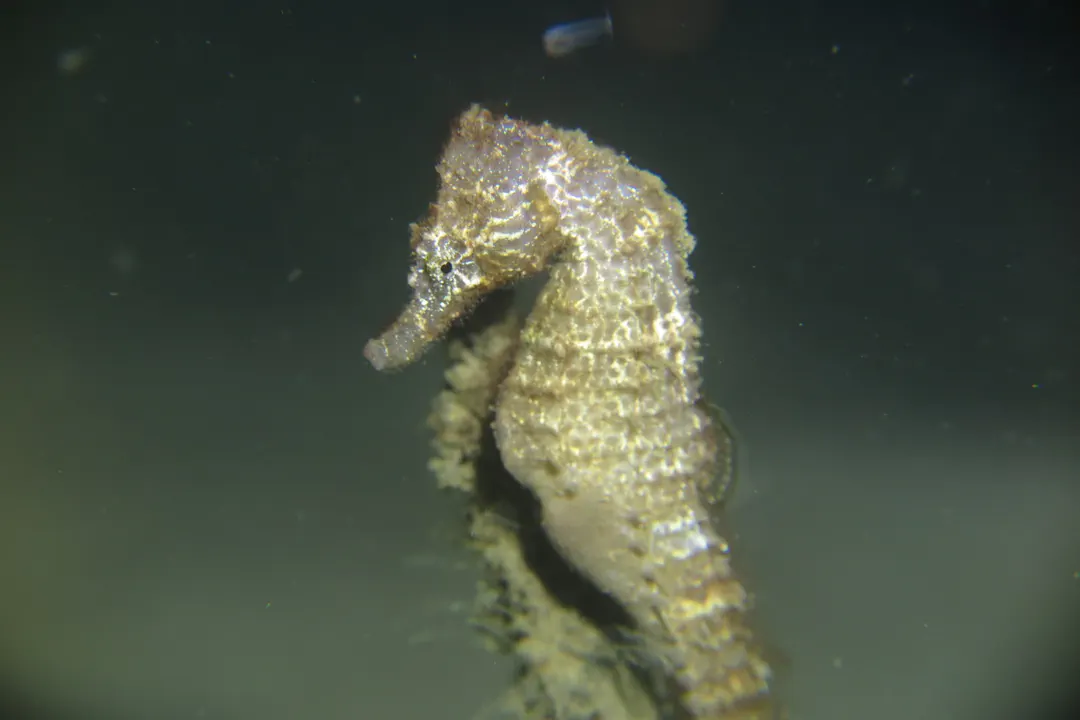 © Ewout KnoesterCC BY-SA 4.0 · iNaturalist
 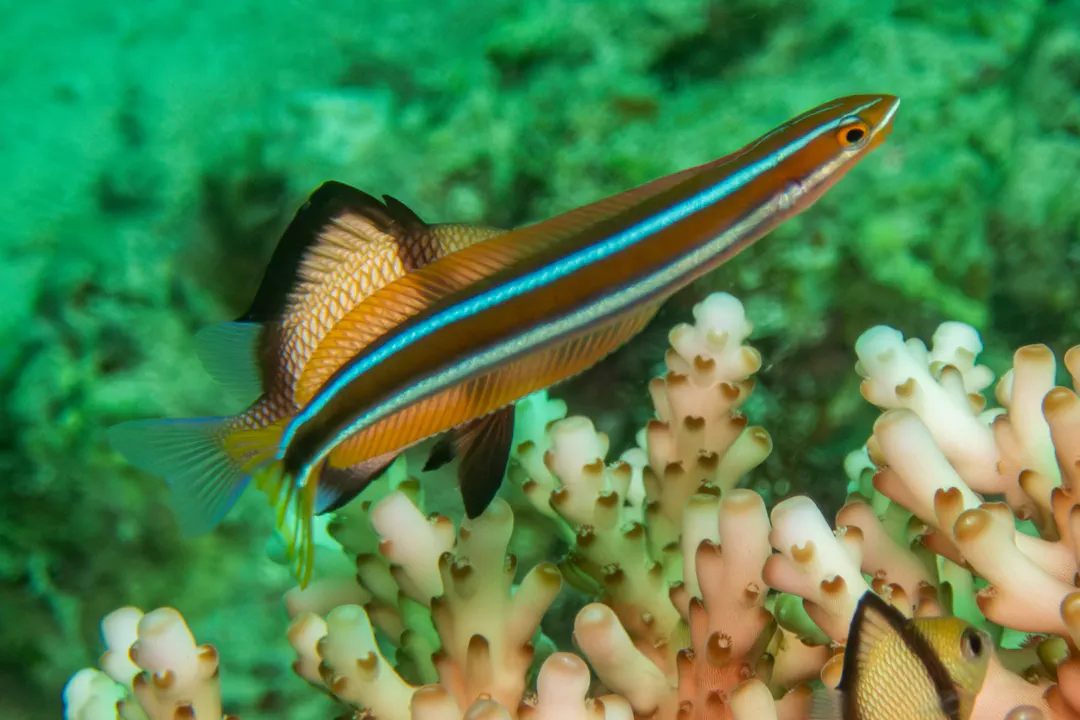 © portioidCC BY 4.0
 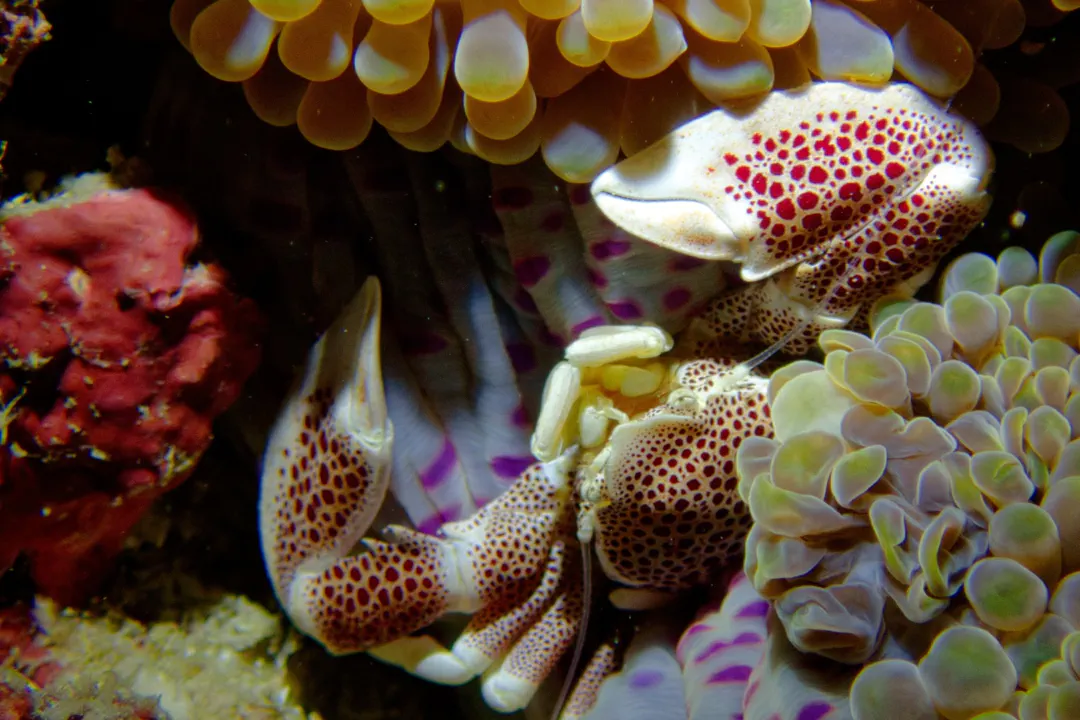 © Jay ParolineCC BY 4.0 · iNaturalist
 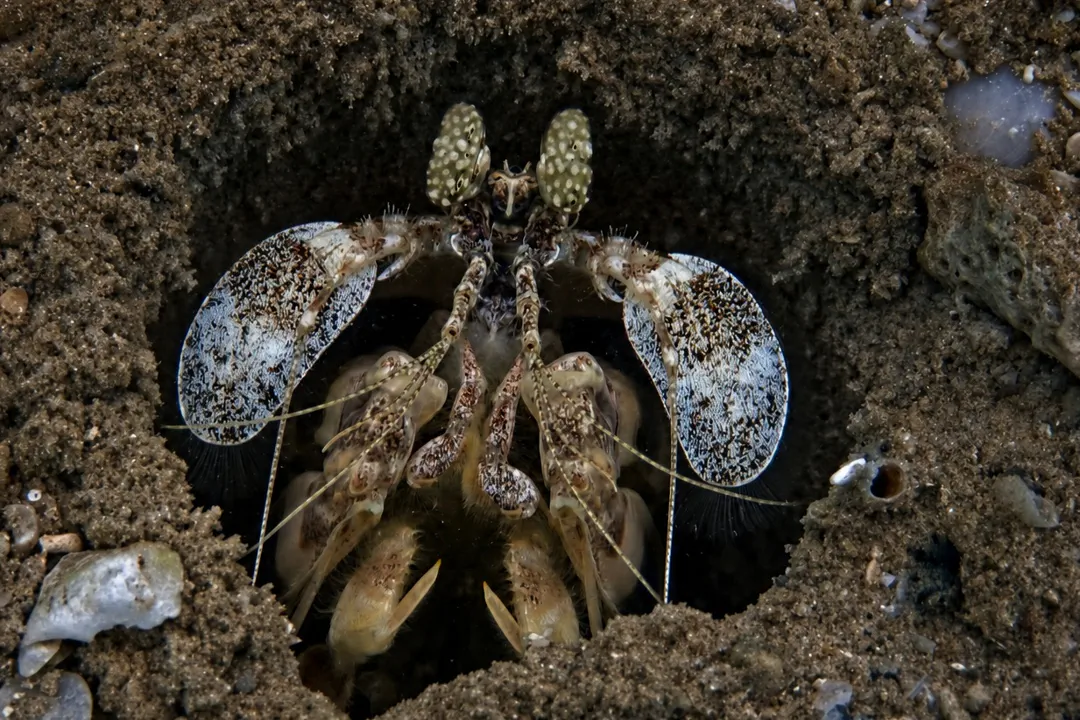 © seabook.appAll rights reserved
 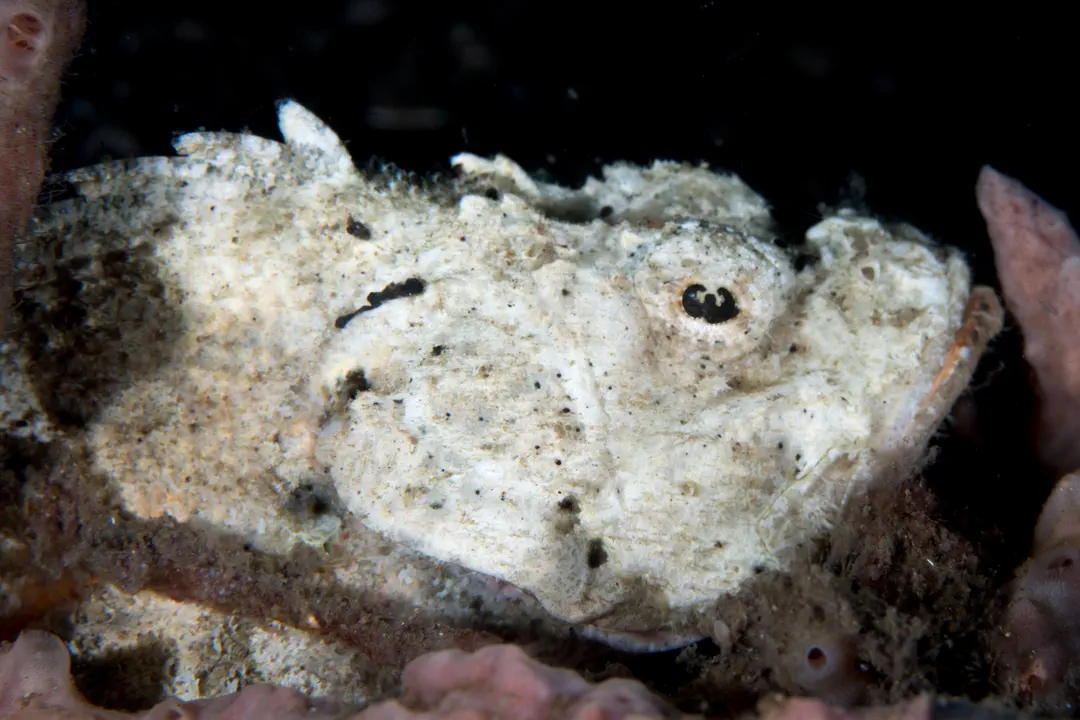 © Rickard ZerpeCC BY 4.0 · iNaturalist
 Hideaway Island Marine Sanctuary
Located just off Port Vila, Hideaway Island offers a protected marine sanctuary with shallow, clear waters, accessible from shore, perfect for both divers and snorkelers. Its coral gardens, accessible directly from shore, host a spectrum of reef fish and specific macro creatures, including an active underwater post office.
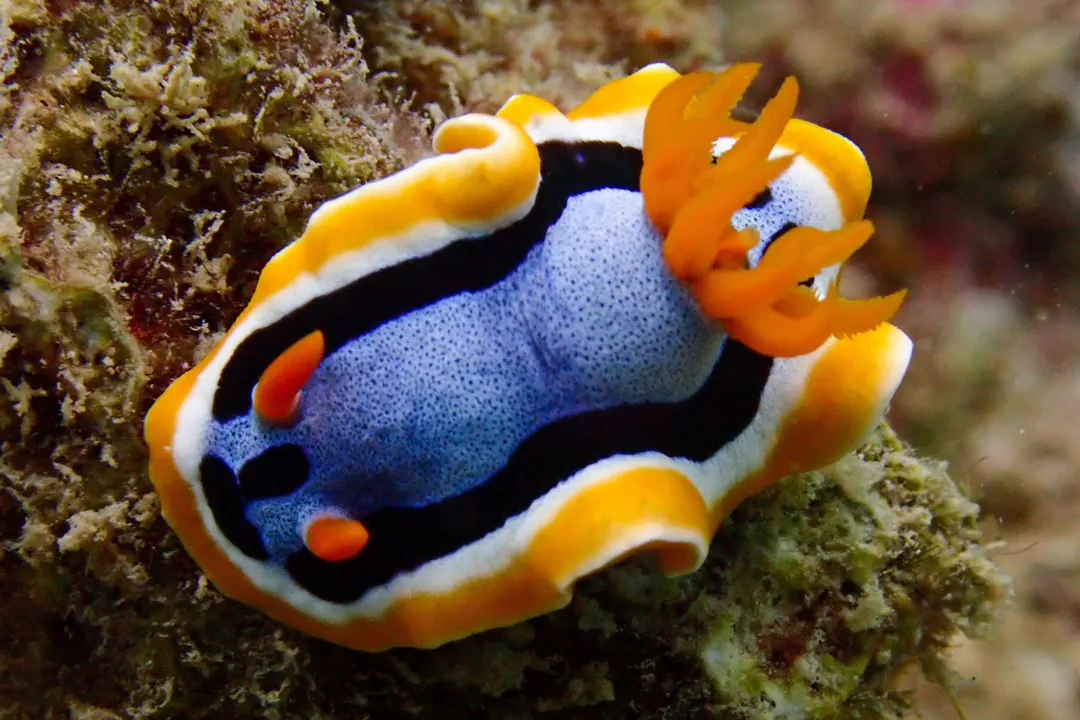
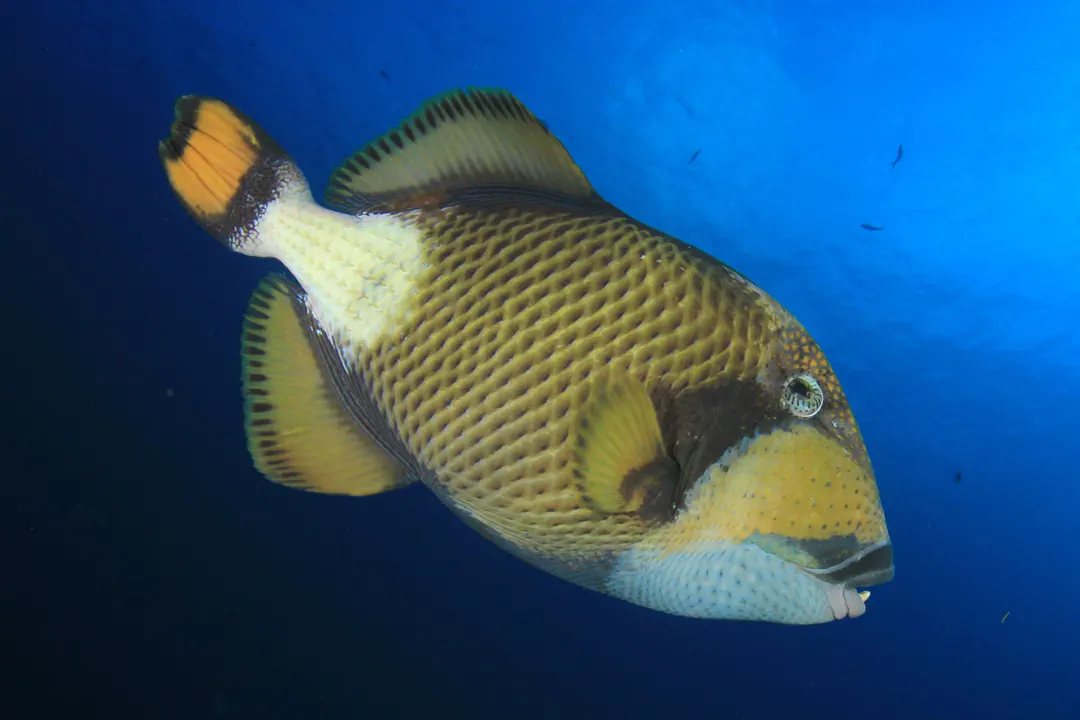
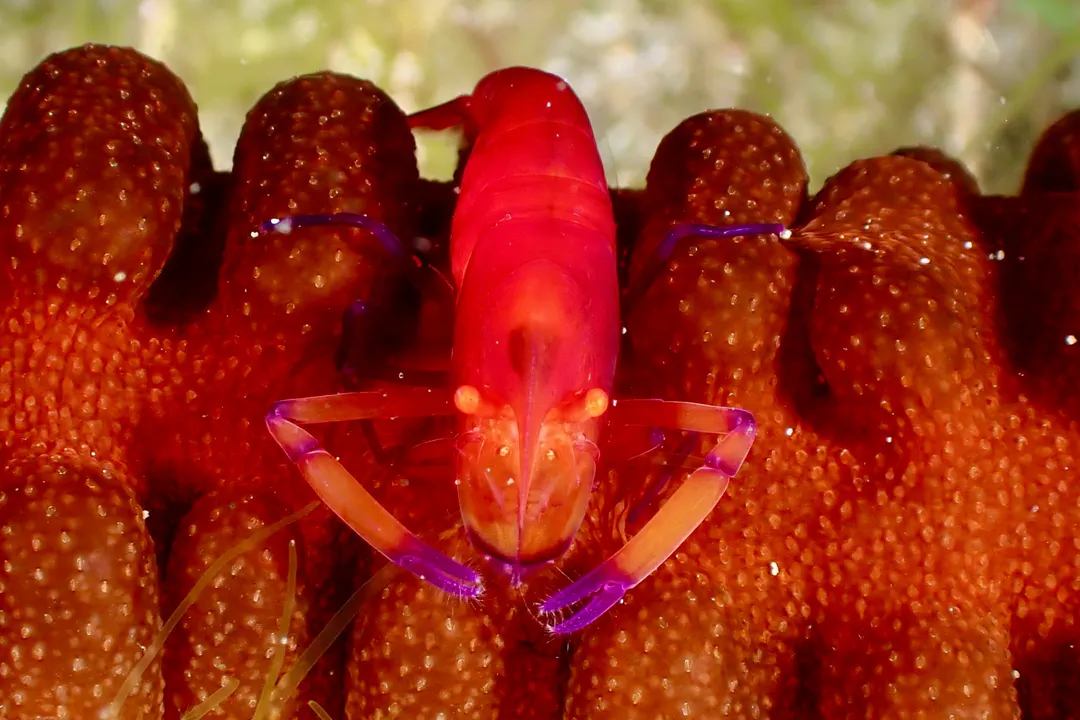
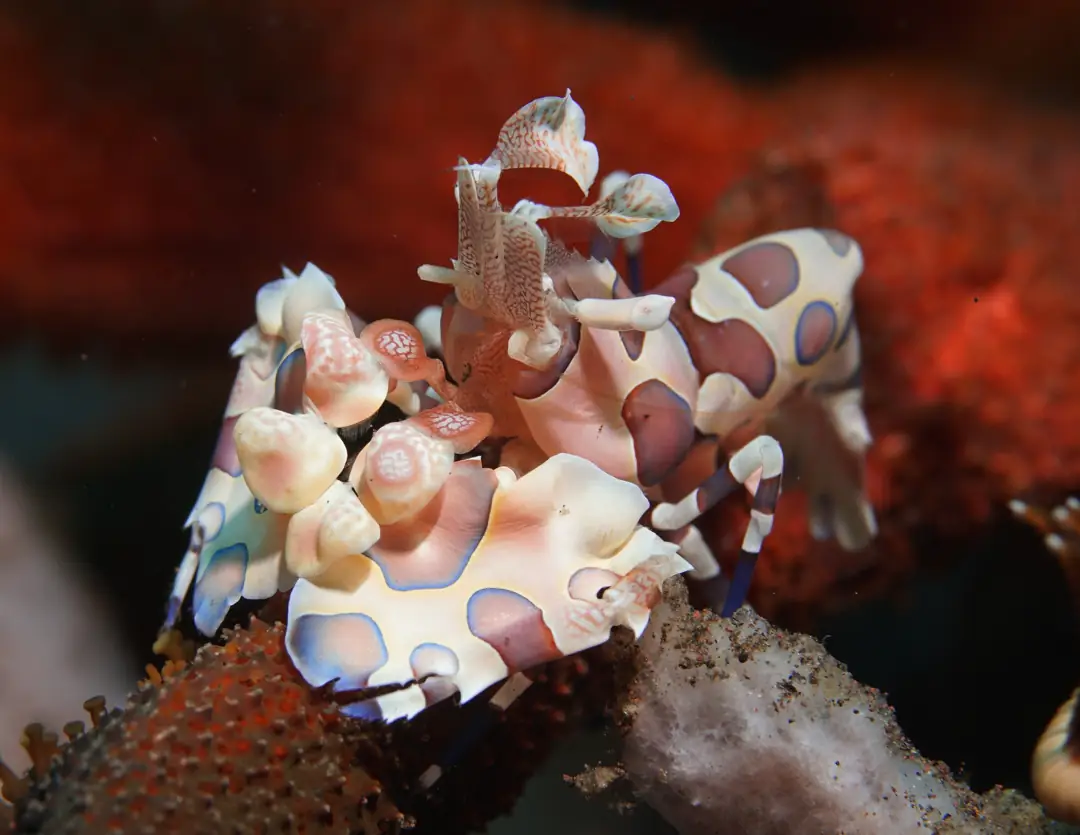
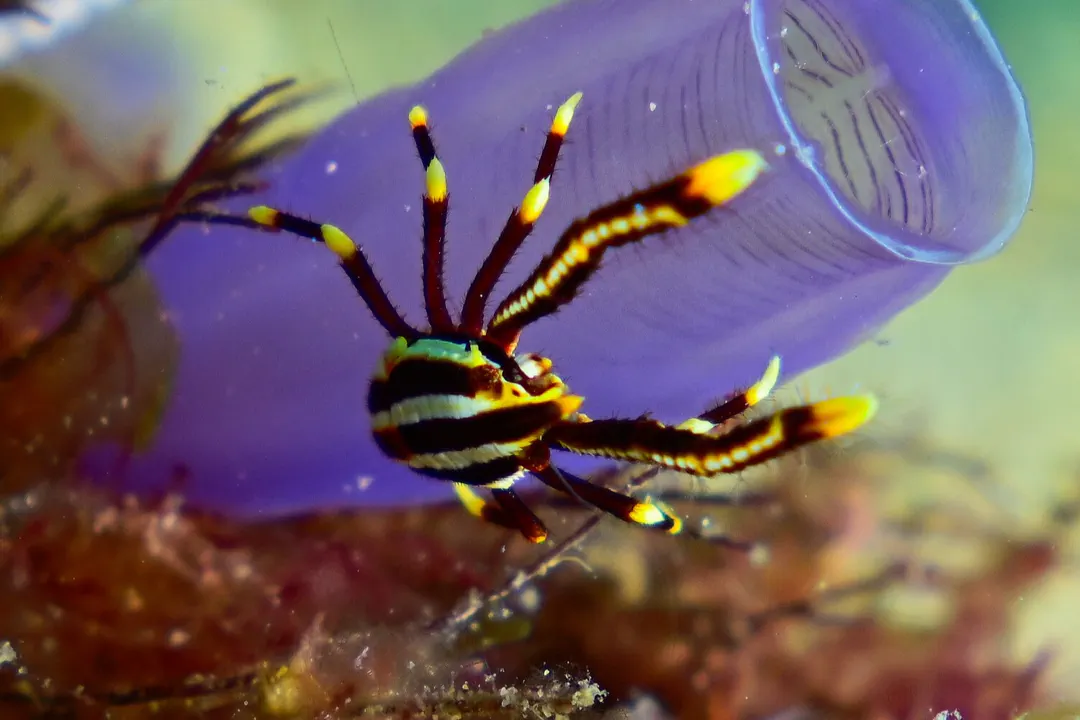
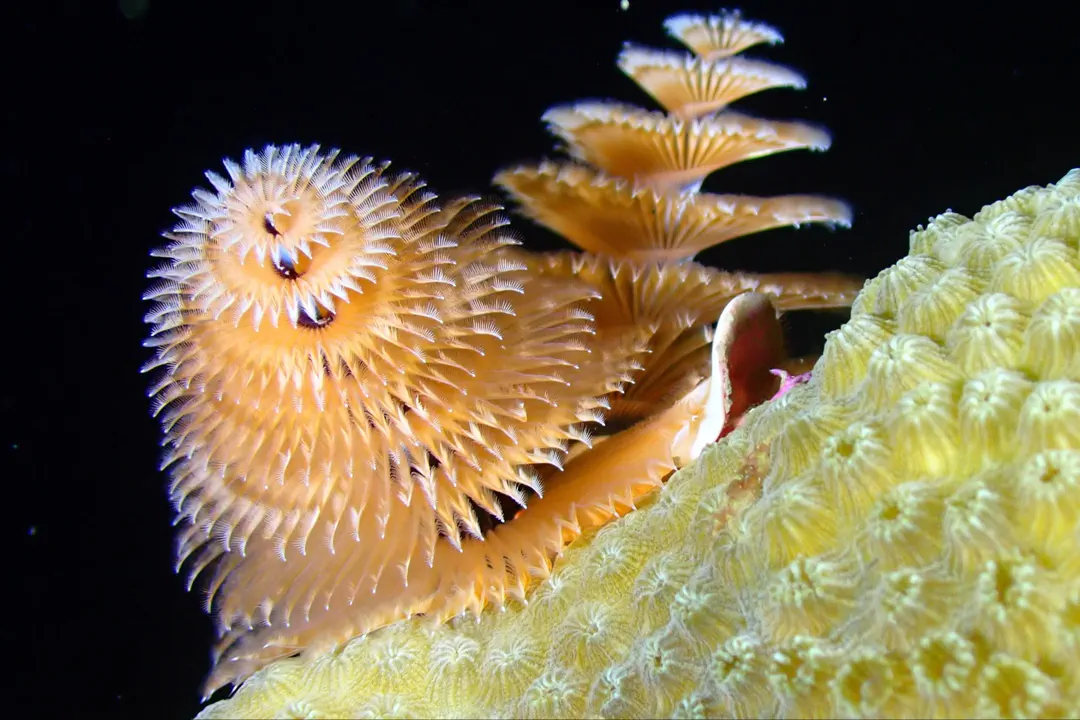
This calm environment, with depths consistently less than 15 meters, allows for relaxed exploration and close-up observation. Visitors can observe annae nudibranchs, bargibant's pygmy gobies, and amboinensis shrimp, alongside viridescens triggerfish and lessoniana squid moving among the coral heads.
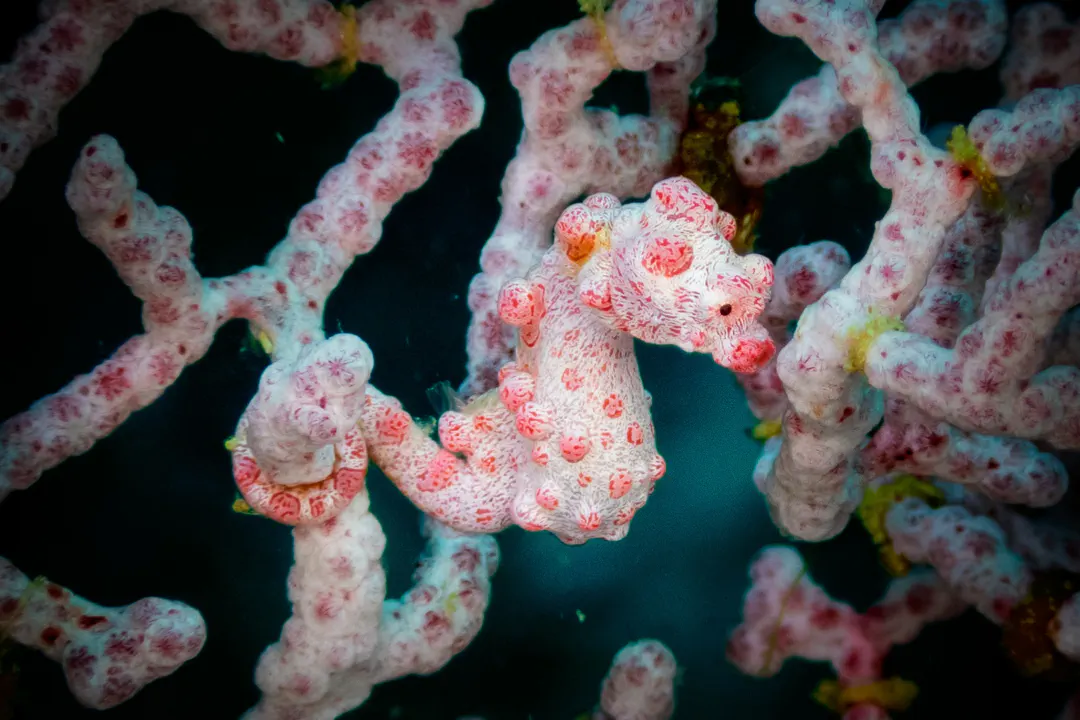 © Pierre PericardCC BY 4.0 · iNaturalist
 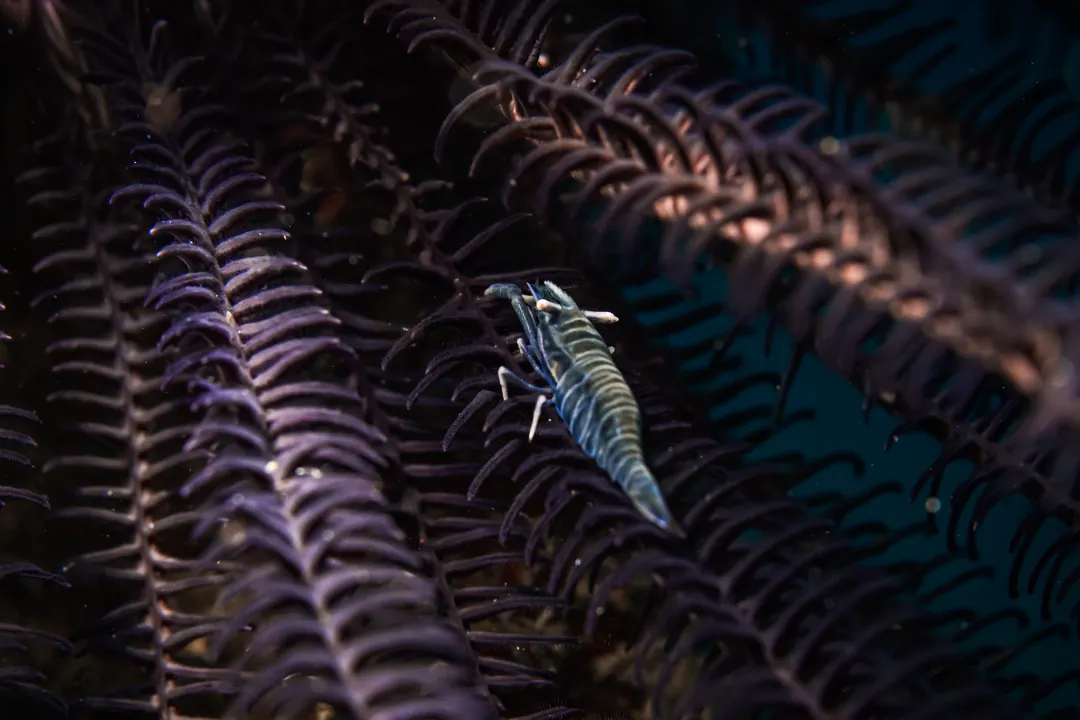 © Stas KuryanAll rights reserved
  Chris SpainCC0 · iNaturalist
  © Stas KuryanAll rights reserved
  © Bernie WongCC BY 4.0 · iNaturalist
  © Robin WhiteCC BY 4.0 · iNaturalist
 Twin Bommies
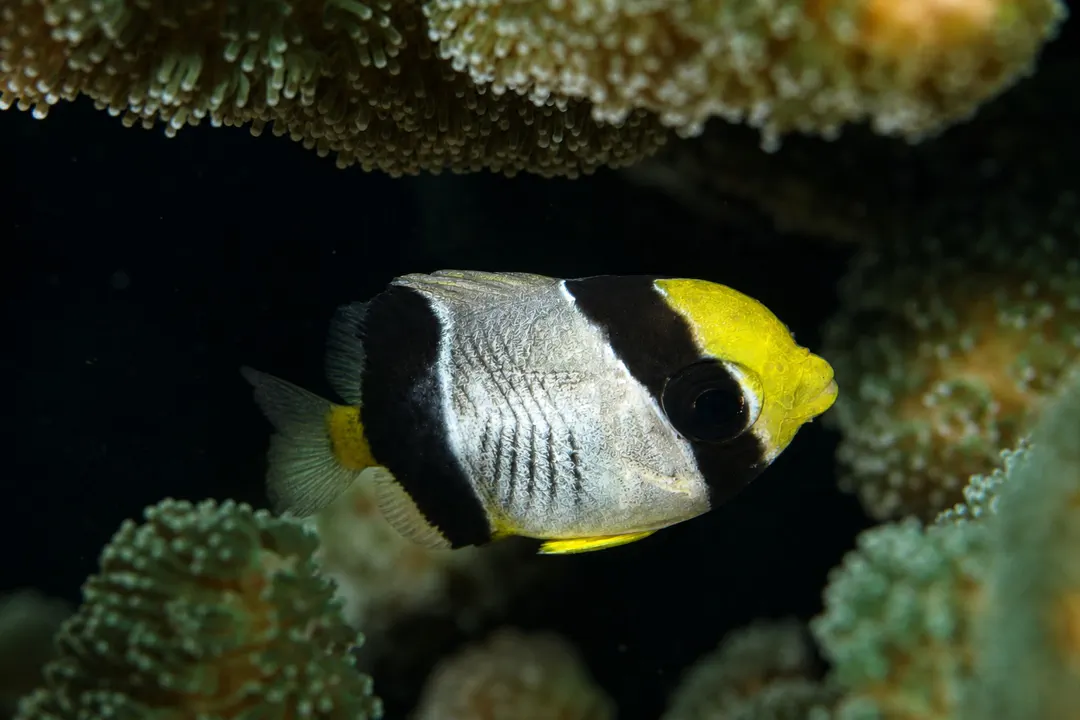
Near Espiritu Santo, the Twin Bommies dive site features two large coral pinnacles rising from a seabed of about 25 meters, adorned with a vibrant tapestry of soft and hard corals. This boat-accessed site, suitable for all levels, sees schools of fusiliers swirling around the pinnacles and offers excellent encounters with macro life nestled in the reef.
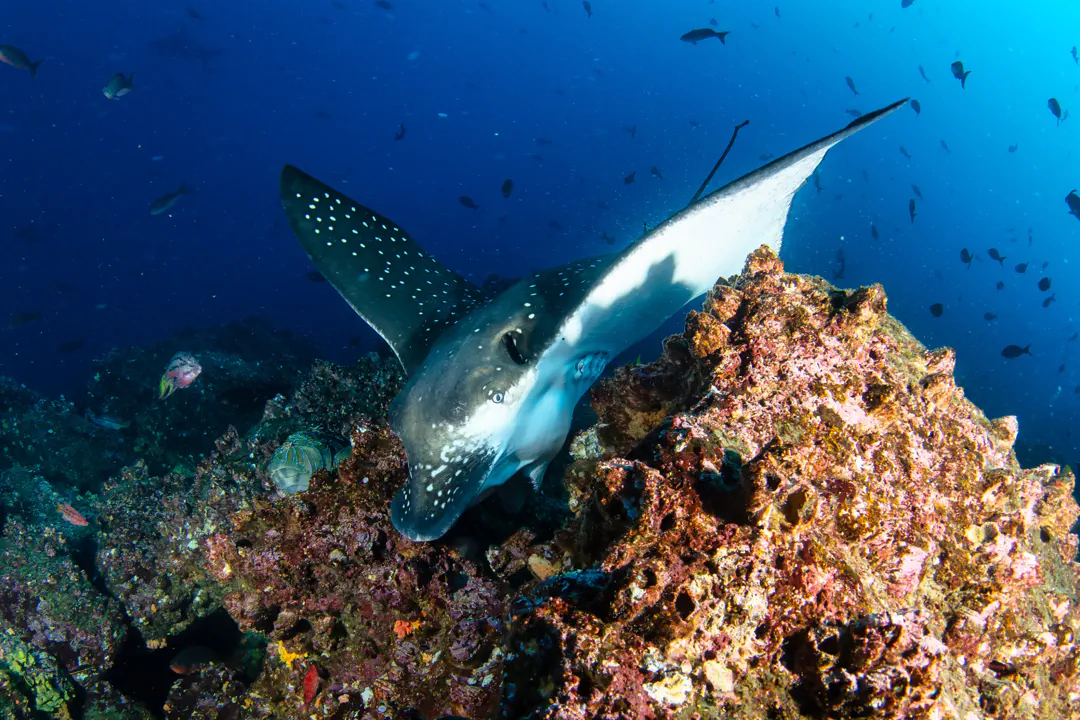
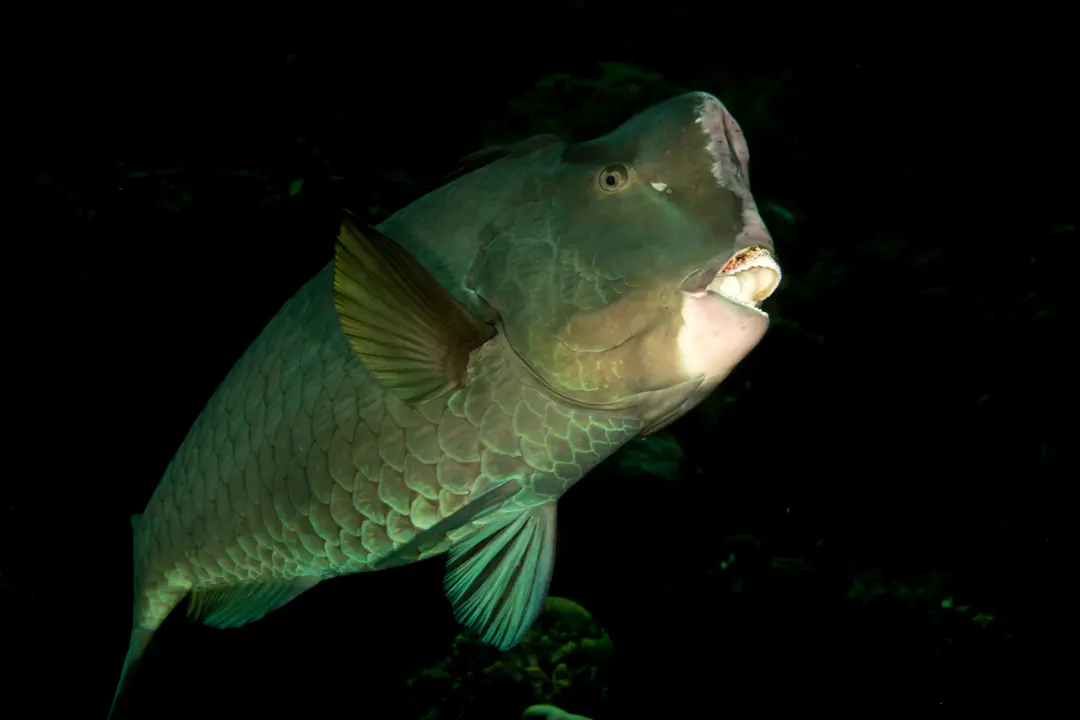
Divers can explore the formations, encountering narinari eagle rays gliding past, amblyrhynchos grey reef sharks patrolling the perimeter, and muricatum bumphead parrotfish grazing on the coral.
 © seabook.appAll rights reserved
 Hat Island (Moso Island)
Off the coast of Efate, Hat Island, also known as Moso Island, offers dramatic wall dives and expansive outer reef systems, accessed by boat from Efate. Depths consistently extend beyond 30 meters, making it suitable for experienced divers.
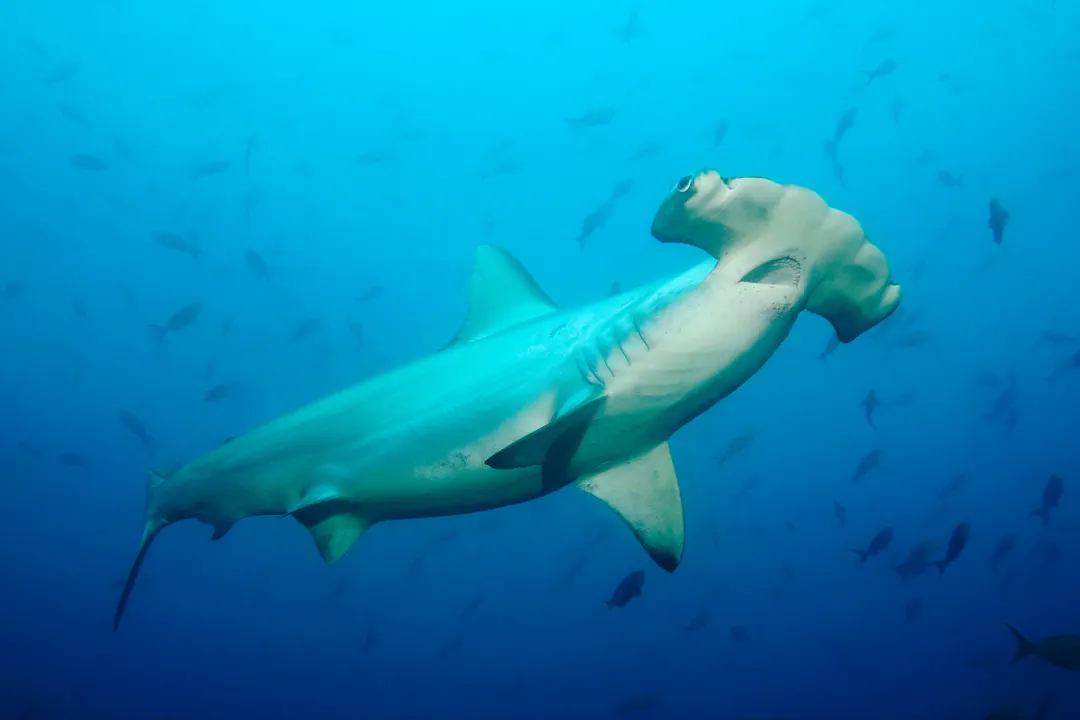
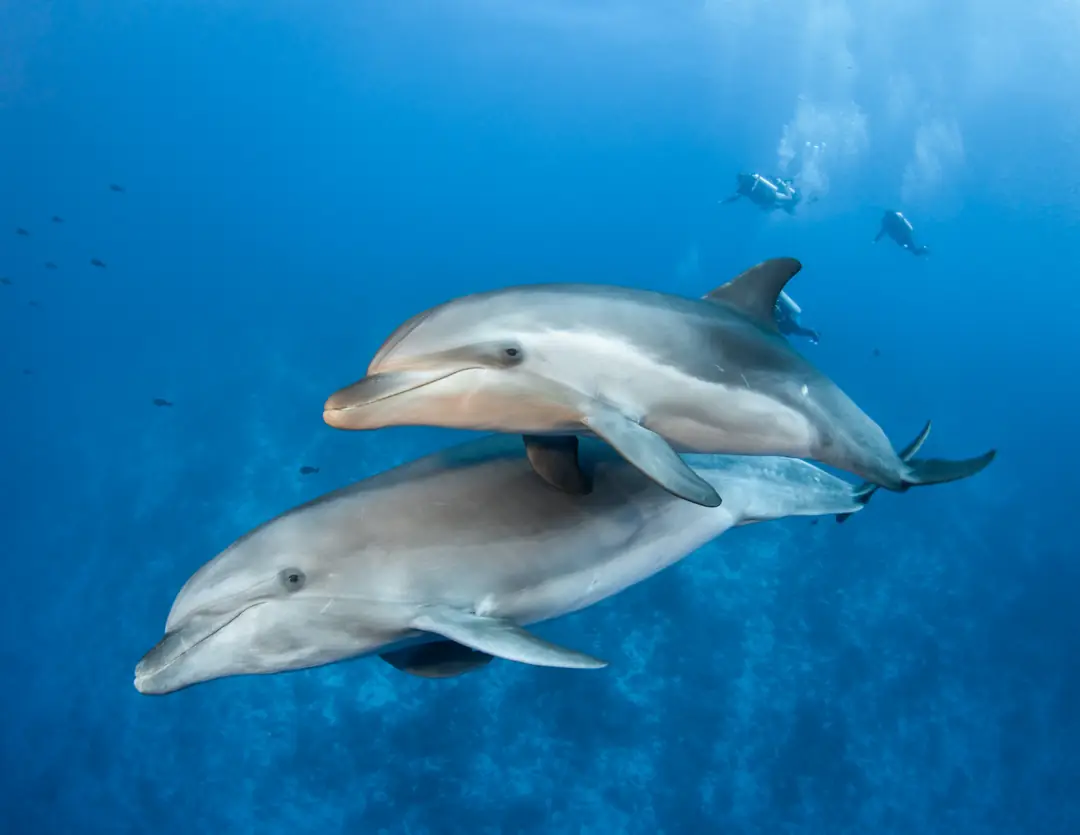
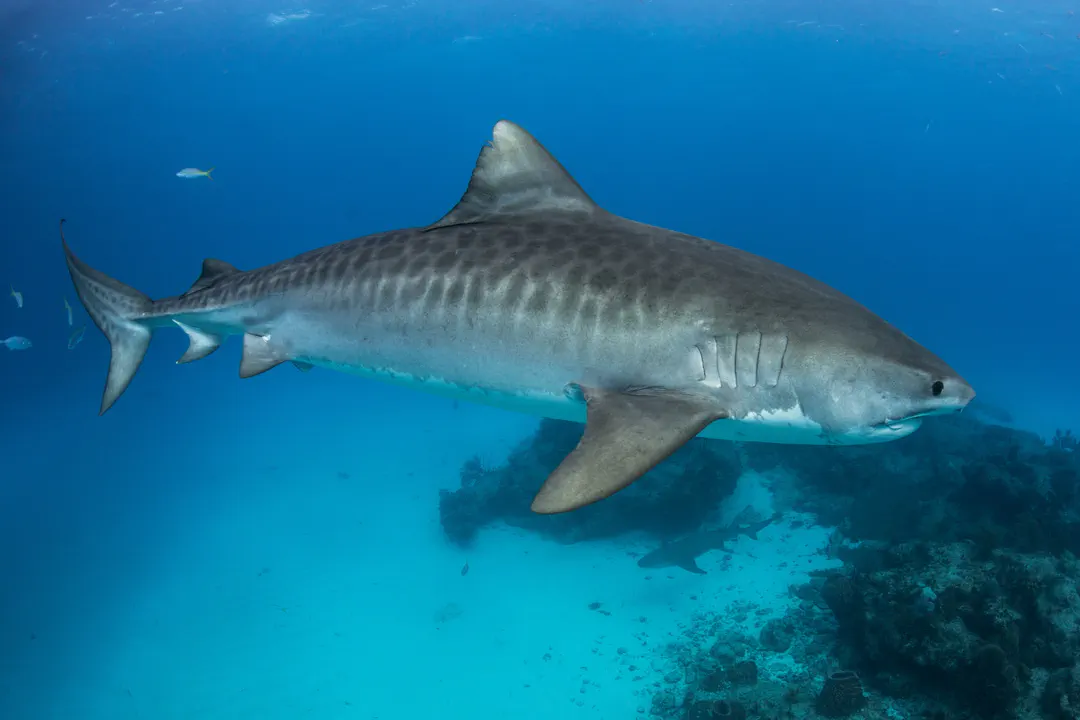
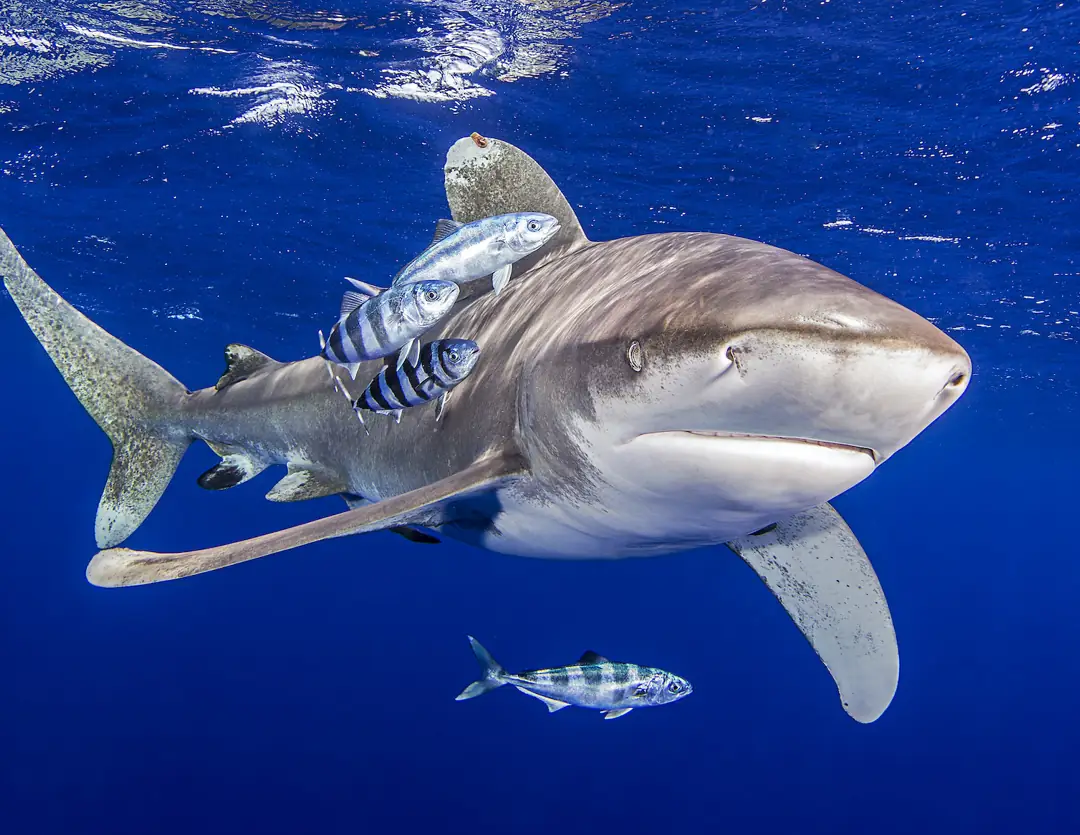
Strong currents here frequently bring in larger marine species, making for exhilarating drift dives. Divers consistently spot truncatus bottlenose dolphins, lewini scalloped hammerhead sharks, and even cuvier tiger sharks. Longimanus oceanic whitetip sharks, barracuda, and narinari eagle rays also patrol these deeper waters.
 © seabook.appAll rights reserved
  © seabook.appAll rights reserved
  © seabook.appAll rights reserved
 Conservation and Responsible Diving
Vanuatu's communities are increasingly aware of the importance of marine conservation, with many areas established as marine protected areas to preserve these environments. This community-driven approach has helped maintain Vanuatu's reefs, fostering vibrant ecosystems that sustain both marine life and local livelihoods.
Traditional 'tabu' areas serve as informal marine protected zones where local customs restrict fishing or access, allowing fish populations to rebound and corals to flourish. Divers are encouraged to practice responsible diving, respecting marine life, and supporting local conservation initiatives to ensure the longevity of these ecosystems.
Practical Tips for Divers
When planning your trip to Vanuatu, book with established dive operators, especially for wreck dives like the SS President Coolidge which require specific certifications such as Advanced Open Water or Wreck Diving. These certifications ensure safe exploration of complex wreck environments.
Ensure your gear is suitable for tropical waters, with temperatures ranging from 24°C to 29°C, and bring reef-safe sunscreen to protect the coral. Many dive centers cater to all experience levels, offering calm, shallow reefs perfect for beginner divers. Proper preparation and respect for local conservation efforts are key to a rewarding underwater experience.
Questions
Do I need special certification for wreck diving in Vanuatu?
Yes, for deeper penetration dives into the SS President Coolidge, Advanced Open Water or specialized Wreck Diving certifications are highly recommended and often required by dive operators for safety reasons. These certifications ensure you have the necessary skills to handle the unique challenges of wreck environments.
What is the visibility like in Vanuatu's waters?
Visibility in Vanuatu is generally excellent, often ranging from 20 to 40 meters (65-130 feet), especially during the dry season from April to October. It can be slightly reduced in shallower bays or after heavy rainfall during the wet season, but conditions remain favorable for diving.
Are there options for non-divers or snorkelers?
Absolutely! Many resorts offer snorkeling tours, and sites like Hideaway Island Marine Sanctuary are perfect for snorkelers due to their shallow, clear waters. There are also land-based activities like cultural village visits, volcano hikes, and waterfall explorations for those who prefer not to dive.
Is Vanuatu suitable for beginner divers?
While famous for advanced wreck diving, Vanuatu also offers numerous sheltered bays and shallow reefs ideal for beginner divers and those completing their Open Water certification. Many dive centers cater to all experience levels, providing guided tours and training in safe, calm environments.
What currency is used in Vanuatu?
The local currency is the Vanuatu Vatu (VUV). Australian dollars are also widely accepted in tourist areas, and credit cards are usually accepted at larger hotels and dive shops, making transactions convenient for international visitors.