Introduction to Diving in Thailand
Thailand ranks among the premier scuba diving destinations globally, attracting over 200,000 certified divers annually to its diverse coastlines. The Andaman Sea, on the west, captivates with dramatic granite boulders, vibrant hard coral gardens flourishing at depths of 5-30 meters, and the thrilling possibility of encounters with larger pelagic species. Meanwhile, the Gulf of Thailand to the east offers unique pinnacles rising from 30-meter depths and fascinating wreck dives, such as the 117-meter HTMS Chang, now blanketed in soft corals and home to impressive groupers.
Historically, Thailand's diving boom took off in the 1980s when liveaboards first opened up access to remote sites like the Similan Islands, which have been a protected national park since 1982. The country's waters are ecologically significant, lying near the eastern edge of the Coral Triangle, a global epicenter of marine biodiversity. These rich ecosystems nurture a remarkable 25% of the world's coral species, although they have faced challenges from bleaching events that have reduced coral cover in some areas.
The diving industry in Thailand is a significant economic driver, generating approximately 10 billion THB annually, supporting countless local communities. However, this popularity also brings challenges, including the need for sustainable tourism practices to mitigate the impacts of overtourism. Divers should also be aware of seasonal monsoon closures, particularly on the west coast from May to October, which are essential for ecosystem recovery.
For those planning a dive trip, Thailand is renowned for its high standards in dive education, issuing over 80,000 certifications yearly through PADI or SSI-certified operators. Renting quality gear is affordable, typically costing 200-400 THB per dive, though many divers prefer to bring their own. National park fees, ranging from 2000-4400 THB per trip, contribute directly to conservation.
Maintaining neutral buoyancy to protect the delicate reefs and considering liveaboard options for maximizing underwater time, often with four dives daily including night dives, are key practical tips for an unforgettable experience.
Geography and Climate for Divers
Thailand's two distinct coastlines offer contrasting diving seasons and conditions, making it a year-round destination if you know where to go. The Andaman Sea, on the west coast, experiences its optimal diving season from October to May. During the peak months of February to April, divers can expect exceptionally calm seas with swells typically under one meter, air temperatures ranging from 30-35°C, and inviting water temperatures of 28-30°C.
Visibility routinely reaches an impressive 30 meters, offering crystal-clear views of the vibrant underwater world. However, the Andaman Sea's popular sites, including the Similan Islands, close during the southwest monsoon season from June to September, when seas can become choppy with waves reaching up to three meters. Conversely, the Gulf of Thailand, on the east coast, offers excellent diving conditions during its peak season from May to September, with water temperatures of 25-29°C and visibility ranging from 15-25 meters.
The northeast monsoon affects the Gulf from November to March, bringing choppier seas but still offering diveable days. Seasonal variations significantly dictate access to specific dive sites. West coast liveaboards primarily target deeper sites like Richelieu Rock, often found at depths of 18-40 meters, during the dry months.
In contrast, Gulf pinnacles such as Sail Rock remain accessible year-round, rising dramatically from 30 meters to the surface. Divers are advised to monitor local forecasts closely, as sudden squalls can temporarily reduce visibility to five meters. Historical typhoon data indicates higher risks in the west from June to October and in the east from March to May.
For comfort underwater, a 3mm wetsuit is generally sufficient year-round, though a rash guard can provide adequate sun protection during surface intervals, which average around one hour. East coast sites are particularly well-suited for beginners, featuring shallow reefs at 5-18 meters, while west coast destinations often demand more advanced skills for exploring 40-meter drop-offs. It's important to note that national park regulations mandate certified guides for all dives within protected zones, ensuring both safety and adherence to conservation guidelines.
Water temperature
Thailand, monthly average
Phuket (Andaman Sea side), popular diving area in western Thailand; averages from NOAA satellite-derived sea surface temperature data
Diverse Marine Ecosystems
Thai waters are a tapestry of diverse marine ecosystems, each supporting a unique array of life. Fringing reefs, typically found at depths of 5-15 meters, burst with vibrant acropora corals that form intricate table structures, some stretching up to three meters wide. Beyond these shallower gardens, deep drop-offs plunge to 60 meters, adorned with majestic gorgonian fans that can span two meters, creating breathtaking underwater landscapes.
Intriguing caves, such as those found around the Phi Phi Islands, provide shelter for impressive moray eels, some exceeding two meters in length. Pinnacles like Hin Daeng and Hin Muang are characterized by spectacular soft coral blankets, predominantly dendronephthya, which paint the walls in vivid red and purple hues, often covering as much as 80% of the rock face. These varied habitats collectively host over 400 species of hard corals, alongside an astonishing macro world that includes more than 200 nudibranch varieties.
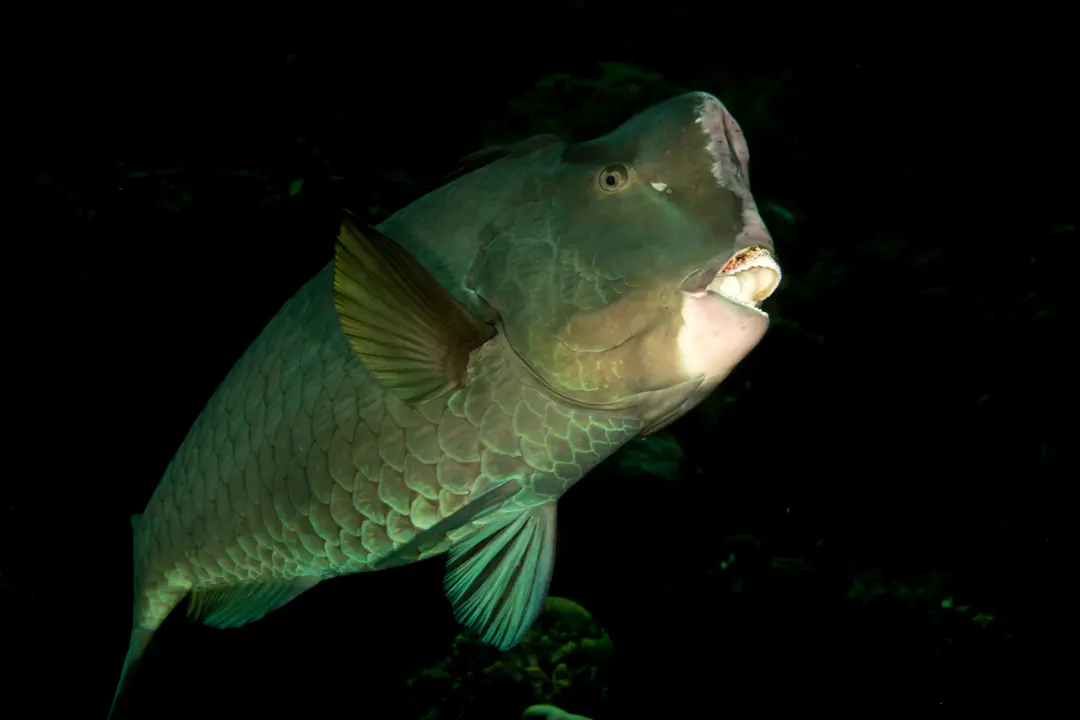
The ecological significance of these waters is profound, with Andaman currents playing a vital role in transporting larvae from Indonesia, helping to sustain marine populations even after natural disturbances like bleaching events. However, historical overfishing has impacted some species, with bumphead parrotfish densities reduced to less than 10% of their 1990s levels, prompting the establishment of no-take zones that now cover 20% of dive sites. Pinnacles, acting as natural fish aggregating devices, are particularly important, concentrating massive schools of fusiliers, sometimes numbering in the tens of thousands.
These dense aggregations create spectacular displays and form crucial links in the food web, attracting a wide range of predators. Divers can also experience seasonal marine phenomena; for instance, whale sharks are known to aggregate from November to April at sites like Koh Bon, while graceful manta rays can be seen gliding through currents at Surin year-round. Practical tips for navigating these diverse environments include using reef hooks during strong drifts, which can reach up to three knots, and maintaining a minimum one-meter distance from the bottom in caves to avoid silting.
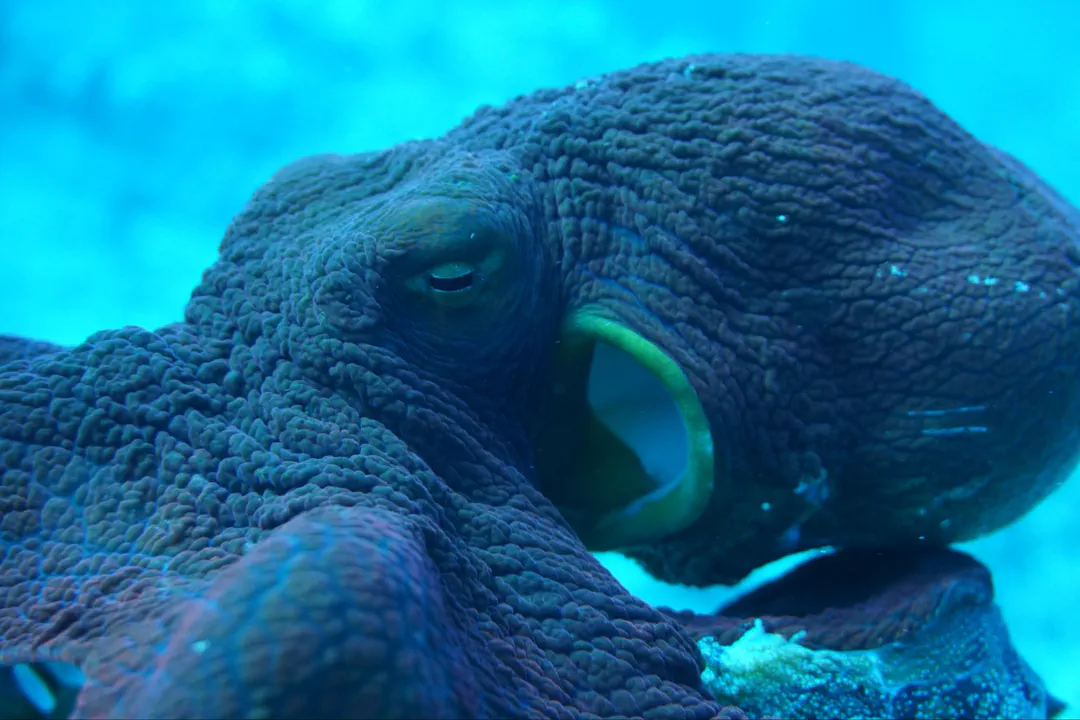
Night dives offer a magical glimpse into a different world, revealing bioluminescent plankton and active hunting octopuses, often seen from 8 PM onwards.
 © Daniel BenákCC BY 4.0 · iNaturalist
  © seabook.appAll rights reserved
  © cello caruso-turielloCC BY 4.0 · iNaturalist
  © Paul Asman and Jill LenobleCC BY 4.0 · iNaturalist
  © Rickard ZerpeCC BY 4.0 · iNaturalist
  © Dan SchofieldCC BY 4.0 · iNaturalist
 Top Dive Sites in the Andaman Sea
Similan Islands National Park
The Similan Islands National Park, a cluster of nine granite islands spread across 60 kilometers, is a jewel of the Andaman Sea. Its dive sites are characterized by colossal granite boulder formations, creating dramatic swim-throughs and canyons at depths ranging from 5-40 meters. These unique geological features provide a stunning backdrop for vibrant table corals and extensive anemone fields.
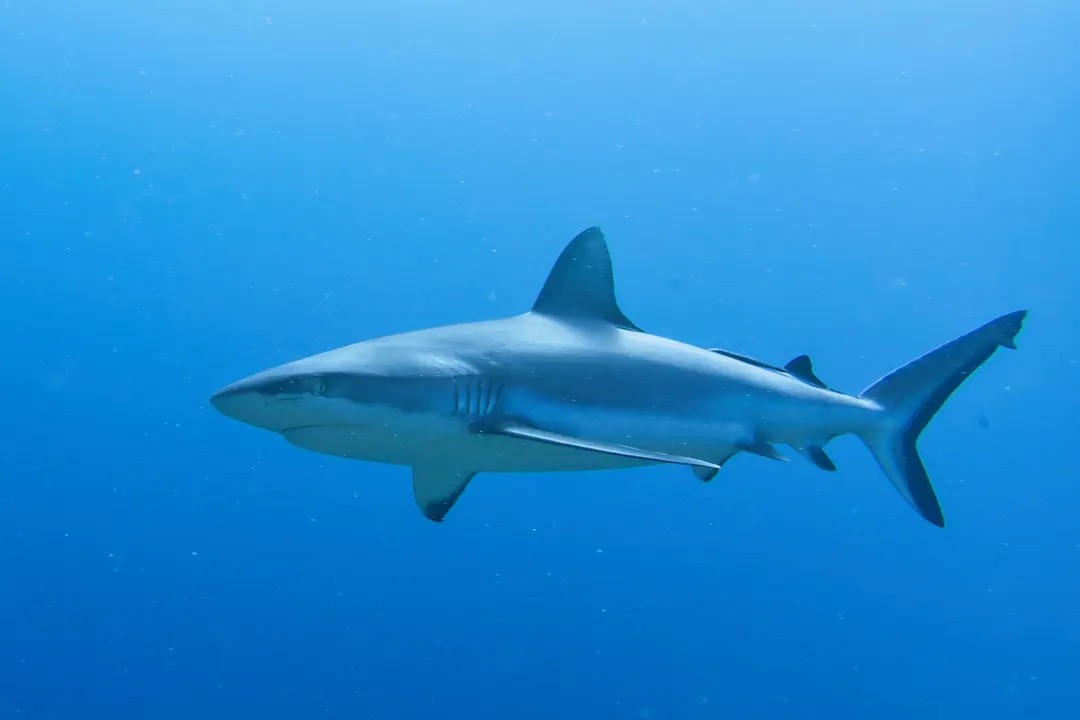
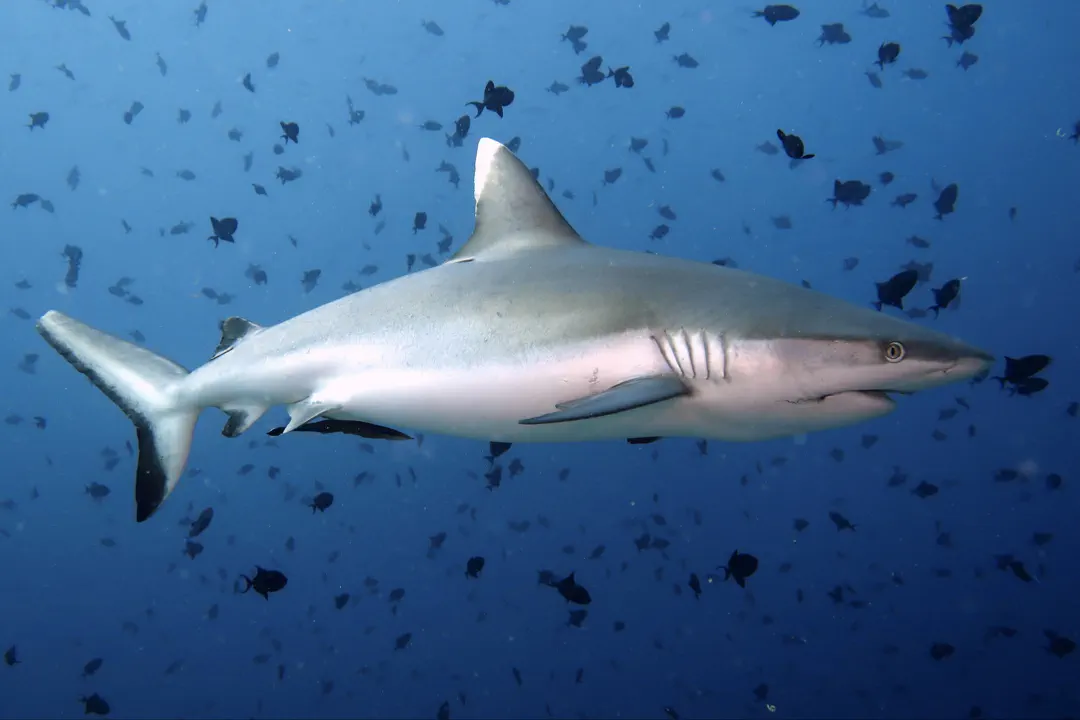
The park is renowned for its exceptionally healthy hard coral gardens, with acropora species covering up to 60% of shallow reefs. These pristine habitats attract a rich array of marine life, including grey reef sharks, which can often be seen patrolling the channels at depths of 20-30 meters, as well as other larger pelagic species that frequent these nutrient-rich waters. Protected since 1982, the park spans 280 square kilometers, and visitors are required to pay a daily fee of 400 THB for foreigners, which contributes directly to its conservation.
The advent of liveaboard access revolutionized exploration of these islands, revealing previously unknown cleaning stations and allowing divers to experience the full grandeur of this remote marine sanctuary. For an optimal experience, booking a 4-6 day liveaboard trip, typically offering 18-22 dives, is highly recommended. These trips usually depart from Khao Lak, with a two-hour crossing to the islands.
Due to the presence of currents, which can reach 1-2 knots, and sites exceeding 30 meters, an Advanced Open Water certification is advisable. The park observes seasonal closures from May to November, allowing the ecosystems to recover, particularly from events like the 2010 bleaching that impacted some coral populations.
 © Roger RittmasterCC BY 4.0 · iNaturalist
  © seabook.appAll rights reserved
  © seabook.appAll rights reserved
 Richelieu Rock
Richelieu Rock stands as a solitary, horseshoe-shaped pinnacle, rising dramatically from a depth of 40 meters to just below the surface. This iconic dive site is a spectacle of color, completely encrusted with a breathtaking array of soft corals and whip fans that sway gently in the one-knot currents, creating a constantly shifting, living canvas. The nutrient-rich upwellings around Richelieu Rock sustain an astonishing density of marine life, with schools of fusiliers numbering in the thousands swirling around the 18-meter crest.
This abundance creates a vibrant, dynamic environment where divers can witness an incredible concentration of species, from large schooling fish to the most elusive macro creatures. Renowned as Thailand's premier macro photography site, Richelieu Rock is a treasure trove for keen-eyed divers. Hidden within its intricate nooks and crannies are delicate seahorses clinging to gorgonians at depths of 10-25 meters, vibrant emperor shrimp perched on nudibranchs, and decorator crabs expertly camouflaged on sponges.
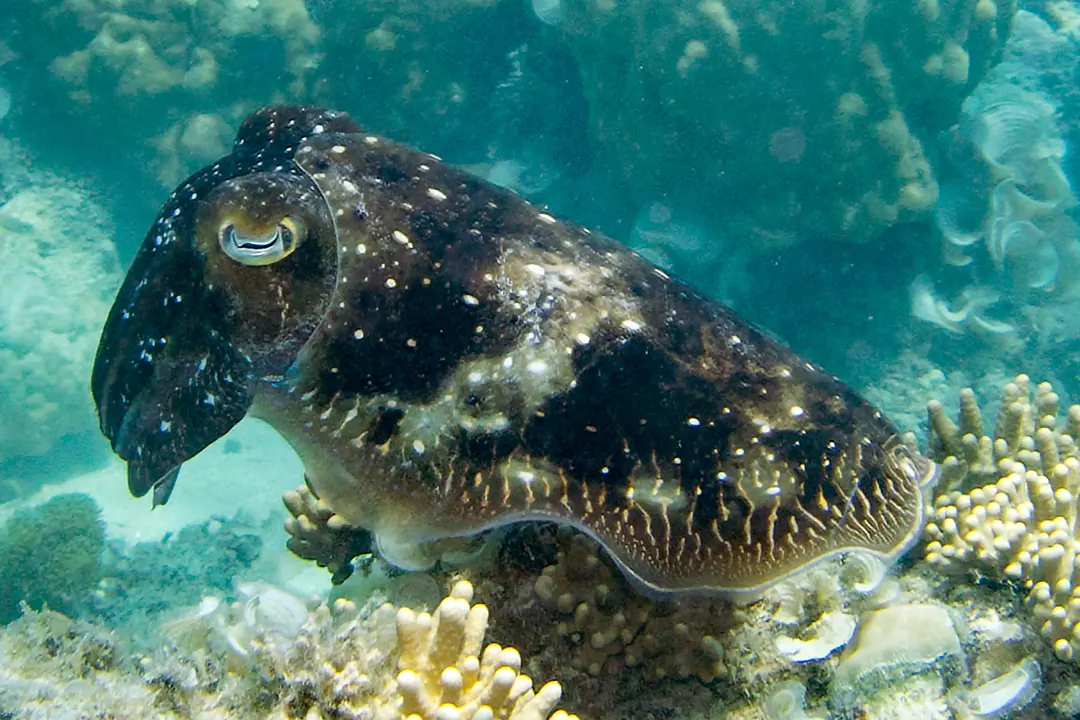
Historical data logs show an impressive variety of over 20 cephalopod species sighted annually, including broadclub cuttlefish and bigfin reef squid. Diving at Richelieu Rock is best experienced from October to May, often as part of a three-day liveaboard trip. Night dives here are particularly rewarding, offering a chance to observe hunting cuttlefish in action.
Divers must maintain excellent buoyancy control to prevent accidental damage to the fragile hydroids and corals. For extended bottom times and optimal viewing, 15-liter tanks are often recommended for typical 50-minute dive profiles, and national park fees of 400 THB per entry apply.
 © seabook.appAll rights reserved
 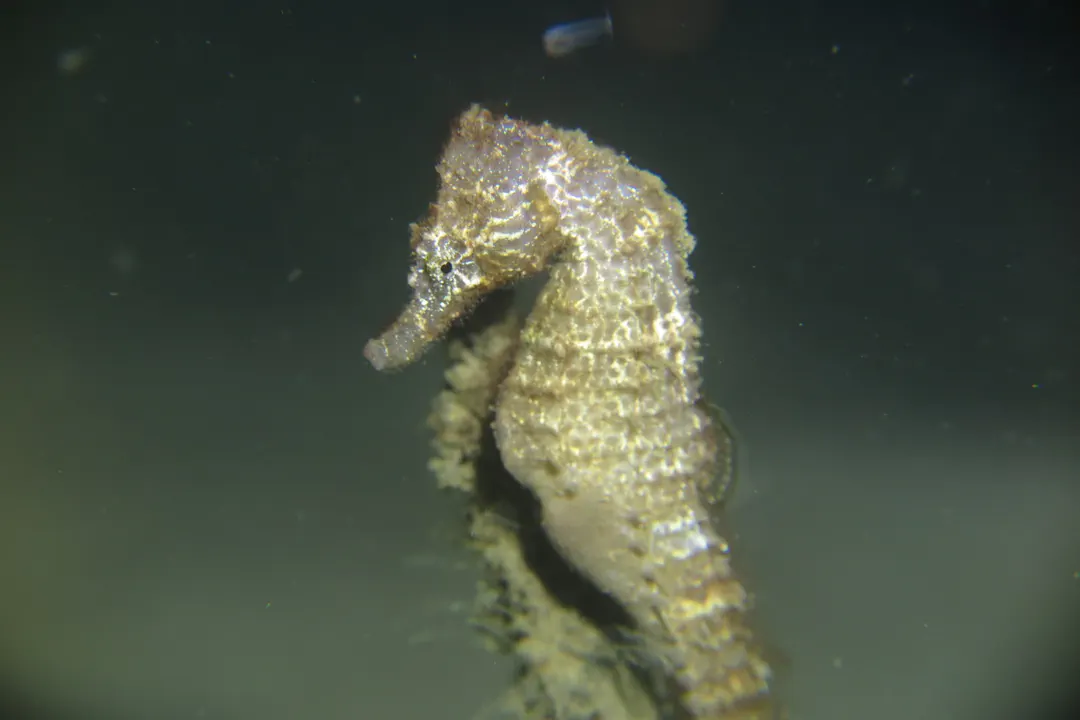 © Ewout KnoesterCC BY-SA 4.0 · iNaturalist
 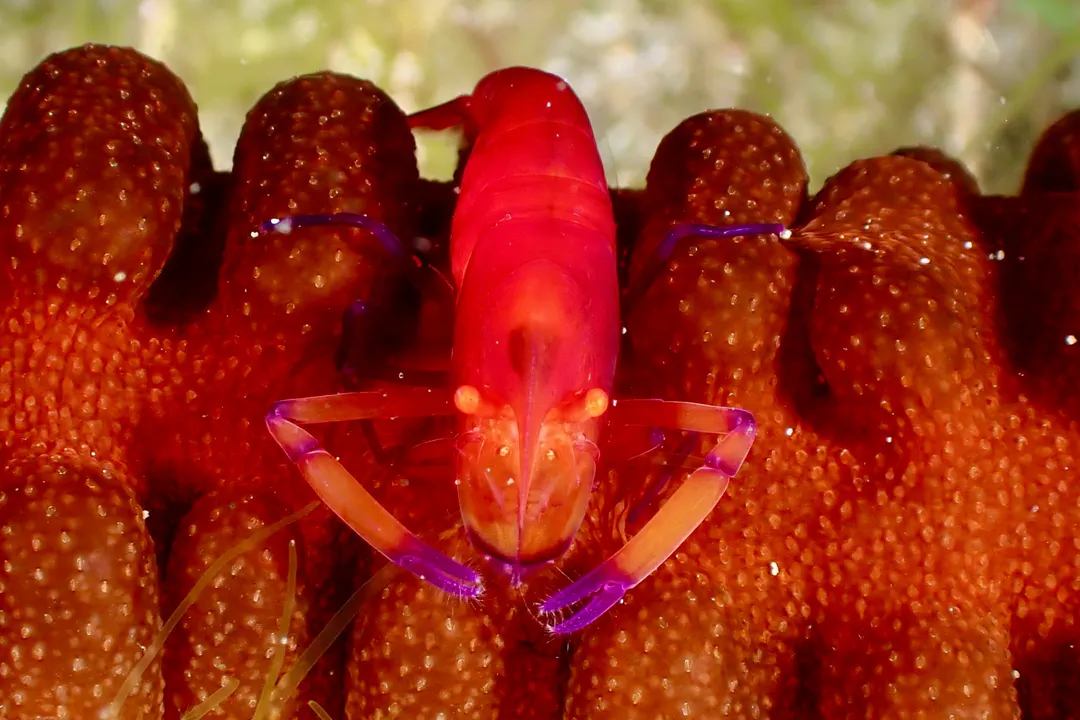 Chris SpainCC0 · iNaturalist
 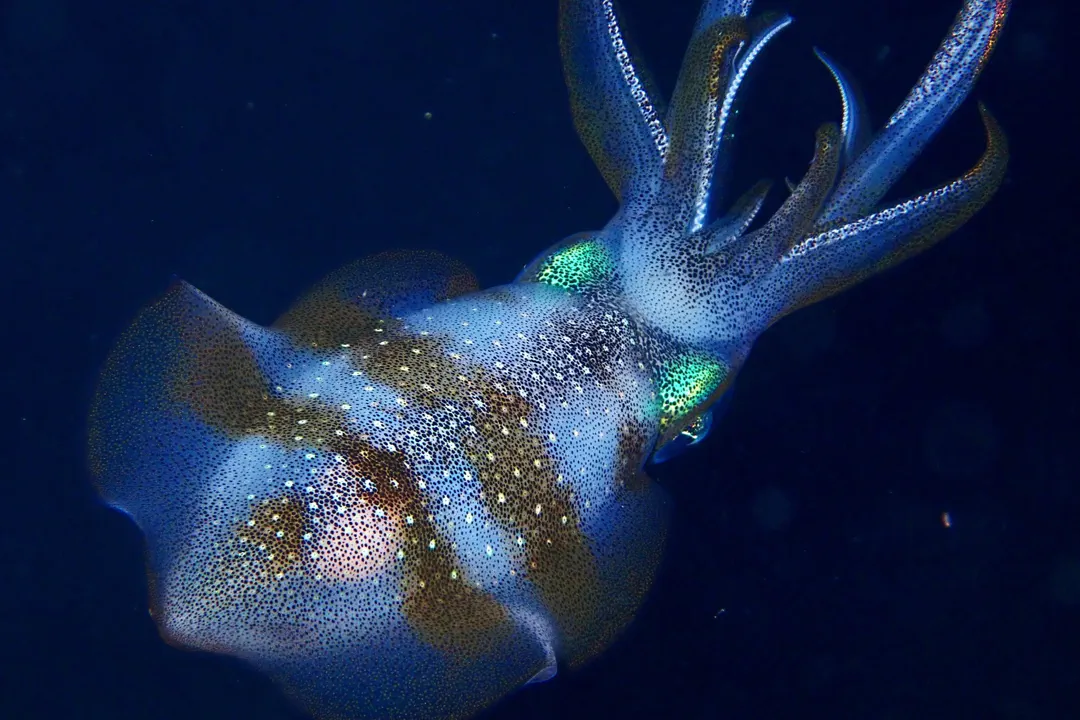 Jean-Paul BoerekampsCC0 · iNaturalist
 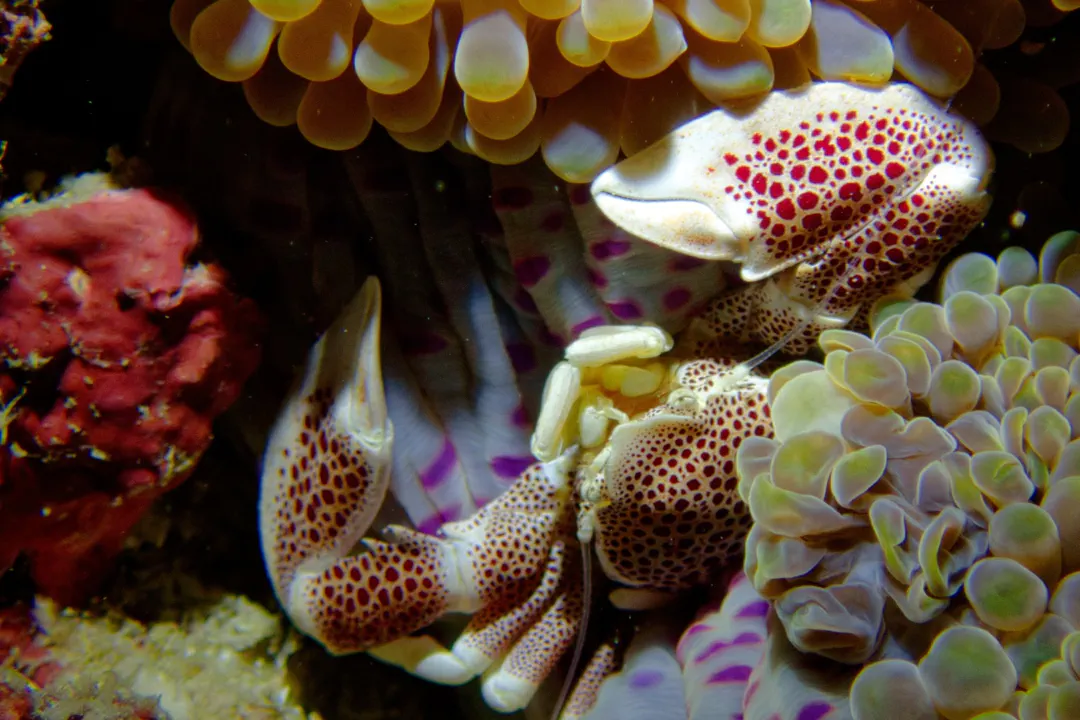 © Jay ParolineCC BY 4.0 · iNaturalist
 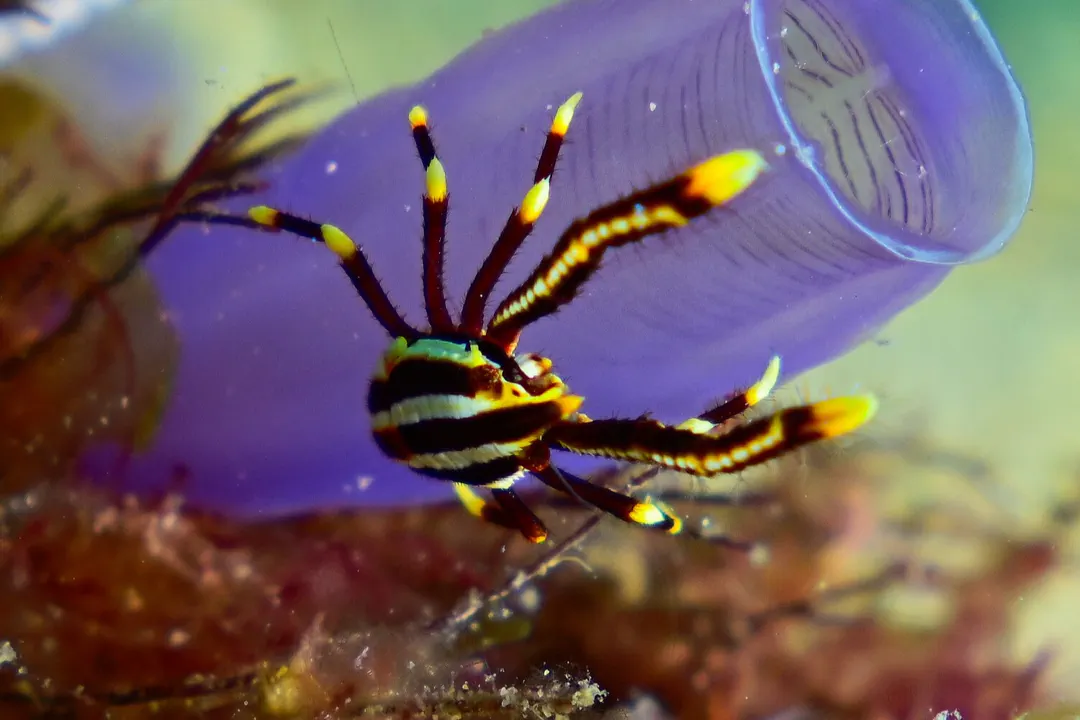 © Bernie WongCC BY 4.0 · iNaturalist
 Hin Daeng & Hin Muang
Hin Daeng (Red Rock) and Hin Muang (Purple Rock) are celebrated for presenting Thailand's deepest drop-offs, plunging dramatically to 60 meters. These submerged pinnacles are characterized by spectacular blankets of purple and red dendronephthya corals, which vividly adorn up to 70% of their slopes, creating an intensely colorful and dramatic underwater vista that is truly unforgettable. These sites are renowned for their abundant pelagic action.
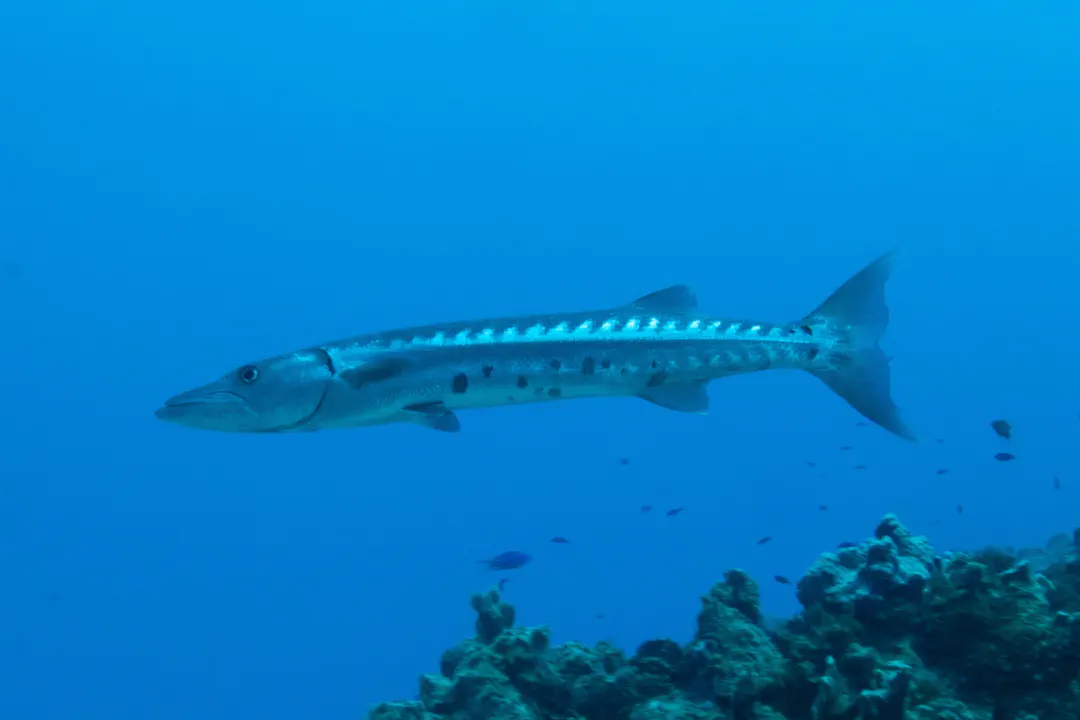
Strong currents, often reaching 2-3 knots, sweep through the area, attracting impressive schools of fish and drawing in larger visitors. Barracudas, sometimes exceeding 1.5 meters, can be seen torpedoing through bait balls, showcasing the raw power of the open ocean. Named for their striking hues, these sites gained legendary status in the 1990s as liveaboard pioneers ventured into their depths.
Ecologically, Hin Daeng and Hin Muang serve as vital larval highways, with plankton blooms peaking from March to May, sustaining a rich biodiversity that includes over 50 fish species observed per dive. Post-2004 tsunami surveys revealed remarkable resilience, with soft coral recovery reaching 90% cover. These are advanced dive sites, and Nitrox is highly recommended for experienced divers to extend bottom times, allowing for up to 20 minutes at 35 meters.
Liveaboards typically depart from Phuket, offering two-dive days to these remote locations. Surface conditions are calmest from January to April, with water temperatures hovering around 28°C, providing the most comfortable diving experience.
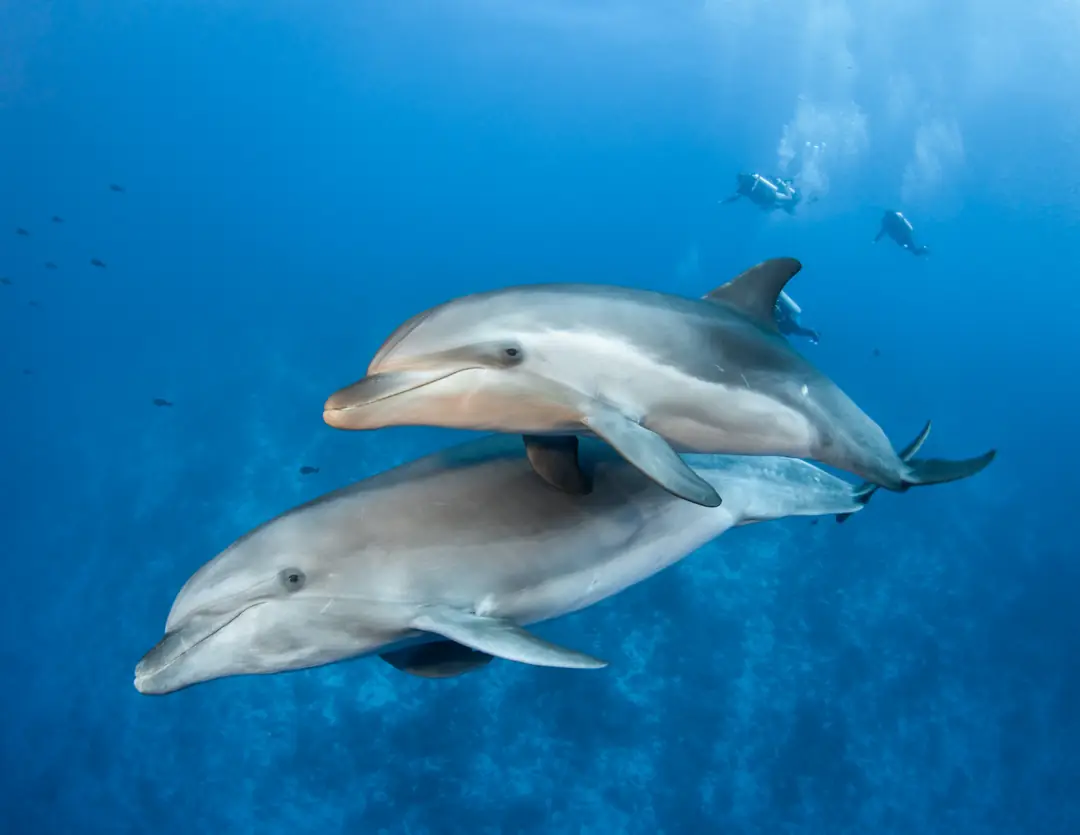 © seabook.appAll rights reserved
 Koh Lanta and Phi Phi Islands
The dive sites surrounding Koh Lanta and the Phi Phi Islands offer a delightful mix of vibrant reef dives, dramatic wall dives, and intriguing cavern explorations, catering to divers of all experience levels. The reefs typically range from 5-20 meters, while walls can plunge to 30 meters, creating diverse underwater landscapes. Highlights include iconic sites like Shark Point, where grey reef sharks, averaging two meters, can often be spotted patrolling the waters.
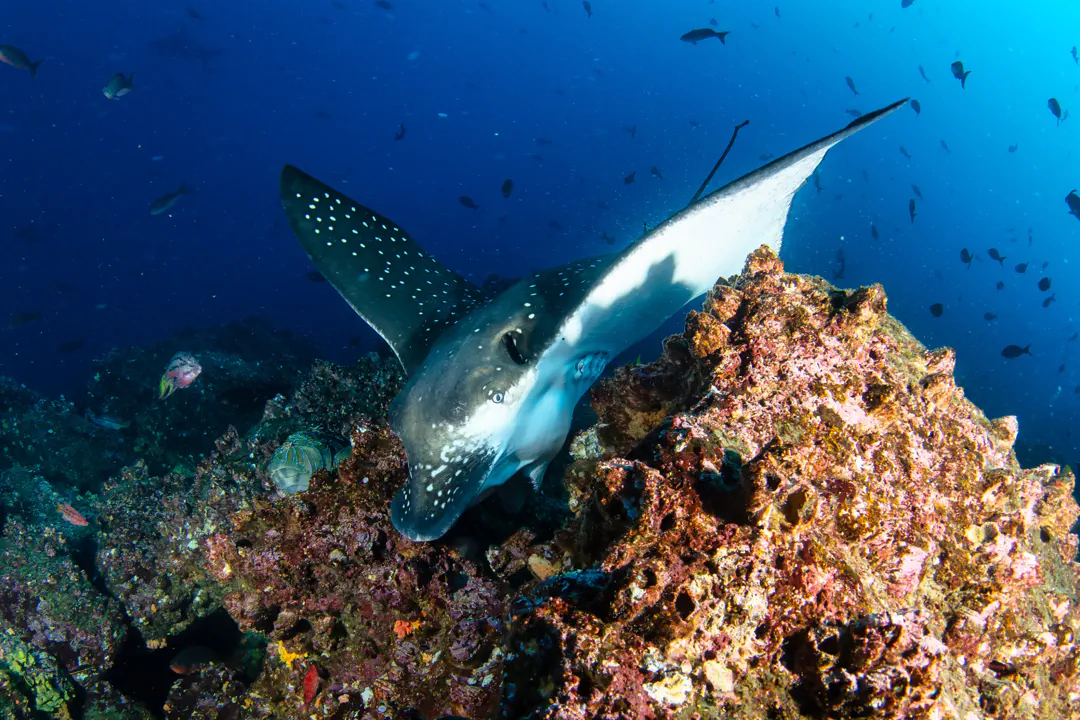
The bommies at Bida Nai are particularly vibrant, hosting over a hundred pairs of butterflyfish, while impressive cavern dives explore arches up to 10 meters wide at depths of around 12 meters. Phi Phi is also known for its seasonal leopard shark nursery, a crucial habitat for these fascinating creatures, while Koh Lanta's pinnacles frequently attract graceful eagle rays gliding through the currents at 15 meters. The region has seen a surge in tourism since the 1990s, with over 50 dive centers now actively enforcing strict no-touch policies to protect the marine environment.
Coral cover averages around 50%, showing resilience and recovery since the 2016 bleaching event. Day boats from Krabi provide easy access to these sites, with journeys typically taking around 45 minutes, making them ideal for shorter trips. Beginners will find numerous shallow areas at eight meters, perfect for gaining confidence.
Many dive schools offer Open Water courses, with depths capped at 18 meters for certification. The best season to visit is from November to April, avoiding the southwest swells that can bring choppier conditions.
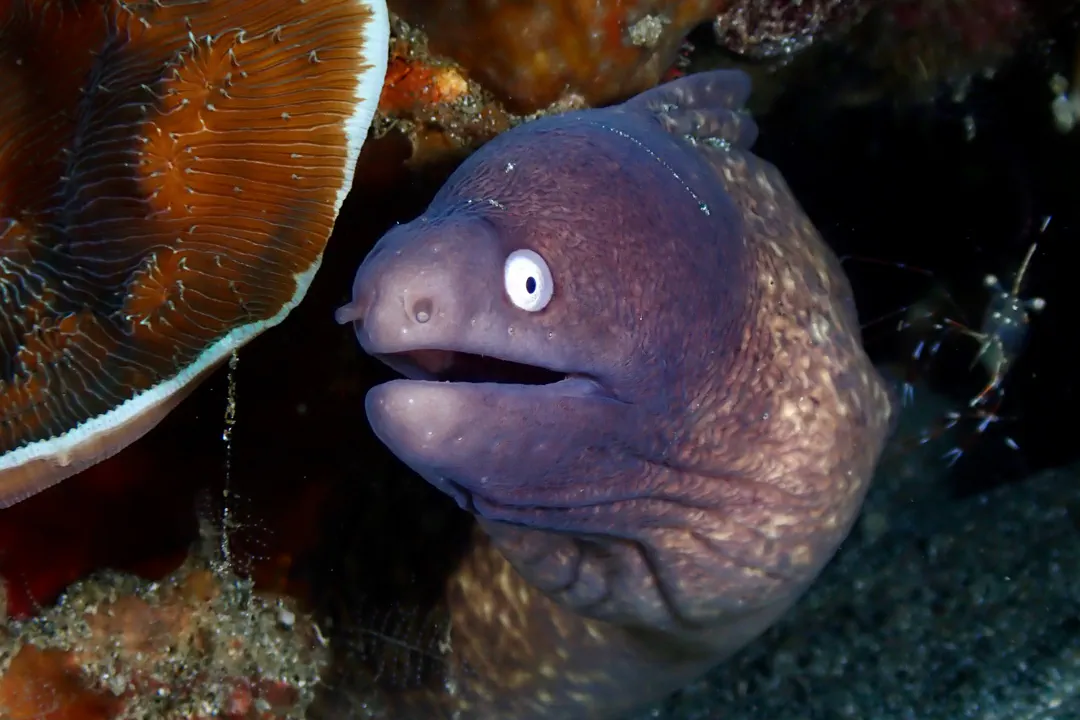 Chris SpainCC0 · iNaturalist
 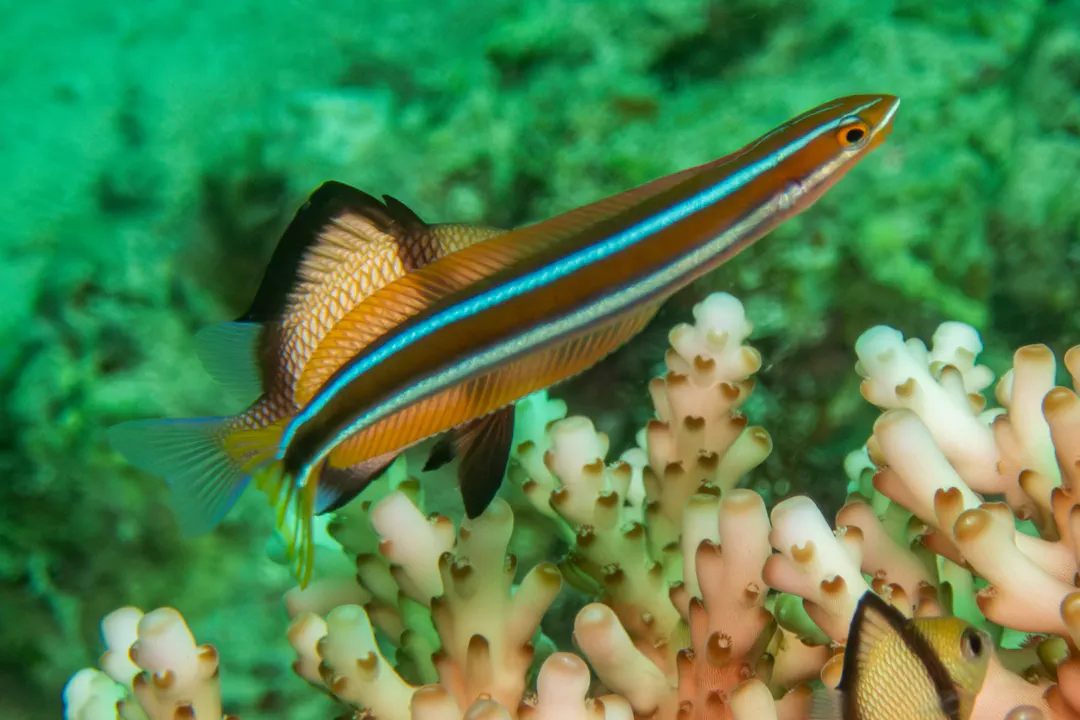 © portioidCC BY 4.0
 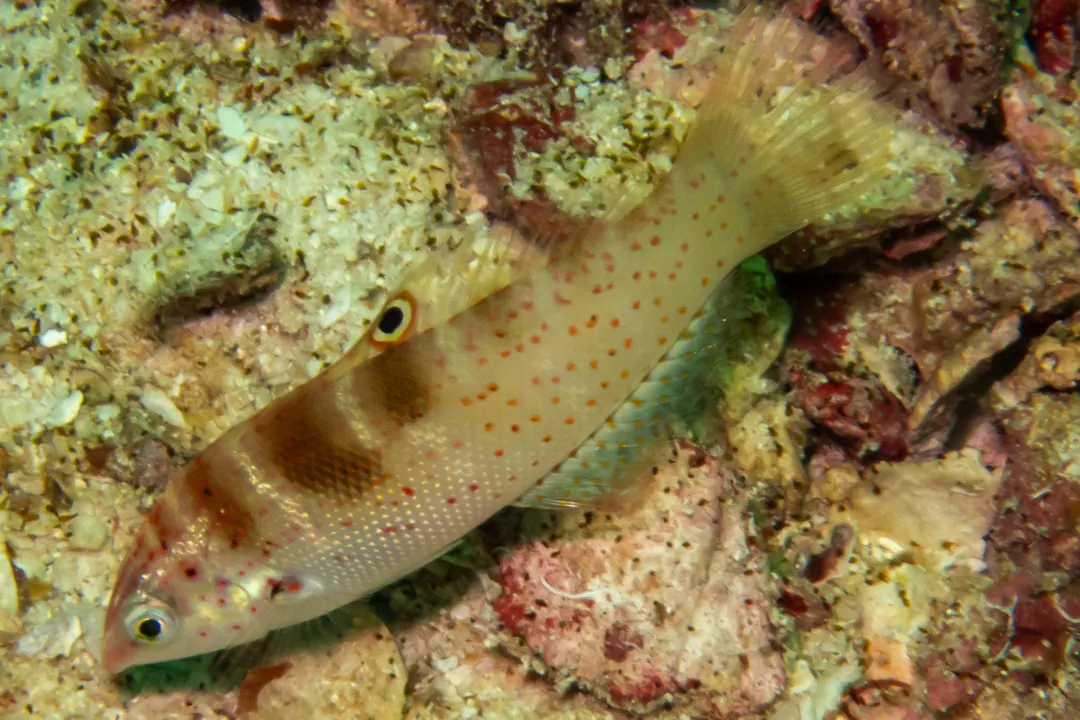 © portioidCC BY 4.0 · iNaturalist
 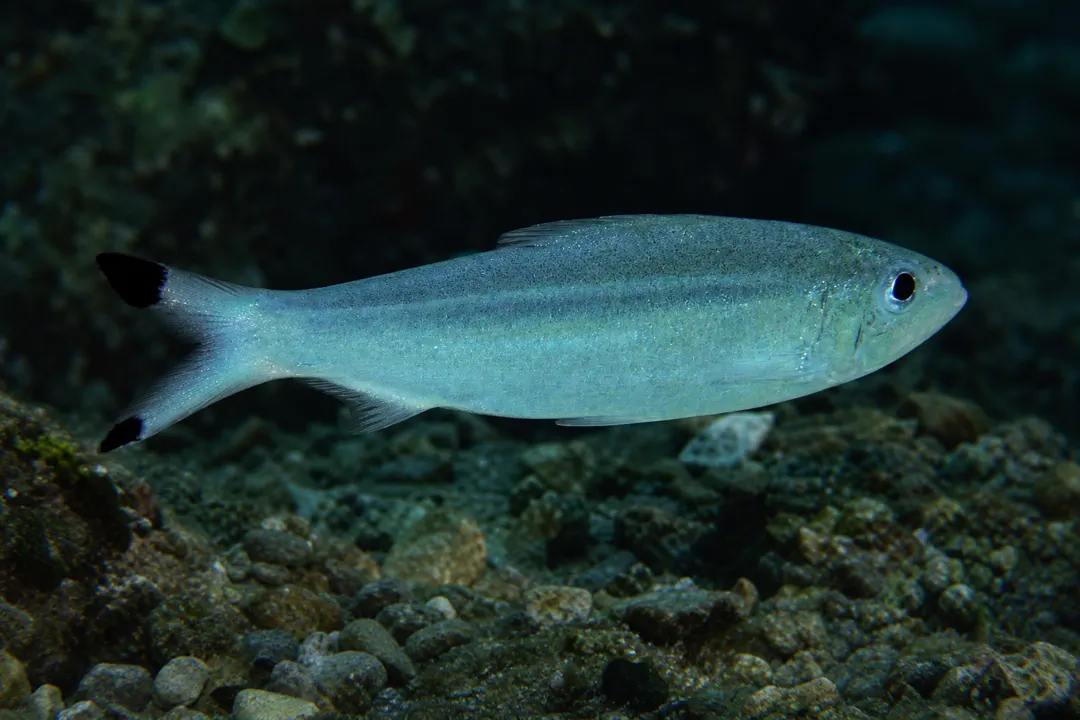 © seabook.appAll rights reserved
 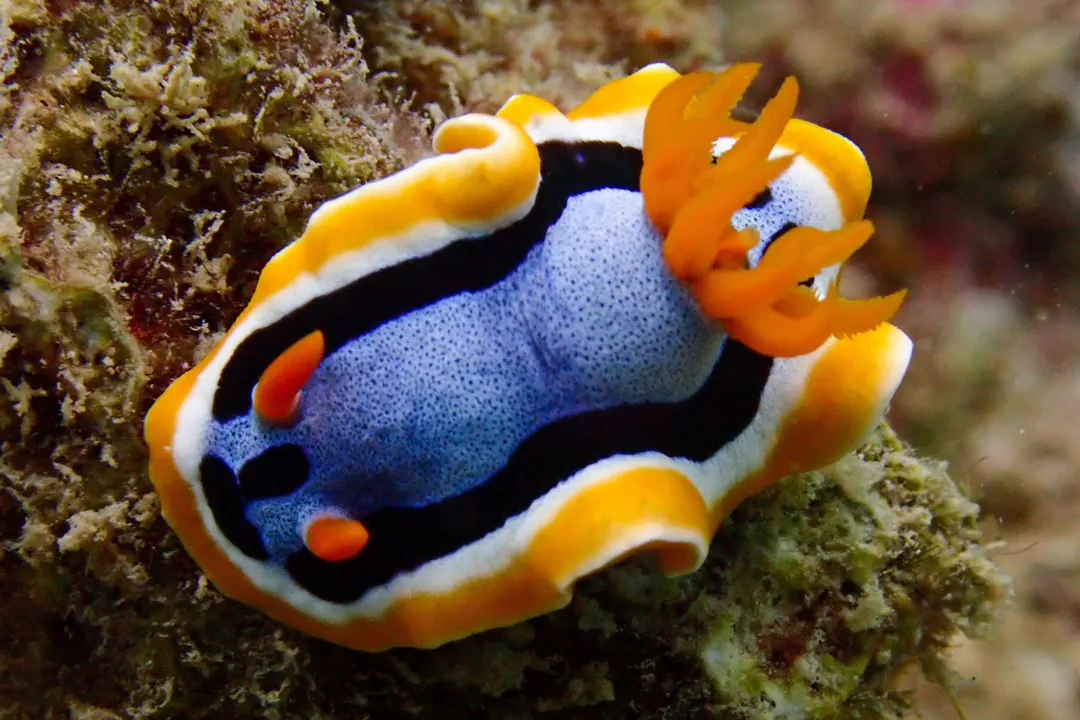 © Dan SchofieldCC BY 4.0 · iNaturalist
 Top Dive Sites in the Gulf of Thailand
Sail Rock (Hin Bai)
Sail Rock, known locally as Hin Bai, is a magnificent solitary pinnacle that dramatically breaches the surface from the 30-meter sandy seabed, standing as a beacon of marine life between Koh Phangan and Koh Tao. Its most famous feature is the incredible 'Chimney' swim-through, a 10-meter vertical shaft lined with colorful gorgonians, offering an exhilarating experience for certified divers. This site is a true pelagic hotspot, renowned for its massive schools of fusiliers that create mesmerizing, swirling formations.
Great barracudas, often reaching impressive lengths, patrol the 20-30 meter plateau, forming spectacular whirlpools in the two-knot currents as they hunt, showcasing the dynamic energy of the underwater world. Sail Rock's granite structure provides numerous overhangs and crevices adorned with featherstars and tunicates, creating microhabitats within the larger ecosystem. The site has been celebrated as the Gulf's premier dive destination since the 1980s, attracting divers eager to witness its vibrant biodiversity.
Boat trips from Koh Tao typically take around two hours, making it an ideal two-tank morning excursion. Divers can enjoy year-round access to Sail Rock, with the calmest conditions and water temperatures around 27°C typically found from September to November. Navigating the Chimney requires advanced diving skills, exiting at 28 meters.
Fun dives are competitively priced, ranging from 800-1200 THB, often including gear rental. Night dives reveal a different side of Sail Rock, with octopuses emerging from crevices to hunt, adding another layer of excitement to this extraordinary site.
Practical Diving Tips for Thailand
When planning your diving adventure in Thailand, selecting a reputable dive operator is paramount. Opt for PADI or SSI-certified centers with strong 4-5 star ratings, as Thailand is a global leader in dive certifications, producing over 80,000 annually, which ensures a high standard of safety and professionalism across the industry. Equipment rental is widely available and affordable, with BCDs, regulators, and 12-liter tanks typically costing around 300 THB per dive.
While bringing your own gear can save approximately 20%, renting allows for lighter travel. Prioritize safety by ensuring your dive operator has oxygen kits on board, adheres to DAN decompression tables for deeper profiles, and consider obtaining DAN insurance for comprehensive coverage. Local regulations are in place to protect Thailand's precious marine environment.
This includes bans on single-use plastics on liveaboards and mandatory guides for all dives within national parks, which typically charge a 400 THB fee. Liveaboard trips are particularly popular for exploring remote areas like the Similan Islands, often offering four dives daily over 6-day itineraries, with prices ranging from 15,000-30,000 THB. A significant drop in historical accidents, by 50% since 2010, underscores the effectiveness of mandatory pre-dive briefings.
Essential items to pack include reef-safe sunscreen to protect both your skin and the corals, a logbook to record your incredible dives, and an SMB (Surface Marker Buoy) for safety during drift dives. Nitrox fills, priced at 200 THB for 80 cubic feet, can extend no-decompression limits by an average of 10 minutes, allowing for longer bottom times. In the rare event of an emergency from remote sites, be aware that evacuations to major hospitals in Phuket can take 4-6 hours.
Marine Conservation Efforts
Thailand is committed to protecting its precious marine environment through a range of ongoing conservation initiatives. National parks, such as the Similans, have enforced strict no-anchor zones since the 1990s, with over 100 mooring buoys installed to safeguard vital seagrass beds that span 50 square kilometers. These efforts are crucial for preserving the delicate underwater ecosystems.
Coral reef restoration projects are actively underway, particularly around the Phi Phi Islands, where approximately 10,000 coral fragments are deployed annually. These projects boast an impressive 70% survival rate, often utilizing innovative electro-culture methods to accelerate growth. Beyond physical restoration, local cooperatives play a significant role by training over 500 divers each year in reef-safe practices, fostering a community of environmentally conscious underwater explorers.
Programs like Green Fins certify over 200 dive operators, promoting best practices that have led to a 40% reduction in fin damage to corals. Historically, destructive dynamite fishing practices, prevalent before 2000, were successfully curtailed through dedicated patrols covering 1,000 kilometers of coastline. Community-led monitoring initiatives now regularly track the health of over 300 reef sites quarterly, providing essential data for informed conservation strategies.
Responsible diving practices are actively promoted and enforced. Divers are encouraged to maintain a minimum one-meter distance from the reef, avoid wearing gloves, and engage only in photo-only encounters to prevent any physical contact with marine life or corals. These efforts are often supported by divers themselves, through a small 20 THB contribution per dive.
The success of these initiatives is evident in areas like no-take zones, where parrotfish populations have notably doubled since 2015, showcasing the positive impact of dedicated conservation.
Questions
What is the best time of year to dive in Thailand?
Andaman Sea diving excels October-May, peaking February-April with 28-30°C waters, 30-meter visibility, and swells under 1 meter. Gulf of Thailand shines May-September at 27-29°C with 15-25 meter viz, though year-round access suits Sail Rock. Avoid west coast monsoons June-October when sites close.
Do I need a diving certification to dive in Thailand?
Internationally recognized certifications like PADI Open Water, allowing dives to 18 meters independently, are mandatory for guided fun dives. Beginners access Discover Scuba programs to 12 meters without certs. Thailand issues over 80,000 PADI certs yearly from 500+ schools, banning Open Water courses in Similan Park.
Is Thailand suitable for beginner divers?
Absolutely! Shallow reefs at 5-12 meters around Koh Tao, Koh Lanta, and Phi Phi offer calm conditions with 10-15 meter visibility for novices. Hundreds of schools provide Open Water courses over 3-4 days, with Koh Tao leading globally in certifications. Advanced sites like Hin Daeng require experience, but 70% of dives suit all levels.
What kind of marine life can I expect to see?
Thai waters are teeming with diverse marine life. Reef fish like fusiliers in 10,000-fish schools, 200 nudibranch species, and seahorses populate shallows, while pelagics including 4-meter mantas, 2.5-meter leopard sharks, and barracuda hunt drop-offs. Macro stars feature emperor shrimp and ghost pipefish at Richelieu Rock. Whale sharks appear seasonally at Koh Bon, with over 1,000 species total.
Are there any specific marine conservation rules I should be aware of?
No-touch policies prohibit gloves, feeding, or coral contact; maintain 1-meter clearance and neutral buoyancy in Green Fins-certified operations. National parks levy 400 THB daily fees, ban anchors, and limit divers per site to 200. Responsible practices fund restoration, with violations fined up to 50,000 THB.