Introduction to the Maldivian Underwater World
Beneath the surface of the Maldives, a realm of unparalleled beauty and biodiversity awaits, far beyond its iconic white-sand beaches and luxury resorts. This archipelago, a glittering chain of 26 natural atolls in the Indian Ocean, is globally celebrated not just for its serene overwater bungalows, but as a premier diving destination. Its crystal-clear, warm waters harbor a thriving marine ecosystem, making it a dream for divers and snorkelers alike.
The unique geography of the Maldives, formed by ancient submerged volcanoes capped with coral, creates an intricate network of reefs, channels, and pinnacles. These structures provide diverse habitats for an extraordinary array of marine life, from the smallest nudibranchs to the largest fish in the ocean. Visibility often extends beyond 30 meters, offering unobstructed views of this vibrant underwater spectacle.
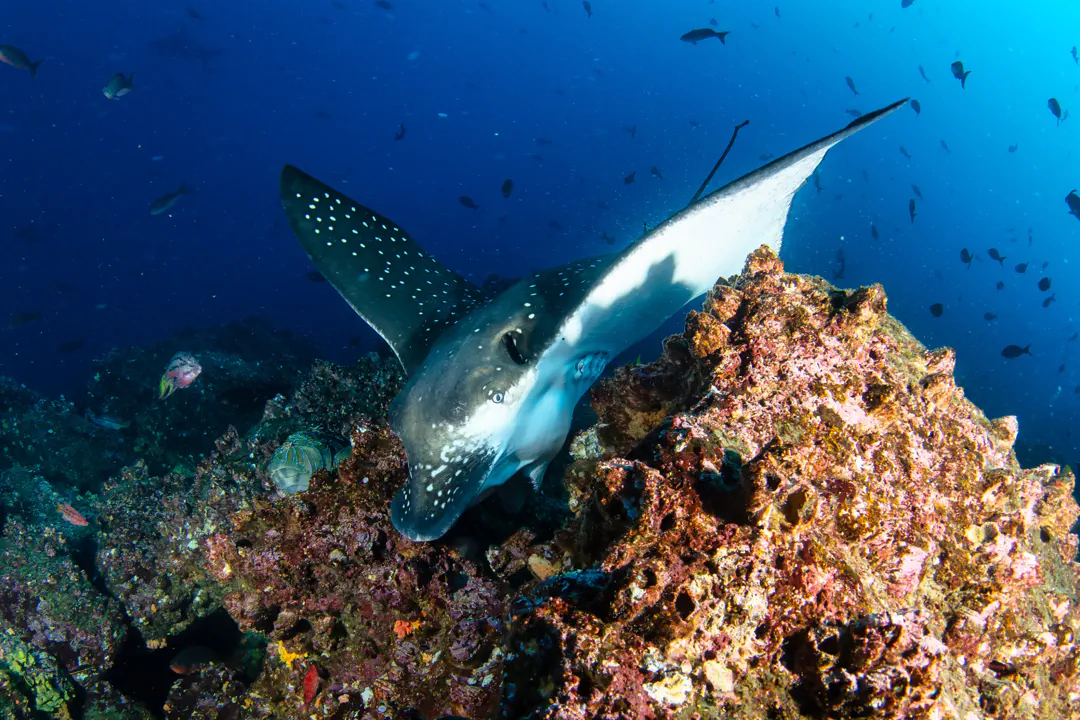
Every dive in the Maldives promises an encounter with something remarkable. Whether it's the thrill of drifting alongside a majestic manta ray, observing the intricate dance of a reef shark, or marveling at the kaleidoscopic colors of a coral garden, the Maldivian underwater world delivers an unforgettable experience. It's a place where the ocean's raw power and delicate beauty coexist, inviting exploration and inspiring awe.
 © seabook.appAll rights reserved
  © Daniel BenákCC BY 4.0 · iNaturalist
  © seabook.appAll rights reserved
  © seabook.appAll rights reserved
  © cello caruso-turielloCC BY 4.0 · iNaturalist
  © Paul Asman and Jill LenobleCC BY 4.0 · iNaturalist
 Geography and Climate: The Atolls' Formation
The Maldives is a geological marvel, an extraordinary collection of coral atolls that punctuate the vast expanse of the Indian Ocean. These atolls are the result of millions of years of geological and biological processes, where ancient volcanoes slowly subsided, leaving behind fringing coral reefs that continued to grow upwards, forming the distinctive ring-shaped structures we see today. This unique formation creates an incredibly diverse underwater topography, crucial for its rich marine life.
Within these atolls, divers encounter a variety of formations: 'thilas' are submerged seamounts or underwater islands, often rising from significant depths to just below the surface, acting as magnets for pelagic and reef species. 'Giris' are smaller, shallower pinnacles, typically not breaking the surface, adorned with vibrant coral gardens. The most exhilarating features for many divers are the 'kandus', or channels, which are breaks in the atoll barrier reef connecting the open ocean to the inner lagoon.
These channels are often swept by strong currents, bringing nutrient-rich waters that attract large schools of fish and powerful predators. The climate is tropical, characterized by two main monsoon seasons. The northeast monsoon (Iruvai) from December to May brings dry, calm weather and excellent visibility, making it ideal for diving.
The southwest monsoon (Hulhangu) from June to November brings more rain and stronger winds, but also stirs up nutrients, which can attract plankton feeders like manta rays and whale sharks to specific areas. Water temperatures remain consistently warm, typically between 26°C and 30°C (79°F to 86°F) year-round, ensuring comfortable diving conditions.
Best Time to Visit for Diving
Timing your Maldivian dive adventure is key to maximizing your experience, especially when seeking specific encounters. The dry season, running from December to May, is widely considered the peak diving season. During these months, the northeast monsoon ensures calm seas, minimal rain, and exceptional visibility, often exceeding 30 meters.
This period is ideal for exploring the intricate reef systems and enjoying comfortable, predictable conditions across most atolls. While the dry season offers excellent general diving, the transition months and specific atolls can offer unique opportunities. From December to May, the eastern side of the atolls, particularly in the central and southern regions, becomes a prime location for encountering majestic manta rays and the elusive whale sharks, drawn in by the prevailing currents and plankton blooms.
This makes South Ari Atoll a particular hotspot during these months. Conversely, the southwest monsoon from June to November, while bringing more wind and occasional rain, can also be rewarding. During this time, the western atoll sides, such as Baa Atoll, experience plankton-rich upwellings, attracting large aggregations of manta rays and whale sharks, especially at renowned sites like Hanifaru Bay (for snorkeling only).
Visibility might be slightly reduced in some areas due to the plankton, but the chance of pelagic encounters often outweighs this for many divers. Ultimately, the 'best' time depends on your priorities. For pristine visibility and calm conditions, aim for December to May.
If specific large animal encounters are your goal, research the seasonal movements of manta rays and whale sharks, as their presence can shift between the eastern and western sides of the atolls depending on the monsoon.
Water temperature
Maldives, monthly average
Malé area (North Malé Atoll), central Maldives; typical scuba diving depths 10-30m where surface temps apply
Maldives' Rich Marine Ecosystems
The Maldivian waters are a vibrant tapestry of marine ecosystems, each playing a vital role in supporting the incredible biodiversity found here. From the shallow, sun-drenched lagoons to the deep, nutrient-rich channels, every habitat teems with life, creating an underwater spectacle that captivates every diver. The health of these ecosystems is largely attributed to the extensive coral reefs that form the very foundation of the atolls, providing shelter, food, and breeding grounds for countless species.
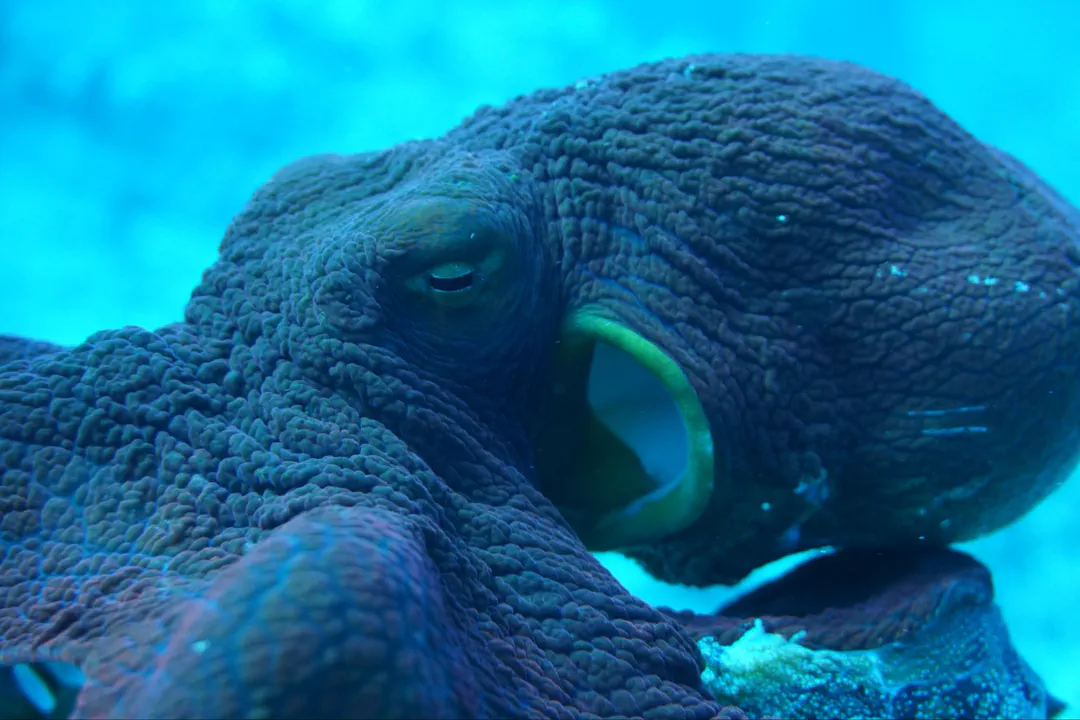
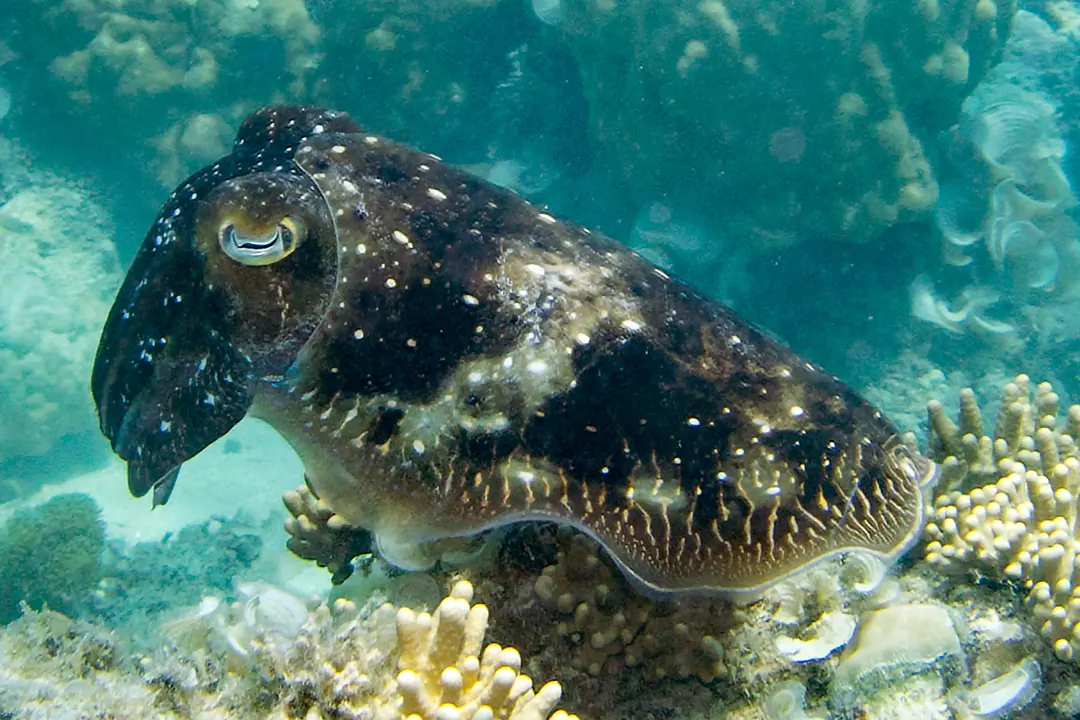
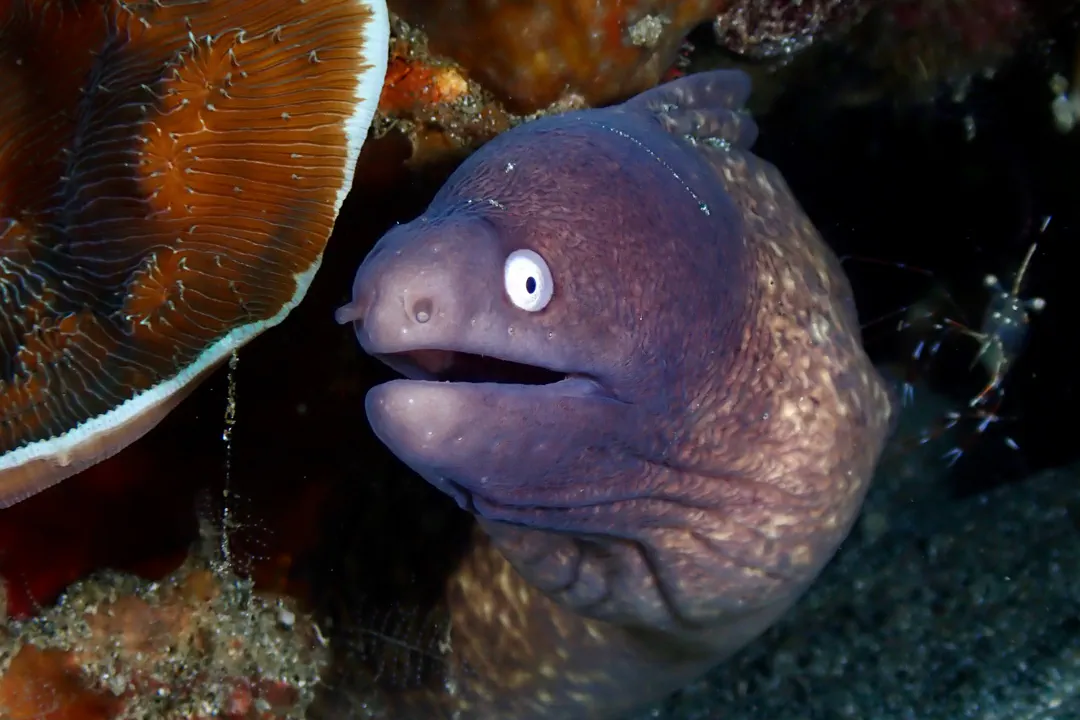
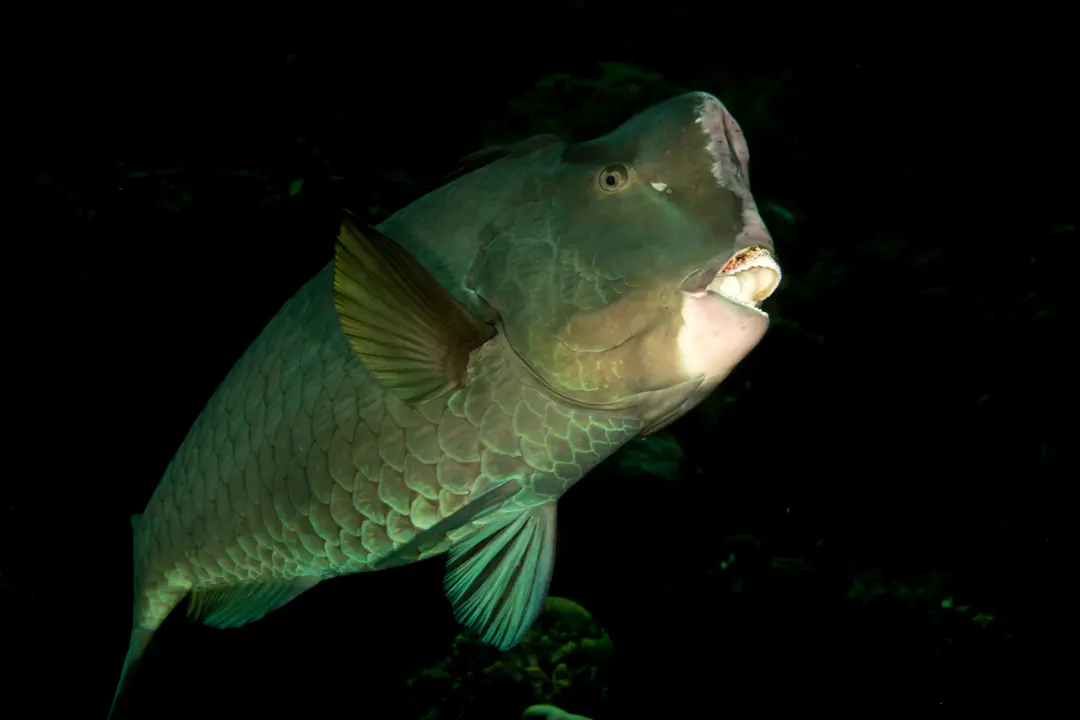
Vibrant coral gardens dominate the shallower reefs and pinnacles, displaying a dazzling array of hard and soft corals. These living structures are home to a myriad of colorful reef fish, including parrotfish like the impressive Bumphead Parrotfish, vibrant butterflyfish, and nimble damselfish. Moray eels, such as the Thyrso's Moray, peer out from crevices, while various species of octopus and cuttlefish expertly camouflage themselves amidst the reef architecture.
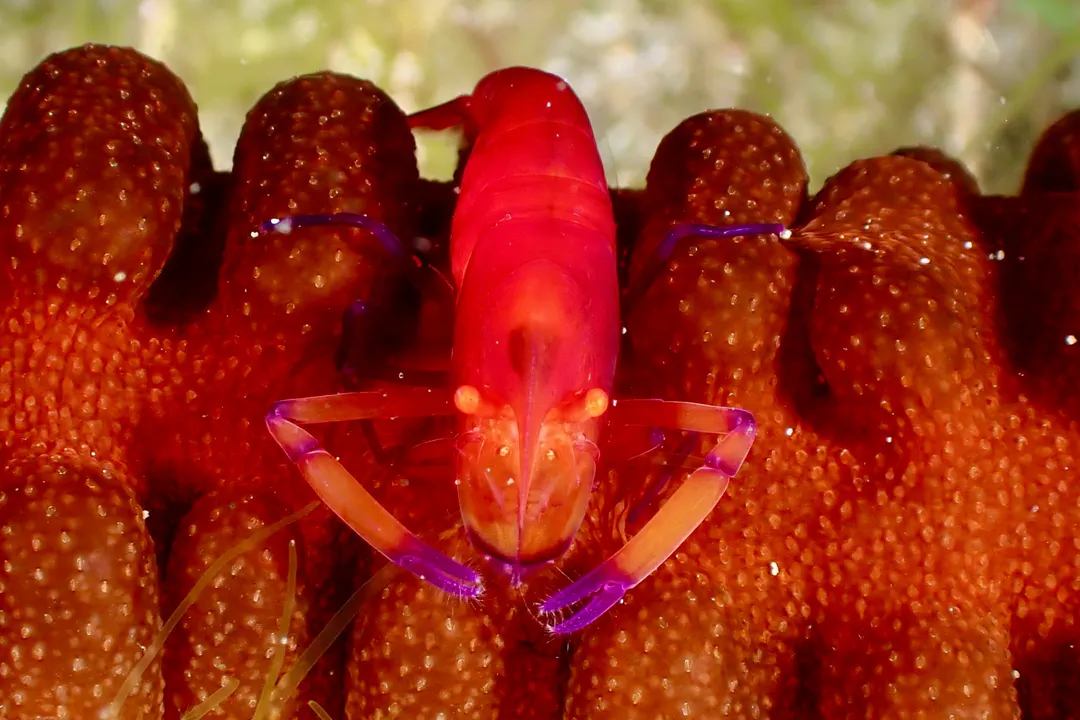
The intricate relationships between these creatures, from cleaner shrimp like the Emperor Shrimp attending to larger fish, to anemone crabs and porcelain crabs nestled within their host anemones, offer endless macro photographic opportunities. Beyond the reefs, the deeper channels and open ocean attract a different cast of characters. These areas, swept by strong currents, are highways for pelagic species.
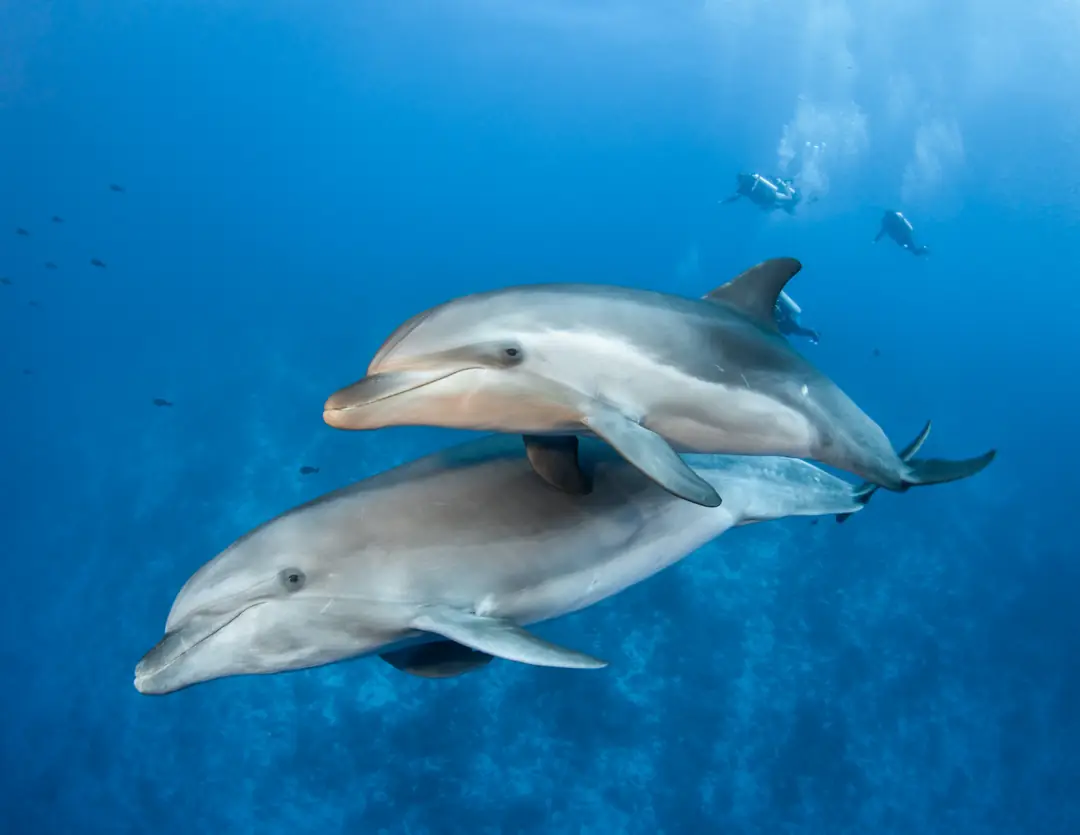
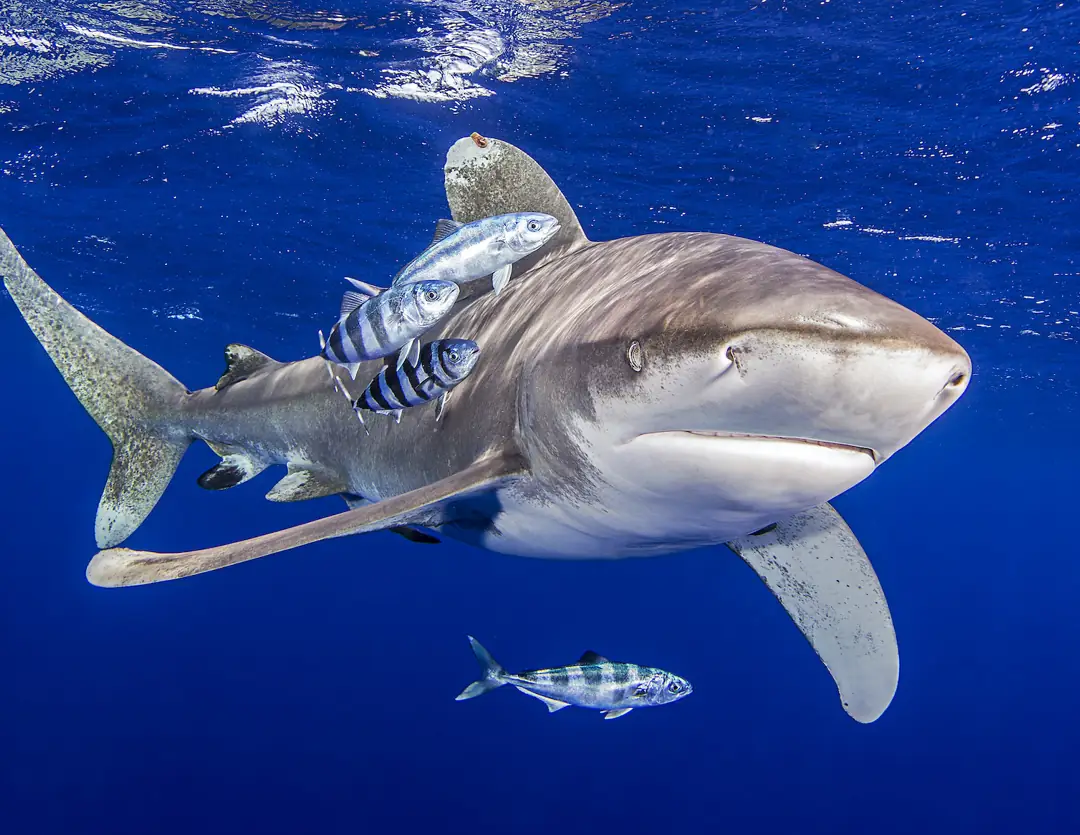
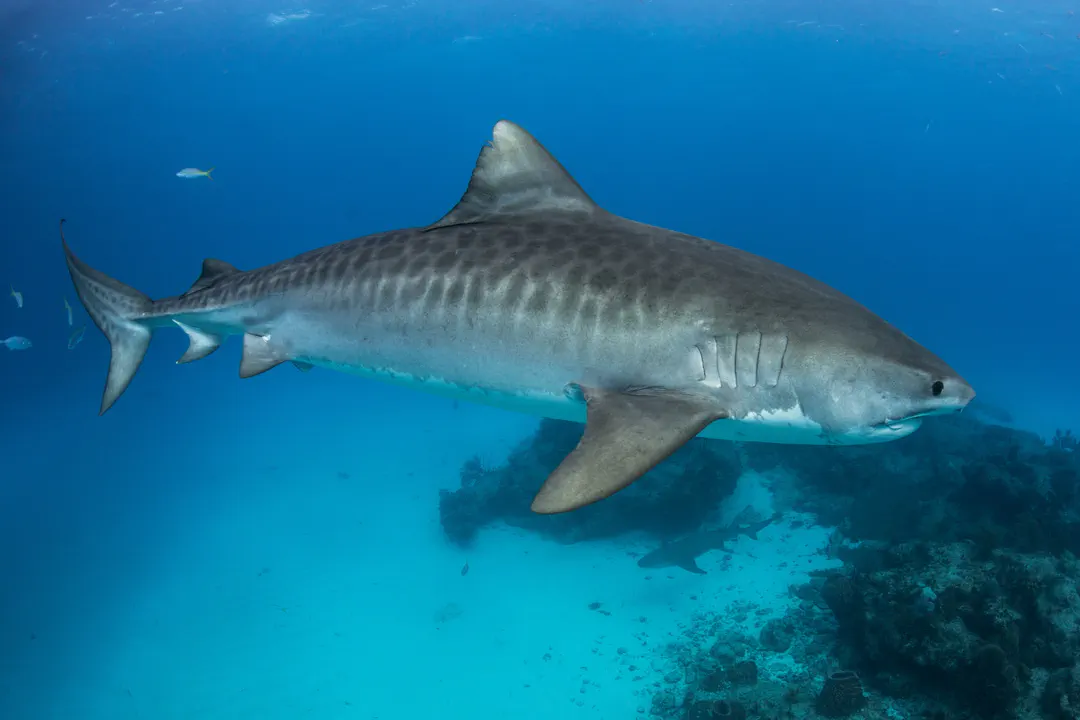
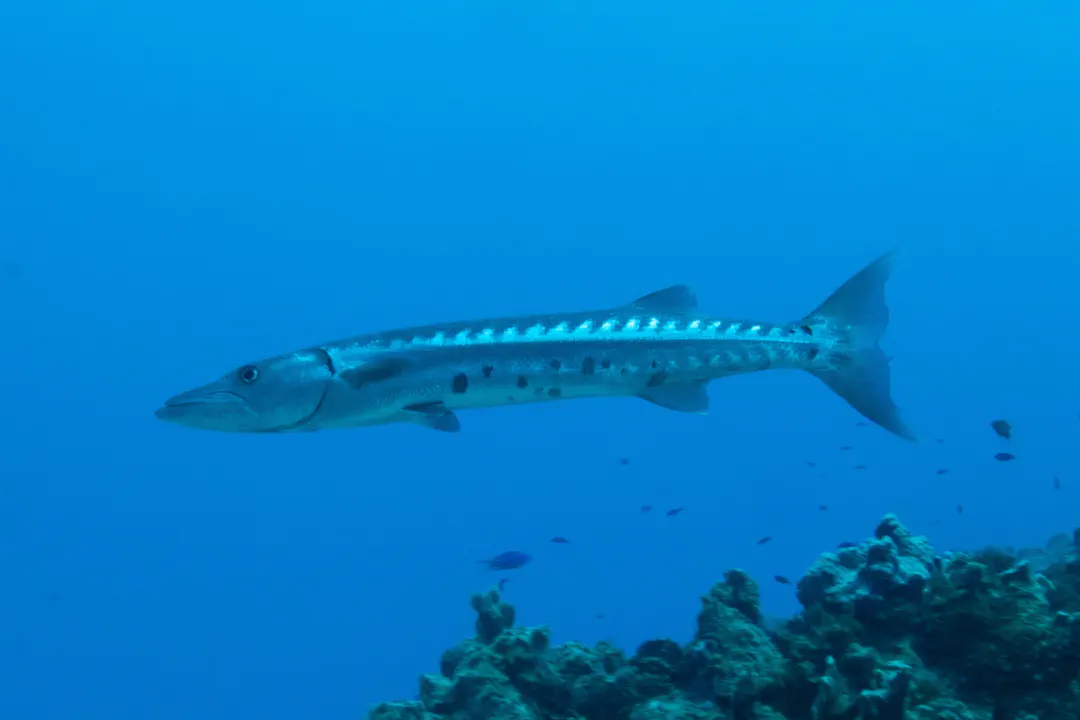
Here, divers can encounter majestic sharks like the Oceanic Whitetip and Tiger Shark, gracefully gliding eagle rays, and powerful barracudas. Schools of fusiliers and sardines move in synchronized ballets, often pursued by larger predators, creating thrilling action. Dolphins, including Bottlenose Dolphins, frequently traverse these waters, often putting on spectacular aerial displays.
The Maldivian ecosystem is a testament to the ocean's power and resilience, offering a microcosm of marine life that is both breathtakingly beautiful and incredibly diverse. Each dive reveals a new facet of this thriving underwater world, from the smallest invertebrates like the Peacock Mantis Shrimp to the largest filter feeders, making every moment spent beneath the waves a discovery.
 © seabook.appAll rights reserved
  © seabook.appAll rights reserved
  Chris SpainCC0 · iNaturalist
  © Roger RittmasterCC BY 4.0 · iNaturalist
  © seabook.appAll rights reserved
  © seabook.appAll rights reserved
 Top Dive Sites in the Maldives
Banana Reef (North Male Atoll)
Banana Reef holds the distinction of being one of the Maldives' oldest and most celebrated dive sites, a true icon in the North Male Atoll. Its distinctive banana-like shape, stretching over 300 meters, gives it its name and contributes to its unique underwater topography. The reef is renowned for its stunning coral formations, featuring dramatic overhangs, small caves, and vibrant soft corals that drape across the reef structure, creating an otherworldly landscape.
Diving here typically involves exploring depths between 5 and 30 meters, offering something for divers of all experience levels. Visibility is consistently excellent, often exceeding 25 meters, allowing for clear views of the bustling marine life. While currents can be mild to moderate, they are generally manageable, making it a comfortable drift dive.
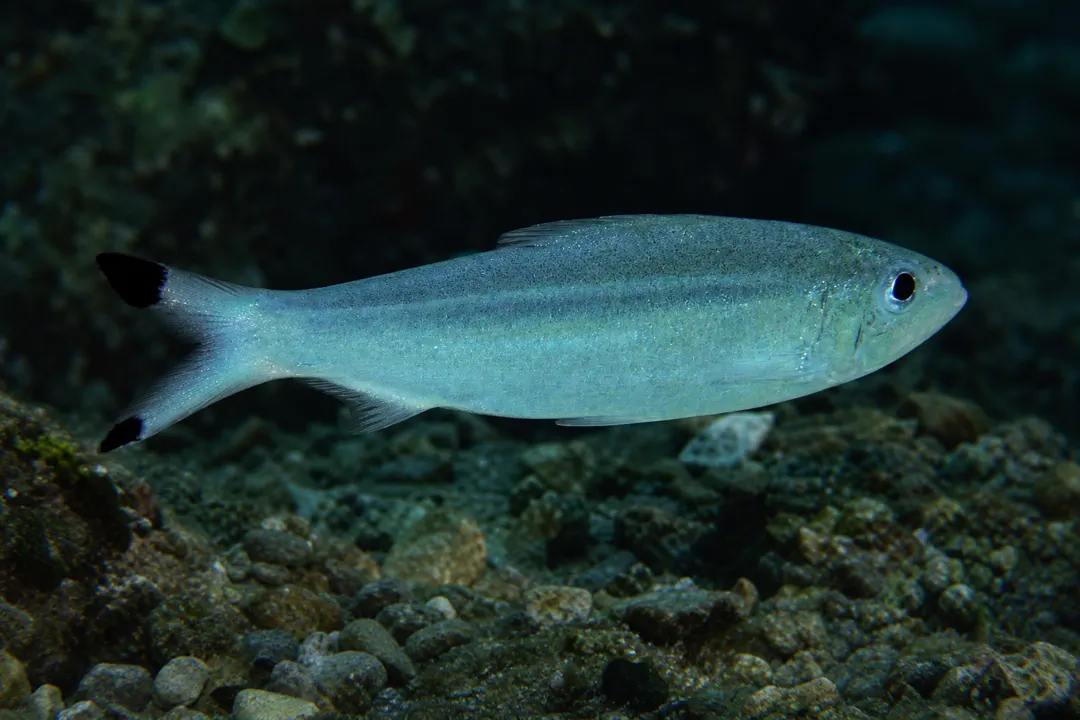
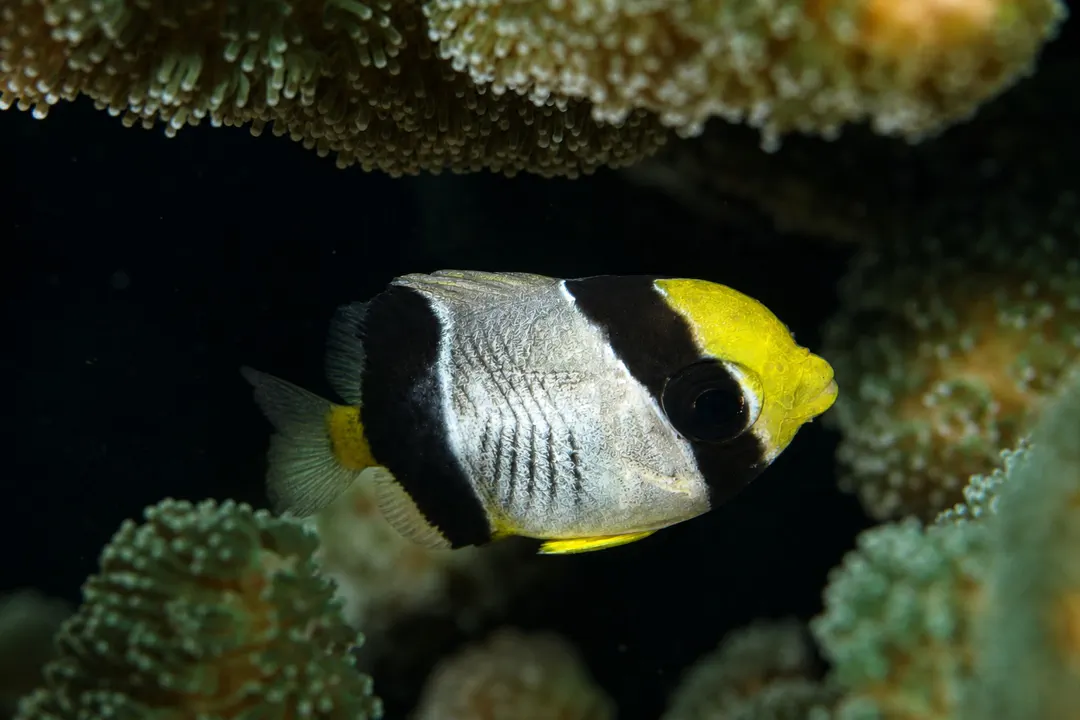
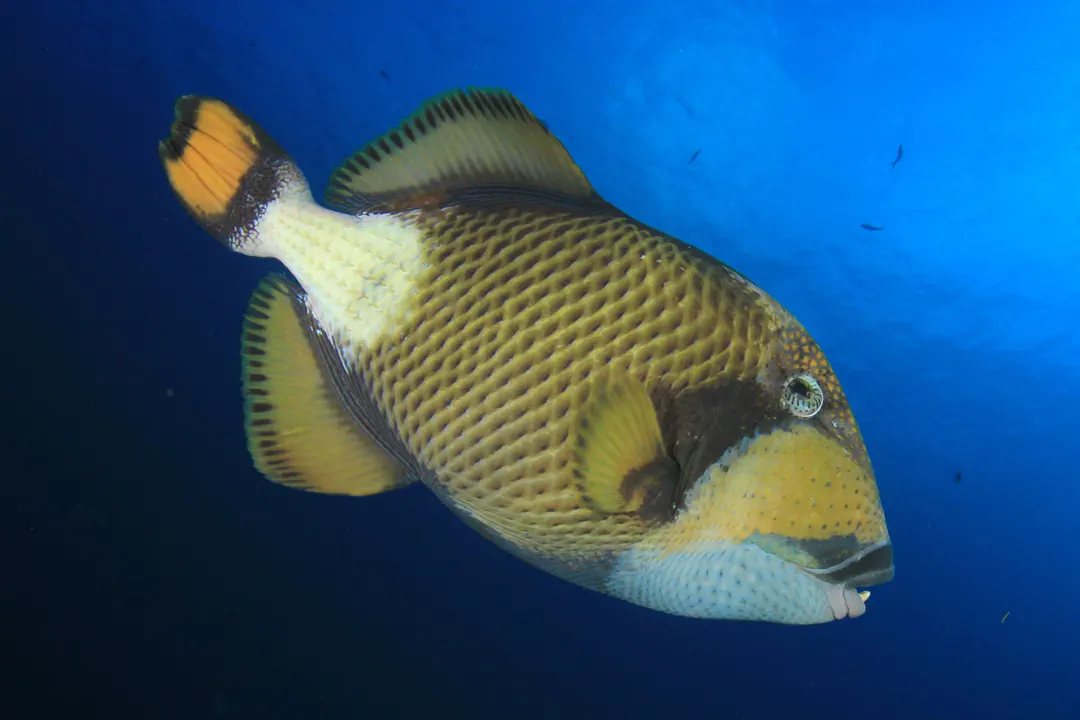
Banana Reef is a kaleidoscope of color, teeming with a diverse array of reef fish. Expect to encounter large schools of Blue-striped Snappers, Oriental Sweetlips, and various species of bannerfish and butterflyfish, including the Three-striped Butterflyfish. The reef's crevices and overhangs provide shelter for moray eels and groupers, while resident triggerfish, like the Titan Triggerfish, patrol their territories.
Keep an eye out for larger predators such as Grey Reef Sharks and barracudas that occasionally cruise by, adding an element of thrill to this vibrant reef experience.
 © seabook.appAll rights reserved
  © portioidCC BY 4.0 · iNaturalist
 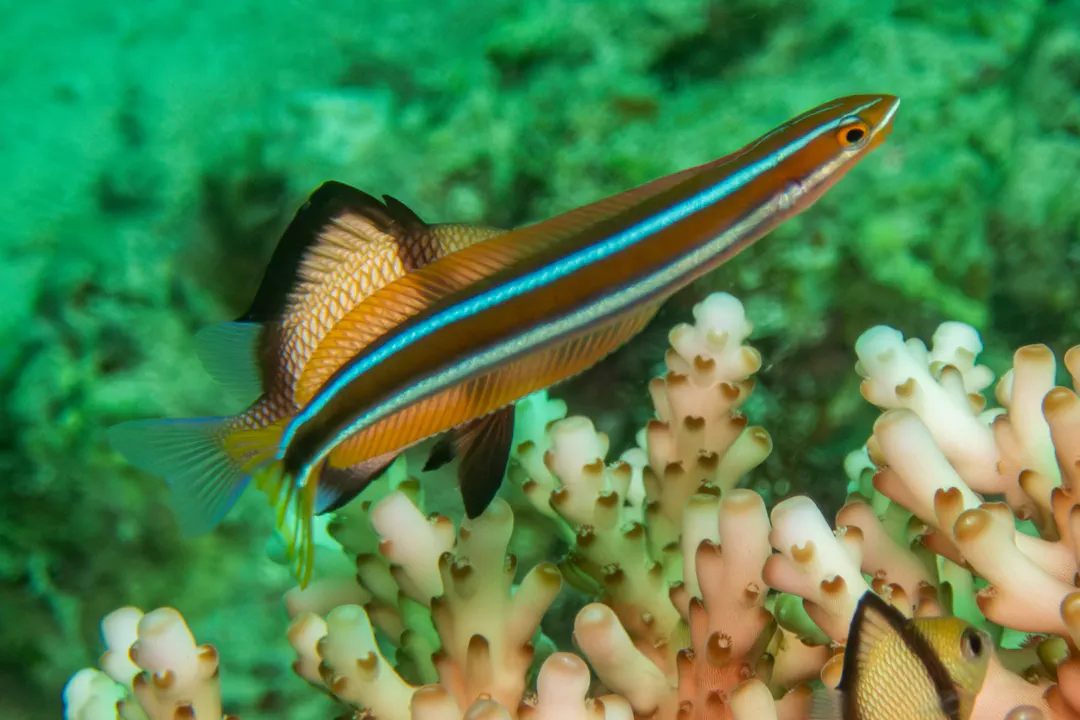 © portioidCC BY 4.0
 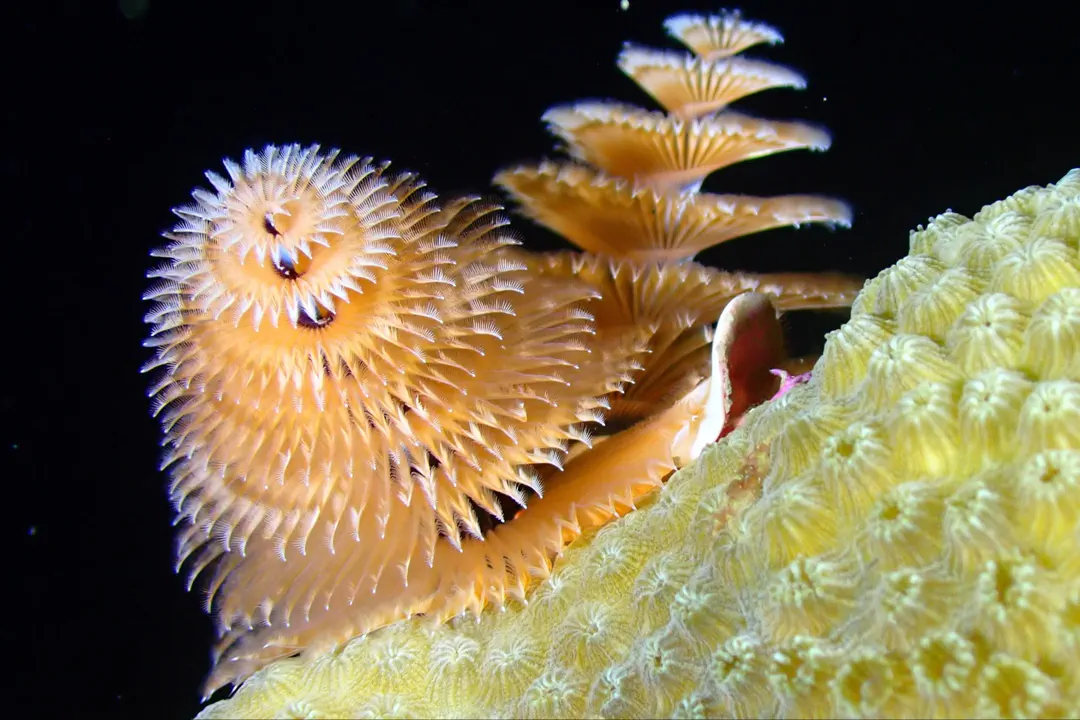 © Robin WhiteCC BY 4.0 · iNaturalist
 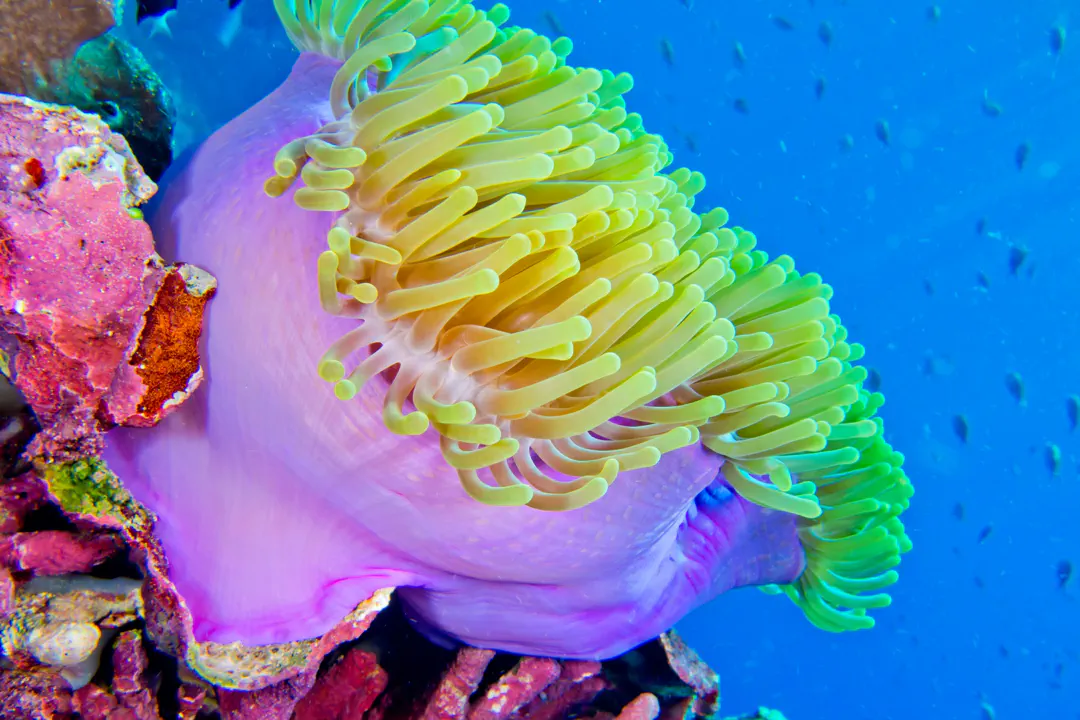 © seabook.appAll rights reserved
 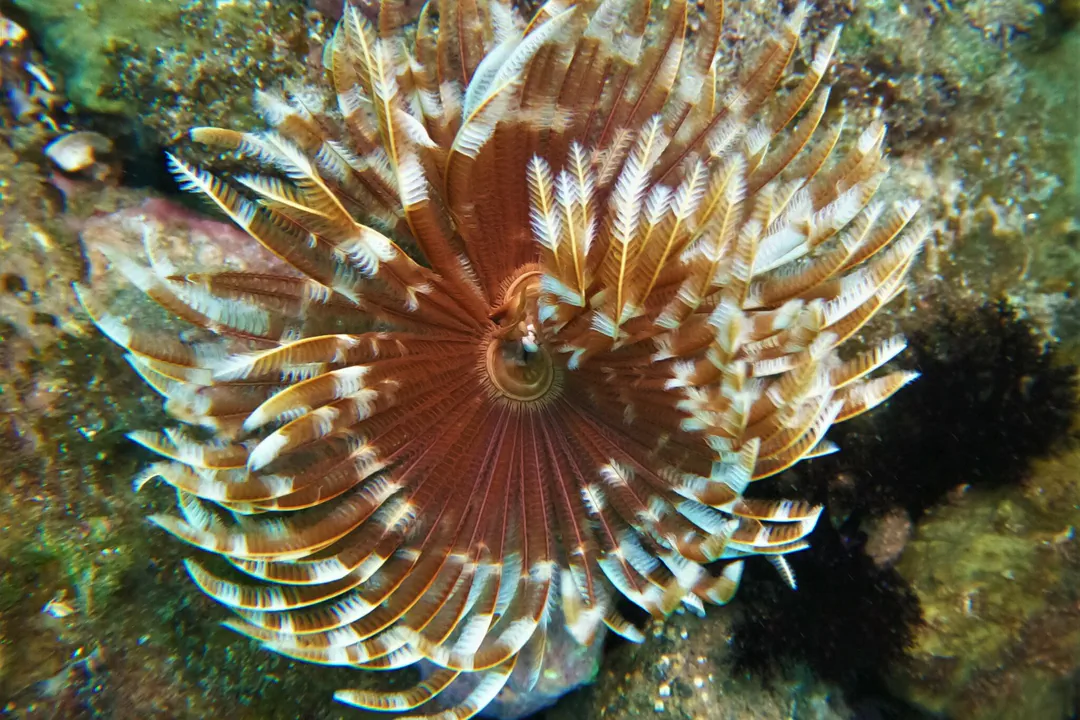 © Alberto AlcaláCC BY 4.0 · iNaturalist
 Maaya Thila (South Ari Atoll)
Often dubbed 'Shark Thila,' Maaya Thila is a small, inverted bell-shaped pinnacle rising from depths of over 50 meters to just 8 meters below the surface in the South Ari Atoll. This site is a high-energy dive, famous for its dramatic currents and the incredible concentration of marine life it attracts. Its reputation for nocturnal shark activity is well-earned, with divers often witnessing the thrilling spectacle of Whitetip Reef Sharks hunting in the darkness.
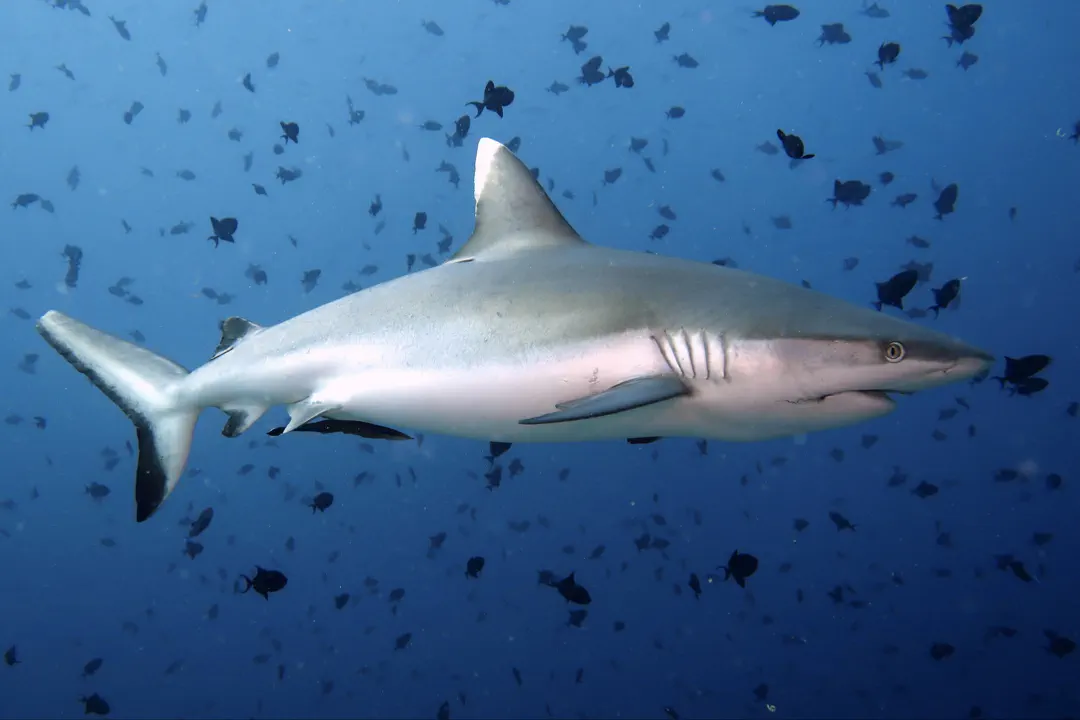
During daylight hours, the thila remains a hive of activity. Divers frequently encounter numerous Grey Reef Sharks patrolling the edges of the pinnacle, often in groups. Large schools of snappers, fusiliers, and trevally swirl around the reef, creating dynamic scenes.
The vibrant soft corals that adorn the thila are home to a variety of macro life, including colorful nudibranchs and flatworms, while octopus and cuttlefish are often spotted camouflaged amongst the rocks. Maaya Thila offers exhilarating drift dives, with currents ranging from moderate to strong, making it best suited for experienced divers. Visibility is typically excellent, often reaching 20-30 meters.
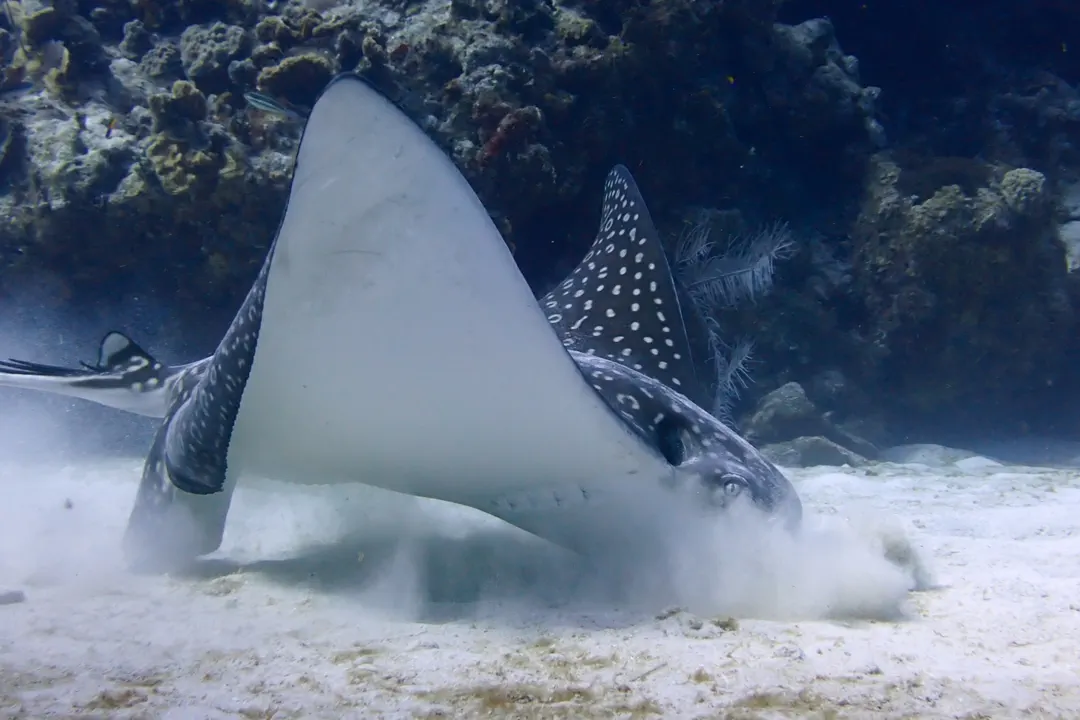
Beyond the sharks, divers can also spot graceful Spotted Eagle Rays gliding past, green sea turtles resting on ledges, and impressive barracudas hanging in the blue. The site's diverse ecosystem ensures that every dive reveals something new and exciting, making it a perennial favorite for thrill-seekers.
 © Dan SchofieldCC BY 4.0 · iNaturalist
  © Rickard ZerpeCC BY 4.0 · iNaturalist
  © Ewout KnoesterCC BY-SA 4.0 · iNaturalist
 Fish Head (Mushimasmingali Thila) (North Ari Atoll)
Fish Head, officially known as Mushimasmingali Thila, is a renowned dive site in the North Ari Atoll and a designated protected marine area. This thila is a magnet for large marine life, particularly its resident population of Grey Reef Sharks. Divers can expect to see these powerful predators in significant numbers, often circling the pinnacle's edges or resting on sandy patches, making for thrilling encounters.
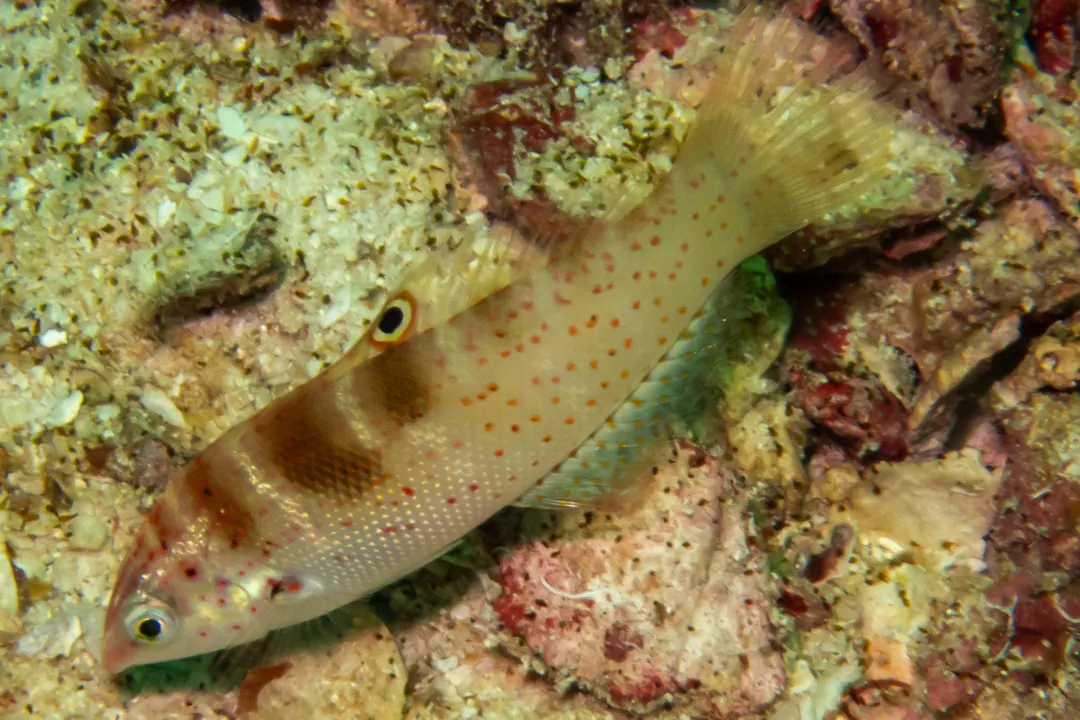
The site's strong currents, which can be challenging, are precisely what attract such a rich diversity of species. The thila itself is adorned with beautiful soft corals, which sway rhythmically with the currents, providing a stunning backdrop to the action. These corals also harbor a variety of smaller reef inhabitants, including colorful anemone fish, parrotfish, and various wrasse species.
Visibility typically ranges from 20-30 meters, offering clear views of the vibrant ecosystem. Beyond the sharks, Fish Head is famous for its abundance of schooling fish. Massive schools of fusiliers, snappers, and trevally often congregate around the thila, creating dazzling displays of synchronized movement.
Barracudas, tunas, and occasional eagle rays also frequent the area, drawn by the rich food source. The sheer density of marine life and the constant presence of Grey Reef Sharks make Fish Head an unforgettable dive for experienced divers seeking high-adrenaline action and spectacular underwater photography opportunities.
Kudarah Thila (South Ari Atoll)
Nestled in the South Ari Atoll, Kudarah Thila is celebrated for its breathtaking soft corals and dramatic underwater architecture, making it a feast for the eyes and a haven for both wide-angle and macro photographers. The thila features impressive overhangs and small caves that are richly decorated with vibrant, colorful soft corals, creating a truly picturesque environment. The depth ranges from around 12 meters to over 30 meters, catering to a wide range of diving preferences.
While Kudarah Thila's beauty lies in its intricate coral formations, it also offers exciting encounters with larger marine species. Divers frequently spot graceful Spotted Eagle Rays gliding effortlessly in the blue, and various species of reef sharks, including Grey Reef Sharks, patrolling the deeper sections. Currents here can vary from mild to moderate, making for comfortable drift dives, and visibility is consistently excellent, often exceeding 25 meters.
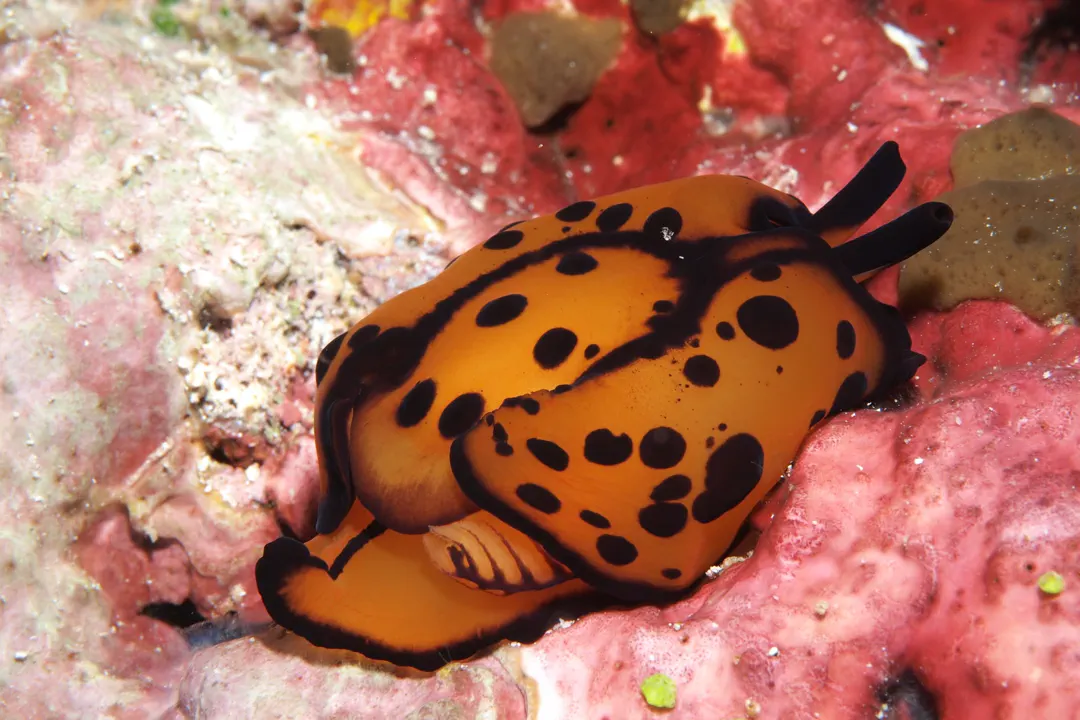
For those with a keen eye for the smaller wonders, Kudarah Thila is a macro paradise. The soft corals and crevices are home to a fascinating array of invertebrates, including various species of nudibranchs, cleaner shrimp, and porcelain crabs. Look closely, and you might discover a Peacock Mantis Shrimp darting from its lair or a perfectly camouflaged octopus.
This combination of stunning corals, diverse macro life, and pelagic encounters ensures that Kudarah Thila offers a truly comprehensive and captivating Maldivian dive experience.
 Chris SpainCC0 · iNaturalist
 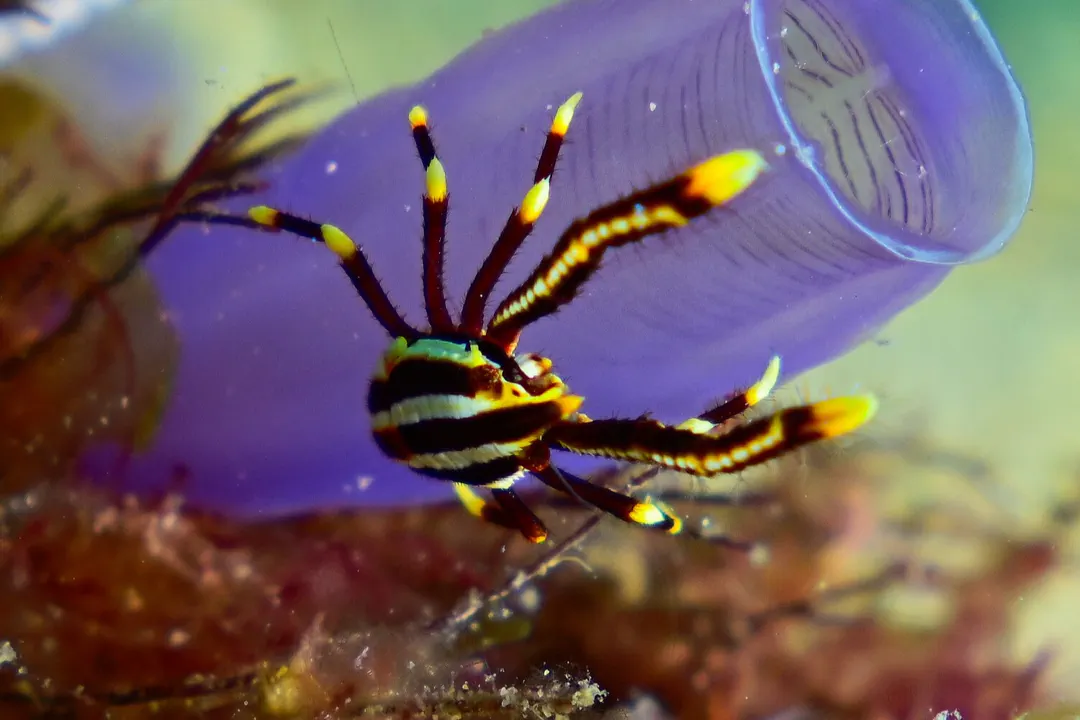 © Bernie WongCC BY 4.0 · iNaturalist
 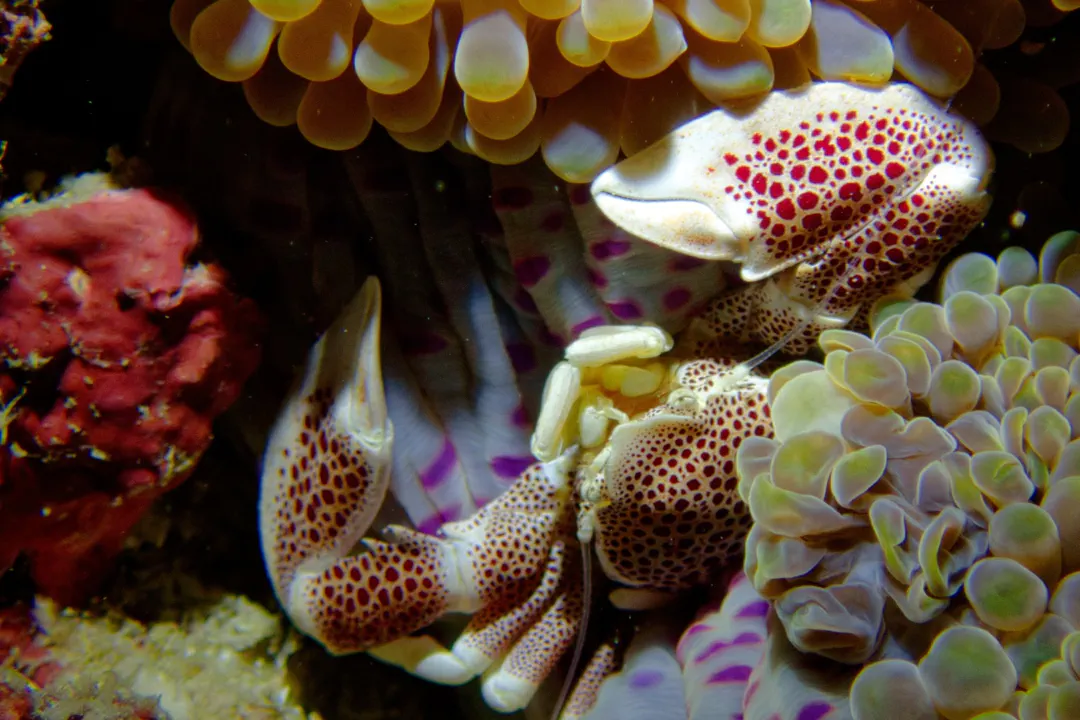 © Jay ParolineCC BY 4.0 · iNaturalist
 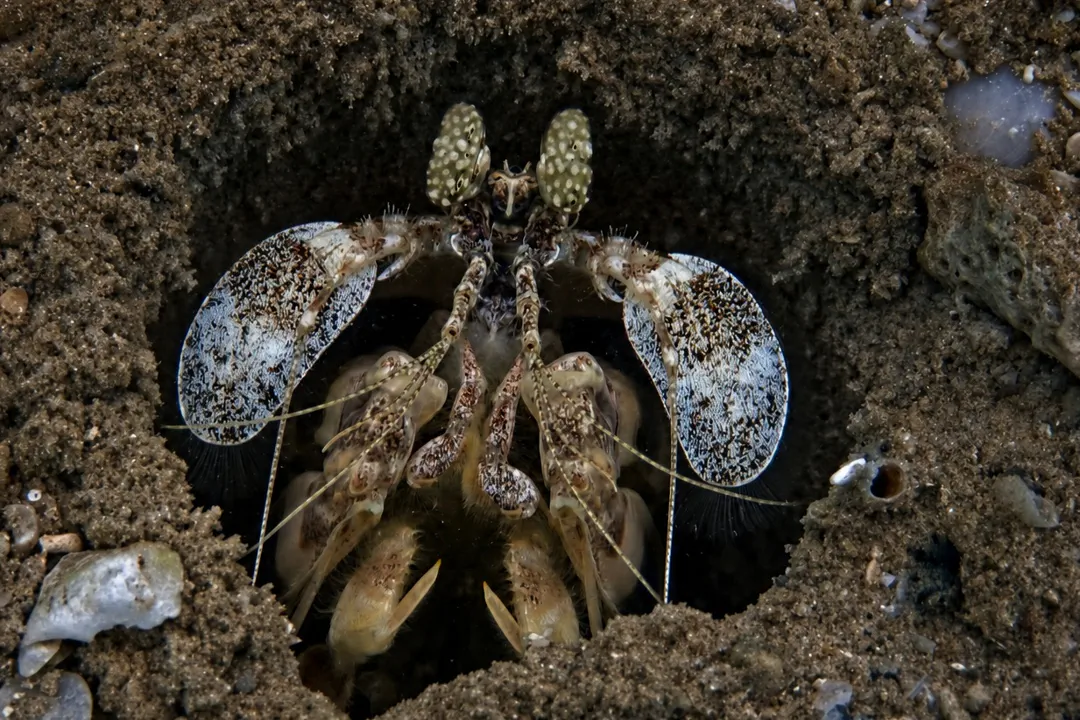 © seabook.appAll rights reserved
 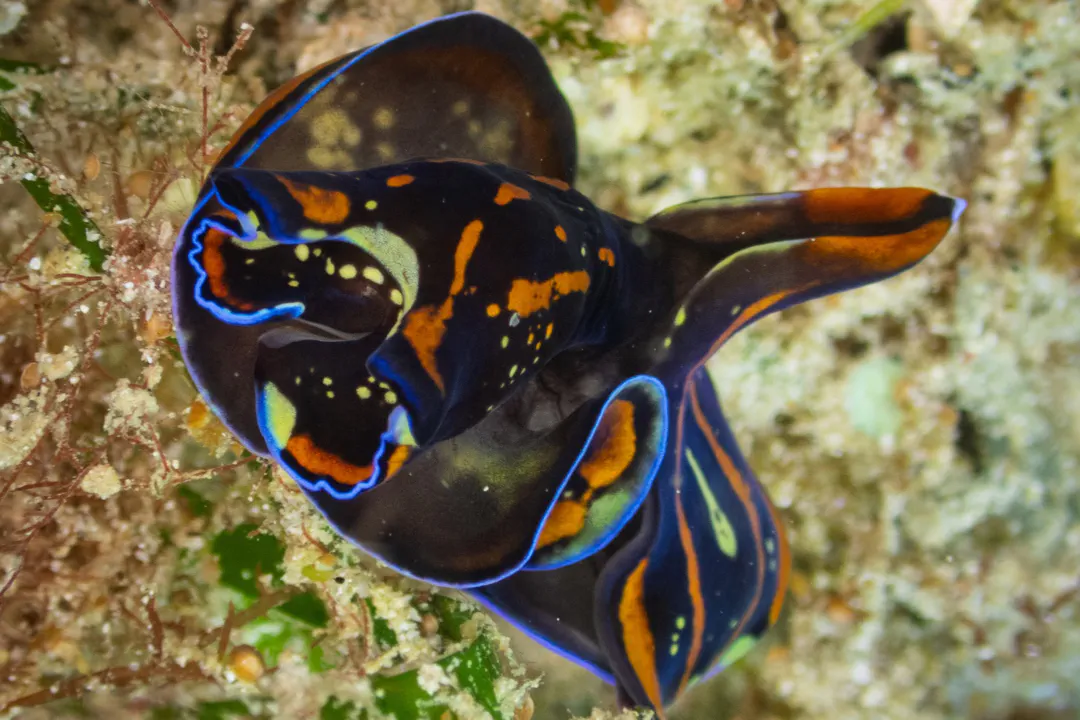 © Pierre PericardCC BY 4.0 · iNaturalist
  © Steve ChildsCC BY 4.0 · iNaturalist
 Mamigili Outpost (South Ari Atoll)
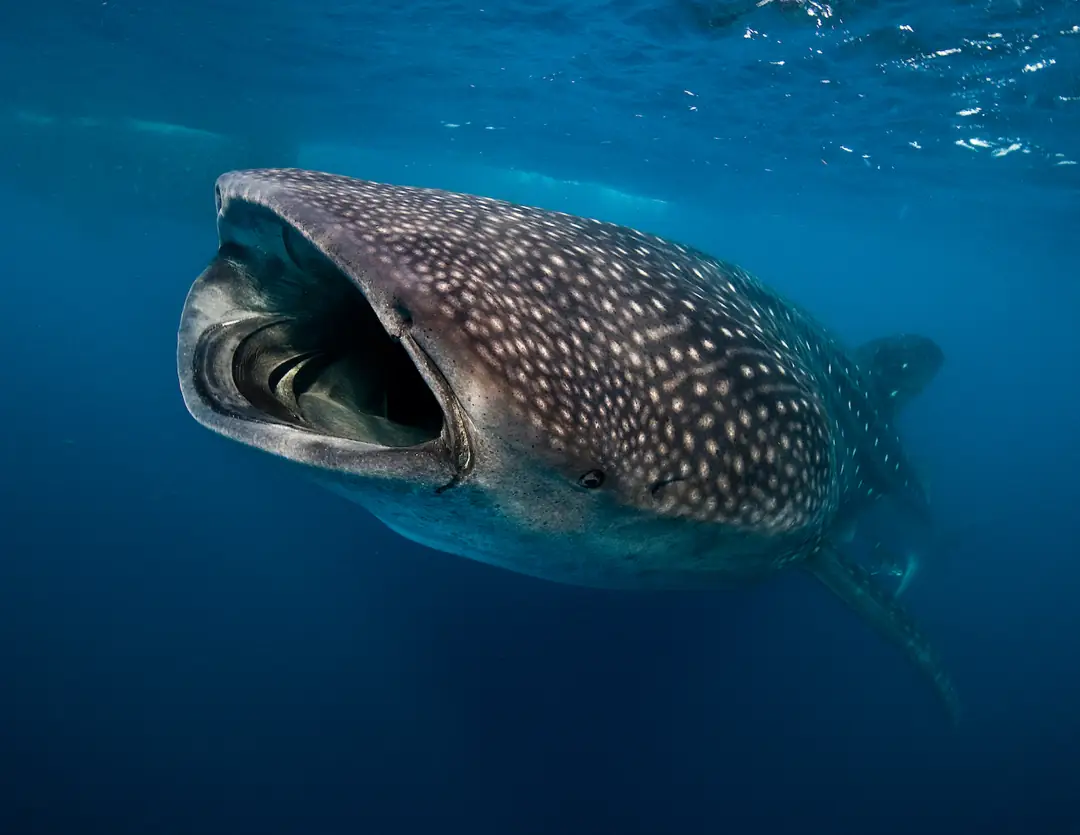
Mamigili Outpost, located in the South Ari Atoll, is not a traditional reef dive site with elaborate coral formations, but rather a renowned open ocean area famous for one extraordinary reason: it is a year-round hotspot for whale shark sightings. This makes it an unparalleled destination for those dreaming of encountering the ocean's largest fish. The area is characterized by its deep, open waters, where strong currents bring in plankton, attracting these gentle giants.
While most encounters are typically snorkeling experiences due to the whale sharks often being found near the surface, dedicated dive operators also offer opportunities to dive alongside them. The thrill of being in the water with these majestic creatures, watching them glide effortlessly through the blue, is an experience that transcends mere diving. Visibility in the open ocean here is generally excellent, often reaching 20-30 meters, providing clear views of the magnificent whale sharks.
Beyond the whale sharks, the open waters around Mamigili Outpost can also yield sightings of other pelagic species. Bottlenose Dolphins frequently traverse these areas, and on rarer occasions, even Oceanic Whitetip Sharks might be spotted. The focus, however, remains firmly on the awe-inspiring presence of the whale sharks, making this a bucket-list destination for any marine enthusiast seeking a truly unique and unforgettable encounter with the ocean's gentle giants.
 © seabook.appAll rights reserved
 Practical Diving Tips for the Maldives
Embarking on a Maldivian dive adventure requires a bit of planning to ensure a seamless and unforgettable experience. One of the first decisions you'll face is choosing between a liveaboard and a resort-based diving holiday. Liveaboards offer the ultimate flexibility, allowing you to explore multiple atolls and remote dive sites, often reaching areas inaccessible from resorts.
They are ideal for serious divers seeking maximum bottom time and diverse dive opportunities. Resort diving, on the other hand, provides a comfortable base with daily excursions to nearby reefs, perfect for those who prefer a balance of diving and relaxation. Maldivian dive sites are renowned for their currents, especially in the channels (kandus) where pelagic encounters are frequent.
These currents can range from mild drifts to strong torrents, bringing in nutrient-rich waters that attract large marine life. While exhilarating, strong currents require good buoyancy control and experience. It's advisable to be comfortable with drift diving, and an Advanced Open Water certification is highly recommended to access deeper sites and make the most of channel dives.
Always listen carefully to your dive guide's briefing and stay close to your buddy. Understanding local regulations and respecting the marine environment are paramount. The Maldives has strict rules against touching corals or marine life, collecting souvenirs, or disturbing the delicate ecosystem.
Always maintain a respectful distance from animals, especially large pelagics like manta rays and whale sharks, to avoid stressing them. Using reef-safe sunscreen is also encouraged to protect the corals from harmful chemicals. To enhance your diving experience, consider bringing your own dive computer and a reef hook (used strictly for hooking onto barren rock or dead coral in strong currents, never living coral).
Nitrox certification is also a significant advantage, allowing for extended bottom times on repetitive dives. With these tips in mind, you're well-prepared to safely and joyfully explore the breathtaking underwater world of the Maldives, creating memories that will last a lifetime.
Frequently Asked Questions
Questions
What is the best time of year to dive in the Maldives?
The dry season, from December to May, generally offers the best visibility and calmest seas. However, specific encounters like manta rays and whale sharks can vary by atoll and season.
Are there strong currents in the Maldives?
Yes, many Maldivian dive sites, especially channels (kandus), are known for strong currents. These currents bring in nutrient-rich water, attracting large pelagics, but require experienced divers to navigate safely.
What marine life can I expect to see?
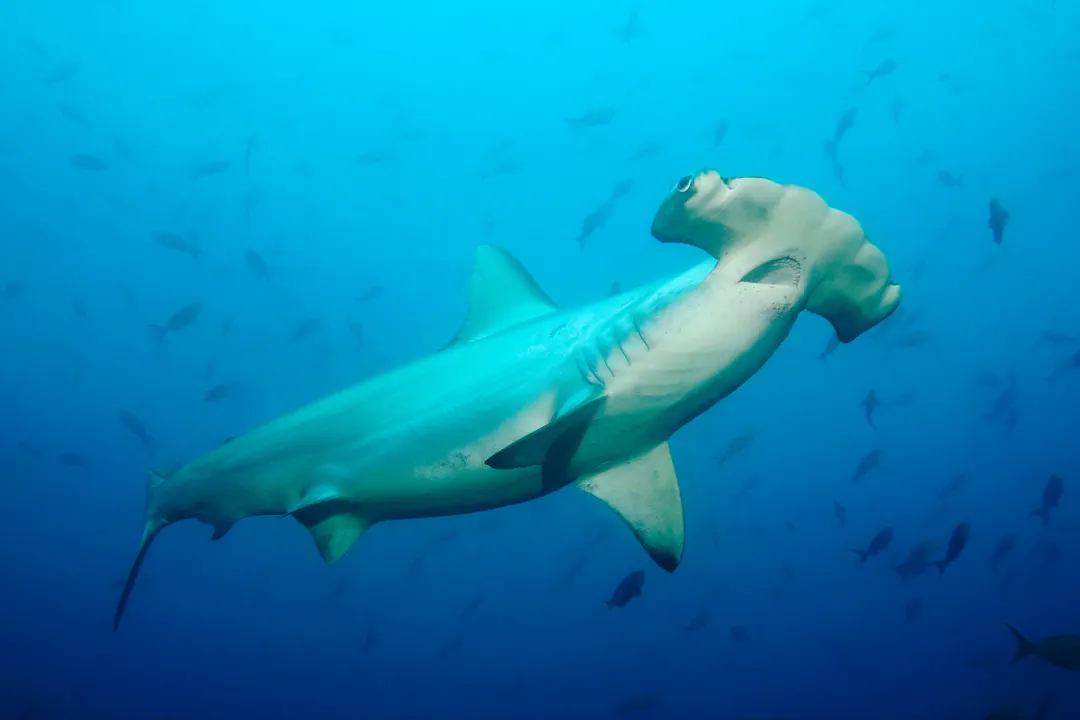
The Maldives is teeming with diverse marine life, including various species of sharks (grey reef, whitetip, hammerhead, whale sharks), manta rays, eagle rays, turtles, dolphins, vibrant reef fish, and a vast array of invertebrates.
Do I need special certifications for diving in the Maldives?
While Open Water certification is sufficient for many dives, an Advanced Open Water certification is recommended to access deeper sites and drift dives in channels. Nitrox certification is also beneficial for extended bottom times.