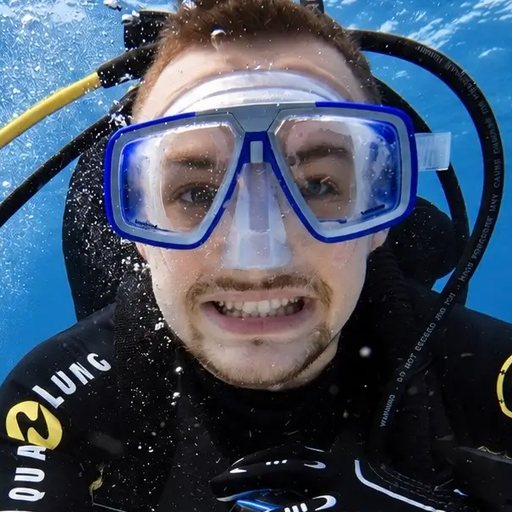
Introduction to the Philippines' Underwater World
The Philippines, an archipelago comprising 7,648 islands, sits majestically at the heart of the Coral Triangle, a region renowned as the global epicenter of marine biodiversity. This prime location endows its waters with an unparalleled richness, boasting over 2,000 reef fish and 600 coral types, making it an extraordinary destination for divers of all levels. From exhilarating encounters with pelagic giants like the elusive thresher sharks at Malapascua's Monad Shoal, found at depths between 20-40 meters, to the intricate world of cryptic critters revealed during muck dives on Anilao's volcanic black sand slopes, the variety of dive experiences here is simply astounding.
The archipelago's 300,000 square kilometers of ocean offer more than 100 distinct dive sites, with visibility often ranging from 10 to 40 meters, promising breathtaking reef walls, fascinating wrecks, and vibrant pinnacles year-round. Organized diving in the Philippines traces its roots back to the 1960s in Batangas, evolving into a thriving industry that now attracts approximately 500,000 divers annually. This enduring appeal is fueled by the nutrient-rich waters, fed by 20 major rivers and constant upwelling currents, which sustain a robust food chain from microscopic plankton to formidable apex predators.
Whether you seek thrilling shark encounters or prefer to meticulously search for rare macro life, the Philippines offers an unforgettable underwater adventure, cementing its reputation as a premier global diving destination.
 © Ed CoreyAll rights reserved
  © seabook.appAll rights reserved
  © seabook.appAll rights reserved
  © Daniel BenákCC BY 4.0 · iNaturalist
  © seabook.appAll rights reserved
  © cello caruso-turielloCC BY 4.0 · iNaturalist
 Geography and Climate for Divers
The Philippine archipelago stretches approximately 1,850 kilometers from north to south, cradling the Sulu and Visayan Seas within the very heart of the Coral Triangle. This strategic position, where currents from the Indonesian, Pacific, and South China Seas converge, delivers an astonishing 12 million tons of nutrients annually, fueling an incredibly vibrant marine ecosystem. Over 400 marine protected areas, spanning 1.5 million hectares, act as vital buffers, safeguarding the delicate reefs from siltation originating from the country's 22 major rivers.
While the region experiences an average of 20 typhoons per year, these natural events dynamically sculpt the underwater topographies, creating a diverse landscape of sheer walls and rubble slopes that are fascinating to explore. The Philippines boasts a tropical climate, maintaining consistent air temperatures between 25-32°C with humidity often exceeding 80%. This ensures year-round diving potential, largely unaffected by seasonal shifts, except during the peak southwest monsoons which may limit access to more exposed sites.
The Coral Triangle's unparalleled position also facilitates extensive larval dispersal, resulting in the presence of 76% of all global coral genera across the 27,000 square kilometers of Philippine shelf waters. Dive sites here range from easily accessible shore dives at 5 meters to dramatic pinnacles dropping beyond 50 meters, often showcasing consistent visibilities of 15-30 meters outside the wet season. Notably, the Verde Island Passage alone is a biological hotspot, hosting 60% of the world's shorefish species within its 1.3 million hectares, with magnificent sea fans and gorgonians adorning the walls of sites like Apo Reef.
Best Time to Visit and Water Temperatures
The Philippines experiences two primary seasons: the dry season from November to May and the wet season from June to October. For optimal diving conditions, the dry season is generally preferred, offering calm seas with swells typically under 1 meter and exceptional visibilities that can reach up to 40 meters. This period is ideal for exploring famous pelagic drift dives in Tubbataha and for the renowned dawn thresher shark hunts at Malapascua, usually conducted between 18-36 meters.
While the wet season brings increased rainfall and can result in reduced visibilities (5-10 meters) and larger waves (2-4 meters), limiting access to some exposed sites, it also enhances the experience at sheltered locations like Anilao, which boasts over 50 muck diving spots. Certain regions, such as Cebu and Bohol, offer excellent diving opportunities year-round, while Palawan's Coron wrecks often benefit from improved conditions post-typhoon, with enhanced plankton blooms attracting schools of fusiliers. One of the greatest advantages of diving in the Philippines is its consistently warm water temperatures.
Surface temperatures generally hover between 27-30°C throughout the year, dropping only slightly to around 25°C at depths of 40 meters. This allows divers to enjoy their explorations with minimal exposure protection, typically a 3mm shorty or even just a rash guard. Historical typhoon tracks show that 70% of these storms strike Luzon, often sparing popular Visayas sites like Moalboal, famous for its incredible sardine runs where bait balls of up to 5,000 fish per cubic meter are visible from just 10 meters deep.
For Tubbataha, the recommended diving window of March to June aligns perfectly with comfortable 28-29°C pinnacle dives and peak manta ray aggregations.
Water temperature
Philippines, monthly average
Averages for Manila area (Luzon, central Philippines), typical surface waters for popular dive sites like Anilao and Puerto Galera; rounded from NOAA satellite-derived climatology data
Iconic Dive Sites of the Philippines
Malapascua Island: Thresher Shark Capital
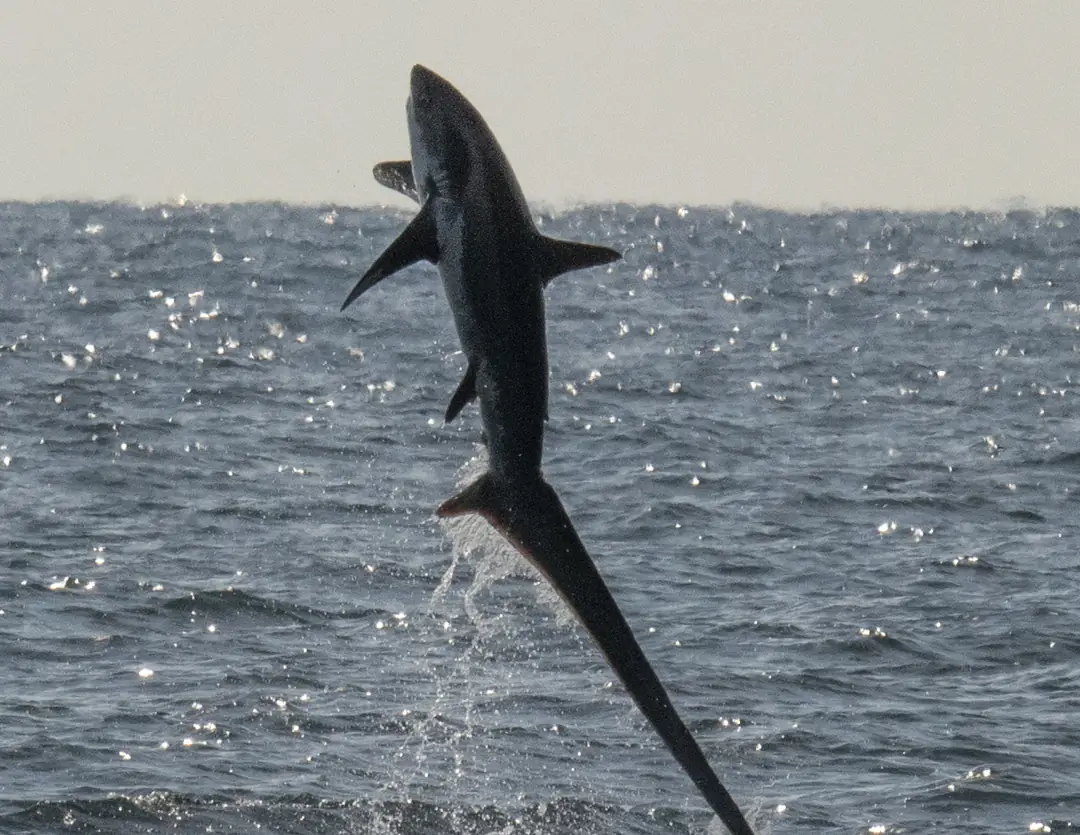
Malapascua Island holds a legendary status among divers worldwide, primarily for the almost guaranteed sightings of thresher sharks (`Alopias vulpinus`) at Monad Shoal. This unique underwater pinnacle rises from 36 meters, serving as a dedicated cleaning station where these magnificent sharks visit daily, typically at dawn, a phenomenon observed consistently since 2002. Dives here range from 10-40 meters with visibilities of 15-25 meters, often requiring advanced open water certification to fully experience the early morning encounters.
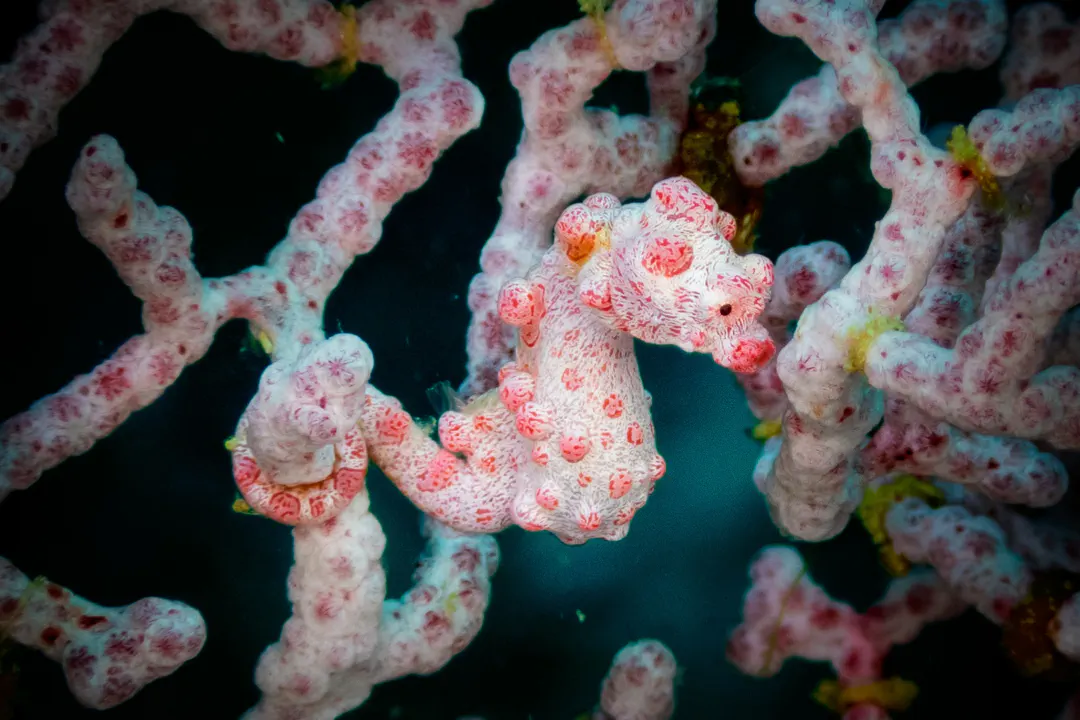
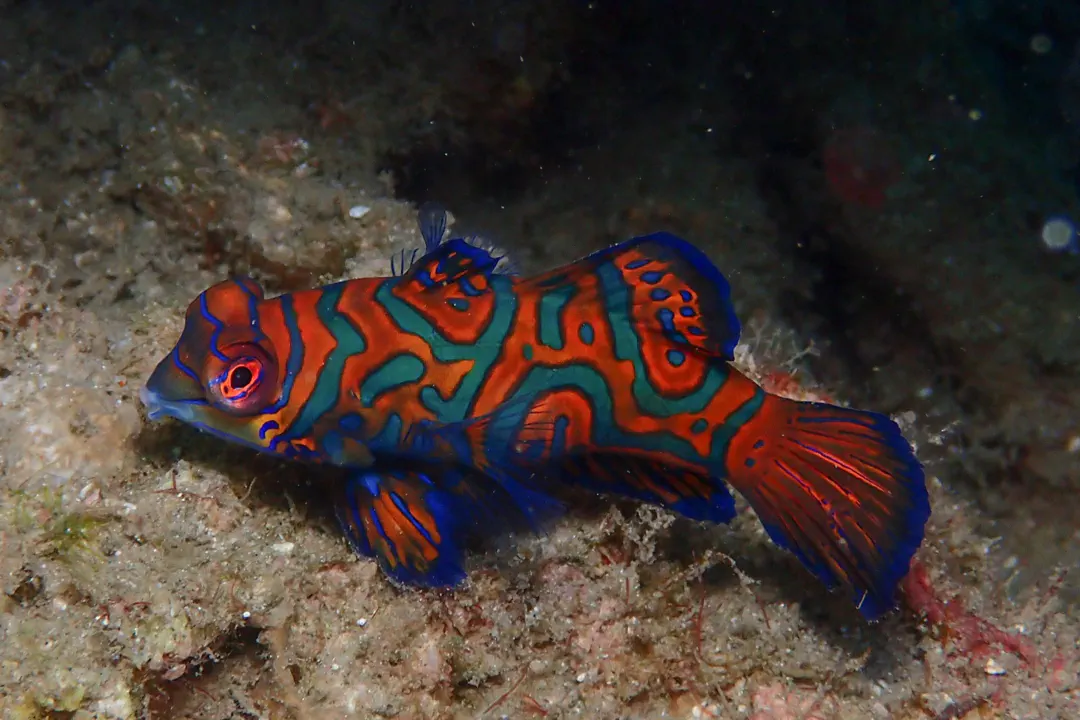
Beyond the thresher sharks, Malapascua offers a wealth of other unique encounters. Night dives reveal the captivating mating rituals of mandarinfish (`Synchiropus splendidus`), a truly magical spectacle. Nearby Gato Island, with its intriguing cave systems at 12 meters, is a haven for macro life, hosting over 20 pairs of elusive pygmy seahorses (`Hippocampus bargibanti`) per square meter, delicately camouflaged on gorgonian fans.
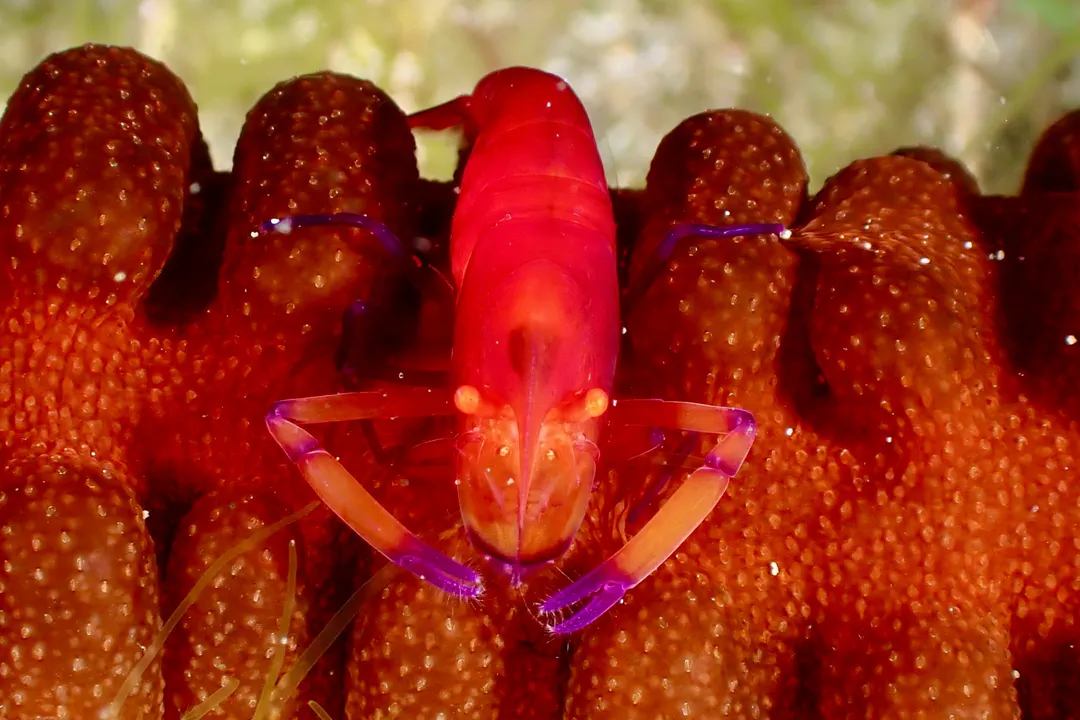
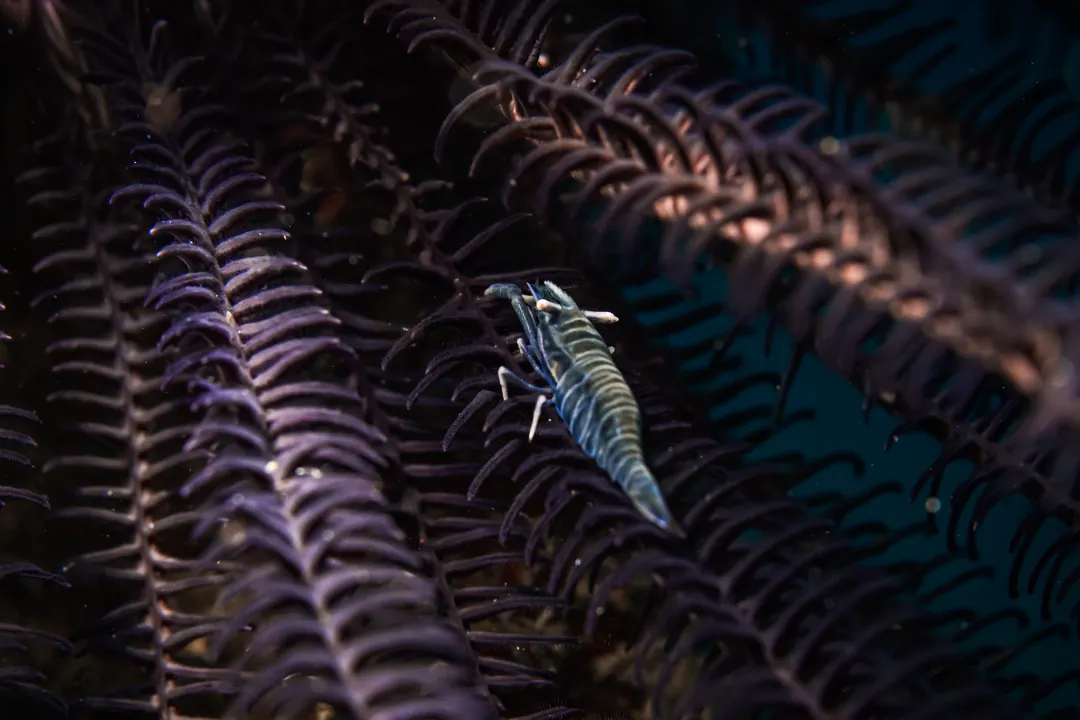
The vibrant reef ecosystems around Malapascua support a diverse community of over 300 fish species. Large bumphead parrotfish (`Bolbometopon muricatum`) can be seen grazing on algal lawns at shallower depths of 5-15 meters, while historical surveys since the 1980s document more than 150 macro species, including various emperor shrimp on sea cucumbers. For the best thresher shark experience, divers typically depart around 5:30 AM for a thrilling 45-minute encounter, while red filters are often employed for nocturnal macro hunts.
Seasonal northeast monsoons can enhance currents up to 1.5 knots, concentrating fusiliers into schools spanning 50 meters, adding another dynamic element to the dives.
 © Pierre PericardCC BY 4.0 · iNaturalist
  © Dan SchofieldCC BY 4.0 · iNaturalist
  © Dan SchofieldCC BY 4.0 · iNaturalist
  Chris SpainCC0 · iNaturalist
  © Jay ParolineCC BY 4.0 · iNaturalist
  © Alberto AlcaláCC BY 4.0 · iNaturalist
 Tubbataha Reefs Natural Park: A Pristine UNESCO Site
Tubbataha Reefs Natural Park, a UNESCO World Heritage Site, encompasses an impressive 97,030 hectares across two pristine atolls in the Sulu Sea. This remote sanctuary is accessible solely by liveaboard from Puerto Princesa, typically during the optimal season from March to June. During this window, visibilities often exceed 30 meters, revealing an astonishing 360 coral species on walls that plunge dramatically to depths of 100 meters.
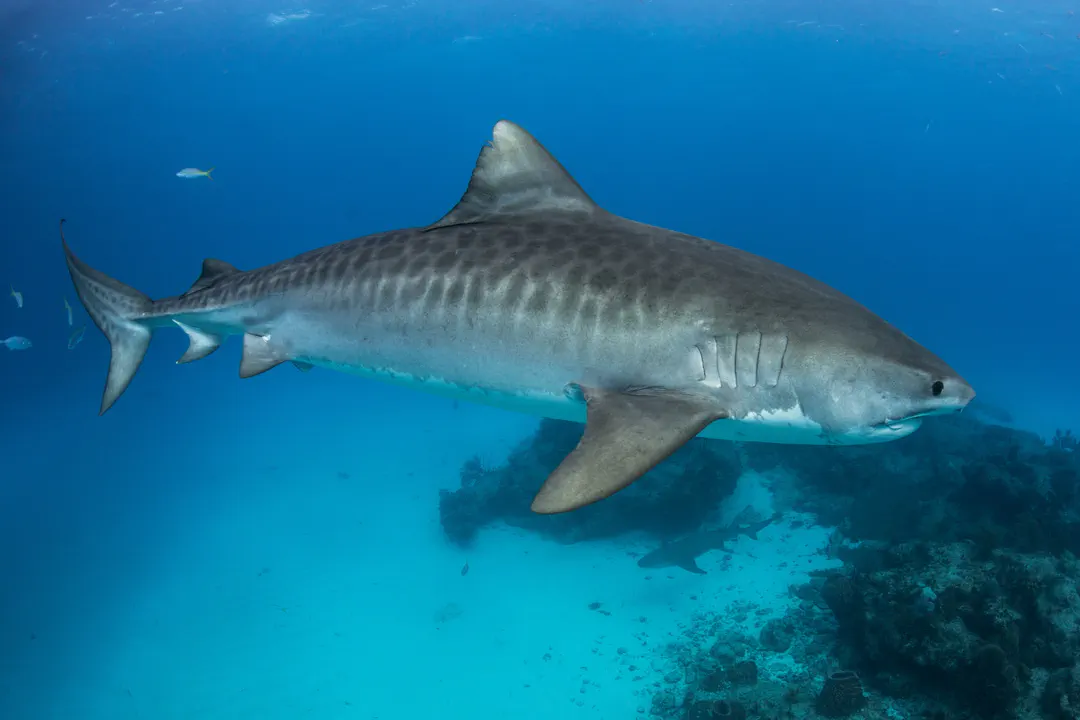
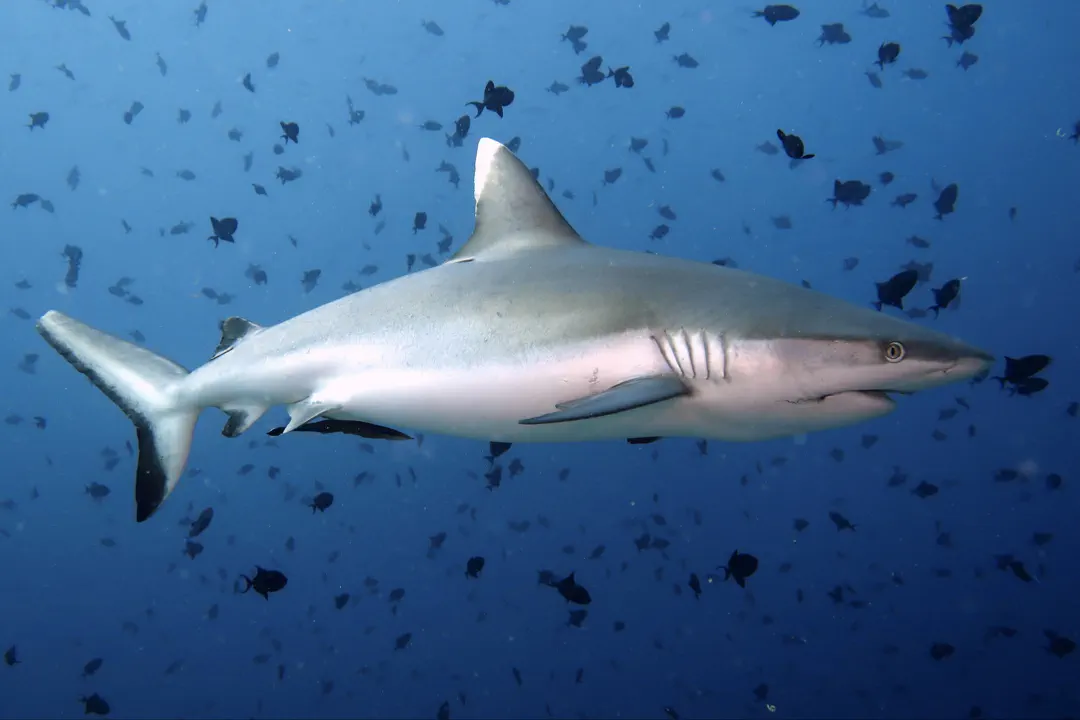
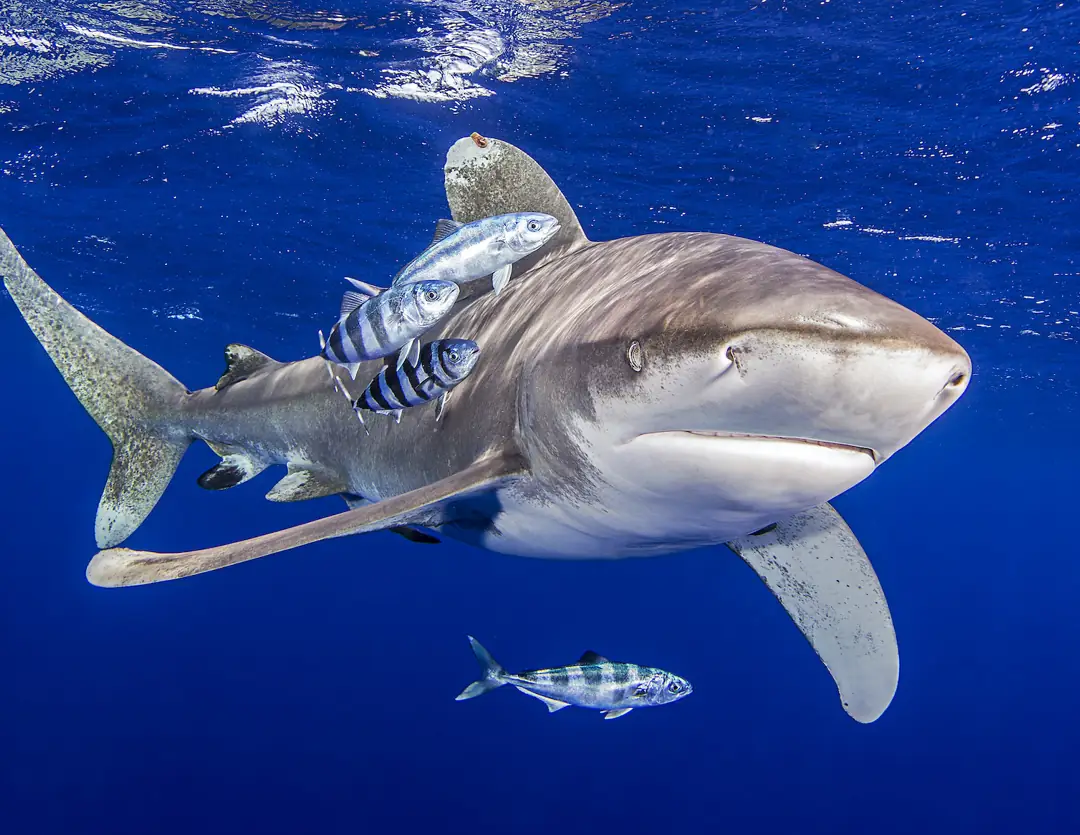
Designated as a UNESCO site since 1993, Tubbataha provides critical protection for 11 shark species, including powerful tiger sharks (`Galeocerdo cuvier`) often spotted patrolling the gorgonian fans of Amos Rock. Dive briefings here consistently emphasize the presence of currents, which can reach up to 2 knots, and strict no-touch policies to preserve the remarkable 40% live coral cover. Ecological surveys have documented 479 reef fish species, with grey reef sharks (`Carcharhinus amblyrhynchos`) averaging five per dive on pinnacles like Shark Airport.
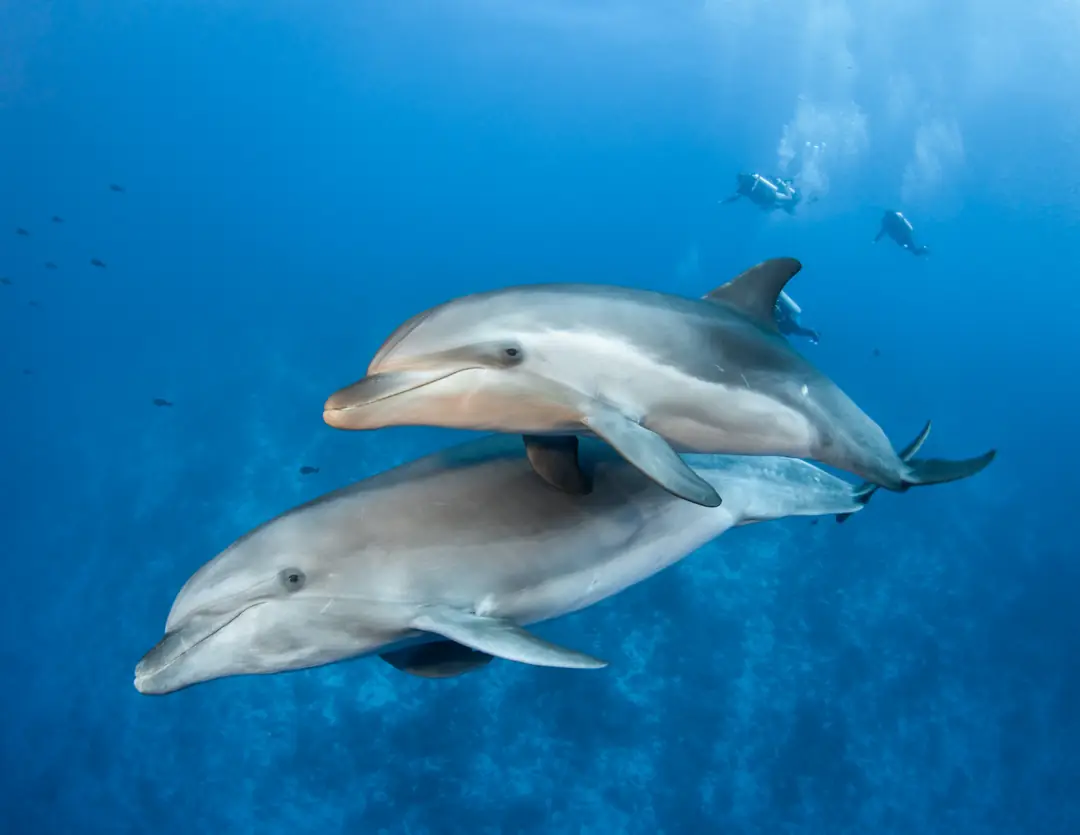
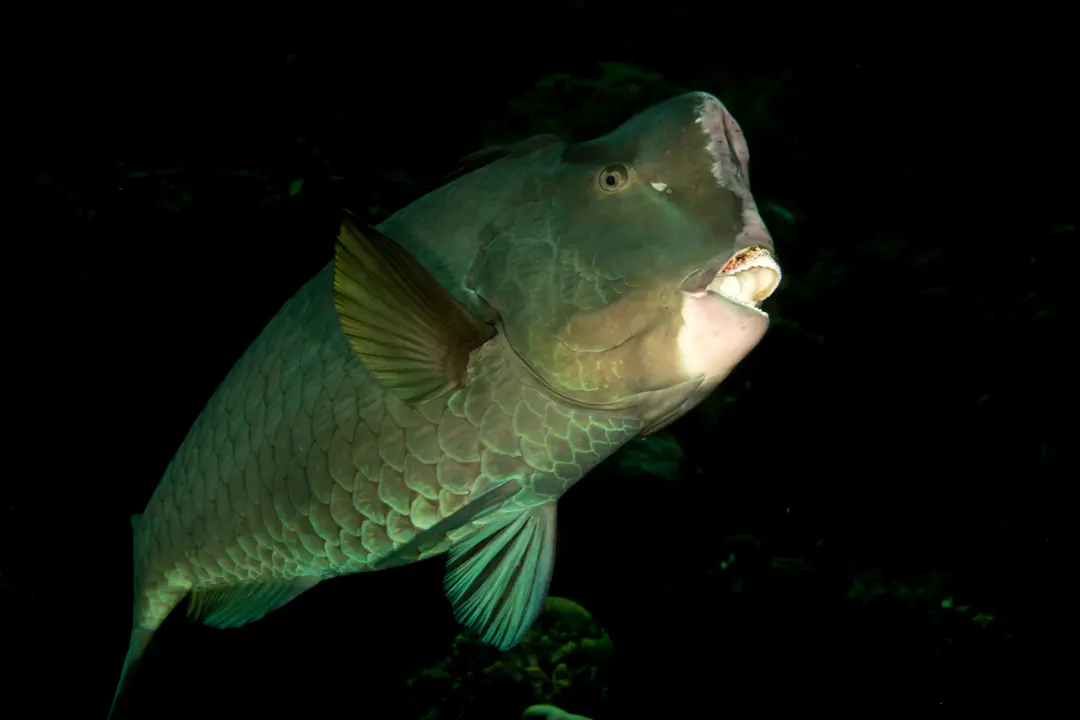
Beyond sharks, divers frequently encounter other pelagic wonders such as eagle rays (`Aetobatus ocellatus`) and pods of dolphins (`Tursiops truncatus`) escorting vessels across the 150-kilometer crossings. Sea turtles are common, nesting on sandy shallows, while historical overfishing, which severely impacted bumphead parrotfish (`Bolbometopon muricatum`) populations, has been successfully reversed by strict bans implemented since 2010. These efforts have restored parrotfish populations to over 200 individuals per reef, a testament to effective conservation.
Practical liveaboard tips include utilizing nitrox fills for extended 70-minute profiles and employing reef hooks for stability in currents. Night dives in Tubbataha offer a magical experience, showcasing bioluminescent plankton and the graceful undulations of Spanish dancers at shallower depths.
 © seabook.appAll rights reserved
  © Rickard ZerpeCC BY 4.0 · iNaturalist
  © seabook.appAll rights reserved
 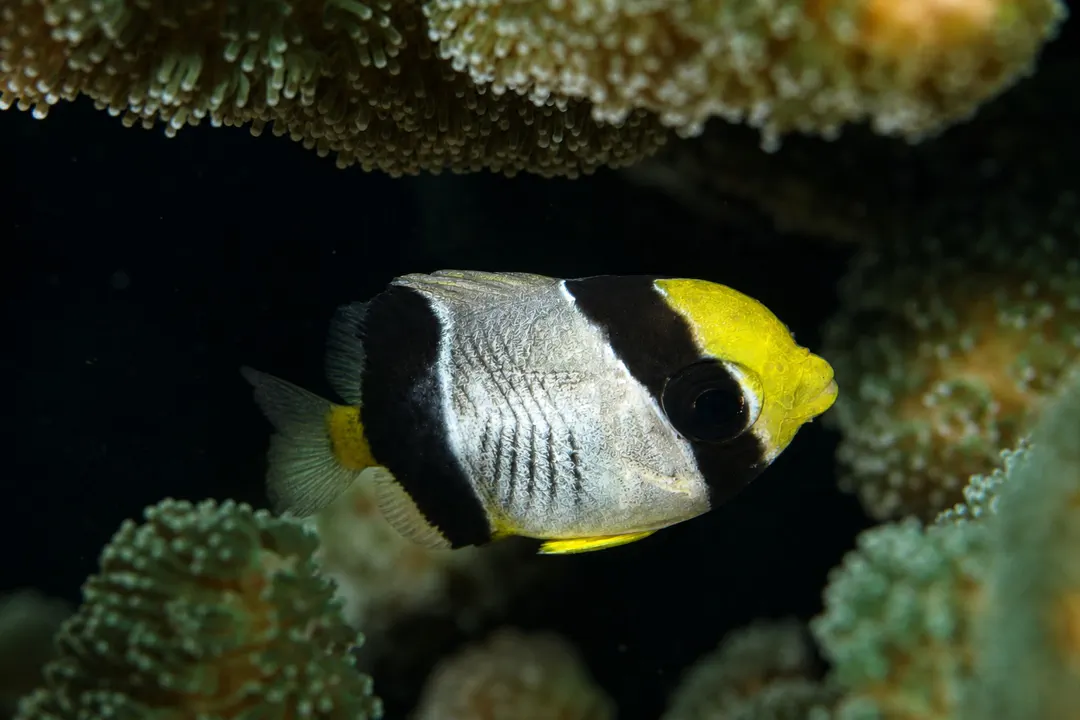 © seabook.appAll rights reserved
 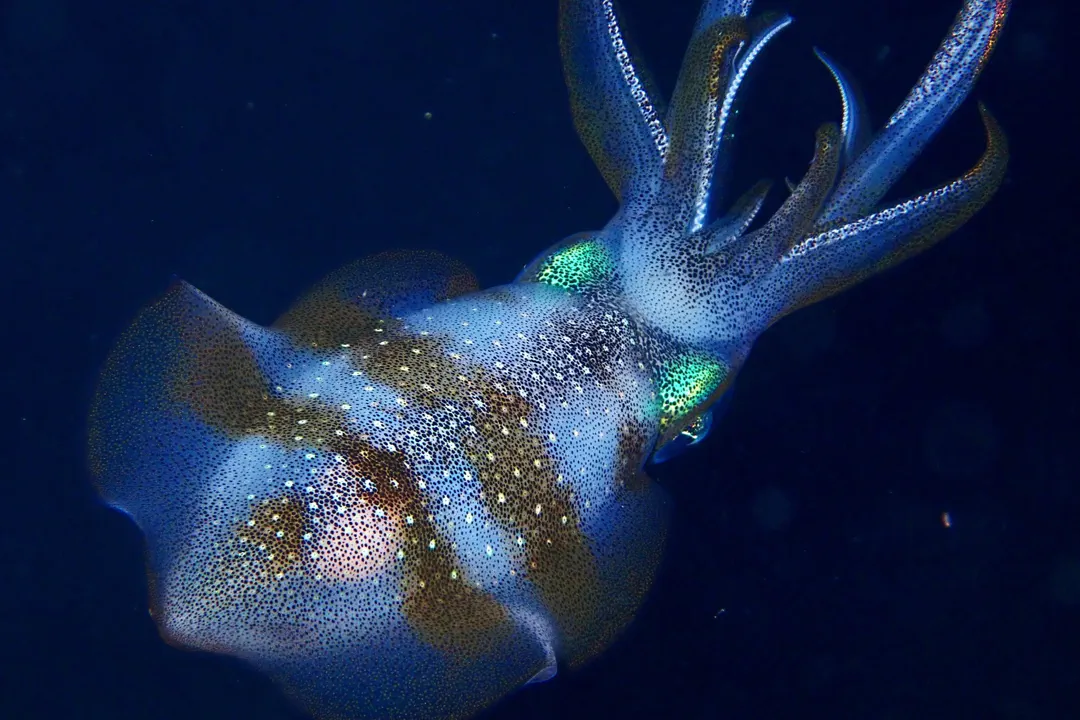 Jean-Paul BoerekampsCC0 · iNaturalist
 Anilao, Batangas: Macro Photography Paradise
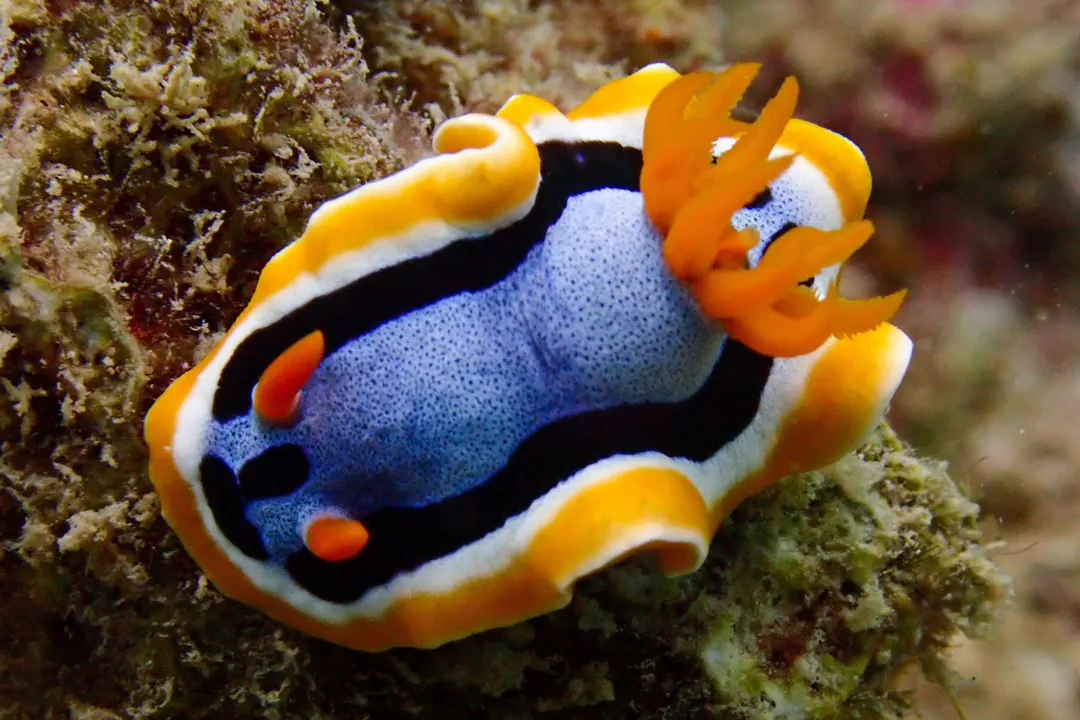
Anilao, situated along 20 kilometers of the Batangas coastline, is widely celebrated as the birthplace of Philippine diving and a premier destination for macro and muck diving. Its more than 40 dive sites, characterized by black sand slopes descending from 5-30 meters, teem with an astonishing diversity of over 500 macro species per site. The area is a particular hotspot for nudibranchs, boasting a staggering 300 species, including the vibrant `Chromodoris annae`, known for laying up to 2 million eggs daily.
Underwater photographers flock here, often deploying specialized snoots to capture intricate 1:1 portraits of creatures like flasher scorpionfish (`Scorpaenopsis macrochir`) on the volcanic rubble. Ecological hotspots like Twin Rocks are home to dense populations of common seahorses (`Hippocampus kuda`) and pygmy seahorses (`Hippocampus bargibanti`) within their fan forests, sustained by nutrient-rich upwellings that deliver substantial plankton. The historical Japanese occupation left behind WWII relics that are now encrusted with over 50 coral genera, adding a unique historical dimension to the dives.
Dive operators in Anilao typically recommend 12-liter tanks for extended 60-minute critter hunts, with torch signals used to alert fellow divers to rare finds such as the elusive wonderpus octopus (`Octopus cyanea`). Seasonal patterns show that the wet months often yield higher critter densities due to increased nutrient runoff, though visibilities may range from 8-15 meters. To preserve the delicate marine environment, particularly the 70% soft coral cover, protected sanctuaries in Anilao often limit dive groups to a maximum of four divers per guide, ensuring a more intimate and responsible critter hunting experience.
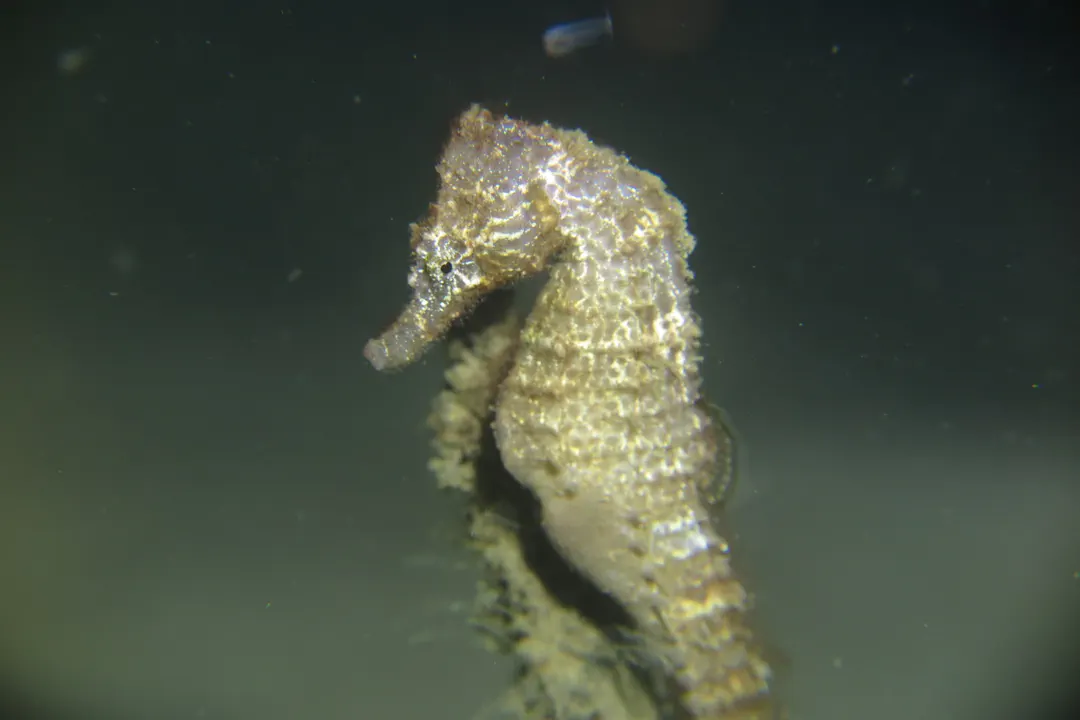 © Ewout KnoesterCC BY-SA 4.0 · iNaturalist
 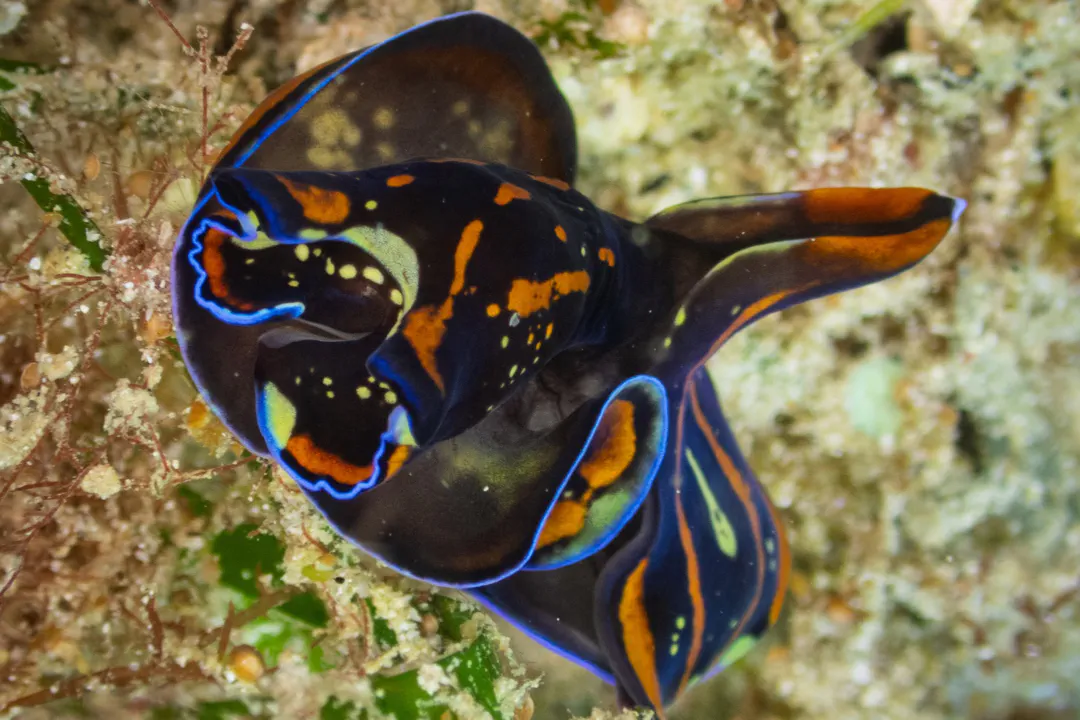 © Pierre PericardCC BY 4.0 · iNaturalist
  © Paul Asman and Jill LenobleCC BY 4.0 · iNaturalist
  © seabook.appAll rights reserved
  © Bernie WongCC BY 4.0 · iNaturalist
  © Stas KuryanAll rights reserved
 Coron, Palawan: Wreck Diving History
Coron Bay in Palawan offers a truly unique diving experience, distinguished by its fleet of 23 Japanese WWII shipwrecks. These historical vessels, sunk in 1944, now rest at depths ranging from 10-40 meters across 15 square kilometers, transformed into magnificent artificial reefs teeming with marine life. The 110-meter hull of the Irako, for instance, provides shelter for schools of over 1,000 snappers, while the holds of the Olympia Maru bloom with over 20 distinct color morphs of dendronephthya corals.
Historical dives conducted since the 1980s document an impressive 80% coral coverage on these superstructures, showcasing the incredible resilience and adaptability of marine ecosystems. Dive progressions in Coron cater to various skill levels, starting with shallower wrecks like the Morazan at 18 meters, perfect for beginners, and advancing to deeper sites such as the Akitsushima at 38 meters, which offers excellent opportunities for specialized wreck penetration training. Currents here average around 1 knot, gently drifting divers past featherstars that can wave up to 2 meters tall.
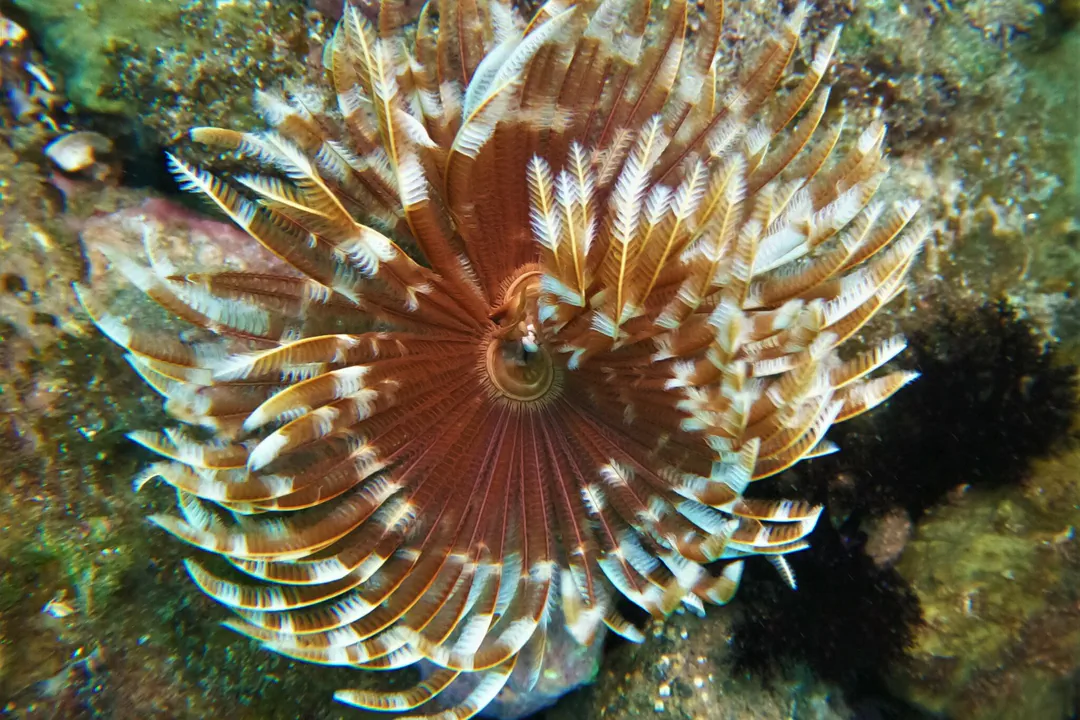
Practical tips for wreck diving include obtaining a wreck specialty certification, especially for days with 30-meter visibility, and utilizing reels for safe cavern swims within the wrecks. The wrecks are not just historical artifacts but vibrant ecosystems. They are home to a diverse array of marine growth, including giant clams spanning 1.2 meters and delicate Christmas tree worms (`Spirobranchus giganteus`) that retract in a mere 0.1 seconds at the slightest disturbance.
Since their protected status was established in 2005, fishing has been banned, leading to a significant boost in fish populations, with bumphead parrotfish (`Bolbometopon muricatum`) biomass increasing to 15 kilograms per hectare, further enhancing the rich biodiversity of these underwater museums.
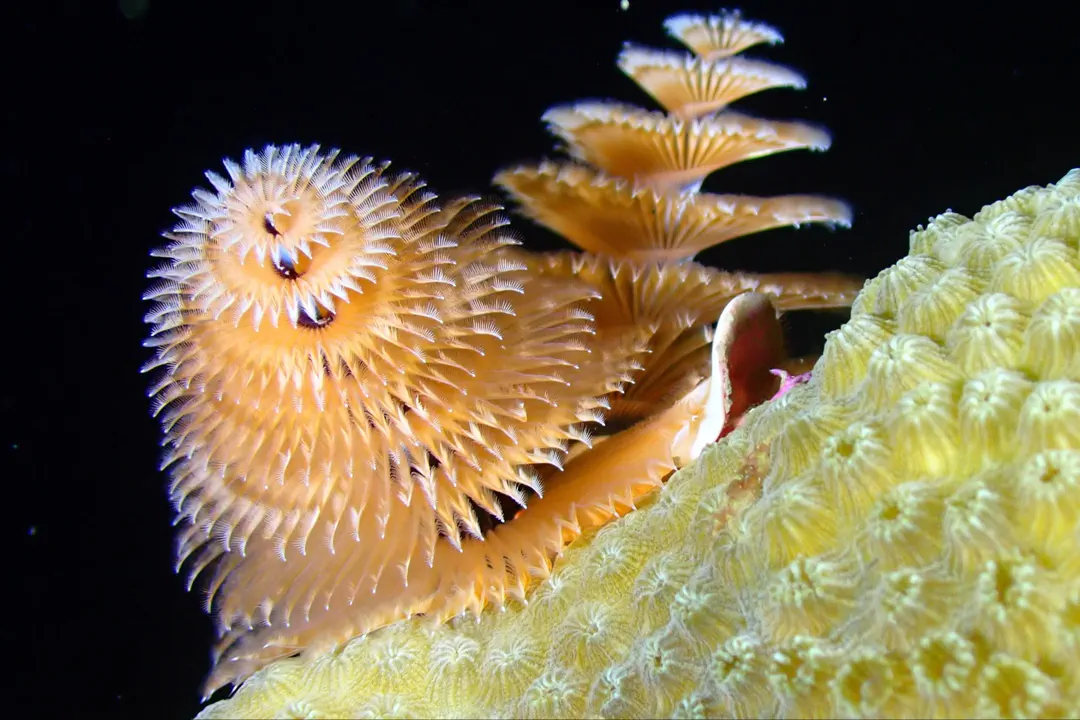 © Robin WhiteCC BY 4.0 · iNaturalist
 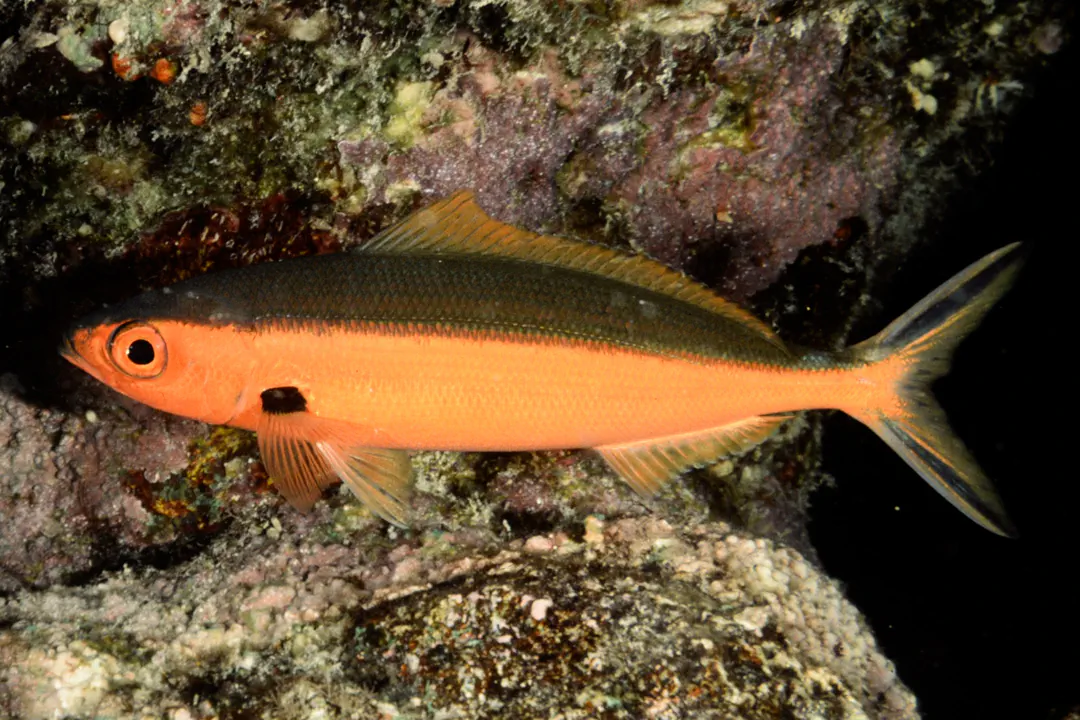 © Roger RittmasterCC BY 4.0 · iNaturalist
 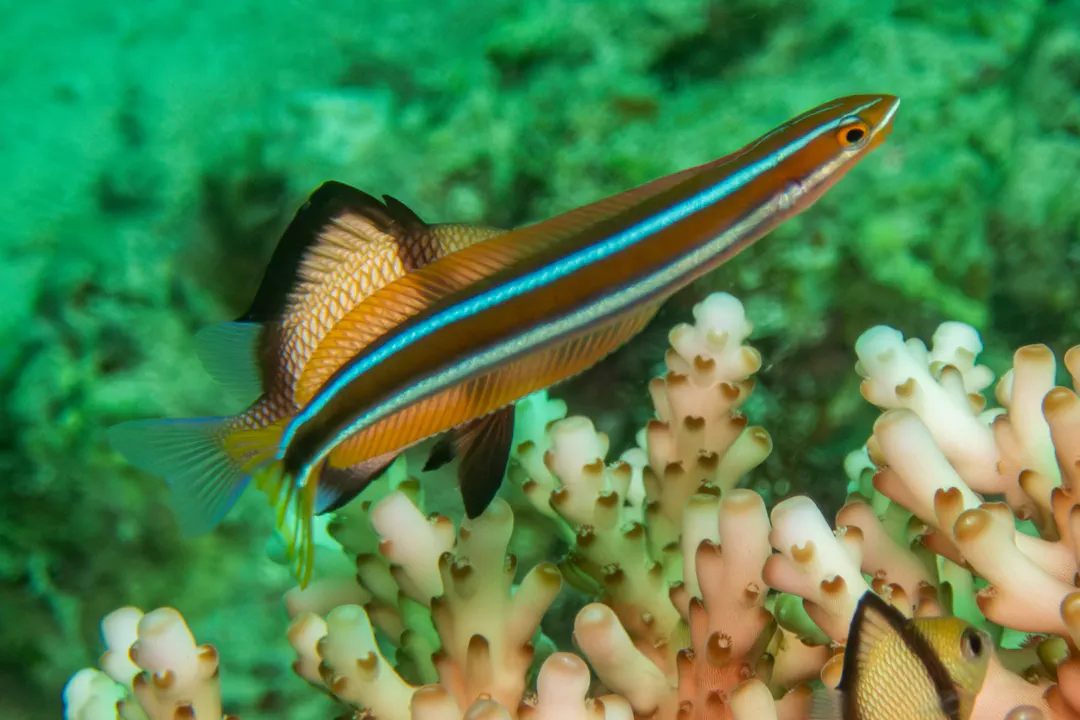 © portioidCC BY 4.0
 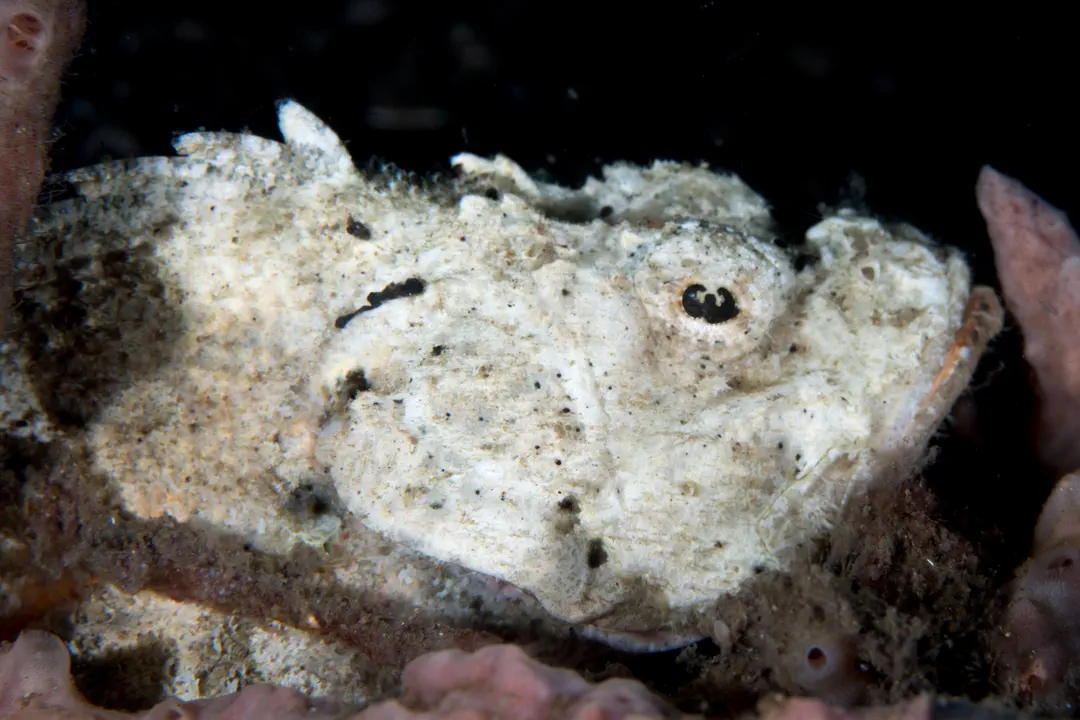 © Rickard ZerpeCC BY 4.0 · iNaturalist
 Dauin, Negros Oriental: Critter Diving Extravaganza
Dauin, located in Negros Oriental, is another prime muck diving destination, renowned for its extensive black sand slopes and an incredible array of rare and unusual critters. Its protected marine sanctuaries, such as Apo and Masaplod, encompass over 500 hectares of black sand muck from 5-30 meters, where frogfish densities can reach an astonishing 10 per site amidst a total of 400 macro species. This area is a treasure trove for finding the extraordinary.
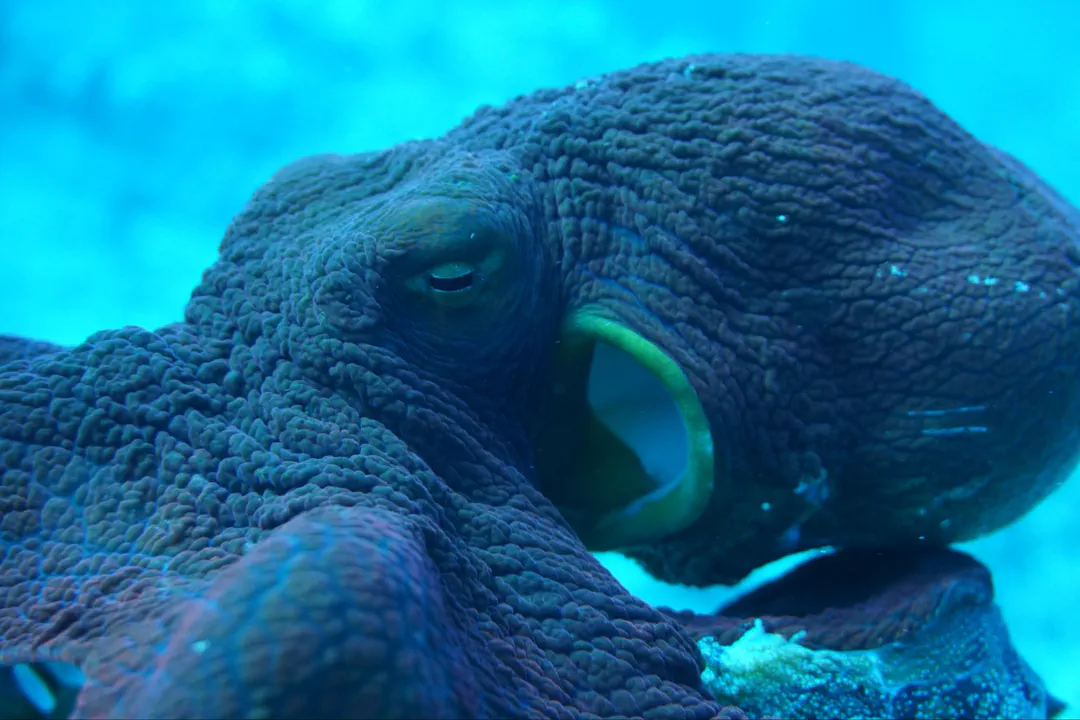
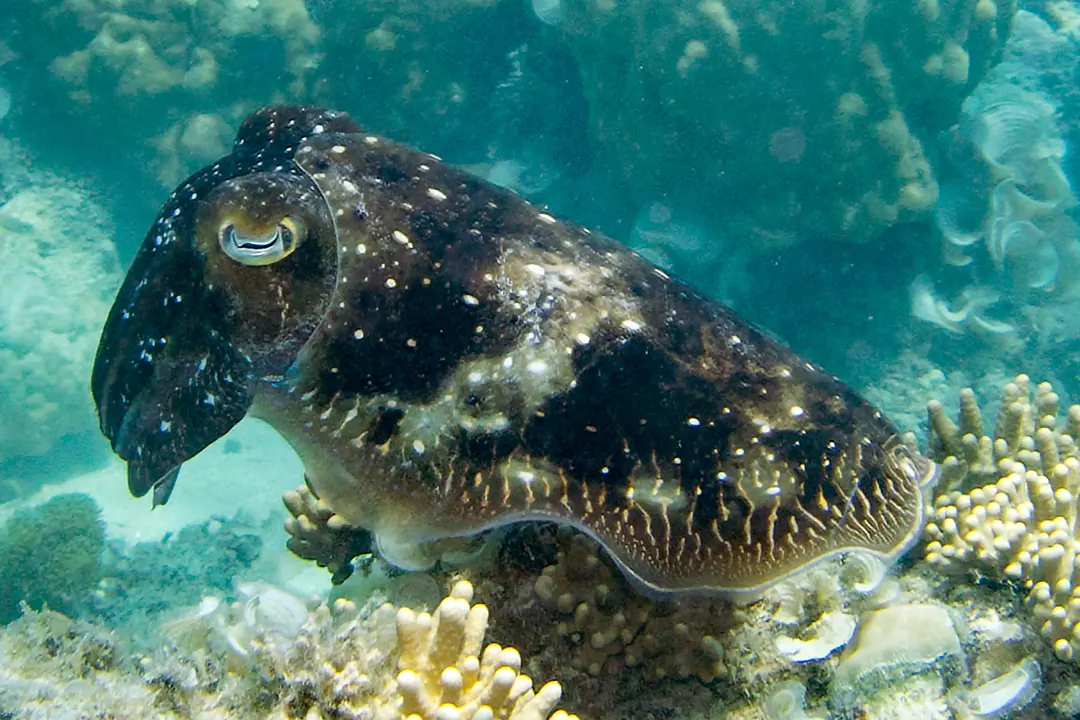
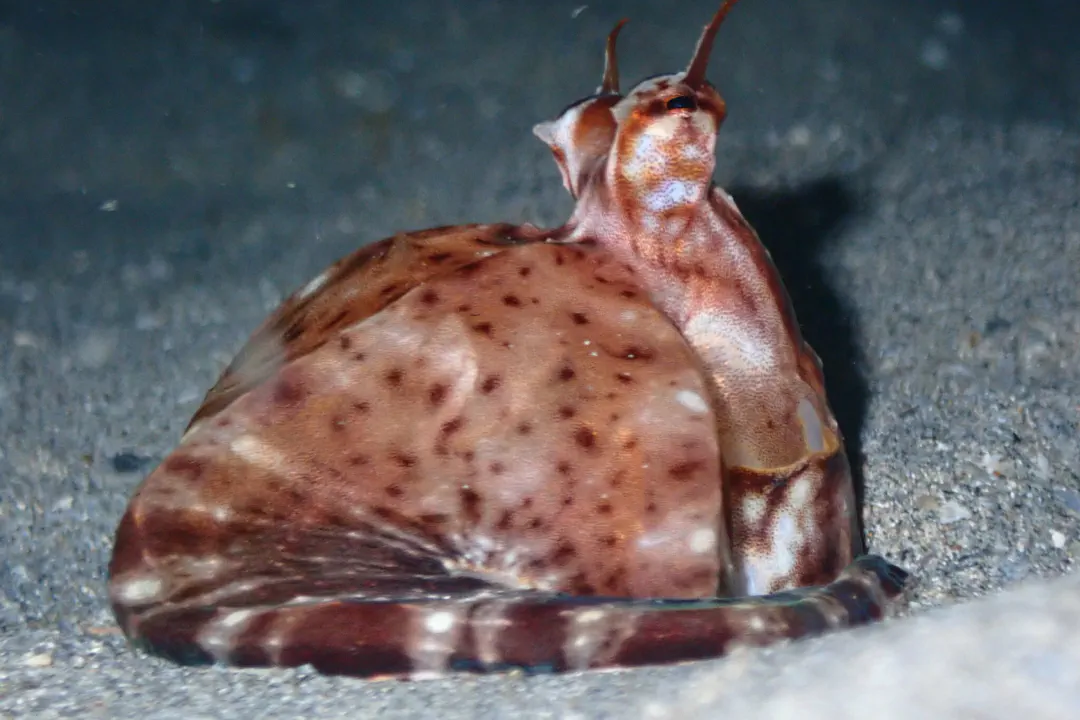
Among the most sought-after inhabitants are the flamboyant cuttlefish (`Metasepia pfefferi`), which display their mesmerizing warning colors during their brief 2-minute hunting forays, and the mimic octopus (`Thaumoctopus mimicus`), a master of disguise capable of impersonating up to 15 different prey types. Night dives in Dauin are particularly rewarding, often revealing over 50 nudibranch pairs spawning on the rubble, showcasing the vibrant nocturnal life of the area. Ecological surveys conducted since 2000 have logged 120 seahorse species pairs, a testament to the effectiveness of the 20% marine protected area coverage.
Historical fishing bans have dramatically increased invertebrate biomass by 300%, contributing to the current abundance. Divers focusing on macro photography will find ideal conditions for capturing subjects as small as 5cm, with visibilities typically ranging from 10-20 meters and peaking during the dry season. Practical advice for diving in Dauin includes utilizing shore entries for extended 55-minute profiles and conducting thorough buddy checks to spot camouflaged creatures like scorpionfish.
Currents rarely exceed 0.5 knots, allowing for precise positioning and leisurely exploration of the 100-meter slopes.
 © Ewout KnoesterCC BY-SA 4.0 · iNaturalist
 Conservation Efforts and Responsible Diving
The Philippines is at the forefront of marine conservation, with over 1,700 marine protected areas (MPAs) covering 2.3% of its waters. These vital sanctuaries are often managed through community-led initiatives, with local rangers patrolling hundreds of kilometers of reef since 2015. Tubbataha Reefs Natural Park, for example, maintains a high compliance rate of 70% for its no-take zones, a success reflected in a remarkable 400% increase in shark sightings.
Similarly, resorts like Buceo Dive Resort in Anilao actively contribute to conservation, planting 10,000 corals annually with an impressive 85% survival rate on their coral frames. Responsible diving practices are paramount to preserving this fragile ecosystem. Divers are strongly encouraged to adhere to guidelines such as banning harmful sunscreens, maintaining fin pivots at least 30 centimeters above the substrate, and keeping a respectful 1-meter distance from marine life, particularly turtles.
Historically, destructive practices like dynamite fishing had reduced reefs by 70% by 1990; however, stringent bans have reversed these losses, bringing bleached coral cover down to 20%. Divers also play a direct role in funding these efforts, with environmental fees (e.g., $5 in Tubbataha) contributing to the annual support of over 200 ranger patrols. Local cooperatives in areas like Malapascua are actively involved in sustainable tourism, training hundreds of local youth as guides, effectively blending tourism with enforcement.
Initiatives like buoyancy workshops have significantly cut anchor damage by 50%, helping to preserve magnificent table corals that can average 2 meters in diameter. By embracing these conservation efforts and practicing responsible diving, visitors can help ensure the Philippines' underwater wonders remain vibrant for future generations.
Practical Tips for Diving in the Philippines
For most nationalities, visa-free entry to the Philippines is granted for 30 days, extendable up to 36 months, allowing ample time for extensive diving adventures. The local currency is the Philippine Peso (PHP), typically trading around 55-58 per US Dollar. While English is widely spoken in dive centers and tourist areas, learning a few basic Tagalog phrases like 'Salamat' (thank you) and 'Magkano' (how much) can greatly enhance local interactions and negotiations.
Safety is paramount; it is highly recommended to have comprehensive dive insurance, such as DAN, which covers depths up to 40 meters and provides for hyperbaric evacuations to facilities in Manila if needed. Gear rentals are readily available at approximately 500 pesos daily, but many experienced divers prefer to bring their personal regulators for extended trips involving 30 or more dives. When booking, opt for PADI-certified operators with high ratings (e.g., 4.5 stars and above) and inquire about dive group ratios, ideally 1:4, to ensure personalized attention.
Accommodations range from budget-friendly options at 2,000 pesos nightly to more luxurious choices up to 10,000 pesos, with liveaboards for remote sites like Tubbataha typically costing around 40,000 pesos for a 7-day trip. Beyond diving, remember to respect local customs, such as removing shoes before entering homes and avoiding pointing feet at hosts. Always prioritize reef-safe practices, including the use of eco-friendly sunscreens.
It's also wise to monitor typhoon apps, as the country experiences approximately 20 storms annually, and diving should only be undertaken when sea conditions are calm, ideally under 1.5-meter swells, to ensure safety and enjoyment.
Questions
What is the best time of year to dive in the Philippines?
The dry season from November to May provides swells under 1 meter, visibilities of 20-40 meters, and calm conditions ideal for all sites. Tubbataha restricts access to March-June for peak pelagics; Visayas sites like Moalboal remain viable year-round with sheltered bays. Wet season limits exposed areas but enhances muck diving in Anilao with nutrient influx.
Is the Philippines suitable for beginner divers?
Shallow reefs at 5-12 meters in Puerto Galera and Bohol suit Open Water certification, with calm 0.5-knot currents and 25°C waters. Sites like Anilao's house reefs offer macro without depths over 18 meters. Advanced drifts at Pescador Island require AOW, but 70% of 100+ sites accommodate novices.
What kind of marine life can I expect to see?
Thresher sharks patrol Malapascua at 30 meters, while Tubbataha schools 500 reef sharks per dive amid 360 corals. Macro hotspots like Dauin reveal 400 critters including 10 frogfish per slope and 300 nudibranch species. Sardine balls of 5,000 fish per cubic meter draw predators to Moalboal year-round.
Are liveaboards common in the Philippines?
Liveaboards access Tubbataha's 10 atolls via 7-day charters from March-June, offering 18 dives across 30-100 meter pinnacles. Apo Reef trips from Coron span 4 days for 12 dives on 300-hectare lagoons. 50 operators serve 10,000 divers annually, with nitrox standard for repetitive profiles.
Do I need a wetsuit for diving in the Philippines?
Surface waters average 28-30°C year-round, dropping to 26°C at 40 meters; a 3mm shorty suffices for 60-minute dives. Rash guards prevent sunburn during surface intervals in 32°C air. Tubbataha's 29°C profiles demand only lycra for thermocline protection.